
How Much Does Roof Repair or Replacement Cost in 2024?
Has a recent leak or a contractor’s estimate left you scrambling to understand what you should actually pay?
Roofing costs can be confusing, with quotes that seem to come out of nowhere. I’ve priced hundreds of jobs, and I’ll help you make sense of the numbers.
I’ll first explain the five key factors that change your price more than anything else. Next, I’ll give you real-world cost ranges for common fixes and full replacements based on my 2024 estimates. Finally, I’ll share how to spot a fair quote that prioritizes safety and longevity over the cheapest price.
Key Takeaways: What You Need to Know About 2024 Roofing Costs
Roofing prices feel like they change every season. After working on crews and now advising homeowners, I see a few truths that hold steady.
- The single biggest factor in your roof’s price tag is the material you choose, but skilled labor and your local market are right behind it.
- Costs have a huge range. A simple asphalt shingle patch might be a few hundred dollars, while a full slate replacement can reach tens of thousands.
- You must get at least three detailed, written estimates. This isn’t just about price, it’s about understanding each contractor’s approach and spotting red flags.
- Addressing a minor leak or a few damaged shingles now is almost always far cheaper than dealing with the structural rot and water damage it causes later.
- Your roof’s pitch, accessibility, and the complexity of its design (lots of valleys, chimneys, skylights) will significantly impact the final labor cost.
Breaking Down the Numbers: Roof Repair Costs by Material
Let’s get specific. The cost to fix your roof depends almost entirely on what it’s made of. Here’s what you can expect for common repairs in 2024.
What Are the Average Costs for a Basic Asphalt Shingle Roof Repair?
For a standard leak repair or shingle replacement, plan for a range of $150 to $400 for a basic, localized job.
“Basic” means fixing a leak traced to a single point, replacing a handful of wind-damaged shingles, or resealing a small section of pipe flashing. The contractor buys a small bundle of matching shingles and some sealant. The labor is straightforward for an experienced roofer.
Remember, this is not a re-roof. If you’re asking “how much does it cost to get a roof reshingled,” you’re looking at a full tear-off and new underlayment, which is a replacement project costing thousands.
How Much Does a Metal Roof Repair Cost on Average?
Metal roof repairs are a different beast. Sealing a leaking seam or replacing a single damaged panel typically runs between $300 and $1,000. However, for minor issues like leaking screw holes, the cost might be lower.
Why the range? A tube of high-quality sealant and an hour of labor is on the low end. But if a panel needs to be custom-ordered and color-matched, or if the fasteners have failed along a seam, the work becomes more involved.
The good news is a well-maintained metal roof rarely springs leaks, so repair costs are often infrequent. The catch is you need a pro who specializes in metal. Using the wrong sealant or technique can void warranties and cause more problems.
What Are the Average Repair Costs for a Tile Roof?
Tile roofs are beautiful and durable, but fragile to walk on. Replacing broken clay or concrete tiles usually costs $500 to $1,500 for a repair.
The tiles themselves can be expensive, especially if they are old or custom. The real cost driver is the careful labor. A roofer must safely navigate the roof, remove the broken pieces without damaging the surrounding tiles, and properly bed and secure the new ones.
This ties directly into “how long does it take to retile a roof.” A full replacement is a slow, meticulous process. For a repair, a good crew might take half a day just to fix a small section properly. That time is baked into your labor cost.
How Much Does a Flat Roof Repair Typically Cost?
Flat or low-slope roof repairs vary widely by system. Patching a 3′ x 3′ area on a modified bitumen (torch-down) or EPDM (rubber) roof can cost $400 to $800.
If the issue is ponding water, the fix isn’t just a patch. A contractor needs to improve the drainage, which may involve adding tapered insulation or new drains. That becomes a more complex project.
An emergency sealant job to stop an active leak might be a temporary, lower-cost fix, but a scheduled section replacement is a more reliable, long-term solution. Always ask which one you’re being quoted for.
Specialty Repairs: From Campers to Retractable Systems
Some roofs are in a different category altogether.
If you’re wondering “how much does it cost to fix a camper roof,” think smaller scale. DIY kits for small rubber or fiberglass RV roofs start around $200. A professional repair for significant damage might range from $1,000 to $3,000, given the different materials and sealing techniques involved.
On the extreme high end, “how much does a retractable roof cost” is a question about a complete mechanical system replacement, not a repair. We’re talking about custom-fabricated structures with motors and controls. Installing or fully replacing one can easily cost $50,000 or more. Repairs on these systems are highly specialized and billed accordingly.
Full Replacement Price Tags: What to Expect for a New Roof
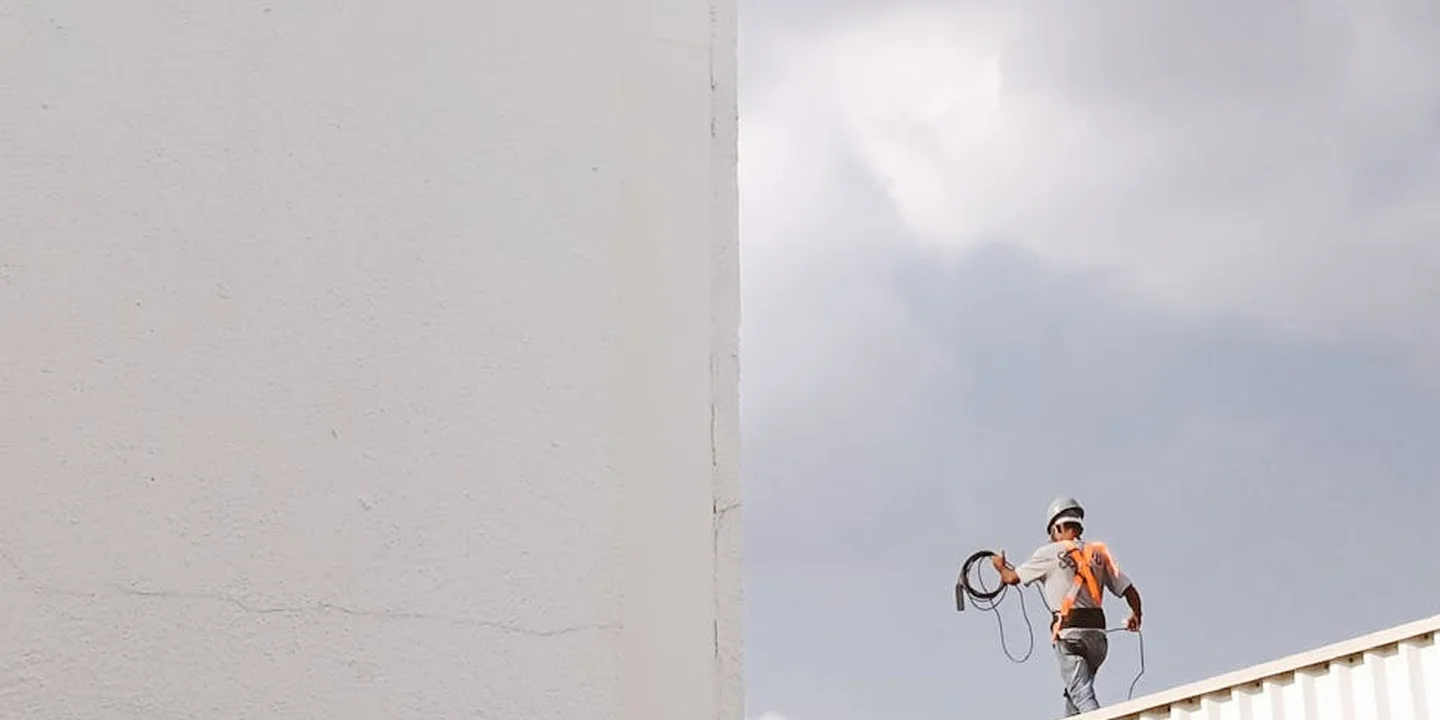
I get asked “how much does it cost to get a roof redone” more than any other question. The honest answer is, it’s like asking how much a car costs. The price tag depends almost entirely on the material you choose.
A basic asphalt shingle job and a premium metal roof are completely different projects with different lifespans. Let’s break down the main options.
What Is the Typical Price Range for a Full Asphalt Shingle Roof Replacement?
This is the most common job we do. For a standard 2,000 square foot home, a full replacement typically ranges from $8,500 to $16,000 nationally.
Roofers measure in “squares.” One square equals 100 square feet of roof area. You can expect to pay between $350 and $550 per square for a quality architectural shingle installation, which includes tear-off, disposal, and all new materials. That price covers multiple shingle bundles per roofing square to ensure proper layering and durability.
Basic 3-tab shingles are cheaper, often $250 to $400 per square, but I rarely recommend them. Architectural shingles are thicker, last longer, and look much better. The crew I work with sees them as the standard for a good reason. If you’re planning a project, know where to buy roofing materials and compare shingles costs from different sources. A quick price check with reputable suppliers can save you money and time.
What Is the Cost Range for a Full Metal Roof Replacement?
Metal is an investment. For that same 2,000 square foot home, expect a range of $17,000 to $35,000.
The style makes a huge difference. Corrugated steel panels are the more affordable option. Standing seam metal roofs, where the panels connect with raised, hidden fasteners, are the premium choice. Standing seam systems cost more upfront, but their superior durability and 50-year lifespan often make them worth it for homeowners planning to stay put.
I’ve seen too many poorly installed screw-down panels leak over time. If you go metal, invest in a proper standing seam installation.
What Is the Price Range for a Full Tile Roof Replacement?
Tile roofs, whether clay or concrete, are a premium product. You’re looking at a significant investment, often between $30,000 and $70,000 for a full replacement on an average home.
Beyond the material cost, you must consider weight. Tile is extremely heavy. An existing roof structure may need costly reinforcement to support a new tile system, which is a major factor your contractor must evaluate first.
This isn’t a DIY project or a job for a shingle crew. You need specialists who know how to handle and fasten tile correctly to prevent breakage and leaks.
What Is the Cost Range for a Full Flat Roof Replacement?
Flat or low-slope roofs are their own world. Costs are usually quoted per square foot. For a 1,500 square foot flat roof, replacement often falls between $7,500 and $15,000.
The main membrane options are TPO (white, reflective), EPDM (black rubber), and Modified Bitumen (asphalt-based rolls). Prices vary between them, but the installation quality is paramount. Proper drainage is the most critical factor for a flat roof’s lifespan; a poorly sloped roof will pool water and fail prematurely, no matter the material.
Never let a contractor skip installing proper tapered insulation or drains. It’s a cost today that saves you tens of thousands tomorrow.
The Hidden Variables: What Really Drives Your Final Bill
The base material cost is just the start. What are common additional costs or factors that influence the final price? Here are the big ones I explain to every customer.
How Do Regional Labor and Material Costs Affect the Overall Price?
Location changes everything. Labor rates and material availability vary wildly. A roof in San Francisco will cost significantly more than the same roof in Omaha.
Coastal cities often have higher insurance and permitting costs for contractors, which gets passed on. Always get three detailed quotes from local, established companies. National averages are a starting point, but your local market sets the real price.
How Do Roof Size, Pitch, and Complexity Impact the Total Cost?
Think of your roof’s shape like a puzzle. A simple, wide-open gable roof is the easiest puzzle to solve. A roof with multiple peaks, valleys, dormers, and chimneys is a complex puzzle.
Steep pitch adds cost for safety equipment and slower work. Valleys and penetrations require precise flashing and more labor time. When asking “how much does it cost to get roof reshingled,” remember a complex roof can add 25% to 50% more labor compared to a simple one.
What Are Typical Warranty Options and Their Associated Costs?
There are two key warranties. The manufacturer’s warranty covers defects in the shingles or panels. The contractor’s workmanship warranty covers installation errors.
A reputable roofer will offer a workmanship warranty of at least 2-5 years. Some offer longer, premium warranties. These enhanced warranties often add 5% to 15% to your project cost, but they buy long-term peace of mind against leaks caused by installation (though they are not a lifetime warranty).
Read the fine print. A warranty is only as good as the company backing it.
How Do Emergency or Urgent Repair Costs Compare to Scheduled Maintenance?
Emergency repairs cost a premium. A leak discovered at 8 PM on a Saturday will cost far more to fix than the same leak addressed during normal business hours.
Storm-chaser companies often inflate prices after major weather events. The best way to avoid emergency fees is with a yearly roof inspection. Catching a small problem during maintenance is always cheaper than fixing a major leak during a crisis.
Plan ahead. A little care saves a lot of money.
Repair or Replace? A Cost-Benefit Analysis for Your Situation

Is patching your roof a waste of money? The answer isn’t a simple yes or no. You need to look at your roof’s age and the extent of the damage.
Use this decision tree I follow with my crew. It’s based on thousands of inspections.
- If your roof is under 10 years old and has damage in one small area, a repair is almost always the smart move.
- If your roof is between 10 and 20 years old and has a few issues, weigh the repair cost against the roof’s remaining life.
- If your roof is over 20 years old and showing signs of widespread wear, replacement is usually the better financial decision.
When a $500 Repair Beats a $15,000 Replacement
I’ve saved homeowners tens of thousands by recommending a precise repair over a full tear-off. The key is isolated damage on a sound roof.
Picture a hail storm that damages a 3-foot square on your 7-year-old roof. The rest of the shingles are tight and intact. A pro can replace just that section. That $500 repair can preserve 15 more years of service from your existing roof.
Minor flashing failures are another prime example. Flashing is the metal that seals joints around chimneys and vents. If one section is cracked or loose, a roofer can often fix just that spot. On a job last fall, we reseated a vent flashing for $350. The roof didn’t leak again.
Proper, targeted repairs on a young roof are an investment, not a band-aid.
When Patching is Just a “Band-Aid” and Replacement is Smarter
Sometimes, fixing one leak just makes the next one appear. I call this chasing failures. It means the entire roof system is nearing its end.
Look for these signs: leaks in multiple, unrelated spots, large areas where shingles are cracked or bald, or soft, spongy decking you can feel from the attic. If the wooden decking is rotting, any repair is temporary because the foundation is failing.
This is where you hit diminishing returns. You might spend $800 this year, then $1,200 next year, and $2,000 the year after. You’re pouring money into a roof that’s only getting worse. A full replacement stops the cycle and resets your home’s clock with a new warranty.
The 50% Rule: A Roofer’s Rule of Thumb for Making the Call
Here’s a practical guideline from my toolbox. If your repair estimate reaches half the cost of a full replacement, seriously consider replacing the roof.
Let’s use real numbers. Say a new roof for your house costs $18,000.
- A $2,500 repair for wind damage? That’s about 14%. Go ahead with the repair.
- A $6,500 repair for widespread leaks on one side? That’s 36%. It’s a judgment call, but repair might still be viable.
- A $9,000 repair to address multiple issues? That’s 50%. At this threshold, you are paying a premium for an old roof, and replacement offers greater long-term value and security.
This rule helps cut through the confusion. It gives you a clear number to discuss with your contractor.
The RoofMason Material Verdict: Comparing Your Best Options
Your roof’s material dictates its personality-how long it lasts, what it fights off, and what it costs over time. Here’s my comparison from decades on the job.
Asphalt Shingles: The Budget-Friendly Workhorse
Asphalt shingles cover most homes in America. I’ve installed miles of them.
- Pros: Lowest initial cost. They are quick to install, which keeps labor prices down. Modern styles mimic wood or slate.
- Cons: Shorter service life, typically 15 to 25 years. They offer fair resistance to hail and wind, but not the best.
For dry, temperate climates without extreme weather, asphalt shingles deliver the best bang for your buck. They are a reliable, economical choice for most families, especially when you compare them with other roofing materials.
Standing Seam Metal: The Durable Long-Term Investment
Metal is the upgrade for homeowners who plan to stay put. Standing seam panels lock together with hidden fasteners.
This roof has a top-tier fire rating. Hail tends to bounce right off. I’ve worked on 50-year-old metal roofs that were still solid. The upfront cost is two to four times higher than asphalt, but you’re buying a 40-to-70-year roof.
You also get hidden savings. The reflective coatings can significantly cut your summer cooling bills. Think of it as buying your last roof.
Tile and Slate: The Premium Aesthetic Champions
Tile and slate roofs are beautiful and brutal. They last generations but demand a lot from your house and your wallet.
Weight is the first hurdle. These materials are extremely heavy. Your home’s frame often needs reinforcement to carry the load. Their fire resistance is exceptional, and they stand up to sun and rain for decades.
Tile and slate are “forever roofs” with lifespans of 50 to over 100 years, but they come with a forever-roof installation price. This is a legacy choice for a landmark home. Durability and life-cycle costs differ between tile and slate. This matters when weighing tile vs slate roof durability cost.
Flat Roof Membranes: The Low-Slope Solution
For porches, additions, or modern flat roofs, membranes are the specialty solution. The big three are TPO, EPDM, and Modified Bitumen.
- TPO: A white, reflective single-ply membrane. It’s great for hot climates because it reflects heat. Resists punctures and UV light well.
- EPDM: A black synthetic rubber sheet. It’s very flexible, handles temperature swings, and is a durable, time-tested option.
- Modified Bitumen: Asphalt-based rolls that are torch-applied or self-adhered. It’s very tough and easily patched, making it a favorite for colder regions.
With any membrane roof, perfect installation is the only path to cost-effectiveness. Seams and edges must be sealed flawlessly. A cheap install here guarantees costly leaks within a few years.
Getting It Right: How to Scope Your Project and Budget Accurately
To save money and get accurate quotes, you need to know what you’re paying for. I learned this early when a crew showed up for a “simple repair” and found rotted decking everywhere. The quote doubled on the spot.
Follow these steps to scope your project like a pro.
- First, inspect your roof from the ground with binoculars. Look for cracked, curled, or missing shingles.
- Next, check your attic in daylight. Pinpoint leaks by looking for light coming through or dark water stains on the wood.
- Then, measure your roof’s footprint. Length times width gives you a rough square footage for material estimates.
A clear scope of work stops budget surprises before the first nail is driven.
How to Read a Quote: Line Items You Must Understand
A roofing quote is not just a total price. It’s a list of layers that protect your home. Think of it like buying a winter coat. The shingles are the outer shell, but what’s underneath matters more.
Here are the key lines you must check.
- Tear-off: This is the cost to remove and dispose of your old roofing material. If this number seems low, they might plan to shingle over old layers, which traps heat and hides rot.
- Decking Repair: This is the wood sheathing under everything. I always budget for some repair. A quote with zero dollars here often means they’ll charge extra if they find soft spots.
- Ice and Water Shield: This is a sticky, waterproof membrane installed in valleys and along eaves. It acts like a sealed raincoat under the shingles. Skipping it is a common corner cut.
The cheapest quote often saves money by omitting these critical, unseen components.
Three Questions to Ask Every Contractor
You are hiring a team to work on your biggest investment. Do not be shy. Ask these three questions before you sign anything.
- “Can I see your license and certificates of insurance?” Verify their general liability and workers’ comp coverage. I once saw a homeowner liable for a sub’s injury because the contractor had lapsed insurance.
- “Will your own crew do the work, or will you use subcontractors?” You want the company you hired to be on site. Subs can mean less accountability and variable quality.
- “What exactly does the warranty cover, and can you show me in writing?” Manufacturer warranties cover materials. Contractor workmanship warranties cover installation errors. Get both details on paper.
A trustworthy contractor will have answers ready and proof in hand.
Timing Your Project to Save Money
Roofing has a season, and your timing can shave thousands off the price. Most crews are busiest right after spring storms and throughout the summer.
Schedule your project in the late fall or early winter if your climate allows. In many regions, once the leaves are down and before heavy snow, contractors have open schedules. They may offer a discount to keep their crews working.
Avoid scheduling during peak storm season. After a major hail event, prices soar due to high demand and material shortages. You might also get a rushed job as companies try to fit in as many roofs as possible.
Planning ahead for the offseason is the easiest way to secure a better price without sacrificing quality.
Quick Answers
What hidden costs should I watch for in a roofing quote?
Look for line items like decking repair, ice & water shield, and proper disposal of old materials. A quote missing these often means surprise charges later or critical layers being skipped to cut the initial price.
How do I know if I should repair or replace my roof?
Follow the 50% rule: if the repair estimate is half the cost of a full replacement, replacement is usually the smarter long-term investment. Also, multiple leaks or spongy decking are clear signs the entire system is failing.
When is the best time to schedule work to save money?
Aim for the late fall or early winter, after the busy storm season. Contractors have more open schedules then and are more likely to offer competitive pricing to keep their crews working.
Your Roof’s True Cost: A Long-Term View
I tell every homeowner this: view your roof as a long-term investment, not a one-time expense. Spending wisely on proper repairs and quality materials today is the surest way to prevent financial headaches tomorrow.
Your role in this is straightforward. Make routine, safe inspections a habit, and keep building your knowledge on roof care and materials-it’s the best way to protect your home and everyone in it.
Ray is an experienced roofer. He has worked as a general contractor in the roofing industry for over 15 years now. He has installed and repaired all kinds of roofs, from small houses to large mansion, and from basic shingles to cement and metal roofs and even solar roof panels. He has seen homeowners struggle with roofing questions and always has experience based proven advice to help those in need. If you need roof pros, Ray's your guide.