
How Many Shingle Bundles Are in a Roofing Square? Your Guide to Coverage and Calculation
Staring at a material estimate and wondering how “bundles” and “squares” translate to your actual roof? I’ve sorted this out on hundreds of jobs, and getting it wrong wastes time and money.
This guide will give you the clear, practical numbers you need to plan your project confidently.
You’ll get the standard bundle-to-square ratio for asphalt shingles.
You’ll learn what area one “square” actually covers.
You’ll see how to measure your roof and calculate your total material needs.
Key Takeaways: What You Need to Know First
Before you pick up a single shingle, get this core information straight. It will save you time, money, and headaches.
- A roofing square is a unit of area equal to 100 square feet of roof surface.
- For standard 3-tab or architectural asphalt shingles, you will need 3 bundles to cover 1 square.
- Measuring your roof in squares makes ordering materials and comparing quotes simple and accurate.
This is the foundational math for any roofing project, whether you are a DIYer or hiring a professional crew. Getting your square footage wrong can leave you short on materials or paying for costly extras. I have seen both happen too many times.
Keep the waste factor and material weight in the back of your mind for planning. We will get to those details later.
What is a Roofing Square? The Roofer’s Unit of Measure
In roofing, a “square” has nothing to do with a shape. It is a unit of measurement. One roofing square is the amount of material needed to cover 100 square feet of roof deck.
Roofers use squares instead of just square feet because it streamlines everything. Imagine telling a supplier you need shingles for 2,340 square feet. Now imagine saying you need 23.4 squares. The second way is cleaner and reduces errors. It is the industry’s common language for material orders, estimates, and job planning.
Think of it like buying flooring. You do not count individual tiles. You calculate your floor area and buy boxes of tile that cover a certain number of square feet. A roofing square is the roofer’s “box” for measurement.
How Big is 1 Square of Roofing?
One square of roofing covers an area of 100 square feet. It is that straightforward.
For a visual, picture a 10-foot by 10-foot section of your roof. That is one square. If your garage roof is 20 feet by 20 feet, that is 400 square feet, or 4 squares. This mental picture helps when you are looking at your roof and trying to gauge size.
A Square in Roofing vs. General Construction
This is where confusion often sets in. In general construction, “square” can refer to a perfect 90-degree angle. Or someone might say a room is “10 feet square,” meaning 10 feet by 10 feet.
In roofing, the term is always a defined unit of area. One roofing square always equals 100 square feet, whether you are using asphalt shingles, metal panels, or slate tiles. When you are talking to a roofer or reading an estimate, “square” means this specific measurement. It is the one constant in the calculation.
From Bundles to Squares: How Shingles Are Packaged and Sold
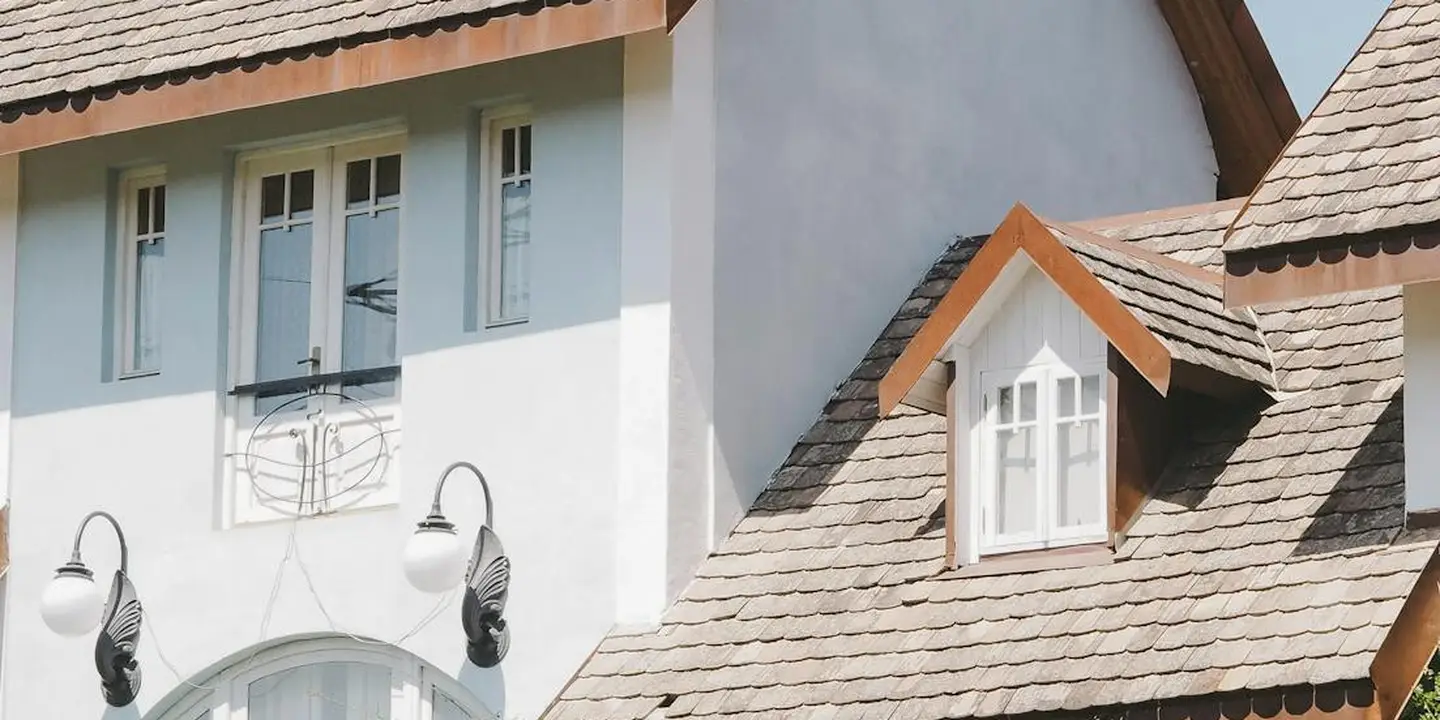
When you buy shingles, you don’t buy them by the piece or even by the box. You buy them by the bundle. A bundle is a tightly wrapped, paper-wrapped package that’s heavy and awkward to carry.
Think of it like buying flooring. You don’t buy one plank. You buy a box that covers a set amount of square feet. A bundle of shingles works the same way.
For decades, the industry has worked on a simple standard. Most standard three-tab and architectural asphalt shingle bundles are designed to cover 33.3 square feet of roof. That number isn’t random. It’s one-third of a full roofing square.
This leads to the golden ratio you need to know. Since one bundle covers about a third of a square, you need three bundles to cover one full square. I’ve ordered materials for hundreds of jobs, and this 3-to-1 rule is the starting point for every calculation.
You should know this can vary. The exact coverage might shift a fraction of a square foot depending on the brand and the specific shingle line. The rule holds true, but you must always verify.
How Many Bundles Are in a Roofing Square? The Standard Answer
For a standard asphalt shingle roof, the answer is almost always three. Three bundles equal one square.
Here’s why that number sticks. A typical shingle strip is about 3 feet long. Laid in a standard pattern with proper overlaps, each strip covers a specific amount of area. The manufacturers do the math and package just enough strips in a bundle to hit that 33.3 sq ft target. Put three of those bundles together, and you’ve covered 100 square feet.
If you remember only one number from this, remember three bundles per square. It’s the bedrock of material estimation. On a simple gable roof, I can often eyeball the square footage and mentally multiply by three to get a rough bundle count before I even pull out my measuring tape.
When the Bundle Count Differs: Specialty and Heavy-Duty Shingles
The “three-bundle square” isn’t a universal law. It’s the standard for most common asphalt shingles. When you move into premium or specialized products, the math changes.
Some heavyweight architectural or designer shingles are thicker and denser. To cover the same 100-square-foot area, you might need four bundles. I’ve even installed certain high-end laminated shingles that required five bundles per square. The bundles are often smaller and heavier.
This is not a guesswork situation. The most critical step when buying any shingle is to look at the label on the bundle. It will state the exact “coverage per bundle” in square feet. Do not assume. A mistake here means showing up to a job with 25% too little material, and that’s a terrible way to start a project.
What Does a Bundle of Roofing Shingles Actually Cover?
Let’s make it concrete. One bundle of standard shingles covers about 33.3 square feet. What does that look like?
Picture a small bedroom or a walk-in closet. That’s roughly the area one bundle will cover. It’s a manageable unit for calculation. If your roof is 30 squares (3,000 sq ft), you know you’ll need about 90 bundles of standard shingles (30 squares x 3 bundles).
A bundle is the building block, and a square is the unit of measure your contract and your material order will be based on. Understanding this connection turns a confusing estimate into simple math. You take your total roof area in squares, multiply by the bundles-per-square number for your chosen shingle, and you have your total bundle count. Always add 10% for waste, cuts, and starter rows. Running short is never an option.
How to Measure Your Roof’s Total Area in Squares
Before you buy a single bundle, you need to know how much roof you have. We measure roofs in “squares,” not square feet, because that’s how shingles are sold. One square equals 100 square feet of roof area.
Your first rule is to stay safe and measure from the ground. Use a long tape measure for your home’s footprint. For a more precise number, many online aerial view services can give you measurements from satellite photos. This is a smart double-check.
Step 1: Find the Footprint of Your House
Think of your roof as a hat sitting on your house. The size of your head is the footprint. To find it, measure the length and width of your home’s foundation.
Walk around your house with a 100-foot tape. Get the longest length and the widest width. If your house is an L-shape, measure each rectangle section separately. Multiply the length by the width for each section.
For a simple rectangle house that’s 50 feet long and 30 feet wide, your footprint is 1,500 square feet (50 x 30). This base number is your starting point, but it’s not your final roof area. The slope adds more surface.
Step 2: Factor in the Roof Pitch (The Steepness)
A flat roof would be 1,500 square feet. But a sloped roof is bigger. Think of a steep roof like a folded piece of paper it has more surface than the flat sheet it came from.
We describe pitch as a ratio, like 6/12. This means for every 12 inches you go horizontal, the roof rises 6 inches vertical. A steeper pitch means more shingles and longer roof rafters.
You don’t need complicated math. Use a pitch multiplier. Take your house footprint area and multiply it by the number for your roof’s steepness. For a common pitch, your multiplier will be between 1.1 and 1.3. This is a stepping stone toward a simple roof pitch calculation. In the next steps, we’ll show how to convert these figures into an actual pitch value.
If your roof is complex with valleys, hips, or dormers, this simple math gets less accurate. Those features add significant area. In my crew’s experience, a simple gable roof calculation might be off by a square or two. A complex roof? It could be off by five or more. For those, a professional measurement or detailed aerial software is best.
Using Pitch Multipliers: A Quick Reference Table
Here is a simple guide. Find your roof’s pitch and use the multiplier next to it.
| Roof Pitch | Multiplier | How to Use It |
|---|---|---|
| 3/12 (Low Slope) | 1.03 | Multiply footprint by 1.03 |
| 4/12 | 1.06 | Multiply footprint by 1.06 |
| 5/12 | 1.08 | Multiply footprint by 1.08 |
| 6/12 (Common) | 1.12 | Multiply footprint by 1.12 |
| 8/12 | 1.20 | Multiply footprint by 1.20 |
| 10/12 (Steep) | 1.30 | Multiply footprint by 1.30 |
So, for our 1,500 sq ft house with a 6/12 pitch: 1,500 x 1.12 = 1,680 square feet of roof area. That’s 16.8 roofing squares.
Calculating Your Total Shingle Needs: Bundles, Squares, and Waste
Let’s put all the pieces together. You need a plan that takes you from the size of your roof all the way to the number of bundles to order. The final step is the most important and most often missed by DIYers. You must add a waste factor.
Waste isn’t a mistake, it’s a plan. You need extra material for the starter course at the eaves, for all the cuts around vents and chimneys, and for the inevitable piece that gets damaged or trimmed at an odd angle. Ordering the bare minimum based on area alone will leave you short every single time.
From Square Feet to Roofing Squares
This is the simple math. You have your total roof area in square feet. To convert that to the roofing squares your supplier uses, you divide by 100.
The formula is: Total Roof Square Feet ÷ 100 = Number of Roofing Squares.
If your roof measures 2,200 square feet, you have 22 squares (2,200 / 100 = 22). If it’s 1,750 square feet, that’s 17.5 squares. Think of it like converting inches to feet, but for your roof.
How Many Bundles for My Roof? The Final Formula
Now, combine the square calculation with the bundle rule. Remember, one square of standard shingles typically requires 3 bundles.
Your core formula is: (Number of Squares x 3 Bundles per Square) + Waste Bundles = Total Bundles to Order.
The waste factor changes with your roof’s shape. A simple, clean gable roof with few penetrations might only need 10% extra material. The more complex your roof, the more waste you’ll generate.
- Simple Gable Roof: Add 10-15% for waste.
- Complex Roof (Hips, Valleys, Dormers): Add 15-25% for waste.
On a crew, we always err on the side of having a few bundles left over. You can return unopened bundles. You can’t magically create matching shingles if you run out.
Real-World Example: Calculating for a 1,500 Square Foot Roof
Let’s walk through a full calculation for a 1,500 square foot roof with one chimney and two valleys. That’s a moderately complex job.
- Find Roofing Squares: 1,500 sq ft ÷ 100 = 15 squares.
- Find Base Bundle Count: 15 squares x 3 bundles/square = 45 bundles.
- Calculate Waste: For this roof, I’d use a 15% waste factor. 45 bundles x 0.15 = 6.75 bundles of waste.
- Find Final Total: 45 bundles + 6.75 bundles = 51.75 bundles.
- Round Up to Order: You cannot order parts of bundles. Always round up to the next full bundle. You would order 52 bundles.
My crew would order 52 bundles for that job. We’d likely have one or two left at the end, which is perfect. It means the job was done right, without scrambling for material or risking a color mismatch from a different lot number.
The RoofMason Material Verdict: Weight, Warranty, and Weather
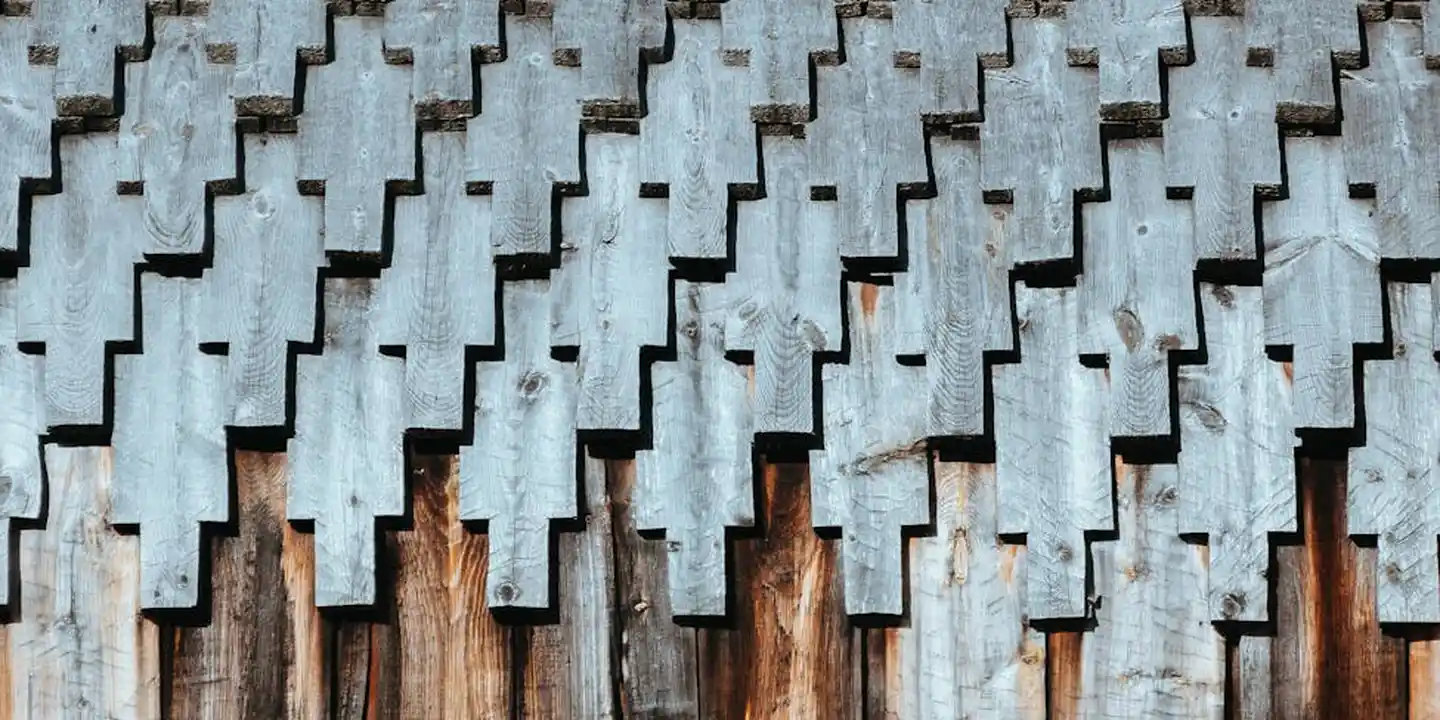
Choosing shingles is more than picking a color. You are selecting the right tool for the job. The best tool for a Florida hurricane is not the same as the best for a Colorado hailstorm. Your material choice affects the bundle count, the total weight on your home, and how long your roof will last. By comparing roof shingles materials, you can find the option that fits your climate and budget. This helps you choose the best roof shingles for your home.
Think about your local weather first, then compare materials on weight, durability, and how they are sold.
3-Tab vs. Architectural Asphalt Shingles
Asphalt shingles are the most common roof you will see. They are sold in bundles, with three bundles typically making one square. But not all asphalt is the same.
A standard 3-tab shingle square weighs about 200 to 250 pounds. Architectural shingles (also called dimensional or laminate) are thicker. A square often weighs between 250 and 350 pounds.
That extra weight means more protection. Both types usually have a Class A fire rating. The real difference is in impact resistance and wind warranty.
- 3-tab shingles have a flat look and are more basic. They can be more susceptible to wind uplift and hail damage.
- Architectural shingles have a layered, random shadow look. They are much more durable against wind and often carry a higher hail impact rating (like Class 3 or 4).
For most homes, architectural shingles offer better long-term value because their extra durability adds years to the roof’s life. I have seen too many 3-tab roofs need repair after a decade in rough weather. The small upfront savings rarely pay off when considering the lifespan of roof shingles.
Standing Seam Metal Roofing
Metal roofing changes the game completely. You do not buy it by the bundle. Metal is sold by the panel or sheet, measured to fit your specific roof length.
A roofing contractor will calculate the “cover width” of each panel to figure out how many you need to cover a square. It is a different math problem.
The benefits are clear. A standing seam metal roof has exceptional hail resistance. It has a Class A fire rating. In my experience, it laughs off heavy snow and sheds water faster than any asphalt roof.
Installing a metal roof requires a specialized crew. The seams must be locked or sealed perfectly. A sloppy install will lead to leaks and noise. This is a premium material for homeowners in severe weather zones or those who plan to stay in their home for 30-plus years. The initial cost is higher, but the lifetime cost can be lower. Especially when considering standing seam metal roofs, which provide superior durability and aesthetics.
Slate and Concrete Tile
These are the heavyweight champions of roofing, and I mean that literally. The weight per square is the single most critical factor.
- A square of slate can weigh 800 to 1,500 pounds.
- A square of concrete tile often weighs 900 to 1,100 pounds.
Your home’s framing must be inspected by a structural engineer to handle this load. Not every house can.
The lifespan is unparalleled, often lasting 75 to 100 years or more, but the installation is a specialized craft. You need a crew that knows exactly how to handle, cut, and fasten these rigid materials. The cost is the highest, but for the right historic or custom home, the look and longevity are unmatched. This is a forever roof, but only if your budget and house structure allow for it. That longevity hinges on residential life expectancy factors, such as climate, maintenance, and ventilation. Other elements like installation quality, roof pitch, and underlayment compatibility can also influence how long it lasts.
Code and Compliance Check: What Your Roofer Knows That You Might Not
Getting the bundle count right is only the first step. The specific type of shingle you choose is critical for long-term protection and code compliance. I’ve been called to repair roofs where the homeowner nailed the quantity but used products unfit for our local weather.
Do not buy materials based on price alone. Your local building department has rules about wind resistance, fire ratings, and even material weights that directly impact what you can install. Checking these before you shop protects your investment and avoids headaches later.
Wind Uplift Ratings: The Hidden Number on the Bundle
Every shingle bundle has a wind rating based on the ASTM D7158 standard. This rating, shown as Class F, Class H, or similar, tells you how much wind the shingles can handle before they risk peeling off. Class F is common for most areas, while Class H is for high-wind zones like coastlines.
Your local building code almost certainly requires a minimum rating for permit approval. If your shingles don’t meet this code, your roof inspection will fail, and your home may not be insured for wind damage. I always verify the required class with the city before ordering materials for a job. There are also roof shingle layer regulations that limit how many layers can be applied and how they should be installed. I’ll confirm those with the city as part of permit prep.
This rating dictates the installation details. To achieve the rated wind resistance, you must use the correct nail type, nail length, and nailing pattern specified by the manufacturer. On a project last fall, we had to correct a DIY install where standard nails were used instead of the longer, corrosion-resistant ones needed for the Class H shingles.
Permit Requirements and Manufacturer Warranties
Most cities and counties require a building permit for a full roof replacement. This permit process is a safety check that ensures your roof meets current structural and material standards. Skipping it can lead to fines and problems when you sell your home.
Manufacturer warranties are not automatic. The fine print usually states that the warranty is only valid if the shingles are installed by a licensed professional following all local building codes. I’ve seen warranties voided because a homeowner did the work themselves and missed a critical code requirement, like proper ice and water shield installation.
This is a major gap in DIY planning. Professional roofers include permit fees, code-approved materials, and certified labor in their estimates, which a simple bundle calculation does not cover. What looks like a savings on paper can cost you more in repairs and lost warranty coverage.
Pro Advice: Avoiding Common Pitfalls When Ordering Shingles
Figuring out the number of bundles is the first step. The real test is getting the materials and the job done right. I’ve watched homeowners make simple errors that cost time, money, and safety. Let’s walk through the big ones so you can finish the job with confidence.
Mistake #1: Underestimating Weight and Logistics
A square of asphalt shingles weighs between 230 and 400 pounds. One bundle alone is 70 to 90 pounds. That’s like hauling a large suitcase up a ladder, over and over. You must plan for this weight before a single bundle leaves the ground.
I remember a job where we underestimated the lift. A new guy on my crew tweaked his shoulder on the third trip up. After that, we always used a material hoist or set up a safe pulley system.
Your ladder has a weight limit, and so do you. Staging bundles on the roof is its own challenge. You need to spread them out evenly so you don’t overload one section of the rafters. This isn’t just about moving shingles; it’s a core part of roof care and maintenance planning to prevent injury and structural stress.
- Check your ladder’s duty rating. A Type IAA (375 lbs) or IA (300 lbs) ladder is best for this work.
- Never carry more than one bundle at a time on a ladder.
- Plan your roof layout so bundles are placed near where you’ll start installing.
Mistake #2: Ignoring the Drip Edge, Underlayment, and Nails
Shingles are the showpiece, but they’re useless without the supporting cast. Think of it like putting on a raincoat. The shingles are the outer shell, but the underlayment is the sealed lining that keeps you dry. Your square calculation only covers the top layer, not the critical waterproofing system beneath it.
I’ve been called to fix leaks where the shingles were fine, but the roofer skipped the ice and water shield. That’s a guaranteed problem when the ice dams form.
For a complete, code-compliant job, your material list must include all these parts. This is where “roof care” truly begins, with a proper installation.
- Drip Edge: Metal flashing for the eaves and rakes. It directs water into the gutters.
- Underlayment: This includes both synthetic roofing felt for the main deck and a self-adhering ice and water shield for eaves, valleys, and walls.
- Roofing Nails: You need coil nails for speed and enough to meet the shingle manufacturer’s nailing pattern. Don’t run short.
When to Stop and Call a Professional Roofer
There’s no shame in calling for backup. In fact, knowing your limits is the mark of a savvy homeowner. Your ability to calculate squares makes you a prepared customer, not a failed DIYer.
Stop and call a pro if your roof has a steep pitch where walking is unsafe, complex geometry with lots of valleys and hips, or if you find soft, rotten wood when you pull up the old layers.
I once helped a neighbor who started his own tear-off. He found widespread deck rot we hadn’t expected. His calculations were perfect, but the project scope changed instantly. He hired my crew, and because he knew the material math, he could verify our quote was fair.
Getting the numbers right empowers you. It lets you ask the right questions and spot a thorough estimate from a thin one. Your safety and your home’s protection are what matter most.
Quick Answers
I have a 10’ x 10’ shed roof. Do I really need to buy 3 full bundles?
Yes, you do. One roofing square (100 sq ft) requires 3 standard bundles, even for a small job. Never try to buy a partial bundle from a box store or cut corners-running short mid-project is far more costly than having a partial bundle left over.
What should I do with the extra shingles I have left over?
Store them properly in a dry, flat place like a garage. You’ll need them for future repairs to ensure a perfect color match, as shingle dye lots change frequently. This is a critical part of long-term roof maintenance.
Why do roofs with valleys need more shingles for waste?
Valleys require precise cutting and weaving, generating significant offcuts. A complex roof with multiple valleys easily increases your waste factor to 20% or more, so always account for this in your final order.
Putting Your Roofing Knowledge into Action
Mastering the roofing square is your best tool for ordering shingles correctly. It sets the stage for a smooth, efficient job that protects your home.
Carry this forward by making regular, safe roof inspections a priority. Build on this foundation with our detailed resources on Roof Care, All Types of Roof Guide, Care, and Maintenance.
Ray Huffington
Ray is an experienced roofer. He has worked as a general contractor in the roofing industry for over 15 years now. He has installed and repaired all kinds of roofs, from small houses to large mansion, and from basic shingles to cement and metal roofs and even solar roof panels. He has seen homeowners struggle with roofing questions and always has experience based proven advice to help those in need. If you need roof pros, Ray's your guide.