
Green Roof vs. Traditional Roof: How to Choose Based on Pros, Cons, and Costs
Is your roof just a shield against the weather, or could it be a garden that saves you money? I’ve put on both types over the years, and this is a common dilemma for homeowners. You’re right to weigh the higher initial cost of a green roof against the proven track record of a traditional one. I will break down the upfront installation prices, the long term benefits and drawbacks, and the real world maintenance from my time on the job.
Green Roof vs. Traditional Roof: What Are You Actually Building?
Think of a traditional roof like a hard hat for your house. It’s a protective shell. Its main job is simple: shed water and keep the weather out. You see this shell made from materials like:
- Asphalt shingles
- Metal panels
- Clay or concrete tile
- Rubber or thermoplastic membrane (for flat roofs)
They all work on the same basic principle. Water hits them and runs off into your gutters.
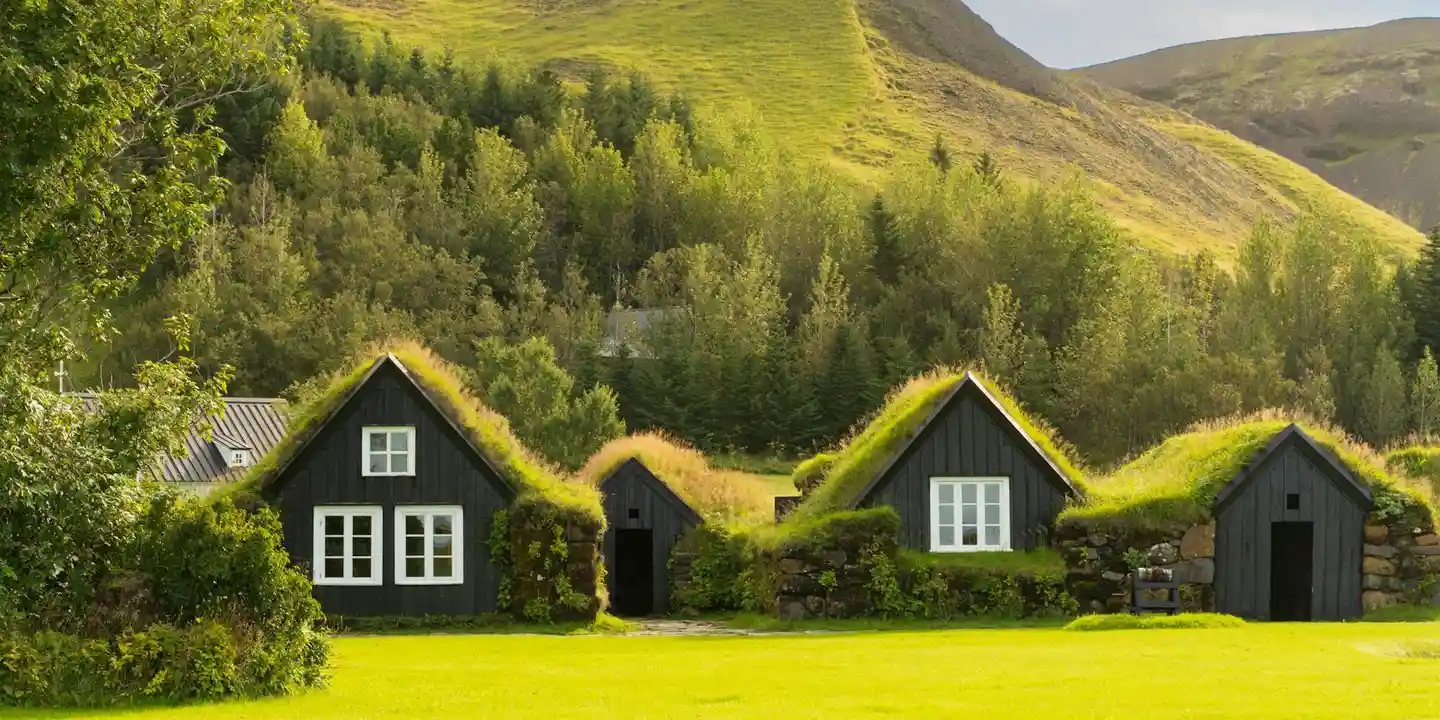
A green roof is different. It’s not just a shell, it’s a living system. You start with an incredibly tough, waterproof membrane. On top of that, you build layers for drainage, filtration, and then a special engineered soil. Finally, you add plants.
There are two main types. An extensive green roof is thin, light, and often planted with hardy sedums. An intensive green roof is thicker, heavier, and can support a wider garden, even shrubs. The core difference is in how they handle water: a traditional roof sheds it, while a green roof absorbs and uses it.
Side-by-Side Comparison: Benefits and Drawbacks
What are the main advantages of a green roof?
Green roofs are brilliant for managing rainwater. The soil and plants soak up a lot of it, which drastically reduces the amount of runoff flowing into the street. This takes pressure off city storm drains during heavy rains.
That soil layer is also a fantastic insulator. It keeps the sun’s heat from baking through your roof deck in the summer. In the winter, it helps hold warmth in. This can lead to real savings on your energy bills.
On a city scale, replacing dark, heat-absorbing roofs with green ones helps cool the whole area. You’re also creating a little patch of habitat for bees and butterflies. Many homeowners love the unique look of a green roof, and it can boost your property’s value, but that depends a lot on who’s looking at it.
What are the main disadvantages of a green roof?
Your biggest risk is waterproofing failure. If a traditional roof leaks, you find the damaged shingle. If a green roof leaks, you have to figure out where the water is getting through a buried membrane under tons of wet soil. It’s a major repair.
Not every house can handle the load. A saturated extensive green roof can weigh 25 pounds per square foot or more. Intensive systems are much heavier. You need a structural engineer to say your house is strong enough.
You must maintain it. This isn’t a “set it and forget it” roof. You’ll need to weed it, check for invasive plants, and ensure the irrigation system (if it has one) works. You also inspect to make sure plant roots aren’t causing issues. Finding a crew with real experience installing green roofs is harder, and you will pay more for that specialty upfront.
What are the main advantages of a traditional roof?
The biggest advantage is cost. A traditional asphalt shingle roof costs a fraction of a green roof. The budget is predictable and familiar.
Materials are available everywhere. You can find a skilled contractor in any town who knows how to install a metal roof or lay shingles. This competition helps keep prices in check.
The longevity is proven. A quality standing-seam metal roof can last 50 years. Good architectural shingles can give you 30. Understanding the lifespan of roof shingles helps you plan maintenance and budgeting for future replacement. Choosing higher-quality shingles can extend that lifespan when combined with proper care. The maintenance is straightforward. For most homes, a once-a-year inspection and keeping the gutters clean is all it takes.
What are the main disadvantages of a traditional roof?
All that water they shed so well has to go somewhere. Traditional roofs contribute significantly to stormwater runoff, which can overwhelm local drainage.
They don’t provide much insulation on their own. A dark asphalt shingle roof absorbs summer heat, which radiates into your attic. If your attic insulation isn’t perfect, your AC will work harder.
This heat absorption also contributes to the “urban heat island” effect, making whole neighborhoods hotter. If you choose the most budget-friendly option, like 3-tab shingles, you’ll be replacing it in 15-20 years, which is a much shorter functional life.
Breaking Down the Costs: Installation, Maintenance, and Long-Term Value
Forget just the price tag on day one. You need to consider the total cost of ownership over 30 years, adding up installation, every repair, and any replacements. This is the only way to see what you’re really investing in.
What are the typical costs of installing a green roof?
Installing a green roof is a significant upfront investment. For a simple extensive green roof with sedums and grasses, plan for $15 to $25 per square foot installed. Intensive systems with deeper soil and shrubs can cost $25 to $50 or more per square foot, which is often compared to traditional roof replacement costs per square foot.
Where does that money go? It’s built in layers, like a winter coat for your house.
- Structural reinforcement: Your roof deck may need beefing up to carry the weight, especially on older homes. I’ve seen this add 15-20% to a project’s bottom line.
- Premium waterproofing: This isn’t standard felt. You need a rugged, root-resistant membrane. It’s the most critical layer.
- Root barrier: A protective sheet that stops plants from digging into your roof structure.
- Drainage layer: A special mat that lets water flow off without washing away the soil.
- Soil and plants: The engineered growing medium and the vegetation itself.
So, are green roofs cost effective? They can be, because the soil and plants act as superb insulation, reducing your heating and cooling bills year-round. Check with your local utility and city hall. Many offer rebates or tax incentives for installing a green roof, which helps balance the initial hit.
What are the typical costs of installing a traditional roof?
Costs here are more familiar and far lower at the start. Asphalt shingles typically run $3 to $5 per square foot installed. Standing seam metal roofs are $8 to $14 per square foot. Clay or concrete tile can be $10 to $20.
Put that next to a green roof. The installed cost of a basic green roof is often three to five times the price of a standard asphalt shingle roof. With a traditional roof, you’re mostly paying for materials and the crew’s labor. There’s usually no need for a structural engineer’s report.
How do the long-term maintenance costs compare?
This is where the story changes. A green roof needs ongoing care. Budget for an annual professional inspection, possible irrigation system costs, and replanting thin areas every few years. Think of it like maintaining a backyard garden, just up on your roof.
A traditional roof has different rhythms. I tell my clients to get a professional inspection every spring and fall. You’ll pay for occasional repairs to flashings or to replace a few shingles after a storm. The major cost is the full replacement every 15 to 50 years, depending on your material.
Green roofs have consistent, predictable yearly costs. A traditional roof has lower routine costs, but it hits you with a large, lump-sum replacement bill down the road.
The RoofMason Material Verdict: Best Bang for Your Buck
Here’s a side-by-side look at three common choices to simplify your decision.
| Material | Installed Cost per sq. ft. | Expected Lifespan | Hail/Fire Resistance | Weight | Best For |
|---|---|---|---|---|---|
| Asphalt Shingle | $3 – $5 | 15-30 years | Moderate hail, Class A fire rating | Light | Budget-conscious homeowners, standard replacements |
| Standing Seam Metal | $8 – $14 | 40-70 years | Excellent hail, non-combustible | Medium | Long-term value, severe weather areas, low maintenance |
| Extensive Green Roof | $15 – $25 | 40+ years (with upkeep) | Varies, can use fire-resistant plants | Very Heavy | Urban settings, eco-goals, managing stormwater runoff |
After putting on roofs for decades, here’s my take. For most homeowners, a quality metal roof offers the best balance of longevity and value. A green roof is a fantastic investment if you have the right structure and want the ecological benefits.
The Attic Connection: How Your Roof Choice Affects Your Home’s Health
Your roof is more than a top cover. It’s the cap on your building envelope. Think of it like the lid on a thermos. The type of lid you use directly changes what happens inside.
The Traditional Roof and Your Attic
On a sunny day, a traditional roof soaks up heat. A dark asphalt shingle roof can hit temperatures over 150°F. That heat radiates straight down into your attic space.
Your attic can become an oven. This makes your air conditioner work much harder to cool the rooms below.
- Color Matters: A lighter colored roof, like light grey shingles or a white membrane, reflects more sunlight and keeps the attic cooler.
- Material Matters: Metal roofs reflect heat well, but they also conduct it. Proper installation with an air gap is critical.
No matter the color or material, proper attic ventilation is non-negotiable with a traditional roof. You need a clear path for cool air to enter at the eaves and hot air to exit at the ridge. Without it, trapped heat and moisture lead to premature roof aging, ice dams, and mold.
The Green Roof and Your Attic
A green roof works completely differently. The soil and plants aren’t just decoration. They are a thermal mass.
Think of thermal mass like a brick wall in the sun. It heats up slowly during the day and releases that heat slowly at night. The soil layer on a green roof does this for your entire house.
- In summer, the soil and plants absorb solar energy. They use much of it for evaporation and plant growth instead of letting it heat the roof deck.
- In winter, the soil mass provides an extra layer of insulation against the cold.
This creates a stable temperature buffer. The green roof assembly itself-the waterproofing, root barrier, drainage layer, and soil-becomes the primary insulation and thermal control layer for the space below it. Your attic may not experience the wild temperature swings it would under a traditional roof.
The Universal Rule: Airflow
Here is the practical takeaway from years on the job. Your roof type changes the game, but the rules of airflow still apply.
A green roof’s assembly handles temperature, but the structure below still needs to breathe to manage any residual moisture. A traditional roof relies on ventilation to survive. No matter your roof, a poorly designed or blocked attic ventilation system will cause problems. Always factor in the health of your entire building envelope, from the shingles or soil down to the soffit vents.
Common Questions
How can I prevent leaks in a green roof?
Ensure a certified installer uses a root-resistant membrane and conduct annual inspections to spot early wear. Immediately address any ponding water or invasive plant roots to protect the waterproofing layer.
What’s the most critical maintenance task for a traditional roof?
Clean gutters and downspouts twice a year to prevent water damage and ice dams. Annually inspect for cracked, curled, or missing shingles, and seal any compromised flashings around protrusions.
Is my existing roof strong enough for a green roof conversion?
Always get a structural assessment from a licensed engineer-don’t rely on visual checks. If reinforcement is needed, factor this into your budget, as it’s a common and necessary upfront cost.
Your Roof Decision: Insights from the Scaffolding
From my years on the job, I tell homeowners to pick the roof that fits their house and their hands-on readiness. A proper installation for your specific situation is what guarantees decades of shelter, whether you choose the living layer of a green roof or the proven shield of a traditional one.
Make roof care a regular habit, always using safe practices or calling a licensed pro for the high work. Follow roof repair safety practices—fall protection, ladder safety, and PPE. Stay informed on roof types and upkeep through reliable sources; that knowledge is your best tool for long-term protection.
Ray Huffington
Ray is an experienced roofer. He has worked as a general contractor in the roofing industry for over 15 years now. He has installed and repaired all kinds of roofs, from small houses to large mansion, and from basic shingles to cement and metal roofs and even solar roof panels. He has seen homeowners struggle with roofing questions and always has experience based proven advice to help those in need. If you need roof pros, Ray's your guide.