
What’s the Real Price Tag for a Metal Roof? Your Square Foot, Weight, and Budget Guide
You’re drawn to a metal roof for its long life and curb appeal, but that initial estimate has you wondering if it’s worth the investment.
I’ve priced out hundreds of roofs, and the total cost isn’t just one number. It’s a combination of your material choice, your roof’s complexity, and smart planning.
In this guide, I’ll walk you through the key factors that determine your final bill.
- We’ll compare the price per square foot for steel, aluminum, and copper so you can see the range.
- I’ll explain how your roof’s weight influences the structure and installation cost.
- You’ll get my veteran’s budgeting worksheet to avoid surprises and plan a roof that lasts.
Key Takeaways
Before you get lost in the details, here are the non-negotiable facts you need to anchor your decision.
- The total installed cost for a metal roof typically ranges from $9 to $18 per square foot. This wide range is normal and depends heavily on your specific project.
- Metal roofing is surprisingly light, often weighing half as much as concrete tile. This means your home’s structure likely already supports it, avoiding costly reinforcement.
- Three things make your final price swing wildly: your roof’s complexity (lots of valleys, chimneys), the specific metal type and finish you choose, and whether old layers need removal.
- Think of a metal roof’s price not as a one-time cost, but as buying 40+ years of protection with minimal repair bills.
The RoofMason Material Verdict
Choosing a roof is a 30-year decision. I’ve installed them all, and this head-to-head comparison is what I’d show a family member.
Best Bang for Buck in Rainy/Snowy Climates: Standing Seam Metal. Its locked seams shed snow and resist wind-driven rain better than any other common material.
Best Bang for Buck in Hot/Sunny Climates: Also Standing Seam Metal. A reflective, cool-roof coated metal panel can drastically cut attic heat and cooling costs.
A Roofer’s Note on Roof Care: The question of how expensive is a metal roof upfront misses the bigger picture. I’ve spent decades fixing leaky asphalt roofs. A properly installed metal roof asks for almost nothing: an occasional inspection, maybe clearing debris from valleys. You trade a higher initial check for decades of not worrying about storms, moss, or rotting decking. When you see how heavy is metal roofing compared to tile or slate, you also realize it’s kinder to your home’s frame for the long haul.
Asphalt Shingles: The Budget-Friendly Baseline
Asphalt is the default choice because the sticker shock is low. On a simple roof, it’s the cheapest way to get a dry house. That’s where the savings often stop.
You are buying a roof with a built-in expiration date. In 15-20 years, you’ll be planning and paying for a full replacement. They are heavier than metal, and their granular surface can be torn off by strong winds or dented by hail. I’ve replaced too many 12-year-old roofs after one bad storm. Over 50 years, you’ll likely pay for two or three asphalt roofs, making the lifetime cost much higher than it first appears.
Standing Seam Metal: The Lifetime Investment
This is the gold standard for performance. The vertical panels are mechanically seamed together, creating a continuous, monolithic shield. It’s why the lifespan is measured in generations, not decades.
The higher per-square-foot cost is an investment in permanence. You are paying to never buy another roof. You are paying for near-zero maintenance. You are paying for superior resistance to fire, wind uplift, and snow load. On my jobs, we calculate the cost per year of service. A $20,000 metal roof over 50 years costs $400 per year. A $8,000 asphalt roof replaced every 20 years costs the same, but you deal with the hassle and risk of failure twice.
Slate & Clay Tile: The Premium Heavyweights
These are beautiful, historic materials that can last a century. They are also the most demanding. The weight is immense, often requiring a structural engineer to verify your home can support it, which adds major cost.
The installation is a specialized art, and the material itself is extremely expensive. This combination puts it in a luxury tier. It makes sense for historical restorations or specific architectural styles where aesthetics are the primary driver, not just budget or function. For most modern homes, the cost and structural work needed are hard to justify when a metal roof can offer similar durability and fire safety at a fraction of the weight.
Breaking Down the Metal Roof Price Per Square Foot
Homeowners ask me all the time: what is the average cost per square foot for a metal roof? The short answer is between $9 and $20 per square foot, fully installed. But that range is huge for a reason – even comparing it to asphalt shingle roofs.
Your final price depends on your roof’s shape, your location, and the metal you choose. To figure out how much a metal roof will cost for your home, you first need to speak the roofer’s language. We don’t price things by the single square foot on a job site. We price by the “square.”
A “roofing square” is simply 100 square feet of roof area. It’s our standard unit of measure. When a roofer says your house is 22 squares, they mean it has 2,200 square feet of roof to cover. This is the number they’ll use to calculate your material needs and labor.
So, how much are metal roofs for homes in real terms? For a full installation, plan for a total cost between $900 and $2,000 per roofing square. A simple, small roof might land at the lower end. A large, complex roof with premium materials will hit the high end.
People often compare this to asphalt shingles, which typically cost $350 to $550 per square installed. A metal roof is a bigger investment upfront. Think of it like buying boots. You can buy a cheap pair every year, or one rugged, durable pair that lasts for decades. Metal is the durable boot. Its higher initial cost spreads out over 40+ years, often making it a smarter long-term buy compared to shingle roofs.
Installed Cost Ranges: From Basic to Bespoke
These prices include both materials and professional installation. Trying to install a metal roof yourself is a fast track to leaks and headaches, so I never quote material-only costs. Good labor is part of the product, especially when considering black metal roofs.
Corrugated Steel Panels ($9 – $13 per sq. ft. installed): This is your most economical metal option. The panels are exposed-fastener, meaning screws go right through the face. It’s a solid, functional roof I’ve put on barns and workshops. For a simple house roof, it works but won’t have the refined look or hidden fastener system of more expensive choices.
Stone-Coated Steel ($12 – $18 per sq. ft. installed): This is a popular middle ground. It’s steel panels made to look like traditional shingles, tiles, or wood shakes. The stone granules protect the metal and give it that classic look. I’ve recommended this to folks who want the durability of metal but need to meet strict neighborhood aesthetic rules. It’s a versatile, durable system.
Standing Seam ($15 – $25+ per sq. ft. installed): This is the premium choice. The long panels connect with raised, interlocking seams that hide all the fasteners. Nothing is exposed to the weather. This design allows the metal to expand and contract freely, which is key for a silent, long-lasting roof. Key installation features include concealed fasteners and precise seam alignment. These installation details help deliver a weather-tight, durable roof. The installation is more technical and labor-intensive. You’re paying for superior engineering and craftsmanship. On a high-end home, it’s the only metal roof I’d install.
What Factors Swing Your Metal Roof Cost?
Many factors influence the total cost of a metal roof installation. Your final number isn’t just material plus labor. It’s a combination of your home’s specific needs and the choices you make. I’ve seen budgets double from the initial guess because of hidden issues or premium selections. Knowing the main cost drivers lets you have a smarter conversation with your contractor and align your budget with reality.
Here are the six biggest elements that determine your price.
- Material Type: This is your single largest choice. The metal you pick sets the baseline price. Steel panels are the most common budget-friendly option, while copper is a premium, long-term investment.
- Roof Size: Roofers measure in “squares,” where one square equals 100 square feet. A larger roof simply needs more material, more underlayment, and more labor hours. A simple 20-square roof will cost far less than a 50-square one.
- Labor & Expertise: Installing metal is different from laying shingles. It requires specific skills and tools. A highly experienced crew familiar with metal will charge more, but their precision prevents leaks and ensures the roof performs for decades.
- Removal of Old Roof: You almost always need to tear off the old roofing material. This adds significant labor and dumpster fees. The condition of the wood decking underneath is a huge unknown until the old roof is gone.
- Roof Complexity: A simple, wide-open gable roof is the easiest and cheapest to cover. Every dormer, valley, skylight, chimney, or steep pitch adds time and complexity, increasing the labor cost. My crew groans when we see a roof with multiple intersecting angles.
- Your Location: Costs vary by region due to local material availability, the cost of living, and even typical weather patterns that demand specific installation methods.
Budgeting for the Hidden Essentials
When you get a quote, make sure it includes more than just the metal panels. Proper installation requires several critical layers underneath. These additional costs are non-negotiable for a good roof.
- High-Performance Underlayment: This is the water-resistant barrier nailed directly to your roof deck. Don’t skimp here. A synthetic underlayment is tougher and provides a safer workspace for the crew.
- Ice & Water Shield: This self-adhering membrane is crucial in vulnerable areas. It should be installed in valleys, along eaves, and around penetrations. It’s an extra material cost, but it’s your main defense against ice dam leaks.
- Ventilation Components: A metal roof needs to breathe. Ridge vents, soffit vents, or other intake/exhaust systems must be factored in. Poor ventilation traps heat and moisture, which can damage your home from the inside out.
Think of your attic insulation during a reroof. While not part of the roofing contract, a reroof is the perfect time to assess it. Adding or upgrading attic insulation while the roof is open is far easier and can dramatically improve your home’s energy efficiency, offsetting the roof’s cost over time.
Material Choice: The Biggest Price Driver
Choosing your metal is like choosing the engine for your car. It defines performance, longevity, and, most clearly, price. Homeowners often ask me, “are aluminum roofs expensive?” or “are copper roofs expensive?” The answer is relative.
Aluminum roofs sit in the mid-range, more costly than steel but less than zinc or copper. They are a fantastic choice in coastal areas because they naturally resist salt spray corrosion. Copper is a premium, long-term investment. It’s the most expensive common roofing metal, but it can last over a century and develops a beautiful patina.
Here’s a straightforward ranking from least to most costly per square foot, installed:
- Painted Galvanized Steel: The workhorse. Affordable, durable, and available in many colors. The painted coating protects the steel.
- Aluminum: Lighter and naturally corrosion-resistant. A great mid-tier option where salt or industrial pollution is a concern.
- Zinc: Higher-end. It’s malleable, develops a protective patina, and is often used for distinctive standing seam roofs.
- Copper: The classic premium material. Extremely long-lasting and luxurious, with a price tag to match.
The Demolition and Prep Work
This stage often surprises homeowners with its cost. You’re not just paying for the new roof, you’re paying to properly remove the old one. A full tear-off involves labor to strip old shingles, renting a massive dumpster (called a “roll-off”), and hauling fees to dispose of the heavy waste.
The critical cost variable here is the condition of your roof deck-the plywood or boards underneath. We never know its true state until the old roofing is gone. On one job last year, the shingles looked fine from the outside, but we found a 4×8 foot section of decking completely rotten from a slow, hidden leak. Replacing that decking added material and labor to the bill.
Sometimes, a contractor might suggest a “roof-over”-installing the new metal directly over the old shingles. This skips tear-off costs, but I am very cautious about it. It can void the new roof’s warranty, trap moisture against the old layers, and makes it impossible to inspect or repair the deck. I only consider a roof-over if the existing shingles are a single layer, lie perfectly flat, and the decking is confirmed sound. Even then, it’s a compromise. To weigh the decision, it’s important to consider the pros and cons of a metal roof over existing shingles. If you’re exploring this option, we’ll look at the trade-offs, like cost savings vs. moisture risks and warranty limits.
Metal Roof Weight: Light on Your Roof, Heavy on Benefits
Homeowners often ask me, ‘How does the weight of a metal roof compare to other roofing materials?’ The answer is simple. A metal roof is one of the lightest premium roofing options you can buy.
Think of it like choosing a backpack. Asphalt shingles vs. metal roofing is a bit like choosing between your standard school backpack and a modern, lightweight hiking pack that carries the same load with less strain on your shoulders, or in this case, your home’s frame.
Roofing Material Weight Comparison
This chart shows the weight per roofing square (100 square feet) for common materials. Seeing the numbers side-by-side makes the difference clear.
| Material | Weight per Square (100 sq. ft.) |
| Standing Seam Metal Panels | 50 – 150 lbs |
| Asphalt Shingles (Architectural) | 240 – 340 lbs |
| Concrete Tile | 900 – 1,100 lbs |
| Natural Slate | 800 – 1,500+ lbs |
Why Lighter Weight is a Major Advantage
That lighter weight is a huge benefit, especially for older homes. I’ve been on many jobs where a homeowner wanted to switch from heavy old shingles or wood shakes to something more durable.
Choosing metal often means you can install a new, durable roof without paying an engineer to verify your home’s structure or adding costly reinforcement. It’s a solid option for residential metal roof installation. It delivers a durable upgrade with less structural work.
Concrete tile or slate can weigh over a ton per square. That extra load can stress century-old rafters. Metal lets you upgrade your roof’s performance without worrying about its weight. It’s a straightforward replacement.
Safety and Handling Benefits
From a crew’s perspective, the lighter weight makes the job safer and more efficient. A bundle of asphalt shingles is awkward and can weigh 70-80 pounds. A 12-foot metal panel is much easier for two people to carry and maneuver into place securely.
Lighter materials reduce strain on the installers and lower the risk of a heavy bundle damaging your roof deck or gutters during the tear-off and installation process.
It also means less physical debris. The old metal panels we remove weigh a fraction of the old composite shingles we haul away. That translates to less wear and tear on your property during cleanup.
Metal Types: From Budget Steel to Premium Copper
Choosing your metal is the single biggest cost decision you’ll make. Homeowners often ask me, ‘What are the different types of metal roofing materials and their price ranges?’ so let’s start there. The price per square foot I give is for the material itself, before installation adds to the total.
Think of panel profiles like styles of clothing. A simple corrugated panel is like a sturdy work jacket, while a standing seam is a tailored overcoat. The standing seam profile, with its raised, locked seams, always costs more but offers superior weather protection and a cleaner look.
Galvanized and Painted Steel: The Value Leader
If you’ve seen a metal roof on a suburban home, it was likely this. Galvalume steel (coated with zinc-aluminum) topped with a painted finish is the durable, affordable workhorse of the industry. On my crew, it’s our most-installed material for a reason.
So, how much are metal roof panels in this category? You can expect to pay between $3 and $7 per square foot for the material. Knowing the cost per square foot helps estimate the total price for the area covered. It also helps you compare options more easily. Corrugated panels sit at the lower end, while standing seam systems reach the top. This roof will last 40 to 60 years with modern paint systems that resist fading.
It offers excellent corrosion resistance for most climates and comes in virtually any color. For the majority of homes away from the coast, this is the smartest balance of cost and decades-long performance.
Aluminum, Zinc, and Copper: The Premium Tiers
These metals are for when you want a roof that stands the test of time in harsh conditions or becomes a legacy feature of your home.
Aluminum is my top pick for coastal houses because it won’t rust in salt air. It’s a mid-price champion, costing $6 to $12 per square foot for material, and will easily last 50 years. It’s lighter than steel, which can sometimes save on structural costs.
Zinc and copper are in a class of their own. Both develop a self-healing patina, a protective layer that forms over time and seals minor scratches. Zinc runs $10 to $15 per square foot and ages to a soft, matte gray. It’s malleable, making it easier for installers to work with on complex roofs.
Copper is the ultimate investment. Material costs start at $15 and can soar past $25 per square foot, but you are buying a roof that can last over 100 years. Its patina evolves from a bright brown to that iconic green. I tell clients that with copper, you’re not just installing a roof, you’re installing a piece of the home’s permanent character.
How Your Roof’s Design and Location Change the Cost
Two main factors decide your final price, the roof on your house and the ground under it. Your location sets the baseline labor rate. Your roof’s shape decides how much of that labor is needed.
Labor costs are not the same everywhere. A roofing crew in a major coastal city has higher living costs than a crew in the Midwest. Those costs are reflected in their rates. You might pay $20-$30 more per labor hour in a metro area like San Francisco or Boston compared to a city like Indianapolis or Kansas City.
The physical shape of your roof is often the biggest cost driver after material choice. Think of it like mowing a lawn. A flat, open yard is quick. A yard with hills, gardens, and trees takes much longer. Your roof is the same.
A simple gable roof (two sloping sides that meet at a ridge) is the most straightforward to install. It’s like a clean, open lawn. Every time you add a valley (where two roof slopes meet at an inward angle), a dormer, or a change in pitch, you add time and complexity.
Steep pitch is a major factor. A low-slope roof is safer and easier to work on. A steep roof requires special safety equipment like roof jacks and harnesses. It slows the crew down because every step is more deliberate. That extra time and equipment cost money.
Regional Labor and Material Costs
Your zip code impacts your quote before a roofer even sees your house. High-demand areas with a higher cost of living simply have higher business overhead. This translates directly to the price per square foot you are quoted.
Material costs can also fluctuate by region due to shipping distances and local supplier competition. While metal panels are shipped nationwide, the final cost at your local supplier will include that freight. As a general rule, expect total project costs in major metropolitan areas to run 20% to 30% higher than the national average for the same roof. Getting multiple local quotes is the only way to know your specific market rate.
Valleys, Chimneys, and Skylights: Complexity Tax
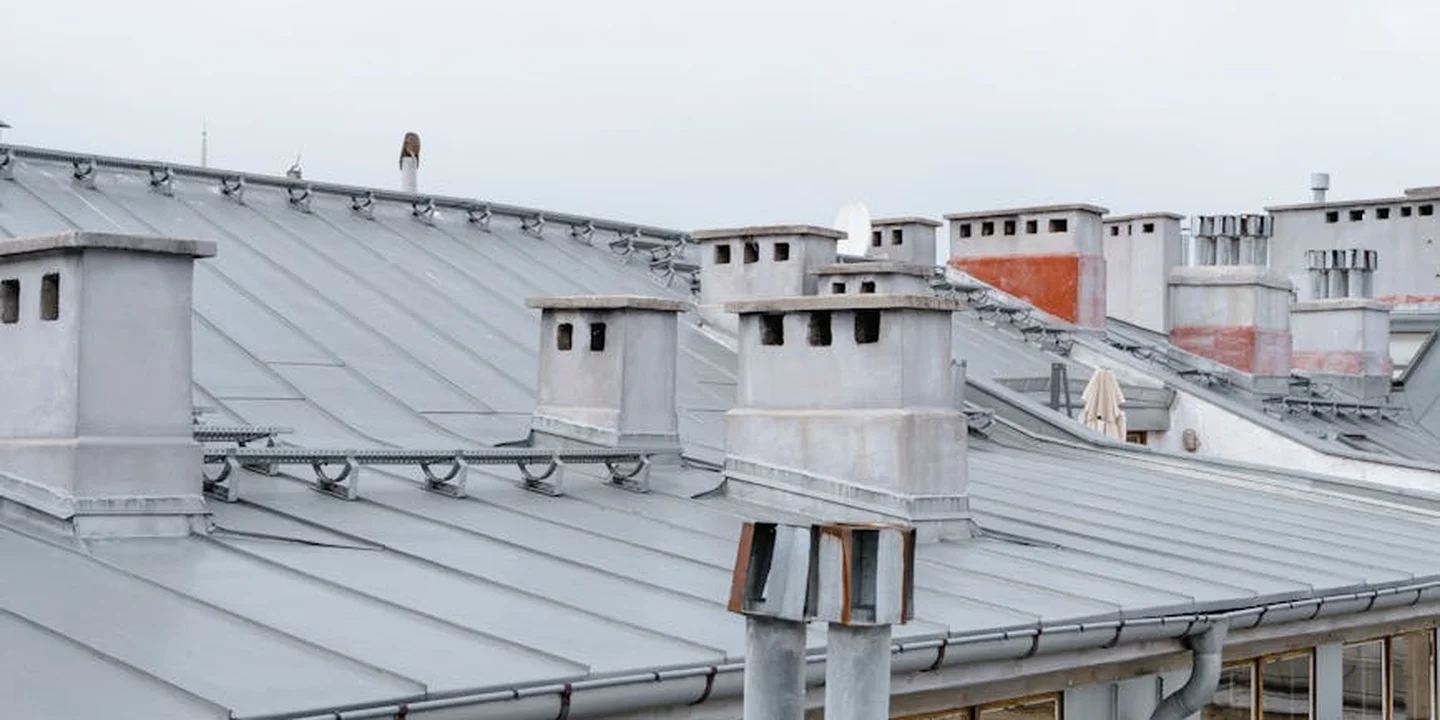
Every feature that interrupts the roof plane is a place where water wants to get in. Making it watertight takes skill and time. Each one adds a “complexity tax” to your job.
- Valleys: These are critical drainage channels. Installing a metal valley requires precise cutting, sealing, and often a special liner system. A roof with multiple valleys can take a full day longer than one without.
- Chimneys & Vents: Each penetration needs custom metal flashing. The roofer must fabricate and fit a metal base flashing that integrates perfectly with the chimney masonry and the roof panels, then seal it meticulously.
- Skylights: These require detailed curb flashing and integration with the roof’s waterproofing layer. They are some of the trickiest details to get right on any roof.
Each feature also creates material waste. Panels must be cut to fit around them, leaving off-cuts that often can’t be used elsewhere. This waste is factored into your material estimate.
If you are planning a new home build or a major renovation, simplifying your roof design is the most effective way to control metal roofing costs. Discuss with your architect or builder if the number of dormers or valleys can be reduced. A simpler roof is not only less expensive to install, it has fewer potential leak points over its long life. That’s a win for your budget and your peace of mind.
The Long Game: Lifespan, Warranty, and Upkeep Costs
When you buy a metal roof, you’re buying time. You are investing in decades of peace of mind. This is where the upfront cost starts to make much more sense.
Lifespan: A Generational Difference
A quality metal roof has a lifespan of 40 to 70 years. I have seen 50-year-old metal roofs that still perform perfectly. Compare that to the standard 15 to 25 years you get from an asphalt shingle roof. Over a lifetime, that durability translates to greater value when you compare it with asphalt. When you factor in reduced replacement frequency and maintenance, metal often wins on total cost of ownership. You are likely installing your last roof, or at least one that will outlast your mortgage. This longevity is the single biggest factor in its long-term value.
Decoding Your Warranty: Two Layers of Protection
Warranties can be confusing. There are two main types, and you need to understand both.
The first is the material finish warranty. This covers the paint and protective coating on the metal panels against fading, chalking, and rust. A good warranty here is 30 to 40 years.
The second is the weathertightness warranty (sometimes called a system warranty). This covers leaks and is typically provided by the installer for a shorter period, like 5 to 20 years. The installer’s skill is so critical that their warranty on the workmanship is often more immediately important than the 40-year paint warranty. Always get the warranty details in writing.
The Reality of Maintenance
Metal roof maintenance is famously low. It is not zero, but it is simple and inexpensive. Plan for these tasks.
- Bi-Annual Visual Inspections: From the ground, look for any debris buildup or visible damage after major storms.
- Clear Debris: Keep leaves, pine needles, and branches from accumulating in valleys or against walls. This prevents moisture retention.
- Check Sealants: Every few years, have a pro check the sealant around penetrations like vents and chimneys.
- Handle Scratches: If a branch scratches the paint, touch it up with matching paint to prevent rust.
For most homeowners, this means an hour of your time twice a year and a possible service call every 5-10 years. The cost of this upkeep is a fraction of the constant repair cycle an old asphalt roof demands.
Long-Term Savings: More Than Just Replacement Costs
The savings go beyond not paying for a new roof in 20 years. A metal roof saves you money while it’s on your house.
Most metal roofs have highly reflective coatings. Think of it like wearing a white shirt instead of a black one in the sun. This reflection significantly reduces heat absorption into your attic. On a job we did last summer, the homeowner reported their attic was over 20 degrees cooler.
This can reduce your cooling costs by 15% to 20% in hot climates. Your air conditioner runs less, lasts longer, and your entire home is more comfortable. In winter, a properly installed metal roof with a solid air barrier also improves insulation performance. The energy savings alone can add up to thousands over the life of the roof.
Repair or Replace? Getting Estimates and Financing Your Metal Roof
Once you see the numbers, the first question is natural. Can I just fix the bad spot? The answer depends on your roof’s age and the damage’s scope.
A patch repair is a smart, economical fix for new roofs with isolated damage from a fallen branch or minor storm. It becomes a money pit on an old, failing roof where problems keep popping up like whack-a-mole.
Getting an accurate estimate starts with getting the right roofer on your property. You need someone to measure, assess your deck, and identify unique challenges like steep slopes or complex valleys.
Follow these steps to get a good estimate:
- Get at least three detailed quotes from established companies.
- Check for a valid state contractor’s license and proof of insurance before they step on your roof.
- Ask for a line-item breakdown that separates material, labor, tear-off, and disposal costs.
Financing a major roof is common. Options include a home equity loan, manufacturer-sponsored financing programs through contractors, or an FHA Title I loan for home improvement. Explore what fits your budget.
I tell homeowners to view this cost through a 30-year lens. You’re not just buying a roof. You’re buying peace of mind, lower maintenance, and a protective shell for everything you own inside.
The Repair vs. Replace Decision Matrix
Use this simple guide from my jobs to clarify your choice.
Consider a professional repair if: The damage is in one small area (like a few damaged panels), the surrounding roof is in excellent shape, and your metal roof is less than 10-15 years old. The cost benefit is clear. If the roof is older, replacement may offer better long-term value. Consider the roof’s age when weighing repairs versus a full replacement.
Plan for a full replacement if: You have leaks in multiple places, the paint or coating is extensively faded or failing, the roof is near or past its typical lifespan, or the underlayment is compromised. Pouring money into an old roof is rarely wise.
Let’s put rough numbers to it. A major repair on a large section, involving new panels, flashing, and labor, can run $3,000 to $7,000. A full replacement on a standard home might be $15,000 to $30,000. If your repair quote hits a third of the replacement cost, replacement often becomes the smarter long-term investment.
How to Read a Roofing Quote Like a Pro
A good quote is a clear map of the job. A bad one hides the path. Here is what must be on paper.
A proper quote protects you by detailing exactly what you’re paying for, from the gauge of the steel to who hauls away the old roof.
- Material Specs: Brand, panel type (standing seam vs. corrugated), gauge/thickness, paint finish, and color.
- Labor Cost: The installation charge, separate from materials.
- Tear-Off & Disposal: A clear fee for removing the old roof and legally dumping the waste. This is non-negotiable.
- Underlayment: The type of synthetic or felt barrier going under the metal.
- Flashings & Trim: Details on new drip edge, valley metal, pipe boots, and chimney flashing.
- Warranty Copies: Both the manufacturer’s material warranty and the contractor’s workmanship warranty should be attached or explicitly cited.
Watch for red flags. Vague descriptions like “metal roof installation” with one lump sum price are a problem. High-pressure sales tactics offering a “today only” discount mean you should walk away. Your home deserves a transparent plan, not a rushed sale.
Common Questions
What hidden costs should I budget for beyond the metal panels?
Plan for the essential layers underneath: a high-quality synthetic underlayment, ice & water shield along eaves and valleys, and proper ventilation components like ridge and soffit vents. Skipping these to save upfront money is the fastest way to a leaky, failing roof.
What maintenance does a metal roof really need?
Very little. Plan for a visual inspection from the ground twice a year and keep valleys clear of debris. Every 5-10 years, have a pro check and reseal the flashings around chimneys and vents to maintain the weathertight seal.
How can I make sure my roofing quote is complete and fair?
Demand a line-item breakdown that specifies the panel type/gauge, underlayment brand, and includes tear-off/disposal fees. Always get copies of both the manufacturer’s material warranty and the installer’s workmanship warranty in writing before you sign.
Smart Planning for Your Metal Roof’s Future
The best way to manage your metal roof investment is to fund quality installation and materials from the start, not just seek the lowest price. This upfront care translates into a roof that shelters your home reliably for generations, as I’ve seen on my own long-term projects.
Your role is to maintain that investment with annual, safety-first inspections and proactive cleaning. Staying curious about roof care, from metal to other types, is how you ensure your home remains protected and your spending stays smart.
Ray Huffington
Ray is an experienced roofer. He has worked as a general contractor in the roofing industry for over 15 years now. He has installed and repaired all kinds of roofs, from small houses to large mansion, and from basic shingles to cement and metal roofs and even solar roof panels. He has seen homeowners struggle with roofing questions and always has experience based proven advice to help those in need. If you need roof pros, Ray's your guide.