
How Much Does a Slate Roof Cost? A Veteran Roofer’s Guide to Prices, Installation, and Care
You’re drawn to a slate roof for its unmatched durability and classic beauty, but that initial price quote can be a shock. I’ve installed these roofs for over twenty years, and that sticker shock is the first hurdle every homeowner faces.
Let’s talk straight about what you’re really investing in. The total cost isn’t just for slabs of stone, it’s for expert craftsmanship and a lifetime of protection.
I’ll first walk you through the real cost of slate materials, from budget-friendly options to premium stone.
Next, I’ll break down installation expenses and why the crew’s skill is where your money is best spent.
Finally, I’ll share my maintenance routine to ensure your roof lasts for generations.
Key Takeaways: What You Need to Know First
A full slate roof installation often starts at $25,000 and can easily exceed $100,000 for larger or complex homes. I’ve priced jobs where the material bill alone was more than a pickup truck.
Slate roofs last over 100 years with proper care. That extreme lifespan is the only justification for the high initial price. You are not buying a roof for yourself, but for the next two or three generations of homeowners. However, several factors can affect the life expectancy of any roof.
You must check if your house can handle the weight before anything else. Natural slate weighs 800 to 1,500 pounds for every 100 square feet. Your roof’s framing needs to be strong enough. I always tell homeowners to get a structural inspection first; it’s a non-negotiable safety step.
Installing slate is not for beginners or general roofers. You need a contractor who specializes in slate work. Their skill with the hammer and copper nails is what unlocks that century of service.
Breaking Down the Real Cost of a Slate Roof
Roofers measure and price everything by the “square,” which is 100 square feet of roof area. When you get a quote, it will be per square for materials and labor.
Slate material costs fall into three clear tiers.
- Entry-level Synthetic Slate: Made from polymer or fiber-cement. It costs $400 to $800 per square. It mimics the look but is much lighter.
- Mid-grade Natural Slate: Quarried stone, often from North America or China. Plan for $800 to $1,500 per square for just the tiles.
- Premium Heritage Slate: Top-tier stone from sources like Vermont or Wales. This runs $1,500 to $3,000 or more per square. The color consistency and durability are unmatched.
Installation cost is where the expertise gets factored in. It typically adds $600 to $1,200 per square on top of material costs. This pays for specialized labor, heavy-duty synthetic underlayment (not old-fashioned felt), and reinforced flashings made of copper or lead-coated copper. A good crew will take their time to nail each slate tile with precision.
Several major factors will change your final price.
- Roof Complexity: More valleys, dormers, chimneys, or skylights mean more cutting and custom flashing, which increases labor time and cost.
- Slate Origin: Imported slate often costs more due to shipping and tariffs.
- Accessibility: A steep, high roof or one with tight access requires more safety equipment and time, raising the price.
- Local Labor Rates: Costs vary significantly by your region and the contractor’s demand.
So, how much are slate roof tiles? For natural slate, plan on $800 to $3,000 per square. Synthetic tiles are $400 to $800 per square. Durability and long-term cost are often the deciding factors between tile and slate. Slate typically lasts longer and can reduce replacement frequency, while synthetic tiles usually have lower upfront costs but different maintenance needs.
What is the average cost of a slate roof? For a typical 2,000 square foot home (20 squares), a natural slate roof with installation often lands between $28,000 and $84,000. Synthetic slate roofs for the same home range from $20,000 to $40,000. Homeowners often weigh clay vs slate for value and aesthetics to guide their choice.
The Roof Mason Material Verdict: Slate vs. The World
To see where slate fits, compare it to two other common roofs. This table shows the big differences.
| Feature | Asphalt Shingles | Standing Seam Metal | Slate (Natural) |
|---|---|---|---|
| Cost per Square (Installed) | $350 – $550 | $800 – $1,400 | $1,400 – $4,200+ |
| Lifespan | 15-30 years | 40-70 years | 100+ years |
| Weight (lbs per square) | 200-350 | 50-150 | 800-1,500 |
| Fire Rating | Class A (most) | Class A | Class A (non-combustible) |
| Hail Resistance | Fair to Good | Excellent | Excellent (but can crack) |
| Best Climate | Most climates | All, great for snow | All, but weight matters |
How does slate roof cost compare? It is the most expensive option upfront by a wide margin. But cost per year tells the true story. Over a century, slate often costs less per year than replacing asphalt shingles three or four times.
Here is my best bang for buck opinion. If you plan to sell in 10 years, high quality asphalt or metal gives good return. For a 30 year family home, standing seam metal is a smart and durable choice. For a century home or if you are building a legacy, slate is the only material that matches that timeline. I have repaired slate roofs from the 1900s that only needed a few tiles swapped.
Natural Stone vs. Synthetic Slate: A Cost and Care Comparison
Natural slate and synthetic alternatives look similar from the street, but they feel and perform very differently.
Natural slate is real stone. It has slight color variations and a textured, cool feel. It is heavy, demanding a strong roof structure. Price for materials is $800 to $3,000 or more per square.
Synthetic slate is made from engineered materials like polymer or fiber cement. It is uniform in color and much lighter, often weighing half as much as natural slate. Price for materials is $400 to $800 per square.
Maintenance is a key difference. Natural slate roofs may need periodic inspection and re nailing after 50 or 60 years as the copper nails age. Synthetic slates are often installed with clips or screws that do not loosen as easily, so they might need less hands on care over time.
So, how much does natural slate roofing cost? Installed, expect $1,400 to $4,200 or more per square. For synthetic slate roofing cost, installed, it is typically $1,000 to $2,000 per square.
I have worked with both. Synthetics are easier on the crew and your house frame. But for pure authenticity on a historic home, natural stone has no equal.
Repair vs. Replace: The Slate Roof Cost-Benefit Analysis
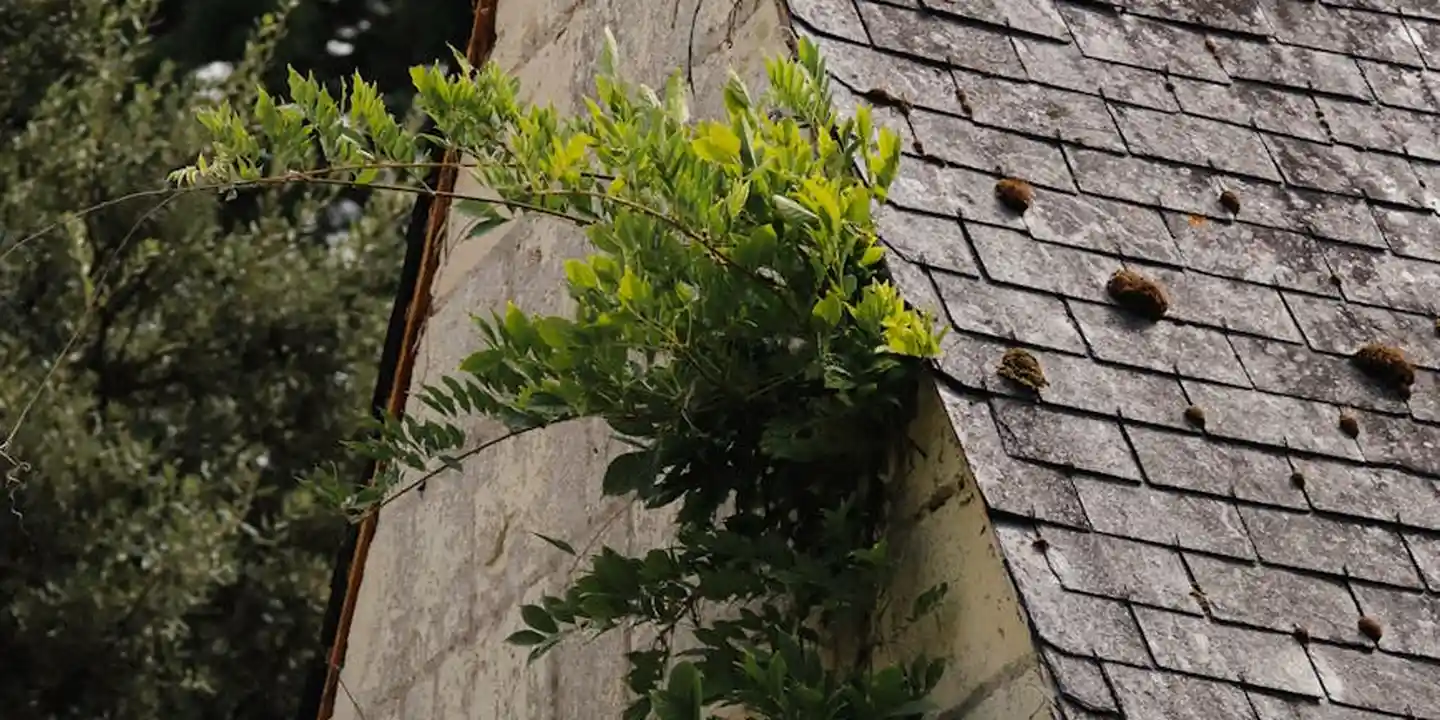
Think of your slate roof like a classic car. A new engine is a huge expense, but replacing a single belt is smart upkeep. The financial logic here is simple. You compare the cost of fixing what’s broken now to the cost of replacing everything later.
A $500 repair makes perfect sense for isolated damage on a roof with decades of life left. I patched a few wind-damaged slates on a 30-year-old roof last season. The repair was under $400, and that roof should last another 40 years. That’s a win compared to the costs of full roof replacement.
A $50,000 replacement becomes the only logical choice when the roof system itself is failing. Widespread issues mean you’re not just fixing slates. You’re fighting a losing battle against time. Financing options can help you spread the cost and move forward without delay. Understanding roof replacement financing options can make this tough decision feel more manageable.
Here are estimated cost tiers for common slate repairs. Prices vary by region and roof complexity.
- Replacing a few broken slates: $200 to $500. This is for accessible areas and assumes the installer has matching slate.
- Fixing a leak at a flashing: $300 to $800. Flashing repairs around chimneys or valleys are common. The cost covers removing slates, resealing, and reinstalling.
- Addressing widespread nail fatigue: $2,000 to $5,000+. This is a major repair. Old nails rust and pop, causing slates to slip. Fixing it often requires removing and re-nailing entire sections.
How much does slate roof repair cost? For most homeowners, expect to pay between $300 and $800 for a typical service call to fix a specific problem. Complex repairs or hard-to-access roofs can push this higher.
Slate roof replacement vs repair cost comes down to the age and condition of your roof. On a roof under 50 years old with good slate, repair is almost always the better financial move. On a roof pushing 100 years with crumbling slates and soft decking, repair is temporary. You’re spending thousands now only to spend tens of thousands very soon. Once roof age nears its end, replacement can be more cost-effective than ongoing repairs. Planning for roof age replacement early can save you money and prevent surprise failures.
The verdict is clear. A patch is a smart fix for isolated damage on a young slate roof. Widespread issues on an old roof mean you’re putting a band-aid on a retirement fund. I’ve told clients to repair. I’ve also told them to save their money for a full replacement. The roof’s age tells the real story. There are a few common roof repair myths debunked that can help clarify the facts. The facts guide whether patching makes sense or a full replacement is needed.
How to Care for a Slate Roof (And Protect Your Investment)
Caring for a slate roof isn’t about chores. It’s about protecting a legacy investment. Good maintenance can add decades to its life and help you avoid those big repair bills.
You don’t need to climb up there. Twice a year, in spring and fall, grab a pair of binoculars and do a visual sweep from the ground. Look for these things.
- Broken, cracked, or missing slates.
- Dark streaks or green patches of moss or algae.
- Piles of leaves or pine needles in valleys or near gutters.
- Gutters that are sagging, clogged, or pulling away from the fascia.
- Rust spots or gaps in the metal flashing around chimneys and vents.
This simple check takes 10 minutes and can alert you to small problems before they become big leaks.
Gutters are your roof’s best friend. They direct water away. When they clog, water backs up under the slates. I see this cause leaks more often than hail. Keep them clean. Make sure downspouts are clear and water flows freely away from your foundation.
Never use a pressure washer on slate. The high-pressure jet forces water under the slates and can crack the stone. It does more harm than good.
The right way to clean moss or algae is with a soft brush and a gentle, moss-killing solution you can apply from the ground. For stubborn growth, a professional will use a low-pressure rinse with a biodegradable cleaner. It’s slower, but it protects the slate.
Call a pro for a hands-on inspection in a few key situations. After a major hail storm or hurricane, even if you don’t see damage. If you spot granule loss (a sandy residue in gutters) from older slates. Or if your visual check reveals several issues in one area. A pro can safely walk the roof and assess the fasteners and decking you can’t see.
How much does slate roof maintenance cost? For you, the cost is mostly time for bi-annual checks and gutter cleaning. A professional inspection might cost $150 to $300, but think of it as an insurance policy. It’s far cheaper than an emergency repair. My crew does these inspections. We often find a loose slate or a clogged valley that the homeowner missed. Fixing it on the spot saves them a major headache later.
Choosing Your Slate Roof Contractor: The Most Important Decision
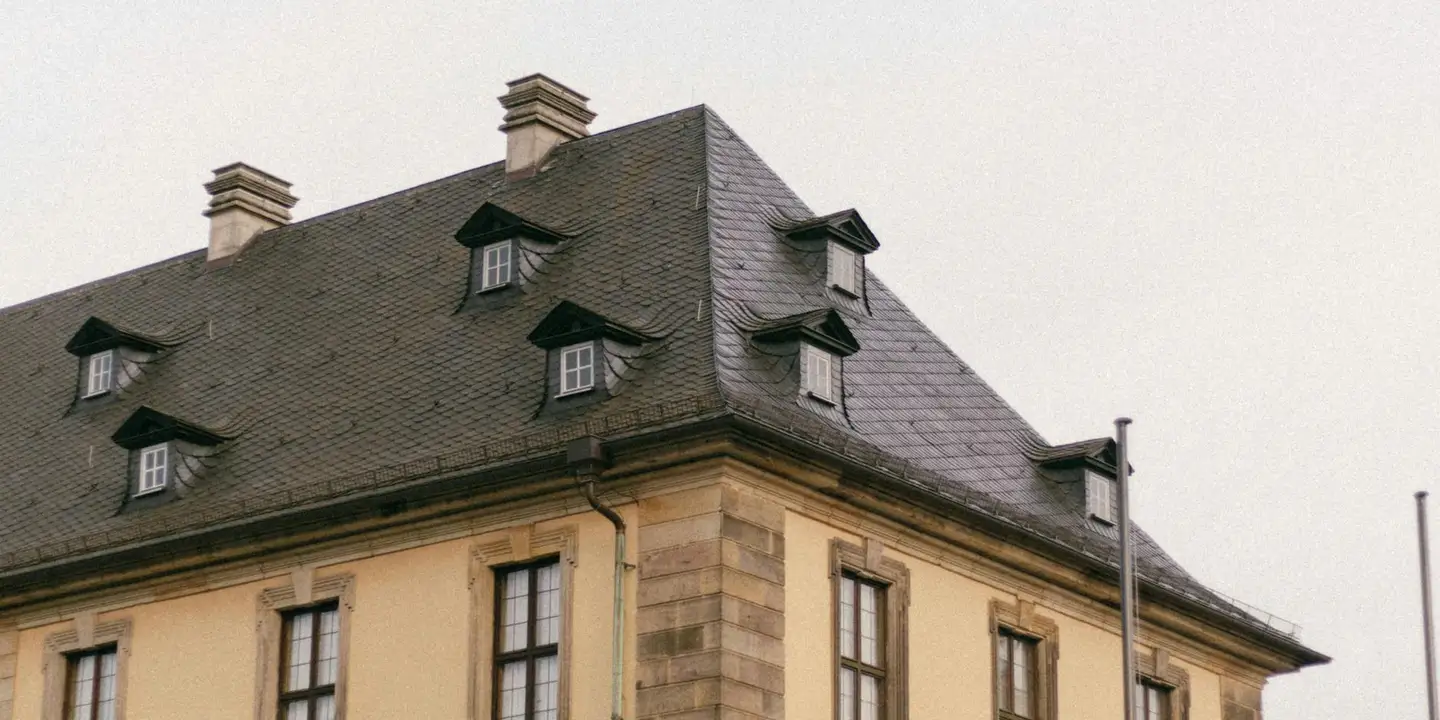
The quality of the slate is only half the equation. The skill of the installer is everything. A perfect slate tile installed poorly will fail. A mid-grade slate installed by a master will last for generations. This is the single most important choice you will make.
You are not hiring a roofer. You are hiring a slate craftsman. Treat the interview that way.
Here are the questions you must ask every contractor:
- “How many slate roofs have you personally installed or supervised?”
- “Can you provide a list of addresses for past jobs I can drive by and see?”
- “What is the specific warranty on your labor, and what does it cover?”
- “Will you be using copper or stainless steel nails and flashing?”
- “How will you protect my property and landscaping during the job?”
A true specialist will welcome these questions and have detailed answers ready. If they get defensive or vague, walk away.
When you look at their portfolio or visit a reference, don’t just look at the roof from the street. Get closer if you can. Look for straight, soldier-like lines. The gaps between slates should be uniform. Pay special attention to the flashing around chimneys, walls, and in valleys. It should look intentional and meticulous, not like an afterthought.
Safety and code compliance are non-negotiable. Slate is incredibly heavy. A reputable contractor will insist on a structural assessment of your home’s framing before they even give you a quote. If they don’t mention this, they are not thinking about the long-term safety of your home. They are thinking about getting the job.
The Long View: Is a Slate Roof Worth the Cost?
That price tag is real. It’s a major investment. But you have to view it through the lens of time. We’re not talking about a 20 or 30 year roof. A properly installed slate roof has a lifespan of 75 to over 100 years.
Think of it as buying the last roof your house will ever need.
The benefits are substantial. The durability is unmatched by any other common material. It is naturally fireproof. The aesthetic is timeless and can significantly increase your property’s curb appeal and value. I’ve seen homes with original 1920s slate that still looks and functions perfectly.
You also have to be honest about the drawbacks.
The upfront cost is extreme. The weight means not every house can support it. Repairs, when needed, require a specialist and matching historic slate can be a challenge. Walking on a slate roof for maintenance can easily break tiles if you don’t know exactly where to step.
My final advice is this. If your budget is very tight or you don’t plan to stay in the home for decades, there are excellent 50-year architectural shingle options that make more sense. But if you are building or owning your forever home, and you can manage the upfront cost, a slate roof is a legacy purchase. It’s the last roof you, your children, and possibly even your grandchildren will have to think about.
Quick Answers
How important are gutters for a slate roof?
They are your first line of defense. Clogged gutters cause water to back up under the slates, which is a leading cause of leaks, so keep them clean and flowing.
When should I repair vs. replace my slate roof?
Repair isolated damage on a roof under 50-60 years old. If slates are crumbling or failing across entire slopes, it’s likely time for a replacement-get a hands-on inspection from a specialist to know for sure.
Natural or synthetic slate: which is right for my home?
The biggest factor is your roof’s structure. Natural slate is extremely heavy, so a structural inspection is mandatory. If your framing can’t handle it, synthetic is a viable, lighter-weight alternative.
Protecting Your Slate Roof Investment
Your slate roof’s long-term payoff depends entirely on a correct installation by a seasoned specialist. Protect that foundation with yearly visual checks from the ground and by addressing minor repairs immediately.
Own your role in its care by always putting safety first and learning to recognize early signs of wear. Building your knowledge on roof materials and maintenance is the best way to safeguard your home for the long run.
Ray Huffington
Ray is an experienced roofer. He has worked as a general contractor in the roofing industry for over 15 years now. He has installed and repaired all kinds of roofs, from small houses to large mansion, and from basic shingles to cement and metal roofs and even solar roof panels. He has seen homeowners struggle with roofing questions and always has experience based proven advice to help those in need. If you need roof pros, Ray's your guide.