
How Long Do Your Roof Shingles Really Last? A Practical Guide from a Pro
I’ve stood on roofs where shingles cracked after a decade and inspected others that weathered 30 years of storms. What decides whether your roof fails early or protects for generations? You’re right to ask how long your shingles will last, so you can plan ahead and avoid surprise leaks.
In this guide, I’ll cut through the sales talk and give you the straight facts from the job site:
- The real-world lifespan of asphalt, wood, and synthetic shingles.
- How weather, installation, and attic health make or break durability.
- Simple, effective care that can add years to your roof’s life.
Key Takeaways: What Really Determines Shingle Lifespan
- Installation quality trumps material cost. A cheap shingle installed right will outlast a premium one put on wrong every time.
- Annual checks prevent decade-early failures. Catching a small leak or loose shingle early saves the whole roof system.
- Your warranty is a contract, not a guarantee. Most prorated warranties pay very little after 10 years, so don’t bank on that 50-year promise.
- Ventilation is your roof’s hidden lifespan booster. A hot attic bakes shingles from underneath, cutting years off their life before you ever see the sun hit them.
- Climate is the silent shingle eater. Hail, UV rays, and freeze-thaw cycles set the real timeline, not the number on the brochure.
The Roof Integrity Assessment: Average Lifespans & Red Flags
Use this table as a quick reference for what to expect from common materials. These are real-world ranges I’ve confirmed on tear-offs and inspections.
| Material Type | Realistic Life Expectancy |
|---|---|
| 3-Tab Asphalt Shingles | 15 to 20 years |
| Architectural Asphalt Shingles | 25 to 30 years |
| Wood Shakes | 20 to 30 years |
| Synthetic (Rubber/Plastic) | 30 to 50 years |
| Metal Shingles | 40 to 70 years |
| Slate or Clay Tile | 50 to 100+ years |
What are the signs that shingles need to be replaced? When you see these red flags, it’s time for a new roof, not a patch job.
- Multiple missing shingles in different areas of the roof.
- Widespread curling or cupping across the roof surface.
- Spongy or soft spots you can feel when walking on the deck.
- Active leaks that appear in multiple rooms after rain.
Real-World Life Expectancy by Material
Let’s break down what “good for” really means for each shingle type I’ve worked with. How long are shingle roofs good for depends more on their environment than their price tag. For example, when we compare asphalt shingles vs metal roofing in terms of cost, durability, and aesthetics, the choice often hinges on climate and maintenance as much as initial price. In other words, appearance and long-term resilience matter as much as the sticker price.
3-Tab vs. Architectural Asphalt: This is the most common question I get. Three-tab shingles are the basic budget option. I’ve seen them fail as early as 12 years in intense sun. Architectural shingles are thicker and layered. With good attic ventilation, I’ve removed 30-year-old ones that still had some life. How long asphalt shingle roofs last varies wildly from 15 to 30 years because of weight, installation, and that crucial air flow in your attic.
Wood Shakes: They’re beautiful but demand attention. In a dry climate, they can reach 30 years. In a damp, shaded area, moss and rot can cut that lifespan in half. I always tell homeowners, wood is a long-term commitment to maintenance, not just a one-time install.
Synthetic (Rubber/Plastic): These are designed to mimic wood or slate but are much lighter. The high-quality brands are impressive. I inspected a 25-year-old synthetic roof last fall that looked nearly new. But the cheap versions can turn brittle and crack in a decade. Your experience hinges entirely on the manufacturer’s material quality, especially when compared to traditional options.
Metal Shingles: Forget old corrugated tin. Modern metal shingles have durable coatings. I’ve seen 50-year installations still performing well. The lifespan key is the paint system. Once that coating degrades, rust can begin, but that often takes decades.
Slate & Tile: These are the century roofs. Here’s the practical truth from my crew: the shingles themselves last forever, but the flashings and underlayment do not. I’ve replaced 80-year-old slate because the iron nails rusted out from underneath. The material outlives its supporting parts.
Red Flags: When Your Roof is Shouting for Replacement
Beyond the general list, here are the definitive failures I diagnose. These signs mean the roof system is compromised.
- Multiple missing shingles after a minor storm. This isn’t just storm damage. It means the adhesive seals were already weak. Last spring, we replaced a roof where half the shingles blew off in a wind gust because they were all curled and brittle.
- Cupping or clawing so severe you see the matting. When the asphalt wears off completely and you see the gray fiberglass mat, the shingle is a sponge. It will absorb water and leak.
- Spongy decking you can feel through your boots. If the roof deck gives way underfoot, the wood structure is rotten. No shingle or patch can fix that. It’s full replacement time.
- Leaks that appear in different spots with every rain. One leak might be a bad pipe flashing. Multiple, moving leaks mean the entire roof barrier is failing. The underlayment is shot.
How long can a roof go without shingles? Let me be direct: not even one storm. A missing shingle exposes the underlayment, which is only water-resistant. In a heavy downpour, that spot will leak into your attic within minutes. I’ve responded to attic floods that started from a single missing tab after a hail storm. Don’t wait.
The RoofMason Material Verdict: Comparing Shingle Tiers
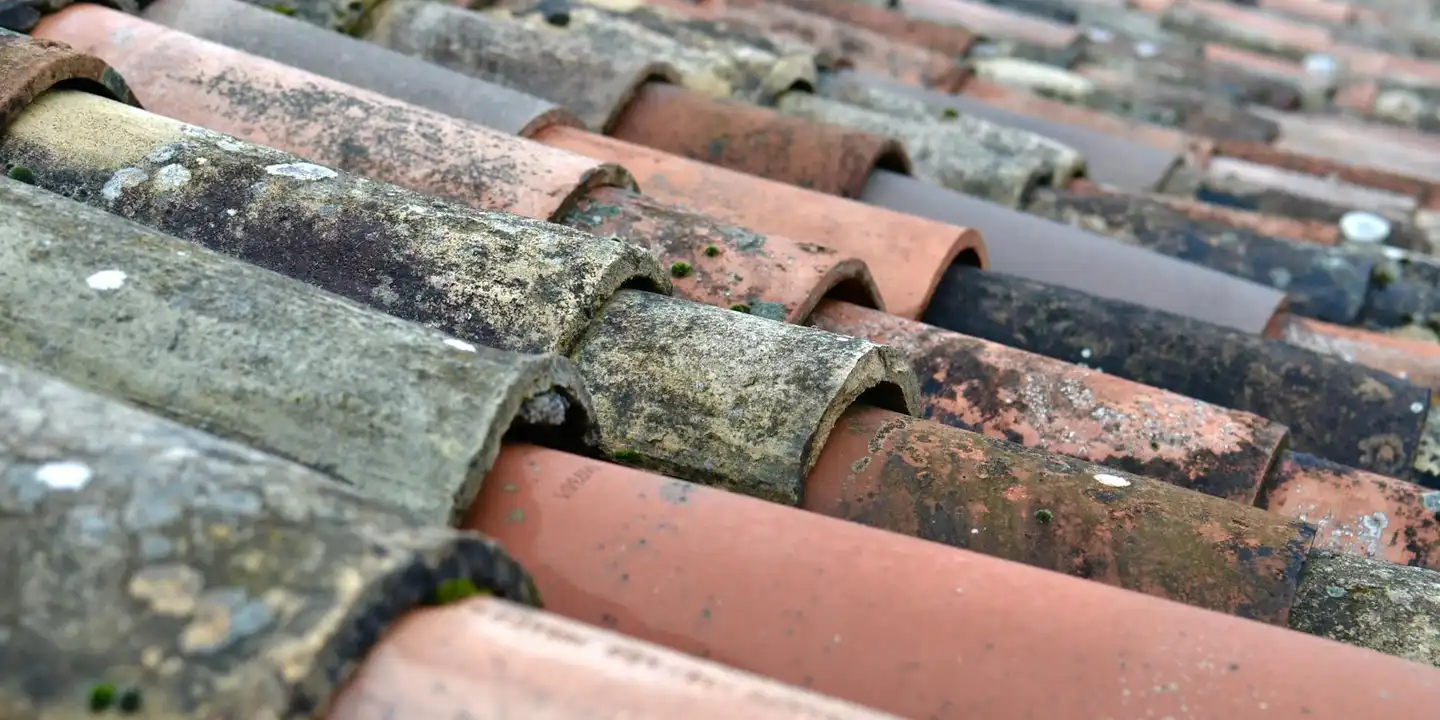
Picking shingles isn’t just about color. It’s a practical choice about protection and budget. I’ve seen roofs fail from the wrong pick and others sail past their warranty. Let’s compare your main options in the factors that truly matter for your home.
Standard 3-Tab Asphalt Shingles
Think of these as the basic, reliable t-shirt of roofing. They are flat, have a uniform cutout pattern, and are what most builders use on new homes to keep costs down.
- Cost: The most affordable option, typically $100-$150 per roofing “square” (100 sq. ft.) for materials.
- Weight: Light, around 200-250 pounds per square. Most roof structures can handle this easily.
- Hail/Wind Rating: Basic. They usually carry a Class 1 or 2 hail impact rating (moderate resistance) and wind warranties up to 60-70 mph.
- Fire Resistance: Most are Class A fire-rated, which is the highest for residential shingles.
- Best For Climate: Moderate, stable climates without frequent severe storms. They get brittle faster under intense sun.
Premium Architectural (Dimensional) Asphalt Shingles
This is the workhorse I recommend most often. They are thicker, with a random, textured pattern that looks like wood shake. You get significantly more durability for a moderate price increase.
- Cost: More expensive than 3-tab, about $150-$400+ per square for materials.
- Weight: Heavier, 250-400+ pounds per square. Your roof deck needs to be in good shape.
- Hail/Wind Rating: Much better. Look for products with an UL 2218 Class 4 rating (best hail resistance) and wind warranties of 110-130 mph.
- Fire Resistance: Class A fire-rated.
- Best For Climate: Excellent all-rounder. Handles sun, rain, and wind well. The best choice for most storm-prone or sunny areas.
Metal Roofing (Standing Seam or Panels)
Metal is a different beast entirely. It’s a long-term investment, not just a roof covering. Proper installation is everything. I’ve fixed more leaks from bad metal installs than from the metal itself failing.
- Cost: Highest upfront cost, often 2-3 times more than premium asphalt for materials and specialized labor.
- Weight: Very light, surprisingly. Lighter than asphalt shingles, so it doesn’t add structural stress.
- Hail/Wind Rating: Superior. High-quality metal panels can withstand severe hail and winds well over 140 mph when installed correctly.
- Fire Resistance: Non-combustible. It won’t catch fire from embers.
- Best For Climate: Heavy snow (sheds snow easily), high-wind coastal areas, and regions with wildfire risk.
Natural Slate or Synthetic Slate
This is the lifetime roof. The cost isn’t just for the material. You need a specialized crew and a very strong roof structure. It’s a masterpiece when done right.
- Cost: The most expensive option by far. Material and installation can be 5-10x the cost of an asphalt roof.
- Weight: Extremely heavy. Real slate can be 800-1,500+ pounds per square. Your home must be engineered for it.
- Hail/Wind Rating: Exceptional. Slate is stone, it doesn’t dent. It can crack from a direct, severe hail strike, but it’s highly resistant.
- Fire Resistance: Completely fireproof.
- Best For Climate: Any climate, for centuries. It’s chosen for historic homes or where a legacy roof is desired, not just weather.
Best Bang for Your Buck: The RoofMason Scenarios
Here’s how I break it down for homeowners based on where you live and your goals.
For the Windy Plains or Coastal Areas: Premium Architectural asphalt is your best value. The upgraded wind warranty and impact resistance protect your biggest investment without the extreme cost of metal. Ensure it’s installed with six nails per shingle, not four.
For Heavy Snow or Hail-Prone Regions: Look closely at a Class 4 rated Architectural shingle first. If your budget allows, metal is a phenomenal, long-term solution that sheds snow and shrugs off hail. The choice here is between a great 30-year roof (asphalt) or a potential 50-year roof (metal).
For Hot, Humid, or Forested Areas: Again, Premium Architectural wins. The thicker material resists sun degradation better. Its algae-resistant coatings (look for “Copper” or “Zinc” in the spec) fight off ugly streaks in humidity. Metal also performs very well here.
For a Tight Budget on a Simple Roof: A 3-tab shingle from a reputable brand is perfectly fine. Just go in knowing its limitations in severe weather and shorter aesthetic life. Don’t use it on a low-slope roof.
For a “Forever Home” Where Money is Secondary: This is where you consider metal, slate, or premium synthetic slate. You’re paying for a material that will outlast you, with proper maintenance. It’s less about cost-effectiveness and more about permanence.
What Wears Out Your Shingles? The Lifespan Killers
Shingle lifespan isn’t just a number on a box. It’s a prediction based on how well your roof fights a daily war against the elements. The biggest factors are your local climate and the quality of the original installation.
Think of climate as the constant, wearing force. Installation is the foundation. A weak foundation fails faster under pressure.
Sun, Heat, and the Fade Factor
The sun is your roof’s constant enemy. Its ultraviolet (UV) rays act like a slow bleach, breaking down the asphalt that holds the shingle together.
This process is called UV degradation. It dries out the asphalt, making it brittle.
Fading color is a visible symptom of this deeper wear, not just a cosmetic issue. Those colored granules protect the asphalt. As they loosen from UV exposure, the asphalt underneath cooks and cracks.
Heat makes it worse. Your roof expands in the hot sun and contracts at night. This thermal cycling is like bending a plastic spoon repeatedly. Eventually, it weakens and cracks.
Roof color and ventilation are your defenses. A light-colored roof reflects more heat than a dark one, reducing thermal stress. Proper attic ventilation pulls that super-heated air out from underneath, which can add years to your shingles’ life.
Water, Ice, and Biological Growth
Water doesn’t always damage shingles from the top down. The real danger is when it gets trapped.
In cold climates, ice dams are a top killer. Heat from your attic melts snow, which runs down and refreezes at the cold eaves. This ice backup traps water behind it, forcing it under the shingles where it soaks the roof deck. Ice dam prevention roofs are designed to minimize heat loss and keep the attic cool, a key step in protecting your roof and home. They work best when paired with proper insulation and ventilation to stop the melt at the source.
In damp climates, moss and algae move in. Moss is more than a green stain; it acts like a sponge, holding moisture against the roof surface 24/7. This constant wetness rots the organic material in shingles. Algae streaks, while less destructive, can indicate a moisture-rich environment.
This is why cleaning your roof and ensuring gutters are clear isn’t just about looks. It’s about removing the conditions that let water and life break things down from the inside.
The Installation Wild Card
A perfect shingle installed poorly is a failed shingle. Workmanship can instantly cut a 30-year roof’s life in half.
I’ve seen brand-new roofs fail because of short nailing. Nails driven too high or not deep enough won’t hold in a wind. Missing a step like the drip edge or underlayment lets water sneak in from day one.
Vetting your roofing crew is your most important job. Ask for proof of insurance and licenses. Get a detailed, written scope of work that lists every material by name, including underlayment type and nail type.
Don’t just get three bids; get three detailed proposals and ask each roofer to explain why their method differs from the others. A good roofer can walk you through their process without getting defensive. Finally, ask for 2-3 recent addresses you can drive by. Look for straight lines, clean cuts, and uniform nail patterns from the street.
Proactive Roof Care: How to Make Your Shingles Last Longer
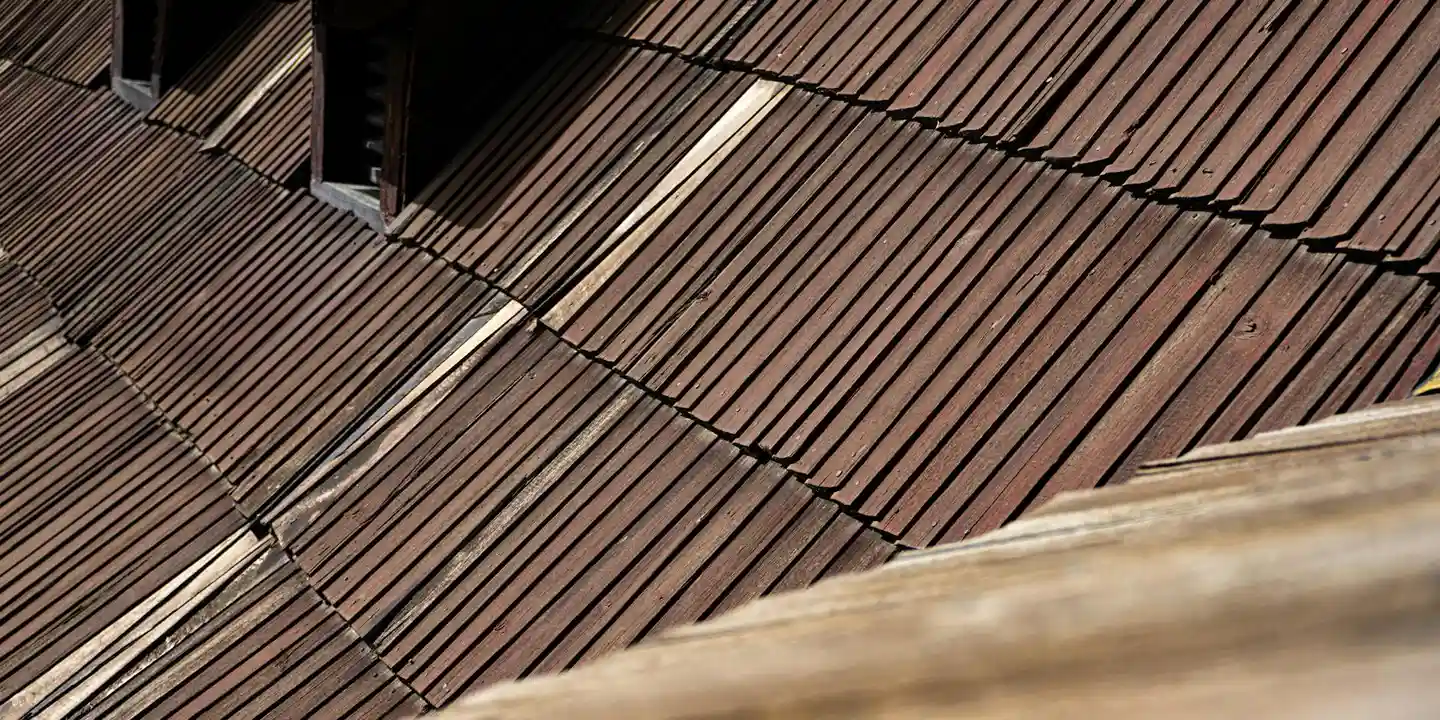
You can easily add years to your roof’s life. The best part is, it doesn’t require expensive treatments or weekend-long projects. It’s about consistent, low-effort habits that protect your biggest investment.
Think of it like changing the oil in your car. A small, regular task prevents a massive, costly failure down the road.
The Biannual Visual Check (From the Ground)
Never climb onto your roof for a casual look. A pair of binoculars and five minutes twice a year are all you need.
Do this in the spring and again in the fall. Always take a look after any major storm with high winds or hail.
- Missing Granules: Look for bald spots or areas where the colored granules have washed away, exposing the black asphalt underneath. You’ll often see granules collecting in gutters or at downspout outlets.
- Curling or Buckling: Are the shingle edges lifting? Are they starting to cup or look wavy? This is a sign of age or poor ventilation.
- Cracked or Missing Shingles: Scan the slopes for any shingles that are broken, torn, or completely gone.
- Algae or Moss: Dark streaks (Gloeocapsa magma algae) or green moss patches hold moisture against the shingles, breaking them down faster.
- Sagging Roof Deck: Step back and look at the roofline. Does any section appear to dip or sag? This signals a structural issue.
This simple ground check lets you spot small problems before they let water into your home.
Gutter & Debris Management is Non-Negotiable
This is the single most effective thing you can do. Clogged gutters are a roof’s worst enemy.
When gutters are blocked, water has nowhere to go. It backs up, flows over the gutter edge, and soaks the roof deck and fascia board. In winter, this trapped water freezes, creating ice dams that force moisture up under your shingles.
Overhanging tree branches do three things wrong. They drop leaves that clog gutters, they scratch and wear down granules when the wind blows, and they block sunlight, keeping the roof damp and encouraging moss.
Keep gutters clean and downspouts clear so water is directed away from your foundation, not into your attic.
Safety comes first. If you are not comfortable on a ladder, hire a gutter cleaning service. If you do it yourself, always have a spotter, wear shoes with good grip, and never lean the ladder against the gutters themselves use a standoff stabilizer.
Handling Repairs Before They Become Catastrophes
You found a problem during your visual check. Now what? Knowing when to grab your tools and when to pick up the phone saves money and prevents disaster.
Call a professional roofer immediately if you see:
- Widespread damage (more than a few shingles affected on one slope).
- Any signs of a leak inside your home (stains on ceilings, walls, or in the attic).
- Damage around the chimney, vents, or in the roof valleys.
- Issues with the metal flashing (the material that seals joints).
For a small, isolated repair like one or two torn shingles, you can often handle it yourself. You’ll need a few basic items:
- A flat pry bar or roofing shovel.
- A hammer.
- Galvanized roofing nails (1 1/4 inch).
- Roofing adhesive (plastic cement or asphalt roofing cement).
- A few replacement shingles (ideally leftovers from your last installation).
- A utility knife.
The process is straightforward. Gently lift the shingle above the damaged one and remove the nails holding the bad shingle. Slide the new one into place, nail it down (underneath the overlapping shingle), and seal the nail heads and edges with a dab of roofing adhesive. A proper repair seals out water and matches the existing roof’s layering.
Warranties, Storage, and Other Practical Mysteries
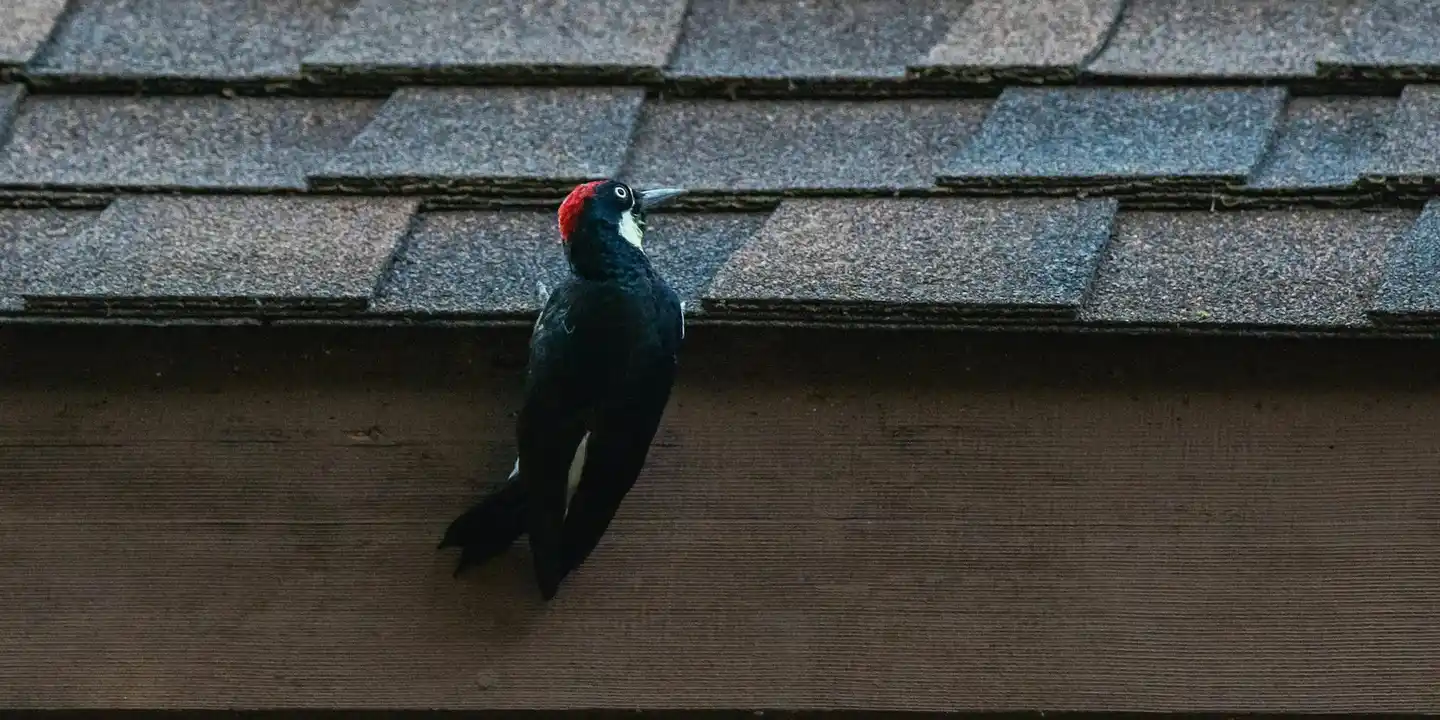
Let’s talk about the fine print and the practical stuff you don’t usually think about until you have to. This is where many homeowners get a surprise, so let’s clear it up.
What Your Shingle Warranty Really Says
That 25, 30, or 50-year warranty on the box isn’t a promise the roof will last that long. It’s a manufacturer’s defect warranty. Think of it like a car’s powertrain warranty-it covers the shingle itself failing, not normal wear and tear from weather.
The most important thing to know is that almost all long-term shingle warranties are “prorated.” This means the value they cover decreases every year. If a shingle fails in year 20 of a 30-year warranty, the company might only pay a fraction of the replacement cost based on its diminished value. The “non-prorated” period at the start is your true full-coverage window, and it’s often much shorter.
Then there’s the workmanship warranty. This comes from your roofing contractor, not the shingle maker. It covers installation errors. A 10-year workmanship warranty from a reputable roofer is often more valuable than a 50-year prorated manufacturer’s warranty. I’ve seen more problems from poor nailing or flashing than from a bad batch of shingles.
Do Unused Roof Shingles Go Bad?
Yes, they absolutely can. People often save leftover bundles for repairs, but shingles aren’t meant to sit around for years. The asphalt can become brittle, and the sealant strips can fuse together.
If you must store them, keep them inside. A dry garage or shed is best. Never leave them outside on the ground or leaning against a wall. Stack them flat on a pallet to keep them off a concrete floor, which can pull moisture. Sun, heat, and cold cycles will degrade them faster than you think. A five-year-old shingle from your garage won’t match the color or flexibility of a new one, making patches obvious and less effective.
Re-Roofing Over Old Layers vs. a Full Tear-Off
This is a classic “save money now versus save money later” decision. Local building codes usually allow one re-roof over one existing layer.
Putting new shingles over the old ones is cheaper and faster. There’s no tear-off cost or disposal fees. But it’s a cover-up. You can’t inspect or repair the roof deck (the wood underneath). You add significant weight. Any dips, waves, or soft spots in the old roof become permanent features of the new one.
A full tear-off is the right way to do it. It costs more upfront. You pay for labor and dumpsters. But you get to start fresh. The crew can replace any rotten wood, install new ice and water shield, and ensure the deck is perfectly solid. A new roof on a solid, clean deck will last longer and perform better than one installed over a hidden problem. On my crew, we always recommended a tear-off unless the existing single layer was near-perfect and the budget was extremely tight.
Making the Call: Planning Your Roof’s Future
Now you know how long shingles can last. The real question is how long yours will last. This is where you move from theory to action.
Think of it like an old car. A mechanic doesn’t just check the odometer. They listen to the engine, check the brakes, and look for rust. Your roof needs the same kind of honest assessment.
The 80% Question
Look at your roof right now. Is it 80% worn, or does it have 80% of its life left? The answer dictates everything. A roof at 80% wear is on borrowed time. One with 80% life left just needs good care.
Signs you’re at 80% wear include widespread granule loss in your gutters, shingles that are curled or cracked across many slopes, and multiple repaired leaks. At this stage, a major storm could be the final straw. Saving for a full replacement is the smart move.
If your roof just has a few isolated issues, like one damaged vent boot or a small patch of moss, you’re likely in the 80% life-left camp. Focus on maintenance and address small problems before they grow.
Repair or Replace? The Real Math
Let’s tackle the tough one. Does a repair buy you five good years, or are you just delaying the inevitable? I’ve seen homeowners spend thousands on patches for a roof that fails completely two years later—despite myths suggesting such repairs are sufficient.
Repairs make sense when the problem is localized. A few wind-damaged shingles from a storm? Fix them. Hail damage on one slope? A repair might work. The rest of the roof must be in solid shape.
You are delaying the inevitable when you repair one area while the entire roof surface is brittle, cupped, and losing its granules. You’re throwing good money after bad. I tell my crew, “We don’t patch rot.” We apply that same logic to an aged roof system—it’s just as risky as trying to repair over rotted decking.
Contractors will often spot-repair to get you more time. That’s fair. But ask them point-blank: “If this were your house, would you repair this spot or start planning for a new roof?” Their answer tells you everything.
A Veteran’s Perspective: It’s Just a System
After thirty years, I don’t see a roof as a mystery. I see a logical, layered system designed to shed water. The sheathing is the floor. The underlayment is the raincoat. The shingles are the durable jacket taking the sun and hail.
Understanding this takes the fear out of it. A leak isn’t a disaster. It’s a symptom. Your job is to find the failed component in the system. Sometimes it’s a single nail pop. Sometimes it’s the whole “jacket” being worn out.
Knowing the lifespan of your materials lets you plan with confidence, not panic. You control the timeline. Budget for it like you would a new furnace or water heater. This proactive view changes everything. It turns a looming emergency into a managed home improvement project.
I’ve stood with countless homeowners in their yards, looking up. The conversation always shifts from “What’s wrong?” to “What’s the smart plan?” once they see it as a system they can understand. That’s the goal. Make your plan from a place of knowledge, not fear.
Common Questions
How do I make sure my shingle warranty is actually valid?
Save your original invoice and the warranty brochure. Most warranties require proper installation by a licensed contractor and timely registration to be honored, so don’t just file it away.
When is a roof repair a true DIY job, and when do I absolutely need a pro?
You can DIY replacing one or two clearly damaged shingles. Call a pro immediately for any leak you see inside, damage in valleys or around chimneys, or if you feel soft, spongy decking.
What’s the one thing in my attic I should check to protect my roof?
Check your attic ventilation. Ensure soffit vents are not blocked by insulation and that ridge or exhaust vents are open. Proper airflow prevents heat and moisture from baking your shingles from underneath.
Taking Control of Your Roof’s Longevity
The best way to get the full lifespan from your shingles is to watch for small problems. Catching a lifted shingle or a bit of moss early stops it from becoming a major, expensive repair.
Your roof is a long-term investment in your home’s safety and value. A little proactive care and learning about basic roof maintenance are the most reliable ways to protect it.
Ray is an experienced roofer. He has worked as a general contractor in the roofing industry for over 15 years now. He has installed and repaired all kinds of roofs, from small houses to large mansion, and from basic shingles to cement and metal roofs and even solar roof panels. He has seen homeowners struggle with roofing questions and always has experience based proven advice to help those in need. If you need roof pros, Ray's your guide.