
Is Lead Roofing Safe? The Health Risks Every Roofer Must Know
You admire the durability and look of a lead roof, but have you ever stopped to think about what you’re actually breathing in when you heat or cut it?
If you’re handling lead roofing, your concern is valid. This isn’t just about getting the job done; it’s about protecting your long-term health from a silent, cumulative threat.
In this article, I’ll share what I’ve learned from decades on the job: the real health effects of lead, where the hidden exposure risks are on your worksite, and the critical safety steps you cannot skip.
Key Takeaways: Why This Isn’t a DIY Job
Listen to me straight. I’ve been on roofs for thirty years, and this is the one talk I give my crew every time we see lead. Consider this your safety briefing.
- Lead exposure is cumulative, meaning it builds up in your body silently and permanently damages your nervous system. I’ve shaken hands with retired roofers whose fine motor control is gone from old exposure.
- The standard gear you use for asphalt shingles is useless against lead. Leather gloves and a dust mask won’t stop the fine, toxic dust created when you cut or file.
- Containing the work area and disposing of the waste is not a suggestion, it’s the law. I’ve seen contractors face heavy fines for letting lead chips fall onto a homeowner’s garden.
- This work is completely exempt from the typical DIY advice you’ll find here. For everything else, I might walk you through it. For lead, my only advice is to hire a certified specialist.
Spotting a Lead Roof: What You’re Actually Dealing With
You can’t manage a risk until you know it’s there. Figuring out if you have lead is your first practical step.
Lead isn’t usually the main roof material on modern homes. You’ll most often find it in the critical, waterproofing details of older structures.
- Flashings: The sheet metal around chimneys, skylights, and where the roof meets a wall.
- Valleys: The internal angles where two roof slopes join.
- Gutters and Downspouts: Common on homes built before the 1970s.
- Dormer Cheeks: The sloping sides of a dormer window assembly.
- Entire Roof Coverings: Found on historic or landmark buildings, often with a long, low pitch.
Visually, aged lead has a distinctive dull, matte gray patina. It’s soft. If you press a key or coin against it gently, it will leave a mark. Look for seams that are rolled or welded, not overlapped and nailed. This is how you start to determine if lead roofs are dangerous to work on for your specific property.
Your first move must always be a test. Store-bought chemical swab kits can give you a basic yes or no. For any repair or removal project, though, I bring in a professional for an assessment. They use an XRF analyzer, a tool that reads lead content instantly without scraping. It’s the difference between guessing and knowing for sure.
The Silent Threat: How Lead Hurts Your Body

What are the immediate health symptoms of lead exposure during roofing work? I remember finishing a lead valley repair years ago with a splitting headache and feeling utterly exhausted. My stomach was in knots. These symptoms-headache, fatigue, stomach cramps (“lead belly”), and irritability-are easy to dismiss as just a hard day’s work, but they are your body’s first alarm bells.
You might feel:
- A constant, dull headache
- Overwhelming tiredness that sleep doesn’t fix
- Sharp abdominal pain or nausea
- A short fuse with coworkers or family
What long-term health conditions can develop from chronic lead exposure in roofers? The real danger is what you can’t see. Lead builds up in your system over months and years. It can damage your brain, leading to memory problems and difficulty concentrating. It harms your kidneys, raises blood pressure, and can cause reproductive issues. Lead exposure doesn’t just ruin your week; it can affect your ability to think clearly and your long-term health.
This is similar to another old roofing hazard. Homeowners often ask, are asbestos roof tiles dangerous? Yes, especially if not properly removed and disposed of. Because inhaling asbestos fibers causes lung disease decades later. Lead is the same kind of silent threat. It works slowly, doing its damage long after the job is done.
The Physical Dangers: More Than Just a Fall Risk
What specific safety hazards are present when removing or installing lead roofing materials? Everyone talks about fall protection, but lead adds layers of physical risk. The material itself is a hazard. A single lead sheet can weigh 60 pounds or more. Hoisting it onto a roof strains your back, and one wrong move can throw you off balance. Understanding the material’s composition and its thermal properties—especially how lead conducts heat and responds to temperature changes—helps explain roof behavior under sun exposure. This context informs safer handling and installation planning as part of risk assessment.
Cutting and shaping lead is tough work. Your tools can slip. I’ve seen roofers get deep cuts because their knife skidded off the dense metal. The work also forces you into unstable positions, like kneeling on a slope to solder a seam. The extreme weight and resistance of lead make every task more physically demanding and dangerous, especially when compared to typical tools used in DIY roof repair.
You also can’t trust the stage. Lead roofs are often on very old buildings. The wooden decking underneath might look solid, but it could be rotted or weakened by age and moisture. Age makes the underlying structure unreliable, turning a simple step into a potential fall-through risk.
Now, tie the health and safety risks together. Remember that mental fog from lead exposure? That headache and fatigue? The mental fog from early lead exposure can itself cause a fall by slowing your reaction time and clouding your judgment. When you’re not thinking straight, you’re more likely to misstep or mishandle a heavy sheet.
Creating and Containing the Hazard: Dust, Fumes, and Worksite Setup
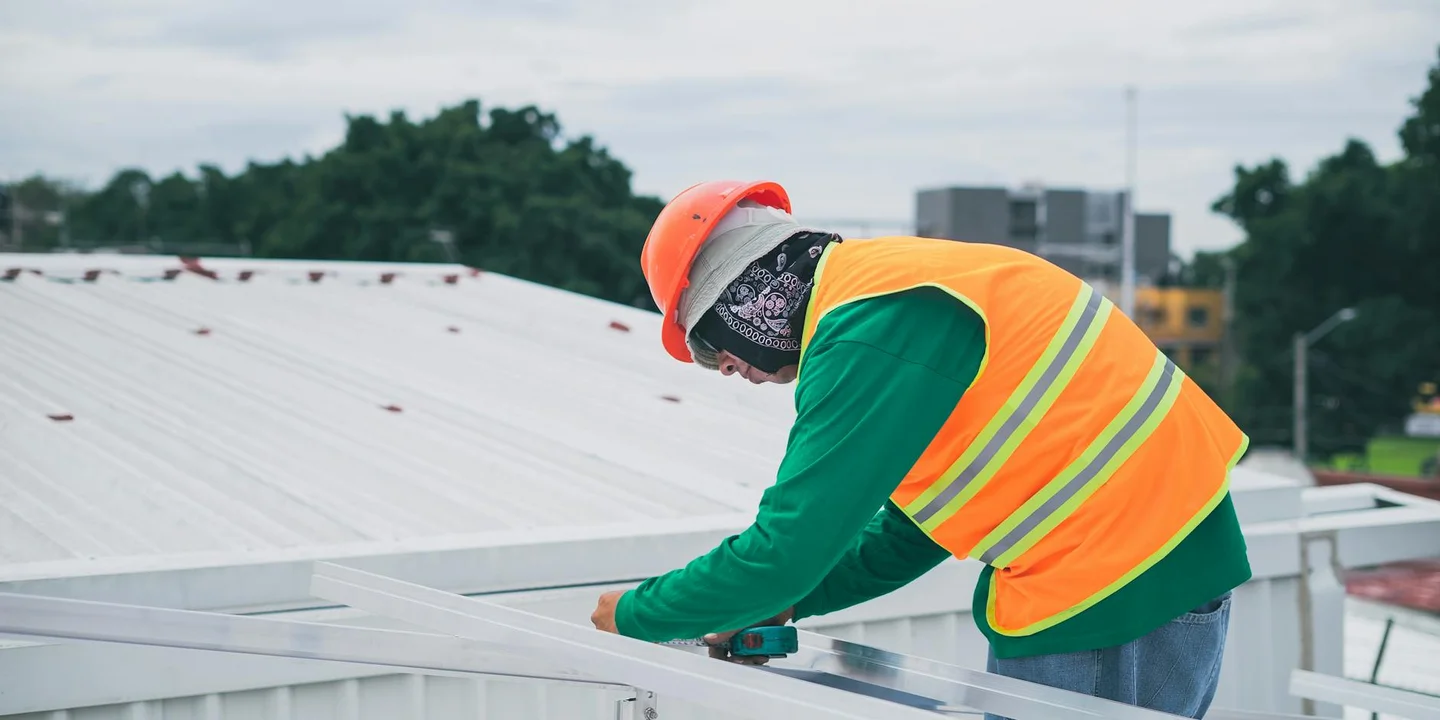
How can lead dust and fumes be generated and inhaled during roofing tasks? Lead becomes hazardous the instant you disturb it, creating an invisible cloud of dust or toxic fumes that you can easily breathe in without realizing it. I learned this on a old warehouse job where the crew thought a breeze would blow the dust away. It doesn’t work like that.
You generate lead particles during almost any hands on task. Common actions include:
- Grinding or sanding a lead seam to make it smooth.
- Cutting lead sheet or flashing with a power saw or rotary tool.
- Burning lead during soldering, which creates dangerous fumes.
- Even simple folding or “bossing” of old, dry lead. The bending action can release fine dust from the surface.
How should worksites be set up to minimize the spread of lead contamination? Your primary job before any work starts is to build a cage around the hazard so nothing escapes. Treat the work area like it’s contaminated, because it is.
Here is the containment plan my crews follow on every lead roofing project. Do these steps in order.
- Completely surround the work area with 6-mil plastic sheeting. Secure it to the roof deck and extend it down the walls to the ground.
- Establish a “clean zone” and a “dirty zone.” The clean zone is where you suit up, near your access point. The dirty zone is the plastic enclosed work area on the roof itself.
- For major interior work or enclosed spaces, use a negative air pressure unit with a true HEPA filter. This machine pulls air from the contained area and filters it, preventing dust from drifting.
- All tools, debris, and materials must remain inside the plastic containment until they are bagged for disposal.
Never allow lead debris or wash water to contact the soil, garden, or any drainage system. This is the non negotiable rule for environmental safety. Lead does not break down, and it will poison the ground and water around your home.
The Safety Arsenal: Gear and Decontamination That Actually Works
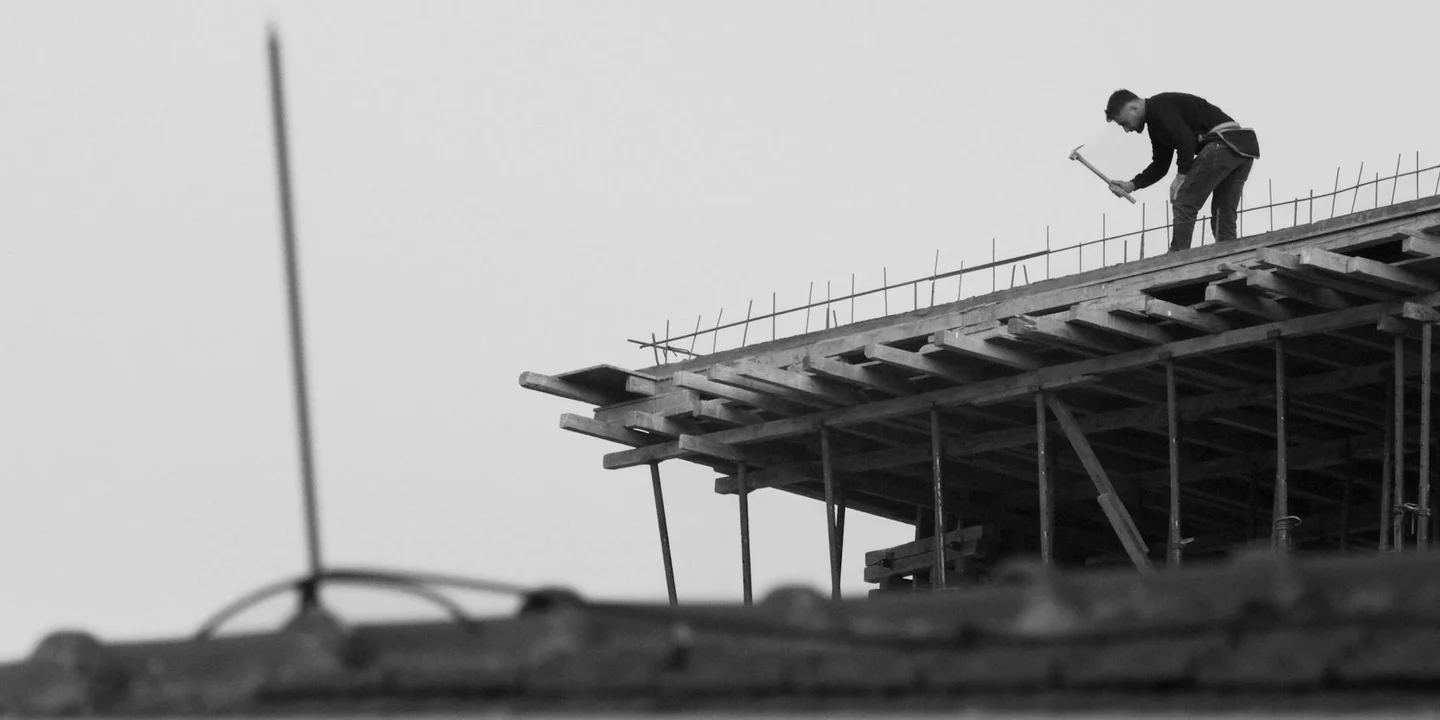
What personal protective equipment (PPE) is essential for workers handling lead roofing? A simple paper dust mask and your everyday jeans are a recipe for exposure, offering no real protection against lead. I’ve watched guys in basic gear finish a day with a fine gray film on their skin and clothes. That film is lead.
You need a dedicated set of gear that forms a complete barrier. This is your minimum kit.
- A full face respirator with tight sealing goggles and P100 filter cartridges. This protects your lungs and eyes from both dust and fumes.
- Disposable, Tyvek style coveralls that go on over your clothes. Tape the sleeves over your gloves.
- Chemical resistant gloves, like nitrile, that cover your wrists.
- Safety glasses if your respirator does not have a built in eye shield. Never skip eye protection.
What decontamination procedures should be followed after working with lead roofing? If you skip decontamination, you will carry lead dust home to your family on your skin, hair, and clothes. This “take home” exposure is a serious risk for children and spouses. These precautions also apply when removing old roof material or cleaning paint spills during a re-roofing project. Proper cleanup helps prevent lead dust from spreading indoors.
Follow this sequence exactly when leaving the worksite. There are no shortcuts.
- While still inside the plastic containment on the roof, use a HEPA vacuum to thoroughly clean all dust from your coveralls, gloves, and respirator.
- Remove your gear in this order: gloves first, then respirator, then coveralls. Roll the coveralls off inside out to trap contaminants inside.
- Place all disposable PPE directly into a heavy duty, sealed plastic bag labeled for hazardous waste.
- Shower immediately using plenty of soap and water. Wash your hair and under your nails.
- Keep the clothes you wore under the coveralls separate from your family’s laundry and wash them alone.
Rules, Removal, and Knowing Your Limits
You can’t just start grinding on old lead. There are strict rules for a reason. These rules aren’t just good ideas, they are legal requirements designed to protect the crew on your roof and your family below.
What regulations and standards govern lead exposure in roofing construction?
In the United States, the primary rulebook is the Occupational Safety and Health Administration’s (OSHA) Lead in Construction Standard. Think of it as the absolute minimum safety playbook for any pro crew. Its official name is 29 CFR 1926.62, and it covers every commercial roofing job.
For residential work involving lead-based paint-which includes many old lead-coated roofs-the EPA’s Renovation, Repair and Painting (RRP) Rule is the law. A certified firm must do the work, especially when it comes to painting or repainting metal roofs for protection.
Understanding OSHA’s Lead Standard
Let’s break down what OSHA requires in plain language. This is law, not friendly advice.
First is exposure monitoring. A competent person must test the air to see how much lead dust is floating around during the work. This tells the crew if they are below the legal exposure limit and what level of respirator they need. You can’t guess at this.
Second is medical surveillance. Workers exposed above a certain level must get blood tests and health exams. Lead builds up in your body over time. This monitoring helps catch problems before they cause permanent damage.
Third is training. Every worker on site must be trained on the health risks of lead and the specific safety practices for the job. They need to know how to use their respirator, wear their protective clothing, and decontaminate properly.
How should lead roofing waste be properly handled and disposed of?
You cannot toss old lead flashing or panels in your regular dumpster. Lead roofing debris is regulated hazardous waste from the moment it’s removed. Treating it any other way is illegal and irresponsible.
The proper method is to carefully collect all debris, including dust and chips. Workers must seal it in heavy-duty, leak-tight containers or thick plastic sheeting that is securely closed. Each bag or container must be clearly labeled as containing lead waste.
Finally, a licensed hazardous waste hauler must transport it to an approved disposal facility. Never let a roofing crew take it to the local landfill with the rest of the tear-off. Asking about their waste plan separates the real pros from the dangerous amateurs.
When You Must Call a Professional
Let me be perfectly clear. Removing or extensively repairing a lead roof is a 100% professional-only task. This is not a DIY project under any circumstances. The health risks and regulatory hurdles are too great, especially when compared to other types of roofing repairs where homeowners might consider a DIY approach.
When you get quotes, you are interviewing the crew for their safety expertise. Here is what to ask for:
- Proof they are an EPA Lead-Safe Certified Firm (for residential work).
- Records of their OSHA-compliant training on the Lead in Construction Standard.
- A detailed written safety and containment plan. This should explain their setup, dust control, worker protection, and cleanup procedures.
- Their hazardous waste disposal certification or the name of their licensed hauler.
Get multiple quotes. A significantly lower bid often means they are cutting corners on safety, training, or proper disposal, putting everyone at risk. Your health and a lawful job are worth the investment in a qualified crew.
Common Questions
How do I safely check if my roof has lead without exposing myself?
Do not sand, cut, or grind it to test. Your safest move is to use a store-bought chemical swab kit on a discreet spot, but for any project, hire a pro with an XRF analyzer. They can identify it instantly and accurately without creating any hazardous dust.
What’s the biggest mistake homeowners make when hiring for lead work?
They don’t ask for the safety paperwork. Always demand to see the contractor’s EPA Lead-Safe Certification and their written site containment plan. A low bid usually means they’re cutting corners on safety and legal disposal.
Can I clean up lead dust myself after the professionals leave?
No. A certified crew is responsible for full containment, HEPA vacuuming, and proper hazardous waste removal. Your final step should be to request clearance testing to independently verify the area is safe.
Steering Clear of Lead Roof Hazards
From my experience, always assume lead is present in roofing materials from homes built before 1978 and hire a certified professional for testing and any work. This one precaution is the most effective way to shield your household from serious health risks.
Being a responsible property owner means making safety your top priority for every inspection and repair. Safe roofing also hinges on following roof repair safety practices. By prioritizing fall protection, proper ladder use, and weather-aware planning, you reduce the risk of injury. Continue building your knowledge with trusted resources like our Roof Care, All Types of Roof Guide, Care, Maintenance for reliable, long-term roof health.
Ray Huffington
Ray is an experienced roofer. He has worked as a general contractor in the roofing industry for over 15 years now. He has installed and repaired all kinds of roofs, from small houses to large mansion, and from basic shingles to cement and metal roofs and even solar roof panels. He has seen homeowners struggle with roofing questions and always has experience based proven advice to help those in need. If you need roof pros, Ray's your guide.