
Can You Safely Fix or Replace a Roof in the Rain? A Roofer’s Practical Guide
You’re staring at a forecast full of rain clouds, but your roof has a problem that can’t wait. Is it ever okay to work on a wet roof?
As a roofer with decades of experience, I tell my crews to avoid wet work whenever possible. The risks are real, but sometimes a temporary repair is necessary to prevent major damage.
I’ll explain the specific dangers wet conditions create for both safety and your roof’s longevity.
You’ll learn how to decide if a repair is truly urgent or if it should wait.
I’ll share the non-negotiable safety steps to take if you must address a leak during a storm.
Key Takeaways: What Every Homeowner Needs to Know First
Let me be direct about this. Roof work in bad weather is a job for seasoned professionals, not a DIY project. The risks are simply too high — especially when snow accumulates on the roof.
Climbing onto a wet, slippery roof is one of the most dangerous things you can do at home. A fall from that height can change your life. My crew and I use specialized safety gear and have years of experience judging unstable surfaces. You don’t have that.
There are conditions where all work must stop, no matter who you are. A good roofer will walk away from these. You should too.
- Active rain or drizzle.
- Snow or ice on the roof surface.
- Sustained high winds.
- Forecasted storms within the work window.
Most repairs that are meant to last need a dry foundation. Think of it like painting a wall. You wouldn’t paint over a damp, dirty surface and expect it to stick for years. A roof is the same. Installing shingles or sealant onto wet wood or old, soaked underlayment often leads to a call-back in six months.
Finally, be ready for the quote to reflect the difficulty. Working in marginal conditions takes more time, more labor, and carries more liability for the contractor, which increases the project’s cost. A proper roofer will factor that in.
The Unseen Danger: How Moisture Sabotages Roofing Materials
Water doesn’t just drip through a hole. It weakens everything it touches in a roof system. Understanding this stops the “get it done now” urge.
First, a common myth needs clearing up. People ask if roof shingles are waterproof. They are not.
Asphalt shingles are designed to shed water, not hold it back like a sealed swimming pool liner. They overlap like scales on a fish or shingles on a wall. This system works perfectly when water runs quickly off the surface. But when shingles are installed wet, or onto a wet deck, the mechanics fail.
Let’s start underneath. Your roof deck is usually plywood or OSB boards.
When that wood gets wet, it swells. I’ve pulled up old shingles to find a deck soft as sponge cake. A nail driven into swollen wood loses its grip as the wood dries and shrinks back down. This creates loose shingles that can telegraph waves across your roof or, worse, blow off in the next windstorm.
Now, the shingles themselves. Modern asphalt shingles have a thermal adhesive strip. The sun’s heat activates this strip, sealing each shingle to the one below it. This creates a unified, wind-resistant layer.
If that adhesive strip is damp during installation, it will not seal. You’re left with shingles that are just sitting there, held only by nails. They are vulnerable. This is a top reason for premature roof failure after a wet-weather install.
The underlayment, that felt or synthetic layer between the deck and shingles, has the same problem. It needs a dry, clean surface to adhere to properly. On a wet deck, it can bubble or wrinkle. Nails driven through it can push water into the wood below, a problem called “hydro-locking.”
There is an exception for critical areas. A waterproof underlayment, like ice and water shield, should be used along roof edges, in valleys, and around penetrations. This self-adhering membrane is designed for wet conditions and is a code requirement in many cold climates. But it’s for specific zones, not the whole roof. To maximize protection, ensure the underlayment coverage extends beyond the core zones to shield the roof deck from leaks.
All this leads to the warranty question. Can wet conditions void it? Almost always, yes.
Roofing material manufacturers are very specific. Their installation instructions, which are part of the warranty, require a dry substrate. If a leak occurs later and an inspector finds evidence of installation on wet wood, your claim will be denied. You’ve paid for a 30-year roof but only get the lifespan of the incorrectly installed materials. Even your homeowners insurance may not cover the damage.
Gravity is Stronger When You’re Wet: The Real Safety Risks

What are the primary safety risks of working on a wet roof? It starts with a simple fact. Every move you make becomes a calculated risk. The main danger is a catastrophic fall, but wet weather introduces a chain of problems that can lead to it. I’ve seen good crews get spooked on a damp roof they’ve walked a hundred times dry.
Asking if roof shingles are slippery when wet is a massive understatement; a rain-soaked asphalt roof has the traction of a greased ice rink. On a job years ago, a new guy learned this the hard way just carrying a bundle up a damp, low slope. He slid ten feet before catching himself. We all stopped and set up the full safety system right then.
For professionals, this isn’t optional gear. It’s what separates a safe job from a deadly one.
- OSHA-approved fall arrest systems: A full body harness, anchored properly, is your last line of defense.
- Roof jacks and brackets: These create a stable wooden platform to work from, so you’re not standing directly on the shingles.
- Rubber-soled boots: Even with these, traction is minimal, but without them, you have none.
The slipperiness is just the headline. Specific, subtle risks creep in with the moisture.
Your sense of balance changes. A roof you know feels suddenly steeper, tricking your brain and body.
A wet grip leads to tool slippage; a dropped nail gun or a sliding utility knife becomes a projectile.
Water turns every cord and wire into a potential electrical hazard. We always do a visual check for overhead lines and use ground-fault circuit interrupters.
Rain in your eyes and the constant drumming noise reduce crew visibility and focus. Communication suffers. On one repair in a drizzle, we had to use hand signals because shouting was useless.
When NOT to Try This
Some conditions mean no work gets done, period. Your safety isn’t negotiable.
- There is any active lightning or a thunderstorm within hearing distance.
- The roof surface has ice, snow, or large pools of standing water.
- Winds are strong enough to sway a ladder or lift a shingle.
- Rain is falling so hard you cannot clearly see the eaves or your tools.
When Is a Wet-Weather Roof Fix Even Possible? (The Pro’s Checklist)
Should you ever repair or install a roof in wet conditions? In most cases, the answer is a firm no, but there are very specific situations where a professional roofer might proceed with caution. I have turned down jobs because of rain, and I have also been on emergency calls where we had to make a wet fix. It always comes down to safety and what will last.
First, let’s define “wet conditions.” Is it a light mist, a damp deck from yesterday’s rain, or a steady downpour? A pro can sometimes work on a surface that is damp and drying, but never on one that is actively wet or soaked. Think of it like trying to stick tape to a wet countertop. The adhesion just will not hold.
There are narrow exceptions when a wet-weather fix might be attempted.
- Emergency leak mitigation to prevent interior damage is the most common reason. If water is pouring into your living room, a pro might tarp the roof or apply a temporary sealant. I have done this to save a customer’s ceiling. Remember, this is only a band-aid.
- Using specific wet-surface products allows for work in damp conditions. Some adhesives and membranes are made to bond to damp wood. I have used these on large commercial flat roofs. They are not for typical shingle work and require exact application.
- Completing a tear-off just before an unexpected storm requires fast action. If my crew has stripped the old roof and the sky turns dark, we might roll out underlayment or secure tarps over the bare deck. It is a risky scramble to protect the house.
Another last-resort, pro-only solution is installing a rain roof. A rain roof is a second, temporary roof installed over the damaged one to keep the interior dry during repairs. I used this method on a museum project where we could not allow a single drop inside. It is complex, costly, and not for DIY.
Some built-up systems, like protected membrane roofs, are designed for moisture. A negative aspect of the protected membrane roof is that it is a commercial or flat roof system, not a typical home solution. It involves placing the insulation above the waterproof layer, which is a whole different approach to roofing.
Your Action Plan for a Leak During a Storm

Finding water inside your house during a storm is stressful. Your first job is to manage the damage safely from inside. Climbing on a wet, slippery roof is never the answer.
What should a homeowner do if a roof leak occurs during a period of prolonged rain?
Act quickly inside to protect your home and belongings. Here is a step-by-step process I’ve used on countless emergency calls.
- Move furniture, electronics, and valuables away from the drip area immediately.
- Place a bucket, bin, or pot directly under the leak to catch water.
- For a steady drip, lay a towel in the bucket to muffle the sound.
- If water is running down a wall or across a ceiling, use an interior tarp or plastic sheeting. Channel the water from the source directly into your bucket. You can tape it in place.
- If the ceiling bulges with water, carefully poke a small hole in the center with a screwdriver. Place a bucket under it. This relieves pressure and prevents a much larger, messy collapse.
Your goal is to control the water you can’t stop, preventing secondary damage to your floors, walls, and possessions.
What temporary measures can be taken to protect a roof until it dries?
Once the interior is managed, you can think about a temporary external fix. Safety is your top priority. All these methods are done from the safety of a ladder or from inside your attic.
From Inside the Attic (Safest Method):
If you have safe attic access and can locate the leak source from inside, this is your best bet. From the attic, you can often place a temporary patch directly over the hole from underneath.
- For a small hole, push a piece of rigid foam insulation or wood against the roof decking and wedge it in place.
- For a larger area, you can unfurl a waterproof tarp in the attic, pushing it up against the underside of the roof. Weigh down the sides so it forms a catch-basin.
From a Ladder (For Edge or Gutter-Line Leaks):
Some leaks are at the roof’s edge, where a ladder provides safe, ground-based access.
- If you see a lifted shingle or a small gap in flashing, you can apply a generous bead of roofing cement from a caulk gun. Smooth it over the gap with a putty knife.
- I keep a tube of roof repair tape in my truck. This thick, sticky tape can be applied to a dry spot and pressed over a seam or crack.
Both attic and ladder methods are strictly temporary fixes meant to get you through the next rainstorm until a permanent, dry-weather repair can be made.
The Golden Rule: Do Not Climb Onto the Wet Roof.
I cannot say this strongly enough. A wet roof is dangerously slick. Asphalt shingles offer zero grip when wet. One slip can change your life. Calling a professional roofing company for emergency tarping is always the safest choice. They have the fall-protection gear and experience to do it safely.
A Quick Word on Waterproofing Terms
In your research, you might see confusing terms. Let’s clear two up fast.
Are convertible roofs waterproof? No. This term refers to retractable roofs on vehicles or outdoor structures, not house roofs. They keep rain out when closed, but they are a mechanical system, not a permanent roofing material.
Are roof boxes waterproof? Yes, car roof-top cargo boxes are designed to be waterproof. This is irrelevant to fixing a leak in your home’s roof, but it’s a common source of confusion in search results.
Planning Beats Patching: How to Schedule Around the Weather
What are the best practices for scheduling roofing work to avoid wet weather? The simplest answer is to treat your roof like a garden. You plant in the right season for the best results. For most of the country, that ideal roofing season is late spring through early fall.
This period offers long, dry days and moderate temperatures. Shingles seal down properly. Underlayment adheres correctly. I always tell homeowners to think of this as the “prime time” for a major job. Booking your roof replacement during these stable months is the single biggest step you can take to guarantee a durable, problem-free installation that maximizes your roof shingles’ lifespan.
Build a Weather Buffer into Your Plan
Even in the best season, a surprise thunderstorm can roll through. A good schedule accounts for that. When you get a quote, ask about the projected timeline. Then, add at least two or three extra “weather contingency” days to your mental calendar.
This buffer prevents a bad situation. Without it, a crew facing a forecast for afternoon rain might rush the job to finish before the storm hits. Rushed work is almost always poor work. Building in extra days takes the pressure off, allowing your roofer to pause for weather without cutting corners. It protects the quality of your investment.
How a Pro Contractor Plays the Forecast
A reputable roofing company watches the weather like a hawk. We don’t just look at the day we start. We track the 5-day forecast for the entire job duration. I’ve called crews off a roof at 7 AM because radar showed a high chance of rain by noon.
It’s frustrating to delay, but it’s non-negotiable. Starting tear-off when rain is possible is a major gamble. If water gets into the exposed deck, you’re dealing with rot and mold, not just a wet surface. A trustworthy contractor will prioritize the long-term health of your roof over sticking to a rigid schedule. If your roofer insists on working into a questionable forecast, see it as a red flag.
The Value of a Pre-Season Checkup
The best way to avoid a wet-weather emergency repair is to not have an emergency at all. That’s where a pre-season inspection comes in. Think of it as a physical for your roof.
Schedule a thorough inspection during the dry months, well before your rainy season begins. A good roofer will walk every slope, check flashings, clear debris from valleys, and inspect sealant. They’ll find the small, fixable problems-a cracked vent boot, a loose shingle-before a fall storm turns them into a major leak.
A proactive inspection and minor repair in the summer is always cheaper and less stressful than a panic-stricken patch job in a November downpour. It puts you in control of the schedule, not the weather.
If Work Must Proceed: Gear, Glues, and Systems for Damp Days
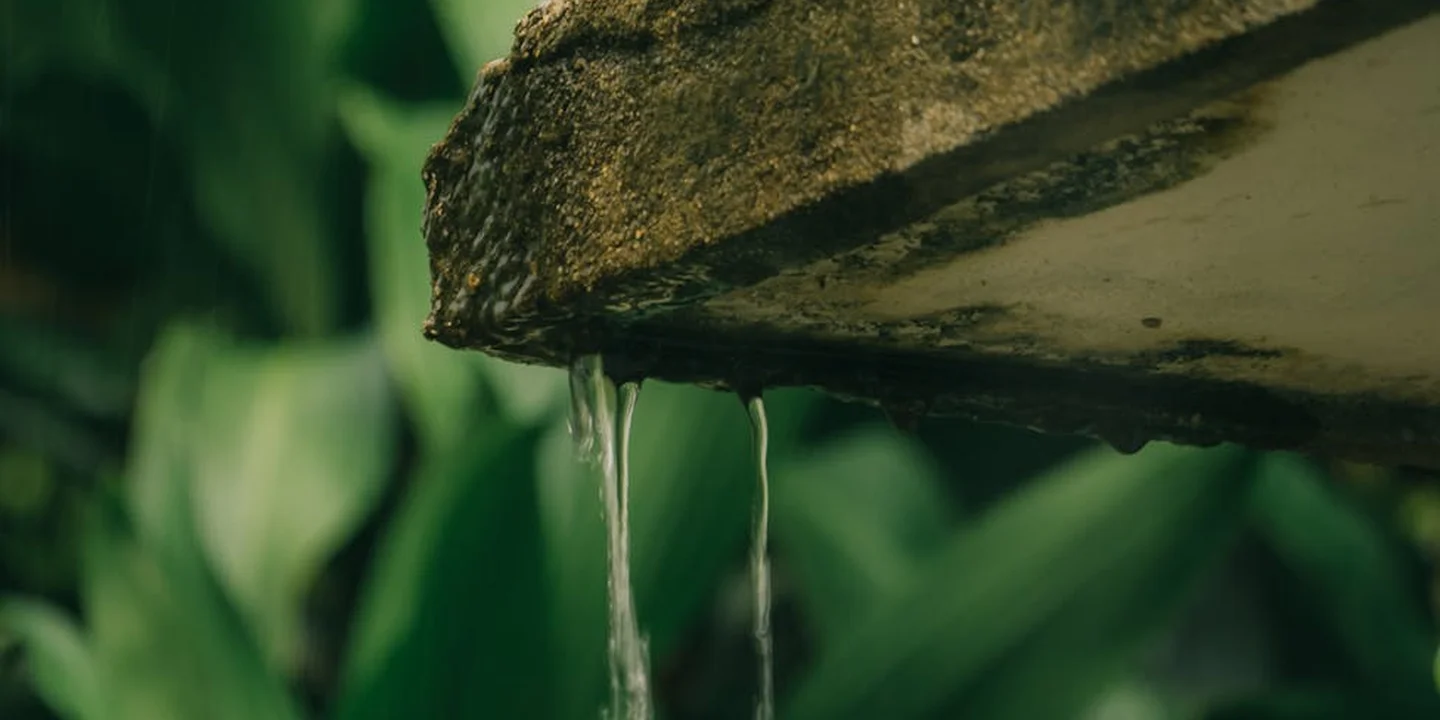
Sometimes you have no choice. A tarp failed, a leak is active, and you need to make a repair before more rain comes. If work must happen on a wet roof, your entire approach needs to change, starting with how you protect yourself. Prioritizing roof repair safety practices is essential to prevent slips and injuries. These safety practices cover PPE, fall protection, and securing the work area.
What personal protective equipment (PPE) is essential for wet roof work?
Think of a wet shingle like a wet bar of soap. Your standard work boots won’t cut it. Safety starts from your feet up.
- Roofing-Specific Boots: You need boots with a soft, rubber sole designed to grip shingle granules. I’ve watched guys in standard work boots slide down a low slope like it was a waterslide. It’s not a joke.
- Full Fall Protection: This is non-negotiable. A harness, a secure anchor point on the dry structure, and a lifeline. Wet debris and slick surfaces make a simple misstep into a major fall.
- Waterproof Gloves: Wet materials are heavier and slick. Good gloves improve grip and keep your hands from going numb in the cold and wet.
- Eye Protection: Rain isn’t the only hazard. Wet sawing or prying can flick debris. Clear, anti-fog safety glasses are a must.
On a wet roof, your normal sense of balance is off, so your gear has to compensate. This isn’t the day to skip any piece of your PPE.
How does wet weather impact the adhesion of roofing sealants and adhesives?
This is where most wet-weather repairs fail. People grab the same tube of sealant they use on a sunny day.
Standard roofing cement and most caulks need a dry, clean surface to form a lasting bond. Water acts as a barrier. The sealant might stick to the surface of the water for a day, but once that moisture evaporates or gets squeezed out, the bond fails. I’ve peeled off globs of “repair” cement that popped right off the still-damp wood underneath.
For a repair that lasts, you must use products specifically labeled for wet surfaces or damp conditions. These are formulated to displace moisture and adhere. The other hero product is ice and water shield. This peel-and-stick membrane has a aggressive, rubberized asphalt adhesive that bonds to slightly damp wood in a pinch. It’s a critical line of defense for emergency repairs.
Are there any roofing materials or systems designed for wet-weather installation?
Yes, and choosing the right underlayment is your best defense when the weather turns.
Traditional #15 or #30 felt paper (tar paper) is terrible when wet. It wrinkles, tears easily, and can even promote wood rot if trapped under shingles while damp.
Synthetic underlayments are a far better choice for damp conditions. These woven polypropylene sheets are water-resistant, dry quickly, and won’t become brittle like wet felt. They provide a much safer, more stable work surface.
Peel-and-stick underlayments (ice and water shield) are literally designed for this. We use them in valleys, at eaves, and around penetrations. In a wet-weather scenario, they can be used to quickly seal a critical area before the final roof layer goes on. Their adhesive bonds through light moisture, giving you a watertight seal immediately.
For metal roofs, the panels themselves can be installed in rain if the underlying deck is already protected by a good synthetic underlayment or peel-and-stick. But the real risk is working on the slick metal surface, not the material’s performance. It’s still a hazardous, last-resort option.
Common Questions
How does moisture affect roofing materials like shingles and underlayment?
Water swells wood decking, which then shrinks and loosens nails as it dries. Shingle adhesives and underlayment also won’t bond correctly to a wet surface, leading to premature failure.
Can wet conditions void a roofing material’s warranty?
Absolutely. Manufacturer warranties almost always require installation on a dry deck. Evidence of a wet install during a future inspection is grounds for a denied claim.
What should a homeowner do first when a leak appears during a storm?
Your only job is to protect the interior from inside. Move belongings, place buckets, and channel water with tarps. Do not go on the roof-call a pro for emergency tarping.
Making the Safe Call for Your Roof
The best roofing work starts with a dry forecast. Choosing to wait for good weather isn’t a delay, it’s the foundation for a secure, long-lasting roof that won’t fail when you need it most.
Your roof is your first line of defense, and caring for it responsibly starts with informed decisions. Continue building your knowledge with our guides on Roof Care and All Types of Roof Maintenance to keep your home safe and dry for years to come. We even dispel some common roof care myths to help you make better choices.
Ray Huffington
Ray is an experienced roofer. He has worked as a general contractor in the roofing industry for over 15 years now. He has installed and repaired all kinds of roofs, from small houses to large mansion, and from basic shingles to cement and metal roofs and even solar roof panels. He has seen homeowners struggle with roofing questions and always has experience based proven advice to help those in need. If you need roof pros, Ray's your guide.