
Does Homeowners Insurance Cover Roof Leaks? A Roofer’s Guide to Insurance and Warranties
That sudden drip from the ceiling during a downpour-does your insurance policy have you covered, or are you facing a costly repair out of pocket?
Homeowners insurance generally covers sudden, accidental damage from events like storms or fallen trees. Your roof warranty typically addresses manufacturing defects or installation errors, not the slow wear and tear of aging.
I’ll explain the exact types of roof damage most insurance policies cover and what they often exclude.
You’ll see how to interpret your warranty documents to know what is genuinely protected.
I’ll share my on-the-job advice for navigating a claim or warranty issue step by step.
Key Takeaways: Insurance vs. Warranty at a Glance
Let me clear this up based on what I’ve seen on hundreds of jobs. Homeowners insurance is for sudden, accidental damage from the outside, while a roof warranty is for failures in the materials or the installation work. They are two different safety nets.
| Homeowners Insurance | Roof Warranty |
|---|---|
| Covers sudden events like hail or windstorms | Covers manufacturing defects in shingles or tiles |
| Addresses damage from falling trees or lightning | Covers errors in the roofer’s installation method |
| Handles the weight of ice, snow, or fire | Does not cover storm damage, animals, or neglect |
Remember this above all else. If you neglect your roof, you risk voiding both your insurance coverage and your material warranty. I’ve sat with adjusters who denied claims because the leak stemmed from clogged gutters or moss growth the homeowner ignored for years, which can also negatively impact your insurance premiums.
When Your Homeowners Insurance Likely Covers a Roof Leak
So, are roof leaks covered by insurance? Yes, but only if the leak is caused by a specific, sudden event that your policy lists as a “covered peril.” Picture a healthy tree limb snapping and punching through your shingles. That’s covered. A persistent drip from shingles that have been brittle for a decade is not. If you’re dealing with a roof leak insurance claim, you’ll want to know what to expect next. In the next steps, we’ll outline the typical claims process and timelines.
Insurance companies call this the “sudden and accidental” clause. The damage must be quick and unforeseen. Your policy will list the specific perils it covers, which typically include:
- Wind and hail
- Falling objects (like trees or branches)
- Weight of ice or snow
- Fire and lightning strikes
Insurance coverage always starts at the point of impact, not the drip inside your house. They will pay to fix the hole the hail stone made, and for the water damage that followed. But you must be able to link the interior leak back to that exterior, storm-caused event.
The “Leak Point” Analysis: Why Valleys, Flashing, and Chimneys Are Claim Flashpoints
Roofs rarely leak over the dining room for no reason. Leaks almost always begin at the complex junctions where roof planes meet protrusions. The valleys, chimney bases, skylight curbs, and pipe flashings are where water is directed and where failures happen.
This is where insurance assessments get detailed. Insurance will cover a leak if a storm physically tore the chimney flashing off, but it will not cover flashing that failed because it was installed with the wrong nails years ago. I’ve been the roofer on site for these inspections, helping to distinguish storm damage from installation error or normal wear and tear.
Using ice and water shield in these critical areas is a best practice for a reason. This peel-and-stick membrane under your shingles acts as a secondary barrier, and it demonstrates a commitment to durability that can support your claim if severe weather hits. It’s a smart investment that makes your roof’s weak points stronger.
When Insurance Will Say No: Common Roof Claim Denials

Insurance is for sudden, accidental damage. It is not a maintenance plan. Knowing what they typically reject saves you a major headache.
Adjusters look for proof the damage was your responsibility to prevent. These are the big reasons they say no.
Standard Policy Exclusions You Must Know
Every policy lists exclusions. These are almost always denied.
- Wear and Tear: Shingles slowly wearing out over 20 years is not an insured event.
- Age: If your roof is past its expected lifespan, a claim for failing materials won’t fly.
- Lack of Maintenance: This is the big one. Insurance expects you to take reasonable care.
- Mold or Rot from Unresolved Moisture: A leak you ignored for months that led to rot inside your attic is considered neglect.
- “Cosmetic” Hail Damage: Some policies only cover hail that punctures or cracks shingles. Dents that don’t affect function may not be covered.
- Intentional Acts or Gross Negligence: You caused the damage.
Think of it this way: insurance covers the storm that blows shingles off, not the sun that slowly baked them dry over decades.
Warranty Confusion: Home Warranty vs. Roof Warranty
These are two completely different things. Mixing them up leaves you unprotected.
A home warranty is a service contract you buy yearly. It typically covers breakdowns of major appliances and systems like your HVAC or water heater.
Do home warranties cover roof leaks? Almost never. They might cover the plumbing vent pipe that goes through your roof, but not the roof itself or the shingles around it.
A roof manufacturer’s warranty comes with your shingles or roofing material. It protects against manufacturing defects, like shingles that crack prematurely or lose granules en masse in the first few years.
No warranty, from a manufacturer or a roofer, will cover damage from storms, falling trees, or lack of maintenance. That is what your homeowner’s insurance is for. Your homeowner’s insurance may include roof replacement coverage, depending on your policy. Check with your insurer to confirm what’s covered and any deductibles.
A Real Job Story: The Moss That Cost a Claim
I was called out to give a second opinion after an insurance denial. The homeowner had wind damage from a storm, but the adjuster took photos and denied the claim.
When I got on the roof, I saw the problem immediately. The wind had indeed lifted some shingles. But under those shingles, and all across the north-facing slope, was a thick, matted layer of moss and debris.
The moss held moisture against the roof deck constantly. The adjuster’s report stated the nails were rusted and the decking was soft not just from the storm, but from long-term moisture retention due to neglect.
The insurance company ruled the failure was due to lack of maintenance, not a sudden wind event. Cleaning the moss years earlier might have saved the roof and definitely would have saved the claim.
Insurance companies use evidence like chronic moss, missing shingles you never repaired, or visible rot to prove you didn’t uphold your duty to maintain the property. Keep your roof clean and repaired. It’s your first line of defense in a claim.
How to File a Roof Insurance Claim: A Roofer’s Step-by-Step Guide
Filing a claim can feel overwhelming. I’ve been on hundreds of roofs after storms, and I’ve sat with homeowners through this process. Doing it in the right order makes a big difference.
Step 1: Secure Your Home and Document Everything
Safety comes first. If water is coming in, you need to stop it from getting worse. This is called “mitigating further damage,” and your policy requires it.
- Move furniture and belongings away from the leak.
- Place buckets and use towels to manage water.
- For the roof itself, a properly installed roof tarp is the only safe, temporary fix. Never try to tarp a steep roof yourself.
While you’re waiting for a pro to tarp it, start documenting with your phone. Take clear photos and videos of the interior water damage, the leak point in your attic, and any visible damage on the roof from the ground. Date-stamp everything. This visual proof is your first line of defense with the insurance company.
Step 2: Get a Professional Roof Inspection (Before You Call Insurance)
This is the step most homeowners skip, and it costs them. Do not call your insurance company first. Call a reputable, local roofer.
An insurance adjuster looks for what’s covered. A roofer looks for what’s damaged. The difference is huge. After a hailstorm last fall, I found classic hail hits on a homeowner’s shingles. The adjuster initially called it “blistering,” which is a wear issue not covered. I was there to point out the distinct, circular bruising. We got the full replacement approved.
A roofer’s inspection report gives you the facts you need to file a strong, accurate claim. It separates sudden storm damage from long-term wear and tear.
Step 3: File the Claim with Your Documentation Ready
Now, call your insurance company to file the claim. Have your notes, photos, videos, and the roofer’s inspection report in front of you. Be clear and factual. You might say, “A windstorm on [date] caused a leak in my roof. I have mitigated the interior damage and have a professional inspection report detailing hail/wind damage to the shingles.” Also note if there has been any roof collapse or significant structural damage, so the claim can include a roof replacement if needed. Ask whether your policy covers a full roof replacement and related costs.
They will give you a claim number and schedule a time for their adjuster to visit. Do not feel rushed to accept their first offer.
Step 4: Attend the Adjuster’s Inspection with Your Roofer
This meeting is critical. You must be there. More importantly, your roofing contractor must be there.
The adjuster and the roofer will walk the roof together. Your roofer’s job is to point out all the storm-caused damage, referencing the inspection report. I can’t count how many times I’ve pointed out damaged vent flashings or subtle ridge cap tears an adjuster missed. It’s a professional conversation, not a confrontation.
Having your contractor present ensures all damage is seen, noted, and included in the adjuster’s final scope of work and estimate. This directly impacts the size of your settlement.
Understand Your Policy: Depreciation and Deductibles
Here’s where people get surprised. Most policies have a deductible you must pay first, like $1,000 or 1% of your home’s value.
Then, know your policy type. An Actual Cash Value (ACV) policy pays you for the roof’s current value, minus age-related depreciation. If your 15-year-old roof is destroyed, you get a check for what a 15-year-old roof is worth, which often isn’t enough for a full replacement.
A Replacement Cost Value (RCV) policy is better. It pays to fully replace your roof at today’s costs. They often pay in two parts: an initial check for the ACV amount, and a second “recoverable depreciation” check after you prove the work is done and paid for. Ask your agent which policy you have. It changes everything.
Understanding Your Roof Warranty: It’s Not a Safety Net

Think of your roof warranty like the limited warranty on a new car. It protects against factory flaws, not collisions or skipped oil changes. Most homeowners have two separate promises to track — their roof warranty and their home warranty coverage.
The manufacturer’s warranty covers defects in the shingles or tiles themselves. If a batch of shingles cracks prematurely or loses its granules in the first few years, that’s on them.
The workmanship warranty comes from your roofing contractor. This covers installation errors. If a leak starts because nails were driven in the wrong place or flashing was improperly sealed, the installer should fix it.
You must register most manufacturer warranties with the company after installation, or they become void. I’ve seen too many clients lose coverage because their roofer forgot to mail the card.
Prorated vs. Non-Prorated: The Value Drops Fast
Warranties are not all equal. A “non-prorated” or “full” warranty means the manufacturer will provide replacement materials at no cost for the covered period. This is the good one.
A prorated warranty reduces the company’s financial responsibility as your roof ages. After year 10, they might only cover 50% of material cost, leaving you to pay the rest. The value fades every year, unlike some metal roof warranties that offer full coverage for several decades.
Warranties explicitly do not cover storm damage, acts of God, or problems caused by a lack of maintenance. They are for material and workmanship defects only.
This leads to a common point of confusion. When people ask, “are roof leaks covered by home warranty,” they’re often mixing up policies. A home warranty from a service company rarely covers roof leaks from wear and tear. Your roof’s manufacturer warranty might cover a leak if it’s traced directly to a material flaw, like a faulty shingle seam. It will never cover a leak from a fallen tree branch, unlike some HOA agreements that may offer limited coverage.
Repair vs. Replace: The Warranty and Insurance Cost-Benefit Verdict
Here’s where experience cuts through the noise. You need to match the solution to the scale and root of the problem.
A warranty repair is the right path for an isolated, definable defect. Imagine you find one shingle that’s curling differently than all others on a 5-year-old roof. Or, a small section of ridge vent fails. The warranty should handle that spot fix.
When you see widespread failure, a patch job is throwing good money after bad. If your 18-year-old roof is leaking in multiple spots, with granule loss in the gutters and sagging decking, the problem is age, not a defect. The system is done.
Let’s talk rough costs to set expectations. A professional patch repair for a isolated leak might run $400 to $1,000. A full asphalt shingle replacement on an average home is a $10,000 to $15,000 project. The gap is massive, which is why the “quick fix” is tempting.
My verdict is straightforward. Patching a 20-year-old roof with systemic failure is a band-aid on a broken arm. You will be repairing a new spot next season. If insurance is covering a major storm claim, a full replacement is the logical outcome. If your roof is simply at the end of its life, investing in a new system is cheaper than a decade of constant leaks and emergency repairs. When the roof is aging, a full replacement often makes more long-term sense than continued patching. A roof age replacement can prevent future leaks and save you money over time.
How to Keep Your Warranty Valid (and Your Insurance Company Happy)
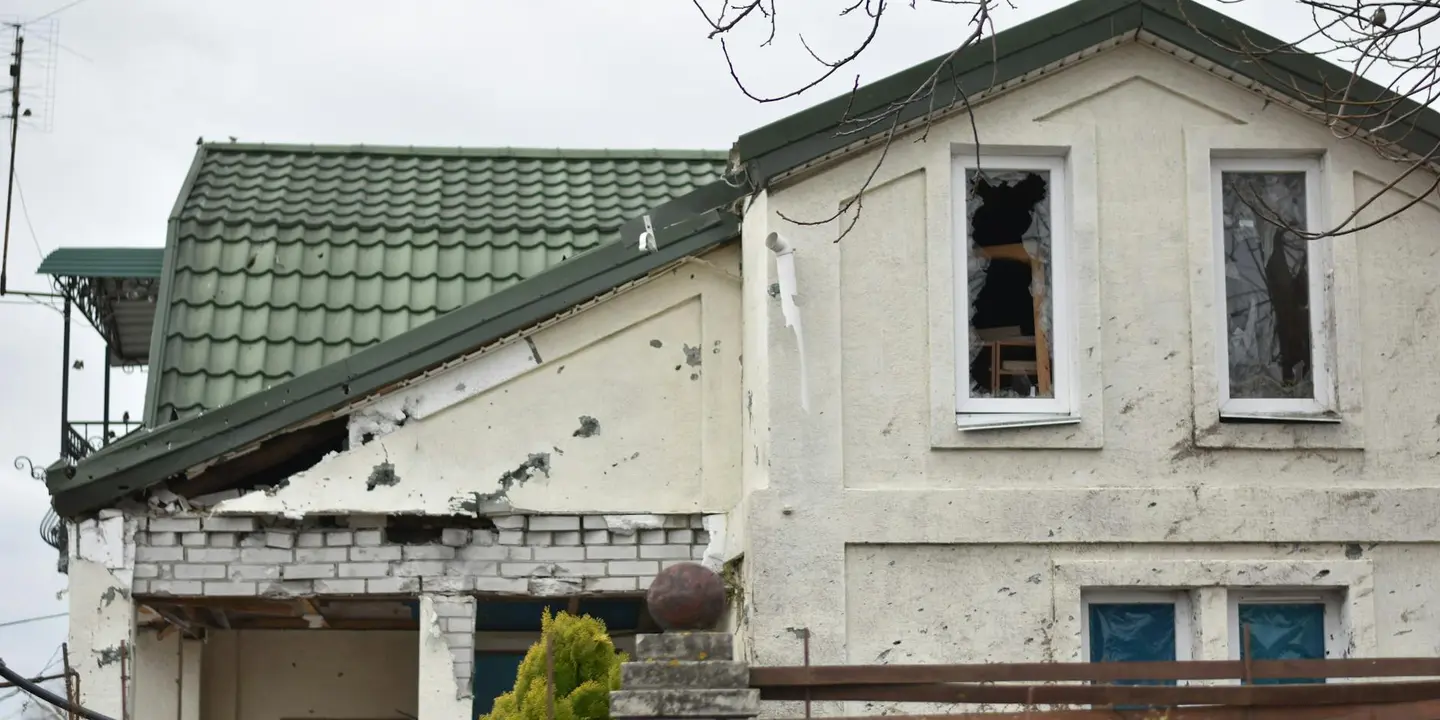
Think of your roof warranty like a car warranty. It’s not just a piece of paper you file away. It’s a promise that depends on you doing your part with basic maintenance. Neglect your roof, and that promise can disappear fast—especially if it’s a lifetime warranty that’s not really lifetime. The good news is, the care that keeps your warranty valid is the same care that prevents leaks and makes insurance claims smoother.
The Non-Negotiable Upkeep List
Every shingle manufacturer and roofing contractor has a list of homeowner responsibilities. Ignoring them is the fastest way to void your coverage. Here’s what you must do.
- Ensure Proper Attic Ventilation
This is the one homeowners miss most often. Your attic needs to breathe. Proper intake and exhaust ventilation prevent heat and moisture buildup. I’ve seen warranties denied because an attic cooked shingles from underneath, a problem the shingles themselves didn’t cause. Think of it like this: you wouldn’t run your car engine constantly without a cooling system. Your roof is the same.
- Clear Debris Regularly
Leaves, pine needles, and branches aren’t just messy. They trap moisture against the roof surface, leading to rot, algae, and granule loss. They also clog gutters, causing water to back up under the shingles. A simple biannual cleanup, especially after fall and spring, is one of the best protective actions you can take.
- Schedule Professional Biannual Inspections
You should walk around your house and look up every few months. But once in spring and once in fall, have a professional roofer do it. They’ll spot the small stuff you might miss: a lifted shingle tab, a slightly bent piece of flashing, worn sealant. Getting a written report from these inspections is gold. It proves you were being proactive, not neglectful.
- Address Moss and Algae Promptly
Moss isn’t just a cosmetic issue. It holds moisture like a sponge against your roof and can lift shingles as it grows. Algae stains can degrade certain roofing materials over time. Most warranties require you to remove biological growth using manufacturer-approved methods, which usually means a soft wash with specific cleaners, never power washing. I learned that the hard way on an early job where harsh cleaning stripped away protective granules.
Use the Right Stuff, the Right Way
If you get a leak and try a quick DIY fix, you could torpedo your entire warranty. Manufacturers are very specific.
If a storm tears off a few shingles, you can’t just nail any shingle from the hardware store over the spot. The color won’t match, but more importantly, the material and nail type might be wrong. Using unapproved sealants or improper nails can invalidate the warranty on the entire roof section. Always call your original installer or a certified contractor for even small repairs. They’ll use the exact materials your warranty requires.
Keep a Roof File (Your Paper Trail is Power)
If you ever need to make a warranty claim or dispute an insurance denial, your words mean less than your paperwork. Start a file today. Keep everything:
- The original installer’s contract and warranty paperwork.
- All receipts for materials and labor.
- Dated photos of the completed roof.
- Reports from every professional inspection.
- Receipts for maintenance like cleanings or gutter guard installation.
This file is your evidence of responsible ownership, and it’s incredibly persuasive to both warranty administrators and insurance adjusters.
The Instant Void: Unauthorized Repairs & Modifications
This is the biggest trap. Installing a satellite dish, solar panels, or a new vent without consulting a roofing professional and following the manufacturer’s instructions can instantly void your warranty. They require specific flashing kits and installation methods to maintain the roof’s integrity. The same goes for any structural change, like adding a skylight. Always, always check your warranty terms and work with a certified pro before penetrating your roof deck. I’ve seen beautiful roofs lose their 30-year warranty over a $200 handyman satellite install.
Your Action Plan: Finding a Leak
When you spot a drip or a stain, don’t panic. I’ve been on hundreds of call-outs for leaks, and a calm, methodical approach always works best. Follow these steps, in order, to get your roof fixed and figure out who might pay for it.
- Locate the leak. Water loves to travel. The wet spot on your ceiling is rarely right under the hole. Grab a flashlight and check your attic during the day. Look for water stains, mold, or damp wood. From the ground, use binoculars to scan your roof for missing shingles, cracked flashing, or damaged vents. If you can’t see an obvious issue, the leak is likely hiding under a shingle or at a penetration like a chimney.
- Determine the cause. Was there a recent hailstorm or a wind event that tore shingles off? Or do the shingles look old, curled, and worn, like an aging tire? Insurance companies care deeply about this difference. Storm damage is often sudden and isolated. General wear and tear happens slowly over years. Take clear photos from the ground and the attic to document what you see.
- Check warranty terms and the age of your roof. Dig out your shingle warranty paperwork. Most material warranties don’t cover leaks from installation errors or storm damage. They cover defects in the shingle itself. If your roof is under 10 years old, a workmanship warranty from the installer might still be valid. Knowing your roof’s age and warranty details tells you if the manufacturer or your original roofer should be your first call.
- Review your insurance policy for covered perils. This is where most homeowners get tripped up. Pull out your policy documents. Look for the section on “covered perils.” These are the specific events your insurance will pay for, like wind, hail, or the weight of snow. Normal aging or a lack of maintenance is not covered. Your photos from step two are critical evidence here to prove a covered event caused the damage.
- Contact a licensed, insured roofing professional for a diagnosis. Do not skip this step. A reputable roofer will give you a free inspection and a detailed report on the cause and extent of the damage. This report is your strongest tool when talking to your insurance adjuster or warranty company. I always tell my crew to document everything with photos and notes, as if we were going to court.
Regular cleaning of your gutters and yearly visual inspections make a world of difference. Maintenance isn’t just about preventing leaks, it’s about creating a clear record that shows you’ve cared for your roof, which strengthens your case with everyone.
After forty years in this business, I’ve seen it all. The homes with the fewest problems are the ones where the owner pays attention. A good roof, properly maintained, is your first and best line of defense.
Common Questions
What’s the first thing I should do when I find a leak?
Mitigate interior damage immediately and document everything with photos. Then, call a reputable roofer for an inspection for roof damage before you contact your insurance company.
Is it ever worth just repairing an old, leaking roof?
If the roof is near the end of its lifespan and has widespread issues, patching is a temporary band-aid. A full replacement is often the more prudent long-term investment.
How do I make sure my roof warranty isn’t voided?
Perform key maintenance: ensure proper attic ventilation, clear debris biannually, and remove moss properly. Never allow unauthorized repairs or modifications to the roof system.
Keeping Your Roof (and Your Wallet) Protected
The smartest roof-care move you can make is to document everything and get a professional opinion before any claim. A trusted roofer’s inspection and report turn a confusing leak into a clear, covered event for your insurance company.
Your roof’s health is a core part of responsible homeownership, and safe, regular maintenance is your first line of defense. Keep learning about your specific roof type and needs through our Roof Care, All Types of Roof Guide, Care, Maintenance resources to make informed, lasting decisions.
Ray Huffington
Ray is an experienced roofer. He has worked as a general contractor in the roofing industry for over 15 years now. He has installed and repaired all kinds of roofs, from small houses to large mansion, and from basic shingles to cement and metal roofs and even solar roof panels. He has seen homeowners struggle with roofing questions and always has experience based proven advice to help those in need. If you need roof pros, Ray's your guide.