
Does Homeowners Insurance Cover Roof Replacement? A Roofer’s Practical Guide
After a severe storm, one of the first calls I get is from a homeowner looking at damaged shingles and asking, “Will my insurance pay for this?” I’ve navigated this stressful situation with hundreds of crews and customers.
Homeowners insurance can cover a roof replacement, but it’s not automatic. The answer depends entirely on what caused the damage and the specific language in your policy.
I’ll break down exactly what types of roof damage are typically covered by insurance.
I’ll walk you through the step-by-step, real-world process of filing a successful claim.
I’ll explain the key factors that determine when an insurance company will approve a full replacement.
Key Takeaways: What Every Homeowner Needs to Know
Homeowners insurance covers your roof when something sudden and violent happens to it, not when it simply gets old. Think of it like this: insurance pays for the tree that crashes through your roof in a storm. It does not pay for the shingles that slowly crumble after twenty years of sun, nor does it cover leaks from wear and tear.
The two things you must do right away are document the damage with photos and videos, and find your policy paperwork to read the fine print. Do not assume you are covered.
Insurance companies often use a simple math rule: if the cost to repair the damaged area is more than a set percentage of your roof’s total replacement value, they will approve a full roof replacement instead. This threshold varies by company and state, but it is a core part of their assessment.
If you file a claim, the insurer will check if you maintained your roof. Keeping receipts from gutter cleanings or minor repairs shows you were not negligent, which can be the difference between an approved and a denied claim.
Your roof material changes the game. Hail might dent a metal roof but destroy asphalt shingles. A tile roof repair is far more expensive per square foot than a shingle repair. The material always affects the insurance adjuster’s estimate and your potential out-of-pocket cost.
The Straight Answer: Does Homeowners Insurance Cover a New Roof?
Yes, but only under very specific conditions.
Insurance covers damage from a “covered peril.” These are the bad events listed in your policy, like wind, hail, fire, or a falling object. The damage must be sudden and accidental. Your policy is not a maintenance warranty; it will not cover leaks from worn-out flashing or moss growth you ignored for a decade.
Here is the crucial part many homeowners miss. An insurance company can require a full replacement if the storm damage is widespread, even if the roof was old. They owe you for the damaged, undamaged sections no longer match. But they can also deny your claim entirely if they find the roof was already at the end of its life or poorly maintained before the storm hit. I have seen both outcomes. If the roof has collapsed or is at risk, this becomes a roof damage collapse claim with potential replacement options. In the next steps, we’ll outline how to document the damage and approach a home insurance roof replacement.
Repair coverage is more common. If a storm tears off shingles on one slope, they will pay to fix that slope. Full replacement happens when repairs are not enough, based on that cost threshold I mentioned earlier.
I once worked for a family after a major hailstorm. Their 15-year-old shingles were functional but aged. The hail damage was severe and everywhere. Because the damage was recent and catastrophic, and their policy was in good standing, insurance approved a full roof replacement. They paid only their deductible. The key was the cause of the damage was a single, covered event.
What “Replacement Cost” vs. “Actual Cash Value” Means for Your Wallet
These two terms decide how much money you get. You must know which one your policy has.
Replacement Cost Value (RCV) pays you what it costs to replace your damaged roof with a new one of similar quality today, minus your deductible. It does not factor in the age of your old roof.
Actual Cash Value (ACV) pays you the Replacement Cost, minus a deduction for depreciation (the age and wear of your old roof). You get the current value of what was lost, not what it costs to buy new.
Let us use a real example. Say a tree limb punctures your 10-year-old asphalt shingle roof. A full replacement costs $15,000. Your deductible is $1,000.
- With an RCV policy: The insurance company pays $14,000 ($15,000 replacement cost – $1,000 deductible). You get a new roof.
- With an ACV policy: They depreciate the roof. If shingles have a 20-year life, your 10-year-old roof has lost 50% of its value. They pay $6,500. That is ($15,000 x 50%) – $1,000 deductible. You must cover the remaining $8,500 yourself to get the new roof.
Look at your policy’s “declarations page.” It will list your coverage type. If it says “RCV” or “Replacement Cost,” you are in a much better financial position if disaster strikes.
What Kind of Roof Damage Will Insurance Actually Pay For?

Homeowners insurance covers sudden, accidental damage from specific events called “covered perils.” Your policy is not a maintenance plan, but it is a financial safety net for catastrophic damage you couldn’t prevent. Let’s break down the common perils I see on claims.
Think of your policy like a list. If the cause of the damage is on the list, you’re likely covered. If it’s not, you’re likely paying out of pocket. The big ones on that list are wind, hail, fire, vandalism, and falling objects like trees.
Coverage can look different depending on your roof material. After a major hailstorm last year, my crew assessed two houses side-by-side. The asphalt shingle roof had widespread bruising where the granules were knocked off, exposing the black mat underneath. The clay tile roof next door had several cracked tiles, but the undamaged ones were still protecting the home. The insurance company paid to replace the shingle roof entirely, but for the tile roof, they only paid for the cost of replacing the individual broken tiles.
Wind and Hail: The Usual Suspects
This is 80% of the insurance claims I deal with. Wind doesn’t always rip the whole roof off. More often, it gets a grip on the edge of a shingle and peels it back. You’ll see creased shingles, or tabs that are completely missing. On an older roof, wind can find a weak spot and create a “cat’s paw” tear.
I once worked on a 100-year-old farmhouse in Ohio after straight-line winds. The wind had lifted the corners of the three-tab shingles like pages in a book, exposing the underlayment in perfect rows. That was a clear, covered claim.
Hail damage is trickier to spot from the ground. You need to look for spatter marks, which are small, dark spots where the hail hit and cleaned off the mineral granules. A bruised shingle feels soft and spongy when you press on it, like a bruised apple, because the asphalt mat underneath is fractured. On a metal roof, hail leaves distinct dents. I saw one where the panels looked like a golf ball factory exploded overhead.
Be very careful about your policy details here. In many coastal or high-wind regions, insurers use a separate, higher deductible for wind and hail claims. This could be 2% or 5% of your home’s insured value, not a flat $1,000. Know your numbers before you file.
Fire, Vandalism, and Falling Objects
These perils are less common but very straightforward for claims. Fire damage, whether from a house fire or a wildfire, is almost always covered. The insurer will pay to replace the damaged sections. Vandalism, like someone intentionally throwing rocks through your roof tiles, is also covered.
If you have vandalism, file a police report immediately before you do anything else. The insurance company will need that report as proof of the malicious act. I had a client whose roof was damaged by thrown bricks during a construction dispute next door. The police report made the claim process smooth.
“Falling objects” usually means a tree or large limb. If a healthy tree in your yard gets struck by lightning and falls on your roof, that’s covered. If a dead, rotted tree from your neighbor’s yard blows over in a storm, your insurance will typically pay for the damage and then seek reimbursement from your neighbor’s insurance.
Last winter, a massive pine tree laden with ice collapsed onto a garage I was called to. The tree was healthy, but the weight of the ice was an “act of God.” The entire garage roof was replaced under the falling object provision. The key is the damage must be sudden and direct from the impact.
The Big Denials: When Home Insurance Won’t Touch Your Roof Bill
Insurance is for sudden, accidental damage. It is not a maintenance plan. Understanding the difference is how you avoid a frustrating denial letter.
Insurance companies deny claims when the damage is seen as the roof’s natural conclusion or the result of inaction, not a specific event. Here are the main reasons they say no, and what you can do to appeal a denied roof insurance claim.
- Wear and Tear: Your roof has a lifespan. Shingles getting brittle and granular loss over 20 years is like a car tire wearing down. It’s not an “event” a policy covers. If a storm hits an old, worn roof, the adjuster will often attribute leaks to age, not the storm.
- Neglect and Lack of Maintenance: This is a big one. If moss buildup traps moisture and rots your decking, that’s neglect. If a tree branch has been rubbing shingles for years and wears a hole, that’s neglect. These are slow processes you could have addressed. A windstorm ripping off those same mossy shingles is different. The insurer may cover the wind damage but deny repair of the rotted wood underneath, calling it a pre-existing condition.
- Manufacturer Defects or Improper Installation: If shingles are faulty or the roofer did a bad job, that’s between you and the manufacturer or contractor. Your insurance policy isn’t a warranty for someone else’s mistake. I’ve seen claims denied where the real problem was nails driven in the wrong place from day one.
- Intentional Damage or Cosmetic Issues: You can’t damage your own roof for a claim. Cosmetic hail damage, like dimples on metal that don’t affect function, is often excluded.
One point confuses many homeowners. An insurer can sometimes require you to replace the entire roof for safety reasons after a partial damage event. This is different from a denial. For example, if a hail storm damages one slope of a 15-year-old roof, they may pay to replace the whole thing because matching the old shingles is impossible. They aren’t paying for the old roof’s age, they are paying to properly repair the new damage.
They deny a claim when they believe the roof was already at the end of its life or failing before the storm even happened.
Lack of Maintenance: The Claim Killer
Think of maintenance as your proof that the roof was in good shape before disaster struck. Without it, the adjuster has a strong case that problems were already there.
Red Flags Adjusters Look For
When the adjuster climbs up, they are not just looking at the reported damage. They are doing a quick health check on your entire roof system. They are looking for evidence to label damage as “pre-existing.”
- Cracked or Missing Caulk: Around vents, pipes, and walls. This shows sealing wasn’t maintained, allowing long-term water intrusion.
- Rusted or Lifted Flashing: Especially in valleys and at chimneys. Rust is a slow process, not a storm event.
- Widespread Moss, Algae, or Debris: A thick moss mat holds moisture against the roof 24/7. It’s visual proof of neglect that leads to rot.
- Clogged or Sagging Gutters: Gutters full of leaves cause water to back up under the shingles. This is a chronic issue, not sudden damage.
- Multiple Old, DIY Repairs: A roof covered in different colored shingles or gobs of roof cement tells a story of ongoing, unaddressed issues.
An adjuster can use these signs to argue that water damage started long before the recent storm, making it ineligible for coverage. They might say the windstorm just exposed the existing rot you failed to maintain.
To avoid this trap, keep a simple log. Clear your gutters twice a year. After big storms, do a visual ground-level check for missing shingles. Get a professional inspection every few years, especially as the roof ages. This creates a paper trail showing you cared for your property.
Earthquakes and Floods: The Separate Policy Rule
This is non-negotiable. A standard homeowners policy will not cover damage from earthquakes or floods.
If a quake shakes tiles off your roof or a flood from a river overflow soaks your attic, your regular insurance will not pay for the repairs. These are considered separate, catastrophic risks.
Earthquake coverage usually requires a separate policy or a specific endorsement (rider) on your existing policy. Flood insurance is almost always a separate policy through the National Flood Insurance Program (NFIP) or a private flood insurer. You need to proactively check for these and purchase them if you live in an area at risk. Do not assume you are covered.
How to File a Roof Insurance Claim: A Roofer’s Step-by-Step Guide
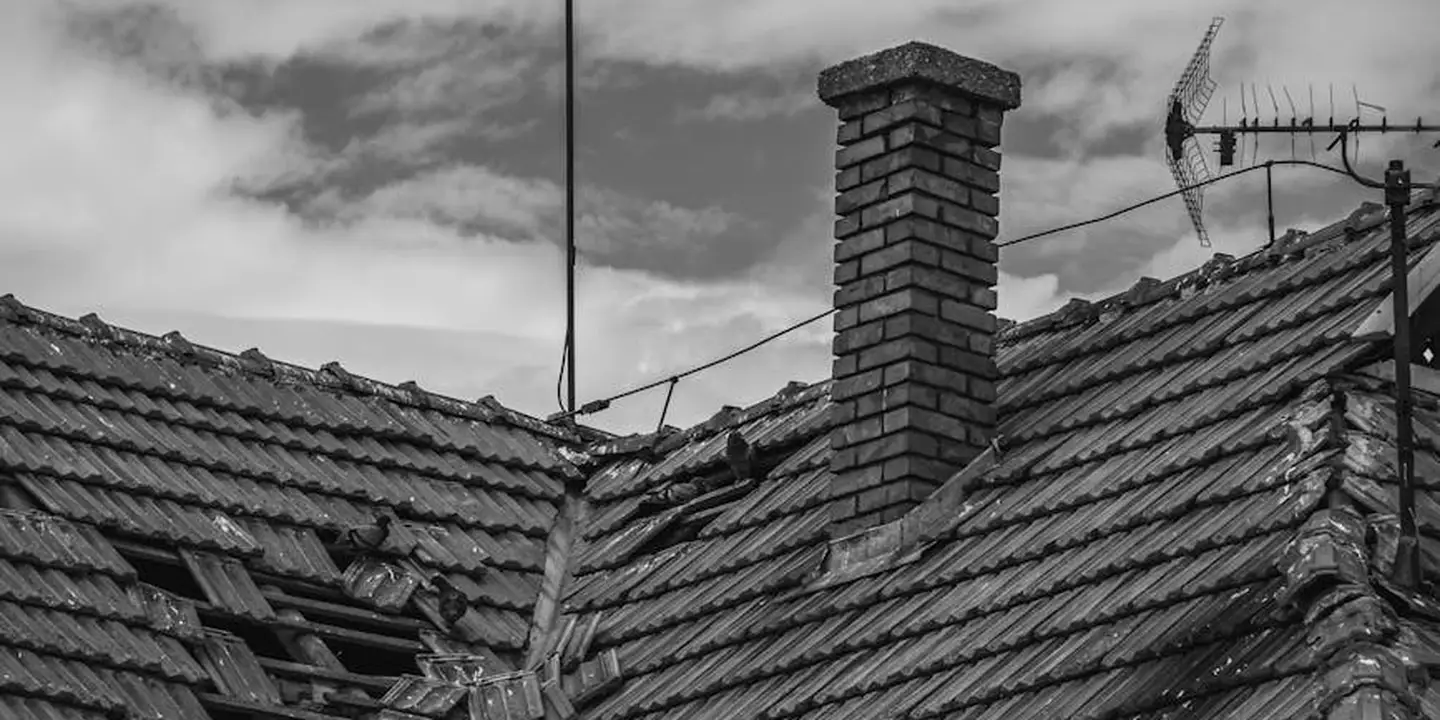
Filing a claim can feel confusing. I’ve been on hundreds of roofs with homeowners and adjusters. A clear process makes all the difference.
Follow these steps in order to protect your safety, your home, and your settlement.
Step 1: The Safe Initial Inspection & Documentation
Your first job is to gather proof without taking risks. A damaged roof is unstable.
Do not climb onto the roof yourself. Use binoculars from the ground. If you have a drone, use it. Your safety is the top priority.
Document everything. Think like a detective building a case.
- Take wide photos of your entire house and roof from all sides.
- Zoom in on any visible damage: missing shingles, dented metal, cracked tiles.
- Photograph debris in gutters and on the ground.
- Go inside your attic with a flashlight. Photograph any water stains, wet insulation, or daylight coming through.
Write down the exact date and time of the storm or event that caused the damage. This links your proof to a covered peril. Start a folder on your computer or phone for all this evidence.
Step 2: The Policy Review and First Call
Now, know your rules before you play the game. Find your insurance policy’s declarations page.
Look for two key numbers: your coverage limit for the dwelling and your deductible. Your deductible is what you pay out-of-pocket before insurance pays. Know these numbers cold.
Then, call your insurance company to start the claim.
Have your policy number and documentation folder ready when you call. The agent will ask for the date of loss and a brief description.
They will give you a claim number and assign an adjuster. Write down the adjuster’s name, phone number, and email. This person is your main point of contact.
Step 3: The Adjuster’s Visit and Your Estimate
This is the most critical step. Do not go into the adjuster’s visit unprepared.
Before the adjuster schedules their visit, get a detailed, written estimate from a licensed, reputable roofing contractor. Tell the roofer you need an insurance scope. A good roofer will measure the roof, note all damage, and specify materials and labor line by line.
Your roofer’s estimate is your benchmark. When the adjuster arrives, ask if your roofer can be present. A good roofer can point out damage the adjuster might miss, like soft decking or proper installation requirements.
Compare the adjuster’s estimate to your roofer’s. They often differ.
If the adjuster’s estimate is lower, you can and should negotiate. Use your roofer’s detailed estimate and your photo evidence to discuss missing items. The first estimate is rarely the final offer.
Roof Integrity Check: Is This Damage a Repair or a Total Replacement?

Before you call your insurance company, you need to know what you’re looking at. An insurance adjuster will decide if the damage is sudden and accidental (like storm damage) or just old age. Your roof’s condition tells that story.
Every roof material has a typical lifespan. Knowing yours helps set expectations. Asphalt shingle roofs usually last 15 to 25 years. A metal roof can go 40 to 70 years. Tile and slate roofs often last 50 years or more.
These lifespans are just a guide. How well the roof was installed and maintained can change these numbers by a decade or more. I’ve seen 20-year-old roofs ready for the dump and 30-year-old roofs still holding strong because they were cared for. There are several residential roof life expectancy factors that influence outcomes—material type, climate, ventilation, and installation quality. Understanding these factors can help you plan maintenance and replacement more effectively.
Some damage means you need a whole new roof. Look for these red flags.
- Widespread, active leaks in multiple rooms or areas.
- Multiple layers of old shingles (like two or three roofs stacked).
- Soft, sagging, or rotting areas in the roof deck you can see from the attic.
- Extensive storm damage across more than one section or slope.
- Wind damage that has lifted the adhesive strips on many shingles.
Here’s a key insurance secret: the “matching” clause. If a storm damages one section, the insurer should pay to repair it. But if your shingles are old or discontinued, new ones won’t match the color or texture of the rest of your roof. That’s where roof shingles repair or replacement comes in. If matching is a problem, know your repair or replacement options.
Many policies state they will pay to replace entire sections or even the whole roof if matching materials aren’t available to restore a uniform appearance. This is a major reason a partial damage claim can turn into a full replacement.
So, when does insurance pay? It pays when the damage is sudden, accidental, and beyond normal wear and tear. If your 10-year-old shingle roof has a few missing shingles from a windstorm, that’s a repair claim. If your 22-year-old roof has widespread curling and granule loss, that’s age. A hailstorm that bruises every shingle on that old roof? That’s likely a covered replacement.
Lifespan and Material-Specific Failure Signs
Different materials fail in different ways. Knowing these signs helps you talk to your adjuster and your roofer.
For asphalt shingles, look at the granules and the shape. Heavy granule loss in your gutters means the shingles are baking dry. Curling edges (cupping or clawing) and blistering on the surface are signs of advanced age and moisture damage. These shingles become brittle and will crack in the next big storm.
Metal roofs often fail at the fasteners, not the panels. Screws can loosen over decades, breaking their seals. Check for rust streaks. “Oil-canning” is a visual waviness in the metal, which is usually cosmetic. But if you see gaps, lifted seams, or panels pulling away, that’s a failure point for water.
Tile and slate roofs are all about the underlayment. The tiles themselves can last a century. The water barrier underneath them does not. Cracked or broken tiles are an obvious sign. The real issue is hidden. If you see leaks, the synthetic or felt underlayment beneath the tiles has likely failed. This is a major, and expensive, repair that often requires a full re-roof.
Repair or Replace? Making the Smart Financial Call
I often stand with homeowners in their yard, looking up at the damage. The first question is always about money. Is this a fix, or is it time for a whole new roof? The answer isn’t just about the storm damage. It’s about the age of your roof and the size of the problem.
Think of it like a simple flowchart. Start with two questions. Is the damaged area small and contained? Is your roof relatively young, say, less than 10 years old? If you answer yes to both, a repair is almost certainly the right call. It’s targeted and cost-effective. Make sure to do a proper roof damage inspection before you make any decisions.
Now, flip those questions. Is the damage spread across multiple slopes or a large section? Is your roof already 15, 20, or 25 years old? If you answer yes to either, replacement starts to look like the smarter long-term investment. You’re fixing the immediate problem and preventing the next five. That’s where roof age replacement comes into play. In the steps that follow, you’ll see a concise guide to age-related options and how to compare them.
Let’s talk rough numbers so you have a baseline. A professional patch repair for a limited area often runs between $300 and $1,000. A full roof replacement varies wildly by size and material, but for a standard asphalt shingle roof, expect a range of $8,000 to $15,000 or more. These are averages. Your specific quote will depend on your house and location. For easy comparison, many contractors quote on a per-square-foot basis, and understanding the roof replacement cost per square foot can help you estimate total costs across different materials.
Patching a single leak on a 20-year-old roof with worn-out shingles is like putting a band-aid on a worn-out tire. You might stop the immediate air leak, but you’re ignoring the fact the whole thing is brittle and ready to fail elsewhere. You’ll likely be paying for another patch, in another spot, next season.
This is where your insurance claim changes the math. Let’s say you have a 17-year-old roof with moderate storm damage. A full replacement is arguably due soon anyway. The insurance company won’t pay to replace a 17-year-old roof. They will, however, pay to repair the storm damage. Their payout can provide a significant portion of the funds needed for that full replacement you were already budgeting for. You use the claim money to offset the cost of a necessary upgrade.
When a Patch Job is Just Throwing Good Money After Bad
I’ve been called back to too many houses to fix the “new” leak right next to the one I patched last year. It’s frustrating for everyone. Let me tell you when a repair is often a waste.
First, look for multiple leaks. Water has a sneaky way of traveling. If you’re finding drips in more than one room or along different rafters, the problem on the roof deck is usually widespread. Patching one entry point just sends water looking for the next weak spot.
Second, be wary of the recurring leak. If the same corner drips every heavy rain, even after a repair, the issue is bigger than a few missing shingles. There’s likely rotten decking or failed flashing underneath that a surface patch can’t address.
A good rule of thumb from many contractors is the 25% rule. If the damage affects more than 25% of your roof’s total surface, replacement is almost always more economical than a major repair. At that scale, the labor to carefully repair such a large area gets very close to the labor of a full tear-off and re-roof.
Compare the costs long-term. To frame this in the current market, consider roof repair replacement costs in 2024 to see when replacement pays off. That broader view helps you decide whether to patch again or invest in a new roof. Two or three $800 repairs over three years cost you $2,400 and you still have an old roof. Putting that money toward a new roof gives you decades of worry-free protection and often increases your home’s value. The math becomes clear when you stop looking just at today’s bill and start looking at the next decade.
Common Questions
What can I do right now to avoid a claim denial later?
Keep a simple maintenance log with receipts for gutter cleanings and minor repairs. Schedule a professional inspection every few years to document your roof’s good health before any storm hits.
How do I make sure I get a fair estimate from the insurance adjuster?
Before the adjuster arrives, get a detailed, written estimate from a reputable local roofing contractor. Use their expert assessment as a benchmark to review and, if necessary, negotiate the adjuster’s initial offer.
What’s the most common mistake homeowners make right after spotting storm damage?
They wait. Document all damage with photos and videos immediately, then call a roofer for a temporary tarp to prevent further interior damage. This swift action supports your claim and protects your home.
Your Roof’s Best Defense Is a Good Offense
Thorough documentation and proactive communication with your insurer are your most powerful tools. When legitimate storm damage occurs, a well-prepared claim with clear evidence is much more likely to result in the coverage you need.
Treat your roof as the critical, long-term investment it is by scheduling regular maintenance and addressing small issues before they become major. Keep building your knowledge through trusted sources to make informed decisions about Roof Care, All Types of Roof Guide, Care, Maintenance for your specific home.
Ray Huffington
Ray is an experienced roofer. He has worked as a general contractor in the roofing industry for over 15 years now. He has installed and repaired all kinds of roofs, from small houses to large mansion, and from basic shingles to cement and metal roofs and even solar roof panels. He has seen homeowners struggle with roofing questions and always has experience based proven advice to help those in need. If you need roof pros, Ray's your guide.