
How to Remove Squirrels from Your Roof and Attic Safely and Permanently
Hearing frantic scratching above your ceiling? Squirrels in the attic can chew electrical wires and ruin insulation quickly. You need a method that removes them without harm and stops their return. I’ve solved this problem on many homes, and I’ll show you humane eviction strategies, how to seal their entry points for good, and simple steps to prevent future invasions.
Key Takeaways: What Every Homeowner Needs to Know First
Dealing with squirrels is a three part job. You cannot skip a step.
Permanent removal requires you to do all three things in this order: humanely evict the current residents, wait until they are all out, and then physically seal every possible entry point.
Trapping and relocating squirrels is often illegal, and it always fails. You trap one, another moves in. Humane, passive eviction is the only method that works for good.
Working on your roof and in tight attic spaces is inherently dangerous. If your roof is steep, high, or you are not comfortable on a ladder, call a professional wildlife exclusion company immediately. This is not a DIY pride moment; consider your safety first.
Your action plan is simple:
- Confirm it’s squirrels and find their main entry hole.
- Remove them using one-way doors, never traps.
- Seal the house shut with steel, not caulk or wood.
How Do You Know if Squirrels Are in Your Attic? (The Diagnosis)
Think of this like a doctor’s visit. You need to check the symptoms before you prescribe the cure. Use your ears, your eyes, and your nose.
Squirrels are daytime animals. If you hear heavy thumping, scratching, or scurrying between sunrise and sunset, it’s likely squirrels. Raccoons and mice are more active at night. The noise often follows a pattern, quiet for an hour then a burst of activity, like they’re commuting.
Look at your roof line from the ground with binoculars. You’re searching for disturbed areas. Check for:
- Chewed or bent vent screens (soffit, ridge, or gable end vents).
- Gaps where the roof meets the siding or chimney.
- Greasy, dark rub marks along edges where their fur repeatedly brushes past.
To inspect the attic, wear a good mask, gloves, and use a bright headlamp. Go up during the day when adults are out foraging. Look for shredded insulation formed into a nest, often in a corner. Look for stored acorns or nuts tucked in the insulation. Listen carefully for any high pitched chattering, which means babies are present. If you find babies, stop all eviction efforts until they are old enough to leave the nest, which takes about 10-12 weeks.
The Sounds and Sights of a Squirrel Infestation
The sound is unmistakable once you know it. It’s not a light scratch. It’s a solid *thump-thump-scurry* from above. I’ve been in attics where it sounds like a small dog is running around. You’ll hear it most at dawn and dusk as they leave and return.
From the ground, look for the “front door.” The main entry hole is usually at a vulnerable roof edge. Focus on corners, areas where two roofs meet (valleys), and any trim board that has rotted or separated. A hole chewed into a soft fascia board is a classic entry point. They rarely make a hole in the middle of a pristine shingle field.
Finding the Evidence: From Droppings to Damage
Squirrel droppings are often confused with rat droppings, but they are larger, about the size of a baked bean, and blunter at the ends. You’ll find them scattered along their common travel paths, like on attic joists or near the entry point.
The gnaw damage is the real danger. Their teeth never stop growing, so they chew to file them down. I’ve seen wiring sheared clean in half, a major fire hazard. They will gnaw on roof decking, rafters, and plastic plumbing vents. Insulation will be torn and compacted for nesting.
Finally, trust your nose. A squirrel nest has a distinct, musky odor. If your attic has a persistent animal smell that’s stronger than just dust, that’s a big clue. This odor, along with urine, can soak into wood and drywall, requiring repair.
Why You Can’t Ignore Them: The Risks of Squirrels on Your Roof
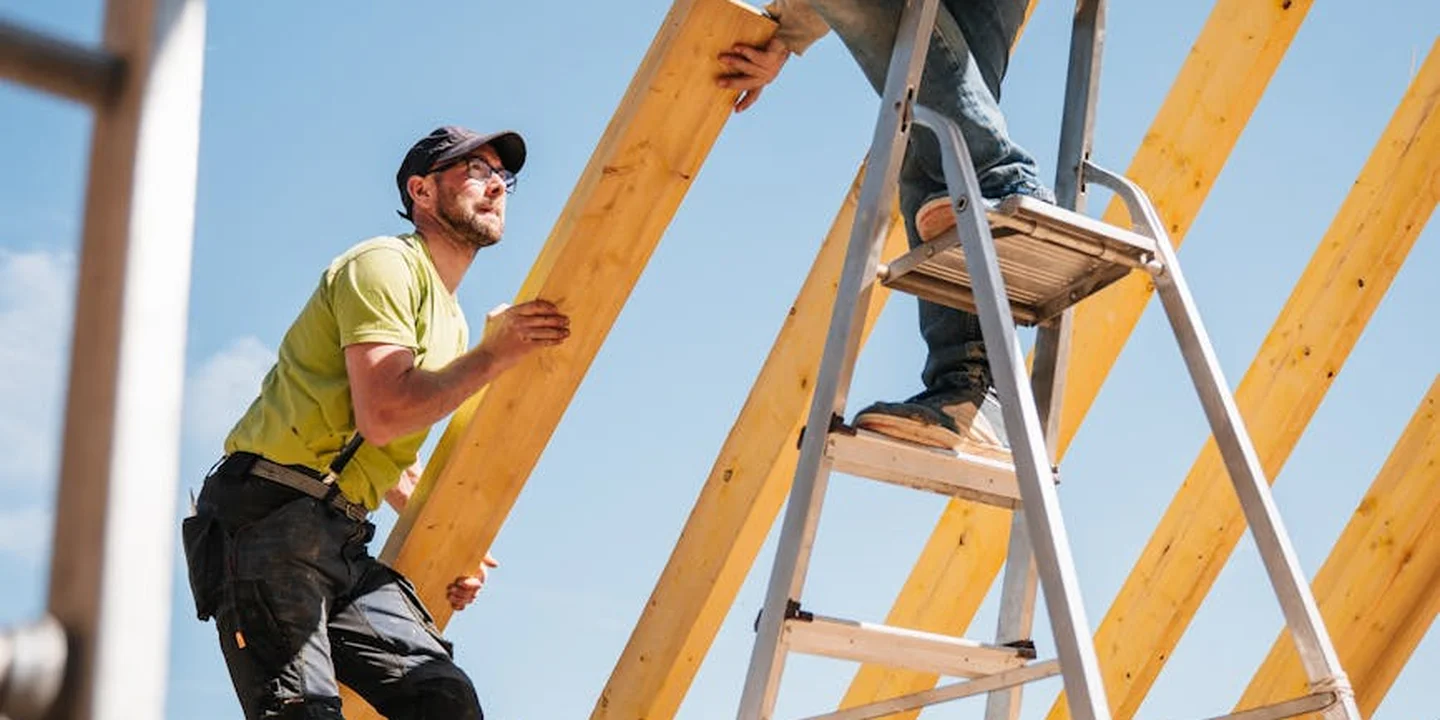
From my view on a ladder, squirrels are not cute backyard visitors. They are destructive tenants that treat your roof like a giant chew toy and your attic like a nesting box.
What are the risks of having squirrels in your attic? The damage is more than just noise. They actively destroy the materials that protect your home, creating safety and health problems you must address. Ignoring them is like ignoring a slow roof leak. The problem only gets worse and more expensive.
Structural and Fire Hazards
A squirrel’s teeth never stop growing, so they gnaw constantly to file them down. They do not care if your roof sheathing or fascia board is in the way.
This chewing weakens the wooden framework of your roof. I have seen them chew right through roof vents, soffit panels, and the trim around dormers. Every new hole is a direct path for water, leading to rot and a compromised roof structure.
The most dangerous habit is chewing electrical wires. I was once repairing a section of soffit and found a nest packed right next to a junction box. The insulation on the wires was completely shredded, leaving bare copper exposed.
This is a major fire hazard hiding inside your walls and attic, one many homeowners never see until it is too late.
Health and Secondary Infestations
Inside your attic, squirrels leave behind a mess. Their droppings and urine can soil insulation and drywall. Over time, this can create odors and promote mold growth in the enclosed space.
They also carry parasites like fleas, ticks, and mites into your home. These pests can find their way down into your living areas.
Think of the hole a squirrel chews as an open door. That small opening is an invitation for other pests. I have seen raccoons enlarge squirrel holes to get inside, and insects like wasps or carpenter ants will use them too. Solving one pest problem often prevents another.
Safety First: When This Job Requires a Professional
Let me be direct. Working on a roof and handling wild animals is dangerous. Your safety and a humane outcome are more important than DIY pride.
When should you call a professional for squirrel removal? Call a pro if your roof is steep or high, if you hear babies in the attic, or if you see extensive damage to your vents or trim. These are not beginner situations.
The “Do Not Try This” List for Homeowners
Some parts of this job are strictly for trained professionals. Here is what you should not attempt.
- Climbing onto a steep-pitched roof without proper fall protection.
- Using a ladder improperly to access high eaves or roofs.
- Walking in your attic and risking a fall through the ceiling drywall.
- Trying to handle or trap an animal that can bite or scratch.
Sealing entry points while animals are still inside is a critical mistake. It traps them, leading to frantic damage as they try to escape, or a terrible outcome if they cannot. It also does not solve your problem.
What a Pro Brings to the Job
A professional wildlife removal service has the right tools and knowledge. They use specialized one-way exclusion doors that let animals leave but not return, instead of traps that require handling.
They have the equipment to safely access any part of your roof. More importantly, they know the local laws about relocating animals and the breeding seasons. A good pro will ensure babies are not orphaned in your attic and will find and seal every possible entry point, which is the key to a permanent solution. That is their real expertise, especially when it comes to stopping pigeons from nesting on your roof.
A Roofer’s Step-by-Step Plan for Humane Removal

If you’re wondering how do you get rid of squirrels in your roof, the answer is a careful process, not a single act. You can’t just scare them once and call it a day. I’ve cleaned up after enough failed DIY attempts to know that a systematic plan is the only thing that works permanently. That same approach—identify, remove, and prevent—applies to a wide range of pests beyond squirrels. It covers birds, bats, raccoons, rodents, wasps, bees, and even woodpeckers that nest in chimneys.
This guide walks you through the professional approach. It answers the core questions: How can you safely remove squirrels from your attic? and What are humane squirrel removal methods? Let’s start at the beginning, where every good fix does.
Step 1: Find Every Single Entry Point
You must find every hole. Missing just one is an invitation back. Start in broad daylight when squirrels are active and easier to spot.
Grab your binoculars and walk your property. Look closely at these spots:
- Roof edges and corners where fascia boards meet.
- Around all plumbing and furnace vents.
- Where the soffit (the underside of your roof overhang) meets the siding.
- Gutter lines and any loose drip edge.
- Chimney flashing and caps.
Then, head into the attic with a flashlight. Turn off all the lights and look for pinpricks of daylight shining through. Any spot you see light is a potential entry point. Mark every single one, inside and out, with tape or chalk. This is your target list.
Step 2: Encourage Them to Leave (Eviction)
Now, make your attic a terrible place to live. The goal is to convince them to leave on their own. This is the heart of humane eviction.
Using Light and Noise
Squirrels prefer dark, quiet dens. Disrupt that. Place two or three bright work lights (LED shop lights work great) and a loud radio tuned to a talk station in your attic. Run them for 48 to 72 hours straight.
This method is often the simplest answer for how do i get squirrels out of my roof without trapping. It works for mild infestations. The same behavior-based approach can apply to roof rats, which often navigate along rooflines and eaves. Focusing on roof rats control behavior helps tailor non-trapping strategies.
Skip the old wives’ tales. Mothballs and ammonia-soaked rags are not effective repellents for squirrels. They can create hazardous fumes in your home and simply don’t work well enough to justify the risk.
The One-Way Door Method
For a more direct approach, professionals use a one-way exclusion door. This is a funnel or cage that fits securely over the main entry hole. The animal can push its way out to forage, but the door mechanism prevents it from pushing back in.
You must be 100% certain there are no babies trapped inside before using this method. Spring and early summer are baby seasons. A one-way door used then traps the young, leading to a terrible odor and a much bigger problem. If in doubt, wait or call a wildlife pro.
Step 3: Live Trapping as a Last Resort
If eviction fails, trapping is your final option. Use a large, humane cage trap (squirrels need room). Bait it with a dollop of peanut butter smeared on the trigger plate, and place it near the attic entry point or along a known runway.
Check the trap at least twice a day. A trapped animal is vulnerable to stress and weather.
Now, the critical legal part. Are there any legal restrictions on removing squirrels? Absolutely. In most areas, it is illegal for homeowners to trap and relocate wildlife off their property. Relocating an animal often just moves your problem to a neighbor and can spread disease.
Your local animal control or wildlife agency has specific rules. Often, the law requires you to humanely euthanize a trapped animal or release it on your own property. Always check regulations first.
How Do You Prevent Squirrels from Returning for Good?
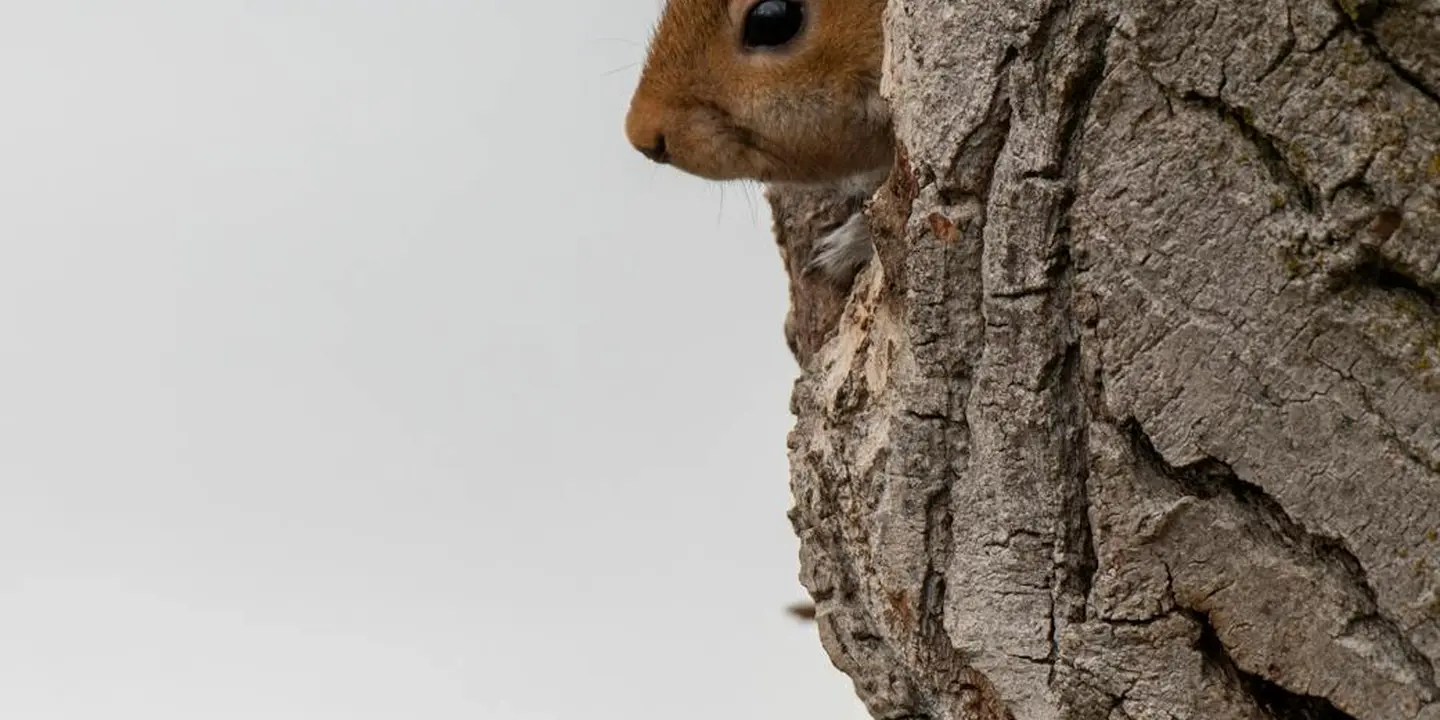
Getting them out is only half the battle. How do i keep squirrels off my roof for good? The answer is permanent exclusion. This is non-negotiable roof maintenance, like cleaning your gutters and preventing bird nests.
Sealing Up the Roof: Materials That Work
Your patch job must be stronger than a squirrel’s teeth. This means using the right stuff. What materials do you need to squirrel-proof your home? Here’s my gear list from years of repairs:
- Hardware Cloth (Galvanized Steel Mesh): This is your best friend. Use 1/4-inch or 1/2-inch weave. It’s like chainmail for your house. Squirrels cannot chew through it.
- Chicken Wire: Do not use this. It is too weak. Squirrels will shred it in minutes.
- Steel Flashing: For sealing gaps around chimneys, pipes, and corners.
- High-Quality Caulk/Sealant: A polyurethane or silicone-based sealant for sealing small gaps around your hardware cloth patches.
- Metal Vent Covers and Chimney Caps: Replace plastic vents with metal ones.
Always secure everything with hex-head or self-tapping sheet metal screws, never staples. Staples pull out too easily. Screw your hardware cloth and flashing directly into the wood framing.
The Permanent Repair Checklist
Once you have the materials, work through this list. Seal every marked spot from your inspection.
- Cover all roof vents, ridge vents, and soffit vents with hardware cloth, screwed into the frame.
- Seal gaps where plumbing pipes, HVAC lines, or electrical conduits penetrate the roof.
- Check and secure gutter aprons and drip edge flashing.
- Repair any rotted or loose wood in soffits, fascia, and eaves.
- Inspect corners where different roof planes or walls meet.
Finally, manage your landscape. How can i keep squirrels off my roof? Take away their highway. Trim any tree branches back at least 8 feet from your roofline. This removes their jumping-off point and forces them to climb the siding, which is much harder and more noticeable.
Aftercare: Cleaning and Repairing the Damage
Getting the squirrels out is only the first step. Now, you need to restore your roof and attic to a clean, solid state. Ignoring the mess they leave behind invites mold, new pests, and slow structural rot that can be far more expensive than the initial removal. A question I hear all the time is, “How do you clean and disinfect an attic after squirrel removal?” Here is your practical guide.
Safe Attic Cleanup Protocol
You must treat the attic like a contaminated zone. Squirrel waste carries bacteria, and the dust is a health risk. Never skip the protective gear.
Gather this PPE before you start: a tight-fitting N95 mask, heavy-duty rubber gloves, safety goggles, and disposable coveralls. I learned the hard way that coveralls are worth every penny, you just bag them up when you’re done.
Follow this cleanup order for a thorough job:
- Remove all soiled insulation. Urine and feces saturate it. Bag it securely for disposal right away.
- Scrub every surface with an enzyme cleaner. Use a product made for pet odors. It breaks down the organic matter that attracts other animals. Hit the rafters, decking, and any stored items.
- Ventilate the space completely. Open attic vents and use fans to pull in fresh air for a full day. This dries moisture and clears any leftover smell.
I handle every attic cleanup with the same care as a biohazard job, your safety is not a place to cut corners.
Assessing and Fixing Roof Damage
Now, find and fix the holes that let them in. Start your inspection from inside the attic. Look up with a bright light.
Check for chewed or spongy wood in the roof decking, trails through the insulation, and dark water stains on the wood. Water damage from a small entry hole often causes more rot than the chewing itself. A roof with rotted decking can weaken structural support and increase the risk of leaks. Left unchecked, it may lead to mold growth and more expensive repairs.
Next, safely examine the roof exterior. Look for:
- Shingles that are cracked or lifted from their constant running.
- Gnawed openings around roof vents, soffits, or where pipes come through.
- Bent or separated flashing along chimneys and walls.
Think of a squirrel hole like a pinhole leak in a boat; it seems small, but it lets in a steady trickle that can sink the whole structure over time. On one job, a hole the size of a golf ball led to a soft, rotten deck patch two feet wide.
For a permanent repair, get a professional roofer to do a full inspection. They can find hidden weak spots, like compromised decking under good-looking shingles, and seal every gap with steel mesh or flashing that squirrels cannot chew through. This final step makes your fix last, especially when combined with proper shingle repair or replacement.
Quick Answers
How Do You Clean and Disinfect an Attic After Squirrel Removal?
Treat it like a biohazard. Wear an N95 mask, goggles, and gloves, remove all soiled insulation, then scrub every surface with an enzyme cleaner to break down waste and odors.
How Can You Tell if Squirrels Caused Lasting Roof Damage?
From inside the attic, look for chewed wood, dark water stains, and daylight through holes. Externally, inspect for cracked shingles, gnawed vents, and bent flashing-these are signs you need a roofer.
What’s the Best Material to Seal a Chewed Roof Vent?
Replace plastic vents with metal ones. Then, cover the opening with 1/4-inch galvanized hardware cloth, secured with sheet metal screws-never staples or chicken wire, which they’ll destroy.
Your Blueprint for a Pest-Free Roof
The most critical step is to permanently seal the roof with materials like steel flashing or hardware cloth after a confirmed evacuation. I’ve fixed many roofs where a single overlooked vent was the cause of a new infestation, so thoroughness is your best tool.
Protecting your roof is a key part of home stewardship, prioritizing safety and prevention over reactive repairs. Understanding roof repair safety practices helps you assess and perform maintenance more safely. Continue learning about roof care and maintenance for your specific roof type to make informed, lasting decisions for your property.
Ray Huffington
Ray is an experienced roofer. He has worked as a general contractor in the roofing industry for over 15 years now. He has installed and repaired all kinds of roofs, from small houses to large mansion, and from basic shingles to cement and metal roofs and even solar roof panels. He has seen homeowners struggle with roofing questions and always has experience based proven advice to help those in need. If you need roof pros, Ray's your guide.