
How to Identify, Remove, and Prevent Birds, Bats, Raccoons, Rodents, Wasps, Bees, and Woodpeckers from Chimneys
What’s making that noise in your chimney? I’ve lost track of how many calls I’ve gotten from homeowners startled by rustles, chirps, or knocks coming from their flue. Left alone, these animals can block vents, damage liners, and even create fire hazards. Here’s my straight talk on identifying the culprit, removing them safely, and sealing your chimney for good.
Key Takeaways: What Every Homeowner Should Know
- A quality chimney cap is the single best investment you can make for pest prevention and leak protection. I’ve seen more leaks start at uncapped chimneys than almost anywhere else.
- Never, ever try to remove an active nest during breeding season. Disturbing young can be cruel and is often illegal. Wait until they’ve left on their own.
- Most birds, along with bats, are protected by federal law. You can get into serious trouble for harming them or their nests. This isn’t just a suggestion; it’s the law.
- Your safety comes before any DIY ambition. A 30-foot fall from a ladder is life-changing. If you’re unsure, call a pro.
- Professional removal is only half the job. An inspection for damaged flashing and mortar is critical to prevent the next family from moving in.
- Animal nests trap moisture against your chimney structure. This constant dampness is what causes mortar to crumble and leads to expensive water stains on your ceiling.
- Flashing is the most vulnerable spot. When raccoons claw at the base of your chimney or squirrels chew, they compromise the metal seals. That’s where the water gets in.
Why Your Chimney is a Magnet for Pests (The Roof Leak Connection)
Think of your roof as a protective shell. Valleys, skylights, and chimneys are the seams in that shell. They are the primary leak points we roofers look at first on any inspection. Your chimney is a giant, warm, hollow tube sticking out of that shell. To an animal, it looks like a perfect tree cavity or a safe cave.
An uncapped chimney is like leaving the front door of your house wide open all year. It’s an invitation. The chase cavity, which is the empty space inside a framed chimney, offers shelter from weather and predators. A cracked chimney crown or a tiny gap in the mortar is all a mouse or a wasp needs. Damaged or old flashing at the chimney’s base creates a perfect pry-point for a determined raccoon.
I’ve been on too many jobs where a simple bird nest turned into a major repair. Here’s how it happens. A nest blocks the flue. Moisture from rain and condensation gets trapped behind it. That moisture soaks into the brick and mortar. Over a single season, freeze-thaw cycles can make that mortar disintegrate.
Once the mortar is soft, water finds its way behind the flashing and into your home’s interior framing. The animal didn’t cause the leak directly. Its nest created the damp environment that broke down the chimney’s defenses. Fixing this requires more than just sweeping out the nest. You have to repair the structure they helped weaken.
Safety and Legalities: When This is a Job for the Pros
There is a point where DIY becomes dangerous or illegal. Knowing that line is the mark of a responsible homeowner. If any of these scenarios fit your situation, put your tools down and call a professional.
Scenarios That Require a Professional
- Your roof has a steep pitch. If you wouldn’t feel safe walking on it in sneakers, you have no business being up there with tools and a nest of angry hornets.
- Power lines run near or over your chimney. One wrong move with a long pole can be fatal.
- You or anyone in your household has a known allergy to wasp or bee stings. Anaphylaxis is not a risk worth taking.
- You suspect the animal is a protected species. This includes chimney swifts and most species of bats.
The Gear Pros Use That You Don’t Have
It’s not just about bravery. We use specific equipment to make the job safe. I would never work on a steep roof without a proper fall arrest system a full harness, secure anchors, and roof jacks to create a stable platform. For bee or wasp nests inside a chimney, a beekeeper or pest pro will use a full bee suit and a respirator to protect against both stings and the heavy chemicals sometimes needed. They have the right tools to seal entry points permanently, which most homeowners don’t.
Understanding Protected Species: Chimney Swifts and Bats
This is the big one people get wrong. Chimney swifts are small, gray birds that are federally protected under the Migratory Bird Treaty Act. You cannot disturb an active nest with eggs or chicks. Chimney swifts are not aggressive toward people, but they are nocturnal migrants and strict about their nesting timing. A licensed professional knows the law they can only perform removals and install a chimney cap after the birds have naturally left in the fall. In the interim, some homeowners explore temporary chimney blocking methods using approved materials to reduce drafts and deter pests. Any such steps should be discussed with a licensed professional to ensure they comply with wildlife protection laws and safety guidelines.
Most bat species are also protected due to their ecological role. They often get into attics through chimney gaps, not usually the flue itself. A wildlife removal expert will use exclusion techniques that let bats leave but not return, without harming them.
Are Chimney Swifts Dangerous?
Not in the way you might think. They won’t attack you. The real danger from chimney swifts is twofold their protected status makes illegal removal a federal offense, and their nesting debris creates a significant fire hazard inside your chimney flue. A nest built from twigs and saliva is highly flammable. The main risk is legal and to your home’s safety, not from the bird itself. To prevent fires, a chimney fire safety guide offers practical, step-by-step precautions. It also helps you understand safe cleanup and relevant legal considerations.
How to Diagnose the Problem: Signs of a Wildlife Infestation
You do not need to see the animal to know it has moved in. Think of it like a detective case. The critters leave behind clear clues in the form of sounds, sights, and smells. Learning to read these signs tells you who your unwanted tenant is.
Audible Clues: Scratching, Chirping, and Buzzing
Your ears are your first tool. The type of noise and the time you hear it points directly to the culprit.
- Scratching and scurrying at dawn or dusk is a classic sign of birds or bats. Birds are early risers. Bats are nocturnal, so you will hear them as they leave at dusk and return at dawn. Bat noises often sound like high pitched squeaks or a light scratching, like mice with wings.
- Constant scratching or thumping during the day, especially if it sounds heavy, often means raccoons, squirrels, or rodents. Raccoons are surprisingly loud. I have been on jobs where the homeowner thought someone was in their attic, only to find a family of raccoons had torn open a vent.
- A low, consistent buzzing or humming from the chimney chase or exterior wall is a red flag for a beehive or wasp nest. This is a sound you should never ignore.
- Distinct, rapid pecking on your chimney’s metal siding or cap is the work of a woodpecker. They do this to communicate or to hunt for insects living in your wood.
Visual Evidence on the Roof and Around the Chimney
After listening, take a look. Use binoculars from the ground for a safe first inspection. Do not climb onto the roof until you know what you are dealing with.
- Look for nesting materials piled on the chimney cap or caught in the crown. Birds bring twigs, grass, and leaves. Squirrels and rodents shred insulation, paper, or fabric.
- Check for animal droppings on the roof, cap, or in the fireplace. Bird droppings are white and splattered. Bat guano looks like dark, crumbly pellets and often piles up. Rodent droppings are small, dark, and rice shaped.
- Search for greasy, dark smudge marks on the chimney exterior. Animals like raccoons use the same path in and out, leaving dirty, oily stains from their fur.
- Inspect the chimney cap itself. Look for bent or torn mesh, gaps at the edges, or a cap that is knocked askew. A determined raccoon can peel back a poorly installed cap like a tin can.
- Examine the roof flashing and siding near the chimney for holes or damage. Woodpeckers drill neat, round holes. Squirrels can chew through rotting wood or vent screens.
On one job, we found a chimney completely clogged with twigs and debris from a bird nest. The homeowner had no heat because the flue was totally blocked, which is a major fire and carbon monoxide hazard.
The Smell Test: Detecting Odors from Nests or Decay
Your nose knows. A strange smell coming from your fireplace or near the chimney is a late stage warning.
- A strong, musky odor, like a wet dog, often signals raccoons. Their den sites have a very distinct, unpleasant smell.
- A faint, ammonia like smell is a common sign of a rodent infestation. Their urine has a sharp scent that can seep into your home.
- The worst smell is the foul odor of decay. This means an animal has died in your chimney or wall. It is a powerful, sickening smell that gets worse over time and requires immediate professional removal.
- A sweet, honey like smell might indicate a beehive, though you will usually hear them before you smell them.
If you detect a persistent bad odor, especially a decay smell, call a wildlife professional. Removing a deceased animal is a hazardous job that requires proper safety gear and disposal methods.
A Roofer’s Guide to Identifying the Culprit
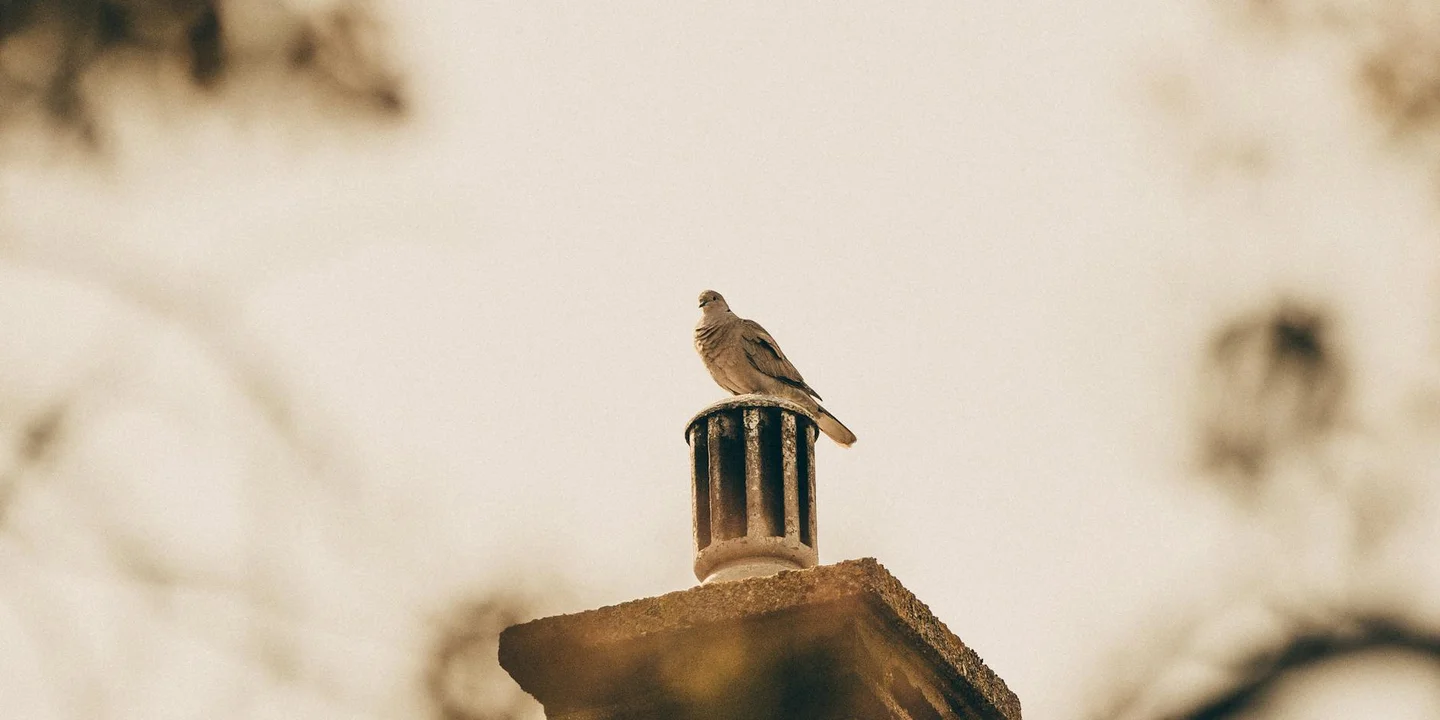
Hearing strange noises from your chimney? The first step is figuring out what’s up there. I’ve been on hundreds of calls where a homeowner described a “scratching sound” that turned out to be anything from a sparrow to a squirrel. Correct identification saves you time and prevents you from accidentally harming protected wildlife.
Birds (Including Chimney Swifts and Swallows)
Birds are the most common chimney guests. Their nests can block your flue, creating a fire hazard.
How to Identify Birds in Chimneys?
Listen for loud, rapid chirping at sunrise and sunset. You might also hear the distinct sound of wings fluttering inside the metal flue. The most definitive sign is a small, V-shaped nest made of twigs, which you might see if you shine a flashlight up from the fireplace.
Chimney swifts and swallows look similar and both love chimneys. Swifts are darker and build their nests entirely inside the flue with sticky saliva. Swallows often build mud nests on the outside of the chimney structure. Here’s a key point: chimney swifts are a protected species under the Migratory Bird Treaty Act. You can’t disturb them while they’re nesting. They’re related to swallows, but they are not the same bird. Don’t worry, they aren’t dangerous to you, but their nests need professional removal after the chicks leave.
Bats
Bats seek out dark, tight spaces, and an unused chimney is perfect for them.
How to Identify Bats in Chimneys?
Bats are silent flyers. You won’t hear much flapping. Instead, listen for faint squeaks or rustling at dusk when they leave to hunt. Look for a pile of guano (droppings) in your fireplace that looks like crushed, shiny black mouse droppings. Another clue is a dark, oily stain around the chimney crown or cap where they enter and exit. If you see one bat, you likely have a colony.
Raccoons and Rodents (Mice, Squirrels, Rats)
These mammals are looking for a warm, safe den, and they can cause significant damage.
How to Identify Raccoons in Chimneys?
Raccoons are noisy. You’ll hear loud thumping, dragging, or even chattering sounds, especially at night. They are strong. Check for torn-up insulation around the chimney in your attic or a visible, bulky nest of leaves, trash, and fabric crammed into the flue. I once found a mama raccoon who had pulled an entire bath towel down the chimney for her nest.
How to Identify Rodents in Chimneys?
Listen for persistent, light scratching or gnawing sounds inside the masonry. You might find small, pellet-like droppings in your fireplace. A common question is, can a mouse come down a chimney? Absolutely. Mice and rats are expert climbers and can scale brick walls easily. If your chimney cap is damaged or missing, it’s an open door for rodents to climb down into your home. A secure, professionally installed cap is your best defense.
Wasps and Bees
Insects are drawn to the shelter of a chimney chase or cap. This is a job for a pest pro, not a roofer.
How to Identify Wasps in Chimneys?
Watch for a steady stream of insects flying to and from a small hole or gap in your chimney cap. You may see a gray, papery nest attached to the underside of the cap or inside the chimney chase. Activity spikes on warm, sunny days. Be very careful; disturbing a nest can provoke a swarm.
How to Identify Bees in Chimneys?
Bees are different. You’ll often hear a constant, deeper buzzing hum coming from the chimney. Their nests are made of wax comb and can be much larger, often built deeper in the flue or within the chimney structure itself. Never try to seal a chimney with bees inside; you’ll force them into your living space. Always call a licensed bee removal expert.
Woodpeckers
Woodpeckers aren’t usually inside the chimney. They’re after bugs in the siding or just making noise.
How to Identify Woodpeckers in Chimneys?
The sound is unmistakable: a rapid, machine-gun-like drumming on your metal chimney cap or the metal chase cover. They do this to communicate or find food. Look for distinct, round holes pecked into any wooden siding around your chimney structure. The damage is to your home’s exterior, not the flue itself, but it needs to be addressed to prevent water intrusion.
Step-by-Step Removal: Safe Methods for Homeowners and When to Back Off
Before you do anything, hear this: for any live animal in your chimney, except maybe an empty bird nest, your safest move is to call a licensed wildlife professional. I have seen too many well-meaning homeowners get hurt or make a problem worse. Your safety and the animal’s welfare come first. Wildlife intrusion can cause significant damage to your roof and home.
The Gentle Eviction: For Non-Hazardous, Non-Protected Nests
If you are certain the nest is old, empty, and from a common bird like a sparrow, you might handle it yourself. Do this only from inside your home. For future prevention, explore roof bird nest prevention tips to deter nests on your roof.
- Confirm it is empty. Listen for sounds over a few days. Look for parents flying in and out.
- Wear thick gloves and a dust mask. Nest material can hold mites, fungi, and bacteria.
- Open the fireplace damper carefully and use a tool like a garden rake to pull the material down into the firebox. Have a trash bag ready.
- Never go on your roof to remove a nest from the chimney top. The risk of a fall is not worth it.
This indoor method keeps you off a ladder and is the only DIY approach I ever recommend.
Handling Protected or Hazardous Species
Most chimney invaders need expert handling. Chimney problems affect home safety and demand expert attention. Laws protect many species, and others pose real health risks. Here is how the pros deal with each one, based on what I have seen them do on job sites.
How to Remove Birds from Chimneys?
First, identify the bird. Chimney swifts are protected by law and cannot be disturbed while nesting. For chimney swifts, you must wait until fall after they migrate south before removing the nest. For other birds, try shining a bright work light up the flue from the fireplace. They will often fly out the top toward the light. The moment they are gone, install a proper chimney cap. If they do not leave, call a professional for chimney bird removal.
How to Remove Bats from Chimneys?
This is always a job for a pro. Bats are protected, can carry rabies, and their droppings pose a serious health risk. A wildlife expert will typically install a one-way exclusion door over the chimney opening after the breeding season, allowing bats to leave but not return. They will then safely remove any remaining guano. Do not attempt this yourself.
How to Remove Raccoons from Chimneys?
Raccoons are strong, smart, and can be aggressive. A professional will first check for babies, which are often present in spring. They often use a humane trap set at the fireplace base or on the roof, and they always reunite mothers with their kits before relocating the family. Trying to scare a raccoon out can leave babies behind to die, creating a much worse odor problem.
How to Remove Rodents from Chimneys?
For mice or rats, you can sometimes set a secure trap at the fireplace damper. Wear gloves and be cautious of diseases like hantavirus. The real fix is not just removal, but sealing every possible entry point on your roof and siding after the animal is gone. If you are not comfortable, an exterminator can handle it safely.
How to Remove Wasps from Chimneys?
Call an exterminator. Period. DIY removal of a wasp nest from a chimney, especially while on a ladder, is an extremely dangerous way to get multiple stings. Professionals have the protective gear and insecticides to do it safely from the roof top.
How to Remove Bees from Chimneys?
Honeybees are crucial pollinators. Do not call an exterminator. You need to contact a local beekeeper who can often relocate the hive intact. They have the skills to remove the comb and the queen, encouraging the colony to move. I have worked with beekeepers who can perform this service without harming the bees.
How to Remove Woodpeckers from Chimneys?
Woodpeckers are not usually inside the chimney; they hammer on the metal chase or cap. Removal here means deterrence: install a sturdy metal chimney cap if you do not have one, and hang reflective tape or pinwheels nearby to scare them off. They are often looking for insects or declaring territory, so making the spot unappealing is the key.
Fortifying Your Chimney: Prevention Through Proper Roof Maintenance
Think of your chimney like a door. The best way to keep unwanted guests out is to lock and maintain that door properly. This isn’t just about one-time fixes. It’s about building a solid roof care habit that protects your home year after year.
Install and Maintain the Right Chimney Cap
This is your first and most important line of defense. A chimney cap is a metal cage or cover that fits over the top of your chimney flue. Not all caps are the same. On many jobs, I’ve seen the wrong cap fail, letting in rain and pests. Knowing the chimney cap’s purposes and requirements helps you choose the right one. That way you ensure it protects as intended.
- Stainless Steel Mesh Caps: These are best for birds, bats, and small rodents. The mesh openings should be no larger than 3/4-inch to keep squirrels and raccoon kits out. The stainless steel holds up to weather and heat from your fireplace.
- Solid-Top Caps with Side Mesh: These are the heavy-duty option for deterring raccoons. The solid top prevents them from prying at the mesh, while the sides allow smoke to vent. A determined raccoon can bend weak metal, so get a heavy-gauge one.
- Professional Installation is Key: A cap must be properly flashed and sealed to the chimney crown. If it’s just screwed on loosely, it creates gaps. Water will find those gaps and cause major masonry damage inside your chimney. A leak caused by a poorly installed cap is a repair I see far too often.
How to Prevent Birds, Bats, Raccoons, and Rodents from Chimneys?
For these animals, the strategy is the same. You must physically block the entrance.
A heavy-duty, properly sealed chimney cap is the complete answer. Once it’s on, your job isn’t done. Look at your cap from the ground with binoculars each fall and spring. You’re checking for three things:
- Rust or corrosion that could create a hole.
- Bent or damaged mesh from falling branches or animal force.
- Gaps between the cap base and the chimney crown.
If you see any damage or a gap, call a roofer or chimney professional to repair or replace it immediately. A small gap is an open invitation.
How to Prevent Wasps and Bees from Chimneys?
These insects need much smaller openings. They look for tiny cracks in the mortar or gaps around the cap to build nests.
Your focus should be on sealing. Before spring arrives, inspect the entire chimney structure from top to bottom. Use a high-temperature silicone caulk to seal hairline cracks in the masonry. For any slightly larger gaps, stuff them with copper mesh (which won’t rust) before caulking over it.
For your cap, choose one with a very fine mesh screen, sometimes called a “spark guard.” This keeps insects out while still letting smoke flow freely. I’ve cleaned out many chimneys clogged with mud dauber nests that started in a gap the size of a pencil tip.
How to Prevent Woodpeckers from Chimneys?
Woodpeckers are usually drumming on your chimney for two reasons: to find insects or to attract a mate. A metal cap protects the flue opening, but they may still hammer on the brick or siding.
First, repair any damage they’ve already done. Holes in wood siding attract more insects, which attracts more woodpeckers. It’s a cycle.
For a visual deterrent, try hanging reflective tape or old CDs near the chimney. Some homeowners have luck with predator decoys, like a plastic owl or hawk. You need to move these decoys every few days, or the birds will realize they’re fake. This can be an effective part of your strategy to stop pigeons from nesting on your roof.
The constant drumming can damage mortar over time, so addressing woodpecker activity is part of protecting your chimney’s structure.
Annual Inspection and Cleaning Routine
I always tell homeowners to schedule this in the late summer or early fall, before you start using your fireplace. Hire a certified chimney sweep or a roofer who specializes in chimneys.
Here’s what a good professional will do for you:
- Sweep out all creosote, leaves, twigs, and old nests.
- Inspect the interior flue for cracks or damage.
- Check the chimney cap, crown, and flashing from on the roof.
- Look for early signs of animal entry, like nesting materials or scratching sounds.
- Spot early water staining that could signal a leak.
This yearly check is like an oil change for your car. It finds small problems before they become expensive, destructive emergencies. It keeps your chimney safe for use and sealed against pests.
The Critical Waterproofing Seal: Flashing and Crown Repair
A chimney cap is your first line of defense, but it’s not enough by itself. Failed flashing is the most common leak point I find, and it’s a wide-open door for pests looking for shelter. Animals follow water stains and drafts right to these weak spots.
Why Chimney Flashing Fails and Lets Pests In
- Metal flashing constantly moves with the weather. On a hot roof, it expands. On a cold night, it contracts. This repeated flexing, season after season, cracks the old tar or caulk and pulls nails loose.
- Pests are persistent mechanics. I’ve watched raccoons use their claws like pry bars on loose flashing corners. Squirrels will chew at any small gap to make it bigger. Once the seal is broken, they move in.
- Flashing type matters for durability. Step flashing is layered under the shingles. Counterflashing is tucked into the chimney mortar joint. Counterflashing is more pest-resistant because it’s physically locked into the brick, making it harder for animals to dislodge.
Sealing the Deal: Ice and Water Shield and Proper Mortar
- Install a roof ice and water shield under new flashing. This is a sticky, rubberized membrane. It bonds directly to your roof deck. It acts as a permanent backup seal that keeps water out even if an animal loosens the metal above it.
- Check the chimney crown for cracks every year. The crown is the concrete slab on top of the chimney. Weathering causes hairline cracks. These tiny cracks are perfect entry holes for birds, bats, and insects like wasps. Repair them with a brush-on masonry sealant designed for concrete.
Long-Term Roof Care Strategies to Deter Wildlife
Think of your roof and chimney as one connected system. A problem in one area can lead to trouble in another. The best way to handle animal pests is to make your entire roof an unattractive place for them to live.
This means taking a wider view of your home’s maintenance.
Trim Overhanging Tree Branches
Tree limbs touching or hanging over your roof are like an expressway for critters. I have seen this countless times on inspection calls.
Squirrels and raccoons are incredible climbers. A branch six feet from your roof edge is still a launch pad. They use these branches to jump onto your roof, scout for entry points, and easily access your chimney.
Keeping branches at least 10 feet away from your roof eliminates this easy access route.
Always prioritize safety. For large trees or high branches, hire a certified arborist. They have the gear and know-how to do it without damaging your roof or themselves.
Keep Gutters Clean and Roof Debris-Free
Your gutters are more important than you might think. When they clog with leaves and pine needles, they hold water. This standing water attracts insects like mosquitoes and ants.
Those insects become a food source. Birds, wasps, and bats will come to feed. This can start a whole ecosystem on your roof, right near your chimney.
A clean, dry roof and gutter system removes the food and water that attracts the first wave of pests.
Make gutter cleaning a spring and fall ritual. Check your roof surface too. Piles of leaves in valleys or against chimneys hold moisture and hide damage.
Regular Roof Inspections for Vulnerable Spots
A small gap you can’t see from the ground is a welcome sign to an animal. I recommend a visual check twice a year, in spring and fall.
If you are comfortable and safe on a ladder, you can walk the perimeter. Look up at your roof line. If getting on the roof isn’t for you, hire a professional. A good roofer will spot things you might miss.
Focus on these key areas near your chimney and across the roof:
- Vent pipes and plumbing stacks: Check the rubber boot seals for cracks or brittleness.
- Roof flashing: Look for any sections that are bent, loose, or pulling away from the chimney or walls.
- Soffits and fascia: Search for any holes, rotting wood, or gaps where animals could chew or claw their way in.
- Shingles and siding: Look for any that are damaged, loose, or missing.
Catching a small, cheap repair early can prevent a major animal intrusion later. It is the most cost-effective peace of mind you can buy for your roof.
Common Questions
Will a chimney cap solve all my animal problems?
A quality, professionally installed cap is your best defense, but it’s not a magic force field. You must also seal cracks in the mortar and ensure your roof flashing is tight, as animals exploit any weak point.
I hear scratching, but my cap looks fine from the ground. What’s going on?
Animals often enter through damaged roof flashing or gaps in the siding near the chimney base, not the top. Schedule a roof inspection to find the real entry point-it’s often where the chimney meets the roof.
Is it worth hiring a pro just for an inspection?
Absolutely. A trained eye will spot minor mortar cracks or loose flashing you’ll miss, which are invitations for pests. Catching these early prevents costly repairs and infestations down the line.
Securing Your Chimney, Protecting Your Roof
From my years on the job, the single best piece of advice I can give is this: a quality chimney cap with proper screening is your most reliable defense. Install one correctly, and you’ll stop nearly all animal intrusions before they become a costly, stressful problem.
Your roof’s health depends on your proactive care, and that includes every component like the chimney. Make a habit of learning about roof maintenance; it’s how you ensure safety, compliance, and durability for years to come.
Ray Huffington
Ray is an experienced roofer. He has worked as a general contractor in the roofing industry for over 15 years now. He has installed and repaired all kinds of roofs, from small houses to large mansion, and from basic shingles to cement and metal roofs and even solar roof panels. He has seen homeowners struggle with roofing questions and always has experience based proven advice to help those in need. If you need roof pros, Ray's your guide.