
How Do You Pick the Right Roof Shingles for Your Home?
Staring at a pile of shingle samples and feeling lost? I’ve been on thousands of roofs, and I know this choice feels huge-it’s not just about color. Your shingles are your home’s primary shield against rain, wind, and sun for the next 20 to 50 years.
Let’s break it down. I’ll show you how to compare materials based on your budget and local weather. You’ll learn the durability trade-offs between asphalt, metal, and tile. We’ll go over the installation details that make or break a roof’s lifespan.
Key Takeaways: Your Quick Start Guide
- Your roof’s slope limits your options. A low slope needs a different material, like a membrane or special metal panel, to prevent leaks.
- The cheapest shingle now often costs more later. You’ll pay for early repairs, poor energy efficiency, and a sooner replacement.
- This is a 20+ year decision. You’re not just picking a color, you’re choosing your home’s primary defense for decades.
- Your local climate is the boss. What works in Arizona will fail in Minnesota, and vice versa.
- Never guess on weight. An old frame might not handle heavy slate or tile without costly reinforcement.
I see homeowners get stuck on color samples. Choosing a roof is about balancing four things: your local climate, your long-term budget, your roof’s structure, and your town’s building codes. Get these right first, then pick the style.
The RoofMason Material Verdict: A Side-by-Side Comparison
| Material | Avg. Cost per Square* | Weight (lbs/sq ft) | Best For Climate | Expected Lifespan | Our Take |
|---|---|---|---|---|---|
| Asphalt Shingles | $100 – $150 | 2 – 3 | Most, except extreme heat/cold | 20 – 30 years | The best bang for buck in most suburbs, but always choose architectural shingles over basic 3-tab. I’ve replaced too many 3-tab roofs at 15 years. |
| Metal (Standing Seam) | $300 – $450 | 1 – 2 | All (snow sheds easily, reflects heat) | 40 – 70 years | A top-tier choice for longevity. If your budget allows, it’s a buy-once-cry-once roof that handles almost anything nature throws at it. |
| Natural Slate | $600 – $1,000+ | 8 – 12 | Cold, wet regions | 75 – 100+ years | Beautiful and immortal, but heavy. Only consider this if your home’s structure is built for it, or you’re ready to pay for major reinforcement. |
| Clay or Concrete Tile | $300 – $500 | 6 – 10 | Hot, dry, fire-prone areas | 50+ years | Excellent for Southwest styles and fire resistance. The weight is a real concern, and they can be brittle if you ever need to walk on them for maintenance. |
| Wood Shakes | $250 – $400 | 2 – 4 | Dry, mild climates | 25 – 30 years | They offer a classic look but demand work. I don’t recommend them in humid or fire-prone zones due to mold, rot, and fire risk, even with treatments. |
*A “square” is 100 square feet of roof area.
So, are shingle roofs good? Asphalt shingles are good for most homes because they are affordable, easy to install correctly, and work well in varied climates. They fall short compared to metal or slate in lifespan and extreme weather resistance. A metal roof will last twice as long and shed snow better. Real slate will outlive your house.
Look beyond the sales brochure. You must check the wind uplift rating (ASTM D3161 Class F or better is good), the fire rating (Class A is best), and the impact resistance (UL 2218 Class 4 is best for hail). I’ve seen warranties voided because a shingle met “Class A” for fire but wasn’t rated for the high winds in that neighborhood.
Breaking Down the Big Three
Most roofs I install fall into three tiers: asphalt shingles, standing seam metal, and synthetic slate. Asphalt is the lightweight champion. It won’t stress your framing. Standing seam metal is also light, which is a huge benefit for older homes. Synthetic slate, made from rubber or plastic, mimics the look of real slate but at half the weight. It’s still heavier than asphalt, though.
Weight directly affects your wallet and your roof’s bones. If you choose a heavy material like real slate or tile, a structural engineer must check if your rafters and walls can hold it. Reinforcement adds thousands to the job. I always recommend a professional assessment for any material over 5 lbs per square foot.
Your location tells you which spec matters most. In hail alley, from Texas to the Dakotas, impact resistance (UL 2218) is your top priority, more than fire rating. In California or other wildfire zones, that Class A fire rating is non-negotiable. For coastal Florida, the wind uplift rating is everything.
Code & Compliance: The Non-Negotiables
Your town’s building department has the final say. Local codes dictate everything from material types to how many nails go in each shingle. Always pull a permit. It seems like a hassle, but it ensures an inspector checks the work against these codes.
Coastal and high-wind zones have strict rules. You’ll need shingles with a high wind rating and special fasteners, like longer nails or screws with sealing washers. I once re-roofed a house after a hurricane where the only failure was on a section using standard nails instead of the code-required ring-shank nails.
Follow the manufacturer’s instructions to the letter. If the installation manual says to use six nails per shingle and your roofer uses four, you’ve just voided the 30-year warranty. The manufacturer will send an inspector after a claim, and they look for these details. Your roofer’s workmanship warranty won’t cover the material itself.
How Are Roof Shingles and Materials Rated? Decoding the Labels
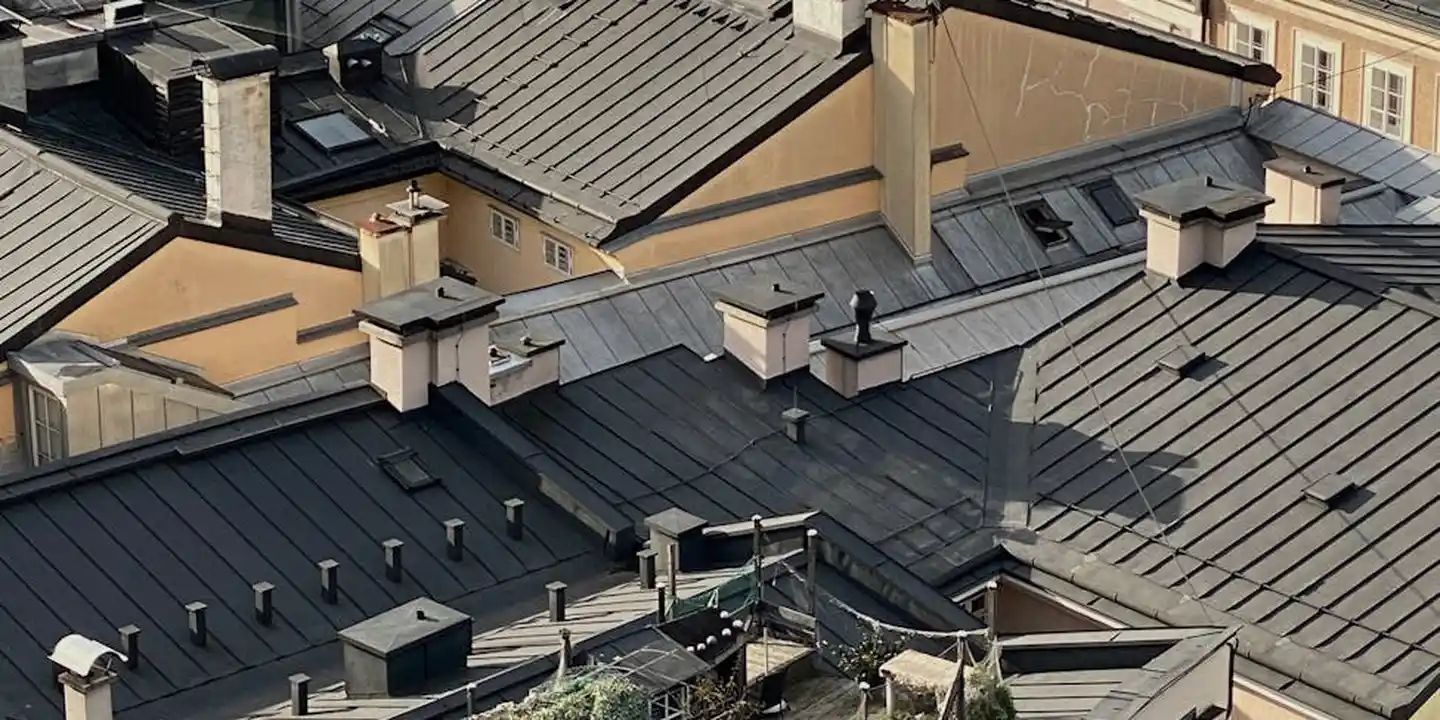
Roofing material labels are packed with codes and numbers. Think of them like a nutrition label for your roof. They tell you exactly what the product can handle. My rule is simple: ignore the marketing fluff and focus on these third-party test ratings for a true comparison.
Let’s start with impact resistance, often shown as “UL 2218 Class 4.” This isn’t just a fancy badge. It means the shingle passed a brutal test where a two-inch steel ball was dropped on it from 20 feet. Class 4 is the top rating. If you live in hail country, a Class 4 shingle is your best defense against dented roofs and insurance claims.
For wind, look for “ASTM D7158.” This rating tells you the shingle’s certified wind resistance, like 110 mph or 130 mph. It’s tested in a wind tunnel. A higher rating means it’s less likely to lift and tear during a storm.
Fire rating is straightforward: Class A (best), B, or C. Most modern asphalt shingles are Class A. They won’t fuel a fire from flying embers. This rating is non-negotiable for safety, especially in wildfire-prone areas. Choosing a proper fire-resistant roofing material is crucial.
Algae resistance isn’t about looks. Dark streaks from algae can actually degrade the shingle granules over time. Look for shingles with copper or zinc strips built in. They slowly wash over the roof to prevent growth.
Now, about lifespan. A “50-year warranty” doesn’t mean it will last 50 years on your house. The warranty is a manufacturer’s promise against defects, but real-world lifespan depends on your climate, installation quality, and maintenance. On my crews, we saw 30-year shingles fail in 15 under harsh sun and storms. Use the warranty as a quality indicator, not a calendar. That’s the real measure—the roof shingles lifespan you’ll actually see. In the next section, we’ll break down the factors that drive that lifespan.
To compare roof shingles, line up their ratings side-by-side. A shingle with a Class 4 impact rating and a 130 mph wind rating is objectively tougher than one with lower scores. This turns a confusing choice into an apples-to-apples decision.
Warranty Deep Dive: What’s Actually Covered
A long warranty number is comforting, but the fine print matters more. Before you choose, get clear answers to these questions.
- Is the warranty prorated? Most are. This means the value it covers decreases every year. A 50-year warranty might only pay for 20% of replacement costs in year 40.
- Does it cover labor? Often, it doesn’t. The manufacturer might ship you new shingles, but you pay thousands for installation.
- What voids it? Improper ventilation, using a pressure washer, or even replacing the roof without notifying the manufacturer can void the warranty.
Compare the typical scope. Premium asphalt shingles often have 30 to 50-year limited warranties. Metal roofs frequently come with lifetime paint finish warranties. Keep in mind that ‘lifetime’ claims are often riddled with exclusions and maintenance stipulations. These nuances feed the ‘lifetime warranty myth‘ surrounding roofing warranties. The best warranty is from a manufacturer who stands behind their product and from a contractor who installs it right the first time.
Your Home’s Five Commandments: Factors That Dictate the Choice
Choosing shingles isn’t about picking the prettiest sample. Your house has specific needs. Walk through this checklist for your home.
1. Roof Pitch and Structure
Pitch is how steep your roof is. Water needs to run off, not soak in. On a low-slope roof (almost flat), standard shingles won’t work. Water can seep under the edges. For low slopes, you need sealed systems like rubber membrane or standing seam metal. When choosing materials for low-pitch roofs, pitch matters. Some options seal better at shallow angles, while others require different installation methods.
Weight is the other big factor. Materials like slate or concrete tile are beautiful and last forever, but they’re heavy. I’ve been on jobs where we had to reinforce the roof framing before installation. Always have a pro check if your structure can handle the load.
2. Climate and Weather Patterns
Match your roof to your weather. It’s like choosing the right coat for winter or rain.
In heavy snow country, metal is a champion. Snow slides right off, preventing ice dams. For hail belts, those Class 4 impact-resistant shingles we talked about are a smart investment. In hot, sunny climates, clay or concrete tiles reflect heat and last for decades.
Ventilation ties into this. Some materials, like asphalt, get brittle faster if the attic gets too hot. Proper airflow underneath your roof extends the life of almost any material by decades.
3. Budget Reality: Installation vs. Long-Term Value
When you compare roof shingles price, look beyond the per-square cost. The real number is the total cost of ownership.
Basic asphalt shingles might cost $350 per “square” (100 sq. ft.) installed. Premium architectural asphalt might be $450. Metal can start at $800 per square. But that’s just the material and basic labor.
You must factor in the underlayment, flashings around chimneys, and skilled labor for complex roofs. A cheap shingle with a perfect installation will outperform a premium shingle installed poorly every time.
Is metal worth more than asphalt? As a rule of thumb, metal costs about twice as much upfront. But if you plan to stay in your home 20+ years, its 50+ year lifespan and near-zero maintenance can make it the cheaper option over time. From a longevity-value perspective, metal roofing typically offers more years of service with fewer repairs than asphalt. That long-term durability and value can translate into a lower total cost of ownership over the decades.
4. Aesthetics and Curb Appeal
Your roof is a huge part of your home’s look. To choose a roofing style, start with your home’s architecture. A classic colonial looks right with dimensional asphalt shingles. A rustic cabin begs for wood shakes. A modern home shines with clean metal panels.
Color isn’t just about taste. Lighter colors reflect sunlight, which can keep your attic cooler and reduce energy bills in summer. Dark colors absorb heat. In hot climates, a light-colored “cool roof” can be a practical, money-saving choice.
5. Maintenance Tolerance and Longevity
Be honest about how much upkeep you want. This is key to how you choose a new roof you won’t have to worry about.
Asphalt shingles need little care, mostly just keeping gutters clean and checking for storm damage. Wood shakes require regular cleaning and treatments to prevent moss and rot. Metal roofs are almost set-and-forget; just clear debris occasionally, especially when comparing their maintenance to asphalt shingles.
Your maintenance tolerance should guide your material choice as much as your budget does. If you hate the idea of climbing a ladder, invest in a longer-lasting, low-maintenance option like metal or premium synthetic. It costs more now but buys you peace of mind later.
From Decision to Installation: Your Step-by-Step Action Plan
Picking the material is half the battle. The other half is getting it on your roof correctly. I’ve seen too many jobs go sideways because homeowners skipped these steps. Follow this plan to protect your home and your wallet.
Step 1: Gather Your Intel
Start by becoming an expert on your own roof. Think of this as a pre-game inspection. The more you know, the smarter your questions will be when contractors arrive.
- Measure your roof pitch first. This tells you how steep your roof is. Place a 2-foot level on your roof, make it perfectly horizontal, then measure straight down from the 12-inch mark to the roof surface. That number is your pitch. A 6-inch drop is a 6/12 pitch. Steeper roofs can affect material choice and cost.
- Write down every current issue you can see. Look for cracked shingles, rusted flashings, or dark stains in the attic. I once saved a homeowner thousands because they noted a “small damp spot” that led us to find rotten decking.
- Check your local building code requirements. Some areas require specific fire ratings or wind resistance. A quick call to your local building department saves headaches later. It’s their job to help.
Collect visual inspiration too. Take phone pictures of roofs you like on your street. Save images from manufacturer sites. This gives you a clear style to show contractors.
Step 2: Get Physical Samples and Real Quotes
Colors on a screen are not real. You must see and feel the shingles where they’ll live-on your house.
- Insist on physical samples from suppliers or contractors. Lay them on your lawn in morning sun and afternoon shade. Walk on them. The color and texture change dramatically. I had a client choose a completely different shingle after seeing how a gray sample turned blue in their north-facing shade.
- Get at least three written, detailed quotes. A good quote is a spec sheet, not just a number. It must list the exact product brand and model, like “CertainTeed Landmark PRO in Charcoal.” It should detail the underlayment, flashing metal, and waste removal. If it’s vague, send it back.
Step 3: Vet the Roofing Crew, Not Just the Shingle
The fanciest shingle is worthless if it’s nailed wrong. Your crew’s skill is your real warranty.
- Ask contractors direct questions about their experience. “How many synthetic slate roofs did you install last year?” or “Can I speak to a past client with a similar roof?” A seasoned crew will have answers and examples ready.
- Demand proof of insurance and ask about safety. Request certificates for both liability and workers’ compensation insurance. Watch how they set up ladders. My crew never works without fall protection harnesses. A company that invests in safety invests in quality work.
Step 4: Review the Contract and Protect Your Investment
This paper is your only protection if something goes wrong. Read it like your roof depends on it.
- Your contract must have clear dates, cleanup details, and warranty info. Look for a start date, an end date, and a clause stating how debris will be removed daily. The warranty section should separate the manufacturer’s warranty from the contractor’s workmanship guarantee. Tie payments to completion milestones, not the calendar.
- Confirm the contractor is pulling all required permits. The permit fee is your assurance the work will be inspected. Ask for the permit number and the inspection schedule. On my jobs, pulling the permit is always my responsibility-it’s part of the job.
Common Questions
How often should I check my roof, and what am I looking for?
Inspect your roof at least twice a year, in spring and fall. Look for cracked, curled, or missing shingles, and check for rust on flashings or any debris buildup in valleys.
A storm just hit-what’s my first step if I think my shingles are damaged?
First, document the damage safely from the ground with photos. Then, call a reputable roofer for a professional inspection; they can spot hidden damage and properly interface with your insurance to file a claim for roof damage.
What’s the best way to handle moss or dark streaks on my shingles?
Never use a pressure washer, as it will blast off the protective granules. For algae streaks, use a gentle cleaner recommended for roofs; for moss, carefully remove it by hand and consider installing zinc or copper strips at the ridge to prevent regrowth.
Sealing the Deal on Your Roof Investment
Choose your shingles for the storms they must face, not just the sticker price you see today. A roof that fits your climate and is nailed down right by a proven crew is the only kind that delivers long-term value and calm.
Make a simple, safe roof check part of your seasonal routine to catch small problems early. Keep building your know-how with practical roof care guides for all types of roofs, as this ongoing learning is the key to proactive maintenance and lasting safety. For a detailed walkthrough, the roof damage inspection guide provides comprehensive insights.
Citations and Authoritative Sources
- r/Roofing on Reddit: Shingles opinions. What brands are best.
- Best Roofing Buying Guide via @ConsumerReports
- Best Roofing Shingles Brands (2025)
- Comparing Top Shingle Brands: Which is the Best Choice for Your Roof?
- How to choose the best roofing shingles for your home | GAF
- Roofing Shingles Guide: Ultimate Review by Roofers
- Best Rated – Roof Shingles – The Home Depot
Ray Huffington
Ray is an experienced roofer. He has worked as a general contractor in the roofing industry for over 15 years now. He has installed and repaired all kinds of roofs, from small houses to large mansion, and from basic shingles to cement and metal roofs and even solar roof panels. He has seen homeowners struggle with roofing questions and always has experience based proven advice to help those in need. If you need roof pros, Ray's your guide.