
How Do I Deter Raccoons from My Roof and Get Rid of Them Safely?
Woke up to trash cans overturned and scratching sounds from above? I’ve been on roofs where raccoons turned shingles into confetti and vents into doorways.
Raccoons on your roof mean trouble. They damage materials and risk your safety. You need a clear plan to scare them off and remove any current residents.
First, I’ll help you confirm raccoons are the culprit and assess the damage.
Then, I’ll share proven deterrents I’ve used to keep them from coming back.
Finally, I’ll outline safe, effective steps to get raccoons off your roof if they’re already there.
Key Takeaways
- Secure all trash cans with locking lids or bungee cords immediately.
- Bring pet food and water bowls inside every single night.
- Do a visual walk-around of your roof to look for obvious damage or loose materials.
- Listen for noises like scratching or thumping in the early evening or just before dawn.
- Assume any animal in your attic is a mother with young; do not seal the entry point until you are certain it’s empty.
Raccoons are deceptively powerful, and the damage they cause trying to get in or make a nest can lead to costly structural repairs and water leaks. I’ve seen them peel back shingles, rip fascia boards clean off, and shred attic insulation for bedding.
Physically removing a raccoon, especially from a confined roof space, is dangerous and often regulated by local wildlife laws, making it a clear job for a licensed professional. They have the right traps, protective gear, and knowledge to do it without getting hurt or leaving babies behind to perish.
Spending a weekend and a few hundred dollars on prevention now can save you thousands in roof repairs, insulation replacement, and pest removal fees later.
Why Do Raccoons Pick Your Roof?
To a raccoon, your roof is a perfect, elevated shelter that provides warmth, darkness, and safety from ground predators. The attic space is like a ready-made den, especially appealing in spring for raising kits or in fall when they’re looking for a place to ride out the winter.
Common roof entry points, like a loose roof vent, a cracked soffit panel, or a gap where the chimney meets the roof, are like an open door with a welcome mat to a determined raccoon. They will exploit any weakness. I tell homeowners to look for these the same way you’d check your windows and doors at night.
The number one reason raccoons settle in is an easy, reliable food source, with unsecured garbage, pet food left outside, and accessible compost piles being the biggest culprits. Remove the free buffet, and your roof becomes a much less attractive neighborhood.
How to Tell if You Have Raccoons on Your Roof
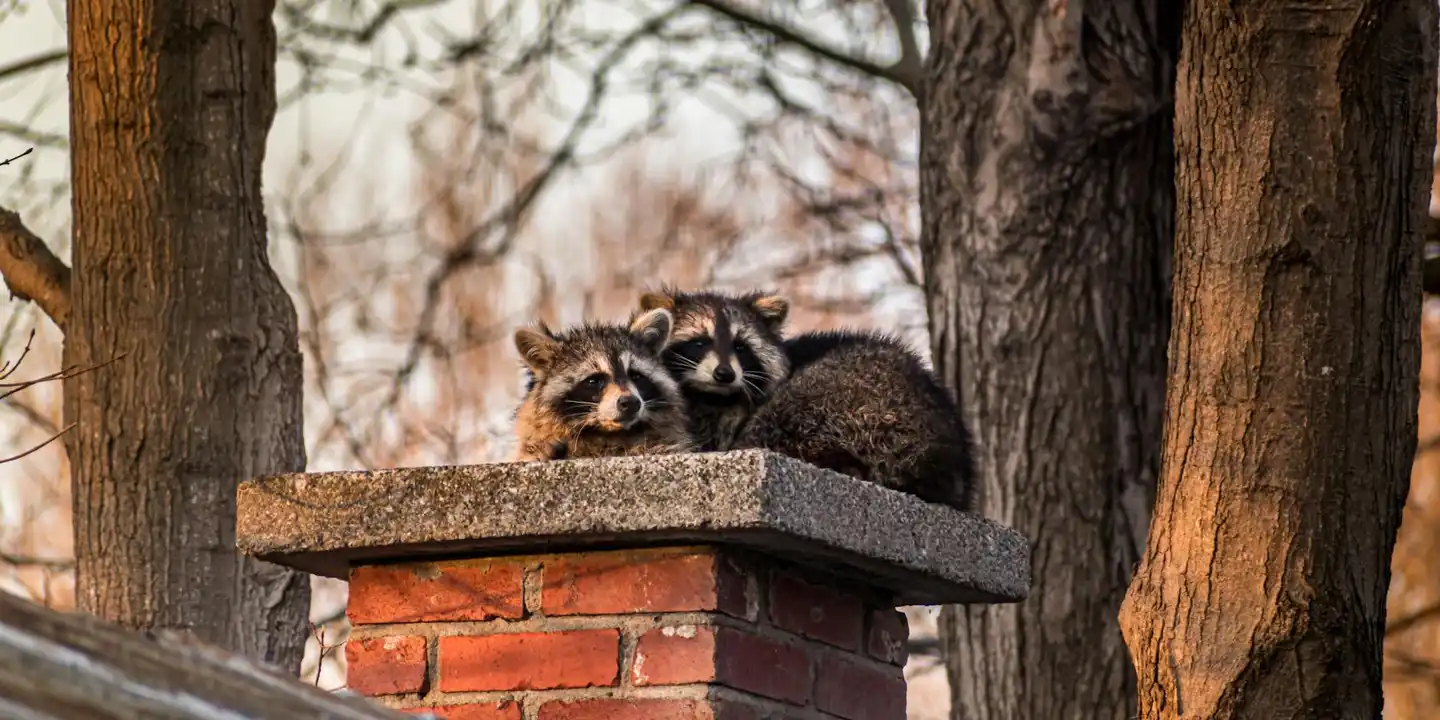
You often hear them before you see them. A quiet night is broken by a loud thump or a persistent scratching above your ceiling. That’s not a squirrel. Squirrels are light and quick. Raccoons are heavy, sounding more like a clumsy intruder walking across your shingles.
During the day, grab your binoculars and look for visual proof. Check for torn or lifted shingles, especially at the roof edges. Look for bent or pried-up flashing around chimneys and vents. You might see dark, greasy rub marks where their fur repeatedly brushes against a surface.
Walk your property’s perimeter. Look for scattered debris like torn insulation or chewed wood near the foundation. After a rain or snow, check for clear tracks. Raccoon prints look like small human hands, about two to three inches long.
If you smell a powerful, musky odor near an attic vent or soffit, treat it as a serious warning. Raccoon waste is a health hazard. It can contain dangerous parasites. If you suspect it’s present, do not disturb the area and plan for professional cleanup.
How to Keep Raccoons Off Your Roof: Deterrence Tactics
The best way to deal with raccoons is to make your property uninteresting to them. They are looking for three things: food, shelter, and an easy path. Take those away.
First, eliminate every food source. This is the most effective step. Use trash cans with locking lids. Never leave pet food bowls outside overnight. If you have fruit trees or a garden, pick up fallen produce regularly. A raccoon that finds a free meal will always come back.
Next, look up. Tree branches are raccoon highways. Trim any limb that comes within 10 feet of your roofline. This creates a gap too wide for them to jump. I’ve been on jobs where simply trimming one overhanging oak solved years of nighttime roof noise.
Many folks ask about store-bought repellents or predator urine. In my experience, these offer limited, temporary results at best. Raccoons are smart and will eventually ignore the smell, especially if they’ve already found good shelter.
A more reliable scare tactic is an unexpected disturbance. Motion-activated floodlights mounted under the eaves can startle them. A motion-sensor sprinkler aimed at common approach routes works even better. The sudden spray of water is a deterrent they don’t get used to quickly.
Sealing the Critical Junctions: Your Roof’s Weak Points
Deterrence keeps new visitors away, but to stop a determined raccoon, you must seal their entry points. They don’t make holes. They exploit weak ones.
Start with a safe, ground-level inspection. Look at your chimney cap. Is it secure? Check all roof vents, plumbing stack flashings, and soffit panels. Look for any loose material, rust, or gaps wider than a quarter-inch. Pay special attention to corners and seams. If you notice signs of flashing trouble, consult a chimney flashing repair guide for step-by-step instructions. A quick reference can help you plan safe, effective repairs.
When you seal a gap, use materials a raccoon cannot tear or chew through. Plastic, wood, or chicken wire are useless. For vents and openings, use heavy-gauge, galvanized hardware cloth (1/4 or 1/2 inch mesh). Secure it with screws, not staples. For larger gaps at flashing joints, new steel flashing properly nailed and sealed is the only permanent fix.
Standard plastic or aluminum vent covers can be ripped right off. If you’ve had trouble before, install reinforced, wildlife-proof vent covers. They have a sturdy metal grid behind the vent face specifically designed to resist forced entry.
This is a critical rule. Before you seal any opening, you must be 100% certain no animals are inside. Sealing a mother raccoon away from her babies creates a terrible problem and causes more damage as she tries to break back in. If you have any doubt, the sealing step must wait for professional help.
How to Get a Raccoon Off Your Roof Humanely
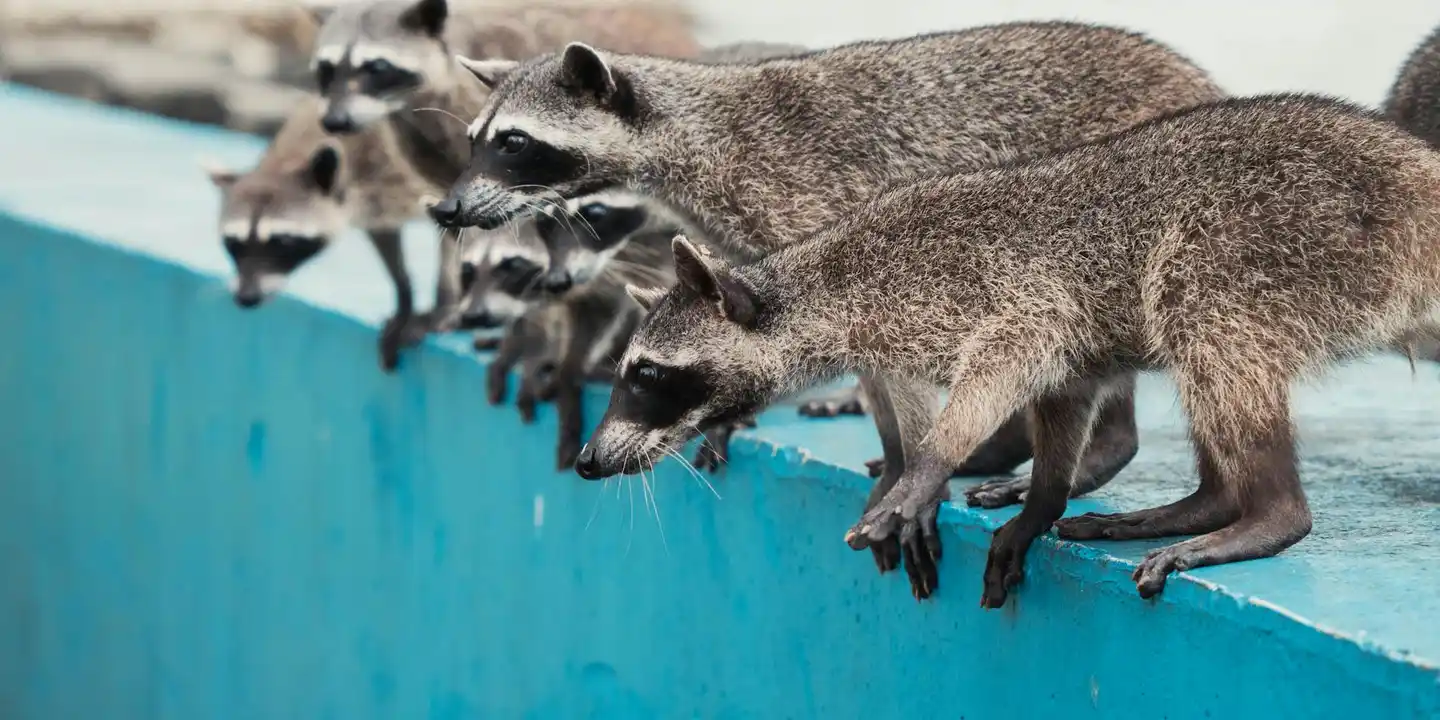
First, figure out if you have a visitor or a tenant. Raccoons passing through might just be noisy for a night. A nesting raccoon means you’ll hear consistent activity, often at dusk and dawn, and you might find a main entry point like a loose vent or a gap in the soffit.
Your first move is always to encourage them to leave on their own. I keep a cheap, battery-powered radio in my truck for this. Place it loud and close to their suspected entry point for a couple of nights. A bright work light aimed at the spot can work too. It makes the area feel less safe and quiet.
If that doesn’t work, some folks think about live traps. This is where you need to pause. Trapping wildlife is heavily regulated, and relocating an animal is often illegal or can sentence it to death. You must call your local animal control or wildlife agency to understand the rules before you touch a trap.
Let’s say you successfully encourage the raccoon to move on. The job is only half done. You must permanently seal that entry point immediately, preferably during the day when the animal is out foraging. I once repaired a roof where the homeowner scared the raccoons off but didn’t seal the hole. A new family moved in within a week, and we had to start all over.
Assessing and Repairing Raccoon Roof Damage
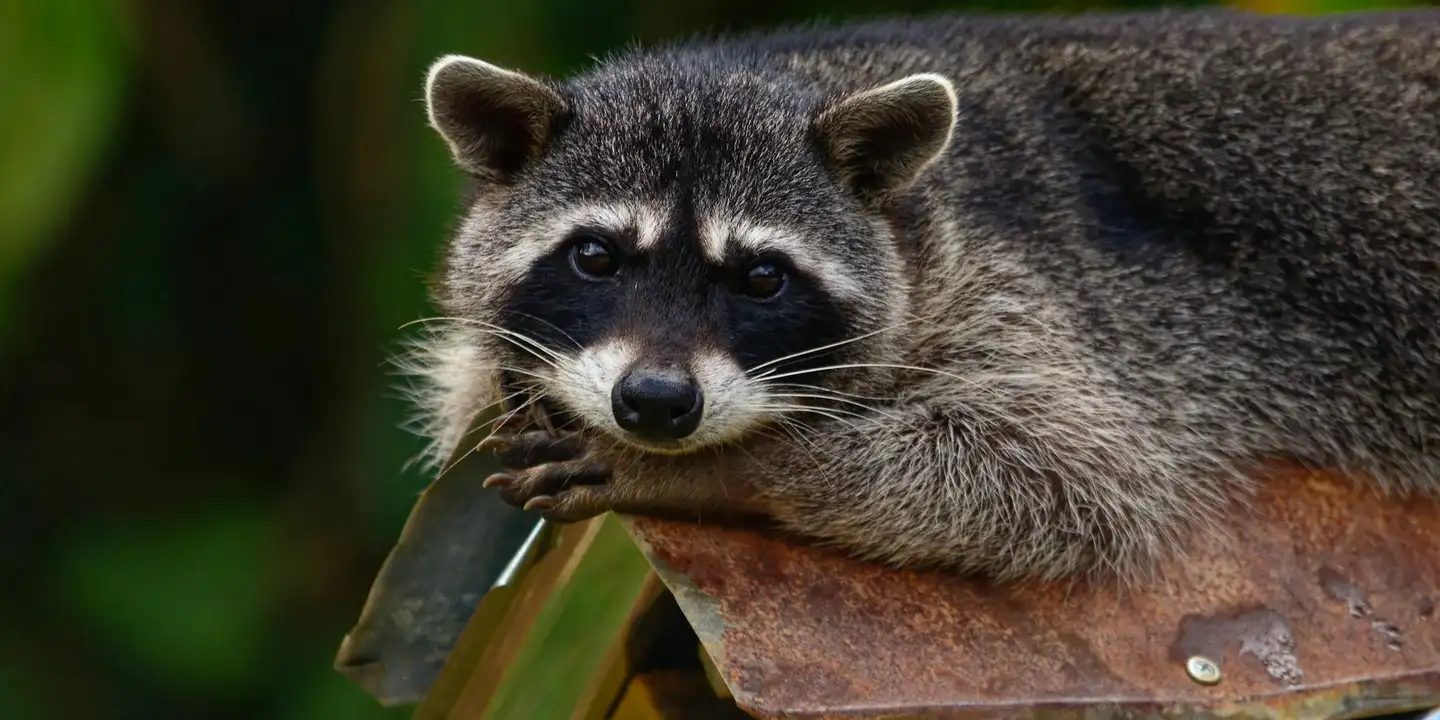
Start your inspection from the ground with a good pair of binoculars. Look for obvious signs like torn shingles, sagging areas, or debris around vents. If you have ladder experience and feel safe, you can get a closer look. Never go onto the roof itself if you suspect active animals or structural weakness.
Common damage from raccoons is forceful and messy. Here is what I most often see:
- Punctured or soft roof decking (the wood layer under your shingles).
- Torn underlayment (the waterproof barrier).
- Bent or pulled-away flashing around chimneys and vents.
Repairing a single torn shingle is a straightforward fix, much like sewing a button back on a shirt. You can slide a new one in or seal the tear with roofing cement. But if their activity has let water soak into the roof deck, the repair changes completely, and you might need to replace the damaged shingles.
That smaller repair becomes a major one. Water-damaged wood must be cut out and replaced to prevent rot and mold, which is like having to replace the entire floorboard in a car instead of just vacuuming the mats. This is a job for a professional roofer — no matter what some repair myths might say.
You will also likely need to clean up. Raccoon droppings can carry disease. Put on heavy gloves and an N95 mask. Remove any visible waste, then thoroughly soak the area with a disinfectant solution. Let it dry completely before any repair work begins.
Hazard Assessment: When This Job Isn’t for DIY
Before you grab a ladder, stop and think about the dangers. Roof work involves real risks that go beyond a simple fall, even when you’re using roof anchors, safety harnesses, or ladders. I’ve been on hundreds of jobs, and the ones that went wrong usually started with someone underestimating the hazard.
Let’s break down the specific risks you face with raccoons on the roof:
- Steep roof pitch turns a simple walk into a balancing act. If your roof is steeper than a 6-in-12 slope, your footing becomes unreliable fast. I once watched a new helper slide ten feet before his safety line caught him.
- An unstable ladder is a leading cause of serious injury for homeowners. If it’s not on solid, level ground and secured at the top, it can kick out in an instant.
- Raccoons are wild animals that will defend themselves aggressively. A mother with babies sees you as a direct threat. Their bites and scratches are deep and can transmit infection.
- Raccoon waste carries harmful parasites and diseases. Disturbing their droppings without protection risks your health. You need more than gloves and a mask to handle it safely.
Any time you work on a roof, you must use proper fall arrest gear-a full-body harness tied to a certified anchor. In all my years, I have never seen a DIYer with this setup, which is why most roof accidents happen to homeowners, especially when they overlook roof repair safety practices.
If you hear noises in the attic, the game changes completely. You need to call a professional wildlife control service immediately. They have the legal permits and safe traps to remove the animals without causing more damage to your attic or putting you in harm’s way.
Finally, any damage they caused needs a proper fix. Call a licensed roofer for all repairs beyond wiping a surface clean. Patching a chewed hole or replacing torn shingles requires skill to keep your roof waterproof. Identifying and repairing roof leaks isn’t always obvious at first—sometimes a vent seal or flat-roof patch is the culprit behind hidden water damage. Pinpointing the real source lets you target the repair before more damage occurs. I’ve been called to redo too many quick DIY patches that failed within a year.
Quick Answers
I got the raccoon out. How do I make sure it doesn’t just come back?
Immediately seal the exact entry point with heavy-gauge steel hardware cloth or new flashing, secured with screws-never staples. Then, complete the job by permanently removing all food sources and trimming back any overhanging tree branches.
What’s the most common hidden damage I should look for after removing raccoons?
Check for two things you can’t see from the ground: contaminated, compressed, or shredded attic insulation, and soft, water-damaged roof decking under torn shingles. Both compromise your home’s efficiency and structure. Roofing over rotted decking can lead to even more issues.
When is this a DIY job versus a call to a wildlife pro?
If you hear activity in the attic, smell waste, or see a guarded entry point, call a pro immediately-it’s likely a mother with kits. DIY is only for installing deterrents or sealing a confirmed-empty entry point during daylight hours.
Your Blueprint for a Peaceful, Protected Roof
Focus on making your roof a hard target through regular checks and quick, humane removal if needed. To support this, roof bird nest prevention should be part of your routine to deter nesting before it starts. This consistent approach not only solves the current issue but prevents most problems from starting in the first place.
Your roof is a critical system that demands responsible, safety-first care just like the rest of your home. If you must inspect it, prioritize roof walking safety and take proper precautions. For most tasks, consider hiring a professional to handle roof access. Keep learning about your specific roof type and its needs; that ongoing attention is the true foundation of long-term protection.
Ray Huffington
Ray is an experienced roofer. He has worked as a general contractor in the roofing industry for over 15 years now. He has installed and repaired all kinds of roofs, from small houses to large mansion, and from basic shingles to cement and metal roofs and even solar roof panels. He has seen homeowners struggle with roofing questions and always has experience based proven advice to help those in need. If you need roof pros, Ray's your guide.