
How Do You Stop Condensation in Your Attic and Metal Roof?
Ever see water stains on your attic plywood or hear a faint dripping from your metal garage ceiling on a cold morning? That’s not always a leak. In my years on the job, I’ve found that condensation is often the silent culprit, and it needs a completely different fix than a missing shingle. Ignoring it can rot rafters, destroy insulation, and lead to mold that impacts your air quality.
Here’s exactly what I’ll walk you through, based on real fixes from my crew’s experience:
- Pinpointing why moist air is getting trapped in your space.
- Permanent solutions for proper attic and metal roof ventilation.
- How to safely repair any damage condensation has already caused.
Key Takeaways: Your Action Plan for a Dry Roof
Stop guessing and start doing. From my toolbox to yours, here are the five non-negotiable rules I follow on every job to prevent roof condensation.
- Condensation is caused by warm, moist air hitting a cold surface, like your roof deck on a winter night. It’s the same science as a cold soda can sweating on a summer day.
- Proper attic ventilation is your roof’s breathing system, and it is absolutely non-negotiable. Without a clear path for air to flow in and out, moisture gets trapped and turns into water.
- Metal roofs need a thermal break or vapor barrier installed underneath the panels. Metal cools down too quickly, and without this protective layer, you’re inviting condensation to form on the underside.
- Always dry out existing moisture completely before making any repairs or adding insulation. I once had to redo an entire attic job because another crew sealed in dampness, and mold followed within weeks.
- Schedule simple seasonal checks in the spring and fall. A ten-minute look can save you thousands in repairs down the line.
Finding the Moisture: How to Spot Condensation in Its Hiding Spots
You asked how to identify condensation. It’s a quiet problem. You need to know where to look and what to feel for. Let me walk you through the three most common spots.
In Your Attic: Look Up, Down, and All Around
Head up with a bright flashlight on a cool morning, right at dawn. Move slowly and check every angle.
Look for tiny water droplets clinging to the points of roofing nails or the wood sheathing. They catch the light like beads on a string. Dark, damp stains on the plywood are another sure sign. Your insulation tells a story, too. If it’s matted down, discolored, or feels wet to the touch, it’s holding moisture.
Don’t just use your eyes. Take a deep breath. A musty, earthy smell means mold is likely growing. The air itself will feel damp and heavy, not just cold. In winter, look for a frosty coating on the wood. That frost is frozen condensation. When your attic warms up, it melts and drips.
On Your Metal Roof: Listen and Look for the Shimmer
For metal roofs, the problem is often hidden from view. The condensation forms on the cold underside of the panels, not the top you see from the ground.
Listen carefully in the early morning for a faint dripping or pinging sound. On several garage jobs, homeowners mistook this for a hidden leak. Visually, check for rusty streaks starting at screw heads or panel seams. Look for a fine white powder, called efflorescence, on the metal or framing. This is mineral residue left after water evaporates.
Check your gutters on a dry day. If they have water in them without recent rain, it could be runoff from condensation dripping off the roof edge. From inside a building, sometimes you can see a wet shimmer on the metal when light hits it just right.
In Your Garage: Check the Corners and the Car
Garages are prime targets. They’re often unheated and poorly sealed, letting moist air from cars and activities settle.
Start with the obvious. Are the windows fogged or wet on the inside? Do the walls feel cool and damp? Inspect metal objects like shelving, tools, or your car’s undercarriage for new, unexplained rust. Rust here is a major red flag for a humid environment.
Pay close attention to the concrete floor. Run your hand over it. Does it feel perpetually damp or cold? Look for white, chalky salt deposits rising to the surface. This efflorescence means moisture is moving through the slab. Corners and areas behind stored items are where condensation loves to hide with no airflow to dry it out.
Why It Happens: The Simple Science of Condensation Causes
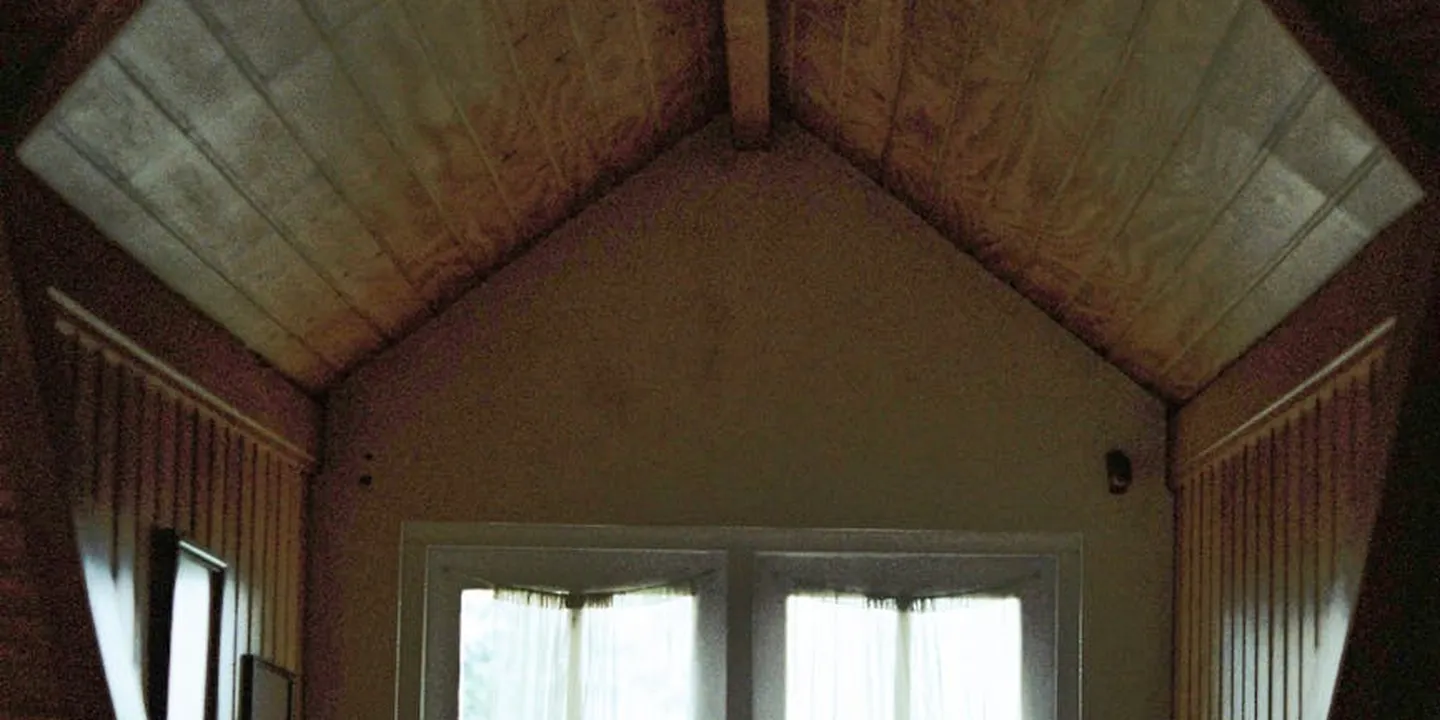
Condensation is simple science in action. Think about a cold drink on a hot day. Water droplets form on the outside of the glass. That’s warm, moist air hitting a cold surface and dropping its moisture. Your attic, metal roof, or garage works the same way. Warm, humid air from inside meets a cold roof surface, and you get water where you don’t want it.
Fixing condensation starts with understanding where your warm, wet air is coming from and why your roof surface is so cold.
The Attic Culprits: Kitchen Vapors and Bathroom Fans
Most attic condensation is an inside job. The warm, moist air from your daily life finds its way up. I’ve pulled back insulation in hundreds of attics and seen the dark, damp spots directly above bathroom fans or kitchen light fixtures.
The main causes are:
- Moist air rising from showers, cooking, and even breathing.
- This air sneaks through gaps around light fixtures, plumbing pipes, attic hatches, and chimneys.
- Once in the attic, it gets trapped if ventilation is poor.
- Insufficient insulation lets the roof deck get too cold, creating the perfect surface for condensation to form.
Your attic is not part of your living space; sealing it off from household humidity is the first line of defense.
Metal Roof Missteps: Missing the Thermal Break
Metal is a fantastic conductor. It cools down incredibly fast on a clear night. When the warm, humid air inside your metal-roofed garage or workshop touches that cold underside, it immediately sweats. How a metal roof affects temperature depends on the climate: in hot climates, it can trap heat inside, raising interior temperatures, while in cold climates, it loses heat rapidly, and humidity can still drive condensation on the underside. This answers the core question of how you can stop condensation on a metal roof.
The mistake is installing metal directly over the framing without a proper thermal break. The fix is creating a barrier that prevents the inside air from touching the cold metal. This is why proper underlayment or insulated panels are non-negotiable for metal roofs over living or working spaces. Without a vapor barrier or insulation, a metal roof will almost always drip condensation in the right conditions, leading to potential leaks even with proper roofing underlayment installation.
The Garage Gathering: Cars, Concrete, and Closed Doors
Garages are condensation factories. You bring the problems right inside. A wet car or snow-covered truck evaporates a huge amount of water into the enclosed space. An uninsulated concrete slab stays cold and sweats when warmer air sits on it. With the door closed, there’s zero airflow to carry that moisture away.
The humid air rises, hits the cold roof sheathing or metal panels, and rains back down. It’s a closed loop that ruins tools, encourages mold on walls, and rots wood framing.
The Prevention Playbook: How to Stop Condensation for Good
Preventing condensation is a battle on two fronts: managing air movement and controlling temperature. Get these right, and you stop the problem for good.
Mastering Attic Ventilation and Sealing
Think of your attic as a connected system. Air should flow in smoothly from the soffit vents under your eaves and exit steadily at the ridge or gable vents at the top. This “Attic Connection” creates a constant breeze that carries warm, moist air out before it can condense. It also regulates temperature to protect your roof deck.
To avoid condensation in your attic, follow these steps:
- Check that soffit vents are not blocked by insulation. Use baffles to keep airflow channels open.
- Ensure you have adequate exhaust venting at the ridge. The rule of thumb is 1 sq. ft. of vent for every 300 sq. ft. of attic floor, split evenly between intake (soffit) and exhaust.
- Seal every penetration from your house below. Use caulk or expanding foam around plumbing stacks, wire entries, light fixture boxes, and the attic hatch. This is how you stop condensation in your attic at the source.
A balanced, flowing attic is a dry attic.
Insulation as Your Moisture Barrier
In a standard, vented attic, insulation has a specific job. It keeps the heat from your house in your house. This allows the roof deck above the insulation to stay cold, which is fine because your ventilation is handling the moisture. The insulation acts as a barrier, preventing warm, moist air from rising up to meet the cold deck.
Fiberglass batts are common but must be installed perfectly without gaps. Blown-in cellulose or fiberglass often provides better coverage over wires and in tight spaces. Aim for an R-value of at least R-38 in most climates, but check your local code for the exact target.
For cathedral ceilings or unvented attic designs, the strategy flips you need special air-impermeable insulation (like spray foam) that creates a sealed envelope against both heat flow and moisture.
Specific Fixes for Metal Roofs and Garages
For a new metal roof installation, the solution is built-in. Use a breathable synthetic underlayment followed by a radiant barrier foil layer, or choose factory-insulated metal panels. This creates the necessary thermal break.
For an existing metal roof that sweats, your options are underneath. Adding roof cavity vents (like coravents) can help air circulate. In a workshop, a simple dehumidifier running during humid periods can solve the problem outright. These considerations map to common roof ventilation issues—think poor airflow and trapped moisture. A fuller look at roof ventilation fix common issues follows in the next steps.
For a damp garage, combine several tactics:
- Install a gable-mounted exhaust fan set to run on a humidistat.
- Insulate the walls and the garage door with foam board panels.
- Apply a waterproof epoxy or sealant to the concrete floor to stop slab moisture.
- Keep a window cracked or install a vent louver to promote cross-ventilation.
Controlling the environment inside a garage requires managing every source of moisture, from the ground up.
From Diagnosis to Dry: Fixing Existing Condensation Problems

If you’re staring at wet spots or mold, you need a plan. Tackle it in this order. Before you touch anything, put on gloves, a mask, and safety glasses to protect yourself from wet materials and spores. Rushing to cover a damp area will lock in moisture and cause more damage later.
Step 1: Dry Everything Out Completely
Moisture must leave before anything else happens. Open all attic vents and windows. Point box fans to blow air out, creating a strong cross-breeze. For enclosed spaces like a garage, run a dehumidifier continuously. I’ve seen jobs where homeowners sealed up damp insulation, only to find black mold a month later.
This drying can take several days. Check by feeling the wood decking and insulation. If they still feel cool or damp, keep the air moving. In severe cases where wood is soft or insulation is soaked through, replacement is your only safe option. Compromised roof sheathing won’t hold nails properly for new shingles.
Step 2: Repair and Replace Damaged Materials
Once everything is bone-dry, assess the damage. For your attic, start from the top down.
- Plywood or OSB Sheathing: If it’s stained but still solid, it can stay. If it’s soft, spongy, or warped, cut out the damaged section and nail in a new piece of exterior-grade plywood.
- Insulation: Batt insulation that’s been wet loses its R-value. Compressed, dirty insulation needs to go. Roll out new, unfaced batts to the recommended depth for your climate.
- Mold: For minor surface mold on wood, scrub with a solution of water and white vinegar or a dedicated mold cleaner. Let the area dry completely again.
For metal roofs or garage walls, look for rust. Scrub rust spots firmly with a wire brush until you see bare metal. Wipe away the dust. Then, apply a direct-to-rust primer and a top coat of metal paint. This stops the corrosion and buys you time.
Step 3: Implement the Prevention Measures
Cleaning up the mess is only half the job. If you don’t change the conditions that caused it, the condensation will return. This is the critical step that turns a quick fix into a permanent solution. Go back to the prevention basics: seal air leaks from the house below, ensure your attic insulation is sufficient and not blocking vents, and verify your soffit, ridge, and gable vents are clear and working. Your roof needs to breathe.
Your Long-Term Roof Care Routine: Maintenance and Knowing When to Call a Pro
Stopping condensation is an ongoing job. A few simple checks each season catch small issues before they become big, expensive problems. But know your limits, some situations require a pro’s touch.
The Homeowner’s Seasonal Condensation Check
Twice a year, make this quick visual inspection a habit. It takes 10 minutes from your driveway or attic entrance.
- Spring and Fall: Walk around your house. Look at all roof vents, soffits, and gable ends. Are they blocked by leaves, nests, or insulation? Clear any debris.
- Before Winter: From your attic access, shine a light. Is the insulation dry and fluffy, or is it matted down? Matted insulation needs to be fluffed or replaced.
- After Heavy Rain: Check your garage walls and ceiling for new damp spots. This tells you if moisture is getting in from outside or condensing inside.
This routine adds years to your roof’s life by preventing the slow damage condensation causes.
Red Flags: Signs You Need a Professional Roofer
DIY has its place. Safety and structure are not it. Call a licensed roofing contractor if you see any of the following on your roof. No matter how good you are at do-it-yourself projects, roof repair safety practices require professional experience.
- You find extensive mold growth covering a large area (more than a few square feet).
- The roof deck feels soft underfoot or you see visible sagging between the rafters.
- Moisture keeps coming back after you’ve cleaned, dried, and improved ventilation.
- Your attic is finished, making ventilation pathways complex and hidden.
I’ve been called to too many jobs where a homeowner tried to sister a new rafter to a rotten one. When the wood itself is failing, it’s a structural issue that requires professional assessment and repair. A good roofer will find the root cause, not just patch the symptom. For homeowners facing this, a damaged roof rafters repair guide can outline when to repair versus replace and what to expect from a pro. It also helps you recognize red flags that indicate a full structural assessment is needed.
Common Questions
What’s the right ventilation setup to stop my attic from sweating?
You need a balanced system. Combine continuous soffit vents (intake) at the eaves with a ridge vent (exhaust) at the peak to create a steady, cooling flow of air across the entire roof deck. This sweeps out warm, moist air before it can condense.
Can I just add more insulation to my metal garage roof to fix condensation?
No, adding standard insulation directly against the metal can trap moisture and make it worse. You must install a vapor barrier facing the warm interior space first to create a proper thermal break, then add your insulation.
When is condensation damage serious enough to call a professional?
Call a pro immediately if you find soft, spongy roof sheathing or extensive mold. These are signs of structural rot and health hazards that require expert assessment and repair to ensure your roof’s integrity and safety.
Your Game Plan for a Dry Attic and Roof
In all my years under eaves and in attics, I’ve learned that preventing condensation isn’t about magic, it’s about airflow and seals. Focus on creating a continuous thermal barrier with proper insulation and pairing it with unwavering, balanced ventilation to quietly whisk moisture away.
Think of your roof as a living system that rewards regular attention and respect. Commit to visual checks every spring and fall, never compromise on safety during inspections (especially when walking on the roof), and keep asking questions to understand how your specific roof works best.
Ray Huffington
Ray is an experienced roofer. He has worked as a general contractor in the roofing industry for over 15 years now. He has installed and repaired all kinds of roofs, from small houses to large mansion, and from basic shingles to cement and metal roofs and even solar roof panels. He has seen homeowners struggle with roofing questions and always has experience based proven advice to help those in need. If you need roof pros, Ray's your guide.