
How Do You Fix and Prevent Sagging Roof Overhangs and Porches?
Does your porch roof dip in the middle or your eaves look wavy instead of straight? That sag isn’t just cosmetic; it’s a clear signal that the supports underneath are struggling. Ignoring it can lead to cracked materials, water intrusion, and in severe cases, a partial collapse.
I’ll share my field-tested methods for spotting the root causes, properly reinforcing the structure, and setting up a straightforward maintenance schedule to keep it all secure.
What Holds Your Porch Up? (Key Components Explained)
Think of your porch roof like a heavy shelf bolted to the side of your house. It needs a solid frame to hold it up. From my years on the crew, I’ve seen the same five parts doing the heavy lifting on almost every job.
The ledger board is the critical starting point. This is a thick plank of wood, usually a 2×8 or larger, that bolts directly into your home’s wall framing. It’s the anchor. Everything else hangs off it.
From the ledger, joists (or ceiling joists) run outward, like the ribs of the shelf. They form the flat ceiling you see underneath. On top of these joists sit the rafters, which are the angled boards that create the roof’s slope and hold the shingles.
Now, to answer your question: do ceiling joists support the roof? In this setup, yes, the joists are primary support members, carrying the weight of the rafters, roof deck, and everything on it straight back to the ledger board. This load is shared with other roof parts like overhangs, eaves, and trusses. Together, they form the roof’s structural components that transfer loads to the walls.
That weight then needs to get to the ground. That’s where the beams and posts or columns come in. The beams are large horizontal members that the joists rest on at their outer end. The beams are then held up by vertical posts rooted in concrete footings.
The load path is simple: shingles to rafters, rafters to joists, joists to ledger and beams, beams to posts, and posts down to the ground. If one link fails, the whole system sags.
Water is the enemy of this wooden skeleton. The most vulnerable spots are always the ends. I always look first at where the joists meet the ledger and where the posts meet the beams. These exposed end grains suck up water like a sponge, leading to soft, rotten wood that can’t hold weight. A little cracked paint here is a big warning sign.
How to Spot Trouble: The Early Signs of Sagging and Damage
Catching problems early saves you thousands. Don’t wait for a collapse. Every spring and fall, take five minutes to do this visual scan.
Look for a visible dip or curve in the roofline when you stand back from the side. Your gutter might start pulling away from the fascia board. Check the columns or posts for new, vertical cracks in the paint or wood. Inside, look for cracks where the porch ceiling meets the house wall.
Your doors and windows are great tell-tales. If a door near the porch suddenly sticks in its frame, the sagging roof may be twisting the house structure.
Do a physical test. Walk slowly across the porch floor. Feel for any bounce or flex that wasn’t there before. A solid porch should feel rigid underfoot. If it moves, the joists or beams are weakening.
Some wear is slow. Peeling paint or minor surface cracks on posts can be fixed. The critical signs that need a pro immediately are: any visible sag you can see with your eye, active water dripping from the ceiling, or posts that wobble when you push on them. These mean the structure is actively failing.
Roof Integrity & Lifespan Report
Materials dictate how long your porch structure will last. Pressure-treated pine is common, but it has a lifespan. With perfect maintenance and a dry climate, you might get 25-30 years from wooden components—similar to the lifespan of roof shingles. Modern composite or PVC columns and trim can last 50 years or more since they resist rot and insects.
Maintenance is everything. A painted wood porch I built 20 years ago is still solid because the owner sealed every crack. Another one from the same year was replaced after 15 due to unchecked rot.
Know the red flags that mean replacement, not repair. If you probe the wood with a screwdriver and it sinks in deeply or crumbles, the wood is toast. If multiple joists are rotted at the ledger, or if a beam has a deep horizontal crack (called checking), the entire section usually needs to be rebuilt. Patching rotten wood with filler is a temporary fix at best. For safety and code, compromised structural wood must be replaced.
The Homeowner’s Inspection & Maintenance Routine
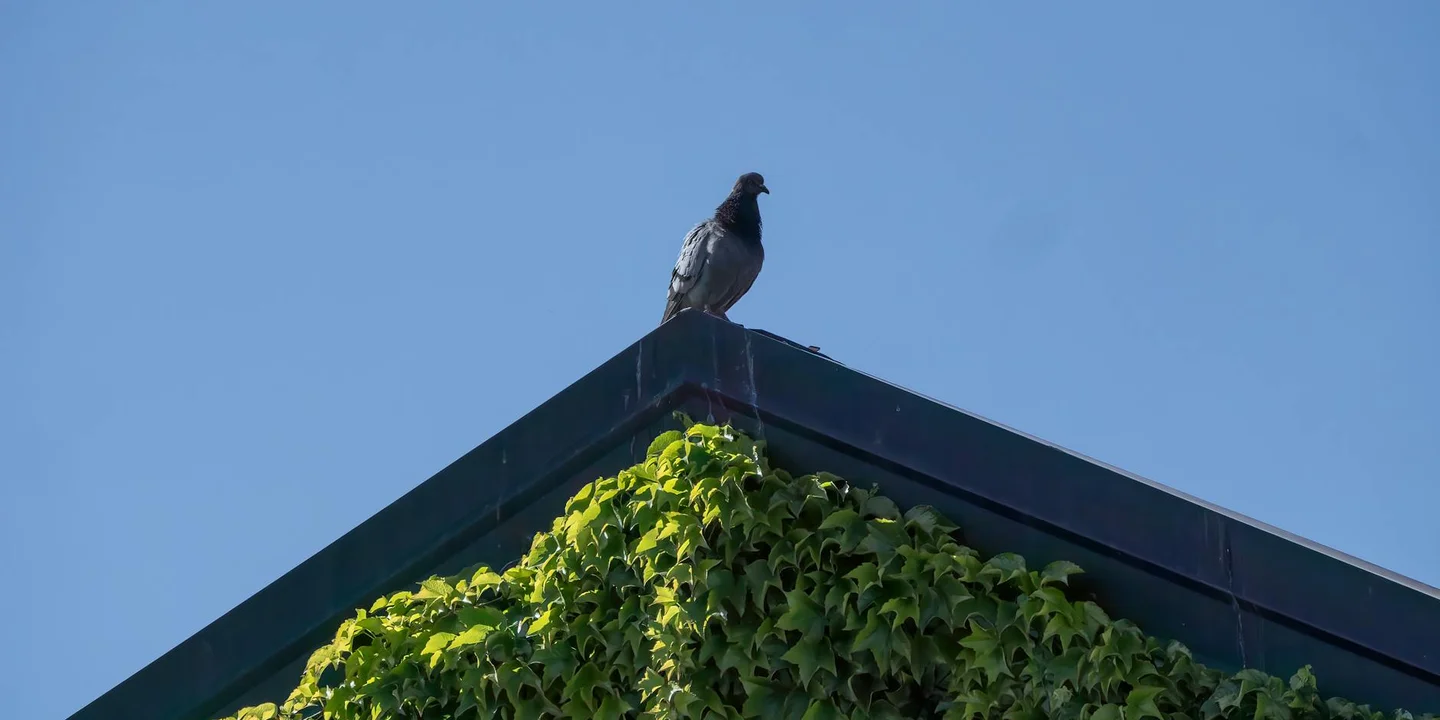
Inspect your roof overhangs and porches twice a year. Do it every spring and every fall.
Spring checks catch winter damage. Fall checks prepare for cold weather. This routine finds small issues before they become expensive.
Your Biannual Inspection Checklist
Get a good flashlight and a flat-head screwdriver. Walk around your home and look closely.
- Look for rot: Tap wood surfaces with the screwdriver handle. Solid wood makes a firm sound. Soft, quiet spots mean rot.
- Check fastener tightness: Try to wiggle any exposed nail or screw heads. If they move, they are loose and need attention.
- Assess paint and sealant: Scan all painted wood and caulked seams. Cracks, peeling, or gaps let water inside the structure.
Finding one soft spot means there are likely others. Probe carefully around the area.
Best Practices for Cleaning and Drainage
Keep everything clean and water flowing away. I see most sagging start with blocked drainage.
Use a soft broom or garden hose on a gentle setting to clear dirt and leaves. Never blast wood with high pressure.
Clogged gutters push water back under the eaves, soaking the framing you cannot see. Clean them each spring and again in late fall.
Ensure downspouts point water at least three feet away from your foundation. This simple step protects your porch base, especially when applying roof coating from the ground.
Homeowner’s Seasonal Maintenance Log
Write your inspections down. Consistent care can extend the life of your overhangs by 5 to 10 years.
| Season | Key Tasks |
|---|---|
| Spring | Remove winter debris. Check for ice dam damage. Re-caulk open seams. Inspect and plan paint touch-ups. |
| Fall | Clear all gutters and downspouts. Tighten any loose fasteners. Verify the ground slopes away from posts. |
Preventative Sealing and Painting
Paint and sealant are a shield. Maintain that shield.
Seal bare wood immediately. Pay special attention to end grains and joints. They absorb water like a sponge.
For painting, always use a primer designed for exterior wood followed by two top coats. On my crew, we never skip the primer. It makes the paint last years longer.
Check caulking at windows and trim adjacent to the overhang. Replace any sealant that is cracked or peeling.
How Climate and Weather Dictate Your Care Plan
Your local weather changes the game. A one-size-fits-all plan does not work.
Heavy Snow Regions: Focus on Load
Snow weight is relentless. After major storms, safely use a roof rake to pull snow off porch roofs.
Before winter, inspect every support post and beam connection for solidness. Snow will find any weakness.
Consider installing temporary braces for older porches if forecast predicts extreme accumulation.
High Humidity Areas: Battle Mold and Rot
Moist air encourages decay. Your enemy here is not just rain, but constant dampness.
Ensure soffit vents are completely unblocked. Good airflow under the overhang dries out moisture.
Look for black or green stains. A mix of one part bleach to four parts water can treat surface mold. Always wear gloves.
Intense Sun Climates: Fight UV Degradation
Sunlight breaks down materials. Paint fades, wood dries out, and sealants become brittle.
Choose paints and stains labeled for UV protection. I often use acrylic latex paints in sunny jobs for their flexibility.
Inspect for dryness and cracking more often, at least every spring. Sun damage is a slow process you can manage.
Specific Seasonal Preparation
Your to-do list changes with the forecast.
- Before winter: The gutters must be spotless. Ice dams start with one leaf clog. Also, check that all flashing is secure against wind.
- After storms: Walk the perimeter. Look for shingles lifted at the edges or debris impact points. Wind can loosen fasteners over time.
Weather-Based Material Choices
When you repair or replace, let your climate guide you.
In wet regions, I specify rot-resistant woods like cedar or pressure-treated lumber. For dry, sunny areas, composite materials can handle UV well.
Buy sealants rated for your temperature range. A cold-climate sealant stays flexible in freeze-thaw cycles. A sun-resistant sealant won’t crack as quickly.
Your local building supply store can recommend the best products for your area. Tell them your weather challenges.
Fixes and Reinforcements: From Simple Braces to Major Repairs

When NOT to Try This Yourself: Safety First
I’ve seen too many homeowners make a small problem into a big, dangerous, and expensive one. Know your limits. If your porch roof sags more than an inch or two, or if you see large cracks in the supporting posts or beams, stop. If you poke a screwdriver into a beam and it sinks in more than a quarter-inch, that’s extensive rot. If the problem is where the roof ties into the main house structure, that’s a structural connection. These are all red flags. For major sag, extensive rot, or any issue with the main structural connections, call a professional contractor or a structural engineer immediately. Your safety is not worth the risk—especially if you didn’t follow the proper build guidelines for your porch roof.
Simple Stabilization: The Temporary Brace
Sometimes you need to stop a problem from getting worse while you plan a repair or wait for a pro. Think of this as putting a crutch under your roof. You can use an adjustable telescoping post, often called a “jack post,” from a hardware store.
Here’s the safe way to do it:
- Place a thick, solid wood block (like a 4×4) on the ground directly under the sagging beam.
- Set the jack post on top of this block.
- Extend the post until it fits snugly against the sagging beam. Place another wood block between the post top and the beam to distribute the pressure.
- Raise the post just enough to take the pressure off. Do not try to force the roof back to level, as this can cause other damage. The goal is to halt further sagging, not to fix it.
Minor Repairs: Splicing in New Wood
The most common fix I do on old porches is replacing rotted ends. Water sits on the horizontal beams, and the ends rot while the rest is solid. You can cut out the bad section and “sister” a new piece of wood alongside it.
First, cut out all the rotted wood. Use a square to make clean, straight cuts. Pressure-treated lumber is your friend here, as it resists future rot.
To attach the new piece, you need to connect it properly. For a roof joist to beam, nails alone often aren’t enough over time. I use lag bolts or through-bolts. Drill pilot holes to prevent splitting. Use large, heavy-duty metal joist hangers for the strongest connection. Always use galvanized or stainless-steel hardware outdoors to prevent rust stains and failure. Coat the cut ends of any non-treated wood with a wood preservative before bolting everything together. This same approach applies when you’re building a patio roof. In the next steps, you’ll find a patio roof build guide.
Reinforcement Strategies: Adding Permanent Strength
If the structure is sound but just too weak, you add muscle. Adding a new support post under the midpoint of a long beam can cut the sag in half. Dig a proper concrete footer for the new post to prevent it from sinking.
For a gable roof overhang that’s pulling away, knee braces are the classic fix. They form a triangle from the wall out to the overhang beam, turning downward force into a compressive strength. Installing metal tension ties is another modern solution. These are steel straps that connect the roof rafters back to the wall framing, preventing uplift and pull-away. Knee braces and tension ties address the sideways forces that cause overhangs to sag and detach. In the broader category of gable roof connection methods, these solutions show how framing and fasteners transfer loads. More details on other connection methods can be found in related guides.
Choosing Materials and Knowing When to Call an Engineer
If you are replacing a beam or post, material choice is critical. For posts, use solid, pressure-treated 4×4 or 6×6 lumber. For beams, engineered lumber like LVL (Laminated Veneer Lumber) is often stronger and straighter than a traditional solid wood beam of the same size.
How do you know when you need an engineer? If you are changing the structure’s design, like removing a post to open up space. If the roof span is very long. If there is any doubt about the load a new beam must carry. If your local building department requires a stamped drawing for the permit. A structural engineer’s fee is cheap insurance against a catastrophic failure. They tell you the exact size, grade, and connection method needed. You then give those specs to your contractor, ensuring the repair is done right for the long haul.
Quick Answers
I notice a slight sag in my porch roof. What’s the very first thing I should do?
Stop using the area and check immediately for signs of active water leaks or major rot. You can install a temporary jack-post brace to prevent further movement, but do not try to force it back to level-call a pro to assess the root cause.
If I’m handy, what’s the one repair I can safely do myself, and what material is non-negotiable?
Replacing a section of rotted fascia or trim is a common, manageable fix. Always use pressure-treated lumber or a rot-resistant alternative, and secure it with exterior-grade, galvanized or stainless steel fasteners to prevent future corrosion. Also inspect for water damage around the soffit area, since proper fascia and soffit installation or repair is key to preventing future leaks.
My overhang looks fine, but how can I prevent future problems from the inside out?
Ensure your soffit vents are completely clear and allow for strong airflow to dry out the attic space above the porch. This passive ventilation is crucial for wicking away moisture that silently rots framing from the inside. Regular maintenance of soffit and roof vents is a fundamental part of home upkeep. Properly maintained ventilation protects the roof structure from moisture-related damage.
Your Guide to a Strong, Stable Roof Edge
Stay ahead of sagging by making a simple ground-level inspection part of your seasonal routine. Addressing a soft spot or a leaning post promptly is always simpler and safer than waiting for a full collapse.
You hold the responsibility for your home’s long-term health through consistent, safety-first maintenance. I encourage every homeowner to keep building their knowledge on roof care and the specifics of their structure, especially when it comes to safe roof repair practices, as this is the best foundation for a durable property.
Ray Huffington
Ray is an experienced roofer. He has worked as a general contractor in the roofing industry for over 15 years now. He has installed and repaired all kinds of roofs, from small houses to large mansion, and from basic shingles to cement and metal roofs and even solar roof panels. He has seen homeowners struggle with roofing questions and always has experience based proven advice to help those in need. If you need roof pros, Ray's your guide.