
How to Clean Your Roof, Chimney, and Gutters: A Roofer’s Step-by-Step Guide
Have you ever looked up at your roof and wondered if that moss or those black streaks are doing real harm? I have, and on countless jobs, I’ve seen how simple, regular cleaning stops small issues from becoming big, expensive problems.
You want to know the right way to clean each part of your roof without causing damage. I’ll show you the safe methods for cleaning asphalt shingles, clay tiles, and metal roofs, how to inspect and clean your chimney safely, the best way to clear gutters and downspouts, and key tips for maintaining flashing and vents.
Before You Start: The Non-Negotiable Safety & Prep Work
Roof work is dangerous. I have seen too many close calls over the years. This is not a place for shortcuts or guesswork.
Your first job is to gear up. I never step onto a roof without this kit.
- A proper safety harness tied to a secure anchor point.
- Roof jacks and planks if you need to work near the edge.
- Rubber-soled boots with deep tread. No sneakers or sandals.
- Safety glasses to protect your eyes from debris and cleaner splashback.
The roof itself is full of hidden risks you must respect. A steep pitch can send you sliding in a heartbeat. Always check for overhead power lines before raising a ladder. Rotten decking can collapse under your weight, and a surface damp with moss is as slippery as ice.
Prepping your worksite is just as critical as your gear. Secure your ladder on firm, level ground and have a spotter hold it. Clear the area below of patio furniture, toys, and plants. You do not want anything or anyone underneath if you drop a tool.
For the cleaning itself, you only need a few basic tools. A soft-bristle brush (like a car wash brush), a low-pressure garden sprayer for applying cleaner, and a standard garden hose with a gentle spray nozzle for rinsing. That’s it.
This guide is written for homeowners with low-slope, one-story roofs you can safely access. If your roof is steep, has multiple levels, or you are not completely comfortable, call a professional. It is the smartest investment you can make.
A Clean Roof by Material: Your Step-by-Step Guides
Every roof material has its own personality. Using the wrong cleaner or method is a fast way to cause expensive damage. Follow these material-specific guides to clean effectively and safely.
How Do You Clean Asphalt Shingle Roofs?
Asphalt shingles are common, but they are not tough. The granules on top are your roof’s sunscreen, and you must protect them.
Never, ever use a pressure washer on asphalt shingles. It will blast the granules right off and cut the life of your roof in half. The method is all about gentle persuasion.
Here is how I do it on a typical job.
- Wet the roof section you are working on with a garden hose. This loosens surface dirt and prevents the cleaner from drying too fast.
- Apply a mild cleaning solution. I mix oxygen bleach (like sodium percarbonate) with water in a sprayer. It kills organic growth without harming plants or shingles.
- Let the solution sit for 15-20 minutes, but do not let it dry. Keep it damp.
- Gently scrub with a soft-bristle brush to lift stains. Use a light touch.
- Rinse the area thoroughly with a steady stream of water from your hose. Start from the peak and work down.
You will often see black, streaky stains. That is likely Gloeocapsa magma, a type of algae. The oxygen bleach solution handles it well. Avoid harsh chemicals like chlorine bleach or trisodium phosphate, and never use a wire brush. Both will strip away the protective granules.
How Do You Clean Tile Roofs (Clay or Concrete)?
Tile roofs are beautiful but fragile. Walking on them wrong can crack tiles and cost you a fortune.
Always step on the thickest part of the tile, right where it meets the roof deck. Avoid walking on the crowns or edges. It feels awkward at first, but it saves tiles.
For cleaning, a simple mix of mild detergent and water in a low-pressure sprayer works best. Apply it to the tile surface and let it dwell. Use a soft brush to scrub gently. The goal is to clean the tile without forcing water up under them, where it can soak the underlayment and cause rot.
Moss loves to grow in the shadow lines where tiles overlap. For moss in the grooves, I carefully use the plastic putty knife technique to lift it out before applying cleaner. Be patient. Trying to power wash it out will only drive moisture and debris deeper into the roof system. There are several roof moss removal methods to consider. The best choice depends on your roof and moss severity.
How Do You Clean Metal Roofs?
A metal roof is durable, but its finish is delicate. High pressure is the enemy.
Pressure washing can peel back panel seams and force water underneath, leading to leaks and hidden corrosion. The best approach is old-fashioned hand washing.
Mix a bucket of warm water with a squirt of mild, non-abrasive soap. Using a soft cloth or a car wash mitt, wash the roof in sections. Rinse each section immediately with a gentle flow from your garden hose. Work from the top down so you are not spreading dirty water over clean areas.
Older metal roofs can develop a chalky film (oxidation) or rust spots. For this, use a cleaner specifically made for metal roofs. Apply it as directed, scrub gently, and rinse well. For standing seam roofs, pay extra attention to cleaning along the seams where dirt collects. This routine also supports rust prevention for metal roofs. After cleaning, consider applying a rust-inhibiting coating to help prevent future rust spots. On corrugated metal, use your brush along the grooves, not across them, to avoid snagging.
How Do You Clean Flat or Low-Slope Roofs?
Cleaning a flat roof is less about shine and more about function. Your main goal is to keep water moving.
Start by removing all debris-leaves, branches, and dirt. Clear the drains and scuppers completely. If water is ponding, use a push broom to sweep it toward the drain. Standing water is a roof’s worst enemy; it leads to premature aging and leaks.
For the surface material, be gentle. If you have EPDM (rubber), TPO, or modified bitumen, use a soft brush and a cleaner recommended by the manufacturer. Often, a mix of dish soap and water is sufficient. Avoid harsh solvents that can degrade the membrane.
This same logic applies to other low-slope structures, like a carport or a conservatory roof. Keep the surface clear and the drainage paths open.
How Do You Clean Wood Shake or Shingle Roofs?
This is where I tell most homeowners to stop. Wood roofs are high-maintenance and easy to ruin.
Cleaning a wood roof is a specialist job, and I strongly recommend hiring a pro. The risk of causing rot by trapping moisture is just too high. If you are determined to tackle light moss, the principle is “dry is better than wet.”
Use a wood-safe cleaner, often a borate-based solution, and apply it sparingly with a low-pressure sprayer. Gently remove moss and lichen with a plastic scraper or soft brush. The critical step is ensuring the wood dries out completely and quickly afterward. Any leftover dampness can start decay.
Do not even think about using a pressure washer. The force will splinter the wood, drive water deep into the shakes, and guarantee you a major repair bill.
The Critical Junctions: Cleaning Where Leaks Start
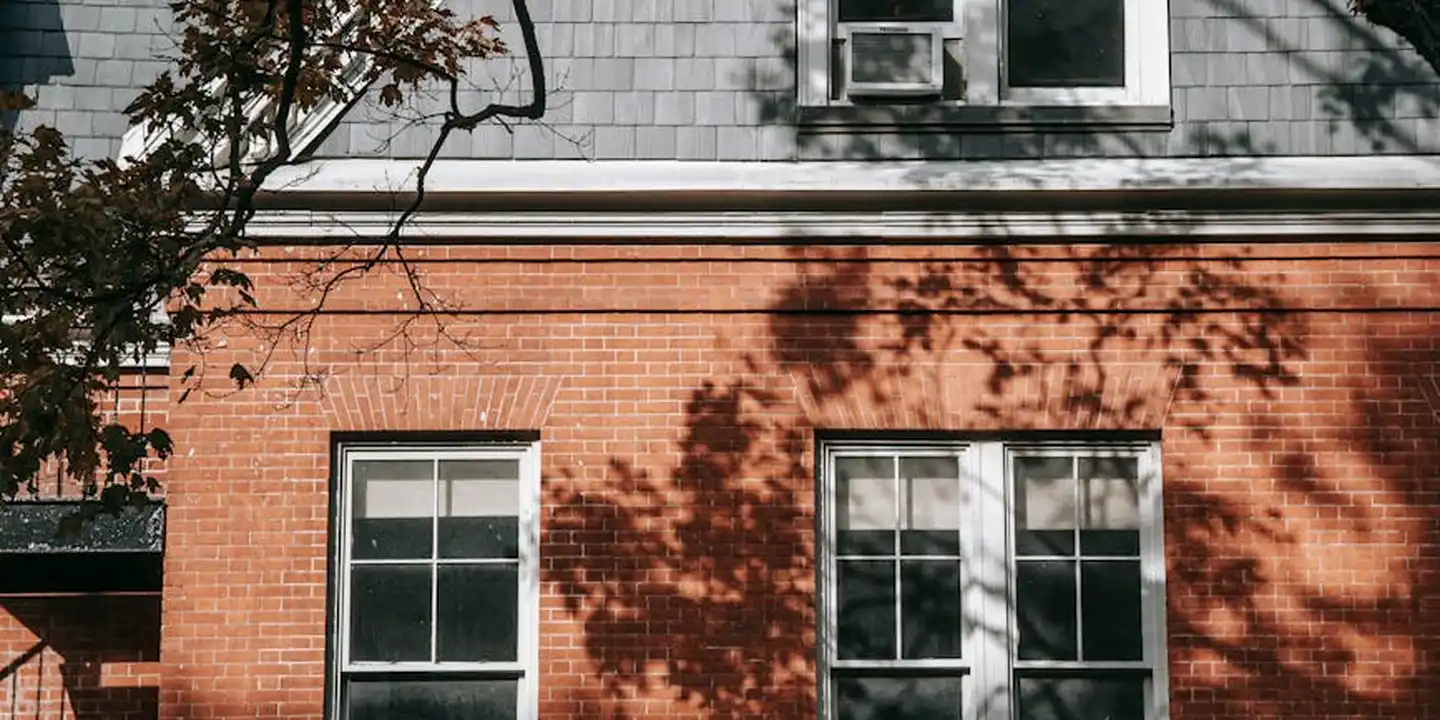
Think of this section as a leak point analysis. A roof’s field might look perfect, but the real trouble starts at the intersections. Valleys, chimneys, and flashing points are where water is directed and concentrated. They fail first. Cleaning these spots is less about making them shine and more about giving them a close inspection while you’re up there.
Your goal here is to clear blockages and, more importantly, spot small problems before they become big, wet ones inside your house.
How Do You Clean Roof Valleys?
The valley is your roof’s gutter. All the water from two slopes meets here and rushes downward. When it clogs, water backs up under the shingles. I’ve seen too many leaks start this way.
Never use a pressure washer in a valley. The force can blast apart the shingle edges and tear the waterproofing layer beneath.
Here is the right way to do it.
- Remove debris by hand. Wear gloves and pull out leaves, pine needles, and twigs. Start at the top and work down.
- Once the big stuff is gone, use a garden hose on a gentle shower setting. Start at the top of the valley and let water run down.
- Watch the flow. The water should run clean and fast, with no pooling. If it stalls, there might be a hidden dam of packed debris underneath the shingles.
Valleys often have a sticky, rubberized underlayment called ice and water shield for extra protection, and your gentle cleaning should never compromise it. If you see cracked shingles or exposed black material in the valley, that’s a repair job, not just a cleaning one. Call a pro.
How Do You Clean a Chimney and Its Flashing?
You need to split this job in two. The inside of the flue needs a certified chimney sweep to remove dangerous creosote. The exterior brick and the metal flashing around it are your responsibility.
For the brick, mix a mild solution of dish soap and water. Use a stiff brush (not a wire brush, it can damage mortar) to scrub. Rinse thoroughly with your garden hose. As you clean, run your fingers over the mortar joints. You’re feeling for cracks or gaps where water can seep in and freeze, which breaks the brickwork apart.
The flashing is the star of the show. This is the metal (usually aluminum or steel) that seals the gap between the chimney and the roof. Gently clear away any moss or debris sitting on it. Use a soft brush and your soapy water. Make sure to pay special attention to areas where it can cause leaks.
Your main job is to inspect. Look for gaps where the flashing doesn’t sit tight against the brick. Look for white, chalky corrosion or rust spots on the metal. Press gently on the flashing where it meets the shingles. It should not lift or feel loose. If it does, the sealant has failed or a nail has popped.
How Do You Clean Skylights, Vents, and Flashing?
These smaller protrusions are just as critical. They are holes in your roof that we’ve carefully sealed. Cleaning them keeps those seals visible and functional.
- Skylights: Use a standard mild glass cleaner and a soft microfiber cloth on the exterior. Avoid abrasive pads. While you’re there, examine the rubber or neoprene gasket that seals the glass to the frame. Pinch it gently. If it’s brittle, cracked, or shrunken, it will leak soon.
- Vents: Your plumbing vent pipes have caps to keep rain and critters out. Clear out any leaves or nests from the pipe itself and the cap. Make sure any wire mesh critter guards are intact and not clogged with fuzz.
- Flashing: This refers to the metal seals around every pipe, wall, and dormer. Gently brush away dirt. What you are looking for is separation. See if the flashing has pulled away from the wall or if the roofing cement sealing its edges is dried up and cracked. Look for shiny nail heads. If you see one, it means a nail has worked its way up and pierced the waterproof layer.
On an old job, I cleaned around a vent flashing and found the sealant was gone, replaced by a wasp nest. The homeowner had a slow leak for months they couldn’t place. A simple cleaning and inspection found it.
The Drainage System: Keeping Water Moving Away
In all my years on the job, I’ve never seen a roof fail from old age alone. It always starts with water. Your roof’s drainage system is its lifeline, and keeping it clean is the best maintenance you can do for a long roof life. Think of it like the arteries in your body; when they’re clogged, nothing good happens. Understanding residential roof life expectancy factors helps you anticipate maintenance needs and replacement timing. From materials and workmanship to climate and attic ventilation, these factors shape how long a roof will last.
How Do You Clean Gutters?
Cleaning gutters is straightforward, but safety comes first. I’ve had crew members take falls from ladders that weren’t set right. Here’s how we do it safely.
- Place your ladder on solid, level ground and secure it at the top. Having a helper steady the base is a smart move.
- Wear sturdy gloves. You’ll be handling sharp metal, nails, and wet debris.
- Scoop out the muck by hand or with a plastic gutter scoop. Work from the downspout outward to push debris toward your removal point.
- Once the bulk is out, use a garden hose to flush the gutter channel. Watch the water travel; it should run quickly to the downspout without leaving puddles behind.
- Check the gutter slope. If water pools, the gutter might be sagging and need its hangers tightened or replaced.
Downspouts are where clogs love to hide. Disconnect the lower section if you can. Run a plumber’s snake up from the bottom or blast water down from the top with your hose. Your downspout must push water at least five feet away from your home’s foundation. I use flexible extensions because I’ve seen countless basements flood from a downspout that dumps water right next to the house.
Gutter guards can help, but don’t trust them completely. They reduce how often you clean, but you still need to check underneath them every year for pine needles and shingle grit. On a repair last spring, we found guards packed solid with maple seeds, which caused an ice dam that wrecked the eaves. It’s worth weighing their effectiveness, value, and installation considerations as you compare options.
How Do You Clean Soffits and Fascia?
Cleaning these parts isn’t just for curb appeal. It’s your best chance to catch small problems before they get expensive. Use a long-handled, soft-bristle brush and a bucket of soapy water to scrub from your ladder. Rinse gently with a hose. I never use a pressure washer here; it can blast water up under the shingles and rot the wood from the inside.
As you clean, look closely. The soffit and fascia area is a prime spot to find wood rot, pest entry holes, and peeling paint. Tap on the wood. If it sounds hollow or feels mushy, you’ve got rot. I once found a family of raccoons had pulled back a loose soffit vent to get into an attic.
Your gutters hang directly from the fascia board. If the fascia rots, the gutter hangers lose their grip, and the whole drainage system can pull away from your house. A clean, solid fascia means your gutters are secure.
The Homeowner’s Seasonal Maintenance Log
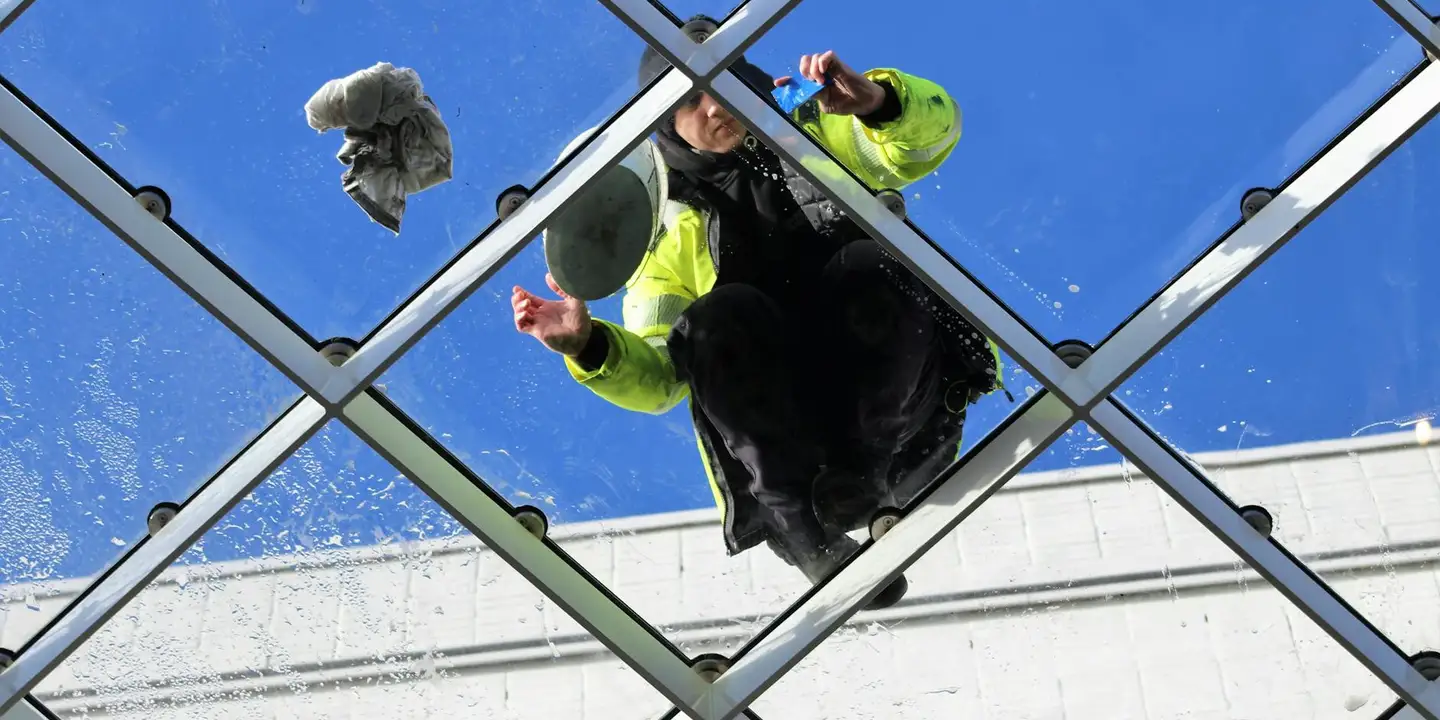
I tell every homeowner I work with to treat their roof like a favorite tool. Ignore it, and it fails when you need it most. A simple, seasonal log is the easiest way I know to add 5 to 10 years to your roof’s life, and it only takes a few hours a year. Break the year into four checkpoints. Spring and fall are for hands-on work. Summer and winter are for quick visual checks.
Spring & Fall: The Inspection & Gutter Rounds
These two seasons are your main work windows. The goal is to fix what happened and prepare for what’s coming.
Spring: The Post-Winter Checkup
- Check for winter damage. Use binoculars from the ground. Look for shingles that are curled, cracked, or missing. Pay close attention to roof valleys and around chimneys, where ice and snow cause the most stress. On a job last year, I found three broken shingles in a valley that the homeowner missed; catching it early saved their decking.
- Clear gutters of seed pods and debris. Those maple ‘helicopters’ and pine needles plug downspouts fast. Scoop them out by hand to ensure spring rains can flow freely.
- Inspect for moss and algae growth. Look for green or black streaks on north-facing slopes. Early spring sun highlights these problems. Spotting them now means a simple clean-up, not a major project.
Fall: The Pre-Winter Prep
- Clear gutters of leaves. This is the most important fall task. Clogged gutters are the main cause of ice dams. I use a plastic gutter scoop-it’s faster than gloves and doesn’t damage the gutter.
- Trim overhanging branches. Branches rubbing on shingles act like sandpaper. They also drop leaves directly into your gutters. Keep tree limbs at least 6 feet back from the roof line.
- Ensure attic ventilation is clear. From inside your attic, check that soffit vents are not blocked by insulation. I compare this to making sure your roof can breathe. Blocked vents trap heat and moisture, which rots wood from the inside out.
Spot Cleaning & Problem Prevention
Waiting for a problem to get big is the most expensive mistake you can make. Small, immediate action always wins.
Tackle moss and algae on sight. When you see a small patch, act immediately. Mix a 50/50 solution of water and white vinegar in a garden sprayer. Spray it on a cool, cloudy day so it doesn’t evaporate too fast. Let it sit for 20 minutes, then gently brush the area with a soft-bristle broom. This spot treatment prevents the organism from rooting and spreading, saving you a full roof cleaning later. Never use a pressure washer on asphalt shingles; it blasts off the protective granules.
Manage snow load in northern climates. Heavy snow can bend rafters. If you have more than 12 inches of light snow or 6 inches of wet, heavy snow, use a roof rake from the ground. Only remove the snow from the first 3 to 4 feet of the roof’s edge. This prevents ice dams from forming. I never recommend climbing onto a snowy or icy roof; the risk of a fall is too high.
The lesson from all my years on crews is simple. Consistent, minor care is what prevents catastrophic failures. A five-minute gutter check or a quick moss spray is like tightening a loose screw. It stops a small wobble from becoming a complete breakdown.
When Your Tools Go Back in the Garage: Calling a Professional
I’ve cleaned hundreds of roofs. I’ve also turned down dozens of jobs because I knew the homeowner was better off calling a specialist. Knowing your limits isn’t a weakness, it’s smart.
Here are the clear signs that your roof cleaning project needs a pro:
- Steep Pitch Roofs: If your roof slope is steeper than a 6/12 pitch (that’s 6 inches of rise for every 12 inches of run), it’s a hard no for DIY. Your footing is unreliable, and a fall is likely severe.
- Multi-Story Homes: Height multiplies risk. Working on a second-story roof or higher introduces a danger level that proper training and equipment are designed to manage.
- Extensive Moss or Lichen: A few patches you can handle. When an entire slope is a green carpet, the root systems are deep. A pro uses specific, roof-safe treatments to kill it at the root without harming shingles.
- Suspected Structural Damage: If you see sagging, cracked rafters, or rotten decking from the attic, stop. Cleaning it will not fix it, and you could make it worse by adding weight or water.
What You’re Paying For: The Pro Standard
Hiring a pro isn’t just about them doing the work you can’t. It’s about them doing it correctly. Don’t hire anyone who shows up with just a pressure washer.
A reputable service will use a soft wash system, which applies cleaning solutions at low pressure. High-pressure washing strips granules from asphalt shingles and damages tile and wood. I’ve seen it ruin a roof in an afternoon.
Their safety protocol is non-negotiable. Look for harnesses, proper roof anchors, and slip-resistant footwear. For roof anchor installation safety, ensure workers use safety harnesses and secure ladders. They should also carry both liability and worker’s compensation insurance. Proper ladder safety and anchor installation reduce fall risks on every roof. This protects you if something goes wrong.
The final deliverable should be more than a clean roof. You should receive a detailed inspection report noting any minor issues they spotted, like a cracked vent boot or a loose piece of flashing. This turns a cleaning into a preventative maintenance service.
My advice after thirty years? A clean roof is a long-lived roof, but a safe job is the only job.
Common Questions
Are gutter guards worth it, or do they cause more problems?
They reduce major clean-outs but aren’t “install and forget.” You must check underneath them yearly for fine debris like pine needles and shingle grit, which can block water flow and cause ice dams.
What’s the one sign my chimney flashing needs repair, not just cleaning?
If the metal flashing feels loose or you can lift it easily away from the chimney brick or roof shingles, the sealant has failed. Cleaning won’t fix that-it requires a professional re-seal to prevent leaks. For a practical, step-by-step reference, our chimney flashing repair guide can walk you through the next steps. It covers inspection, prep, and when to call a pro.
What’s the biggest mistake homeowners make when cleaning their own roof?
Using a pressure washer on asphalt shingles. It blasts off the protective granules, drastically shortening your roof’s life. Always use a low-pressure wash or gentle hand cleaning method instead.
Your Blueprint for Ongoing Roof Care
The most important lesson is to match your cleaning method to your roof’s specific material every single time. This simple habit prevents most damage and keeps your home dry and secure for the long run.
You hold the keys to your roof’s lifespan by making safety and regular inspection non-negotiable. I encourage you to keep building your knowledge with trusted resources, like our detailed All Types of Roof Guide, for reliable care and maintenance insights.
Ray Huffington
Ray is an experienced roofer. He has worked as a general contractor in the roofing industry for over 15 years now. He has installed and repaired all kinds of roofs, from small houses to large mansion, and from basic shingles to cement and metal roofs and even solar roof panels. He has seen homeowners struggle with roofing questions and always has experience based proven advice to help those in need. If you need roof pros, Ray's your guide.