
Can You Replace or Repair a Roof in Winter? A Roofer’s Guide to Risks and Best Practices
Noticed a leak or missing shingles as the temperature drops? You’re probably wondering if it’s even possible to fix your roof now, or if you’re stuck waiting for spring. Having patched roofs in sleet and shoveled snow off eaves, I know winter work is different, but often necessary. In this guide, I’ll cut through the cold weather confusion and give you the straight talk on getting your roof secured safely.
We’ll look at the specific risks ice and short days create. I’ll outline the non-negotiable safety steps for any winter job. And I’ll explain how proper material handling leads to a durable fix.
Can You Really Replace or Repair a Roof in Winter?
Yes, you can get a new roof in winter, but you must respect one non-negotiable rule.
The primary limiting factor is air and surface temperature, not the presence of snow. In regions with heavy snow, roofing must maintain structural integrity and manage ice dam risk. Think of modern roofing materials like a strip of glue on a envelope. They need specific warmth to activate and form a permanent seal.
Here are the critical temperature thresholds for common materials I’ve worked with.
- Asphalt Shingles: The adhesive strips typically need consistent temperatures above 40°F (4°C) to seal. Below that, they might just sit there, leaving your roof vulnerable to wind uplift.
- Rubber (EPDM): This material gets stiff and uncooperative below 50°F (10°C). The lap sealants used with it often won’t cure properly in the cold, risking leaks.
- Metal Panels: The metal is fine, but the closure strips and sealants usually require application above 20°F (-7°C) to adhere correctly.
- Sealants and Cements: Always check the tube. Most have a minimum application temperature around 40°F (4°C). Using them colder is like trying to spread cold butter.
Professional crews can sometimes work around these limits. I’ve used heated adhesive packs on shingle bundles and kept sealant tubes in my pockets to warm them up. These techniques help, but they add time and complexity to the job.
The Real Risks: More Than Just Cold Fingers
The dangers of winter work go far beyond a simple slip. They stack on top of each other, creating compound hazards.
Ice accumulation is a major threat. Even a thin layer of frost or an ice dam creates a falling hazard for workers and makes the roof surface dangerously unstable. You’re not just walking on shingles, you’re walking on a slide.
The structure itself changes in the cold. Frozen roof decking and underlayment become brittle and prone to cracking when nailed. On a job years ago, we had to delay because the plywood was so cold it split with every nail, creating future leak points.
Shortened daylight hours force a brutal choice. Less sun means either rushing the work to finish or paying for overtime labor, which increases your project cost. Rushed work in fading light is how mistakes happen.
Protecting your home’s interior becomes a critical battle. During the tear-off phase, your attic and living space are exposed to winter wind, snow, and cold, requiring meticulous temporary sealing efforts. It’s a step you can’t afford to skip.
Roof Integrity Report: Is This a Winter Repair or a Spring Replacement?
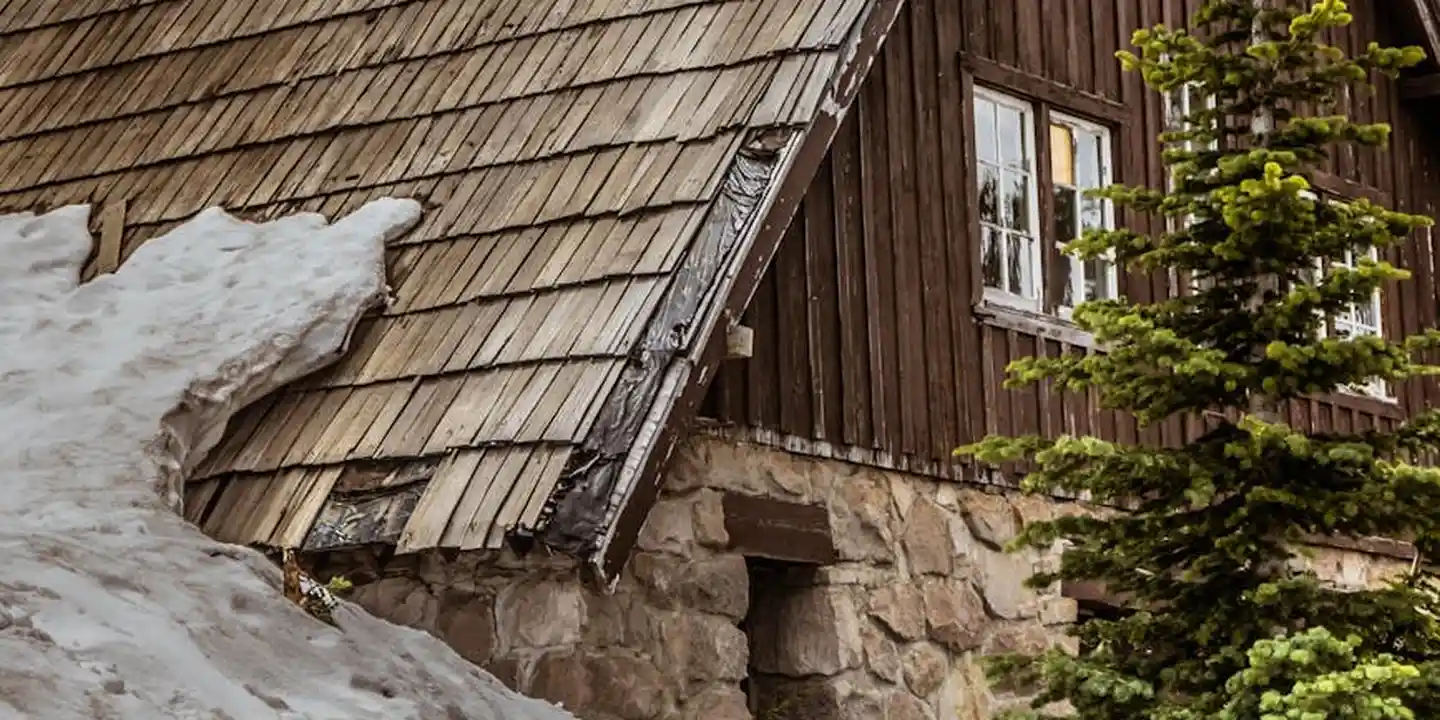
Winter weather finds weaknesses. Your first job is to figure out if the problem is a small wound or a sign the whole roof is finished. Use this simple decision framework.
Start by considering your roof’s age. A typical three-tab asphalt roof lasts 15-20 years. Architectural shingles can go 25-30. If you have a 20-year-old roof and a leak appears in January, that’s likely its final message, not bad luck.
Winter often accelerates the failure of a roof that was already on its last legs.
Red Flags for Full Replacement
Some problems mean a repair is just throwing money away, even in summer. If you see these signs, plan for a full replacement as soon as weather allows.
- Widespread Leaks: Water showing up in multiple rooms or across a wide area of the attic points to systemic failure, not one bad spot.
- Sagging Roofline: This is a major structural warning. A dip or curve in your roof ridge or plane suggests decking or rafters are compromised by long-term moisture.
- Multiple Failed Shingles: More than just a few lifted or missing tabs, especially across different slopes, indicates the sealing strips are gone and the material is brittle.
- Granules in Gutters Year-Round: A few granules after a storm is normal. A constant pile of them means the shingles are shedding their protective layer and are done.
Green Lights for Winter Repair
Targeted fixes in cold weather are not only possible but often necessary. These are localized failures on an otherwise sound roof.
- Isolated Ice Dam Leak: Ice dams force water under shingles. Fixing the leak path and improving attic ventilation is a classic winter repair job.
- Wind-Damaged Shingles: A storm tears off a dozen shingles on one slope. Replacing them with cold-weather techniques seals the house back up.
- Failed Pipe Boot or Vent Seal: Rubber boots crack over time. Water follows the pipe right in. Swapping a boot is a standard, focused repair.
- Damage from a Fallen Branch: A limb punches a hole in one section. We can patch that area with a proper integration to the existing roof.
Step one is always a proper inspection, but you must do it safely.
How to Inspect Your Roof Safely in Winter
Do not get on a ladder or your roof in winter. Ice, snow, and cold rungs make it dangerously unstable. Your inspection happens from two safe places: the ground and the attic.
From the ground with binoculars, look for:
- Ice Dams: Thick ridges of ice at the eaves.
- Heavy, Uneven Snow Loads: Drifts that look much deeper in one area.
- Visible Sagging: Any dip or curve in the roofline.
- Missing or Lifted Shingles: Dark patches or obvious flapping pieces.
In your attic (with a good flashlight), look for:
- Daylight Through the Deck: Any pinpricks of light mean holes where water will follow.
- Water Stains or Streaks: Dark marks on the wood or stains on insulation.
- Damp or Matted Insulation: Insulation that’s wet, compacted, or discolored.
- Mold Growth: Black or green speckling on rafters or sheathing.
If you see concerning signs from the ground, the attic inspection will usually confirm it. This information is what a professional roofer needs to give you a straight answer.
Winter Roofing Best Practices: How the Pros Do It
Winter work requires different methods, not just harder work. Here’s how we handle common materials when the temperature drops.
For Asphalt Shingles
Cold shingles are brittle and their adhesive strips won’t seal. We have to work around that.
- Cold-Weather Nailing: Nails must be driven perfectly flush. In cold shingles, an overdriven nail can crack the tab. An underdriven nail won’t hold. It’s a slower, more precise hammering pattern.
- Hand-Sealing: Since the factory adhesive won’t activate, we hand-seal every new shingle tab with a high-quality roofing cement applied with a caulk gun. This creates an instant, flexible bond.
- Material Management: We keep shingle bundles in a heated trailer or truck until the moment they go on the roof. Installing a warm shingle is far easier and safer than a frozen one. On some jobs, we’ll even use a portable heater to warm a small section of deck before laying shingles.
The goal is to create a mechanical and chemical seal since the thermal seal is offline for the season.
For Rubber (EPDM) Roofs
Yes, you can install a rubber roof in cold weather, but surface temperature is everything. Air temperature is almost irrelevant.
- Surface Temperature is Key: The adhesive bonds to the roof deck or insulation, not the air. We use infrared thermometers to check the surface temp. If it’s below 40°F (4°C), we often use a propane torch to gently and evenly warm the area, a process called “sweating.”
- Cold-Weather Adhesives: We switch to specially formulated adhesives designed for lower temperatures. They have different application and curing characteristics, so we follow the manufacturer’s cold-weather specs exactly.
- Seam Preparation: Seams are the most critical part. We clean the seam area with a dedicated primer, even in the cold, to ensure the adhesive gets a perfect grip. Rolling seams gets extra attention to press out any air pockets.
For Metal Roofs
Handling frozen metal requires care to avoid injury and ensure a lasting install.
- Handling Frozen Panels: Metal panels are slick and cold-brittle. We wear cut-resistant gloves and move panels carefully to avoid warping or creating micro-fractures at the edges.
- Fastener Seating: We drill pilot holes to prevent the metal from cracking. Fasteners are driven to a precise torque, creating a compression seal without over-tightening and damaging the cold metal or the gasket.
- Sealant Application: Roofing sealants (like butyl tape or lap sealant) become stiff and unworkable in the cold. We keep tubes and rolls in a heated box and apply them quickly to warm panels before they chill. This ensures they flow and seal properly.
For Emergency Repairs
Before a pro can arrive, you can take safe, temporary action to limit damage.
- For Heavy Snow Load: Use a roof rake from the ground to gently remove snow from the lower 3-4 feet of your roof. This can prevent ice dam formation and reduce stress. Never get on the roof to shovel.
- For a Known Leak: In the attic, you can place a bucket under an active drip. For a wider leak, a tarp draped over the affected area inside the attic can channel water toward a drain. Do not attempt to nail or staple anything to the roof deck from the inside.
- For Ice Dams: You can fill a nylon stocking with calcium chloride ice melt and lay it vertically across the ice dam. This will melt a channel through the dam to allow water to drain. Avoid rock salt, as it can damage roofing and gutters.
These are temporary holds, not fixes. Their only job is to buy you time until a professional crew can perform a proper, permanent repair.
Pro-Only Hazard & Safety Assessment: Why This Isn’t a DIY Season

Let me be direct. You should not be on your roof in winter. This isn’t about skill. It’s about conditions that change the rules completely. What looks like a simple shingle repair in July becomes a high-stakes balancing act in January. Knowing the right safety practices is crucial.
A professional crew comes prepared for a hostile environment. Their safety gear is non-negotiable and includes:
- Full fall arrest systems (harness, rope, secure anchor).
- Roof jacks and planks to create stable work platforms.
- Proper ice cleats for boots, not just cheap slip-ons.
- Cold-weather gloves that allow for dexterity.
- Reliable communication devices for constant crew contact.
Winter amplifies every normal roof risk. The pitch of your roof feels steeper when it’s sheathed in ice. Power lines, usually flexible, become taut, frozen hazards. The biggest danger is often what you can’t see: clear ice. It forms a smooth, glass-like layer on shingles or metal that is utterly invisible. One step onto clear ice is a guaranteed fall, with no warning at all, and can lead to costly damage to your roof.
I learned this lesson on a “quick” leak patch years ago. The roof was low-pitch, the sun was out, and it seemed safe. I stepped onto a shaded section near a valley. My boot found clear ice under a dusting of snow. My feet went out from under me instantly. I slid six feet toward the edge before my jacket caught on a vent pipe. It was silent, fast, and humbling. There was no drama, just a sudden, sobering realization of how wrong things can go in seconds. That day cemented my rule: winter means protocols, not shortcuts.
Finding and Hiring a Winter Roofer (And What It Should Cost)
Many roofing companies slow down or stop when temperatures drop. They lack the specialized equipment or willingness to work in the cold. The roofers you want are the ones who plan for it. Look for companies that advertise winter services or have clear cold-weather protocols on their website.
When you get an estimate, read it carefully. A serious winter roofer will break out the extra costs and preparations. Their quote should have clear line items for:
- Winter setup and safety rigging.
- Heated trailers or tents for storing shingles and adhesives.
- Tarps and interior protection for your home.
- Detailed site preparation and cleanup plans.
Expect to pay a premium. A well-organized winter job typically costs 15% to 25% more than the same job in ideal weather. This isn’t a markup. It’s the cost of working slower, using more equipment, and managing significant risk. You are paying for their expertise in risk management, not just labor.
Your questions should be specific. Don’t just ask if they work in winter. Ask how. Here are two that separate the prepared from the hopeful:
- “What is your cold-temperature work plan for my asphalt shingles (or metal, tile, etc.)?” They should mention adhesive strips, hand-sealing, or specific installation temps.
- “How will you protect my home’s interior from cold air and dust during the tear-off?” They should describe a process for sealing the work area from the living space.
The right crew will have confident, detailed answers. They see your winter project not as a problem, but as a job they are equipped to handle correctly.
The Seasonal Maintenance Log: Your 5-Year Winter Prep Plan
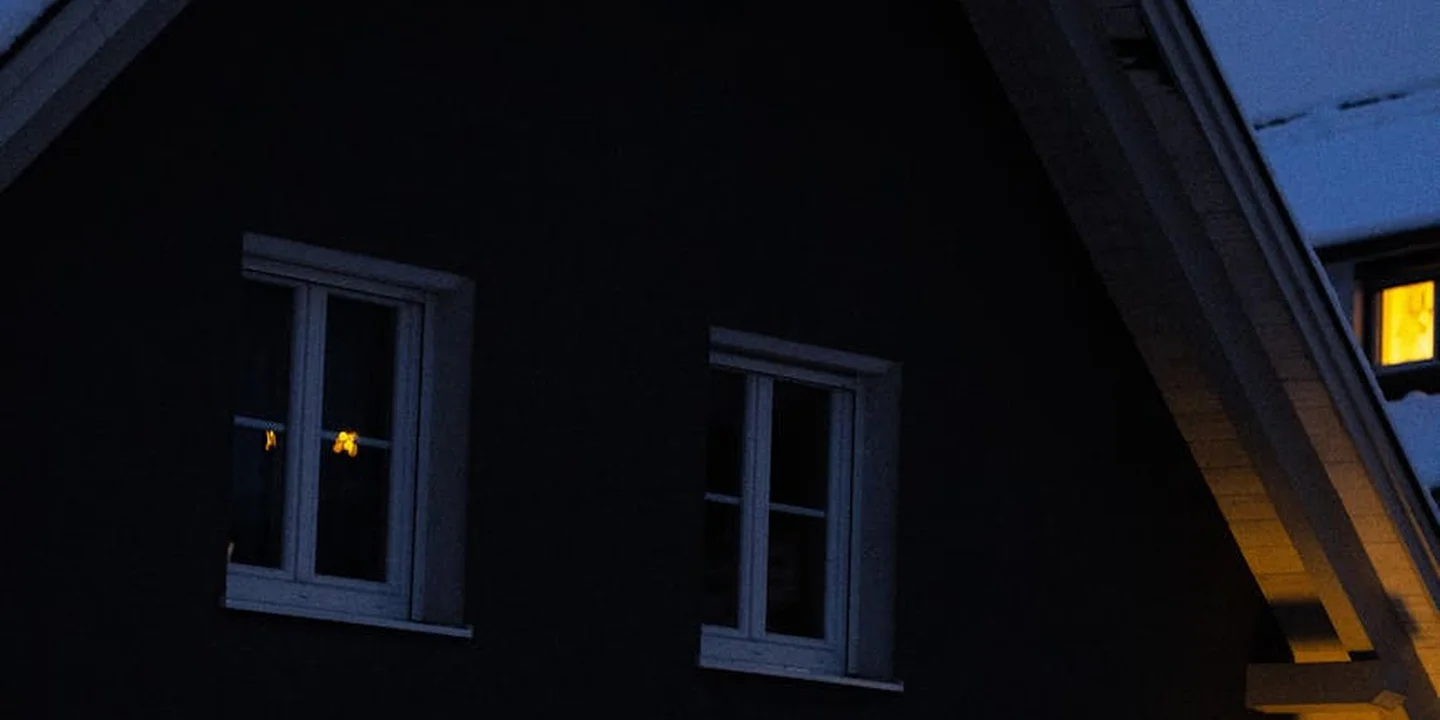
Think of your roof like a good winter coat. You don’t wait for a blizzard to find a hole in it. You check it every fall. That mindset shift from reactive to proactive is the single best way to avoid a panic call during a snowstorm.
Most catastrophic winter leaks start as tiny, manageable problems in the fall. I keep a simple log for my own house, just notes on a calendar. Five years of consistent, seasonal care adds years to your roof’s life.
Homeowner’s Fall Maintenance Routine
Do this work on a dry, clear fall day. Your future self will thank you.
- Clean Gutters and Downspouts: This is non-negotiable. Clogged gutters are the number one cause of ice dams. Water needs a clear path off your roof and away from your foundation.
- Inspect Flashing: Look at the metal around your chimney, vent pipes, and where roof planes meet. You’re looking for cracks, rust spots, or sections that have lifted. These are primary leak points.
- Trim Overhanging Branches: Snow and ice add tremendous weight to branches. A limb scraping on shingles wears off the protective granules. A fallen branch can puncture the roof deck.
- Check Attic Ventilation: This is the secret weapon against ice dams. Go into your attic. Feel for dampness. Look to see that insulation isn’t blocking soffit vents. A cool, dry attic means a cold roof, which prevents snow from melting and refreezing at the edges.
Proper attic ventilation is like having a thermostat for your entire roof, preventing the cycle of melt and freeze that causes ice dams. If your attic feels hot in the fall, it will be a problem in the winter. A well-tuned roof ventilation system keeps attic air balanced by moving hot air out and drawing cool air in. That balance protects shingles, insulation, and overall roof longevity.
In-Winter Vigilance
Winter is the test for your fall prep. Your job now is safe monitoring and knowing when to act.
Safe Snow Load Management: If you get heavy, wet snow, a roof rake can help. But use it correctly. Always work from the ground, never from a ladder on top of snow or ice. Use a lightweight, extendable rake and only remove the bottom foot or two of snow from the roof’s edge. You’re not trying to clean the whole roof, just relieving pressure at the eaves where ice dams form. This approach complements regular maintenance to ensure your roof’s snow load capacity is not exceeded.
Spotting Ice Dams Early: Look for thick ridges of ice building up at your gutters or roof edge. Inside, check for water stains or moisture in the attic or along the tops of exterior walls. An ice dam isn’t just an ice problem, it’s a sign your attic is too warm.
“Call a Pro Now” vs. “Monitor It”:
- Call Now: You see active dripping or a sagging ceiling. You hear cracking noises from the roof structure. There is a sudden, large icicle formation from a specific spot, indicating a leak above.
- Monitor It: A small, consistent ice dam with no interior moisture signs. Light snow accumulation that’s uniform. Minor, isolated icicles from gutters after a melt cycle.
My crew and I have fixed too many springtime disasters that started as a minor winter issue someone ignored. A small ice dam this year is a guaranteed leak point next year if the attic ventilation isn’t corrected. Consistent, seasonal attention stops a $500 fix from turning into a $5,000 emergency repair after the thaw. Your roof’s lifespan depends on this simple, yearly rhythm of care.
Quick Answers
What’s the one thing I should never do to my roof in winter?
Never get on your roof yourself. Ice and cold make surfaces deceptively unstable, and a fall is almost guaranteed. Your inspection and any temporary measures must be done from the ground or the attic. For roof snow removal safety, use a roof rake from the ground. If in doubt, hire a professional.
My roof is leaking now. What’s the safest temporary fix I can do?
From inside your attic, place a bucket under the drip. For a wider leak, carefully drape a tarp to channel water toward a drain. These are only holds to limit damage until a pro can make a permanent repair.
How do I know if a roofing crew is prepared for winter work?
Ask them for their cold-weather material plan. A prepared pro will detail how they’ll warm materials and hand-seal shingles or use cold-weather adhesives, as factory seals won’t activate in the cold.
Your Blueprint for Winter Roof Success
From my crew’s experience, the most vital rule is to match your project to the weather, not the calendar. A well-planned repair on a stable, cold day always beats a rushed job in a storm.
Owning a roof means committing to its care; make safety and routine checks your non-negotiable habits. Keep building your knowledge on materials and maintenance – it’s the best tool you have for a lasting home.
Further Reading & Sources
- Roofing in Winter? Cold Weather Tips for Single-Ply Roofing Material | Commercial Roofing, Wall and Lining Products
- Get Your Roof Ready for Winter – Roof Winterization Tips – IKO Shingles
- 7 Winter Roof Maintenance Tips Every Homeowner Should Know | Landmark Roofing
- Best Practices for a Winter Roof Replacement
- Roofing in Winter: What Contractors Need to Know
- The Professional Guide to Roofing in the Winter – HeatAuthority
Ray Huffington
Ray is an experienced roofer. He has worked as a general contractor in the roofing industry for over 15 years now. He has installed and repaired all kinds of roofs, from small houses to large mansion, and from basic shingles to cement and metal roofs and even solar roof panels. He has seen homeowners struggle with roofing questions and always has experience based proven advice to help those in need. If you need roof pros, Ray's your guide.