
How Do You Choose Siding Colors to Match Your Existing Roof Color?
Staring at your house and wondering if the siding and roof colors actually work together? I’ve been on that ladder with homeowners more times than I can count, feeling that same uncertainty. Your goal isn’t just to pick a color you like, but to create a unified look that protects your home’s value and curb appeal.
I’ll show you how to read your roof’s true color, not just the shade you think you see. You’ll learn my straightforward method for pairing tones that complement instead of clash. We’ll cover the practical step of testing samples so you can be confident in your choice.
Key Takeaways: Your Quick-Start Guide from a Roofer
- Your roof isn’t just “brown” or “gray.” It has subtle undertones you must read, like red, gold, or blue. Matching these is more important than the main color.
- Your home’s architectural style has unwritten color rules. A modern farmhouse has different needs than a Craftsman bungalow.
- Maintenance directly impacts color longevity. A darker siding color will show dirt and require more frequent cleaning to keep the look you chose.
This process is about creating visual harmony, not finding an exact match. When siding and roof work together, you boost your home’s curb appeal and protect its long-term value.
Step 1: Diagnose Your Roof’s True Color – It’s More Than Meets the Eye
Picking a siding color without truly seeing your roof is like a doctor prescribing medicine without checking your symptoms. You have to get the diagnosis right first. I tell homeowners to grab a notebook, a ladder if it’s safe, and do this simple three-part inspection.
What’s Your Roof’s Primary Color and Material?
The material of your roof changes how color works. A “charcoal” asphalt shingle has a granular, textured look. A “charcoal” metal roof is often a solid, reflective sheet. Terra cotta tiles have a deep, earthy hue that changes when wet.
Stand back across the street on a clear day. Write down the first color that comes to mind. Is it black, brown, gray, or something like terra cotta? Next, note the material. This is the foundation of your entire color plan.
For example, a common question I get is, “what color for metal roof for grey house?” The answer starts here: identify if that grey metal roof is a cool, steely grey or a warm, pewter grey before you even look at siding samples. In hot, cold, and humid climates, how a metal roof handles heat—reflectivity and cooling performance—can affect comfort and energy use. So color is only part of the picture.
How to “Read” the Undertones in Your Shingles or Panels
This is the secret step most people miss. Look closely at an individual shingle or panel. A “brown” roof might actually have tiny flecks of rust red, gold, or even gray. A “black” roof might have deep blue or green undertones. These details become important when you explore roof shingle color choices. Subtle color flecks can influence how a shade looks in different lighting and from the street.
The best way to see this is to check your roof at three different times: morning, noon, and late afternoon. Sunlight reveals different tones. What color hints do you see in the shadows of the granules or the way the light reflects?
Don’t Forget the Roof’s Accents: Gutters, Flashing, and Vents
Your roof isn’t just shingles or tiles. Look at the metal trim. Do you have white aluminum gutters, dark brown copper flashing, or silver vent pipes? These are your roof’s accent colors.
I once worked on a house where the homeowner wanted to match their brown roof. They didn’t notice the aged copper flashing had a beautiful green patina. We used that as our accent inspiration for the shutter color. These details matter.
Your siding color needs to work with these existing accents, not fight against them. If you have bright silver vents, a warm beige siding might clash, while a cooler gray could tie it all together.
Step 2: Consider Your Home’s Fixed Features and Architectural Rules

Choosing siding color is like buying clothes for your home’s bones. You’re working with a structure that already has a shape, style, and permanent features. The roof is one big piece of that puzzle, but it’s not the only one.
You need to look at everything else that isn’t changing so your new siding doesn’t create a visual argument with your house.
What Does Your Home’s Architectural Style Demand?
Different home styles have unwritten color rules. Ignoring them can make a house look “off,” even if you can’t pinpoint why. Start by asking yourself: What is the architectural style of your home?
A Craftsman bungalow, for example, looks natural in earthy, grounded colors like forest green, deep brown, or muted slate. A sleek modern box can handle a bold, high-contrast palette, like charcoal siding with a light gray metal roof. A traditional colonial often looks right with classic, conservative combinations.
I once consulted on a Tudor-style home where the owner wanted bright blue siding. The dark brown roof and heavy timbering just fought against it. We shifted to a creamy off-white, and the whole house snapped into harmony.
Evaluating Your Existing Trim, Windows, and Brickwork
Your trim, front door, window frames, and any brick or stone are your color anchors. Your siding doesn’t have to match them, but it must work with them. Ask: What is the color and material of your existing trim and accents?
If you have bright white vinyl windows and trim, you have a clean slate that pairs with almost any siding color. If your trim is a warm almond or a stained wood, your siding needs a complementary warm or neutral tone.
This is especially key for brick homes. For a red brick house with a brown roof, you’d look at siding colors pulled from the brick’s mortar or a neutral tone in the brick itself, like a warm gray or cream. The siding should bridge the gap between the roof color and the brick color, creating a unified look. The same logic applies if you’re figuring out what color for a house with a brick metal roof-the siding must relate to both the brick’s hue and the metal roof’s finish.
Checking HOA Codes and Neighborhood Vibe
This is the practical reality check. Before you get your heart set on a color, you must do the homework. Always ask: Are there any homeowner’s association (HOA) rules or local guidelines to consider?
Many HOAs have approved color palettes or rules against certain bright or dark colors. Some historic districts have strict guidelines. Even without formal rules, look at your immediate neighbors.
You don’t have to copy them, but a neon green house in a row of taupes and grays will stick out (and not in a good way for resale). Getting a copy of the covenants or talking to your HOA board first can save you from expensive disappointment later.
Step 3: Look Outside Your Property Lines – Environment and Ambition
This step is about context and personality. It ensures your home fits its setting and reflects your vision, not just a formula.
Blending with Landscape: Trees, Soil, and Neighboring Homes
Your house doesn’t sit in a vacuum. It’s part of a landscape. Stand across the street and really look. Ask yourself: What are the dominant colors in your home’s surrounding landscape?
Is your yard full of evergreen trees? Greens and browns from the landscape naturally push you toward earth-tone sidings. In a desert area with tan soil and sagebrush, colors like sand, terracotta, or pale green often look like they belong. In an urban streetscape of grays and blacks, a wider modern palette works.
Blending doesn’t mean camouflaging. It means choosing a color that won’t clash with the dominant backdrop you see every day.
Defining Your Goal: Bold Statement or Subtle Blend?
Now, what do *you* want? This is your chance to decide the home’s character. So, what is the overall look you are trying to achieve (e.g., bold, subtle, traditional, modern)?
For a subtle, blended look, choose a siding color that’s in the same color family as your roof but a few shades lighter or darker. A gray roof pairs with light gray siding. A brown roof works with tan or beige.
For a bold statement, use contrast. This is where you can play with complementary colors. A classic bold choice is a deep navy or charcoal siding with a light stone-colored roof. If you have a green metal roof, for example, a deep charcoal or black siding can create a stunning, dramatic contrast that makes the roof pop. Just be sure the rest of your home’s style and fixed features can carry that boldness.
The RoofMason Material Verdict: Siding Types vs. Your Roof
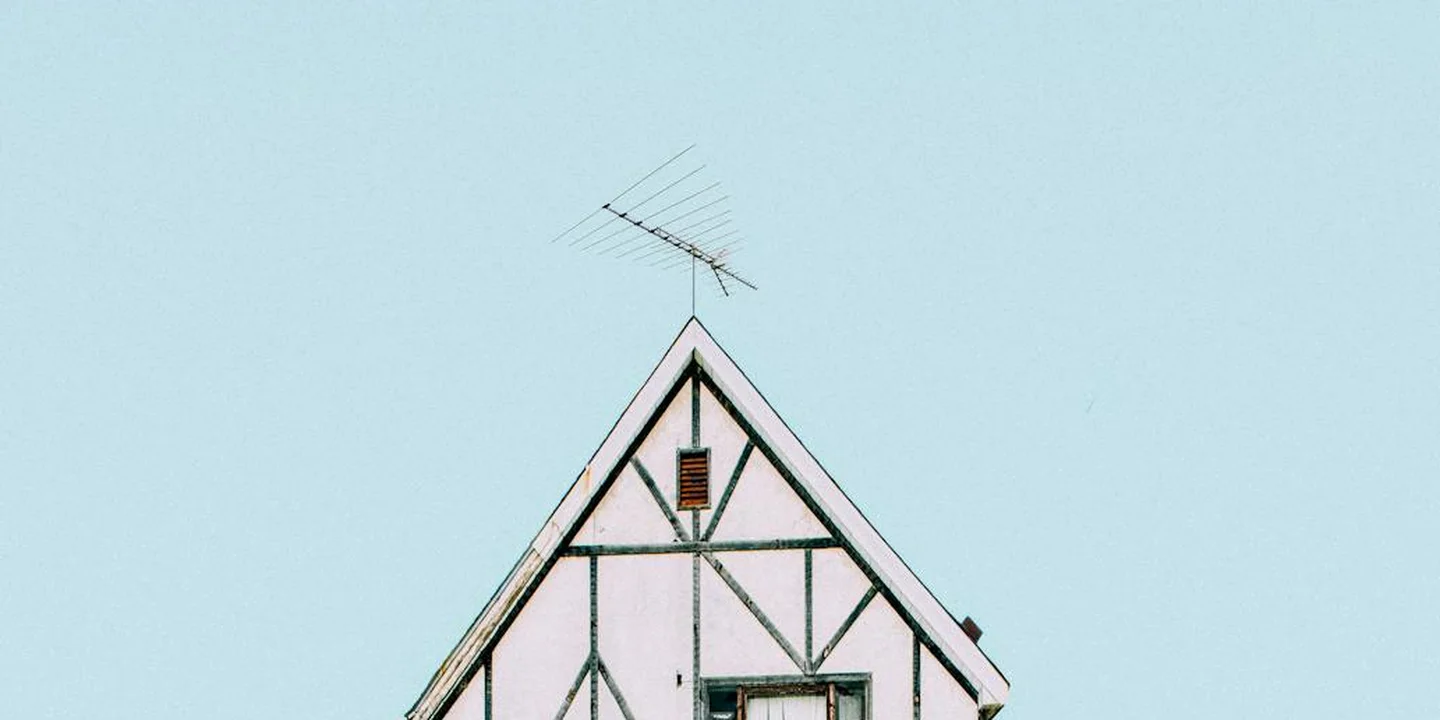
Think of siding like a good work jacket. It needs to hold its color and protect your home for years, all while looking right with the hat (your roof) you are already wearing.
This is where material choice matters as much as color. I have seen beautiful color combos ruined in five years because the siding faded or warped next to a stable roof shingles. Let us break down the common options.
Vinyl Siding: The Budget-Friendly Workhorse
Vinyl is the most common siding I see. It comes in every color you can imagine and costs less up front than other materials.
The catch is that vinyl color is baked in, so it can fade over 10 to 15 years, especially in strong sun. Darker vinyls can also expand and contract a lot with temperature swings, which stresses the panels.
It pairs just fine with standard asphalt shingle roofs. If your roof is a mix of charcoal and brown, you can find a vinyl beige or tan that works. Just know they may age at different rates. For an accent like on roof gable ends, color metal siding is popular but costs more than vinyl. You are paying for that durability and crisp look. If you’re mixing metal accents with asphalt shingles, consider asphalt–metal roofing considerations like expansion, fastener compatibility, and wind uplift. These factors help ensure a durable, cohesive look and performance.
Fiber Cement: The Durable Chameleon
This is my go to recommendation for a balance of looks and toughness. Fiber cement, like Hardie board, is a beast. It is fire resistant, stands up to hail, and the paint finish lasts much longer than vinyl’s color.
Because the color holds so well, it is a perfect partner for long lasting roofs like metal or clay tile. You will not have to worry about your sage green siding turning pale while your terracotta roof stays vibrant for decades. It handles the bold, solid colors of a metal roof beautifully.
Engineered Wood and Metal Siding
These are for specific looks.
Engineered wood gives you that classic cedar appearance without the high cost. It needs regular paint or stain maintenance, so factor that into your long term plan. It looks great with wood shake roofs or rustic styled shingles.
Metal siding, often steel or aluminum, is incredibly tough. We often use it specifically on roof gable ends for a sharp, architectural contrast. It can match a standing seam metal roof for a seamless modern look. The color is usually a coated finish that is very durable against the elements.
Putting It All Together: Testing and Finalizing Your Choice
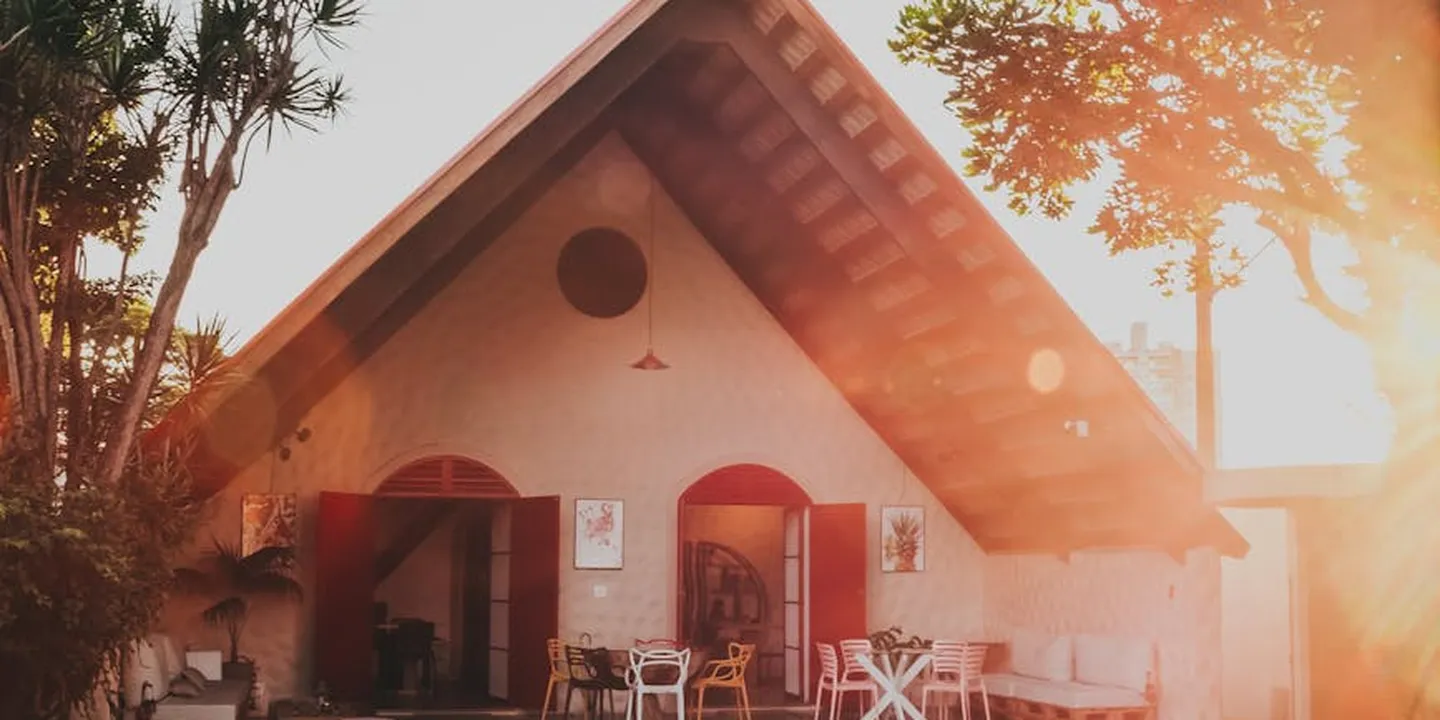
Now comes the fun part. You have your roof color notes and a material in mind. Time to test your ideas in the real world.
Solving Common Color Puzzles: Real-World Examples
Homeowners ask me the same color questions all the time. Here is my field tested advice.
Does gray siding go with a brown roof? Absolutely. This is a classic, safe combo. Match a warm gray (with beige or tan undertones) to a brown roof. Avoid cool, blue based grays, as they can clash.
What color siding is best for a black roof? A black roof is a neutral powerhouse. It works with almost anything. For high contrast, go with bright white or light gray. For a more subdued look, try deep navy, forest green, or even a rich charcoal. Considering metal roof types and materials can broaden your options for different home styles. The right metal roof style often pairs best with particular siding colors.
Choosing colors for a gray or silver roof. First, figure out if your gray roof is warm or cool. A warm gray roof pairs with cream, tan, or olive green siding. A cool, bluish silver roof looks sharp with crisp white, light blue, or a darker slate gray siding. If you’re considering a metal roof, the color choice matters as much as the metal itself. The next steps will guide you on how to choose metal roof color.
Tools You Can Trust: From Paint Swatches to Digital Visualizers
Do not pick a color from a brochure in your living room light. Trust me, I have seen the regret.
Get large physical swatches from your siding supplier. Tape them to your house. Look at them in morning light, at high noon, and at dusk. Color changes dramatically.
Use manufacturer online visualizers to get a rough idea. Some simple phone apps let you take a picture of your house and “paint” it. These digital tools are a great starting point, but never rely on them alone. Your eyes on the actual sample are the final judge.
The Final Checklist Before You Commit
Run down this list before you sign the contract or buy the first panel.
- I have identified the undertone (warm, cool, neutral) of my existing roof.
- My chosen siding material fits my budget and climate (vinyl for cost, fiber cement for durability, etc.).
- I have obtained large physical samples of my top 2-3 color choices.
- I have viewed the samples on my house at noon (bright light) and dusk (shadowed light).
- I have checked my HOA rules or local historic district guidelines.
- For trim and accent colors, I have a sample of that color next to the main siding color.
- The final combo makes my house look grounded and my roof look intentional, not like an afterthought.
Seasonal Maintenance Log: Protecting Your Roof and Siding Color Investment
Picking a siding color that complements your roof is a great start, but the real work is keeping that combination looking good for the long haul. From my experience on hundreds of homes, a consistent, simple maintenance routine is the single best way to extend the life of your roof and siding by 5 to 10 years. Think of it like changing the oil in your car. It is not glamorous, but it prevents expensive breakdowns. I will walk you through the seasonal checklist my own crew used to follow.
Spring: Gutter Cleaning and Moss Patrol
Once the last frost is gone, start with your gutters. This is not just about preventing puddles in your yard. Clogged gutters force water to overflow, which stains siding with ugly streaks and, worse, soaks into your roof decking where it can cause rot. I have seen beautiful, dark siding ruined by tannin runoff from wet leaves.
While you are clearing those gutters, look for moss or algae on the roof. In shady, damp areas, it grows fast. Moss holds moisture against shingles, speeding up wear and fading their color. A soft wash with a moss-killing solution can stop it. Remember, always work from a stable ladder with a spotter. Your safety is more important than a clean gutter. Also, think about cleaning the roof, chimney flashing, and gutters for a complete residential maintenance check. A little upkeep now saves bigger problems later.
Fall: Debris Removal and Inspection
Autumn leaves are more than a nuisance. When they pile up in valleys or on flat roof sections, they trap moisture. This creates a perfect home for mold and rot that eats away at your materials from the inside. Clearing this debris every fall is a non-negotiable step to protect the structure holding up your roof and siding.
This is also your best time for a close look at your siding. Walk around your house. Check for panels where the color has faded unevenly or where there are cracks, dents, or warping. Catching a single damaged vinyl panel or a cracked piece of wood siding early can prevent water from getting behind the entire wall. On one job, replacing a few warped boards saved a homeowner from a full, costly siding replacement two years later.
Year-Round: Simple Habits for Long-Lasting Color
Good roof care is not just a spring and fall chore. A few easy habits make a huge difference all year. Follow this list to keep everything looking its best—and avoid common roof care myths.
- Trim overhanging tree branches. This reduces the leaf and twig debris that lands on your roof and siding. It also lets in more sunlight, which discourages the moss and mildew that thrive in damp, shaded spots.
- Wash your siding gently. Once or twice a year, use a garden hose with a gentle spray nozzle to rinse off dirt and pollen. Avoid high-pressure washers. They can force water behind the siding and strip the color right off older materials.
- Keep an eye out for stains. If you see dark streaks or green growth, address it quickly with a gentle cleaner meant for your siding type. Letting stains sit makes them harder to remove later.
- After any big storm, do a quick visual check from the ground for missing shingles or damaged siding. Fast repairs prevent small problems from becoming big, expensive ones.
Common Questions
How do you quickly assess the undertones of your roof?
Grab a single shingle sample or a close-up photo in natural light. Lay it on a pure white piece of paper; the contrast will instantly reveal if the undertones are warm (red, gold, brown) or cool (blue, green, black).
What if your roof’s gutters or flashing clash with the shingle color?
Do not match your siding to the mismatched accent. Your siding color should primarily complement the shingles. Plan to repaint or replace the clashing metalwork to unify the look, or choose a siding hue that acts as a neutral bridge between the two.
How does a roof’s condition impact my siding color decision?
A severely faded or worn roof won’t provide a true color reference. If replacement is within 3-5 years, choose siding for the new roof color you plan to install. If keeping the old roof, select a versatile, neutral siding that can adapt.
Your Roof’s Role in the Final Look
The single best step you can take is to test physical siding samples directly against your existing roof, checking them in full sun, shade, and at dusk. This real-world test removes all guesswork and ensures your final choice looks cohesive from every angle.
Remember, your roof is more than just color-it’s your home’s primary shield. Viewing its color as part of a complete protective system encourages smart, lasting choices for your entire exterior. I encourage you to keep exploring our guides on Roof Care, All Types of Roof Guide, Care, Maintenance to build your knowledge for the long term.
Ray Huffington
Ray is an experienced roofer. He has worked as a general contractor in the roofing industry for over 15 years now. He has installed and repaired all kinds of roofs, from small houses to large mansion, and from basic shingles to cement and metal roofs and even solar roof panels. He has seen homeowners struggle with roofing questions and always has experience based proven advice to help those in need. If you need roof pros, Ray's your guide.