
How Do You Build a Porch Roof? A Step-by-Step Guide for Homeowners
Want to turn your exposed porch into a shaded, dry space you can use any day of the year?
Many homeowners fear this project is too complex or risky to tackle alone. With clear steps and a focus on safety, you can build a sturdy, code-compliant roof yourself.
I’ll guide you through planning your design and checking local building codes. You’ll learn how to frame the structure, install roofing materials, and ensure it lasts. We’ll also cover common pitfalls I’ve seen on job sites over the years.
What You’re Really Signing Up For: Scope and Realistic Expectations
Let’s set the record straight. Building a roofed porch is a major structural project. This isn’t a simple weekend DIY task.
I’ve been on crews where we had to completely redo a porch because the homeowner treated it like building a deck. You are adding a permanent, weight-bearing element to your home that must withstand wind, rain, and snow.
First, understand the two basic types. An attached porch roof uses a ledger board bolted to your house’s wall. Think of it like a tree limb growing from the trunk. A freestanding porch roof has its own support posts and stands independently, like a gazebo next to your home.
The attached style is common for creating a seamless back porch with a roof. The freestanding type can be simpler if your house wall isn’t suitable for attachment.
Manage your expectations. For a modest-sized porch, plan for at least two full weekends of work if you’re experienced and have help. The physical demand is high you will be lifting heavy lumber, working on ladders, and handling power tools overhead for hours.
Material costs can surprise you. For a basic 10-foot by 10-foot roof with asphalt shingles, budget several hundred dollars just for the framing and roofing materials. This project tests your stamina and your wallet.
The Non-Negotiables: Permits, Codes, and Safety Prep
This phase separates a safe, lasting installation from a dangerous gamble. Do not skip it.
Begin with the Code & Compliance Check. Your local building codes are the rulebook. Calling your local building department is the most important phone call you will make for this project. I call them before I even draw a sketch.
You need to ask about three key code requirements: minimum roof pitch, snow load capacity, and wind uplift resistance. In my area, the pitch must be at least 3/12 for shingles to shed water properly. Your area will be different.
The permit process is not optional. You will likely need to submit a drawing and get inspections. This ensures your roof won’t fail and protects your home’s value. An inspector caught a missing hurricane tie on one of my early jobs, and it saved the homeowner from major repair later.
Your next step is the Hazard & Safety Assessment. Walk the site. Look up for power lines. Look down for tripping hazards. Falling is the number one cause of serious injury in roofing work, so your safety plan is your first building material.
Gather this essential safety gear before any work starts:
- A certified fall arrest harness, anchored properly.
- Roof jacks and planks if your roof slope is low. They create a safe platform.
- Impact-resistant eye protection.
- A sturdy, type IA ladder that is tall enough for safe access.
Other critical risks include handling long, awkward rafters and working near electricity. Always have a spotter when lifting. Before you attach a ledger board, you must check the existing house wall. Probe for rot or soft spots in the sheathing. You can’t bolt new structure to rotten wood.
Gathering Your Arsenal: Tools and Materials Breakdown
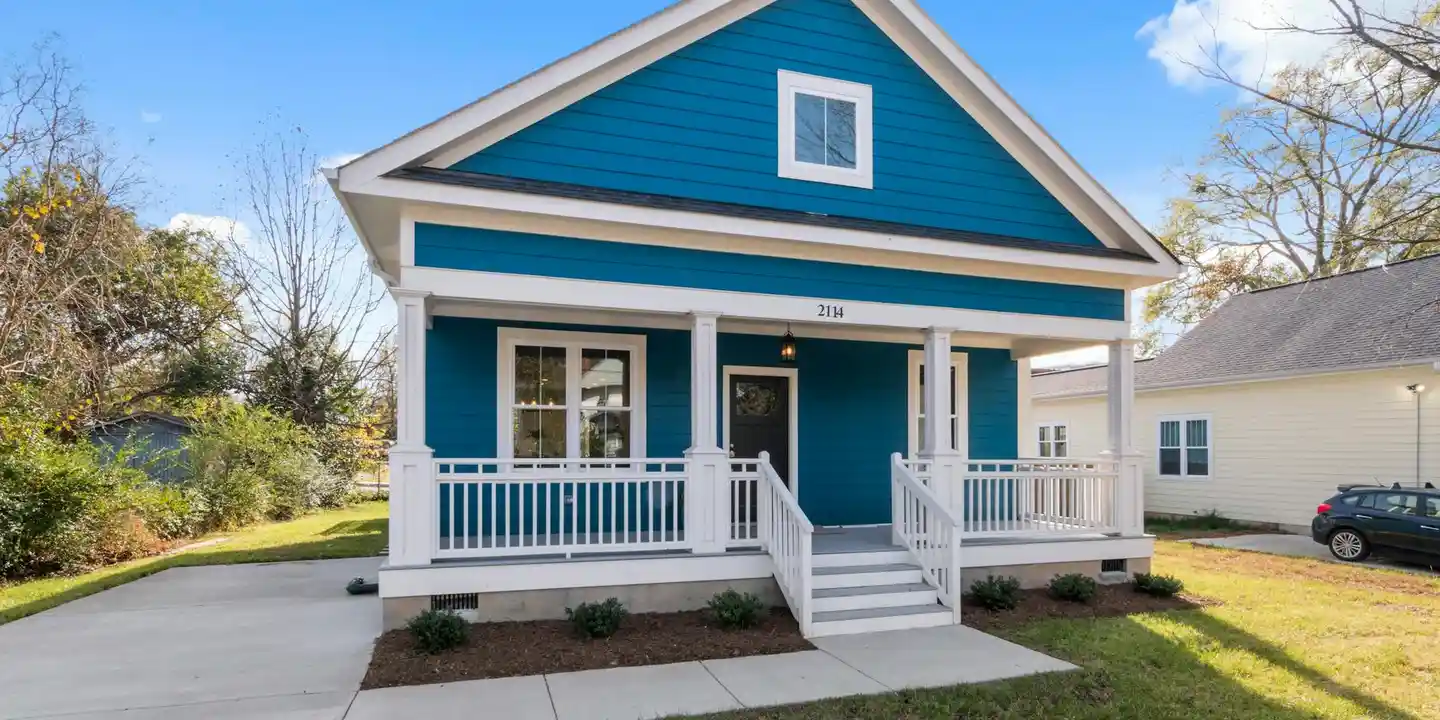
What tools are required? The right tools make this job safer and more precise.
- Circular saw or miter saw
- Power drill and driver
- Hammer
- Tape measure (25-foot minimum)
- Carpenter’s level (a 4-foot level is best)
- Speed square and framing square
- Chalk line
- Safety glasses and work gloves
What materials are needed? This list is for the roof’s wooden skeleton. You’ll pick the final shingles or metal later. Thewooden skeleton must follow span guidelines.
- Ledger Board: A pressure-treated 2×8 or 2×10 that anchors the roof to your house.
- Support Posts: 4×4 or 6×6 pressure-treated lumber for ground contact.
- Beam: A doubled-up 2×8 or 2×10 that sits atop the posts.
- Rafters: 2×6 or 2×8 boards that form the roof’s angled frame.
- Joist Hangers & Framing Connectors: Metal brackets for strong, code-approved joints.
- Lag Bolts & Structural Screws: For securing the ledger and critical connections.
- Concrete Mix & Post Bases: For setting your support posts in solid footings.
For material choices, think about longevity and looks. Use pressure-treated lumber anywhere wood touches concrete or is close to the ground. For the visible rafter tails, many homeowners choose cedar or a nicer-grade pine for a finished appearance.
Framing the Bones: From Ledger Board to Rafter Tails
How to Design and Plan Your Roof Structure
First, decide on a style. A simple shed roof (a single slope) is the most DIY-friendly for a porch. A gable roof (with a peak in the middle) is more complex but offers a classic look.
The roof pitch, or slope, is a ratio of vertical rise to horizontal run, like 4-in-12. A 4-in-12 pitch means the roof rises 4 inches for every 12 inches it runs horizontally. For a porch, a pitch between 2-in-12 and 6-in-12 is common. Check your local building code for minimum requirements. To pin down the exact numbers, a quick roof pitch calculation—rise over run—can confirm the pitch you’re working with. In the next steps, we’ll walk you through calculating and verifying this pitch for your porch.
Grab graph paper and a tape measure. Draw your house wall and the planned porch depth. Sketch your posts, beam, and rafters. This simple plan catches measurement errors before you cut wood. I’ve saved myself from costly mistakes more than once by taking this quiet time with a pencil first.
Preparing the Site and House Attachment Point
Clear the work area of furniture, plants, and debris. You need clean, safe space to maneuver long boards.
Now, find the house’s rim joist. This is the sturdy board at the edge of your home’s floor framing, usually behind the siding. You must attach your ledger board into this solid wood, not just the siding or sheathing. You may need to remove a section of siding to expose it.
Use your level to mark the top line of your future ledger board. This line must be perfectly level, but the porch must also slope away from the house for drainage. Plan for your outer beam to be at least 1/4 inch lower for every foot of porch width. A 10-foot wide porch needs the beam about 2.5 inches lower than the ledger.
Installing the Ledger Board: Your Critical Link
This step is non-negotiable. A failed ledger board means a collapsed roof.
First, apply a layer of peel-and-stick flashing or a metal drip edge along the marked line on your house. This waterproofs the joint before the wood ever goes up. Cut your pressure-treated ledger board to length.
Hold the board firmly against the house, aligned with your marks. Drill pilot holes through the ledger and into the house’s rim joist. Secure it with 1/2-inch diameter lag bolts, at least 3 inches long, every 16 inches. Use a washer with each bolt. I always use a few extra bolts. This connection bears the entire weight of half your roof.
Setting Posts and Beams for Solid Support
Dig holes for your support posts. Code requires footings to extend below your local frost line to prevent heaving. This depth varies, so check with your building department. For a typical 6×6 post, a 12-inch diameter hole is a good start.
Set a galvanized post base in the bottom of the hole, pour in concrete, and set your post. Use braces to hold the post perfectly plumb (vertically straight) while the concrete cures for at least 24 hours.
Once the posts are set, you’ll attach the beam. A beam is often two 2x10s nailed together. Rest the beam on top of the posts, check for level along its entire length, and then secure it with post cap connectors and through-bolts. This beam is what your rafters will rest on.
Cutting and Installing the Rafters
Rafters are the angled boards that run from the ledger to the beam. Calculating their length involves some basic geometry using your roof pitch. Your framing square has rafter tables to help, or you can use a reliable online rafter calculator.
Each rafter needs a “birdsmouth” cut where it sits on the beam. This is a small notch that gives the rafter a flat, stable seat. Cut one rafter perfectly, then use it as a template to mark all the others.
Space your rafters either 16 inches or 24 inches apart from the center of one rafter to the next. Attach each rafter to the ledger board using a metal joist hanger and the specified nails. At the beam, nail through the side of the rafter into the beam. A well-cut birdsmouth and proper nailing keep the roof rigid for decades.
The RoofMason Material Verdict: Choosing Your Roof Covering
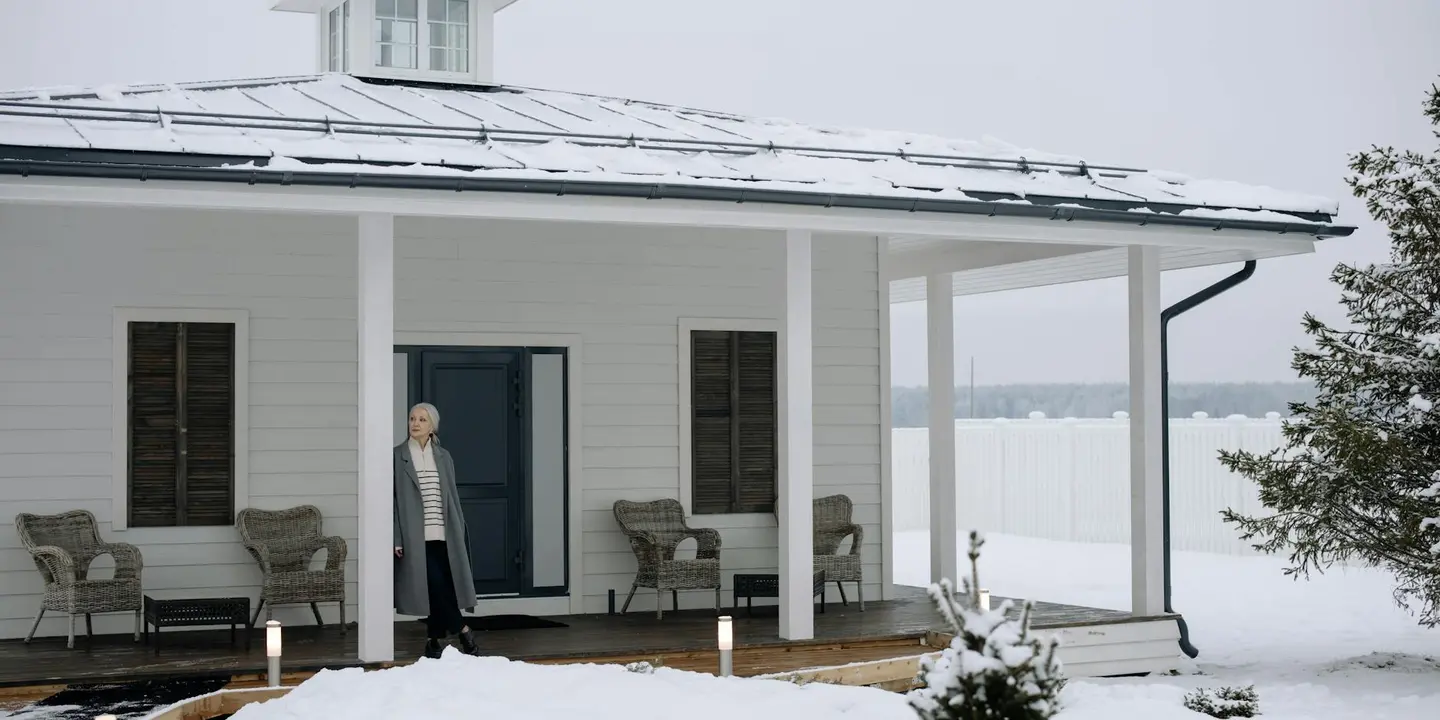
Picking the final layer is the fun part. It defines the look and protects everything below. Your porch roof is small, so material cost is less of a shock. This lets you choose for performance, not just price.
Think of this choice like picking a winter coat. You want the right weight, durability, and weather protection for your local climate.
Here’s a quick comparison of the three most common picks for a porch.
| Material | Weight | Fire Rating | Hail Resistance | Lifespan |
|---|---|---|---|---|
| Asphalt Shingles | Moderate (~250 lbs per square) | Class A (Best) | Fair (Varies by quality) | 15-30 years |
| Standing Seam Metal | Light (~100 lbs per square) | Class A | Excellent | 40-70 years |
| Polycarbonate Panels | Very Light | Class C or lower | Good (can crack under severe impact) | 10-20 years (can yellow) |
For the best value in most areas, architectural asphalt shingles are hard to beat. They are familiar, install like your main roof, and offer great fire protection. I’ve used them on dozens of porch additions. If you’re weighing options, you can compare different roof shingle materials to choose the best one for your climate and budget. A quick comparison can help you decide which shingles truly offer the best value.
If you live where snow piles up, consider metal. Snow slides right off a metal roof. This prevents heavy loads on your porch structure. In sunny, hot climates, a light-colored metal roof reflects heat, keeping your porch cooler.
Polycarbonate panels let light through for a brighter porch. They are a good choice for a greenhouse or screened porch link. Remember, they are plastic. They don’t have the fire rating or longevity of other options.
For a cantilevered porch roof, weight is critical. Metal or lightweight synthetic tiles are ideal. You must verify your design can handle the load of heavier materials like clay or slate.
I advocate for materials that last longer and create less waste. A recycled-content metal roof is a sustainable choice. It lasts for decades and is fully recyclable at the end of its incredibly long life. Choosing durability is a form of sustainability.
Sealing the Envelope: Sheathing, Underlayment, and Final Details
With the frame built, it’s time to seal it up tight. This is where you stop the rain for good. Each layer has a job, and skipping steps is asking for a leak.
Nailing Down the Sheathing
Sheathing is your roof’s solid floor. Use 1/2-inch plywood or OSB. Start at the lower corner of your roof and work up. For residential roof sheathing, following installation requirements and techniques is key to a durable, weather-tight roof. We’ll cover these details in the next steps.
Lay each sheet so the long edge runs across the rafters, not parallel to them. Stagger the end joints between rows, like laying bricks. This makes the whole deck stronger.
Leave a small 1/8-inch gap between sheet edges. Wood expands and contracts with humidity. This gap prevents buckling. Use 8d ring-shank nails or 2 1/2-inch deck screws, fastening every 6 inches along the edges and every 12 inches in the field.
Rolling Out the Underlayment
Underlayment is your emergency backup. If water gets past the shingles or metal, this layer directs it away. I prefer synthetic underlayment. It’s tougher, less slippery, and doesn’t dry out like old-school felt.
Start at the bottom edge of the roof. Roll it out horizontally. Staple or cap-nail it down according to the manufacturer’s instructions. Each higher course must overlap the one below it by at least 2 inches.
Seal any vertical seams with the tape recommended by the underlayment maker. This creates a continuous water-resistant barrier. Don’t skimp on the overlap or the tape.
Installing the Final Roofing Material
Now for the top coat. Follow the manufacturer’s instructions precisely. Here’s the core idea for each type.
- For Asphalt Shingles: Install drip edge first. Then, start your first course of shingles at the bottom edge. Use chalk lines to keep rows straight. Nail in the tar strip nail line, not above it. A common leak comes from over-driven or under-driven nails.
- For Standing Seam Metal: You will install concealed clips to the deck that the metal panels snap onto. This allows the metal to expand and contract. The standing seams are where the panels join. They get crimped or snapped together to form a watertight seal.
- For Polycarbonate Panels: Use the specific screws with neoprene sealing washers provided. Drill holes slightly larger than the screw shaft to allow for expansion. Overlap panels as directed, and seal the ridge cap thoroughly.
The Finishing Touches and Final Inspection
The details make the roof look professional and work for years.
Install aluminum drip edge on all eaves and rakes to direct water into your gutters. Add fascia board to cover the rafter ends. If your porch is enclosed, install soffit vents and a ridge vent or other high vent to allow air flow. Stagnant air rots wood from the inside.
Gutters are optional but wise. They protect your porch foundation and keep splash-back off your walls. Size them for your roof area, especially when dealing with complex roofs with angles and obstacles.
Before you clean up, do a final walk.
- Check every visible fastener. Is it snug, not bent or over-driven?
- Pour a bucket of water on the high point. Watch how it flows off. It should run cleanly to the edges with no pooling.
- Look for any gaps, especially where the new roof meets the house.
Clean all debris from the roof and gutters. After the first good rain, go outside and look at the ceiling from underneath. Then, check the new roof from the ground. Look for any signs of water or uneven drainage. Catching a small issue now saves a big repair later.
Common Questions
How often should I maintain my new porch roof?
Inspect it twice a year-spring and fall. Clear debris from the surface and gutters, and check flashings around the house connection for any gaps or lifting.
What’s the most common mistake that leads to early leaks?
Improper flashing where the porch roof meets the house wall. Never rely on caulk alone; you must integrate step flashing with the house siding and install a kick-out diverter at the bottom to direct water away.
Can I use a different roofing material than my main house?
Yes, but you must verify the porch framing can handle the new material’s weight. For a cohesive look, coordinate the color or style, and ensure the installation methods are compatible with your roof’s pitch.
Building a Porch Roof That Lasts
From my time on the crew, I know a durable porch roof starts with a square, level frame and ends with properly sealed flashings. Focus on these fundamentals during your build, and you’ll create a structure that sheds water reliably for years.
This new roof is your responsibility now, so schedule a simple visual check each season to catch small issues early. You’ll find common roof care myths debunked to separate fact from fiction. Understanding the truth behind roof care saves time and money. Continue learning about roof care and maintenance for all types of roofs; it’s the best way to protect your investment and keep your home safe.
Ray Huffington
Ray is an experienced roofer. He has worked as a general contractor in the roofing industry for over 15 years now. He has installed and repaired all kinds of roofs, from small houses to large mansion, and from basic shingles to cement and metal roofs and even solar roof panels. He has seen homeowners struggle with roofing questions and always has experience based proven advice to help those in need. If you need roof pros, Ray's your guide.