
How Do You Properly Seal a Chimney to Stop Roof Leaks?
Is a damp patch on your ceiling or a musty smell around the fireplace your first clue that the chimney is leaking?
Sealing a chimney correctly is a precise job that most quick fixes get wrong. I’ve repaired hundreds of these, and I’ll show you the method that actually holds up.
You’ll see which sealants and flashing materials work best for a permanent fix.
I’ll give you my step-by-step process for a watertight seal.
You’ll learn the common installation errors that cause leaks to come back.
Key Takeaways
- Chimney leaks almost always start at the flashings, the crown, or cracked masonry, not the shingles around it.
- Proper waterproofing uses breathable, flexible sealants designed for masonry, not paint or standard caulk.
- This is high-risk work that demands respect for height and balance. Your safety is not optional.
- A quality DIY seal can last 5-10 years with upkeep, but it’s not a permanent fix like a professional rebuild.
Is This a Job for You? The First Safety Check
Let’s be real. Working around a chimney is one of the trickier DIY roof tasks. You need to be honest with yourself before grabbing a ladder. Here’s my rule of thumb from decades on roofs.
If your roof has any of these features, call a professional roofer.
- A steep pitch. If you look at your roof and feel uneasy, it’s too steep.
- Your home is two stories or taller. A fall from that height changes lives.
- A complex roof with valleys, dormers, or other obstacles near the chimney.
- You are not comfortable walking on your roof’s surface.
If you have a single-story home with a low, walkable pitch and you’re confident in your balance, you might proceed. But safety gear is your non-negotiable kit.
This is the answer to the common question, what safety precautions should be taken when working on a roof? First, use a harness tied to a certified roof anchor. They install under the shingles and are the only thing that will stop a fall. Second, wear shoes with soft, rubber soles designed for roofing. Never work in rain, high winds, or just after a rain when the roof is slick. These precautions are part of broader roof repair safety practices. More safety practices, such as ladder setup and weather checks, are covered in the full guide.
I’ve patched too many failed attempts where someone tried to save money and made a leak worse. Knowing when to call a pro is the first sign of a smart homeowner.
Finding the Leak: It’s Usually One of These Three Spots
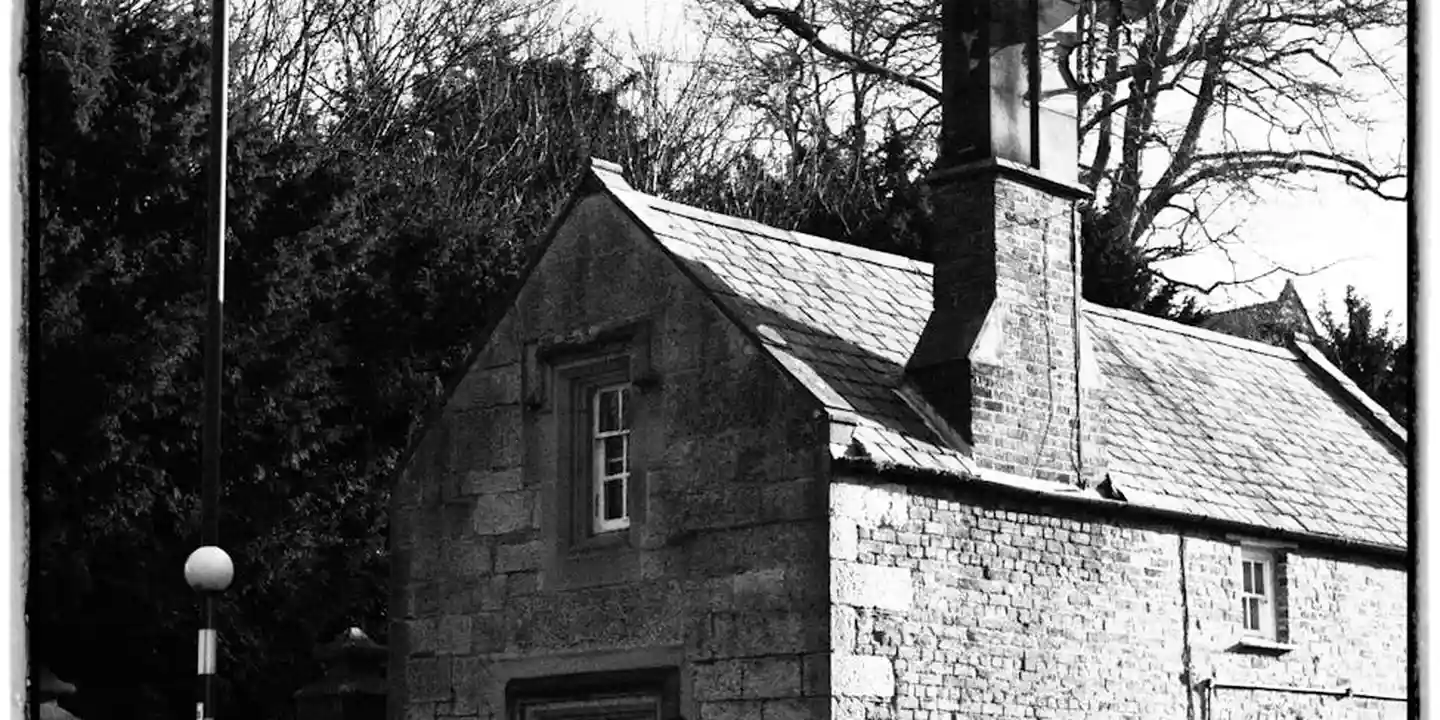
That brown stain on your ceiling or wall is a clue, not the crime scene. Water runs down roof slopes, follows rafters, and travels along masonry long before it shows itself inside your home.
You have to go up on the roof and think like a raindrop. Almost every chimney leak I’ve fixed came from one of three places. That’s where chimney leak repair waterproofing comes in—waterproofing the chimney and flashing the joints. A solid plan tackles those three culprits and protects your roof.
To find the source, you need a simple plan: inspect the flashing first, then the crown, and finally the brick and mortar itself.
Flashing: The Most Common Culprit
Flashing is the metal collar that seals the seam between your roof and the chimney. When it fails, water pours right in.
Good flashing is tucked under the shingles on the uphill side (that’s the step flashing) and overlaps on the downhill sides. It’s sealed with a flexible, roof-grade caulk and shows no gaps. Failed flashing is a different story. Look for rust holes, metal that’s pulled away from the bricks, or old, brittle sealant that’s cracked open. I’ve seen so many leaks where a roofer just globbed a bunch of tar over a bad joint. That’s a temporary patch, not a repair.
The key is the two-part system: step flashing weaves under the shingles, and counter-flashing is embedded into the mortar to cover it all up. If water gets behind this system, it’s going inside.
The Chimney Crown: Your Roof’s Concrete Umbrella
The crown is the concrete or mortar slab on top of your chimney. Its job is to shed water away from the flue liner and the chimney interior.
A proper crown slopes away from the flue like a miniature peaked roof. A failing one is flat, cracked, or even slopes *toward* the flue. When that happens, it doesn’t shed water, it collects it. That water then seeps through the cracks and straight down the inside of your chimney structure. I fixed one last season where the homeowner thought it was the flashing, but the crown had a crack you could fit a pencil into, funneling a steady stream right into the attic.
Brick and Mortar: The Sponge Effect
Bricks are porous, and mortar crumbles over time. This is a slower leak, but just as damaging.
Look for spalling bricks, where the face is flaking off. This happens when water gets in, freezes, and expands. More often, the mortar joints (the “pointing”) deteriorate. They become soft, crumbly, or completely missing. When this happens, the whole chimney acts like a sponge, soaking up water during a storm. That moisture then migrates inward to cause stains and rot. If you find these signs, be sure to diagnose and fix the leak promptly.
Choosing Your Weapons: Sealants, Flashings, and When to Call It
Using the wrong product can trap moisture inside your bricks and cause more damage than the leak. You need materials that protect but also breathe.
For bricks and mortar, you want a breathable, penetrating sealer like a siloxane or elastomeric coating. These sealers soak in and repel water while letting vapor escape. Avoid thick, paint-like waterproofing membranes. They look good for a year or two, then they trap moisture, cause spalling, and peel off in sheets. It’s a mess to fix.
Your toolkit depends on the job. For a full seal and minor repair, you might need:
- A breathable masonry sealer
- High-quality, flexible urethane or silicone roof caulk
- Type N mortar mix for repointing
- A stiff wire brush and a pointing trowel
- Galvanized or aluminum flashing metal (if you’re replacing sections)
For flashing repairs, a professional-grade sealant is non-negotiable. The stuff from the hardware store tube often dries out and cracks in a single season of sun.
Sealing an Unused Chimney: A Special Case
If you never use your fireplace, you might think about sealing the chimney to stop drafts and leaks. There’s a right way and a very wrong way to do this.
The correct method is to seal it at the top with a proper, fitted chase cover or a top-sealing damper. This keeps rain, animals, and wind out completely. The wrong way is to just brick up the fireplace or seal the flue at the bottom. That leaves a huge column of air in your chimney that can still collect moisture and cause hidden rot and mold problems in the structure.
Can you seal off an unused chimney? Yes, but always seal it at the top, not just the bottom. It’s the only way to properly decommission it and prevent future issues. For a winter-ready, permanent closure, explore how to seal off the chimney completely in the next steps.
The Step-by-Step Seal: From the Top Down
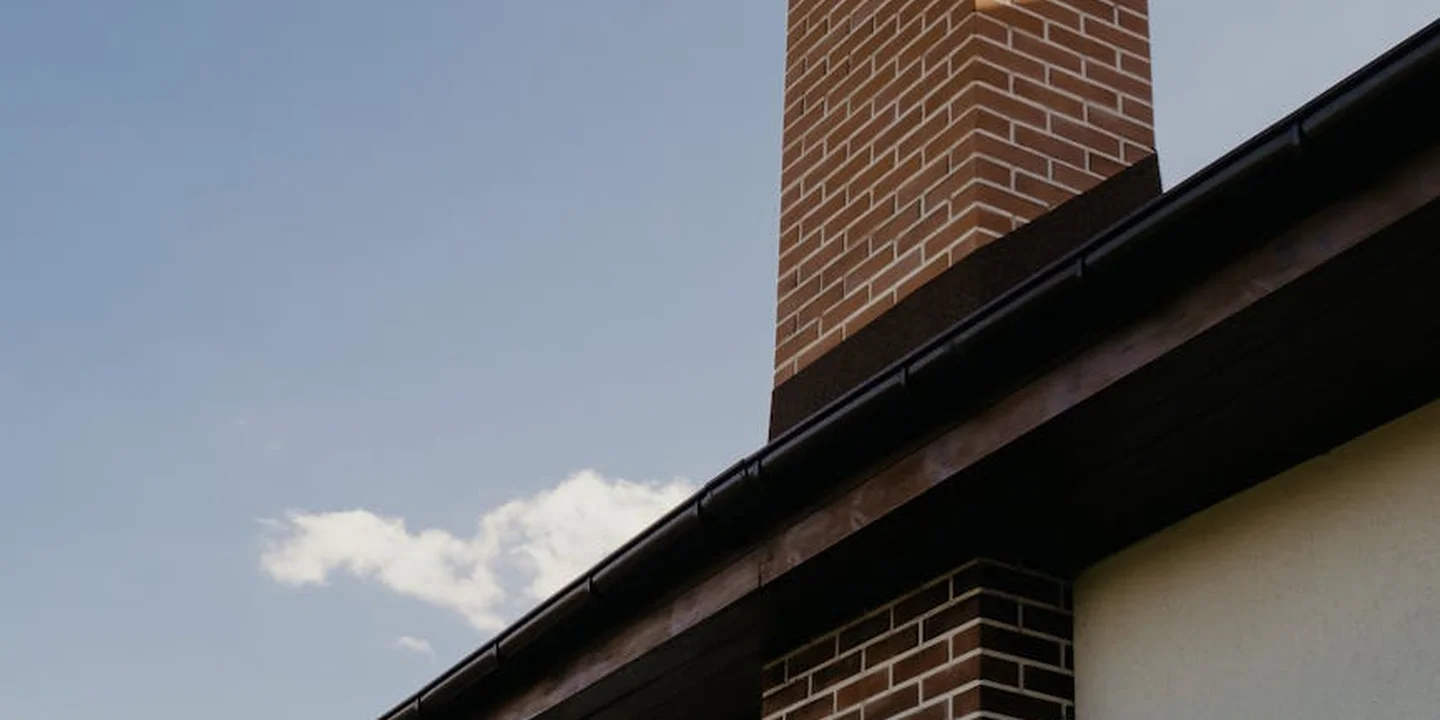
What is the step-by-step process for sealing a chimney? You do it from the top down, one area at a time. Skipping steps or working out of order is how water finds a new way in. Follow this sequence.
Step 1: Prep and Clean the Work Area
Every good seal starts here. I’ve seen more jobs fail because someone skipped cleaning than because they used the wrong product.
Remove all moss, leaves, and dirt from the chimney base, crown, and flashing. Use a stiff brush. For old, failing caulk and tar, a putty knife and a lot of patience are your best tools. Your goal is to get down to bare, solid brick, mortar, or metal for the new sealant to stick. A clean surface is 80% of a lasting waterproof seal.
Step 2: Repair the Chimney Crown
The crown is the concrete slab on top of your chimney. Cracks here let water pour straight down inside the brickwork.
How do you apply chimney crown sealant? First, chip out any loose material from the cracks. For small cracks, use a specialized, flexible crown repair sealant from a masonry supply store. Trowel it in smoothly.
For larger damage, you may need to mix a small batch of mortar. The critical part is the slope. You must shape the new surface so it slopes down and away from the flue liner in the center. This sends water running off the crown, not pooling against the chimney. This step is part of broader chimney rebuilding and crown restoration work, and it helps protect the flue liner during repair masonry.
Step 3: Address the Masonry (Repoint and Seal)
This is the core of how to seal a brick chimney. Brick and mortar are porous. They soak up water like a sponge.
Inspect the mortar joints. If they are crumbly or recessed, you need to repoint. Use a raking tool to scrape out the old mortar to a depth of about 3/4 inch. Brush it clean. Pack in new mortar, and tool the joint to match the existing style.
Let new mortar cure for at least a week. Then, apply a breathable, water-repellent sealant. Spray or roll it on according to the label. Think of this sealant like sunscreen for your brick it sheds rain but still lets the masonry “breathe” and release internal moisture.
Step 4: The Flashing Fix (The Most Critical Step)
Flashing is the metal (usually aluminum or galvanized steel) that bridges the gap between your chimney and roof. This is where 9 out of 10 chimney leaks start.
How do you repair or replace chimney flashing? For small gaps where the flashing meets the brick, a high-quality urethane roof caulk is your friend. Clean the area, apply a generous bead, and smooth it with a wet finger. For more detailed guidance, check out our chimney flashing repair guide.
If the flashing is rusted, bent, or pulled away, it needs replacement. Proper step flashing involves weaving metal “steps” under the shingles. Getting this right is tricky. On my crew, we consider flashing installation a pro-level task because a small mistake here guarantees a leak. If you see major flashing issues, call a roofer.
Step 5: The Final Check and Cap
Finish at the very top. Check your metal chimney cap. Is it rusted or loose? Tighten any screws. If it doesn’t fit snugly, you can seal small gaps with high-temperature silicone caulk.
For a prefabricated chimney with a metal chase, the process is similar. How do you seal a chimney chase cover? Ensure the metal cover is secure and sealed at its seams and where it meets the chase frame. Again, a bead of the appropriate exterior caulk does the job. A proper cap or cover keeps rain, animals, and downdrafts out.
Keeping It Dry: Long-Term Vigilance
Sealing a chimney is not a one-time fix. It’s maintenance. Water is relentless, and materials break down over time, especially in the components of the chimney.
Plan for a visual check from the ground in spring and fall. Look for new cracks, moss growth, or shiny streaks on the brick (a sign of water flow). How often should a chimney be inspected and resealed? Get a hands-on professional inspection every 3 to 5 years. They can catch small problems before they turn into ceiling stains.
Ventilation: Don’t Trap Moisture Inside
Brick and mortar always hold some moisture. If you seal them with a non-breathable product like paint or tar, you trap that moisture inside. When it freezes, it expands and spalls the brick face right off.
How do you ensure the chimney is properly ventilated after sealing? You must use a sealant labeled “breathable” or “water repellent” not “waterproof.” These products form a protective barrier that causes water to bead up and roll off, while water vapor from inside the masonry can still escape. This is crucial to prevent rainwater from seeping inside the chimney.
Mistakes That Create Bigger Problems
I’ve fixed these errors more times than I can count. Avoid them.
- Using roof tar or paint. These create a skin that cracks and traps moisture, causing more damage than no sealant at all.
- Sealing over wet brick or uncured mortar. The sealant won’t bond and moisture will be locked in.
- Ignoring the flashing. Sealing the brick but leaving bad flashing is like locking your front door but leaving a window wide open.
- Working on a damp or dewy surface. Always let the chimney dry completely for at least 24 hours of sunny weather before you apply any sealant.
What are common mistakes to avoid when waterproofing a chimney? The biggest one is using the wrong product for the job. Masonry needs to breathe. Use the right breathable sealant, fix the flashing, and never use a shortcut product like tar.
Quick Answers
How do you identify the source of a chimney leak?
Think like a raindrop and inspect from the top down. Check the flashing for gaps first, then the crown for cracks, and finally the brick and mortar for deterioration.
What type of sealant is best for chimney bricks?
Always use a breathable, penetrating water repellent like a siloxane-based sealer. Avoid paint-like coatings or tar, as they trap moisture and cause spalling.
How often should a chimney be inspected and resealed?
Do a visual check from the ground twice a year. Schedule a professional, hands-on inspection every 3 to 5 years to catch issues before they become major leaks.
Your Sealed Chimney, Your Secure Home
The best defense is a proper flashing installation paired with a top-tier sealant applied to clean, dry surfaces. Get this combination right, and your chimney will shed water for years.
Your roof’s health depends on your watchful eye and a commitment to safe, informed maintenance. I encourage you to keep learning about roof care, all types of roof guide, care, and maintenance to protect your investment for the long haul.
Ray Huffington
Ray is an experienced roofer. He has worked as a general contractor in the roofing industry for over 15 years now. He has installed and repaired all kinds of roofs, from small houses to large mansion, and from basic shingles to cement and metal roofs and even solar roof panels. He has seen homeowners struggle with roofing questions and always has experience based proven advice to help those in need. If you need roof pros, Ray's your guide.