
How Do I Keep Birds from Building Nests on My Roof? A Roofer’s Guide to Safe, Humane Deterrents
Woke up to scratching in your vents or found a pile of twigs in your gutter? You’re not alone. I’ve lost count of the service calls I’ve run where a homeowner is frustrated by birds turning their roof into a condo.
It’s more than a nuisance. Nests can clog drainage, cause moisture damage, and even create fire hazards near chimneys. The trick is stopping them the right way, without harming the birds or your roof.
We’ll cover why birds pick your roof, the best physical barriers to install, safe deterrents that actually work, and what to do if you already have tenants.
Key Takeaways: Your Action Plan for a Bird-Free Roof
- Safely remove any existing nests, but always check your local wildlife protection laws first. I’ve seen folks get fined for disturbing protected species.
- Seal every entry point you can find. Birds are experts at squeezing into gaps under loose soffits, behind broken vents, and down open chimneys.
- Make their favorite perches unusable. Install physical barriers like plastic spikes on ledges or discreet netting under solar panels.
- Maintain a clean roof system. Schedule regular gutter cleanings and remove debris so birds don’t have free building materials.
Your success hinges on matching the deterrent to your specific nuisance bird and your roof’s architecture. You need to be more persistent than they are, especially when trying to keep birds out of chimneys.
Why Birds Love Your Roof: Understanding the Attraction
Think like a bird for a second. Your roof is a five-star hotel. It provides shelter from rain and hawks, soaks up the sun’s warmth, and offers a commanding view for spotting food. I’ve watched them scout properties, and they’re looking for specific features.
- Gutters and Downspouts: These are ready-made ledges. They catch twigs, leaves, and moss, giving birds a free supply depot right where they want to build.
- Roof Vents and Chimneys: To a bird, these are safe caves. They’re dark, shielded from wind, and incredibly difficult for predators to reach. I’ve pulled nests from vents that were packed tight like insulation.
- Eaves, Soffits, and Overhangs: This is prime sheltered real estate. The overhang keeps the nesting area dry, creating a stable platform. A loose soffit panel is an open invitation to move in.
- Solar Panels and HVAC Units: These are the ultimate raised platforms. The space underneath provides shade and protection, while the flat top is a perfect lookout. It’s like a fortress with a balcony.
- Valleys and Dormers: These nooks are natural debris collectors. Wind piles up leaves and sticks in these corners, and birds see it as a pre-stocked construction site. They don’t have to work hard to gather materials.
The Real Damage: Why You Can’t Ignore Nesting Birds
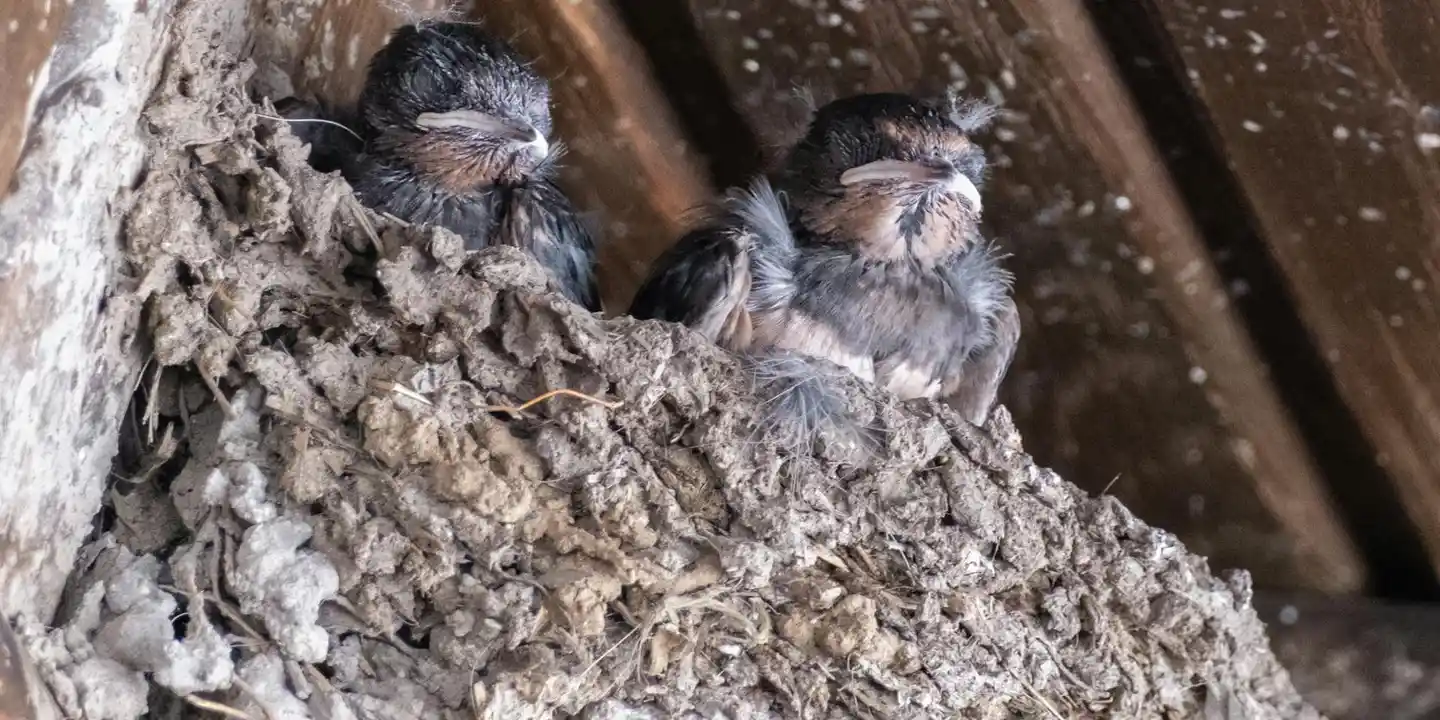
This is more than a simple annoyance. Birds cause real, expensive damage to your roof system.
Their droppings are acidic. Over time, this acid eats away at metal flashing around chimneys and vents. It also stains and degrades shingle granules, shortening your roof’s life.
Nesting materials are a silent threat to your roof’s health. Twigs, leaves, and feathers packed into a soffit or ridge vent block airflow completely. This traps hot, moist air in your attic, often leading to mold growth and damaged shingles. I’ve peeled back roof decks black with rot from this exact problem.
Debris from nests washes directly into your gutters. It creates a dam that stops water flow. Water then backs up under your shingles or spills over, damaging your fascia and foundation.
You also face health risks. Old nests host mites and parasites. Accumulated droppings can grow a fungus that causes histoplasmosis, a serious respiratory illness. You do not want to breathe that dust in.
I once repaired a roof where pigeon nests had completely blocked a ridge vent. The trapped moisture rotted the sheathing from the inside out. The repair bill was over four thousand dollars. A fifty-dollar deterrent would have saved it.
Step One: Safe and Legal Nest Removal
Before you install any deterrent, you must deal with existing nests. Doing this wrong is illegal and unsafe.
In the U.S., the Migratory Bird Treaty Act makes it a federal crime to disturb or destroy an active nest with eggs or chicks. Many local laws are even stricter. You must never touch a nest that is currently in use.
Your only legal and ethical move is to remove inactive nests. Here is how to do it safely.
- Wait for the right time. The nest must be completely abandoned. For most birds, this is late fall or winter, after breeding season ends. Watch for several days to confirm no bird activity.
- Gear up properly. Put on thick work gloves, an N95 mask, safety goggles, and long sleeves. This protects you from sharp debris, dust, and parasites.
- Remove the nest gently. Use a putty knife or similar tool to carefully dislodge it. Place all materials directly into a heavy-duty trash bag and seal it tightly.
- Clean the area thoroughly. Sweep up all remaining debris. Wipe the spot down with a disinfectant or a bleach solution (one part bleach to nine parts water) to kill any remaining bacteria or fungus.
If you see eggs or chicks, stop immediately. If the infestation is large, or if you are working high on a ladder, do not risk it. Call a licensed wildlife control professional. They have the training and permits to handle the situation legally and without causing harm. It’s the smartest call you can make.
Choosing the Right Deterrent: A Roofer’s Guide to What Works
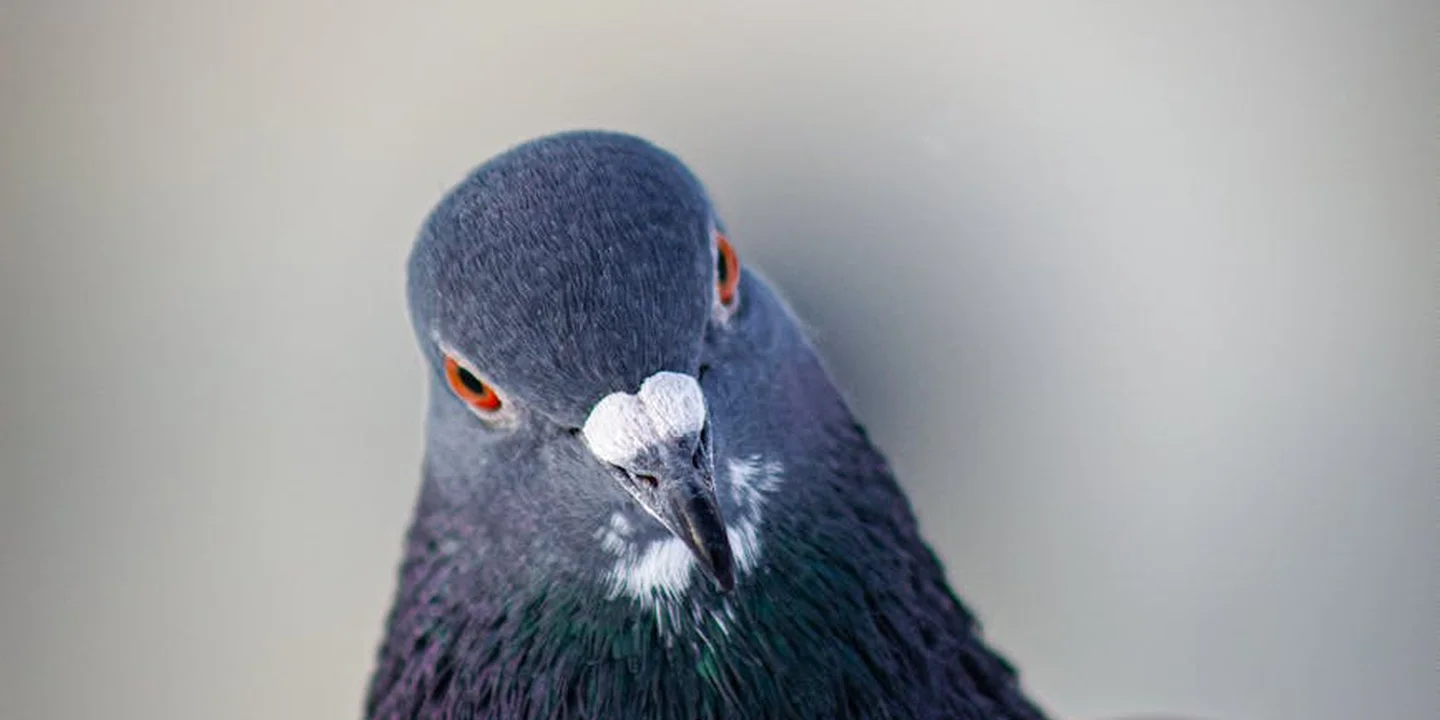
Think of bird deterrents like tools in your toolbox. You wouldn’t use a sledgehammer to hang a picture. The right choice depends on two things: where the birds are trying to land and what kind of bird it is.
A sparrow looks for a tiny gap in your soffit. A seagull wants a broad, flat ledge. Your solution must match the problem. Let’s compare the main options so you can pick the best one for your roof.
Physical Barriers: The Most Reliable Long-Term Fix
In my experience, physical barriers are the only surefire way to stop birds. They don’t scare birds away, they simply make it impossible for them to land or enter. This is a permanent fix when installed correctly.
Bird Spikes (for ledges, peaks, signs): These are my go-to for flat surfaces like chimney caps, parapet walls, or the peak of a roof. They aren’t sharp or dangerous, they just create an uneven surface birds can’t settle on. For most homes, UV-resistant plastic spikes are fine and affordable. On a coastal job with seagulls, I always use stainless steel, as the salt air will corrode anything else in a few seasons. Roof coping stones protect parapet walls from water ingress and freeze-thaw damage, a simple but important line of defense. When combined with bird deterrents, they help maintain the integrity of the parapet over time.
Bird Netting (for large areas, under solar panels, in courtyards): Netting is for creating a total exclusion zone. It’s perfect for sealing off the open space under solar panels or covering a large courtyard. The installation is everything. If the netting is loose, birds get trapped or it looks terrible. It must be pulled taut and secured at every edge with proper fasteners, or it will fail.
Exclusion Strips and Vent Guards: This is about sealing the front door. Birds love to sneak into openings in your soffit, ridge vent, or where the chimney meets the roof. Cut galvanized steel or aluminum mesh (hardware cloth) to fit over any vent or gap larger than a half-inch. Secure it with screws or staples. This keeps birds out while letting air flow in.
Sloped Sheathing (for wide ledges): If you have a wide, attractive ledge, make it unattractive. I once fixed a chronic pigeon problem on a commercial building by screwing angled PVC boards to the ledge. A 45-degree slope removes the flat landing pad. Birds won’t bother trying to cling to it.
Visual and Sound Deterrents: Disruption and Scare Tactics
These methods can work as a temporary fix or for a minor problem. Birds are smart. If a scary owl never moves, they quickly learn it’s just a statue. Use these to disrupt behavior, not as a permanent solution.
Reflective Tape and Scare Rods: The flashing light and movement can startle birds away from a specific spot, like a garden or a single downspout. They are less effective for protecting an entire roof system because birds will just avoid that one shiny spot and nest a few feet away.
Predator Decoys (Owls, Hawks): You must commit to moving them every two or three days. I had a client call me, frustrated that birds were nesting right next to their plastic owl. The decoy had been on the same chimney for a month. The birds were using it as a windbreak.
Ultrasonic/Sonic Devices: Results are very mixed. Some birds seem bothered, others ignore them. The bigger issue is that the high-frequency sounds or predator calls can annoy dogs and even your neighbors. I rarely recommend them for residential roofs.
What I Don’t Recommend: Methods That Fall Short or Cause Harm
Some products seem like a good idea but create bigger problems. Here is my short list of what to avoid.
I advise against sticky repellent gels. In summer heat, they can melt and run down your shingles or siding, creating a horrible mess. They can also mat on birds’ feathers, harming them.
Never use poisons or traps. Beyond being inhumane and often illegal, they don’t work. You might remove one bird, but the attractive spot remains. Another will just take its place.
Be wary of generic “spray repellent” cans promising a quick fix. Most are just peppermint or citronella oils that wash away in the first good rainstorm, wasting your time and money. They require constant reapplication, which means constantly getting back on your roof.
Your Roof Care Calendar: A Seasonal Routine to Deter Birds
Stopping birds isn’t a one-time task. It’s part of regular roof care. A simple seasonal routine keeps your deterrents effective and your roof healthy for years. That includes keeping pigeons from nesting on your roof. A quick guide to pigeon-proofing can help you take action.
Spring (Pre-Nesting Season)
This is your most important maintenance window. Act before the scouts arrive.
- Inspect and clean gutters and downspouts thoroughly. Clogged gutters are prime real estate for nest builders.
- Walk around your house with binoculars. Check all roof vents, soffits, and flashing for new gaps. Seal any hole bigger than your thumb with wire mesh.
- Install new deterrents or refresh existing ones. Make sure spikes are secure and netting is tight before birds start their search.
Late Fall/Winter (Post-Nesting Season)
Once nesting is over, it’s time for cleanup and preparation.
- Safely remove any old, abandoned nests from gutters, vents, and eaves. Wear gloves and a mask.
- Perform a year-end roof inspection from the ground. Look for damaged shingles, bent flashing, or loose vent caps that birds could exploit next spring.
- Trim back any tree branches that overhang or touch the roof. This removes the “highway” birds use to access your roof and nest sites.
When to Call a Professional Bird Proofing Service
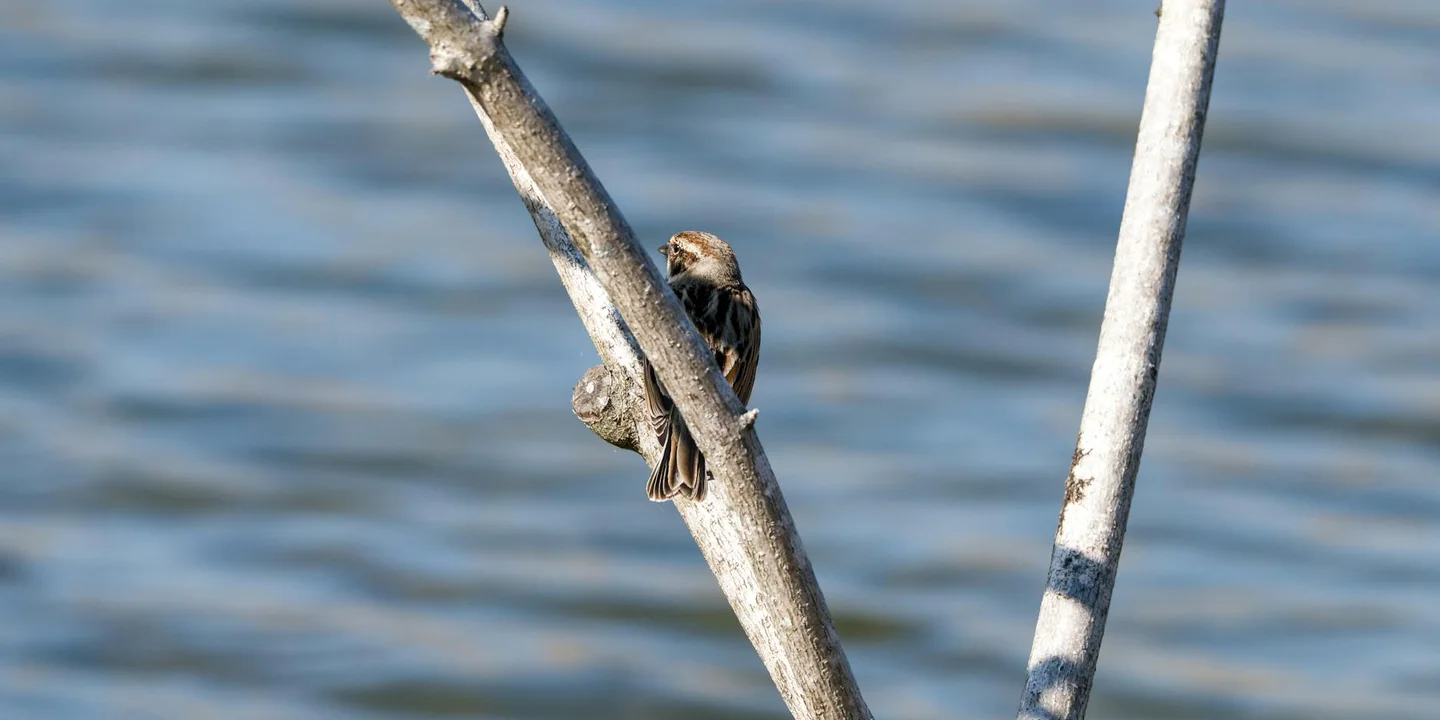
Most small bird issues you can handle yourself. But some problems are bigger than a few spikes and some mesh. Knowing when to call a pro can save you from a dangerous fall, a hefty fine, or a problem that keeps coming back year after year.
Your Roof is Too Dangerous for a DIY Approach
This is the most important rule. If your roof is steep, very high, or has a tricky design, do not go up there. I have turned down jobs because the pitch was too sharp even for my crew’s safety gear. If you feel any hesitation about climbing a ladder or walking on your roof, that is your sign to pick up the phone, not a tool.
You’re Dealing with Large, Persistent Birds
Sparrows are one thing. Pigeons, seagulls, or crows are a different ballgame. They are stubborn, smart, and can cause significant damage. A family of pigeons on a flat roof section can destroy roofing membranes and clog drains with their droppings. On residential roofs, removing pigeons promptly can protect the structure and prevent ongoing damage. For birds this size and determined, you often need heavy-duty solutions like professional-grade bird netting or shock track systems that are installed correctly the first time.
There is an Active Nest Present
This is a legal line you must not cross. In most places, it is illegal to disturb or remove an active bird nest with eggs or chicks. A professional knows the laws and the timing. For chimney-related nests, a professional assessment is especially important to determine legal options. This helps ensure any prevention plan is humane and compliant, especially around fireplaces and venting areas. They can help you plan a humane prevention strategy for the future, after the birds have naturally vacated the nest. Trying to do it yourself could land you in trouble and isn’t ethical.
You Suspect Internal Damage
Birds don’t just live on the roof. They get into attics, vents, and soffits. If you hear constant scratching in your walls or see nesting materials falling into your gutters from a vent, the problem is inside. A pro will inspect your attic space, identify all entry points, and not only block them but also assess damage to insulation or wiring that needs repair. This goes far beyond just putting up a deterrent. Birds and other wildlife on the roof can signal broader intrusion and damage to your home. Addressing this risk means looking beyond deterrents to the full picture of birds, wildlife, roof damage, and home intrusion.
You Want a Permanent, Guaranteed Solution
DIY methods are often temporary. A professional bird proofing service looks at your whole house as a system. They combine solutions-sealing gaps, installing the right deterrents in the right places, and reinforcing weak spots. The best part is they usually guarantee their work, meaning if the birds come back, they come back to fix it at no extra cost to you. For a serious, recurring issue, this integrated approach is the only way to get lasting peace.
Common Questions
1. What’s the best time of year to install bird deterrents?
The optimal window is late winter or early spring, before nesting season begins. This allows you to seal entry points and install barriers while birds are still scouting, not settled in.
2. I have solar panels. What’s my first move?
Your first move is a professional inspection. Correctly installing perimeter-sealing kits or taut, discreet netting is complex; improper DIY can damage panels or void warranties.
3. How do I know if I need a pro instead of doing it myself?
Call a pro if your roof is steep/high, you hear scratching in your walls, or you’ve tried deterrents that failed. We find and seal hidden entry points you’ll miss and use commercial-grade solutions.
Your Blueprint for a Lasting, Bird-Free Roof
The most effective strategy is a simple one: deny birds the opportunity to settle in the first place. A seasonal inspection combined with secure, humane blocking at common entry points stops nests before they become a costly problem. Learn more about how to protect your chimney from various pests.
Viewing your roof as a living system that needs regular attention is the mark of a responsible owner. I encourage you to keep learning about your specific materials and construction—that knowledge is your best tool for safe, long-lasting protection. Consider using a roof damage inspection guide as a practical next step. It can help you spot issues early and plan maintenance.
Ray Huffington
Ray is an experienced roofer. He has worked as a general contractor in the roofing industry for over 15 years now. He has installed and repaired all kinds of roofs, from small houses to large mansion, and from basic shingles to cement and metal roofs and even solar roof panels. He has seen homeowners struggle with roofing questions and always has experience based proven advice to help those in need. If you need roof pros, Ray's your guide.