
Prefabricated Metal Chimney vs. Traditional Masonry: How to Choose?
Staring at your fireplace and wondering if your chimney choice is a smart investment or a future headache?
You’re weighing two very different systems, and the wrong pick can hit your budget or compromise safety. I’ve seen both types last for decades and fail prematurely, all depending on the installation and the home.
I’ll compare the real installation costs, explain durability in your climate, and show which option typically needs less maintenance over time.
Key Takeaways: The Short Answer from a Roofer’s Toolbox
- Cost: A prefab metal chimney system costs significantly less to buy and install than a full masonry chimney.
- Install Speed: A professional crew can often install a prefab system in a day. A masonry chimney is a multi-day project.
- Typical Lifespan: A well-maintained prefab lasts 15-25 years. A well-built masonry chimney can last the life of the house.
- Versatility: Prefab is ideal for specific appliances like inserts. Masonry offers a classic look and can serve multiple fireplaces.
The core trade-off is simple: you pay less upfront for speed and convenience with prefab, but you invest more initially for durability and long-term value with masonry.
From my toolbox, here’s the universal rule: both types fail at the flashing. The metal or masonry might be perfect, but if the seal where it meets your roof isn’t, you get water inside. Proper integration with the roof is non-negotiable. No matter how carefully they are installed, flashing can fail on roofs.
Need a quick nudge? Choose a prefab system for adding a wood stove insert to an existing fireplace. Lean toward masonry if you’re building a new classic home where the chimney is a central design feature. Proper installation of the vent for the wood stove insert is critical.
Breaking Down the Build: What Are You Actually Buying?
Homeowners ask me all the time what the real difference is. Think of it this way: a prefab chimney is like a sophisticated, insulated stovepipe system. A masonry chimney is a brick-and-mortar fortress built from the ground up.
Here’s what you get with each.
Prefabricated (Metal) Chimney Components:
- Stainless steel inner and outer pipes
- Insulation (air or ceramic) between the pipe walls
- Support boxes that frame the hole in your ceiling/roof
- Storm collars, flashing kits, and rain caps
Traditional Masonry Chimney Components:
- Firebrick liner (the interior surface that touches the fire)
- Clay tile flue liner (surrounds the firebrick, channels smoke)
- Mortar holding everything together
- Brick, stone, or stucco exterior
- A concrete crown (the “roof” of the chimney)
Both types punch a hole through your roof structure. That hole is a permanent invitation for water. The connection is sealed with flashing-custom-bent metal for masonry, a pre-fab kit for metal chimneys. This is the critical detail. I’ve seen 50-year-old masonry in great shape ruined by cracked flashing, and brand-new prefab systems leak because the installer rushed the roof seal.
Prefabricated (Metal) Chimney: The Factory-Built System
This is a modular kit. You buy specific parts designed to lock together for your appliance, whether it’s a freestanding stove or a furnace. The crew assembles it from the appliance up, through the house and out the roof.
The insulated, double or triple-wall pipe is the safety heart of the system. It keeps the outer pipe cool enough to be safe where it passes through your floors and attic. Getting the right “class” of pipe for your fuel type (wood, gas, pellet) isn’t a suggestion, it’s code.
Traditional Masonry Chimney: The Custom Stonework
This is hand-built art. Masons start with a concrete footing, then lay a clay flue tile, surround it with firebrick, and build the exterior shell up, course by course, all the way through your roof. The skill in the brickwork matters for beauty and weather resistance.
The concrete crown at the very top is vital and often poorly built. It should be sloped to shed water away from the flue liner. A flat or cracked crown lets water pour into the chimney chase, destroying the mortar from the inside out. It’s the first thing I check on an inspection for chimney rebuilding or repair.
Getting It on Your Roof: Installation Time, Mess, and Complexity
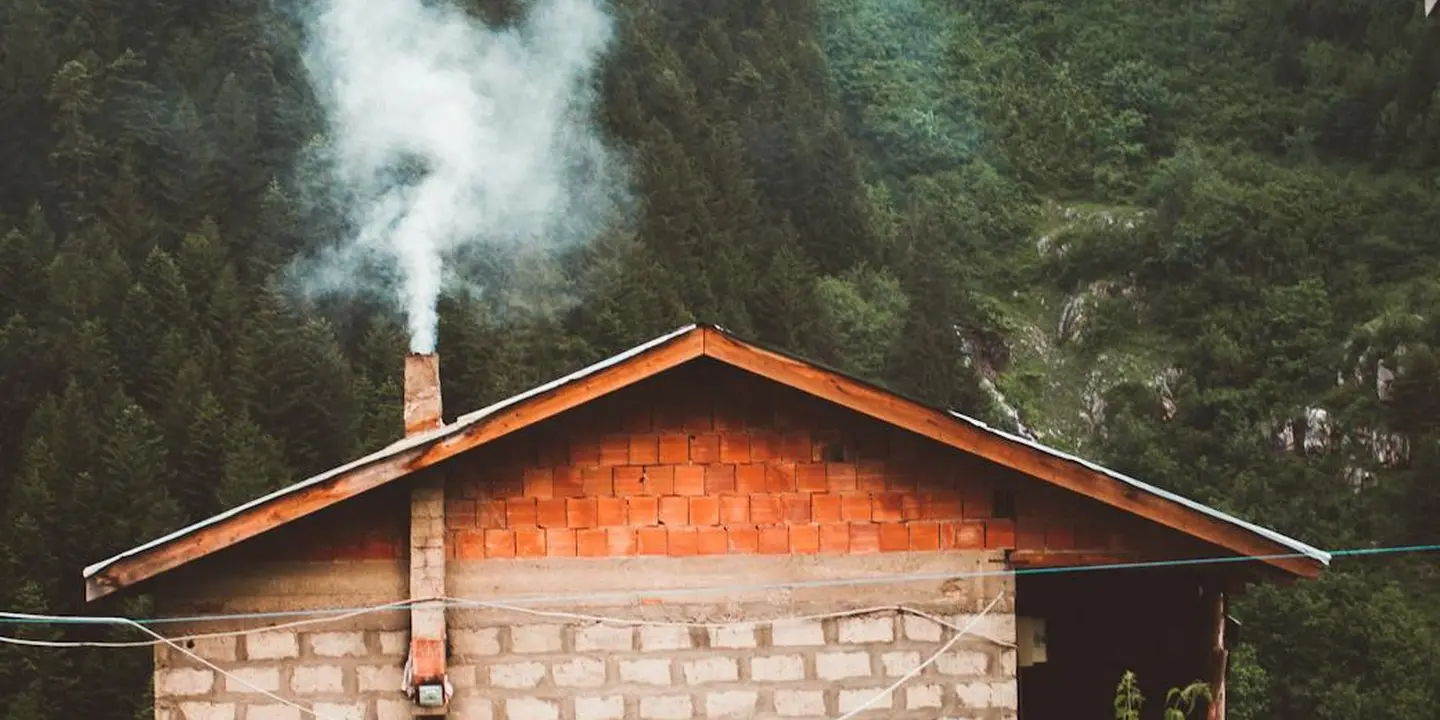
How long does installation take? With a prefabricated metal chimney, a licensed two-person crew can often have the system installed and venting your appliance in a single day, sometimes two. A full masonry chimney is a different project entirely. From footing to crown, you’re looking at a week or more of work.
The crew size tells the story. For a prefab, you need a certified installer, often with a helper. For masonry, you need a crew of masons to build the stack and then a separate roofing crew to integrate it with your roof. Coordinating those trades adds time and complexity.
Think about the mess inside your finished home. A prefab metal chimney uses round, insulated pipe that can often be snaked through existing spaces or require only a small, neat penetration. Building a new masonry chimney from the ground up means opening walls and floors. The dust and disruption are significant.
Both types absolutely require a licensed professional, not just for the install, but for the critical roof penetration and flashing. I’ve seen too many insurance claims denied because a homeowner or handyman tried to flash a chimney themselves and it leaked from day one. The code rules for clearances to combustibles are non-negotiable for safety.
For adding a fireplace or stove to an existing home, the prefab chimney is usually the only practical choice. Retrofitting a massive masonry chase through multiple finished floors is rarely feasible or affordable. Wood stove chimney requirements, including clearances to combustibles and proper venting, often dictate using a factory-built system.
The Cost Equation: Upfront Price vs. Long-Term Investment
You have to look at this two ways: the check you write on installation day, and the money you’ll spend caring for it over decades. Costs vary by region, but the relationship between the two types is consistent nationwide.
The total price includes the chimney materials, the skilled labor, the permit, and the roof work (flashing, sealing, matching shingles). Where the costs diverge dramatically is in the labor and materials for the structure itself.
Initial Price Tag: What You Pay on Day One
A complete, professionally installed prefabricated metal chimney system typically costs one-third to one-half the price of a new, full-scale masonry chimney. If a prefab install runs $3,000 to $5,000, a comparable masonry build can easily range from $10,000 to $15,000 or more.
Masonry is expensive because you are paying for tons of material (brick, block, mortar, concrete) and the highly skilled craft of bricklaying. It’s a slow, meticulous process. You’re not just buying a vent; you’re building a structural monument on your roof.
The Long-Term Money Talk: Maintenance and Lifespan
Both chimneys need a professional inspection and cleaning annually if you use them. Their repair needs are different.
For a prefab metal system, you watch for corrosion, especially at the rain cap and the seams between pipe sections. The interior stainless steel liner has a finite lifespan, often between 15 and 25 years, depending on use. When it degrades, it must be replaced.
A masonry chimney needs upkeep on its mortar joints (repointing), sealing of the concrete crown at the top, and monitoring for cracks. The clay tile liner inside can crack from heat stress or settling. Relining a masonry chimney with a metal insert is a common major repair down the line.
Repair vs. Replace: The Roofer’s Verdict
Common failures illustrate the long-term cost difference. A cracked masonry crown can often be patched and sealed by a mason for a few hundred dollars. A corroded prefab cap must be replaced immediately, as rust compromises the entire system’s safety.
Patching mortar or a crown on masonry is a standard, wise repair that can extend its life for years. For a prefab pipe, if a section is rusted through, you don’t patch it. You replace that section. It’s a mandatory repair for safe operation.
My verdict from the roof: patching masonry is often a cost-effective stopgap; replacing a rusted prefab section is a non-negotiable safety requirement. The prefab’s lower upfront cost comes with the certainty of a full replacement cycle. The masonry’s high initial investment buys a structure that can often be repaired indefinitely, but at a higher cost each time.
How They Perform on Your Roof: Safety, Efficiency, and Weather
Both a prefab metal chimney and a traditional masonry chimney can be perfectly safe for your home. The big difference is in how they might fail if something goes wrong, potentially leading to chimney problems that affect home safety.
A prefab system is a tested, listed unit. Every piece, from the inner liner to the outer chase, is engineered to work together with specific appliances. If installed exactly to the manufacturer’s instructions with proper clearances, it’s very reliable. Its main safety risk comes from improper installation, like placing it too close to wood framing or using the wrong type of chimney for your stove.
A masonry chimney is a site-built structure. Its safety depends heavily on the skill of the mason and the integrity of its liner. The classic failure mode for an old masonry chimney is a cracked clay tile liner, which can let extreme heat reach the combustible house framing, potentially causing a chimney fire.
Draft performance is another key difference. Prefab metal chimneys are designed for optimal draft with modern, efficient appliances. The smooth, insulated pipe helps gases rise quickly and stay hot. A masonry chimney’s draft is more variable. It depends on the chimney height, the interior temperature of the flue, and even the air pressure in your home.
Durability and Battle with the Elements
Which chimney lasts longer depends largely on your local climate.
Prefabricated metal chimneys are tough, but they are metal. In coastal areas with salty air, the outer galvanized steel chase can corrode prematurely. I’ve seen 15-year-old prefab chases near the ocean that look 30 years old. Stainless steel options resist this better but cost more.
Traditional masonry is a beast of a different kind. It laughs at salt spray. Its enemy is the freeze-thaw cycle. In cold climates, water gets into microscopic pores in the brick and mortar. When it freezes, it expands. Over years, this causes the brick faces to pop off (spalling) and the mortar joints to crumble. A well-maintained masonry chimney can easily last 50+ years, while a prefab system typically has a service life of 20 to 30 years before components may need replacement.
The Critical Junctions: Where Chimneys Meet the Roof
From a roofer’s seat, this is the only thing that matters. Nearly every chimney leak I’m called to fix starts at the roof junction, not the chimney itself. That includes the flashing at the chimney where it meets a metal roof. When that flashing leaks, the water can travel along the junction and show up around the chimney.
For a masonry chimney, we use step flashing. This is a series of L-shaped metal pieces woven under each course of shingles and up the chimney’s brick face. The brickwork then covers the vertical leg. It’s a labor-intensive, sequential process during both the masonry work and the roofing. Proper step flashing acts like a suit of armor, directing water down the roof and away from the chimney joint with every single shingle.
For a prefab metal chimney, you use a specialized roof collar or flashing kit designed for that pipe diameter. It’s a two-part system: a base flashing that gets sealed to the roof deck and shingles, and a storm collar that fits around the pipe itself higher up. The critical seal is where the pipe meets the base flashing. We use a high-temperature silicone sealant approved for the purpose.
For both types, especially in snowy regions, I insist on installing a layer of ice and water shield underlayment on the roof deck around the entire chimney base before any metal flashing goes on. This adhesive membrane is your last line of defense against wind-driven rain and ice dam backup. Its coverage should extend across the entire roof deck, especially around penetrations and along eaves. That keeps the roof protected as a continuous barrier, not just at the chimney.
Common failures my crew sees? For masonry, roofers often just smear a blob of roof cement over the joint instead of installing proper step flashing. It dries, cracks, and leaks in a year. For prefab, installers use the wrong sealant that cracks from the heat, or they don’t secure the storm collar, letting water run right behind it.
Codes and Insurance: What Your Inspector Cares About
Building codes exist for safety, and your inspector will be looking for specific things.
For prefab metal chimneys, the code is all about clearances. The manufacturer’s manual dictates exactly how many inches of air space are required between the chimney pipe and any wood framing, siding, or roofing material. Inspectors measure this.
For masonry chimneys, the code focuses on the liner. If you’re burning wood or gas in an old chimney, it must have an intact, code-approved liner (clay tile or metal). Many older chimneys were built without a liner at all, which is now a major code violation and fire hazard.
Some insurance companies have preferences. For installing a new high-efficiency wood stove, an insurer may favor a UL-listed prefab chimney system because it’s a complete, tested package designed for that exact appliance. Always check with your provider before a big installation.
Making Your Decision: A Roofer’s Guide to the Right Fit
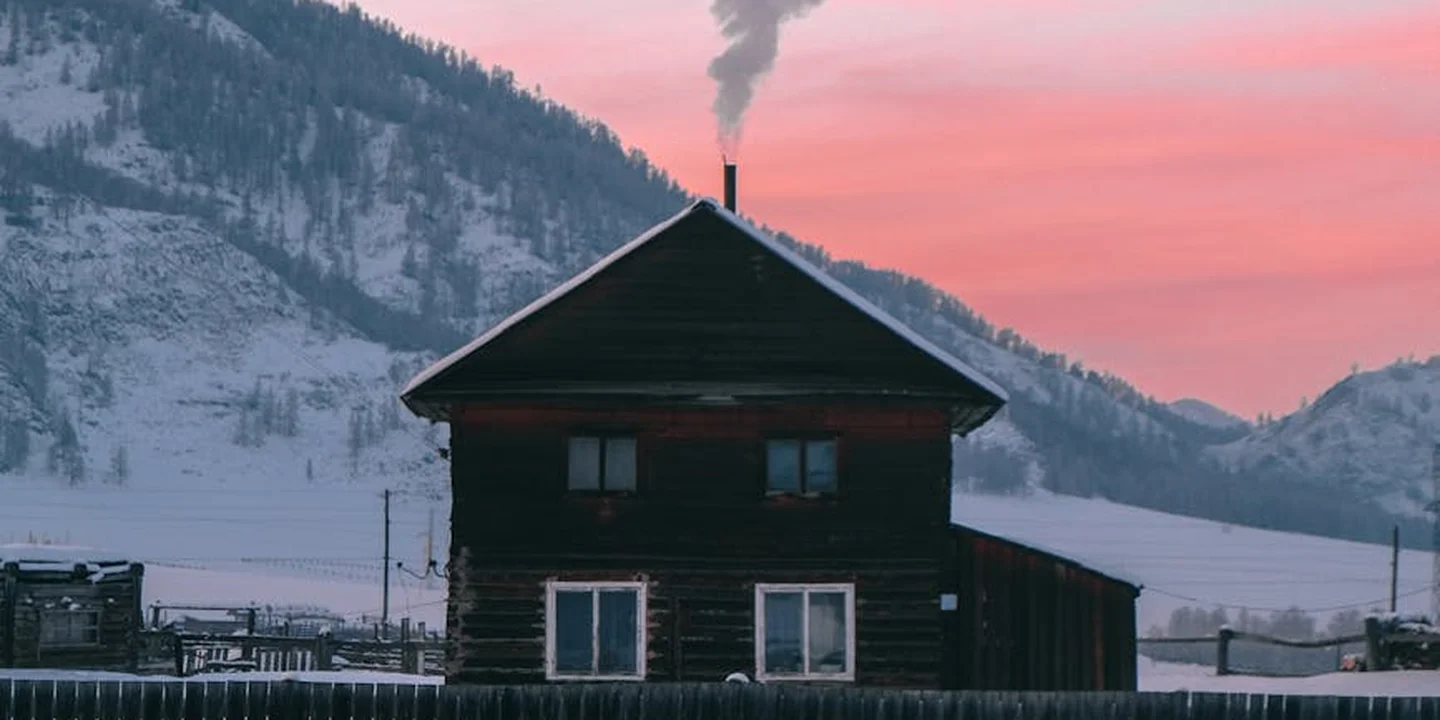
Forget which one is “better.” The question is which one is better for your specific house, budget, and plans.
When a Prefabricated Metal Chimney is Your Best Bet
Think about a prefab metal system if your project matches these points.
- You are adding a wood stove, pellet stove, or fireplace insert to an existing home.
- You live in a manufactured or mobile home (most are designed for specific prefab systems).
- Your budget is tight and you need a lower upfront cost.
- You need a quicker installation, as prefab goes up in days, not weeks.
- Your appliance is a modern, high-efficiency gas, pellet, or wood-burning unit.
When a Traditional Masonry Chimney is Worth the Investment
A masonry chimney makes sense for these situations.
- You are building a new custom home and want a central, permanent architectural feature.
- You own a historic home where authenticity and material matching are priorities.
- You dream of a real brick or stone fireplace facade in your living room.
- You are in your “forever home” and want the longest-lasting structural option.
- You want maximum aesthetic flexibility. Masonry can be faced with brick, stone, stucco, or veneer to match any home style.
Your Final Checklist Before You Choose
Walk through these questions.
- What is my total budget, including installation, flashing, and any interior finishing?
- What specific fuel will I burn (natural gas, pellets, cord wood)?
- Am I retrofitting an existing space or building new from the ground up?
- What is my local climate like (harsh winters, salty coastal air, mild weather)?
Your final step is the most important. Hire a certified professional-a licensed chimney sweep or a specialized installer for prefab, a skilled mason for brickwork-and make sure they coordinate closely with your roofer. The person sealing that chimney to your roof holds the keys to a dry, worry-free house.
Quick Answers
What’s the most critical thing to check on my chimney during a roof inspection?
The flashing-where the chimney meets the roof. For masonry, check for cracked or missing mortar over the step flashing. For prefab metal, look for gaps or failed sealant at the roof collar and storm collar. Water here causes 90% of leaks, so it’s essential to inspect and repair it properly.
My prefab metal chimney cap is rusting. What should I do?
Replace it immediately. A corroded cap lets water into the system, which can damage insulation and the inner liner. Use only a manufacturer-approved or UL-listed replacement part to maintain safety ratings.
I see white, chalky stains on my masonry chimney. Is this urgent?
Yes. That efflorescence means water is moving through the brick and depositing minerals. It signals moisture intrusion, which can freeze and cause spalling. Have a mason inspect the crown, flashing, and mortar joints right away.
Your Roof Needs the Right Partner
Choosing a chimney isn’t about picking the prettiest one. It’s about finding the partner that works best with your specific roof, your budget, and your long-term maintenance plans. Make sure to choose from the right brick types for your roof.
Your roof system is your home’s first line of defense. Regular checks and responsible care for every component, from shingles to flashing to chimneys, are the keys to lasting protection. Keep learning about your specific materials at our Roof Care, All Types of Roof Guide, Care, Maintenance resources to make confident decisions.
Sources and Additional Information
- Metal Vs Masonry Chimney: Which Is Better For Your Home
- Masonry vs. Metal: Which Chimney Is Better?
- Chimneys: Masonry vs. Metal – Lou Curley’s Chimney Service
- Sell me on the pros and cons of steel vs masonry chimney | Hearth.com Forums Home
- Masonry Chimney vs Metal Chimney – What’s Better?
Ray Huffington
Ray is an experienced roofer. He has worked as a general contractor in the roofing industry for over 15 years now. He has installed and repaired all kinds of roofs, from small houses to large mansion, and from basic shingles to cement and metal roofs and even solar roof panels. He has seen homeowners struggle with roofing questions and always has experience based proven advice to help those in need. If you need roof pros, Ray's your guide.