
What Size Hail Damages a Roof? Your Step-by-Step Guide to Assessment and Repair
Has a loud hailstorm just passed, leaving you to wonder if your roof is still protecting your home? I’ve lost count of the roofs I’ve inspected after storms just like that.
Your concern is valid. Damage often starts with hail as small as a quarter, but the real trouble usually begins at about the size of a golf ball.
I’ll explain the exact hail sizes that typically damage asphalt shingles, metal, and tile roofs.
You’ll learn how to spot the subtle and obvious signs of hail damage from a safe distance.
I’ll give you a clear action plan for a professional assessment and lasting repair.
Key Takeaways
Let me give you the straight facts so you know what to look for after a storm.
- Hail smaller than 1 inch rarely punches through your roof’s defenses to cause leaks, but the dings and dents start at about marble size.
- The true risk depends just as much on your roof’s material, its age, and how hard the wind was driving the hail.
- The most reliable signs aren’t always obvious: look for a sand-like pile of granules in your gutters, perfectly round dents on vents or flashing, and soft, dark bruises on the shingles themselves.
- You can handle a single damaged shingle with a quick DIY replacement. For anything more, or if you see granules everywhere, you need a pro to look at it.
- Homeowners insurance typically covers damage that affects the roof’s function, but getting a claim approved for cosmetic marks alone is an uphill battle.
What Size Hail Can Actually Damage Your Roof?
You’re asking the right question. In my years on the crew, I’ve seen hail of all sizes, and the answer isn’t just one number.
Can 1 inch hail damage a roof? Yes, it can. That’s about the size where we start seeing real issues beyond just scuff marks. Can dime size hail damage a roof? Usually not by itself, but a storm pelting your roof with thousands of dimes can sandblast the protective granules right off older shingles.
The easiest way to think about it is with a simple chart. I keep a version of this in my truck to show homeowners.
| Hail Size | Everyday Object | What It Means for Your Roof |
| Under 1/2″ | Pea, Mothball | Mostly a nuisance. Very low risk of functional damage unless your roof is already worn out. |
| 1/2″ to 1″ | Marble, Nickel | Cosmetic damage is common. You’ll likely see granule loss and minor dents on soft metals. |
| 1″ to 1.5″ | Golf Ball, Walnut | This is the threshold where functional damage becomes a real concern. Shingles can bruise and crack. |
| Over 2″ | Hen’s Egg, Baseball | Severe damage is almost guaranteed. Shingles can fracture, and even wood decking underneath can be compromised. |
You need to understand the difference between “cosmetic” and “functional” damage. Cosmetic damage is like a scratch on your car’s paint-it looks bad but doesn’t stop the car from running. Functional damage is a cracked windshield; it affects performance and safety. Small hail accelerates wear, stripping granules that protect the asphalt from the sun, which shortens your roof’s life.
Four things turn a hailstorm from a loud nuisance into a repair bill: your roof’s slope (flat roofs get hit harder), the material’s age (brittle, old shingles crack easily), whether the hail was soft or ice-hard, and if wind was slamming it down sideways. I’ve seen golf-ball hail cause minimal damage on a steep, new asphalt roof, but the same storm shattered old tiles on a neighbor’s low-pitch roof.
Can hail damage a new roof? A proper, newly installed roof is tough, but it’s not armor-plated. While a new roof will fare better, a severe storm with large, hard hail can absolutely damage any roof, regardless of age. I’ve had to replace sections of brand-new roofs after a bad storm because the impact fractures compromised the shingle’s core.
The Hail Size Threshold: From Nuisance to Nightmare
Let’s break down what happens at different sizes, based on what I’ve pulled off roofs for twenty years.
Under 1 inch: Think of this like a light tap from a hammer. It might leave a mark on the surface, but it won’t break anything vital. Your main worry here is cumulative granule loss, which over time exposes the asphalt to UV rays.
1 to 1.5 inches: This is a firm hammer strike. It has enough force to bruise the mat inside an asphalt shingle, creating a weak spot that can crack later. On metal roofs, you’ll see clear dimples. This size often triggers insurance claims.
Over 2 inches: This is a full swing with a sledgehammer. The impact can be devastating. Shingles shatter, clay tiles crack through, and the felt underlayment or even the wood decking can be damaged. Repair is rarely an option; full replacement is usually necessary.
It’s Not Just Size: Factors That Amplify Damage
Hail size tells only part of the story. On every job after a storm, I assess these other factors to give homeowners an honest picture.
Your roof material is the biggest one. Asphalt shingles show bruises and lose granules. Metal roofs dent. Wood shakes can split. Clay or concrete tiles often crack under impact. An older roof of any type is far more vulnerable than a new one.
How your roof was installed matters, too. I’ve seen hail exploit poorly nailed shingles, lifting them right off the deck. A steep roof sheds hail more easily, while a low-slope roof takes a direct, punishing hit.
So, can hail damage roof shingles? Almost always, yes. But whether that damage is a surface scuff or a hidden fracture that will leak next spring depends on this mix of size, material, and condition. A marble-sized hailstone might bounce off a sturdy new metal panel but pepper a weathered asphalt roof with enough hits to require replacement.
How to Identify Hail Damage: A Roofer’s Eye View
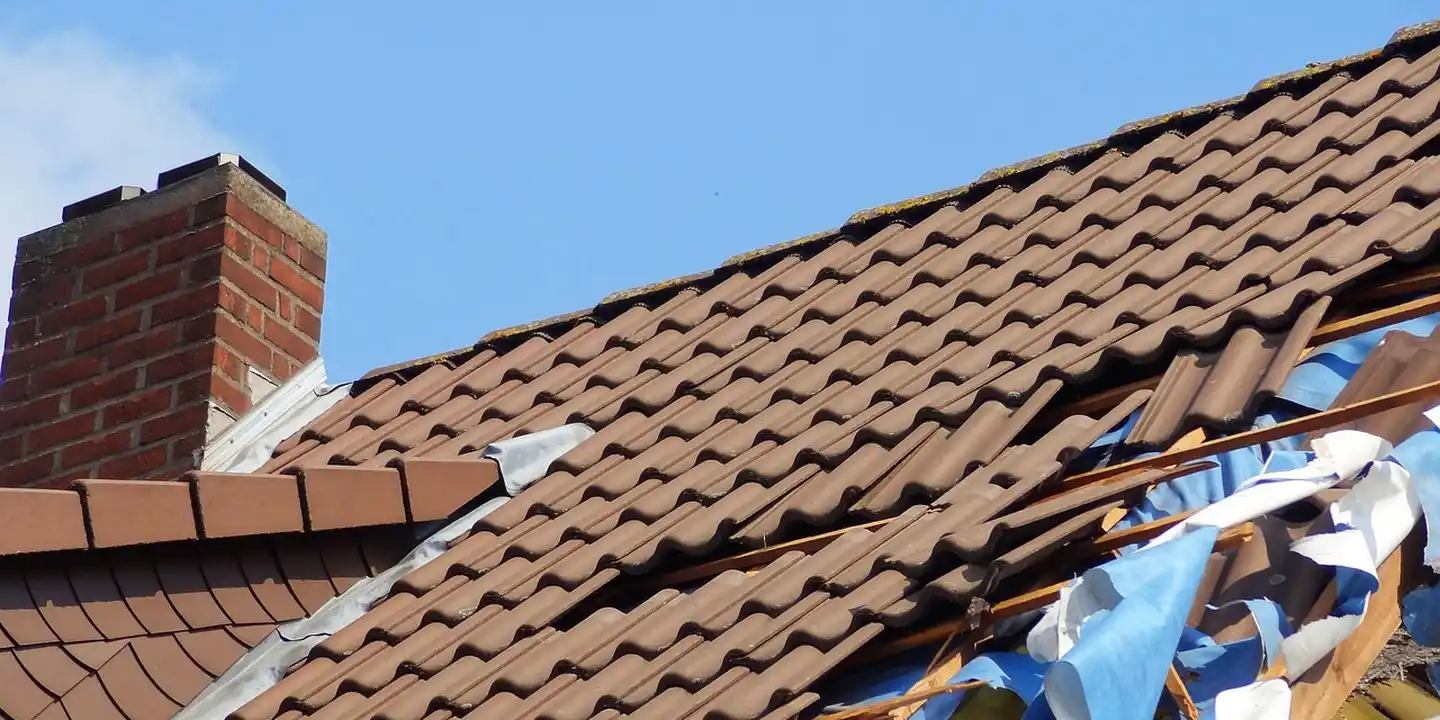
How to identify hail damage on your roof starts with a safe, methodical inspection. Your safety is the most important tool you have. Never walk on a wet, steep, or already damaged roof. A simple fall can change your life.
Start from the ground with binoculars. Then, if you must get closer, use a sturdy, properly placed ladder to view the edge of the roof. Look for patterns. Hail damage often appears in random clusters, not uniform wear. Think of it like searching for bullet holes rather than sun fading.
Can hail damage cause roof leaks? Absolutely, but often not right away. The damage weakens the roof’s surface, and leaks develop slowly over weeks or months. Before you see a drip inside, check your attic for water stains on the wood or insulation. Look for any pinpoints of light coming through the roof deck. These are clear warnings.
Spotting Damage on Asphalt Shingles
Asphalt shingles are the most common roof, and hail hits them in specific ways. You are looking for three main things: granule loss, bruising, and fractures.
First, check your gutters and downspouts. After a hailstorm, they will often be full of loose, sand-like granules. This is a major red flag. It means the shingle’s protective coating has been knocked off. Massive granule loss is like a bald spot on a tire; the underlying material is now exposed to sun and rain and will fail much faster.
Next, look for bruising. A hail hit can compress the asphalt mat inside the shingle, creating a soft, dark spot. To test, gently press on a suspected dark spot with your thumb. If it feels spongy or indents easily, that’s a bruise. The waterproof layer is compromised.
Finally, look for cracks. A strong hailstone can fracture the shingle, creating a star-shaped or straight crack through the surface.
You must differentiate this from normal wear. Blistering from heat looks like small bubbles and is often uniform. Normal aging is a general, even loss of granules, not sudden piles in your gutters. Hail damage is impact damage. It looks like something struck it hard.
Spotting Damage on Metal, Tile, and Wood Roofs
Other roof materials show hail damage differently, but the principle is the same: look for the impact.
On standing seam or metal panel roofs, hail leaves obvious, shiny dents. The paint or coating is often cracked or chipped at the center of the dent. The metal itself is deformed. This is the same principle for a camper roof. Can hail damage a camper roof? Yes, and you inspect it the same way, looking for dents and coating damage on the thin metal skin.
Clay and concrete tiles are brittle. Hail typically causes circular cracks or chips, sometimes knocking a corner completely off. The broken piece will often be on the ground below.
Wood shakes and shingles will show splits. A hailstone can drive a new crack right through the wood or worsen existing checks. Look for fresh, light-colored wood exposed in a split pattern.
Don’t Forget the Supporting Cast: Gutters, Flashing, and Vents
Your roof’s accessories often tell the clearest story. They are also the safest things to inspect from a ladder or the ground.
Check your aluminum gutters and downspouts for dents. The softer metal records hail size perfectly. Look at your roof vents, especially the plastic plumbing vent caps. Hail will crack or shatter them. Dented gutters and cracked vent caps are undeniable proof of a significant hail event and help you gauge the storm’s intensity.
Inspect the metal flashing around chimneys, walls, and roof valleys. A hard hailstone can dent and bend this thin metal, breaking its seal. These spots are critical for preventing leaks, so damage here is a serious concern.
Assessing Hail Damage: Your Step-by-Step Safety Check
After a hailstorm, start your inspection from the ground and move up only if it is safe. I never go onto a roof alone, and you should not either. This step-by-step process answers the question, “How do you assess hail damage on your roof?” Take clear, dated photos of everything you see for your records, your roofer, and your insurance company.
Step 1: The Ground-Level Survey
Keep both feet on the ground and walk around your house. Hail damage shows up on other surfaces first. Look for hail splatter marks on your siding, like dirty circles or small dents.
- Check window screens for tears or dimples.
- Inspect outdoor air conditioner units for bent metal fins.
- Look for debris like shredded leaves, which hail can rip apart.
Then, check your gutters and downspout runoff. A sudden pile of black, sand-like granules in your gutters or on the ground is a major sign of shingle damage. I have seen gutters clogged with granules after a single storm. Roof shingle granules coming off the roof are another common sign of wear. If you spot loose granules in the gutters, it could indicate shingles shedding and potential damage.
Step 2: The Binoculars and Ladder Inspection
Use binoculars to scan your roof from different angles. Look for dark spots or a dimpled pattern. Hail hits are random but widespread, so damage will not be in one neat spot.
If you need a closer view, use a ladder with extreme caution. Place it on stable, level ground. Always have a spotter hold the base of the ladder; never inspect from a ladder alone. From this vantage point, look for bruises on shingles or dents on metal flashing.
Step 3: Determining if Damage is New or Old
Figuring out when damage happened is key for insurance. Fresh storm damage looks different from old wear and tear. New granule loss exposes the lighter-colored asphalt underneath, making shingles look blotchy.
- Recent dents in metal vents or flashing have sharp, clean edges.
- Old damage collects dirt, moss, or shows rust and fading.
I have helped clients with claims by pointing out these clues. Being able to show that damage is new from a specific storm helps your insurance claim proceed smoothly.
The RoofMason Material Verdict: Which Roofs Best Resist Hail?
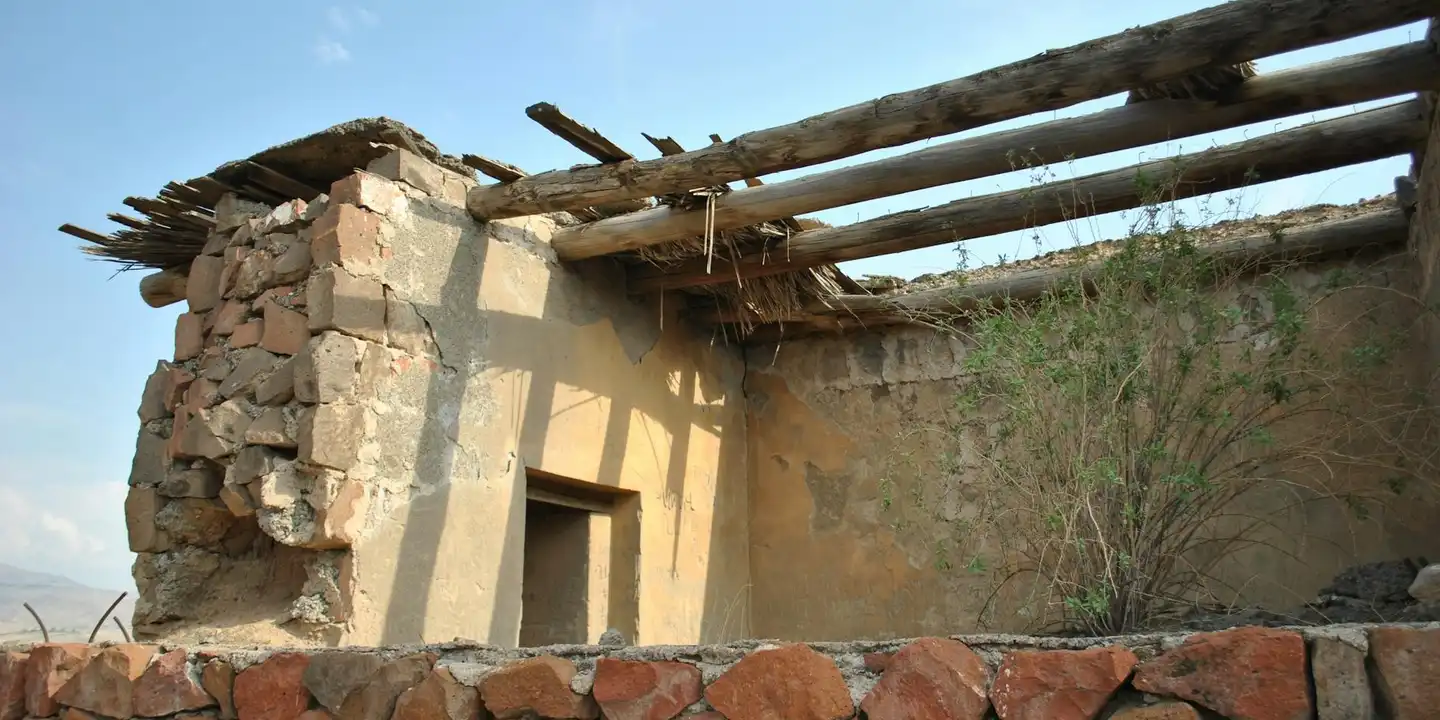
If hail keeps hitting your roof, you might think about a more resilient material next time you replace it. Not all roofs are the same. I compare common materials based on how they handle hail, their weight, fire safety, and overall value. Think of this as a guide for your next roof, sorted from good to best for hail country.
Tier 1: Standard Asphalt Shingles (The Common Choice)
This is what’s on most houses. These shingles have an impact rating from Class 1 (weakest) to Class 4 (strongest). Most basic, 3-tab shingles are Class 1. Many architectural shingles are Class 2.
Here is what those classes mean in a real storm. A Class 1 shingle is tested to resist a 1.25-inch steel ball dropped from 20 feet. That’s like a hailstone just over an inch in diameter. A Class 2 rating handles a 1.5-inch ball.
For a practical rule, a severe storm with 1-inch hail or bigger can cause functional damage to a standard Class 1 or 2 roof. You will see the bruising and granule loss we talked about earlier. When people ask “can hail damage roof shingles,” this is the material they are usually asking about. They are affordable and fine for areas with rare, small hail. In hail-prone zones, they are the most vulnerable common choice.
Tier 2: Impact-Resistant Shingles & Metal Roofing
This tier is the sweet spot for many homes in moderate hail zones, offering a big jump in protection.
- Impact-Resistant (Modified) Asphalt Shingles: These are your standard architectural shingles’ tougher cousin. They have a rubberized polymer layer mixed into the asphalt. This makes them more flexible and durable. They typically carry a Class 3 or Class 4 rating (resisting 1.75-inch and 2-inch steel balls, respectively). They cost more than standard shingles, but the insurance discount in many states can help offset that over time.
- Standing Seam Metal Roofing: Metal is a different beast. A hailstone won’t puncture a properly installed standing seam roof. It will dent it. The thick gauge (22 or 24 gauge is good) and high-profile seams help. The beauty of metal is its combination of a Class A fire rating (the best), relatively light weight, and long life. It gives you excellent hail resistance without the massive weight of tile or slate.
For “bang for your buck” in areas that see a few serious storms a decade, this tier is hard to beat. You get much better hail defense, good fire safety, and a roof that lasts.
Tier 3: Premium Champions: Slate and Concrete Tile
These are the heavyweights in every sense. They offer the best natural hail resistance you can buy.
- Concrete and Clay Tile: These tiles are incredibly hard. Large hail can chip or crack them, but it takes a lot of force. Their main drawbacks are immense weight (your home’s structure must be checked) and cost. Walking on them for repairs can also break tiles.
- Natural Slate: This is the premium champion. Proper slate is a stone tile. It is virtually impervious to hail damage and can last over a century. The cost is very high, and the weight is even greater than concrete tile.
Consider slate or concrete tile if you own a historic home, live in a severe climate with frequent large hail, or plan to stay in your home for 30+ years. For most homeowners, the investment is hard to justify solely for hail protection. But if you want the ultimate shield and have the budget and structure for it, this is it.
Repair vs. Replace: The Real Cost of Fixing Hail Damage
After you spot hail hits, the big question hits you. Do you fix a few spots or replace the whole roof? I see homeowners struggle with this all the time.
The cheapest option now isn’t always the smartest money spent. A patch on a failing roof is a band-aid on a broken arm. It might cover the spot, but the whole system is still weak.
Let’s talk real numbers so you can budget wisely. Replacing a few damaged shingles might cost $150 to $400, depending on your roof’s pitch and accessibility. A full roof replacement is a different world, typically ranging from $8,500 to $25,000 or more, driven by size, materials, and location. As pricing shifts in 2024, it’s helpful to compare updated roof repair and replacement costs. We’ll cover the latest 2024 figures in the next steps.
Insurance plays a huge role here. Adjusters categorize damage as “functional” or “cosmetic.” Functional damage means the shingle’s ability to shed water is compromised, like a broken seal or a puncture. Cosmetic damage is just a bruised granule layer with no breach. Most policies cover functional damage. They often won’t pay for cosmetic issues alone.
The Patch Repair Verdict: When It Makes Sense
Patching is a legitimate, professional repair in the right situation. I’ve done it many times for neighbors and clients.
It only makes sense under these specific conditions.
- You have less than 10 clearly isolated damaged shingles.
- Your roof is less than halfway through its expected lifespan (e.g., a 10-year-old 25-year shingle).
- An inspection confirms zero damage to the wooden roof deck underneath.
- The surrounding shingles are still flexible and in good shape.
Here is the critical warning. Patching a roof that’s 18 years old and already brittle is pouring money down the drain. You are paying to fix one weak spot on a surface that is full of them. The next storm will find another weak spot, and you’ll be right back on the ladder.
The Replacement Verdict: When It’s Inevitable
Sometimes, the answer is clear. Replacing the entire roof is the only responsible choice to protect your home.
Full replacement becomes inevitable when you see widespread systemic damage. Look for these signs.
- High density of hits, like 8 to 10 or more per roofing slope.
- Soft, spongy spots when walking the roof, indicating a compromised deck.
- Your existing roof is old, dry, and brittle, nearing the end of its warranty.
- Random damage across multiple slopes, not just one sheltered area.
There’s another practical headache with patching older roofs. Finding an exact color and granule match for shingles discontinued five years ago is nearly impossible. A small repair can turn into a glaring eyesore that hurts your curb appeal and home value. When the damage is widespread, a full replacement gives you a uniform look, a new warranty, and peace of mind for decades.
DIY Repair Guide: Safely Fixing Minor Hail Damage
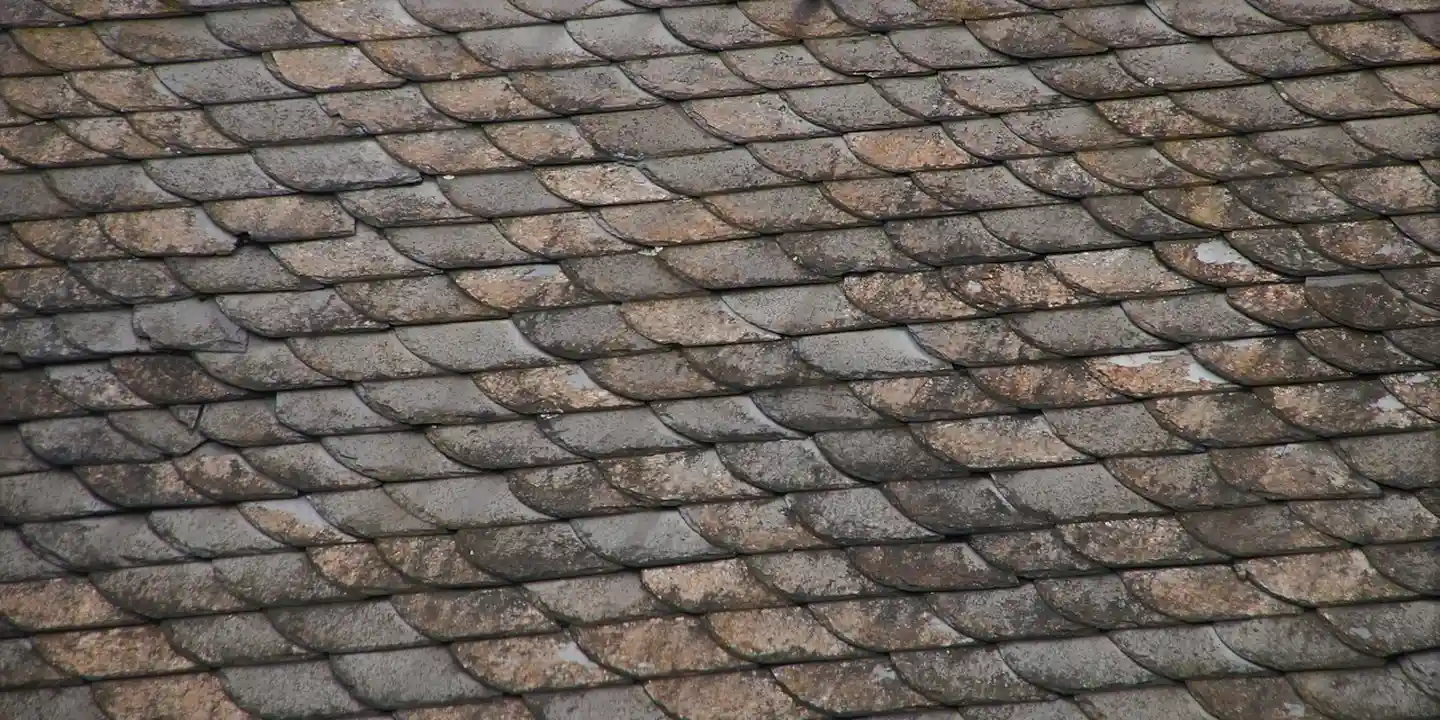
If you found only a handful of damaged shingles after a storm, you might be able to handle the repair yourself. This DIY guide answers “how to repair hail damage on your roof” for small, accessible jobs, like replacing three to five cracked asphalt shingles. I’ve done this exact repair on my own home and for neighbors over the years. But your safety is non-negotiable.
Always work with a buddy who can steady the ladder and call for help if needed. Never go on the roof in wet, icy, or windy conditions. For any roof work, proper fall protection like a harness system is ideal. If that seems like too much, that’s your first sign to call a professional.
Know when to stop: if the damage is widespread, if your roof is steep, or if you feel unsure at any point, put the tools down and contact a licensed roofer. Fixing a small spot is one thing. Compromising your safety or creating a leak is another.
Tools and Materials You’ll Need
Gather everything on the ground first. Trying to climb up and down for forgotten tools is a major risk.
- Replacement shingles: Match the color and if possible, the lot number. Check your attic or garage for leftovers from the original install.
- 1 1/4-inch roofing nails (galvanized).
- A hammer and a flat pry bar.
- A sharp utility knife.
- A tube of plastic roofing cement.
- Leather gloves and safety glasses.
For your ladder, use OSHA-compliant stabilizer arms to prevent it from sliding sideways against the gutters. I’ve seen too many close calls with wobbly ladders. Set it on firm, level ground and have your buddy hold the base.
Step-by-Step: Removing and Replacing a Damaged Shingle
Take your time. Rushing leads to mistakes. Here’s the method I use on my own repairs.
-
Lift the tabs above. Find the damaged shingle. Carefully lift the sealant strips on the shingles directly above it. Slide your pry bar under to loosen them without tearing. Repair or replace the damaged shingle as needed.
-
Remove the nails. You should now see the nails holding the damaged shingle. Use the claw of your hammer or the pry bar to pull them out. A common mistake is damaging the good shingle above when pulling nails; be gentle and work slowly.
-
Slide the old shingle out. Once the nails are free, the damaged shingle should slide right out from under the ones above it.
-
Slide the new shingle in. Position your replacement shingle exactly where the old one was. It should slip neatly into the gap.
-
Nail it properly. Drive four new nails across the top of the shingle, right along the nail line (the thick, dark strip). The nails must be below the sealant strip of the shingle above. Over-nailing, or putting nails in the wrong spot, is a fast way to create a leak.
-
Seal it down. Apply a small dab of roofing cement under the corners of the overlying shingle tabs you lifted. Press them down firmly to re-seal them to your new shingle.
You’re done. Check that all the tabs lay flat and the surrounding shingles aren’t bent. If everything looks smooth, you’ve successfully patched a minor hail hit.
When to Put Down the Tools and Call a Professional Roofer
Your safety is not worth the risk. I have seen too many homeowners get hurt trying to save a few dollars. If your assessment shows a steep pitch, widespread damage, or any sign of a leak, your job is to call a professional, not to climb up there.
When you feel uncertain about the damage, that is your gut telling you to bring in an expert. A steep roof is deceptively dangerous. Extensive damage means the roof’s integrity is compromised. Active leaks mean water is already inside, which can lead to mold and rot.
Choosing a reputable roofer is your most important next step. Do not just pick the first name from an online ad. Here is my simple checklist from years in the field.
- Verify their state contractor’s license and ask for a certificate of insurance for both liability and workers’ compensation.
- Ask for three local references from jobs done in the last year and actually call them.
- Get all warranty details in writing, for both the materials and the roofer’s workmanship.
An experienced pro brings a trained eye you simply do not have. We can gently probe the decking for soft, rotten wood that looks fine from the surface. This hidden damage is the difference between a simple repair and a full roof replacement, and missing it can cost you thousands later.
Red Flags That Demand a Pro
Some warning signs mean the conversation is over. Put down your ladder and pick up the phone.
- You see new water stains on your ceiling or walls, even if the roof looks dry.
- You feel soft, spongy spots when walking carefully on the roof deck.
- Hail hits are clustered in complex areas like roof valleys, around chimneys, or along the ridges.
- Your home is more than two stories tall. The fall risk increases dramatically.
If you are asking “can hail damage a roof” while looking at a sea of dents across your shingles, the answer is a clear yes, and you need a professional assessment immediately. I once had a client who waited on valley damage, and it led to a major interior leak during the next rain.
Working with Insurance and Your Roofer
Navigating an insurance claim is a team effort between you, your roofer, and the adjuster. Make your roofer your ally.
Schedule the insurance adjuster’s inspection for a time when your chosen roofer can be present. My crew and I have done this dozens of times. We can show the adjuster subtle hail marks and functional damage they might otherwise dismiss. Always get a detailed, written estimate from your roofer that breaks down every cost, from materials to labor to waste removal.
Current building codes often require upgrades when you replace a roof. You might need a thicker synthetic underlayment, more nails per shingle, or a higher wind-rated material. These code compliance items are not always covered by your initial insurance settlement; the cost is sometimes split between you and the insurer, or it may be your responsibility. Your roofer should explain this clearly in the estimate so there are no surprises.
Common Questions
How do I tell if dark spots on my shingles are hail damage or just normal wear?
Press gently on the spot with your thumb. If it feels soft and spongy, that’s a hail bruise, which means the waterproof layer is compromised. Normal wear feels firm and looks uniform, not like random, dark impact points.
What’s my first call after confirming hail damage: a roofer or my insurance company?
Call a reputable, local roofer first for a professional assessment. They can provide the detailed report and photos you need to file a strong, accurate insurance claim for your roof leak.
I’m replacing my roof. What’s the most cost-effective material for hail resistance?
Choose Class 4 impact-resistant asphalt shingles. They offer excellent hail protection for the price and often qualify for an insurance discount, making them the smart, long-term value choice for most homes.
Building a Hail-Resistant Roof Future
From my years on the job, I know that a prompt, professional inspection after a storm is the single best way to protect your roof. Addressing small hail damage quickly prevents larger, more expensive problems down the line.
Responsible roof ownership means making safety your first priority during any check or repair. Keep building your knowledge on general roof care and maintenance to ensure your home stays durable and secure for years to come.
Ray Huffington
Ray is an experienced roofer. He has worked as a general contractor in the roofing industry for over 15 years now. He has installed and repaired all kinds of roofs, from small houses to large mansion, and from basic shingles to cement and metal roofs and even solar roof panels. He has seen homeowners struggle with roofing questions and always has experience based proven advice to help those in need. If you need roof pros, Ray's your guide.