
How Much Does Metal Roofing Cost per Square Foot and What Area Does It Cover?
Ever quote a metal roof job and get stunned by the price? I have, and so have most homeowners I’ve worked with. You need clear numbers on cost per square foot and sheet coverage to plan your budget.
I’ll explain what drives the price, how roofing squares measure area, and my crew’s method for estimating total cost accurately.
Key Takeaways: Your Quick Price and Coverage Guide
I have priced hundreds of metal roofs. Here is the honest, no-fluff summary you can use right now.
- Expect to pay between $9 and $18 per square foot for a professionally installed metal roof. Simple roofs land on the lower end, complex designs with valleys and chimneys push costs higher.
- Metal roofing sheets have a ‘coverage factor’ because they must overlap to shed water. A panel sold as 3 feet wide does not cover 3 square feet for every foot of length. The exposed area is always less.
- A single 8-foot sheet of 26-gauge corrugated metal typically costs $50 to $80 at a building supply center. This is for the material only, before any trim or fasteners.
- The roof’s design and the installer’s skill cause the widest price swings. Labor for a steep, intricate roof costs far more than for a simple garage.
Breaking Down the Metal Roofing Sheet: Cost and Coverage Demystified
Let’s open up the estimate book. You need to understand two different numbers: what the materials cost and what the finished roof costs.
Material-only cost is the price you pay for the sheets, screws, trim, and underlayment at the supplier. Installed cost is the complete price from a roofing contractor, which includes labor, equipment, insurance, and disposing of old materials. The installed cost is usually two to three times the material-only price.
Here is what you’ll pay for common sheets at the supplier. These are ballpark figures for 26-gauge steel in an 8-foot length.
| Profile Type | Approx. Cost per Sheet | What I’ve Seen on Jobs |
|---|---|---|
| Corrugated | $50 – $80 | Best for outbuildings and budget-friendly covers. The ribs are rounded. |
| R-Panel | $70 – $100 | A workhorse for barns and shops. It has taller, trapezoidal ribs for strength. |
| Standing Seam | $100 – $150+ | The premium choice for homes. Fasteners are hidden under the seams for a clean look. |
Gauge tells you how thick the metal is. A lower gauge number means a thicker, more durable sheet of metal, and a higher price tag. Think of it like paper: 24-gauge is like cardstock, 29-gauge is like regular printer paper. I never recommend thinner than 26-gauge for a roof that needs to withstand weather.
Coverage is where most DIY estimates go wrong. Every metal panel has a total width and a smaller coverage width. The coverage width is the amount of roof the panel actually protects after it overlaps with the sheet next to it. It is like laying down wooden floorboards; you lose a little bit of width with each board because they sit side-by-side, not edge-to-edge.
This table shows how it works for standard panels. It explains why you buy more square footage of sheets than your roof measures.
| Panel Type | Total Width | Coverage Width | Area One 8-ft Sheet Covers |
|---|---|---|---|
| Corrugated | 36 inches | 34 inches | About 18.7 square feet |
| R-Panel | 36 inches | 35 inches | About 19.2 square feet |
| Standing Seam | Varies | 16 inches (common) | About 10.7 square feet |
The Real Cost: From Sheet Price to Finished Roof
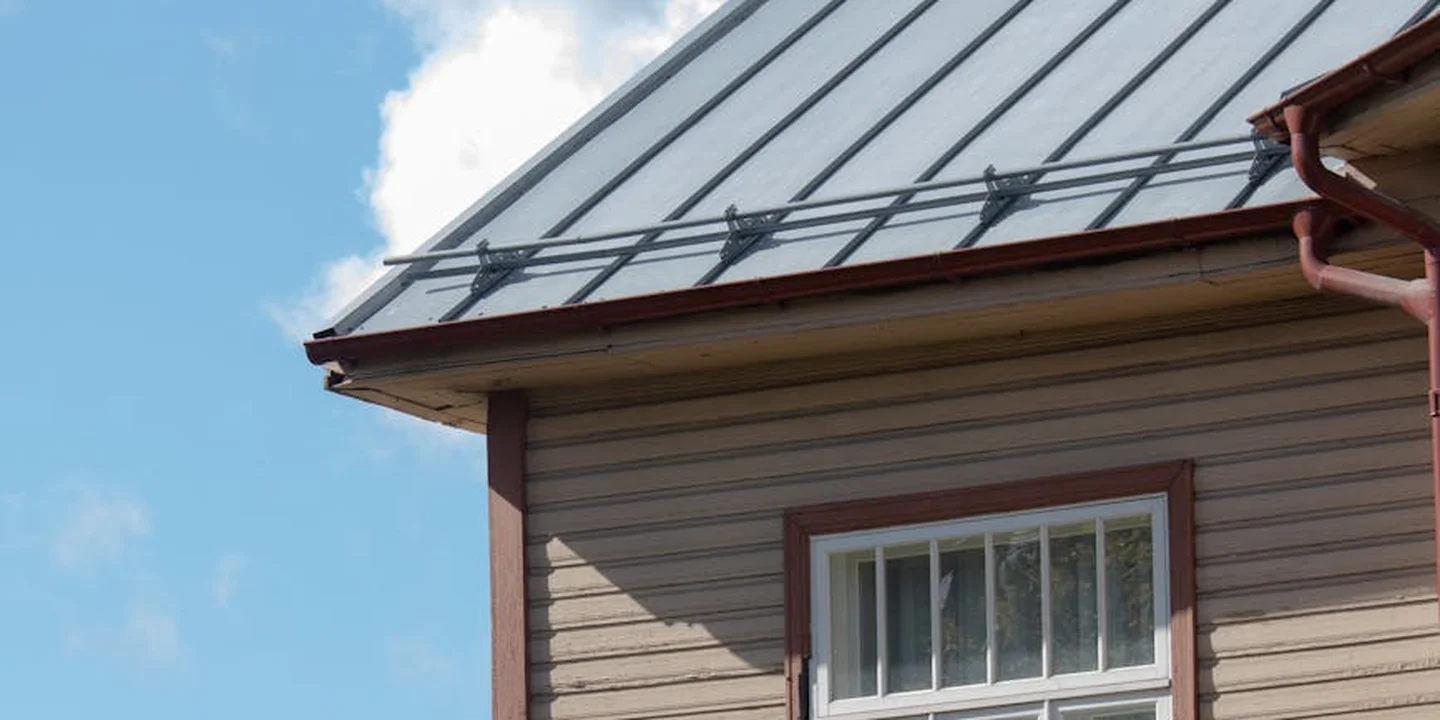
Thinking the price on a metal sheet is your final cost is like thinking a car’s sticker price includes insurance and gas. The sheet is just one part.
Here is what a complete metal roofing cost per square foot installed actually covers.
The Hidden Parts You Must Buy
Every quality metal roof needs these components. A cheap quote often misses them.
- Underlayment: This is the waterproofing layer nailed to your deck. Synthetic felt is the modern standard. It is not optional.
- Fasteners & Clips: Specialty screws with sealing washers for exposed-fastener panels. Hidden clips for standing seam systems. Using the wrong ones causes leaks.
- Trim & Flashing: Drip edge along the eaves and rakes. Ridge caps. Metal flashing for walls, chimneys, and plumbing vents. This trim work is where water gets stopped.
- Vents & Ridge Vent: You need proper attic ventilation. A continuous ridge vent cut into a metal roof is a common, effective method.
What Makes Labor Costs Swing
Labor is not a flat rate. It changes with your roof’s difficulty.
- Slope (Pitch): A low, walkable roof is cheaper and faster. A steep roof needs more safety gear, more time, and costs more.
- Complexity: Every chimney, skylight, vent pipe, or valley is a custom flashing detail. More cuts and fits mean more labor hours.
- Tear-Off: Removing old shingles adds cost for disposal and labor. Some metal can be installed over one layer of existing shingles, but you must check your local code.
Putting It All Together: A Real Example
Let’s look at a metal roofing cost for a 1000 sq ft house. This means about 10 roofing squares (100 sq ft each).
For a basic exposed-fastener metal roof, the total metal roofing cost per square foot installed often falls between $10 and $15. That includes materials and labor. The metal roof install cost per sq ft is a handy figure to reference when comparing bids and planning your project.
For that 1,000 sq ft roof, you are looking at a total project cost in the range of $10,000 to $15,000. Understanding roof replacement cost per square foot can help you compare options. It also helps with budgeting as you weigh material choices. A standing seam system would start higher, often $15 to $25 per square foot installed.
Your Location Changes the Price
A search for metal roofing cost near me is smart. Prices shift with local labor rates, material availability, and even climate demands.
Take the metal roofing cost per traditional oregon style home. In the wet Pacific Northwest, crews are experts at handling moisture. But demand is high. You might pay a premium for a skilled crew familiar with heavy rain details. In a drier region, the focus might be on thermal expansion and sun exposure.
Always get at least three detailed, written quotes. A good quote breaks out material costs, labor costs, and a scope of work. It lists the underlayment brand, fastener type, and trim details. Comparing a per-sheet price is useless. Compare complete proposals.
The RoofMason Material Verdict: Metal vs. The Field
Choosing a roof is about balancing your budget with your long-term goals. Let’s put the major players side-by-side.
Here is a direct comparison. Think of it as a spec sheet for your home.
Asphalt Shingles (3-tab)
- Installed Cost per sq. ft.: $4 – $6
- Weight: 2 – 3 lbs
- Lifespan: 15 – 20 years
- Fire Rating: Class A
- Hail Resistance: Poor to Fair
- Best Climate: Moderate; struggles in extreme heat or high wind.
Standing Seam Metal Roof
- Installed Cost per sq. ft.: $15 – $25+
- Weight: 1 – 2 lbs
- Lifespan: 40 – 70+ years
- Fire Rating: Class A (non-combustible)
- Hail Resistance: Good to Excellent (depends on gauge)
- Best Climate: All. Excellent for snow shed, high wind, and fire-prone areas.
Clay or Concrete Tile
- Installed Cost per sq. ft.: $15 – $30+
- Weight: 9 – 12+ lbs (requires reinforced decking)
- Lifespan: 50 – 100+ years
- Fire Rating: Class A (non-combustible)
- Hail Resistance: Fair (tiles can crack)
- Best Climate: Hot, dry climates; heavy in seismic zones.
The Best Bang for Your Buck
The right choice depends on what you value most.
For long-term value and low maintenance: Metal wins. When you compare asphalt vs metal roofing longevity value, the durability difference becomes a deciding factor. The metal roofing cost vs shingles story changes over time. A metal roof costs 3-4 times more upfront than basic shingles. But if a shingle roof needs replacing twice in 50 years, the lifetime cost becomes similar. Metal saves you the hassle and cost of future re-roofs.
For fire safety and snow shed: Metal is the clear, practical choice. It is non-combustible and sheds snow quickly, preventing ice dam buildup.
For the tightest budget today: Quality architectural asphalt shingles are a sound choice. Just know you are buying a 25-year roof, not a lifetime one. Understanding the roof shingles lifespan helps you plan for maintenance and replacement.
One more factor for metal: reflective coatings can lower cooling costs by 10-25% in hot, sunny climates. This energy saving offsets a portion of the higher initial metal roofing cost per square foot over its long life.
Your Metal Roofing Cost Calculator: A Step-by-Step Guide
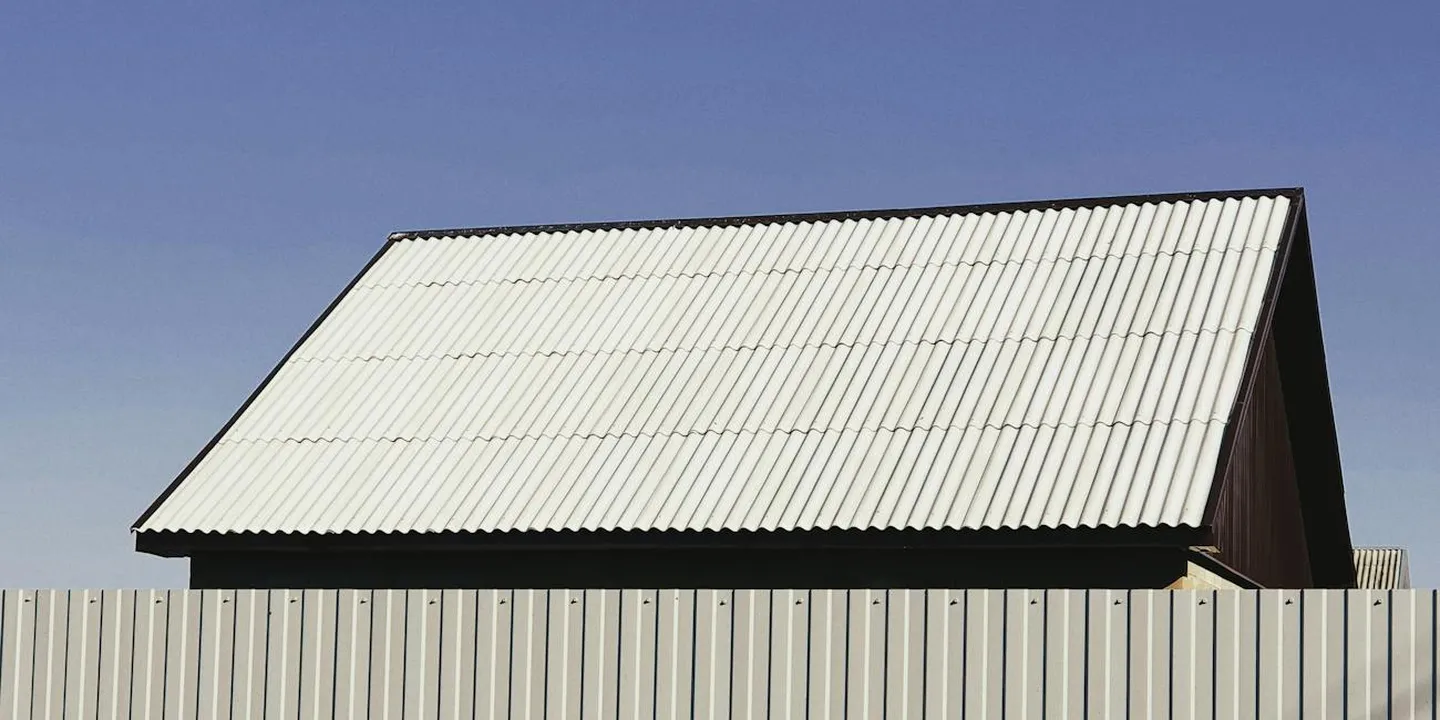
When I talk pricing with homeowners, I show them how to sketch a manual estimate. This exercise isn’t about replacing your contractor, it’s about learning the language so you can budget realistically and discuss costs confidently.
-
Step 1: Measure Your Roof in “Squares”
Forget total square feet for a moment. In roofing, we use “squares.” One square is 100 square feet. From the ground, measure the length and width of each roof section as if it were a flat rectangle. Multiply length times width for each section, add them together, and divide by 100. That number is your roof’s size in squares, and it’s the unit every roofer uses. These steps also help you calculate roofing squares for a gable roof and estimate the shingles you’ll need. It keeps you oriented for material orders and budgeting.
-
Step 2: Apply the “Coverage Factor” to Sheet Count
Metal panels lap over each other. A 3-foot-wide sheet might only cover 36 inches minus the overlap. Your supplier calls this the coverage factor. Take your total squares, multiply by 100 to get square feet, then divide by the effective coverage of one sheet to find how many sheets you need. It converts roof area into actual pieces of metal.
-
Step 3: Factor in Waste from Cuts and Edges
You will lose material. For a simple roof with straight lines, add 10% to 15% extra sheets for waste. If your roof has valleys, chimneys, or complex angles, waste jumps to 20% or more. On a crew, we always order extra. Running short mid-job costs more in delays than the extra materials do.
-
Step 4: Build a Simple Materials List
Sheets are just the start. To see how much does it cost to sheet a roof, list every part: metal panels, matching fasteners, closure strips, underlayment, and all flashing pieces. Base the quantities on your square footage plus waste. This list turns a vague quote into a clear breakdown you can understand.
Use this guide for a ballpark budget number. A professional must always take the final, precise measurements from on the roof before any metal is cut or ordered. My sketches from the ground have been wrong more than once when I got up top.
Repair vs. Replace: The Metal Roof Cost-Benefit Analysis
Picture this: a tree limb cracked three panels on your 15-year-old roof. The rest looks solid. This exact call is one I’ve made on hundreds of job sites over the years.
The Real Cost to Patch Damaged Panels
Patching seems cheap but has hidden costs. You must find the exact same panel profile and color, which can be discontinued. Labor involves skilled removal of the bad sheets without bending the good ones. Color matching is often impossible because old metal fades in the sun, leaving a visible repair spot. For a small, accessible patch, expect $400 to $1,500 just for that spot.
The Real Cost to Replace a Section or the Whole Roof
Replacing a full section (one roof plane) avoids color mismatch. A full replacement addresses root causes. Replacing one section might cost $2,500 to $7,000, while a complete new metal roof starts around $12,000 and goes up from there for an average house. When weighing metal vs shingle roof cost, these figures illustrate how upfront price compares with long-term value. The higher initial investment buys decades of new life and modern performance.
The Verdict: Smart Repair or Money-Wasting Band-Aid?
Choose to patch only when the damage is very small, the surrounding roof is young and sound, and you have the original material. Patching is a waste of money if you see rust streaks from many fasteners, panels are corroding at the laps, or the roof is well past its warranty. I’ve done cheap patches that failed in a year because the rest of the roof was already failing.
Based on my experience, costs typically fall into these tiers: a simple repair runs $400-$2,000, a section replacement $2,500-$10,000, and a full roof replacement $12,000-$35,000. Your home’s specifics will determine where you land. Note that 2024 pricing trends can shift these ranges due to material and labor costs. Look for a 2024 update on costs for roof repair and replacement for the latest figures.
Buying and Installing Smart: A Roofer’s Safety and Value Checklist
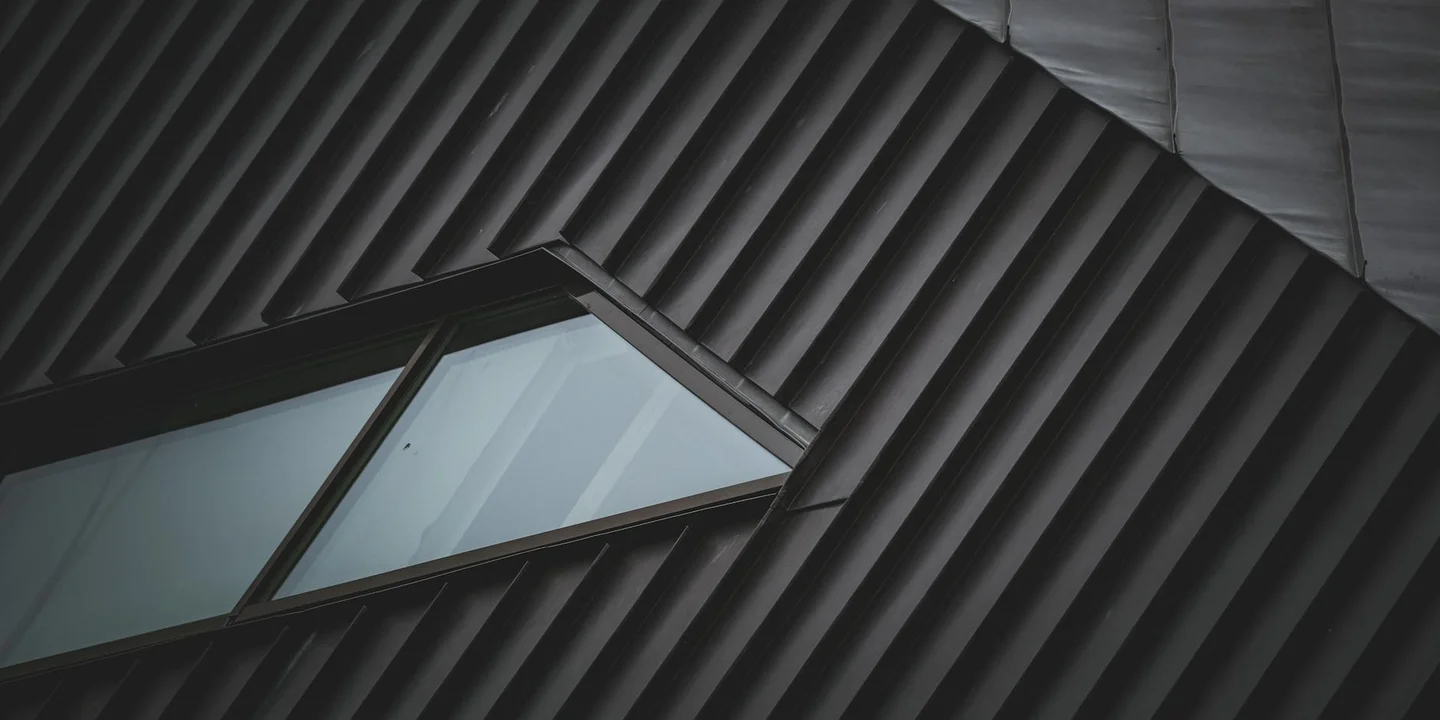
Knowing the price per square foot is just the start. The real value of a metal roof comes from how it’s put on your house. I’ve been on crews where we fixed expensive roofs that failed early because of simple installation mistakes. Let’s walk through what actually matters for residential metal roof installation.
Get the Installation Details Right
Think of your metal roof like a good raincoat. It needs all its layers fastened correctly to keep you dry. The sheets themselves are tough, but the hidden parts determine if you get 15 years or 50.
- Fasteners: Use the exact screws or nails the manufacturer specifies. On a porch job, I used off brand screws to save a few bucks. They rusted in two seasons and started leaking. Always use color matched, rubber washer head fasteners designed for metal.
- Underlayment: This is the waterproof barrier under the metal. Don’t skip it or use cheap felt. A synthetic underlayment resists tearing and gives you a backup layer of protection.
- Expansion and Contraction: Metal moves with heat and cold. If panels are locked down too tight, they can buckle or tear at the seams. Your installer must follow the plans for slip clips or oversized fastener holes that allow for this movement.
Safety is Non Negotiable, for Everyone
I won’t sugarcoat it. Roof work is dangerous. I’ve seen close calls that still make my palms sweat. Whether you’re doing it yourself or hiring out, safety comes first.
If you’re a DIYer, renting proper fall protection is cheaper than a hospital bill. You need anchored harnesses, guardrails, or a certified roofing safety system. Climbing a ladder with a bundle of metal is a recipe for disaster.
Hiring a pro? Your first question should be about insurance. Ask for proof of both liability and workers’ compensation insurance. An insured contractor protects you from being liable if a worker gets hurt on your property. It’s a sign of a professional who values their crew and your peace of mind.
Your Local Building Codes Are Your Friend
Roofing isn’t one size fits all. What works in Arizona will fail in Minnesota. Building codes spell out the rules for your area’s weather.
For snow, codes dictate the required load capacity. A roof in heavy snow country needs stronger purlins and closer fastener spacing. For wind, it’s all about uplift resistance. Your metal panels and their attachment must meet the wind speed rating for your specific zone. A good roofer will pull the permit and know these details. If they brush off code questions, find someone else.
Choose Materials That Do More
Today’s metal roofing can be a smart choice for your wallet and the environment. Look for two key features when you shop.
First, ask about recycled content. Many metal sheets are made with 25% to 95% recycled steel or aluminum. You’re giving old material a new life.
Second, consider a cool roof coating. These special painted finishes reflect the sun’s heat. A light colored, reflective coating can significantly lower your attic temperature and your cooling bills. It’s like putting a sun hat on your house.
Putting It All Together for Your Decision
So how do you use this list? Don’t just get three bids on price alone. Get three detailed proposals.
Compare them line by line. Check the fastener type, the underlayment brand, and the safety plan. Verify the contractor is licensed and insured. See if they mention local code compliance for snow or wind. Ask about the recycled content and coating options on the metal samples you like.
The cheapest bid often cuts corners on these very details. The right roofer will explain their process and show you why their methods add value. Your goal is a roof that’s safe, legal, durable, and efficient. That’s how you buy smart.
Common Questions
1. Beyond the initial price, how does a metal roof actually save me money long-term?
Its lifespan is the real savings. A quality metal roof lasts 40-70 years, meaning you’ll likely avoid one or two full re-roofs compared to asphalt shingles. You also save on future repair costs and can see lower cooling bills with a reflective coating.
2. What’s the single most important maintenance check I should do on my metal roof each year?
Inspect the fastener tightness and seals, especially after the first major temperature cycle. Look for any screws that may have backed out or whose rubber washers are cracked, as these are the most common leak starters.
3. When getting quotes, what’s one red flag in a contractor’s proposal that should make me walk away?
A quote that only gives a bottom-line price with no breakdown of materials. A trustworthy proposal will list the specific underlayment, fastener type, trim details, and warranty. Vague quotes often hide cost-cutting on these critical components.
Making Your Metal Roof Decision with Confidence
Always plan your metal roof project around the complete installed cost, not just material prices. This upfront clarity helps you avoid budget shortfalls and secures a roof that stands up to the elements for years.
Take ownership of your roof’s condition through regular, safe inspections and timely repairs. Deepen your knowledge with resources on Roof Care and All Types of Roof Guide to manage any roofing system wisely.
Citations and Authoritative Sources
- Metal Roofing Cost (2025): Prices, Factors, and Savings
- Metal Roof Cost And Price Guide For 2025
- r/Roofing on Reddit: Is a metal roof really massively more expensive than an asphalt shingle roof?
- How Much Does Metal Roofing Cost In Dayton? | Best Choice Roofing
Ray is an experienced roofer. He has worked as a general contractor in the roofing industry for over 15 years now. He has installed and repaired all kinds of roofs, from small houses to large mansion, and from basic shingles to cement and metal roofs and even solar roof panels. He has seen homeowners struggle with roofing questions and always has experience based proven advice to help those in need. If you need roof pros, Ray's your guide.