
Is Your Coastal Gutter System Ready for Salt and Storms?
Living by the water is a dream, but have you checked what the salt air is doing to your gutters? Corrosion and storm damage can compromise your home’s drainage fast. I’ve seen entire systems fail after one severe season.
- Selecting gutter materials that won’t corrode in salty air.
- Establishing a simple, effective cleaning and inspection routine.
- Installing upgrades to handle heavy rain and high winds.
Why Coastal Weather is a Gutter’s Worst Enemy
I have worked on hundreds of coastal homes. The ocean view comes with a price: your gutters face a double threat of constant salt spray and seasonal high-wind storms.
Salt spray is more than just wet air. Salt acts as an electrolyte, which drastically speeds up galvanic corrosion when two different metals touch. I’ve seen aluminum gutter sections fail fast because they were fastened with plain steel screws. The salt water creates a tiny electrical current that eats the metal.
Think of sea spray as a constant, fine abrasive coating. This mist settles on everything, trapping moisture and preventing surfaces from ever fully drying. This is exactly how sea spray accelerates gutter wear; it keeps the metal damp and active, so rust and corrosion work overtime.
Then, the storms hit. High winds test every gutter spike, hanger, and seam, searching for weak points. On a job after a hurricane, we found gutters torn off because the hidden hangers corroded and snapped. Wind also turns pine needles, sand, and shell fragments into projectiles that can dent or puncture your system.
Choosing the Right Gutter Material for Salt Air
Homeowners always ask me one thing: what are the best gutter materials for salt air resistance? The right material balances corrosion resistance, storm durability, and cost for your specific location.
Here is my hands-on comparison of the common options.
Aluminum Gutters
- Pros: Good salt resistance with a thick, baked-on finish. Lightweight, affordable, and available in heavy-duty gauges (.032 or.040) for storm strength.
- Cons: The coating can chip or scratch, exposing bare metal to corrosion. Can dent from flying debris.
Copper Gutters
- Pros: Naturally corrosion-resistant. Forms a protective patina that withstands salt air beautifully. Very durable in high winds.
- Cons: High initial cost. The patina runoff can stain light-colored siding if not detailed correctly.
Galvanized Steel Gutters
- Pros: Strong and initially inexpensive.
- Cons: The zinc coating wears off quickly in salt air, leading to rapid rust. I do not recommend them for any home within a few miles of the coast.
Vinyl Gutters
- Pros: Inexpensive and will not rust.
- Cons: Salt and UV exposure can make them brittle. I’ve seen them crack from wind-blown debris or even just from a ladder lean. They lack the durability for coastal storms.
Zinc Gutters (like Zuri)
- Pros: Excellent, long-lasting resistance to salt corrosion. Very low maintenance and structurally sound.
- Cons: Premium cost and fewer installers are familiar with them, which can complicate repairs.
For most coastal homes, my crew installs heavy-duty.040 aluminum gutters with a factory-applied, baked-on finish. It offers the best mix of salt resistance, storm readiness, and value I’ve seen in thirty years. This work is a core element of our roofing gutter services for residential properties. It helps protect coastal homes by directing rainwater away from foundations and preserving siding and landscaping.
Your choice of fasteners matters just as much. Local building codes in coastal zones often mandate corrosion-resistant materials like stainless steel screws and hidden hangers. This prevents galvanic corrosion at the connection points, a common failure I’m called to fix.
To answer your specific questions: copper gutters can be used and will last a lifetime, but budget for the higher cost. Aluminum gutters withstand salt air because the factory finish acts as a shield. Can you use vinyl gutters? You can, but I advise against it for any home that gets regular salt spray; they become brittle and are a liability in a storm. When you compare aluminum vs vinyl gutters, durability and cost are the main factors to weigh. In many homes, aluminum strikes a better balance of longevity and price.
The Coastal Gutter Inspection and Cleaning Routine
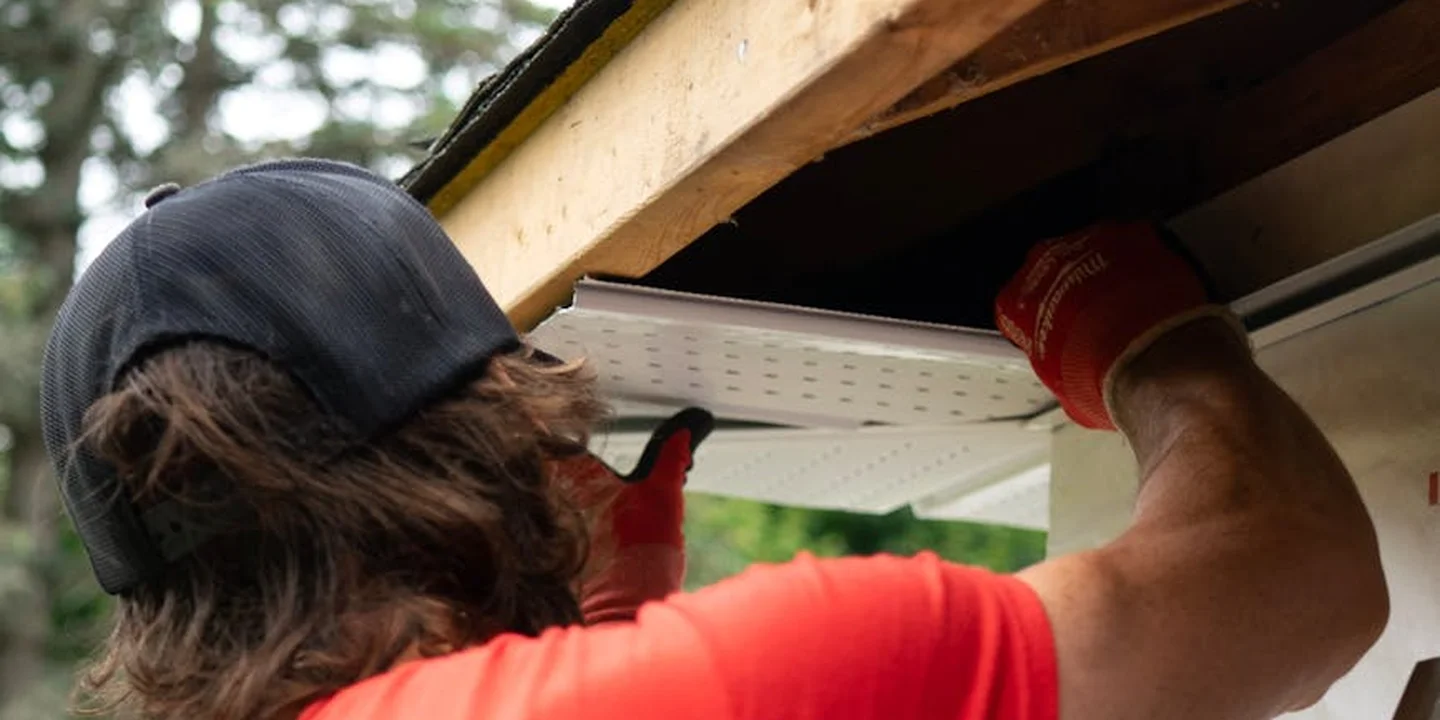
Think of your gutters as your roof’s first line of defense. On the coast, they need a specific kind of attention. Here’s the routine my crew and I use to keep them fighting fit, especially when dealing with tricky gutter guards.
Your Tools for the Job
Gather these items before you head up the ladder. It makes the work safer and faster.
- Heavy, puncture-resistant gloves.
- A sturdy extension ladder with leg levelers for uneven ground.
- A garden hose with a spray nozzle that can reach your roof.
- A plastic scoop or garden trowel (metal can scratch coatings).
- A five-gallon bucket with a hook for the ladder.
Step-by-Step Safe Inspection
Work with a partner if you can. One person stabilizes the ladder while the other works.
- Position your ladder securely on level ground, always maintaining three points of contact.
- Start at a downspout and work your way along the gutter run, visually scanning as you go.
- Remove large debris like leaves and twigs by hand, placing them in your bucket.
- Look closely at the gutter material itself for the signs of trouble.
What to Look For: The Salt Corrosion Checklist
If you’re asking “What are signs of salt corrosion on gutters?”, this is your visual checklist. Salt and moisture create a perfect storm for metal failure.
- Pitting: Tiny, rough holes or dimples in the metal surface. This is corrosion eating inward.
- White Powder: A chalky, white residue (zinc oxide) on galvanized steel gutters. It means the protective zinc layer is degrading.
- Rust Streaks: Reddish-brown stains running down from seams or fasteners.
- Loose Hangers: Gently push up on the gutter. If it moves easily, the spikes or brackets are pulling out.
- Sagging Sections: Any low spot where water would pool instead of flow toward the downspout.
The Right Way to Clean Off Salt
The goal is to remove salt without damaging the gutter’s protective finish, which answers the question “What specific cleaning methods prevent salt buildup?” Abrasion is your enemy.
- After removing debris, use your garden hose to thoroughly rinse the entire gutter channel and the outer face.
- Use a medium-pressure stream. The fresh water dilutes and flushes away salt deposits.
- For stubborn grime, use a soft-bristle brush and a mix of mild dish soap and water.
- Never use steel wool, abrasive pads, or harsh chemical cleaners. They strip away protective coatings and accelerate corrosion.
- Finish with another clean water rinse to ensure all soap and salt residue is gone.
How Often to Do This
Inland, twice a year might suffice. On the coast, the game changes. Inspect and clean your gutters at least quarterly, and always after a major storm or period of high winds that blows salt spray. That frequent check lets you catch small problems before they become expensive, soggy disasters.
Checking the Gutter Slope
Gutters must slope toward the downspout to work. Even a small sag can cause overflow during a coastal downpour. To check it, spray water into the gutter at the high end. It should flow steadily to the downspout without pooling. The proper pitch is about a 1/4 inch drop for every 10 feet of gutter. If water sits, the hangers likely need adjustment or reinforcement.
Reinforcing and Preparing for Storm Season
Cleaning finds problems. This next step fixes them and adds strength. When those storm clouds gather, you want confidence your gutters will stay put.
Actionable Reinforcement Tactics
To answer “How can gutters be reinforced against high winds and storms?”, start by upgrading how they’re attached. The old spike-and-ferrule system (a nail through a tube) works loose over time. For roofs with complex angles or obstacles like dormers and valleys, use robust brackets and continuous hangers to keep gutters secure in high winds.
Replace them with hidden bracket hangers, sometimes called strap hangers. These fasten under the shingles and to the front lip of the gutter, gripping the fascia board directly. They provide a much stronger, more distributed hold against wind uplift.
Next, address the weak points where water can sneak out. Check every internal seam, corner, and end cap. Old sealant dries out and cracks. Scrape it away completely and re-seal with a high-quality, marine-grade urethane sealant. This stuff is formulated to handle constant moisture and UV exposure, unlike standard caulk.
Look up, not just at your gutters. Trim back any tree branches hanging over your roof. In a storm, they can break off and become battering rams, crushing your gutter runs.
Your Hurricane Season Prep Checklist
Run through this concise list every year before peak storm season. This is exactly “How to prepare gutters for hurricane season.”
- Clean: Complete the full inspection and cleaning routine outlined above.
- Inspect Hangers: Tighten any loose screws on bracket hangers. Replace any that are rusted or damaged.
- Test Downspout Flow: Run a hose at full volume into each downspout to ensure it’s clear and drains well away from your foundation.
- Secure Loose Components: Ensure all downspout elbows and extensions are firmly attached and won’t blow away.
- Seal: Apply fresh marine-grade sealant to any questionable seams you found during inspection.
A Note on Warranties
If you are installing new gutters, look beyond the color and price. Check the manufacturer’s specifications for “wind uplift” ratings and read the warranty’s fine print for “coastal exposure” clauses. Some warranties are voided if the product is installed within a certain distance of saltwater. Choose products rated for your environment, not just the cheapest option.
The Coastal Homeowner’s Gutter Care Calendar
Your gutters face a year-round assault from salt, sand, and storms. I tell my crew that a reactive approach here leads to failure. You need a proactive plan. Think of it like maintaining a boat, not a backyard shed. This simple, seasonal log is the routine I’ve used on coastal jobs for years to keep systems working and prevent catastrophic failures at the roof edge. It’s just as crucial as the gutter replacement and roof installation for water management.
| Season | Inspection Focus | Cleaning Task | Reinforcement Check |
| Spring | Look for winter storm damage: loose spikes, pulled seams, sagging sections. | Clear all debris from fall/winter. Flush with a hose to check flow. | Tighten any loose hangers or spikes. Reseal minor seam gaps with gutter sealant. |
| Pre-Storm Season (Early Summer) | Check for corrosion pitting, especially on seams and end caps. Ensure downspouts are clear. | Remove sand and fine grit that settles. This is key for preventing abrasive wear. | Verify downspout extensions direct water at least 6 feet from the foundation. |
| Fall | Look for salt residue buildup inside the gutter channel. | Perform a thorough cleaning. This is your most important rinse to remove accumulated salt. | Inspect and clean splash blocks. Ensure all connections are secure before heavy rains. |
| Winter | Post-storm visual check for debris blockages or visible damage from wind. | Remove any storm-tossed debris like palm fronds or branches promptly. | Monitor for ice damming if you get cold snaps, though this is less common on immediate coasts. |
Following this routine religiously can add 5 to 10 years to your gutter system’s life. It stops overflow from rotting your fascia board (the roof edge) and prevents water from pooling next to your home’s foundation, which is a major cause of structural issues.
This schedule directly answers the common question: What maintenance schedule is recommended for coastal homes? The answer is quarterly, with each check tailored to the specific threat of that season. Spring fixes storm damage, summer preps for hurricanes, fall combats salt, and winter manages debris.
A Real Talk Note on Gutter Guards
Homeowners always ask me about gutter guards. Here’s my straight take from installing hundreds of feet of them. They can be a tool, but they are not a magic solution for the coast.
Evaluate if they suit your main debris type. If you’re battling oak leaves or pine needles, a solid mesh guard can significantly reduce cleaning frequency. But gutter guards do not eliminate the need for salt rinse-downs. Salt spray and fine sand will still coat everything, including the guards and the gutter underneath. You still must flush the system, especially considering the recommended gutter cleaning frequency.
I’ve also seen too many cheap or poorly installed guards become projectiles in high winds, or get crushed under falling branches. If you choose them, invest in a heavy-duty, well-secured system. This brings us to the other FAQ: Are gutter guards effective in coastal environments? They are conditionally effective for organic debris but create a false sense of security regarding salt corrosion. You trade less frequent leaf cleaning for the crucial task of ensuring salt doesn’t sit and eat away at your metal.
Common Questions
Are gutter guards worth it for a coastal home?
They can reduce leaf clean-outs, but they are not a cure-all. You must still flush the system quarterly to rinse away corrosive salt and sand that will settle on and under the guards.
What’s the single best cleaning step to fight salt damage?
After removing debris, thoroughly rinse gutters and downspouts with a garden hose. This simple fresh-water flush dilutes and removes salt deposits without damaging protective coatings.
What’s the fastest way to reinforce loose gutters before a storm?
Replace old spike-and-ferrule fasteners with hidden bracket hangers screwed directly into the fascia board. This provides a much stronger, more distributed hold against wind uplift.
Your Gutters, Your Roof’s Coastal Shield
After decades on the coast, I know that scheduling a gutter clean-out right after storm season is your most effective move. This one habit stops salt buildup and debris from undermining your entire roof system.
Own this routine safely, always using a sturdy ladder and a spotter. Also follow roof repair safety practices, such as using fall protection and securing tools. These practices help you stay secure while you work at height. For the full picture on defending your home, the lessons in our Roof Care, All Types of Roof Guide, Care, Maintenance resources are your next best tool.
Relevant Resources for Further Exploration
- Why Copper Is The Perfect Choice For Coastal Homes
- The Impact Of Salt Air On Gutters In Coastal Florida Communities | Rhino Roofing
- How Often Should Gutters Be Replaced in Coastal Areas ‐ A.I Gutter & Roofing
Ray Huffington
Ray is an experienced roofer. He has worked as a general contractor in the roofing industry for over 15 years now. He has installed and repaired all kinds of roofs, from small houses to large mansion, and from basic shingles to cement and metal roofs and even solar roof panels. He has seen homeowners struggle with roofing questions and always has experience based proven advice to help those in need. If you need roof pros, Ray's your guide.