
Aluminum vs. Vinyl Gutters: Which Lasts Longer and Saves You Money?
Staring at gutter options at the hardware store? I’ve been there with countless homeowners. You need a system that handles heavy rain without failing or draining your savings. Let’s settle the debate between aluminum and vinyl with clear, practical advice.
I’ll show you how each material weathers storms and summer sun. We’ll compare the real price, from the initial quote to repairs years later. I’ll tell you which one I pick for most jobs and why.
Key Takeaways: The Quick Answer
- Aluminum gutters offer superior longevity, often lasting 20-30 years, but come with a higher initial price tag.
- Vinyl gutters are the most affordable option and are very DIY-friendly, but they become brittle and can crack in freezing climates.
- For a durable, low-maintenance install, seamless aluminum is the professional’s choice-it’s what I use on most of my jobs.
- No matter the material, improper installation is the top cause of early gutter failure. Correct slope and secure hangers are non-negotiable.
Aluminum vs. Vinyl: The Side-by-Side Rundown
Think of this table as your quick reference scorecard. It breaks down the head-to-head match-up before we dive into the details.
| Feature | Aluminum | Vinyl |
|---|---|---|
| Durability | High. Resists dents and won’t rust. Thicker gauges (like.032″) are especially tough. | Moderate. Prone to UV degradation and can become brittle, leading to cracks in cold weather. |
| Cost | Higher upfront cost for material and professional installation. | Lower upfront cost. Very budget-friendly for DIY projects. |
| Weight | Lightweight, making it manageable for installation. | Extremely lightweight, the easiest material for a homeowner to handle. |
| Weather Resistance | Excellent. Holds up well to sun, rain, and moderate impact. Paint finishes can last for decades. | Fair. Fine in mild climates but poor in extreme temperature swings-expands and contracts a lot. |
| DIY-Friendliness | Moderate. Sectional systems can be DIY; seamless requires specialized equipment and is a pro job. | High. Designed with snap-together sections and brackets that are very forgiving for first-timers. |
The Roof Integrity & Lifespan Report
Your gutters are a key part of your roof’s health, acting as the system that manages all the water coming off it. When they work, they protect your fascia board, soffit, and foundation from destructive water damage. When they fail, you get rot, ice dams, and basement leaks.
Based on what I’ve seen on hundreds of homes, here’s the realistic lifespan. Vinyl gutters typically last 10 to 20 years. Aluminum gutters consistently last 20 to 30 years, and I’ve seen them exceed 40 years with good care. The difference? Aluminum handles thermal expansion and sun exposure much better.
Red Flags: When It’s Time for a Total Replacement
Repairs make sense for an isolated leak. But when you see these red flags, patching is just a band-aid on a broken arm. It’s time for a full replacement.
- Multiple longitudinal cracks or splits along the gutter channel: This isn’t a local injury; it means the entire material is fatigued and failing.
- Gutters that sag badly or have pulled completely away from the fascia: This usually signals rotten wood underneath. New gutters won’t fix rotten fascia.
- Widespread rust (on steel) or vinyl that’s chalky, faded, and cracks easily when bent: UV damage has broken down the vinyl’s integrity. It’s at the end of its life.
Investing in a total replacement now stops the cycle of temporary fixes and protects your home’s structure. I’ve told many homeowners that the money they save skipping a replacement often gets spent tenfold on fascia and foundation repair later.
A Deep Dive into Vinyl Gutters

Vinyl gutters are made from PVC plastic. You know them as the lightweight, white or beige sections sold in boxes at every big-box store. They are the common choice for homeowners looking for a quick, affordable fix.
The Upsides: Where Vinyl Shines
- Vinyl gutters win on price every time. The initial cost for materials and a DIY install is the lowest you’ll find.
- Plastic cannot rust or corrode, which is a real benefit in wet climates. Salt spray or acid rain won’t leave pinhole leaks.
- They are designed for easy do-it-yourself installation. The sections snap together with simple connectors. I’ve helped friends set up a whole house in a single Saturday.
- Many vinyl gutter systems are color-fast. The color is molded right into the material, so you never need to worry about scraping and repainting them.
The Downsides: Where Vinyl Falls Short
- Vinyl turns brittle in freezing weather. A chunk of ice falling from the roof or even bumping it with a ladder can crack a section wide open.
- Sunlight slowly destroys vinyl gutters. UV radiation makes the plastic fade and become weak. After years, they can snap under their own weight.
- Heat and heavy loads cause vinyl to warp. A summer heat wave or a clog full of wet leaves can make the gutter sag and lose its proper pitch for drainage.
- Think of this like choosing between aluminum and vinyl siding. Both are PVC products, so they share the same lifespan and react similarly to sun, cold, and impact.
A Deep Dive into Aluminum Gutters
Aluminum is the workhorse material. When my roofing crew does a gutter job, this is what we roll off the truck. It’s the standard for professional installers.
The Upsides: Aluminum’s Strengths
- Aluminum has an excellent strength-to-weight ratio and resists corrosion naturally. A thick gauge feels solid and can last for decades.
- The real game-changer is seamless fabrication. We use a machine on-site to form gutters in one long piece custom-fit to your home. This removes nearly all the seam joints, which are where most leaks begin.
- Modern paint finishes, like baked-on enamel, are incredibly durable. I’ve seen these gutters keep their color and finish for 25 years or more with no upkeep.
- Aluminum handles summer heat and winter cold better than vinyl. It expands and contracts more evenly, so it’s less likely to pull apart at the ends or buckle.
- People sometimes ask if aluminum gutters hurt energy efficiency like windows can. The short answer is no. While bare metal conducts temperature, your painted gutters are separate from your home’s insulation and don’t affect your heating or cooling bills.
The Downsides: Aluminum’s Weaknesses
- Aluminum gutters cost more upfront, especially for a seamless professional installation. You are paying for better materials and skilled labor.
- Thin, cheap aluminum can dent fairly easily. A bad hail storm or a ladder slipping against it can leave permanent creases.
- Improper installation can lead to galvanic corrosion. If aluminum is allowed to directly touch a dissimilar metal like copper (for example, in a downspout), it can cause one metal to corrode the other. A good installer will use plastic or rubber separators.
Repair vs. Replace: The Cost-Benefit Analysis
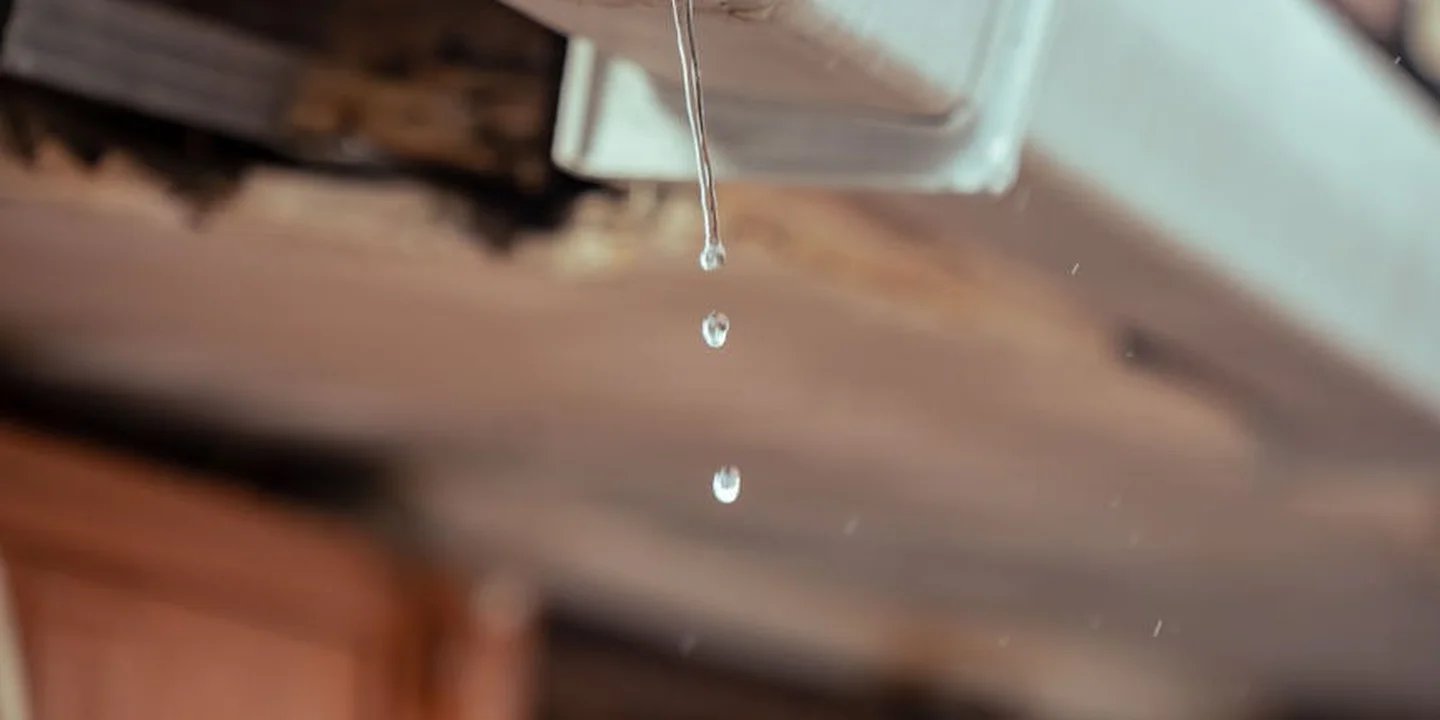
I tell homeowners to look at gutters like a pair of work boots. A loose lace or scuffed toe is a quick fix. A sole separating from the upper or a hole in the side means new boots. Here is how to decide which situation you have.
When a Simple Repair is a Smart Fix
Spot repairs make perfect financial sense in specific, limited cases. If you catch a problem early, you can add years to your system for very little money.
- One leaky seam where two sections join.
- A single cracked section from a fallen branch.
- A downspout that has pulled away from the wall.
- A gutter spike that has worked loose, creating a sag.
The DIY cost for these fixes is typically under $50. A tube of high-quality gutter sealant, a few new brackets, or a downspout strap is often all you need. If the damage is truly isolated, a repair is the most cost-effective path forward. If leaks extend to the roof, consider the leaky roof repair cost as part of your planning.
When Replacement is the Only Wise Investment
Repairing widespread failure is like patching a worn-out tire. You might stop the leak today, but you are ignoring the real problem. I see it all the time.
Think back to the “Red Flag” signs. If you have multiple cracks, widespread rust or brittleness, sections pulling away from the fascia, or persistent leaks despite repairs, you are patching a failing system.
When failures are frequent and widespread, a full replacement with a better material is a direct investment in your home’s structural health. You stop water damage before it starts.
For a professional replacement, costs are measured per linear foot. As a rough guide, vinyl gutter installation often ranges from $4 to $8 per linear foot. Aluminum, especially seamless, typically runs $6 to $12 per linear foot. The final price depends on your home’s height, layout, and local labor rates.
Many homeowners ask how this compares to soffit and fascia replacement. The material cost relationship is similar. Vinyl soffit is less expensive than aluminum. They are often replaced together when upgrading your roofline, as it creates a uniform look and ensures all components have a matching lifespan.
Costs, Installation, and the Details That Matter
The price per foot is just the start. How the gutter is made and installed has a huge impact on performance and long-term value.
Seamless vs. Sectional: The Leak-Prevention Battle
This is a major durability difference. Sectional gutters come in 10-foot pieces joined with connectors, unlike seamless gutters that are made from a single piece. Every connector in sectional gutters is a potential leak point for debris and water.
Seamless gutters are formed on-site from a continuous coil of metal, typically aluminum. The only seams are at the corners and downspout outlets, which dramatically reduces the chances of a leak even on complex roofs with multiple angles and obstacles. This is a key reason aluminum often has a longer service life.
Vinyl gutters are almost always sectional. It is an inherent limitation of the material. While the snap-together sections are easy to handle, those seams remain the weakest link over decades of expansion, contraction, and debris collection. That vulnerability shows up as leaks or sagging. Separations at the seams signal the need for gutter repair.
DIY Installation: Is It Realistic for You?
Your skill level and commitment to safety are the deciding factors here.
- Vinyl (Sectional): Easiest for a DIYer. The pieces are light, cut with a saw, and snap together. You need basic tools, a helper, and absolute focus on ladder safety.
- Aluminum (Sectional): Moderate difficulty. The metal is sharper and requires more careful handling and sealing at seams. Cutting and joining is more involved than vinyl.
- Aluminum (Seamless): Not a DIY job. This requires a professional-grade roll-forming machine mounted on a truck. It is a contractor’s domain.
I cannot overstate ladder and overhead work safety. A sturdy, properly positioned ladder and a spotter are non-negotiable. If you are uncomfortable at height, hire a pro. The cost of a fall is infinitely higher than an installation bill.
You might also wonder about downspouts. The rule is simple: match the downspout material to your gutter. Using aluminum downspouts with vinyl gutters (or vice versa) can lead to galvanic corrosion where they connect. Keeping materials consistent prevents corrosion and maintains a clean appearance, though their basic function is the same. On metal flat roofs, proper gutter installation helps prevent leaks and water damage. Selecting compatible materials minimizes corrosion risk and protects the roofline over time.
What Really Wears Out Gutters? Common Damage Causes

Choosing a gutter material isn’t just about price or color. It’s about matching that material to the battles it will face on your home. You need to know what breaks gutters and how each type holds up. This is especially important when deciding between copper and steel gutters for durability and performance.
Clogs, Debris, and Water Weight
This is the most common gutter killer. Leaves pile up, water can’t flow, and that stagnant water gets heavy. Really heavy.
Vinyl gutters can sag and pull away from the fascia board under this constant weight. Once they warp, they never snap back into perfect shape. Aluminum, especially the thicker.032-inch gauge, is much stronger. It can handle the load of a clog better without permanently deforming. The metal’s rigidity helps it keep its shape under stress, which is why it’s the go-to for professionals.
The Freeze-Thaw Cycle and Sun Beating Down
Weather is a slow, constant attack. In cold climates, water trapped in gutters freezes and expands. Vinyl becomes brittle in the cold. I’ve seen vinyl sections crack clean through after a tough winter. Aluminum stays flexible, bending a little rather than snapping.
Then there’s the sun. Vinyl is a plastic, and prolonged UV exposure makes it fade and become more brittle over time. Aluminum gutters are coated with a baked-on paint finish that’s far more resistant to sun fading. This is the same reason you see debates about aluminum vs vinyl impact windows in florida. In extreme weather zones with intense sun or storms, the inherent resilience of metal often makes it the preferred choice for long-term performance.
Physical Impacts: Ladders, Hail, and Falling Branches
Accidents happen. Leaning a ladder against a gutter is a common one. A vinyl gutter might crack under the point load. An aluminum one will likely dent.
Hail is a toss-up. Small hail might ding aluminum but bounce off vinyl. Larger, golf-ball-sized hail can crack vinyl and put bigger dents in aluminum. A falling branch is bad news for either, but it will usually crush a vinyl section, while it might crease or heavily dent an aluminum one. Always use a stand-off stabilizer on your ladder to keep its weight off the gutter itself, protecting your investment in either material.
The Final Verdict: Making Your Choice
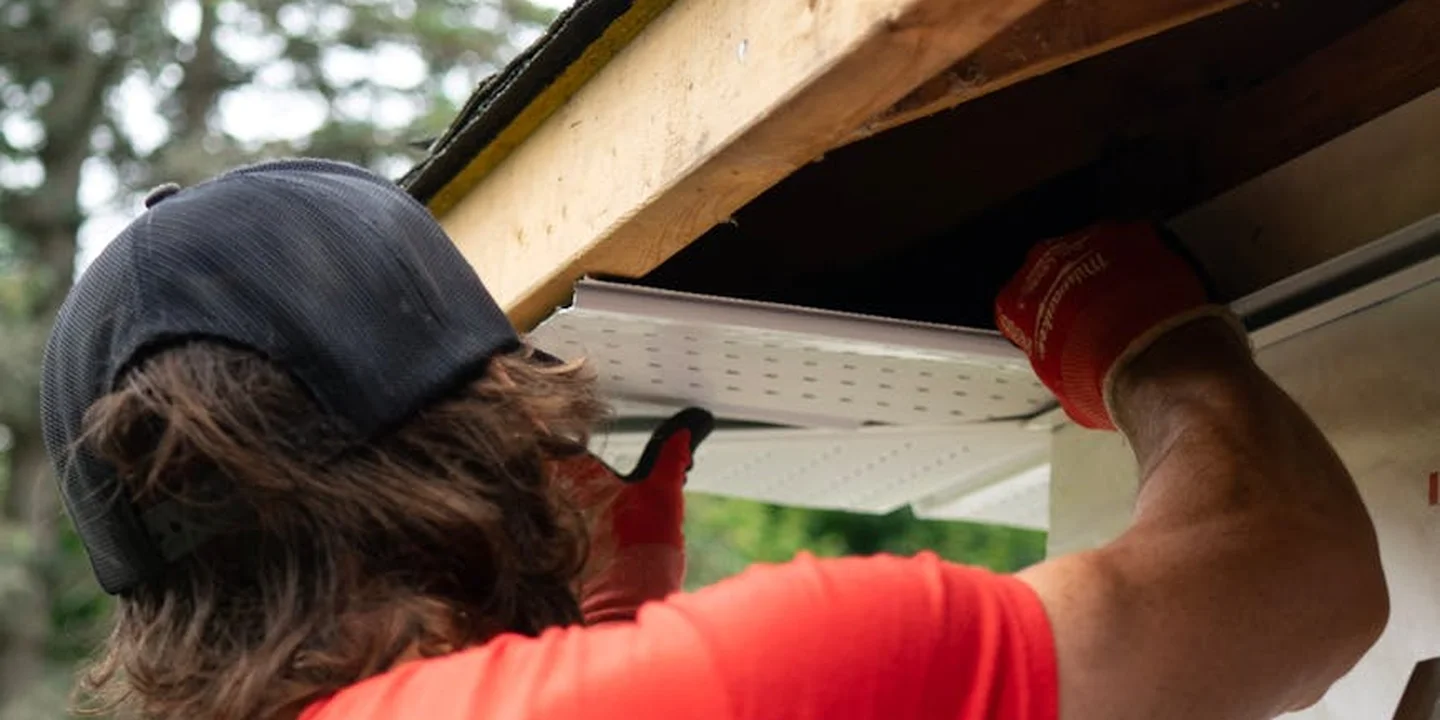
There’s no single winner for every house. The right choice depends on your climate, budget, and plans. Here’s my straight advice from years on the job.
Choose Vinyl If…
- You live in a mild climate without hard winter freezes. It can’t handle the cold.
- Your budget is extremely tight for an immediate, short-term fix on a simple roof line.
- You are a confident DIYer installing pre-cut sectional pieces on a single-story home. It’s the easier material to cut and snap together yourself.
Choose Aluminum If…
- You live where it snows, ices, or has big temperature swings. Its flexibility wins in the freeze-thaw cycle.
- You want a solution that will last 20+ years. You value long-term durability over the absolute lowest price today.
- You are hiring a professional. Seamless aluminum, formed on-site to the exact length of your house, is the industry standard for quality, leak-resistant installation.
This logic mirrors what you find in homeowner discussions on aluminum vs vinyl siding or even blinds. For critical exterior components that take constant punishment, the consensus leans toward aluminum for its proven longevity, even with a higher initial cost. You pay more once, then you forget about it for decades.
Quick Answers
1. Should my gutters match my siding material?
No. Your gutter material should be chosen for water-handling performance, not to match your siding. That said, a cohesive aluminum or vinyl roofline (gutters, soffit, fascia) often looks best and ensures all components age at a similar rate.
2. Is replacing soffit and fascia more expensive than gutters?
Yes, almost always. Soffit and fascia involve more labor and materials. If your gutters are failing, inspect the wood behind them; rotting fascia means a more complex and costly repair bill that includes carpentry work.
3. Can I use aluminum gutters with vinyl downspouts to save money?
I don’t recommend it. Connecting dissimilar metals (or metal to plastic) can lead to galvanic corrosion or weak joints. For a durable, leak-free system—especially when installing gutter guards—keep your gutter and downspout materials consistent.
Your Roof’s First Line of Defense
The single best thing you can do is match your gutter material to the weather it will face and the maintenance you can promise. From my crews’ experience, that usually means aluminum for its strength, but a well-cared-for vinyl system can still do the job for many homes. When it’s set up properly, it can be just as effective as other systems, especially when used with good quality gutter guards.
Owning a roof means committing to its care, starting with safe, regular checks of the gutters that protect it. Keep building your knowledge with trusted roof care guides to make informed decisions that keep your home dry and secure for years. With proper roofing and gutter maintenance, you can ensure the longevity of your home’s protection.
Deep Dive: Further Reading
- Vinyl or Aluminum gutters? : r/HomeImprovement
- Vinyl Gutters vs Aluminum Gutters | Which Material Is Best?
- Vinyl vs Aluminum Gutters: Which One is Right for Your …
- Vinyl vs. Aluminum Gutters: Compare Costs and Benefits
- Aluminum vs Vinyl Gutters [ 2026 Guide ] Which Is Best?
- A Comprehensive Guide to Aluminum Gutters: Cost Data, Maintenance Tips
- Vinyl vs. Aluminum Gutters: Pros, Cons & Best Uses
- Vinyl vs Aluminum Gutters | What’s Better for You?
- Vinyl vs. aluminum gutters: Pros and cons | All Gutters
Ray Huffington
Ray is an experienced roofer. He has worked as a general contractor in the roofing industry for over 15 years now. He has installed and repaired all kinds of roofs, from small houses to large mansion, and from basic shingles to cement and metal roofs and even solar roof panels. He has seen homeowners struggle with roofing questions and always has experience based proven advice to help those in need. If you need roof pros, Ray's your guide.