
Do Chimney Heat Reclaimers Save Energy or Cause Fires?
Have you ever looked at your chimney and thought, “All that heat is just going to waste?” I’ve sat across kitchen tables from homeowners excited about cutting their fuel bill with a flue heat exchanger. The promise is tempting, but after decades on roofs, I’ve also seen the sooty, alarming aftermath of installations gone wrong.
You’re right to question if the savings are worth the risk. I’ll explain how these devices are supposed to work, show you the real safety hazards I find most often, and give you my honest take on when they might be a reasonable bet.
Key Takeaways: What Every Homeowner Must Know
Before you consider one of these devices, here are the facts from my years on roofing crews.
- They can dangerously weaken your chimney draft, creating a real risk of carbon monoxide backing into your living space. Your chimney needs heat to create a strong upward pull.
- Most do-it-yourself installations violate local building codes and manufacturer warranties. I’ve been called to fix jobs where homeowners didn’t know the rules.
- The actual energy savings are often minimal, sometimes just a few dollars a month. The math you see online rarely matches real-world performance.
- This is a pro-only modification, if your local codes even allow it. A certified chimney sweep or HVAC specialist must assess your specific setup.
My bottom-line advice is to avoid installing a chimney heat reclaimer in a standard home. The potential hazards far outweigh the minor benefits. When considering any modifications to your chimney, it’s crucial to assess whether it’s feasible and safe to do so.
What Are Chimney Heat Reclaimers and How Do They Claim to Work?
These devices aim to capture waste heat from your hot flue gases before it escapes out the roof. Think of it like putting a car radiator inside your chimney. The hot smoke passes through or around a metal exchanger, transferring its heat to something else.
You’ll generally find two main types.
- Water coil systems: These have a coil of pipe inside the flue. Water circulates through it, gets heated, and can be used for domestic hot water or radiant heating.
- Air-to-air finned exchangers: These look like a metal box with fins inside the chimney. Room air is blown around the fins, picks up heat, and is circulated back into the house.
The promise is simple: free heat from a resource you’re already wasting. That’s why you’ll see a chimney heat reclaimer for sale on various online marketplaces or in salvage yards. They often come with big savings claims, but I’ve never seen one perform as advertised without causing other issues.
The Attic Connection: How This Roof Topic Affects Your Home
Your chimney isn’t just on the roof, it passes right through your attic. This attic space is a critical thermal zone for your entire house. When you add a heat reclaimer, you cool the flue gases precisely in this sensitive area.
Cooling the flue in the attic dramatically increases the risk of condensation forming inside the chimney liner. Proper chimney flue liner installation is essential to control where that moisture goes and to prevent it from saturating surrounding materials. When done right, the liner directs moisture safely out of the attic and helps maintain insulation performance. That moisture has to go somewhere. It can soak into surrounding attic insulation, wrecking its R-value and efficiency. I’ve peeled back insulation to find wet, compacted fiberglass right next to a modified chimney.
This moisture creates a perfect environment for mold growth on your roof deck and rafters. In cold climates, the altered heat flow can contribute to ice dams by creating uneven attic temperatures. You might be trying to save a little energy, but you could be inviting rot and major roof repairs. Your roof system works as a whole, and tampering with the chimney in the attic disrupts that balance.
The Reality Check: Do They Actually Save Meaningful Energy?
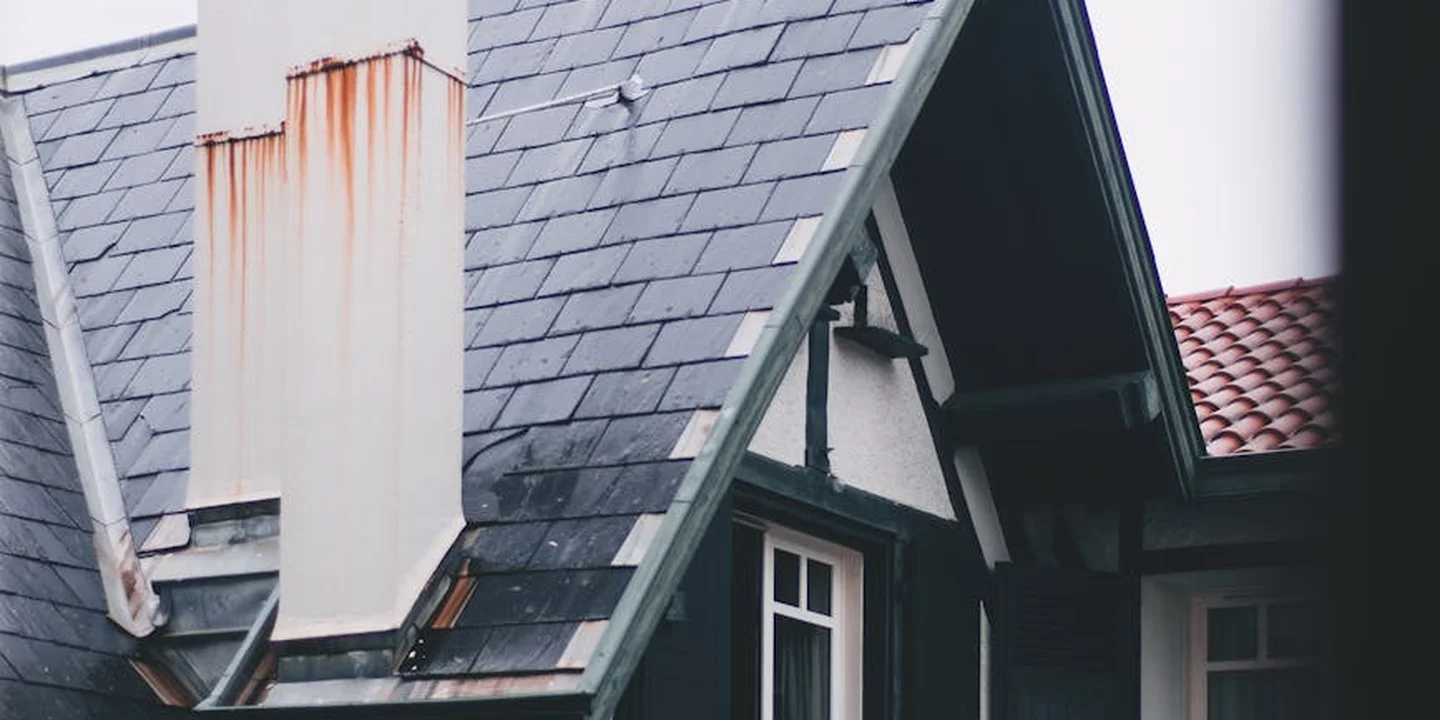
Let’s cut through the sales pitch. These devices do capture some heat that would otherwise go up the chimney.
The problem is thinking of this as “free” or “bonus” heat you weren’t getting before. In reality, you’re just moving a tiny bit of heat from one place to another, and the trade-off isn’t worth it.
Here’s the simple physics. Your chimney works because hot air rises. This creates draft, pulling exhaust out of your home. When you wrap a heat exchanger around the flue, you cool those gases down. Cooler air is slower, lazier air, which can negatively impact chimney draft and smoke flow.
You weaken the natural draft your furnace or wood stove desperately needs.
On a good day with a strong appliance, the energy savings might be 5-10% of your heating bill. For a modern, 90%+ efficient furnace, there’s almost no waste heat left to capture. Your savings would be pennies.
Now, stack that tiny potential saving against the chimney heat reclaimer price of a few hundred dollars, plus professional installation. The payback period could be decades, if ever. I’ve seen these units sit on shelves because the math never worked for the homeowner.
The Critical Safety Hazards You Cannot Ignore
Forget about saving money for a minute. This is the part that keeps roofers and chimney sweeps up at night. If the energy argument is shaky, the safety argument against many of these devices is rock solid.
Carbon Monoxide: The Silent Killer in Your Living Room
Remember that weakened draft we talked about? This is where it gets dangerous. A cooled, sluggish flue can fail to expel all the combustion gases.
Carbon monoxide, which has no smell, can start spilling back into your home instead of going outside. It happens slowly. You might not notice until you get headaches or feel dizzy.
This is not a theoretical risk; it’s a documented cause of CO poisoning. Installing one of these devices can literally turn your chimney into a lethal hazard.
You must have working CO detectors on every floor of your home no matter what. If you insist on one of these units, consider those detectors your most important safety net.
Creosote Buildup and Chimney Fires
This hazard lives right in your roof structure. Wood smoke contains vapors. When those vapors hit a cool flue liner, they condense into creosote, a tar-like, highly flammable gunk.
A heat reclaimer actively cools the flue gas, making the liner walls colder. This causes creosote to form much faster and in greater amounts.
A flue packed with creosote is a chimney fire waiting for a single spark. That fire burns inside the chimney, reaching temperatures that can crack the liner and ignite the wooden framing of your house around it. I’ve seen the charred remains. It’s not worth the risk for a few degrees of questionable heat.
Structural Damage to the Chimney and Flue Liner
Many older chimneys have clay tile liners. They are brittle. The metal pipes and brackets of a heat reclaimer, if not installed with perfect care, can crack these tiles during installation or from the device’s weight.
A cracked liner is a direct path for heat and sparks to reach your home’s structure.
Furthermore, that extra metal weight hanging in your flue stresses the chimney crown and masonry. On an older roof, your chimney may already be settling. Adding stress is asking for trouble. We repair enough leaking chimney flashings without adding more points of potential failure up there—including any repairs that extend beyond chimney crown and masonry restoration.
The “Pro-Only” Rule: Installation, Codes, and Replacement
Installing or modifying a chimney heat reclaimer is absolutely not a do-it-yourself project. This work demands a licensed professional because it involves complex safety and building code issues that amateurs often miss. I have been on too many emergency calls where a homeowner’s attempt to save a few dollars created a dangerous, costly mess.
Why Chimney Heat Reclaimer DIY is a Dangerous Idea
Thinking about tackling this yourself? Please reconsider. The risks are very real.
- Working at height on the roof: Without training, a simple misstep can lead to a fatal fall.
- Disturbing the chimney seal: The flashing where the chimney meets your roof is a precise waterproof seal. Poking around here is a guaranteed way to create a leak.
- Incorrect sizing: A device that doesn’t fit perfectly can restrict flue flow. This can force deadly carbon monoxide back into your home.
A professional crew uses specific gear to manage these risks. They use roof harnesses tied to secure anchors, set up ladders with stabilizers, and secure all tools to prevent drops. On my jobs, we treat every roof like a potential fall zone.
The immediate dangers are falling or damaging the roof. One slip can change your life, and one damaged shingle can lead to a leak that ruins your ceiling and insulation.
Navigating Chimney Heat Reclaimer Installation Codes
Most local building codes have clear rules about flue modifications. Adding a heat reclaimer usually violates these codes, making your home non-compliant and potentially uninsurable. The instructions for your furnace or water heater almost certainly prohibit it too.
Installing one will likely void the warranty on your heating appliance. Manufacturers design these systems as complete, safe units. Tampering removes their liability for any future problems.
Always talk to a licensed HVAC technician or a certified chimney sweep first. They can review your specific setup and give you a straight answer on whether this device is even legal or safe for your home.
When You Need a Chimney Heat Reclaimer Replacement
What if your house already has one of these units? The best move is to get it assessed.
Call a certified chimney professional for a full inspection. They need to check for corrosion inside the flue, soot blockages, and any damage to the chimney structure itself. I have seen these devices rust through and collapse inward, especially when chimney components are not maintained properly.
If removal is needed, it must be done carefully to avoid cracking the clay flue liner or damaging the roof. I always recommend replacing an old reclaimer with a proper, code-approved chimney cap or a new stainless-steel liner. This fixes the problem correctly and protects your roof from water and drafts.
Better Alternatives for a Warmer, Safer Home
Skip the risky gadget and focus on solutions that truly work. These alternatives are smarter investments for your comfort, your roof’s health, and your family’s safety.
Seal and Insulate the Attic (The Real Energy Saver)
The most effective place to stop heat loss is right under your roof. Proper attic insulation keeps warmth in your living space, so less heat ever reaches the chimney to be lost. It is like putting a thick hat on your house.
Pair this with air sealing. The wooden frame around your chimney, called the chase, is a classic leak point. Sealing gaps around it with fire-rated caulk stops warm air from sneaking into the attic and out through the chimney. We find and fix this on most older homes we work on.
Invest in a High-Efficiency Heating Appliance
Modern condensing furnaces and boilers are engineered differently. They extract most of the heat from the fuel *before* the exhaust gases ever enter the flue, so there is very little waste heat left to reclaim.
Their exhaust is so cool it can be vented through a plastic pipe out the side of your house. This modern design makes chimney heat reclaimers completely unnecessary for homes with updated systems.
Consider a Heat Recovery Ventilator (HRV)
A Heat Recovery Ventilator (HRV) is a safe, code-approved system. Unlike a flue heat exchanger, an HRV transfers heat between the stale air leaving your home and the fresh air entering, without ever touching dangerous combustion gases.
It improves air quality and saves energy. This is a smart, whole-house solution that works with your roof vents and keeps everything up to code.
Quick Answers
1. I already have a chimney heat reclaimer. How do I know if it’s safe?
You don’t-get it inspected now. Hire a certified chimney sweep to check for internal corrosion, blockages, and any damage to the flue liner caused by the unit. Expert professional testing and repairs are crucial for maintaining your chimney’s integrity.
2. What roof or chimney damage should I look for if I suspect a problem?
Check your attic for moisture stains or mold on the roof deck near the chimney. On the roof, look for rust staining on the chimney crown or cracks in the masonry, which indicate stress from the added weight.
3. If removal is needed, what’s the realistic chimney heat reclaimer replacement cost?
Budget for professional removal, a full chimney inspection, and likely a new liner or cap. The real cost is fixing what the device damaged, which always costs more than the unit itself.
Securing Your Roof: A Final Word on Chimney Devices
From my years on the job, I tell homeowners to always get a professional inspection before adding anything to your flue. This one call can prevent a chimney fire and keep your roof structure sound.
Your vigilance is what makes a home last. Keep building your knowledge with reliable resources on Roof Care, All Types of Roof Guide, Care, Maintenance, so you can spot issues before they become emergencies.
Relevant Resources for Further Exploration
- How Does a Heat Reclaimer Work? – HY-C
- Amazon.com: Heat Reclaimer
- Vogelzang® 6″ Heat Reclaimer at Menards®
- Magic Heat 8″ Heat Reclaimer | Woodland Direct
- DIY Chimney Heat Reclaimer For Wood Burning Stove – YouTube
- Magic Heat Reclaimer: Is It Worth It in 2025? [Choose Best]
- Magic Heat Reclaimer: An Honest Review – HY-C
Ray is an experienced roofer. He has worked as a general contractor in the roofing industry for over 15 years now. He has installed and repaired all kinds of roofs, from small houses to large mansion, and from basic shingles to cement and metal roofs and even solar roof panels. He has seen homeowners struggle with roofing questions and always has experience based proven advice to help those in need. If you need roof pros, Ray's your guide.