
How Do Birds and Wildlife Damage Your Roof and Get Into Your House?
Have you noticed strange scratches on your shingles or found nesting material in your vents? From my years on roofing crews, I can tell you those are not minor issues. Birds and wildlife actively break down your roof’s defenses, creating direct paths into your home that lead to expensive repairs.
I’ll walk you through the exact ways animals degrade roofing materials, how this damage turns into an open invitation for intrusion, and the practical, lasting fixes I use to keep homes secure.
Key Takeaways Before We Start
- Animals always target the weak spots first, like loose flashing, worn vent covers, and damaged soffits.
- Nesting materials block vital roof ventilation, trapping heat and moisture that rots wood from the inside.
- What looks like a few scratches can quickly become a major leak, inviting water and more pests inside.
- Ignoring small entry points leads to expensive structural repairs, ruined insulation, and fire hazards from chewed wires.
- Regular inspections of your roof’s edges and vents are the best way to spot trouble before animals move in.
The Mechanics of Mayhem: How Animals Physically Damage Your Roof
Let’s break down exactly how your local wildlife treats your roof like a playground or a diner. I’ve seen every type of damage, and it usually starts with one of these five actions.
Peeling is a raccoon specialty. They’ll peel back the corners of asphalt shingles like lifting a can lid, looking for a grip to pull themselves up or to get underneath. Once that top layer is compromised, the roof deck beneath is exposed, making it easier for squirrels or other animals to get into the attic.
Puncturing often comes from above. A common question I get is, can birds damage your roof just by pecking? Absolutely. Woodpeckers drill holes looking for insects or to create nesting cavities. Their hammering can puncture wood shakes, crack clay tiles, and even dent metal over time.
Clawing happens as animals climb. Squirrels and raccoons dig their claws into siding and soffits to scale the wall. This scrapes off protective granules from shingles and gouges wood. People with flat roofs ask me, can birds damage rubber roof membranes? Larger birds can absolutely puncture or tear single-ply rubber with their talons, especially if it’s weathered.
Gnawing is the most destructive. Rodents like squirrels, rats, and mice have teeth that never stop growing. They chew to keep them short. I’ve seen them gnaw a clean, baseball-sized hole right through fascia board, roof decking, and even PVC vent pipes to get into an attic.
Nesting is the final step. Birds and rodents gather twigs, leaves, and debris. They stuff this material into your gutters, downspouts, and roof valleys. This blockage is a major problem. It stops water from flowing away, causing backups that lead to interior leaks and wood rot.
From the Outside In: Surface and Structural Harm
All that activity leaves a clear trail of damage on the outside of your roof. You might see curled or missing shingles where an animal has pried them up. You might find tiles that have been dislodged. Can crows damage roof tiles? Larger birds like crows can absolutely knock loose or break clay and concrete tiles by landing on them heavily or by picking at the mortar.
The immediate danger is to your roof’s waterproof seal. A single torn shingle or a small puncture hole is an open door for rain and melting snow. Water follows the path of least resistance. It will seep under surrounding shingles, soak into the roof deck, and eventually drip into your attic. What began as a few claw marks can become a major leak in just one storm. Ice dams, formed when warm attic air melts snow that refreezes at the eaves, can magnify this damage and lead to costly repairs. Proper insulation, ventilation, and roof maintenance are key preventive steps to stop ice dams before they start.
Gutters clogged with nests are a guaranteed problem. The weight of the debris and trapped water can pull the gutters right off your house. The overflowing water then cascades down your siding, damaging it and potentially flooding your foundation.
From the Inside Out: The Hidden Damage of Intrusion
This is where a small roof problem becomes a whole-house nightmare. When an animal gets inside your attic or walls, the damage multiplies quickly.
Animals trample and tear apart attic insulation to make nesting beds. This destroys its R-value, making your home less energy-efficient and raising your bills. They chew on everything, including electrical wiring. Exposed, chewed wires are a serious fire hazard that you cannot see. I’ve been on jobs where we found a squirrel’s nest built entirely around a junction box full of stripped wires.
Their waste causes another set of issues. Urine soaks into wooden beams and sheathing, leading to persistent rot that weakens the structure. The smell is terrible and nearly impossible to remove from insulation. Droppings can pile up, creating a health risk from parasites and airborne contaminants.
Finally, that one entry point won’t stay small. Animals will continue to gnaw, making their doorway larger. They invite in moisture, which leads to mold. They might even chew through HVAC ductwork, sending dust and debris into your home’s air system. The repair bill grows from a simple roof patch to a major remediation project involving roofers, carpenters, and electricians.
Your Roof’s Weak Points: The “Critical Junctions” Animals Exploit
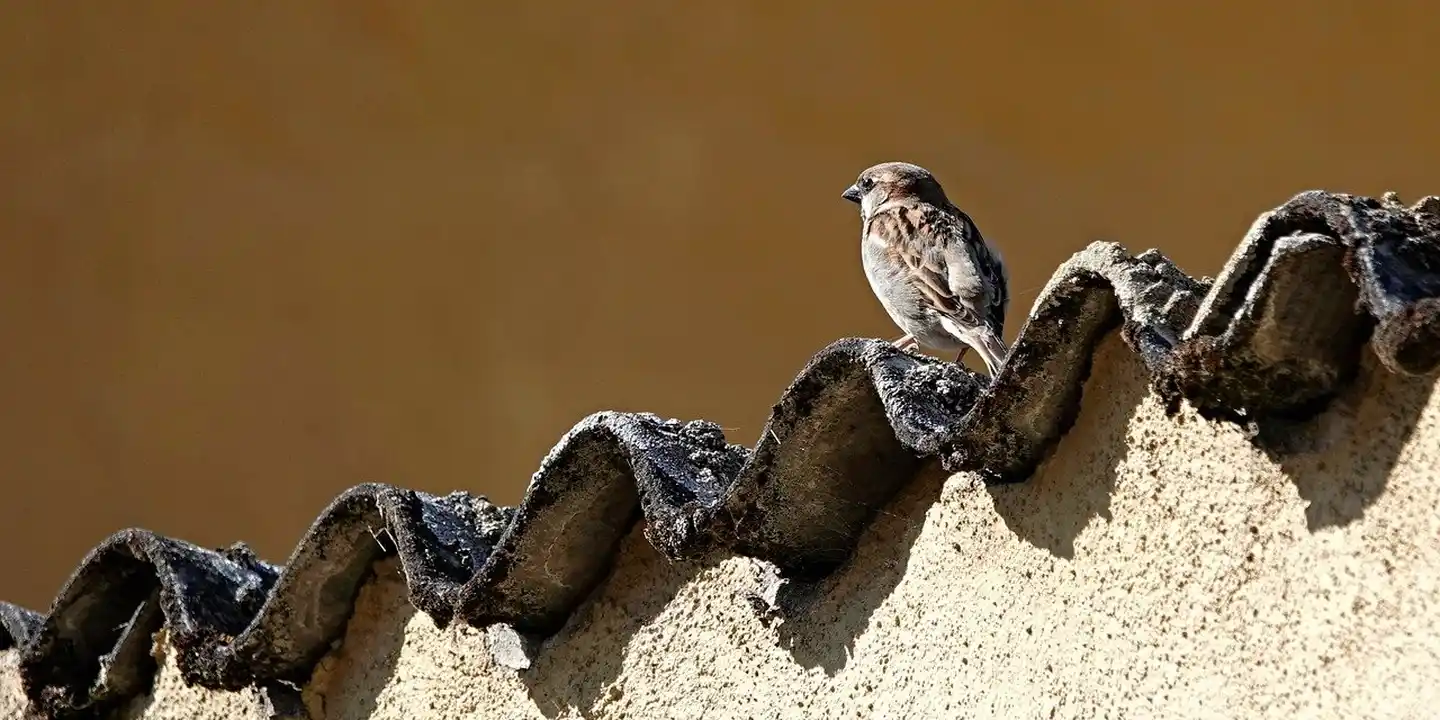
What are common entry points for wildlife on a roof? They are almost always the same spots where water would try to get in. Think of your roof not as a solid shield, but as an armored suit with specific seams and joints. Animals are experts at finding and exploiting these seams.
I focus on five main areas during every inspection for animal intrusion: chimney flashing, roof valleys, vent pipe boots, skylight perimeters, and the soffit and fascia junction.
Why do these spots fail first? They rely on thin sheet metal, rubber seals, and delicate sealant, not the thick decking and shingles of the main roof field. It’s like the difference between the tough fabric of a winter coat and its zipper. The zipper is the first place to leak. A determined squirrel can peel back thin valley metal. A raccoon’s weight can crack the plastic collar on a plumbing vent. Birds will peck and pull at the caulk around a chimney.
Good roofers protect these areas with specialized underlayment like ice and water shield, but animals can defeat it through sheer persistence. They gnaw through it. They claw it until it tears. They build nests on top of it, trapping moisture that eventually breaks down the adhesive. I’ve peeled back squirrel-damaged shingles to find the protective membrane shredded like paper underneath.
Not Just Mammals: The Surprising Impact of Birds and Even Plants
We often think of raccoons or squirrels, but birds and trees cause significant, slow-motion damage.
Can birds nesting in roof cause damage? Yes, absolutely. A nest in a roof valley or against a chimney is more than just an eyesore. It acts like a sponge, holding rain and melting snow against your roof deck for days. This constant moisture rots wood. Nests also block critical ventilation at soffits or ridge vents, trapping heat and humidity in your attic which warps sheathing and melts adhesives. The weight of a large, sodden nest is also a real concern on older structures. Preventing nests before they start is a practical solution. Roof bird nest prevention can save you from costly repairs.
Can falling acorns damage a roof? They can. A single acorn is harmless. But a season’s worth, falling 30 or 40 feet from a mature oak, is like a constant, light hailstorm. Over years, this bruises and degrades the protective granules on asphalt shingles. The bigger issue is in your gutters where acorns accumulate, creating a dam that holds leaves and water, leading to overflow and wood rot on your fascia board. I’ve cleared gutters packed solid with a mulch of crushed acorns that weighed hundreds of pounds.
Who’s Up There? Identifying Common Animal Culprits and Their Signs
How can homeowners identify common animal threats? You can often tell who’s visiting by the clues they leave. Never try to handle or corner wildlife. This guide is for identification so you can give accurate information to a professional.
Here’s a quick reference from what I’ve seen on jobs:
- Squirrels & Chipmunks: You’ll hear quick, light scurrying during the day. Look for small, sharp gnaw marks on wood trim, fascia, or vent screens. Their entry holes are often cleanly chewed, about the size of a golf ball.
- Raccoons: You’ll hear heavy, slow thumping at night. Damage is more destructive: torn shingles, ripped vent caps, or bent flashing. They need a larger entry point, often the size of a softball.
- Birds (Sparrows, Starlings, Pigeons): Noise is fluttering and cooing. Signs include nests made of twigs and grass in corners, white and gray droppings concentrated in specific areas, and persistent chirping from young in spring.
- Bats: You might hear faint, high-pitched squeaks at dusk. The most telling sign is small, dark droppings (guano) that crumble to a powdery texture. They can squeeze into gaps as small as 3/8 of an inch.
- Mice & Rats: You’ll hear light scratching in walls or ceilings at night. Look for small, pellet-like droppings and greasy rub marks along beams where they travel.
People often ask, can coyotes jump on roofs or can foxes climb? It’s rare, but I have seen it on single-story homes with low, sloping roofs that connect to a hillside or a large tree. More often, their presence is a sign you have other prey animals (like rodents) living in your structure that are attracting them.
If you see or hear any of these signs, the safest and most effective next step is to call a licensed wildlife removal service and your roofer. They can work together to humanely remove the animals and properly repair the damage so it doesn’t happen again.
Fortifying Your Fortress: A Homeowner’s Wildlife Prevention Routine
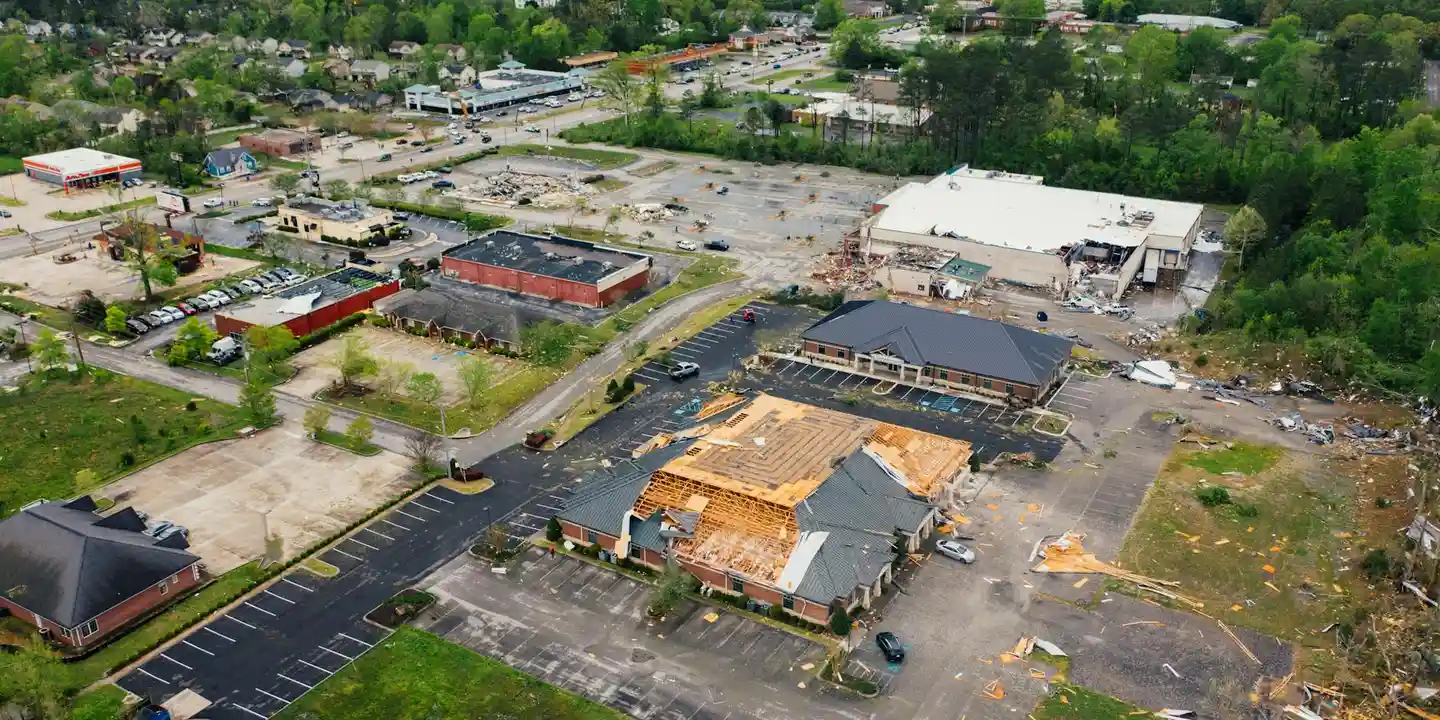
What preventive measures can you take to protect your roof from birds and wildlife? The best defense is a consistent, proactive routine. Think of it like changing your car’s oil. You do it regularly to avoid a big, expensive problem later. I tell homeowners to treat roof wildlife prevention the same way. A common challenge is stopping pigeons from nesting on the roof, especially near eaves and vents. Practical deterrents and timely sealing can prevent costly damage.
Set up a simple seasonal maintenance log. Check your roof twice a year, in spring and fall. This timing catches issues before animals settle in for winter or raise young in spring.
Here is your seasonal checklist.
- Spring and Fall Action: Trim all tree branches back at least 10 feet from your roof. Squirrels use them like highways. I’ve watched them leap from a branch that was “close enough.”
- Spring and Fall Action: Install certified, heavy-duty chimney caps and vent guards. Standard mesh often bends. You need a professional-grade, wildlife-resistant cap that screws in place.
- Spring and Fall Action: Inspect all flashings. Use a durable, polyurethane-based sealant on any small gaps. Do not use cheap caulk. It cracks and becomes a rodent snack.
Many folks ask about deterrents like bird spikes or netting. Let’s compare.
Spikes work well for ledges where birds perch or nest. They are a physical barrier. The downside is they require secure installation and can collect debris if not maintained.
Netting is more for large, open areas like under a deck or over a garden. On a roof, it’s rarely the right solution. It can sag, tear, and become a tangled hazard. For most homes, sealing entry points is far more effective than adding deterrents.
Proper roof maintenance is your best and most reliable deterrent. A roof with solid shingles, tight flashings, and no gaps has nothing to offer a curious raccoon. Fix the small stuff before it becomes a big, costly intrusion.
You Hear Something in the Attic: Steps for Addressing Active Intrusion
What are the signs of animal intrusion? You might hear scratching or scurrying noises, especially at dawn or dusk. You could find droppings in the attic or smell a strong, musky odor. Outside, look for torn vent screens, damaged soffits, or loose shingles.
How should you address existing damage? Do not panic. Follow this safety-first action plan.
- Confirm the intrusion. Listen for sounds in the walls or attic. Look for visual signs like nests or entry holes. Trust your nose for unusual smells.
- Contact a licensed wildlife removal professional immediately. This is not a job for a standard pest control company or a roofer alone. A wildlife pro knows how to remove animals humanely and legally. They handle the live animal, which a roofer will not.
- After humane removal, have a certified roofer conduct a full damage assessment. Do not let anyone just patch the hole. The roofer must check everything the animal touched.
The damage assessment must be thorough. It should cover the structure from the outside in.
- Roof decking and rafters for chew marks, water stains, or weak spots.
- All insulation. Animals often soil and compress it, destroying its R-value.
- Electrical wiring. Rodents love to chew on wires, which is a major fire hazard.
- Ventilation channels and ductwork for blockages or tears.
Making the Repair Last: Beyond a Simple Patch
Repairing animal damage is not about slapping on a new shingle. It must include exclusion work. Exclusion means fixing the hole and installing a permanent barrier so the animal cannot return. Otherwise, you’ll have the same visitor next week. A good crew will use one-way doors during removal, then seal the entry permanently.
Compare materials for a lasting repair. For the roof surface, you need matching shingles and reinforced, painted flashing that blends in. For the barrier work, steel mesh (hardware cloth) is far superior to aluminum. Squirrels can chew through thin aluminum in minutes. I always use 19-gauge steel mesh anchored with roofing nails or screws.
Set realistic expectations. A proper fix is an investment in your home’s safety. It costs more than a simple patch because it involves two pros (wildlife removal and roofing) and higher-grade materials. But it saves you money and stress by preventing a repeat infestation. Think of it as buying peace of mind for your roof.
When Damage is Done: The Roof-Care Recovery Plan
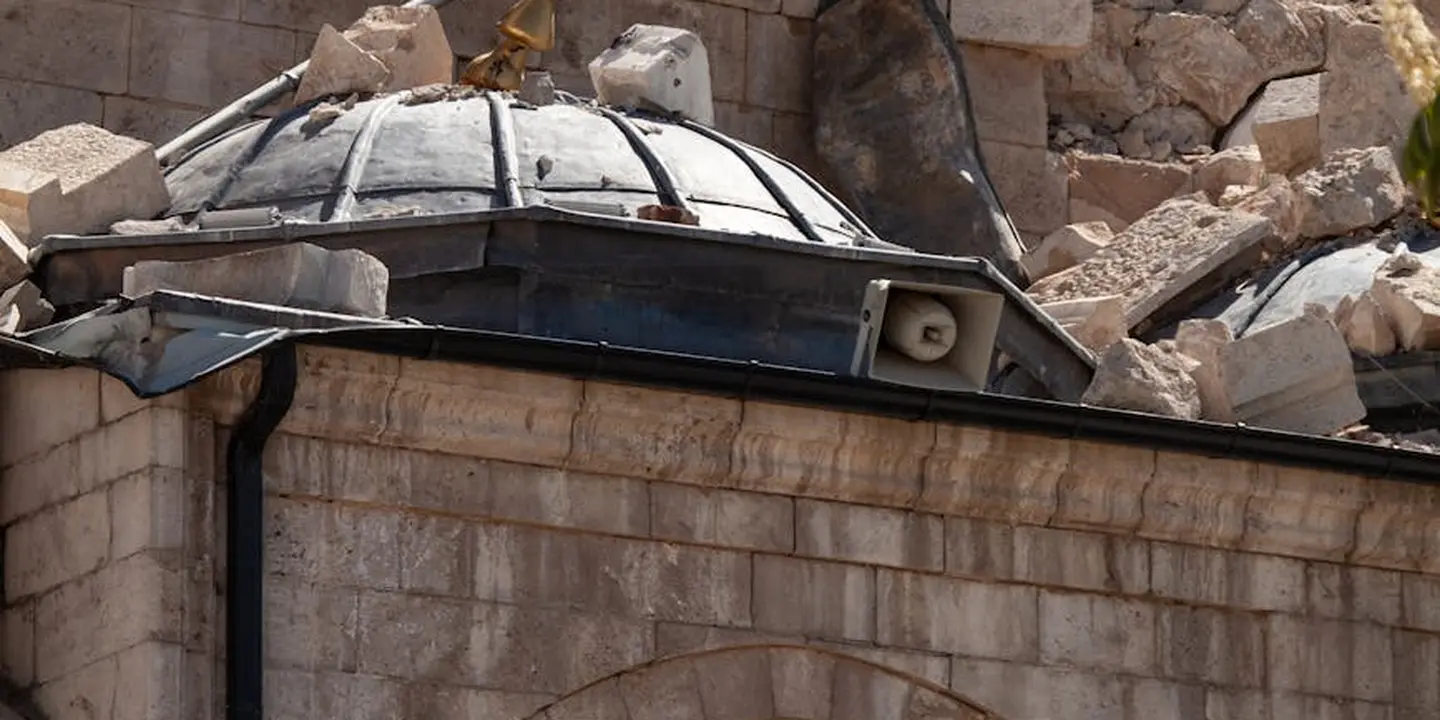
Finding a raccoon family in your attic or discovering chewed wires is stressful. The immediate goal is getting the animal out safely, which often requires a professional. Once they’re gone, the real roof-care work begins. You can’t just patch the hole and call it a day; you need to properly identify, remove, and prevent future infestations.
If you skip the recovery steps, you’re inviting mold, rot, and a guaranteed return visit from another creature. This process is how you restore your home’s integrity and peace of mind.
Step 1: Complete the Structural Repair
This is more than slapping a new shingle over a hole. You must repair the entire damage pathway, from the roof surface down into the attic structure.
- Inspect the entire area around the entry point. Animals often weaken a larger section than the obvious hole.
- Replace any rotted or chewed roof decking (the plywood under the shingles). I’ve seen squirrels turn a 2-inch hole into a spongy, unsafe 2-foot section.
- Install new underlayment and shingles, weaving them seamlessly into the existing roof. The goal is a repair that looks original and sheds water perfectly.
- Repair or replace any damaged vent covers, soffits, or fascia boards. These are common entry points that need to be returned to like-new condition.
A proper structural repair makes your roof whole again. It’s the foundation for everything that follows.
Step 2: Decontaminate and Sanitize the Attic Space
This is the most overlooked step by homeowners, and it’s non-negotiable for health and safety. Wildlife leaves behind urine, feces, nesting materials, and parasites.
You must treat the attic as a biohazard zone until it’s professionally cleaned. I never let homeowners do this part themselves.
- A specialist will remove all contaminated insulation, droppings, and nesting debris using industrial vacuums with HEPA filters.
- They then apply an enzyme-based cleaner to break down organic waste and neutralize odors that can attract new animals.
- All surfaces-wood beams, ductwork, electrical lines-are disinfected. They’ll also treat for mites or fleas left behind.
This isn’t about cleaning; it’s about making the space safe and unattractive to the next animal looking for a home.
Step 3: Replace All Insulation
Once the attic is sanitized, you cannot reuse the old insulation. It’s compromised, matted down, and holds moisture and contaminants.
- Choose new insulation with performance in mind. I often recommend a blown-in cellulose with a borate treatment, which is less appealing for pests.
- Ensure it’s installed to the proper depth (R-value) for your climate to restore your home’s energy efficiency. A crew I worked with found a homeowner’s energy bills dropped 15% after this full replacement.
- While the attic is empty, it’s the perfect time for a pro to inspect wiring and ducts for any hidden damage caused by chewing.
Step 4: Implement the Prevention Routine
Now, with a clean, repaired slate, you must secure it. This is where you activate the prevention plan we discussed earlier.
Your repair crew should install professional-grade exclusion devices-heavy-duty wire mesh, reinforced vent covers, and steel flashing at all potential weak points. Think of it like upgrading your home’s security system after a break-in.
A vigilant, well-maintained roof is your home’s best defense, adding years to its life by stopping problems before they start. This recovery plan isn’t just a fix; it’s an investment in a durable, quiet, and secure home. Schedule those bi-annual roof inspections, keep trees trimmed back, and listen for unfamiliar sounds. Should repairs be needed, follow roof repair safety practices. Use proper ladders, fall protection, and PPE. Your roof will thank you.
Quick Answers
How can I spot early signs of animal damage before it becomes a major issue?
Get on a ladder every spring and fall to check your roof’s perimeter. Look for loose flashing, torn vent screens, or fresh scratches and gnaw marks on your fascia and soffits-these are the red flags that demand immediate sealing.
What’s the one thing I should do immediately if I suspect an animal is in my attic?
Call a licensed wildlife removal professional right away; do not attempt to seal the entry point yourself. They will humanely remove the animal and advise on the next step, which will always be a full roof and attic damage assessment by a certified roofer.
Are some roofing materials better at resisting wildlife damage?
No material is completely immune, but metal roofing and impact-resistant composite shingles hold up better against punctures and clawing. The real key is professional installation with reinforced, animal-proof flashing and vent covers at all critical junctions.
Taking Charge of Your Roof’s Defense
From my experience, the most effective roof care starts with your own two eyes and a ladder. Make a habit of looking for disturbed shingles, nests, or droppings twice a year, and you will catch most wildlife issues before they become home invasions—rather than falling for common roof care myths.
Owning a home means being the steward of its first line of protection, your roof. Commit to safe, informed maintenance and keep learning about your specific roof type to ensure it lasts.
Ray Huffington
Ray is an experienced roofer. He has worked as a general contractor in the roofing industry for over 15 years now. He has installed and repaired all kinds of roofs, from small houses to large mansion, and from basic shingles to cement and metal roofs and even solar roof panels. He has seen homeowners struggle with roofing questions and always has experience based proven advice to help those in need. If you need roof pros, Ray's your guide.