
What Are the Best Roofing Materials for Commercial Buildings?
Staring at a quote for a new commercial roof and unsure which material to trust? Picking the wrong one is a costly mistake I’ve seen too many business owners make. Your roof needs to handle harsh weather, control energy costs, and protect your assets for years without fuss.
Based on my jobs across countless buildings, I’ll cut through the sales pitches. I will compare the real-world performance of top materials like metal, TPO, and modified bitumen. You will see how to weigh the installation price against the roof’s total lifespan. We will cover why fire ratings and wind resistance are non-negotiable for your safety and insurance.
Key Takeaways Before You Choose
Choosing a commercial roof is not about picking the prettiest shingle. It’s a practical decision that protects your investment for decades. Get these four points clear first.
- Roof Slope: Water must drain. A flat roof needs a watertight membrane, while a steep slope can use overlapping shingles.
- Local Climate Threats: Your roof battles the elements daily. List your top weather enemies: searing UV, hail impacts, snow load, or hurricane-force winds.
- Building Use: Is it a busy warehouse with roof traffic or a sealed data center? The activity on top dictates the toughness needed underneath.
- Budget: Look at the install cost and the 20-year cost. A low initial price with high maintenance bills is a poor financial plan.
The skill of the installation crew matters as much as the quality of the material in the box. I have seen flawless TPO membrane ruined by poorly welded seams. A perfect product installed wrong is a guaranteed failure.
Think about energy and materials now. Building in cool roof technology or recycled content from the start is simpler and cheaper than a retrofit later. This isn’t just a trend. It’s smart building.
Evaluating Your Building: The First Step
You wouldn’t buy shoes without knowing your size. Don’t choose a roof without knowing your building. Start here.
Figure out your roof’s slope, or pitch. You can measure it yourself with a level and tape measure. A slope less than 2:12 is a flat roof, requiring a membrane system. Anything steeper opens up options like metal or tile. Putting shingles on a flat roof is inviting a pond, not protection.
Know how much weight your structure can hold. Materials like natural slate or concrete tile are beautiful but heavy. Always get a structural engineer to verify your building can support them. On an old project, we had to add supports before installing heavy tiles. It was necessary work.
Local building codes are law. Commercial roofs must often meet specific fire ratings and wind uplift resistances. Your material choice must comply. I always pull the local codes first. It saves huge headaches during inspection.
Your climate writes the rulebook. A question about Florida homes highlights universal needs. In high-sun areas, you need materials with high solar reflectance. In hail zones, look for a high impact rating. For high winds, ensure proper attachment and maybe hurricane straps. The right roof for a snowy warehouse is wrong for a coastal retail strip.
A Roofer’s Guide to Common Commercial Materials
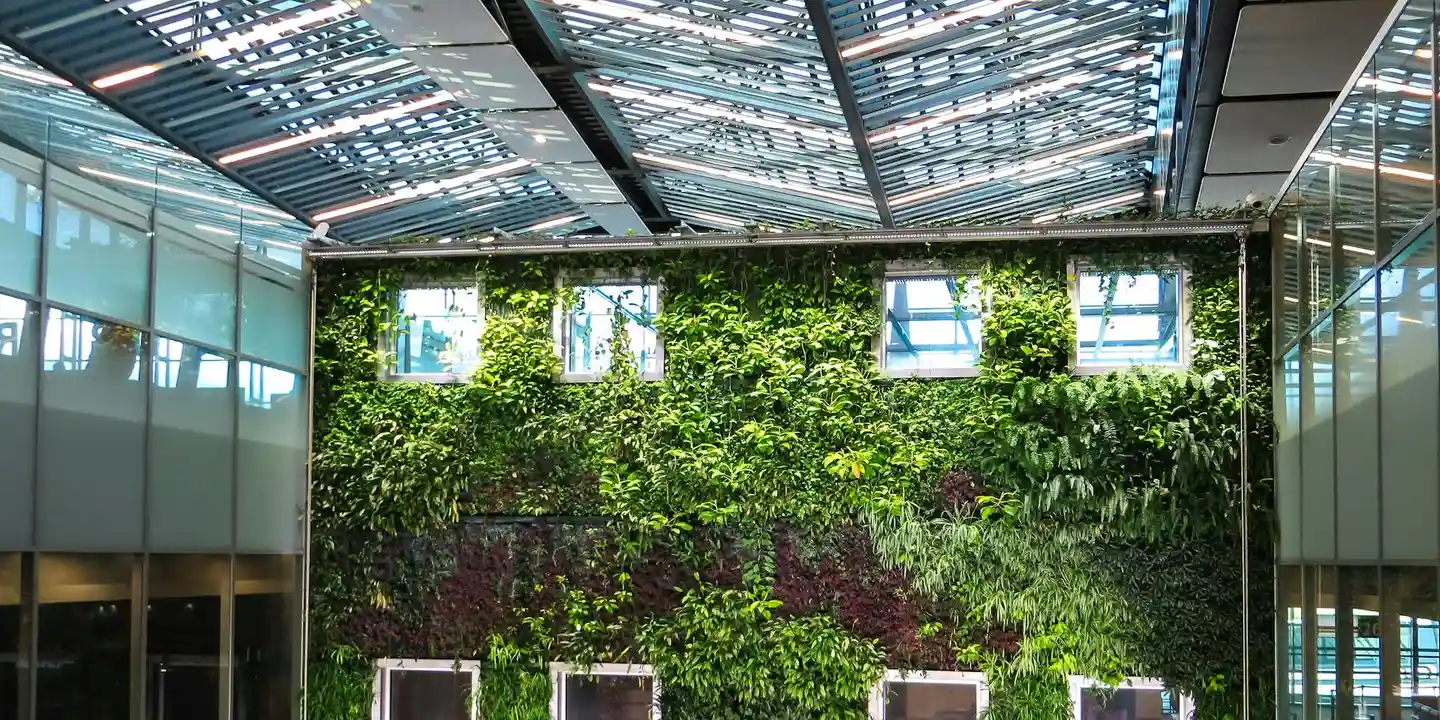
Picking a commercial roof is different from a house. The scale is bigger, the budgets are tighter, and the stakes are higher for your business. I’ve put these systems on everything from small retail shops to massive warehouses. Let’s break down your main options.
Single-Ply Membranes: TPO, PVC, and EPDM
Think of these as giant pool liners for your roof. They come in massive rolls and are laid down in a single, continuous layer. This makes them the king of big, flat roofs. They seal out water beautifully, but they’re not all the same.
TPO is the all-around athlete, great for reflecting the sun’s heat and saving on cooling bills in sunny climates. PVC is the chemical plant champion, resisting oils and fats that might come from restaurant vents. EPDM is the old reliable, a black rubber membrane known for its toughness and flexibility in freezing cold.
How they’re stuck down matters. Fully adhered is glued directly to the deck for a super-tight seal. Mechanically fastened uses screws and plates, which is faster and cheaper. Ballasted means the membrane is loose-laid and held down by a layer of smooth stone. The method changes the cost, wind resistance, and how easy repairs are later.
So, can you analyze which commercial roofing material lasts longest? For a well-installed and maintained single-ply system, you can expect 20 to 30 years of service. PVC and TPO often hit the higher end of that range with proper care. Lifespan also depends on location—climate, sun exposure, and wind can influence longevity. Understanding where a roof sits helps determine which material will last longest in that environment.
Metal Roofing Systems: Panels and Standing Seam
Metal is more than just a barn roof. For commercial work, you’re typically looking at two styles. Corrugated or ribbed panels are common on workshops and agricultural buildings. Architectural standing seam is the sleek, modern choice for offices and stores, with hidden fasteners and crisp lines.
The secret to a long-lasting metal roof is its paint. A Kynar-based coating is the gold standard. It resists fading and chalking for decades, keeping the roof looking new. Without a good coating, the roof will fade fast. When it’s time to refresh, repainting with a protective coating can restore the look and extend the roof’s life. This paint repaint approach is a practical metal roof protection method over the years.
A metal roof’s biggest selling point is its potential lifespan, often 40 years or more with minimal upkeep. A metal roof lifespan warranty helps homeowners understand long-term protection and coverage. The roof is also fully recyclable. The surface is ideal for mounting solar panels without penetration worries. Many low-slope metal roofs are also walkable, meaning my crew can service HVAC units safely without damaging the roof.
Built-Up Roofing (BUR) and Modified Bitumen
BUR is the classic “tar and gravel” roof. We layer alternating piles of felt and hot asphalt, then top it with stone. It’s heavy, but that redundancy of multiple layers is its strength. If one layer gets a tiny hole, the others usually stop the leak.
Modified Bitumen is like BUR’s modern cousin. It comes in rolls that are either heat-welded (torch-applied) or stuck down with adhesive. It’s incredibly tough against punctures from foot traffic or dropped tools.
I must give a crucial safety warning about torch-applied mod bit: this is hot work that requires special permits, fire watch, and extreme caution. A single spark can be disastrous. These systems are still a top choice for roofs that see a lot of maintenance foot traffic, like schools or hospitals with rooftop equipment.
Spray Polyurethane Foam (SPF)
SPF is unique. We spray a liquid that expands into a solid foam, creating a seamless layer of insulation and roofing in one step. It’s fantastic for sealing odd shapes, parapet walls, and pipe penetrations because it molds to anything.
The foam itself is not the finished roof. It must have a protective top coat, usually silicone or acrylic, applied immediately to shield it from the sun and weather. This is non-negotiable. For long-term performance, plan on recoating the protective layer every 10 to 15 years. If you do, an SPF roof can last 30 years or more.
The RoofMason Material Verdict: A Side-by-Side Comparison
| Material | Typical Cost (per sq. ft.) | Projected Lifespan | Best For | Weight | Maintenance Level |
| TPO/PVC Membrane | $$ | 20-30 years | Large flat roofs, hot climates (TPO), restaurants (PVC) | Light | Low (annual inspections) |
| EPDM Membrane | $$ | 20-30+ years | Cold climates, simple roof shapes | Light | Low (watch for seam shrinkage) |
| Metal (Standing Seam) | $$$ | 40+ years | Sloped roofs, modern design, solar readiness | Medium | Very Low |
| Built-Up Roofing (BUR) | $$ | 20-30 years | High foot traffic, buildings needing redundancy | Very Heavy | Moderate (drains must stay clear) |
| Spray Polyurethane Foam (SPF) | $$$ | 30+ years | Complex roof details, adding insulation | Light | High (recoating required) |
Here’s the best bang for your buck in different scenarios. For a warehouse in Texas, TPO’s reflectivity leads to major energy savings, paying back its cost over time. For a flat-roofed warehouse in Minnesota, EPDM’s cold-weather flexibility is the practical choice. If you have a sloped roof on a retail strip mall and want it to last your entire career, standing seam metal is worth the upfront investment.
You might also ask, what are common natural roofing materials for commercial? Slate and clay tile are used on high-end projects for unmatched beauty and longevity. They are breathtaking, but come with extreme weight, very high cost, and require specialized installers you must vet carefully. When weighing tile vs slate durability and long-term cost, the balance between upfront expense and long-term savings matters. For most commercial applications, the systems above are the workhorses that get the job done.
Beyond the Material: Roof Integrity & Lifespan Report

Choosing the right material is a critical first step, but it’s only the beginning. Your roof’s true lifespan is defined by the quality of its installation and the consistency of its maintenance. I’ve seen 20-year systems fail in 5 due to poor seams, and 10-year systems still going strong after 15 because the owner took care of it. This is a key factor when considering roof life expectancy.
Red Flag Signs of a Failing Roof System
Some problems are small repairs. These are the signs that tell me the entire roof system is likely at the end of its service life and needs a full replacement assessment.
- Widespread Ponding Water: Water that stands for more than 48 hours after a rain is a major stressor. It drastically accelerates wear and can lead to hidden structural rot.
- Alligatoring on Built-Up Roof (BUR): The surface coating cracks into a pattern like alligator skin. This means the roof’s protective layer is gone, and the felts underneath are exposed to sun and water damage.
- Membrane Shrinkage Pulling at Seams: Common on older EPDM or modified bitumen. The membrane literally shrinks back, pulling itself away from edges, seams, and penetrations, creating instant leak paths.
- Active Leaks in Multiple, Unrelated Locations: One leak might be a failed flash. Leaks popping up in different spots across the roof deck signal widespread material failure or a compromised deck.
A Property Manager’s Basic Roof Maintenance Checklist
Proactive care is the cheapest repair you’ll ever make. Put these simple tasks on your calendar.
- Conduct Visual Inspections Twice a Year (Spring and Fall): Walk the perimeter with binoculars. Look for debris, damaged flashing, or anything that has changed since your last look.
- Keep All Drains, Scuppers, and Gutters Completely Clear: This is the number one task. A clogged drain is the fastest way to create ponding water and an overflow disaster.
- Document Everything with Photos and Notes: Create a simple roof log. Date each inspection, note any minor repairs made, and take pictures. This history is invaluable for warranty claims and planning your capital budget.
How Different Materials Fail
Understanding what to watch for depends on what’s over your head. Each roofing material has a unique failure mode that dictates your inspection focus.
- Metal Roofs: Failure often starts at cut edges, seams, and fastener holes where the protective coating is compromised, leading to rust and corrosion.
- Single-Ply (EPDM, TPO, PVC): Seam separation is a primary concern. EPDM is also susceptible to punctures from foot traffic or falling debris, like a slow leak in a tire.
- Modified Bitumen: The torch-applied seams can fail if not done perfectly. The material itself can become brittle and crack over time, especially in cold climates.
- Built-Up Roof (BUR): As mentioned, surface alligatoring and blistering are key signs. The multiple layers can also retain moisture, leading to hidden rot in the deck.
Finalizing Your Commercial Roofing Decision
Your choice of installer is as important as your choice of material. A great system can be ruined by a poor crew.
Vetting Your Roofing Contractor
Do not skip this homework. It protects your investment and your liability.
- Verify Their License and Insurance In-Person: Ask for certificates of insurance and call the provider to confirm they are current. Workers’ compensation insurance is non-negotiable; without it, you could be liable if a worker is injured on your property.
- Ask for 3-5 References for Similar Projects: Don’t just get the list, call them. Ask about the crew’s cleanliness, communication, and how the roof has performed in the years since installation.
- Check for Manufacturer Designations: Many material makers (like GAF, Carlisle, Firestone) have elite contractor programs. These installers have proven their expertise and often offer enhanced warranties.
The Critical Importance of the Warranty
The warranty paperwork is your long-term peace of mind. Read it before you sign the contract.
A strong warranty has two parts: a manufacturer’s warranty on the materials and the contractor’s warranty on their workmanship. You need both explicitly stated in writing. A 20-year material warranty is useless if a 1-year workmanship flaw causes the leak. Understand what actions (like improper maintenance) can void the warranty.
The Bottom Line from the Job Site
After decades of installations and repairs, my firmest advice is this. The best commercial roof is not just a product you buy, it’s a system you steward into a long service life through proper material selection, expert installation, and relentless proactive care. All three elements must work together. Ignore one, and the whole system suffers.
Common Questions
How does maintenance differ between a metal roof and a single-ply membrane?
Metal requires checking fasteners and sealants at transitions every few years. For single-ply membranes, your focus must be on the seams and perimeter flashings-inspect them annually for any signs of separation or puncture.
Will my choice of roofing material affect my property insurance premiums?
Absolutely. Materials with high wind-uplift ratings or superior fire resistance (like Class A rated metal) can lower premiums. Always provide your insurer with the manufacturer’s specification sheets for your installed system.
Can I install a new roofing material over my existing roof?
Sometimes, but a professional core cut test is essential first. A contractor must verify the existing deck is sound, dry, and can handle the added weight and new attachment method.
Making a Smart Choice for Your Commercial Roof
Pick a roofing material that handles your climate’s worst weather and fits your maintenance plan. A properly installed roof from a trusted contractor is your first line of defense against the elements.
Take charge of your roof’s health with annual inspections and safe work practices. Stay curious about roof care-it’s the best way to spot small issues before they become big problems.
Ray Huffington
Ray is an experienced roofer. He has worked as a general contractor in the roofing industry for over 15 years now. He has installed and repaired all kinds of roofs, from small houses to large mansion, and from basic shingles to cement and metal roofs and even solar roof panels. He has seen homeowners struggle with roofing questions and always has experience based proven advice to help those in need. If you need roof pros, Ray's your guide.