
Which Roof Is Right for You? Comparing Material Pros and Cons
After three decades of hauling bundles up ladders, I can tell you a roof is more than just shingles. Have you ever worried that your current roof won’t last through the next big storm?
Choosing based on price alone often leads to leaks and early replacement. I’ve repaired too many roofs that failed because the material wasn’t suited for the home.
In this guide, I’ll cut through the confusion and give you the straight talk on asphalt shingle affordability and limitations, metal roofing’s longevity and cost, the classic appeal and weight of tile, and the natural look of wood shakes.
The Common Contenders: A Roofer’s Look at Popular Materials
When you’re picking a roof, you’re not just choosing looks. You’re picking a system that needs to last decades against sun, wind, rain, and snow. The common options are asphalt shingles, metal, wood, tile, and slate. Synthetic materials are also making a strong case these days.
I need to be clear about one thing right away. There is no single best roofing material. Anyone who tells you that is selling something. The best roof is the one that fits your home’s structure, your local weather, and your budget for both installation and long-term care. My job is to give you the facts so you can find that fit.
Let’s break them down from a practical, on-the-roof perspective.
Material Deep Dive: Pros, Cons, and What Homeowners Really Need to Know
Asphalt Shingles: The Affordable Workhorse
This is the roof I’ve installed more than any other. They’re popular for good reasons.
The main advantage is cost. Asphalt shingles have the lowest upfront price of any common material. They are also straightforward to install for a skilled crew, which keeps labor costs down. You have a huge range of colors and styles to choose from, including options that mimic wood or slate. Keep in mind how asphalt shingles stack up against metal roofing for cost, durability, and aesthetics. That comparison often shapes the final choice.
The trade-off for that low initial cost is a shorter lifespan and vulnerability. They last 15 to 30 years, depending on quality and climate. Understanding the roof shingles’ lifespan helps homeowners plan maintenance and budgeting. This knowledge also guides decisions about upgrades or replacements. High winds can lift them, and hail can bruise or crack the asphalt granules. When they’re replaced, the old shingles go to a landfill.
You’ll choose between two main types. Basic 3-tab shingles are flat, lightweight, and the most affordable. Architectural or dimensional shingles are thicker, have a layered look, and are more resistant to wind. On most jobs I do today, homeowners choose architectural shingles for the extra durability.
Metal Roofing: The Durable Defender
If your priority is a roof you can forget about for generations, look at metal.
Metal roofs are incredibly long-lasting. A properly installed standing seam metal roof can easily last 40 to 70 years. They won’t combust, making them a great choice in fire-prone areas. Reflective coatings can lower cooling costs by shedding solar heat. They also shed snow very effectively. Many metal roofs are backed by a lifespan warranty that covers decades of performance. Knowing the warranty terms helps you maximize that longevity.
The main hurdle is the higher initial investment, which pays off over its very long life. Some folks worry about noise, but with a solid roof deck and proper insulation, rain is no louder than on any other roof. The real key is installation. This is not a DIY project; it needs a specialized crew to prevent leaks.
You have two main styles. Exposed-fastener corrugated panels are more budget-friendly. Hidden-fastener standing seam panels are sleeker and more durable. You can also get metal shingles that look like traditional materials. For material, aluminum won’t rust, while steel is stronger but often needs a protective coating.
Wood Shakes & Shingles: The Classic Charm
A cedar roof has a warmth and character that manufactured products struggle to match.
The benefit is all about that natural, rustic aesthetic. They also provide decent natural insulation because of their thickness. A well-maintained wood roof on a dry, sunny slope can be a beautiful thing.
That beauty comes with a high-maintenance relationship. In damp or shaded areas, they are magnets for moss, mold, and algae. They can be a target for insects. Untreated wood is a fire hazard, though treated versions are available. They are prone to rot and splitting if not cared for, and they cost more than asphalt.
Know the difference. Machine-cut shingles have a uniform, sawn look. Hand-split shakes are thicker, rougher, and more textured. Shakes are more expensive and require even more skilled installation.
Clay & Concrete Tiles: The Heavyweight Champions
These are the tanks of the roofing world. They are massively durable and completely fireproof.
Their biggest pro is an exceptionally long lifespan, often between 50 and 100-plus years. A tile roof is a permanent fixture. They excel in hot, dry climates where their thermal mass can help regulate indoor temperatures.
Their weight is their defining characteristic, and it’s the first thing I check for. Your home’s structure must be assessed by an engineer to carry the load. They are expensive to install and repair. Individual tiles are brittle and can crack if hit by a large branch or hail.
So, are clay roof tiles better than concrete? It depends. Clay is the classic, porous material with a rich, traditional look. Concrete tiles are often more affordable and have consistent, fade-resistant color baked in. Both are heavy and durable. For most homes in tile-friendly climates, concrete offers a similar look and performance for less money. When weighing tile versus slate durability and cost, these factors influence long-term value. Slate tends to last longer but costs more upfront.
Are they good for all climates? They are ideal for the Southwest and similar areas. In places with heavy snow, the weight is a bigger concern. In hail-prone regions, you risk widespread cracking unless you pay for impact-rated tiles.
Slate & Synthetics: The Longevity Extremes
At one end, you have natural stone. At the other, advanced plastics. Both aim for a premium look.
Natural slate is the ultimate legacy roof. A true slate roof can last 75 to 200 years. It’s stunningly beautiful and completely fireproof. It’s the roof you put on a home you expect to last for centuries.
This pinnacle comes with a pinnacle price and specific demands. It’s extremely heavy, often heavier than tile, so structural reinforcement is almost always needed. It requires masons or specially trained roofers to install. You cannot safely walk on it for maintenance without risking breakage.
Are slate roofs worth it? Only if you have the budget for the material, the structure to support it, and access to the rare craftsmen who install it correctly. For the right historic or high-end home, it’s an unmatched investment.
This leads to a modern solution: synthetic slate and shake. Are plastic roof tiles any good? The good ones are impressive. They are made from engineered polymers to look nearly identical to wood or slate. They are lightweight, durable against impact, and much more affordable than the natural materials they mimic. The compromise is that colors can fade over decades, and as a newer product, we don’t have a 100-year track record yet. For a homeowner who wants the slate or cedar look without the weight or extreme cost, synthetics are a very smart choice.
How Your Roof’s Shape Guides Your Material Choice
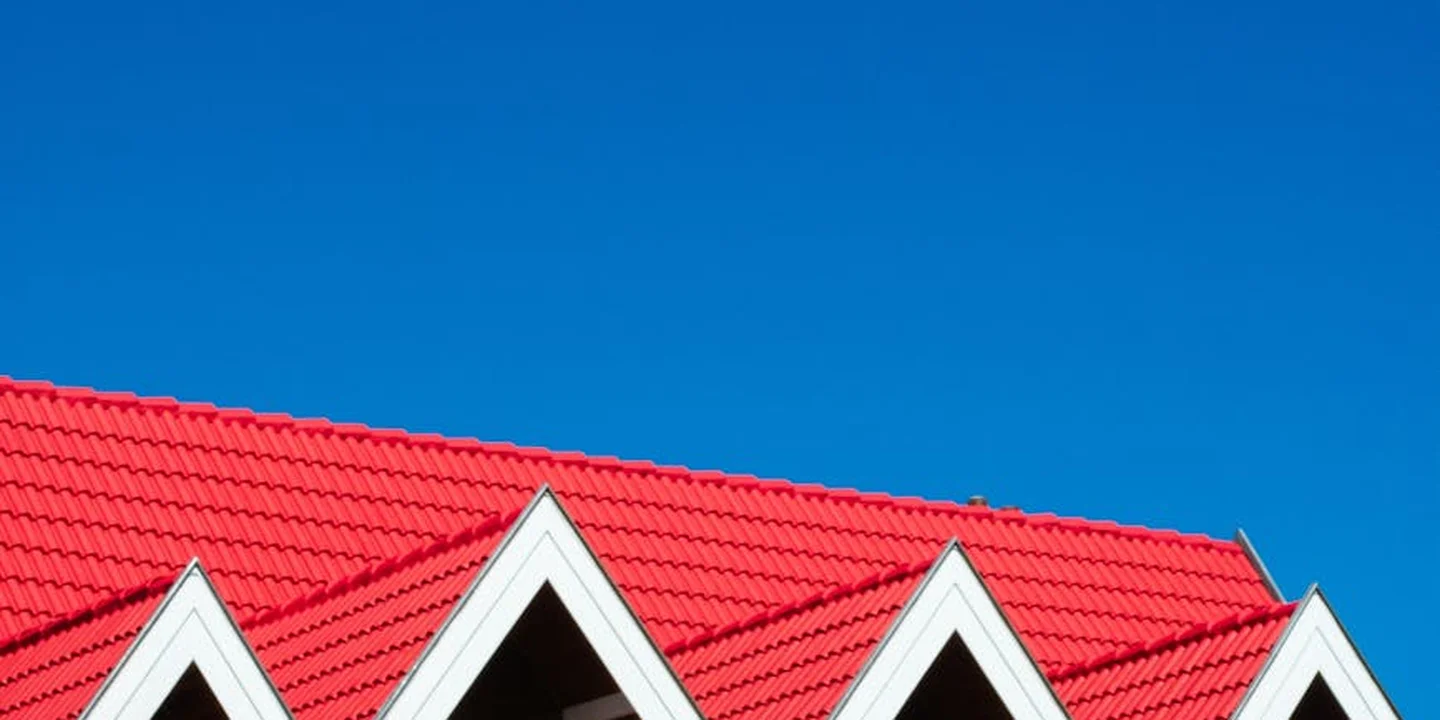
Your roof’s style is not just about looks. It dictates what materials will actually work and last on your house.
I have framed up and covered every shape you can imagine. The wrong material on a complex roof is a leak waiting to happen.
Let’s break down the common styles.
Gable roofs, with their simple triangle shape, are the easiest to work on. Most materials, from basic asphalt to metal panels, install cleanly here with minimal waste. This simplicity makes them a popular choice for many applications, especially when combined with effective design and construction principles.
Hip roofs, where all sides slope downward, are more stable in wind. Their constant slopes make them a great fit for interlocking materials like clay tile or slate. The pieces lock together neatly along the hips.
Flat or low-slope roofs are a different beast. Shingles won’t work because water drains too slowly. These roofs demand a continuous, water-tight membrane system like TPO or EPDM rubber. There are no shingles to shed water, just a sealed sheet.
Here is a roofer’s rule I’ve always worked by: steeper pitches shed water better and can handle almost any material. Low slopes need specialized, sealed systems.
Style also changes your cost through installation complexity. A roof with lots of valleys, dormers, and angles means countless custom cuts. On a recent Victorian job, the intricate hips and valleys added nearly 20% to our material order just in off-cuts. Simple gable roofs are far more efficient.
The RoofMason Material Verdict: A Side-by-Side Comparison
This table cuts through the noise. It focuses on what you care about: cost, how long it lasts, and where it works best.
| Material | Typical Cost per sq. ft. (Installed) | Projected Lifespan | Weight | Best For (Climate/Style) | Roofer’s Note |
|---|---|---|---|---|---|
| 3-Tab Asphalt Shingles | $1.50 – $3.00 | 15-20 years | Light | Moderate climates, simple gable roofs | The budget basic. Prone to wind uplift in storms. I see these fail first on complex roofs. |
| Architectural Asphalt Shingles | $2.50 – $5.00 | 30-50 years | Medium | Most climates, handles complex styles well | My most common recommendation for a balance of durability and cost. The thicker laminate resists hail. |
| Metal Roofing (Steel) | $5.00 – $12.00 | 40-70 years | Light to Medium | Snowy, rainy, or windy areas, modern or rustic looks | Sheds snow and rain effortlessly. Installation is critical: improper fastening leads to noisy expansion and contraction. |
| Clay or Concrete Tile | $10.00 – $20.00 | 50-100 years | Very Heavy | Hot, dry climates, Mediterranean or Spanish style homes | Your roof structure must be reinforced to carry the load. Beautiful but fragile; walking on them during repair requires care. |
| Natural Slate | $15.00 – $30.00+ | 75-200 years | Extremely Heavy | Historic homes, areas with freeze-thaw cycles if high-quality | A lifetime investment. Only install if your roof framing is verified as strong enough. Requires a specialist crew. |
| Wood Shakes | $6.00 – $12.00 | 25-30 years | Medium | Dry climates, rustic or cottage styles | Needs regular treatment for fire resistance and moss. I avoid them in damp, shaded areas where they can rot quickly. |
| Flat Roof Membrane (TPO/EPDM) | $4.00 – $8.00 | 20-30 years | Light | Low-slope or flat roofs, modern residential styles | The seam is the weakest point. A perfect seal during installation is non-negotiable. I prefer TPO for its reflective properties in sunny areas. |
So, what is the best bang for your buck? It depends on your situation.
For a storm-prone area on a budget, impact-resistant architectural asphalt shingles offer solid protection without the high cost of metal.
If you live in the Southwest and have a hip roof, concrete tile provides decades of service and natural cooling for your attic.
For a low-maintenance, long-term solution on a steep gable, standing seam metal is hard to beat, even with its higher upfront cost.
Integrity & Lifespan Report: When to Repair and When to Replace
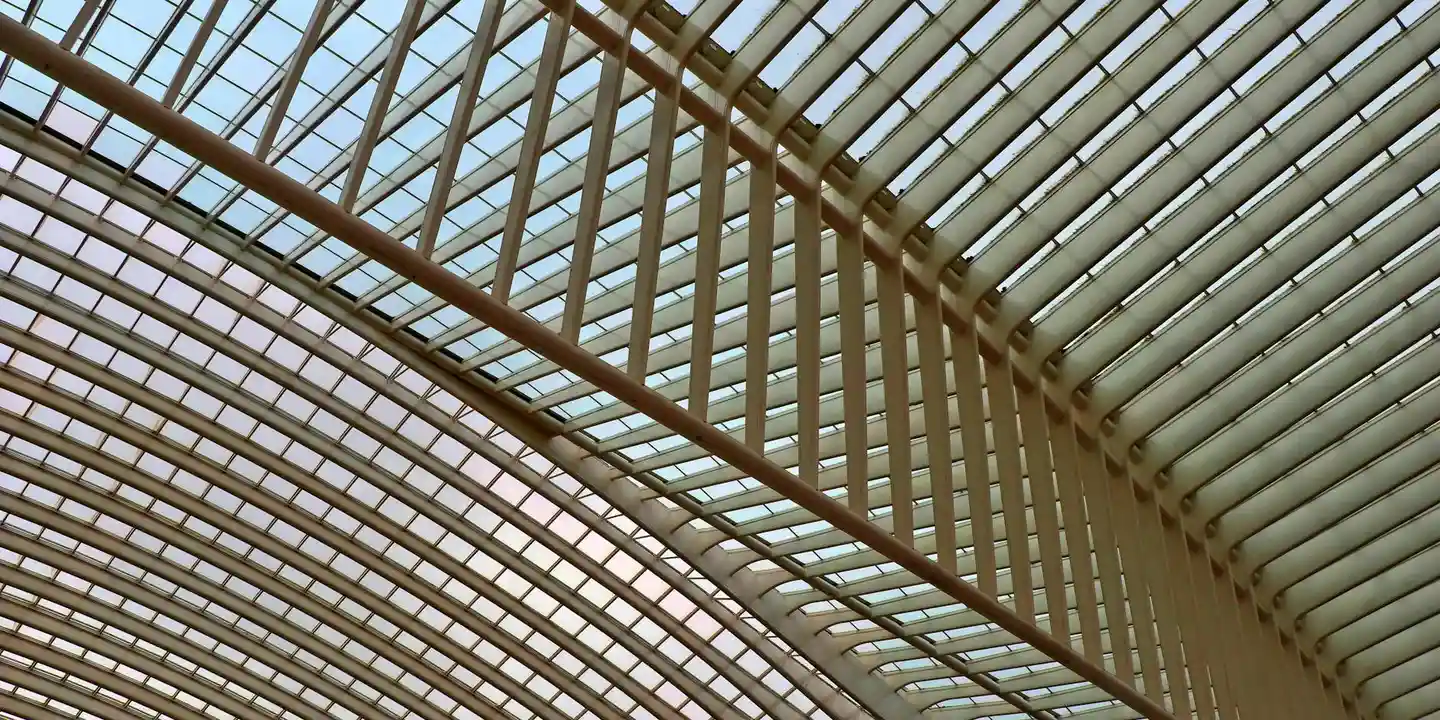
Let’s recap how long you can expect each material to last. Remember, these are typical ranges. A roof in a harsh climate might be on the lower end, while one with perfect care might reach the upper limit.
- Asphalt Shingles: 15 to 30 years.
- Metal Roofing: 40 to 70 years.
- Wood Shakes: 25 to 40 years.
- Clay or Concrete Tiles: 50 to 100+ years.
- Slate: 75 to 150+ years.
Your roof will give you signals when it’s in trouble. Some warnings apply to every single type of roof.
If you see multiple leaks in different areas, your roof system is failing. One leak from a single nail pop is a repair. Water showing up in various spots points to widespread wear.
Widespread curling, cracking, or buckling of the roofing material is another major red flag. Look for daylight visible through the roof boards from your attic. That means there are gaps. Soft, spongy spots or a smell of rot in the attic signal decking damage. Moss growing on the surface is one thing. Moss growing *into* the wood is a serious problem.
Each material also has its own specific distress calls.
- Asphalt Shingles: Heavy granule loss in gutters or bald spots on shingles. The asphalt is exposed and deteriorating.
- Metal Roofing: Rust streaks, especially at seams or scratches. Chalking or fading is normal, but rust is not.
- Clay/Concrete Tiles: Broken or cracked tiles. The underlayment beneath them can fail if water gets through too often.
- Wood Shakes: Deep splitting, rot, or severe insect damage that makes the wood crumble.
So, do you fix it or replace it? I follow a simple rule of thumb from my crew’s jobs.
A repair is sufficient for isolated, localized damage. Think a small section of missing shingles after a storm, a single leak traced to a failed pipe boot, or a few broken tiles. If the problem is confined to less than 30% of your roof and the rest is in solid shape, a targeted repair makes financial sense.
A full replacement is the smarter investment when damage is widespread or the roof is simply old and tired. If you’re patching leaks every season, if granules fill your gutters every spring, or if the roof is near the end of its lifespan range, constant repairs become a money pit. Replacing it ends the cycle and protects your home.
The Seasonal Maintenance Log: Extend Your Roof’s Life by a Decade
Think of roof maintenance like changing the oil in your car. Small, regular attention prevents catastrophic, expensive failures. Do this quick check twice a year, in spring and fall.
Spring (After Winter Storms): Your goal is to find damage from ice, snow, and wind.
- Clean your gutters and downspouts completely. Clogged gutters cause water to back up under the roof edge.
- Look for missing, cracked, or lifted shingles.
- Check for dents or scratches on metal panels.
- Look for new moss or algae growth in shaded areas.
Fall (Before Winter Arrives): Your goal is to make sure everything is sealed tight.
- Clean gutters again after leaves drop.
- Check all flashing seals around chimneys, vents, and skylights. Look for cracks or gaps.
- Trim back any tree branches that are touching or overhanging the roof.
You can see a lot without ever climbing a ladder. Use a good pair of binoculars.
Walk around your house and look up. Scan the roof lines for any sagging or dips, which indicate structural trouble. Check the metal flashing in valleys and around protrusions for damage. Look at the ground near your downspouts. A lot of sand-like granules means your asphalt shingles are wearing out.
Your roof type needs specific care.
- Wood Shakes/Shingles: Keep them clean and dry. Remove debris piles. Consider a professional treatment to resist mold, moss, and fire.
- Tile Roofs: Focus on the valleys (where two slopes meet). Clear out leaves and pine needles that trap moisture. Never walk on the tiles.
- Metal Roofs: Inspect the sealant at panel seams and penetrations. Wash it occasionally with mild soap and water to remove corrosive debris.
- Asphalt Shingles: Keep them free of debris. If you get moss, have it gently removed without power washing, which strips granules.
Let me be very clear. Your safety is not worth the risk. Use binoculars for inspections from the ground. Cleaning gutters from a second-story roof or walking on a steep pitch are jobs for insured professionals. A fall can change your life in an instant. Leave the high-up work to the crew.
Making the Final Call: Balancing Budget, Climate, and Looks
Choosing a roof material isn’t just about picking what you like. You’re balancing three big forces. Let’s walk through each one so you can make a confident choice.
Budget: The Real Price Tag Over Time
Your budget isn’t just the check you write on installation day. It’s the total cost over the life of the roof. Asphalt shingles win on day-one price. A premium metal roof can cost three times as much upfront.
But you have to do the long math. A 50-year metal roof that never leaks is often cheaper per year than replacing asphalt shingles every 20 years. You pay less in repair calls and avoid the hassle of another full replacement down the line.
For higher-end materials, think of them as a one-time investment that protects your home for decades, often adding more value to your property than they cost. Some homeowners use financing or a home equity line for a premium roof, viewing it as a major home improvement that pays off in durability and peace of mind.
Climate: Your Roof’s #1 Job is Weather Defense
Your local weather isn’t a suggestion. It’s a requirement for your roof. The wrong choice here leads to constant repairs.
- Hail & High Winds: In hail-prone areas, look for materials with a Class 4 impact rating. Metal holds up very well. For wind, check the material’s UL rating-some asphalt shingles are rated for 130 mph winds when installed correctly.
- Intense Sun & Heat: Light-colored metal or tile reflects sunlight, which can noticeably lower your attic temperature and cooling bills. Dark asphalt shingles absorb heat, which can shorten their lifespan in hot climates.
- Heavy Snow & Rain: A steep pitch helps shed snow. Materials like slate and standing seam metal offer a very smooth surface for snow to slide off. In wet climates, prioritize materials that resist moss and algae growth.
Matching your roof to your weather is the single best way to prevent premature failure and expensive damage.
Structure: Don’t Skip the Weight Check
This is non-negotiable. Your house frame is designed to carry a specific load. Natural slate and concrete tile are beautiful, but they are extremely heavy.
I’ve been on jobs where a homeowner wanted slate, but the attic framing was too lightweight. Installing it would have risked sagging or even structural damage over years. We had to suggest a lighter alternative, like synthetic slate or metal.
Before you commit to any heavy material, have a qualified contractor or structural engineer assess your home’s framing. The extra inspection fee is cheap insurance against a catastrophic mistake.
Aesthetics & Resale: Curb Appeal That Lasts
Your roof is about 40% of your home’s visible exterior. It needs to work with your house’s style. A Spanish tile roof looks perfect on a Mediterranean-style home but out of place on a classic Cape Cod.
Think about your neighborhood and future buyers. In many areas, a durable, high-quality roof like metal or architectural shingles is a strong selling point. It’s a feature a buyer won’t have to worry about.
A roof that complements your home’s architecture doesn’t just look good today, it protects your home’s value for the long term.
The Roofer’s Bottom Line: Installation is Everything
I’ve seen $50,000 slate roofs ruined by poor flashing work. I’ve also seen basic asphalt shingle jobs outlast their warranty because the crew was meticulous. The material is only as good as the hands installing it.
Always choose a licensed, insured, and experienced installer. Ask for references for projects with the same material. Look for manufacturers who offer “Master Installer” certifications-this means the roofer is trained specifically for that product.
Your final decision isn’t just shingle versus metal. It’s choosing the right qualified professional who will install your chosen material correctly, safely, and to code. That’s what truly seals the deal.
Common Questions
What are the most important signs my roof is failing that I can see from the ground?
Look for missing, cracked, or curling shingles, and excessive granule loss in your gutters or downspouts. Sagging roof lines and dark streaks from algae are also clear warnings that you need a professional inspection.
What’s the biggest maintenance mistake you see homeowners make?
Neglecting their gutters and ignoring flashings. Clogged gutters cause water to back up and rot your roof deck, while failed flashing around chimneys or vents is the most common source of leaks I repair.
My area gets severe storms. What should I ask a roofer about to ensure my new roof can handle it?
Demand materials with a high UL wind rating and, for hail, a Class 4 impact resistance. More importantly, verify the installer is certified by the manufacturer-proper installation is what makes those ratings valid in a real storm.
Your Roof, Your Home’s First Defense
The best roof for your house isn’t the most expensive or the trendiest one. It’s the one that best matches your local weather, your long-term budget, and the style of your home.
A roof is a long-term investment in your safety and your property’s value. Treat it that way by committing to regular inspections, addressing small issues promptly, and continuing to learn about proper Roof Care, All Types of Roof Guide, Care, Maintenance.
Ray Huffington
Ray is an experienced roofer. He has worked as a general contractor in the roofing industry for over 15 years now. He has installed and repaired all kinds of roofs, from small houses to large mansion, and from basic shingles to cement and metal roofs and even solar roof panels. He has seen homeowners struggle with roofing questions and always has experience based proven advice to help those in need. If you need roof pros, Ray's your guide.