
How Does Roof Ventilation Change Between Metal and Asphalt Shingles?
Is your attic a scorching oven in summer or a damp icebox in winter? The answer often lies above it, in how your roof breathes. I’ve been on crews where we fixed entire attic systems ruined by one simple oversight: using the wrong ventilation plan for the roofing material.
Metal roofs and asphalt shingle roofs manage heat and moisture differently. Getting the ventilation wrong can shorten your roof’s life, hike your energy bills, and cause hidden damage. This isn’t a one-size-fits-all part of the job.
Here’s exactly what we’ll cover: the key differences in how each roof type needs to breathe, the specific vent types that work best for metal versus shingles, and the hard lessons I’ve learned from installations done right and wrong.
Key Takeaways: What You Need to Know First
I’ve been on both sides of this debate, installing miles of each material. When a homeowner asks me which roof is better, I always say, “A good roof starts with what you don’t see.” It doesn’t matter whether it’s asphalt or cedar shingles, as long as the underlayment and deck are properly installed.
Your choice of roofing material changes how you need to manage the air and heat underneath it.
- Metal roofs need a dedicated air gap, like a raincoat over a sweater, to prevent hidden condensation.
- Asphalt shingle roofs need a balanced flow of air, like a chimney draft, to stop heat from baking them from below.
- Ventilation failure on a metal roof risks rust, corrosion, and loud popping noises.
- Ventilation failure on an asphalt roof causes cracked, curled shingles and destroys your energy efficiency.
- Both systems need ventilation, but the reasons and the fixes are not the same.
Thinking about ventilation upfront protects your investment and keeps your entire house healthy.
Why Your Roof’s Material Demands a Specific Ventilation Strategy
Your attic isn’t just empty space for storing holiday decorations. It’s a living part of your home’s climate system. When it fails, the whole house feels it.
Think of your roof and attic like a car engine and its radiator. Without air flowing through the radiator, the engine overheats and seizes. Your attic works the same way.
You’re fighting two main battles up there. In summer, the sun turns your attic into an oven, raising temperatures to 150°F or more. That heat radiates down, making your air conditioner work overtime. In winter, warm, moist air from your living space rises into the cold attic. That moisture condenses into water droplets on the wooden decking and nails, leading to mold and rot.
Proper attic airflow solves both problems. It directly lowers your energy bills by keeping heat out in summer and protects your structure by keeping moisture out in winter. It also keeps your insulation working at its rated R-value. Heat-saturated insulation is worthless.
The roofing material you choose is the lid on this system. Metal and asphalt act very differently in the sun, which changes the ventilation game completely.
Metal Roofs: The Heat Conductor
Metal has high thermal conductivity. That’s a fancy term for a simple idea: it gets hot and cold very fast. On a sunny day, a metal roof heats up quickly. On a cold night, it cools down just as fast. Roofing materials vary in their composition and thermal properties, which changes how they transfer heat. Choosing the right material affects a roof’s energy performance.
This rapid cooling is where the real danger lies for an unvented metal roof. When the warm, humid air in your attic hits that cold metal underside, it instantly condenses, just like water on a cold drink can. This isn’t a small drip. I’ve seen it rain inside an attic.
That’s why metal roofing isn’t installed flat on the deck. We use battens or purlins to create a continuous air channel from the eaves to the ridge. This gap lets air flow freely under the entire metal panel, carrying away heat and moisture before it can condense.
For a metal roof, proper ventilation is just as much about preventing hidden corrosion and reducing thermal expansion noise as it is about managing heat. That “popping” sound you sometimes hear is the metal expanding and contracting against itself. Sometimes, it is also because the roof ventilation system is not working effectively.
So, what are the ventilation requirements for a metal roof? The gold standard is a continuous ridge vent paired with continuous soffit vents. This creates a uniform flow across the entire underside of the metal. The size of the air channel is critical, and your roofer should follow the manufacturer’s exact specifications for your panel profile.
Asphalt Shingle Roofs: The Heat Absorber
Asphalt shingles work the opposite way. They don’t conduct heat. They absorb it like a sponge and then radiate it downward, slowly baking the wooden decking they’re nailed to.
That trapped heat is a shingle’s worst enemy. The asphalt literally cooks, causing it to become brittle. Excessive attic heat is the leading cause of premature shingle aging, which shows up as curling edges, severe cracking, and a loss of the protective granules.
You don’t need a channel under each shingle. You need a balanced attic-wide system that creates a cooling chimney effect. Air comes in through vents under the eaves (soffits), flows up along the roof deck, and exits through vents at the peak (ridge or gable vents). This continuous flow carries the trapped heat away.
A balanced system is key. If you have more exhaust than intake, your attic can pull conditioned air from your living space, raising your bills. We always measure the “net free area” of the vents.
What are the ventilation requirements for an asphalt shingle roof? The building code uses a simple ratio. You typically need 1 square foot of net free vent area for every 150 square feet of attic floor space. If you have a vapor barrier under your insulation, that requirement can drop to 1/300. Getting this balance right is what makes a shingle roof last its full warranty period.
Side-by-Side: Comparing Needs, Systems, and Consequences
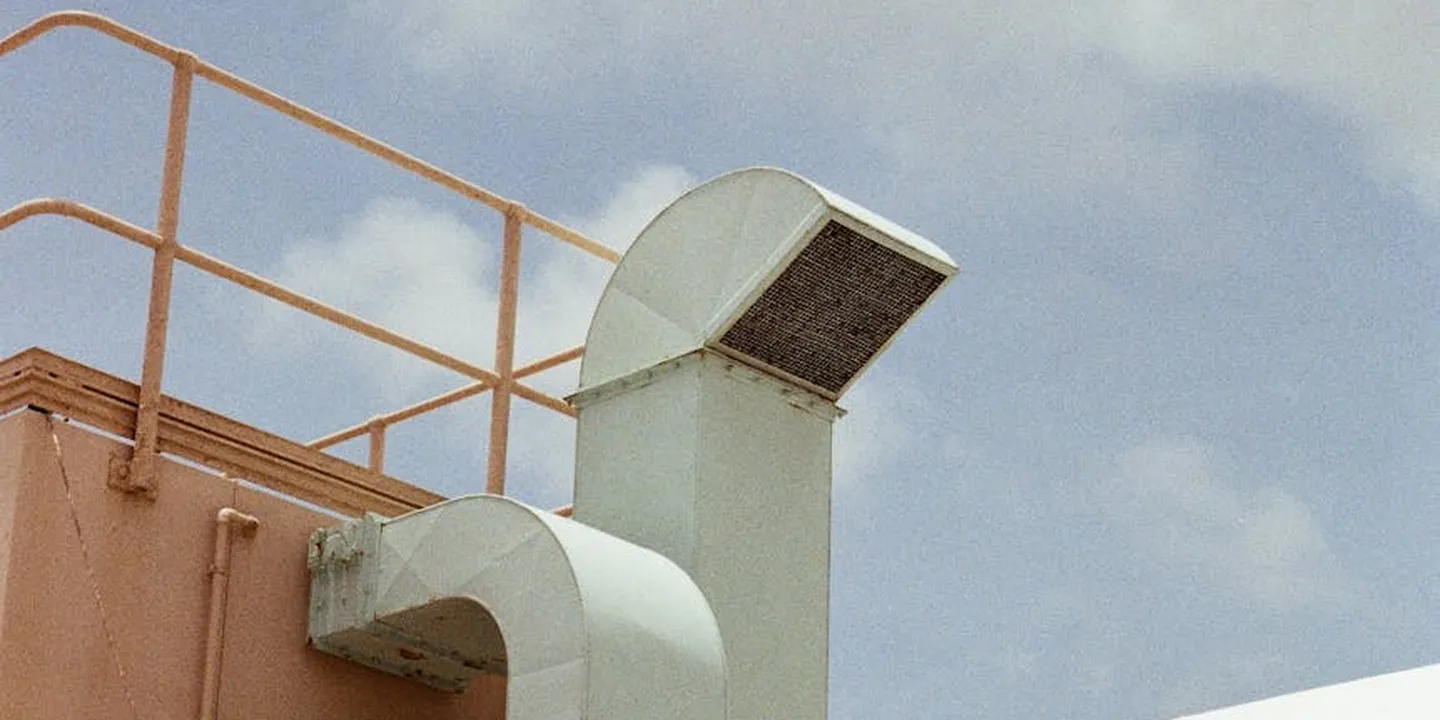
Think of attic ventilation like the breathing for your roof. Both metal and asphalt roofs need to breathe, but they have different sensitivities. Proper attic airflow helps prevent mold and protects shingles from moisture damage.
An asphalt shingle roof gets hot. The sun bakes the dark granules, and that heat soaks into your attic. Your ventilation’s main job here is to pull that superheated air out. This keeps your shingles from cooking and your energy bills from soaring.
A metal roof is a different animal. It cools down fast. On a humid summer night, the metal surface can drop below the dew point of the warm, moist air trapped in your attic. When that happens, condensation forms on the underside of the metal panels. For metal roofs, ventilation is primarily about managing moisture to prevent this hidden condensation, especially in areas like attics and garages.
So, is it more critical for one material? It’s about the type of risk. With asphalt, poor ventilation leads to a slow burn, shortening shingle life visibly from the outside. With metal, the failure is often hidden. You might not see the rot and mold until it’s a major structural issue. The consequence of getting it wrong with metal can be more severe and costly to repair.
The Lifespan Impact: What Happens When It’s Wrong
Let’s get specific about what failure looks like.
For Metal Roofs:
- Condensation and Rot: That constant dampness on the roof deck never dries out. The plywood or OSB sheathing softens and rots. I’ve pulled up metal panels to find spongy wood that crumbled in my hand.
- Fastener Corrosion: The screws holding your metal roof down are sitting in a wet environment. They rust faster, losing their grip and compromising the roof’s wind resistance.
- Insulation Mold: Moisture soaks into your attic insulation. It becomes a heavy, moldy mat that loses its R-value and spreads spores into your living space.
For Asphalt Shingle Roofs:
- Thermal Shock: Without ventilation, your attic can hit 150°F. The shingles bake all day, then cool rapidly at night. This daily expansion and contraction cracks the asphalt and makes granules fall off prematurely.
- Ice Dam Formation: A hot attic melts snow from underneath. The water runs down to the cold eaves and refreezes, creating a dam that backs water up under your shingles.
- Adhesive Failure: The self-sealing strips on shingles need a specific temperature range to activate and bond. An overheated attic can prevent this seal, making shingles vulnerable to wind uplift.
Can improper ventilation affect lifespans differently? Absolutely. A poorly vented asphalt roof might fail in 12 years instead of 25. A poorly vented metal roof might still be on your house in 30 years, but you could be replacing the entire roof deck and structure underneath it due to hidden rot.
Matching the System to the Material
You can’t just slap any vent on any roof. The system must suit the material’s behavior.
Recommended for Metal Roofs:
- Continuous Ridge Vent: This is the gold standard. It runs the entire peak of the roof, providing uniform exhaust along the highest point. It works passively with the natural rise of warm air.
- Matching Soffit Vents: This is non-negotiable. You must have continuous soffit vents or closely spaced vents along the eaves to act as the cool air intake. The ridge vent pulls, the soffit vents push. It creates a complete flow.
- Snow Country Vents: In heavy snow regions, special vents are designed to prevent snow infiltration while maintaining airflow. Don’t use a standard vent if you get feet of snow.
Recommended for Asphalt Shingle Roofs:
- Static Vents (Box, Off-Ridge): These are common and effective if properly sized and spaced. They are simple caps that let hot air escape.
- Powered Attic Fans: These actively pull hot air out. They are powerful but require proper intake and can sometimes cause issues if not balanced.
- Ridge Vents: Also an excellent choice for asphalt, provided the shingles are cut back correctly during installation to expose the vent.
- Robust Soffit Intake: Just like with metal, the intake is half the battle. Make sure your soffits are not blocked by insulation.
Why are some vents bad for metal? Powered attic fans can be problematic. If they are too powerful, they can create a negative pressure that actually pulls conditioned, humid air from your living space up into the attic. This introduces *more* moisture right under your cold metal panels, making condensation worse. With metal roofs, I always advise a balanced, passive system over a powered one.
Getting It Right: A Practical Guide to Sizing and Installation
You don’t need to be an expert to check if your system is in the ballpark. Here’s a simple method.
Step 1: Calculate Your Attic’s Need.
The building code uses a formula based on “Net Free Area” (NFA). NFA is the actual open, unobstructed area of a vent where air can flow through.
- Measure the length and width of your attic floor. Multiply them to get square footage.
- Divide that number by 150. This gives you the total NFA in square feet required. (Example: a 1,500 sq ft attic needs 1,500 / 150 = 10 sq ft of total NFA).
Step 2: Apply the 50/50 Rule.
This is the most common mistake I see. You need half your ventilation as intake (at the soffits) and half as exhaust (at the ridge or high on the roof). That 10 sq ft need becomes 5 sq ft of soffit intake and 5 sq ft of ridge exhaust.
Step 3: Check Your Existing Vents.
Every vent product has an NFA rating printed on it or in its specs. Add up the NFA of all your soffit vents. Then add up the NFA of all your roof or ridge vents. See if they each meet roughly half of your total requirement, which is crucial for proper attic ventilation.
Critical Safety Notes for Attic Inspection:
- Work only in the early morning when it’s cool. Attics can cause heat stroke in minutes.
- Step only onto the framing (joists or truss chords). The ceiling drywall between them will not hold your weight.
- Wear a tight-fitting respirator (N95 minimum), safety glasses, and a headlamp. Insulation fibers and dust are hazardous.
- Be acutely aware of nails protruding through the roof deck above you.
- Watch for electrical wires. Do not touch any wiring or junction boxes.
The Code and Warranty Fine Print You Must Check
The International Residential Code (IRC) is the baseline. It sets the 1/150 ratio (1 sq ft of NFA per 150 sq ft of attic floor). In some climates, that can be 1/300 if vapor barriers are present. Your local building department uses this code.
Are there specific codes for each material? Not usually. But here’s the legal catch: the manufacturer’s installation instructions are considered part of the building code. If the shingle or metal panel instructions specify a ventilation requirement, failing to follow it is a code violation.
More importantly, it voids your warranty. I’ve read hundreds of warranty certificates. Nearly every one has a clause stating proper attic ventilation is required for coverage. If your shingles fail early and the inspector finds a blocked soffit, your claim will be denied.
In hurricane zones, look for vents with a rated “wind uplift” resistance. Standard vents can be torn off in high winds, creating a new hole in your roof. It’s also important to fix common ventilation issues to ensure your roof’s durability.
Always pull a permit for a re-roof. The inspector will check the ventilation plan. It’s your proof that the work was done to a standard. Skipping the permit means no one checked the most critical hidden part of the job.
Red Flags: Signs Your Ventilation is Failing
Don’t wait for a catastrophe. Look for these signs.
From the Ground/Exterior:
- Rust streaks or white corrosion lines on a metal roof, especially at fastener lines.
- Massive, thick ice dams every winter, not just a small icicle.
- Peeling or blistered paint on your home’s soffits or fascia.
- Your upstairs is unbearably hot in summer, no matter how much you run the AC.
Inside the Attic (with safety gear on):
- A musty, damp smell the moment you open the access panel.
- Dark, blackened wood on the roof sheathing or rafters.
- Visible mold growth on the wood or insulation.
- Insulation that is damp, matted down, or discolored.
- Frost on the nails coming through the roof deck in winter (a sure sign of condensation).
Your Next Steps:
If you see these signs, call a licensed roofing contractor. Not a general handyman. Ask them specifically to evaluate your attic ventilation balance. A good roofer will measure your attic, calculate the needed NFA, and inspect your intake and exhaust. They should provide a clear plan to fix any imbalance, which may involve adding more soffit vents, installing a ridge vent, or clearing blocked intake pathways.
Quick Answers

What’s the first thing I should check in my attic to assess ventilation?
Look up at your soffits from the eaves; make sure the intake vents are clear of insulation or debris. Then, head into the attic (safely) to check for signs of moisture, mold, or rust on nails-these are your first clues of a problem.
I’m switching from asphalt to metal. Do I need to change my vent system?
Almost always, yes. Metal requires a continuous air gap underneath it that asphalt does not. Have a professional evaluate your current setup; you’ll likely need to add ventilation channels (battens) and ensure your intake and exhaust are balanced for the new material.
Can I have too much ventilation?
Yes, especially if it’s unbalanced. More exhaust than intake can pull conditioned air from your home, raising energy costs. Stick to the code’s 1/150 ratio and the critical 50/50 split between intake and exhaust.
Keeping Your Roof Ventilation System Effective
Proper ventilation is the unsung hero of a durable roof, whether it’s metal or asphalt. Good roof ventilation helps prevent moisture and heat buildup, protecting the attic and overall structure. When planning upgrades, consider vent types and placement to optimize airflow. Always consult installation guidelines for your specific material and have a professional assess your attic’s airflow at least once a year.
Responsible roof ownership means putting safety first during any inspection or maintenance. Learn from practical guides and rely on seasoned pros, like my old crew, who prioritize code compliance and sustainable practices.
Related Guides and Information
- Roof Ventilation 101 (Why It Matters for Metal Roofing) – Rockland Builders
- Ventilation – Asphalt Roofing Manufacturers Association (ARMA)
- Vertical Ventilation on Residential Metal Roofs | Firehouse
- Ventilated Metal Roofing Systems | MBCI Site
- The Importance of Proper Attic Ventilation to the Roofing System – Asphalt Roofing Manufacturers Association (ARMA)
Ray Huffington
Ray is an experienced roofer. He has worked as a general contractor in the roofing industry for over 15 years now. He has installed and repaired all kinds of roofs, from small houses to large mansion, and from basic shingles to cement and metal roofs and even solar roof panels. He has seen homeowners struggle with roofing questions and always has experience based proven advice to help those in need. If you need roof pros, Ray's your guide.