
What Is the Average Cost of Installing Solar Panels on a Residential Roof in 2024?
You’re thinking about solar panels, but a single number you found online has you scratching your head. Why does the price seem to change every time you look?
The average cost to install solar panels on a home in 2024 typically falls between $18,000 and $25,000 before incentives. Your final price hinges on a few critical factors, many of which are determined by the condition and structure of your roof itself.
I’ll break down that average cost into the real numbers you need. We’ll look at the specific factors that change your price, from your roof’s pitch to your local weather. I’ll also explain how to check if your roof is even ready for panels, a step too many homeowners skip.
Key Takeaways
- The gross cost for a typical home solar system in 2024 ranges from $18,000 to $35,000. After the 30% federal tax credit, your net cost drops to between $12,600 and $24,500.
- Your roof’s condition is the most critical factor. Installing panels on a roof that needs work soon is a very expensive mistake.
- Always get a professional roof inspection from a qualified roofer before you get solar quotes. This protects your investment.
- The federal solar tax credit reduces your system’s cost by 30% on your taxes. This is a major part of the final price you pay.
- Your roof material directly changes the installation price. Composite shingles are the most straightforward, while tile, metal, or slate roofs cost more to work on.
Step 1: Is Your Roof Ready for Solar Panels? The Roof-Care Check
Think of your roof as the foundation for your solar system. On my crew, we’ve seen homeowners get excited about solar, only to find out their roof can’t support it. Putting panels on a failing roof is like building a new deck on a rotting frame. It’s a waste of money and creates a huge headache down the line.
Before you look at a single panel, you need to look at your roof. I tell all my clients to start with a simple self-assessment. On my jobs, we always look for these three things first: the roof’s age, its material and shape, and what’s happening underneath in the attic.
How Old Are Your Shingles? The Lifespan Test
Solar panels are a 25 to 30-year investment. Your roof needs to last at least that long. If your asphalt shingle roof is already 15 years old, and near the end of its lifespan, you’re taking a big risk. You’ll likely need a new roof halfway through your solar system’s life, forcing you to pay a crew to remove and reinstall all the panels.
This is why knowing your roof’s age is the very first step. If it’s near the end of its life, you must factor a replacement into your budget. The big question becomes, how much does a shingle roof cost to replace as part of your solar project? For a standard home, a full roof replacement can range from $8,500 to $20,000, depending on size and location. You need to know this number to compare it with roof repair and replacement costs.
My advice is simple. Get a professional roof inspection from a licensed roofer before you talk to solar companies. They can give you an honest lifespan estimate and catch any hidden damage. A solar installer is a panel expert, but a roofer is a roof expert. You need both, especially when considering the lifespan of solar panels on your roof.
Your Roof’s Material and Pitch: More Than Just Looks
Not all roofs are created equal for solar installation. The material and slope change everything about the job’s difficulty, time, and cost. Roof capacity matters for solar installations, influencing how many panels you can safely mount and what system size is practical. This is why understanding roof capacity solar panels is essential when sizing a project.
Composite asphalt shingles are the standard for a reason. They are straightforward to work on. Installers can attach mounting brackets directly into the roof deck. This is the most common and cost-effective scenario, especially when installing on complex roof structures like hips.
Tile, metal, and slate roofs are a different story. They are more fragile and require special hardware and skills to avoid cracks or leaks. Installing on these premium materials often costs 15% to 25% more than on standard shingles. The labor is more meticulous and takes longer. In the tile vs slate debate, durability and long-term costs are key considerations. This comparison helps explain how upfront premiums translate into value over time.
The pitch, or steepness, of your roof is a major safety and labor factor. A steep roof requires more safety gear, more time, and more caution. A roof with a complex design, lots of valleys, dormers, or skylights also increases the install time. More complexity means a higher labor cost.
The Attic Connection: Ventilation and Code Compliance
Your roof is a system, not just shingles. Solar panels sit a few inches above the surface, which can trap heat and disrupt the natural airflow that cools your attic. If your attic ventilation is already poor, adding panels can make it worse. This leads to higher cooling bills, moisture buildup, and in cold climates, ice dams.
A good installer will assess your attic ventilation. They might recommend adding more vents before installation. This protects your roof’s structure.
Safety and codes are non-negotiable. Installers must follow local building codes that govern wind uplift ratings and fire safety. In high-wind areas, this may mean adding extra bolts or reinforcing the roof’s structure where panels attach. This code work is for your safety and is a necessary part of the job. Reputable companies include pulling all required permits in their price. If a quote seems too low, ask if permits and code upgrades are included.
Step 2: The 2024 Solar Price Breakdown: From Panels to Permits
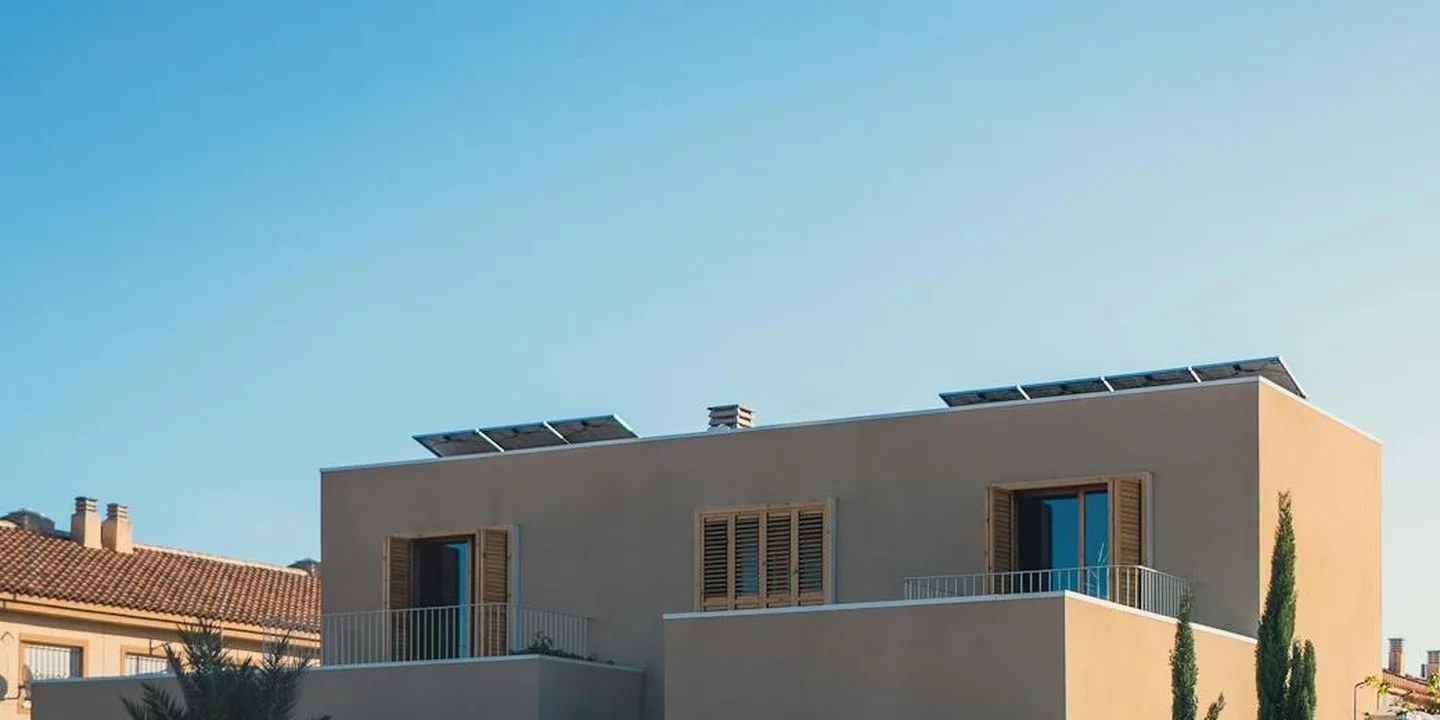
Let’s break the total cost into pieces you can actually understand. The solar industry uses a “cost per watt” model. It’s the standard way to compare quotes. I’ll answer your biggest questions about size and price right here.
What Does “Cost per Watt” Really Mean?
Think of it like buying a car based on horsepower, not just the color or brand. A watt is a unit of power. Cost per watt tells you the price for each unit of electricity your future system can make.
In 2024, the average cost per watt ranges from $2.50 to $3.50. What is the average cost per watt for solar panels in 2024? You’re looking at an average of $2.50 to $3.50 per watt for a standard roof installation. This number is your starting point for any real estimate. For solar roof tiles, installation costs can differ from standard panels. A solar roof tiles installation cost guide can help you compare options and plan your budget.
Sizing Your System: How Many Panels Do You Actually Need?
System size is measured in kilowatts (kW). One kW equals 1,000 watts. Don’t guess based on your roof’s square footage. The best tool is your past year of electricity bills. A good installer uses these to calculate your true need.
What is the typical system size for a residential home? Most homes need a system between 6 kW and 10 kW. For example, a 2,000 square foot home with moderate air conditioning use often does well with an 8 kW system.
The Bottom Line: Gross Cost vs. Net Cost
Here are the numbers that matter. For a typical 8 kW system at $3.00 per watt, your gross cost before incentives is about $24,000.
Now, apply the 30% federal Investment Tax Credit (ITC). This credit reduces your federal tax bill by 30% of the system cost. Your net cost drops to around $16,800. What is the total average gross cost before incentives? For a standard 6 kW to 10 kW system, expect a gross cost between $18,000 and $35,000. What is the net average cost after the federal tax credit? After the 30% ITC, that range falls to roughly $12,600 to $24,500. Always check with a tax advisor for your specific case.
What’s in the Box? Understanding Your Quote
A professional, trustworthy quote should list everything. If it doesn’t, ask questions. Here’s what must be included:
- Panels: The solar modules that capture sunlight.
- Inverters: The box that converts panel power for your home’s use.
- Racking/Mounting: The metal framework that anchors panels to your roof.
- Electrical Work: All wiring, breakers, and ties to your main panel.
- Permits: Fees for your local building and electrical department.
- Labor: The cost for the crew’s time and expertise.
Does the cost include installation, permits, and equipment? A complete quote from a reputable installer always includes all equipment, full installation labor, and permit fees. I’ve reviewed quotes that hid these costs. It leads to frustration later.
Step 3: What Makes Your Solar Quote Go Up or Down?
Your final price isn’t fixed. Several key factors push it higher or lower. What factors can cause the price to be higher or lower? Your roof’s design, the quality of parts, and unexpected repairs are the main drivers. Let me explain from the view of a crew setting up ladders.
Your Roof’s “Job Difficulty” Score
Not all roofs are equal. A single-story home with a simple, low-slope roof is straightforward. A two-story house with a steep, complicated roof with multiple angles is a tougher job. Steeper pitches and complex shapes require more safety setup, slower work, and specialized labor. This added time and risk increases your labor cost. My crew budgets more hours for these projects every time.
Panel Quality and Installer Experience
You have choices. Budget panels cost less upfront. Premium brands often produce more power and come with stronger warranties. The installer’s skill is even more critical. A certified, experienced installer might charge more per hour, but they ensure the mounts don’t compromise your roof and that your system’s warranty stays valid. I’ve been called to reseal leaks from mounts installed by a discount crew. The cheaper bid cost the homeowner more in the long run.
Hidden (But Necessary) Roof Work
This is a common reality. During the site inspection, we might find issues that must be fixed before we can install a single panel. Common added costs include replacing rotted roof decking, repairing pre-existing storm damage, or installing high-quality flashing and leak barriers around every mount. If your shingles are worn out, the conversation shifts to how much cost to replace roof shingles as a necessary first step. It’s not an extra. It’s essential for a safe, leak-free installation that lasts decades.
Step 4: Financing, Incentives, and Your Roof’s Long-Term Health
Let’s talk about what happens after you get the quote. The upfront number is one thing, but the real decision is about long-term value and protecting your home. You’re not just buying panels, you’re adding a major system to your roof for the next 25 years. Careful planning here saves money and prevents headaches.
Paying for It: Loans, Leases, and Cash
Most companies offer a few ways to pay. A solar loan is common. It’s like financing a car, you own the system but make monthly payments. A Power Purchase Agreement (PPA) or lease is different. You pay for the power the panels produce, but you don’t own them. This can mean fewer upfront costs, but also less long-term benefit.
If you can manage it, paying cash almost always gives you the best return over the life of the system. You own everything outright and capture all the savings and incentives from day one.
Are there financing options or payment plans available? Yes, nearly every installer offers financing. Just understand the terms. A loan with a low interest rate can make the project cash-flow positive immediately, meaning your loan payment is less than your old electric bill.
Stacking the Discounts: Tax Credits and Local Incentives
This is where your net cost drops. The big one is the federal Investment Tax Credit (ITC). For 2024, it’s 30% of your total system cost. If your system is $25,000, you get a $7,500 credit on your federal taxes. You claim it when you file your return for the year the system was installed.
Don’t stop there. Many states and even local utilities have their own rebates. Some states have Solar Renewable Energy Credit (SREC) programs where you get paid for the power you generate. These incentives can slash thousands more off your price.
How do local and state incentives affect the final price? They lower it directly. A state rebate might be a check for $1,000. An SREC program could pay you $500 a year. Your installer should know the local programs, but it pays to do your own quick search with your state’s energy office. Think of it as a reward for choosing durable, clean energy.
The Solar Roof Warranty: What It Really Covers
You’ll hear about three different warranties. Get clear on each one. The panel manufacturer gives a performance warranty, usually 25 years, guaranteeing the panels will still produce a certain amount of power.
The installer provides a workmanship warranty. This covers their labor. This is the critical one for your roof. It must explicitly state that it covers leaks at the mounting and penetration points, and you need to get this promise in writing. A 10-year workmanship warranty is a good benchmark.
Some installers also offer a separate roof penetration warranty. This is extra peace of mind specifically for the holes they make to anchor the racks.
What warranty is typically offered with the installation? Expect a 25+ year panel warranty and a 5 to 10 year installer workmanship warranty that covers leaks. Anything less on the workmanship warranty is a red flag. A quality crew stands behind their flashing work.
The Payback Period and Roof Maintenance
This tells you when the system pays for itself. You estimate it by taking your total net cost (after incentives) and dividing it by your expected annual savings on your electric bill. If your system costs $18,000 after credits and saves you $1,800 a year, your payback period is 10 years.
For many homes, the range is 8 to 12 years. After that, you’re generating mostly free power for the remaining life of the panels.
Maintenance is simple but important. Keep the panels free of heavy debris. Trim back any tree branches that could shade them or drop sap. The key roof-care step is to have your roofer inspect the mounts, flashing, and sealants during your routine roof inspection, usually every few years. They can spot a worn sealant bead before it becomes a leak.
What is the typical payback period for the investment? With today’s incentives and energy prices, most homeowners see a full return on their investment in 8 to 12 years. Your roof will need care, but the solar investment itself starts paying you back month by month on your utility bill.
Common Questions
Should I get my roof inspected before getting solar quotes?
Absolutely. A licensed roofer can spot hidden damage and give a true lifespan estimate, while a solar installer is a panel expert. Getting both inspections protects your investment and prevents costly panel removals for a premature roof replacement.
How do solar panels affect my attic and roof ventilation?
Panels can trap heat, worsening poor attic airflow. This leads to higher cooling costs and moisture issues. A quality installer will assess your ventilation and may recommend adding more vents before installation to protect your roof’s structure.
What hidden roof repairs might increase my solar installation cost?
During the installation, crews may find rotted decking or pre-existing damage that must be fixed first. A proper flashing installation on roofs is essential to direct water away from joints and edges. Always ensure your quote includes high-quality flashing and leak barriers around every roof mount to guarantee a watertight seal for decades.
Your Roof’s Foundation for Solar Savings
From my experience, the single most important step is to treat your roof as the critical foundation for your solar system. Always get a professional roof inspection before any installation to catch issues early and avoid compounding costs.
You own the responsibility for maintaining that foundation safely and according to code. Make ongoing learning about roof care a priority-it’s how you protect both your property and the people working on it.
Ray Huffington
Ray is an experienced roofer. He has worked as a general contractor in the roofing industry for over 15 years now. He has installed and repaired all kinds of roofs, from small houses to large mansion, and from basic shingles to cement and metal roofs and even solar roof panels. He has seen homeowners struggle with roofing questions and always has experience based proven advice to help those in need. If you need roof pros, Ray's your guide.