
How Often Should You Replace Your Roof? A Roofer’s Timeline for Every Material
Is your roof quietly telling you it’s time for an upgrade? I’ve been on hundreds of roofs over the years, and one question I hear all the time is, “How long until I need a new one?” The answer isn’t just a number. It depends on your materials, your climate, and how well the roof was put on.
You’re likely worried about sudden leaks or hidden damage. Catching replacement needs early protects your home and your wallet. In this article, I’ll share the real-world lifespan for asphalt shingles, clay tile, metal roofing, and more, show you the key signs of wear you can spot from the ground, and explain why the crew who installed it matters as much as the material itself.
The Truth About Roof Lifespans: A Roofer’s Perspective
I once inspected a roof for a homeowner who was sure his asphalt shingles had five good years left. The shingles were only 12 years old. But after a decade of harsh sun and no gutter cleaning, they were brittle and curling at the edges. He was basing his hope on a brochure number, not the real roof over his head.
A roof’s “lifespan” is a useful average, not a personal guarantee for your house. I see roofs fail early and others that outlast everyone’s expectations. The difference often comes down to three things: what it’s made of, the weather it fights, and how well it’s cared for. For homeowners, considering residential roof life expectancy factors helps translate that lifespan into practical planning. Factors like material quality, climate exposure, and proper installation all influence how long a roof will last.
My goal here is not to scare you. It’s to give you the straight talk I’d give a neighbor. Let’s look at the facts so you can plan without panic.
Your Roof Integrity Report: Lifespan Benchmarks and Red Flags
Think of this section as a diagnostic checklist. We’re moving past a simple count of years to a real assessment of your roof’s health.
The biggest lesson is knowing the difference between a localized repair and a system-wide failure. A few missing shingles after a storm is one thing. Worn-out materials across the entire roof are another. This is the core of planning for how long before a roof needs to be replaced.
Never ignore a leak, no matter how small. Water finds a path. It will rot your decking and damage your ceilings. When clients ask how long they can leave a leaking roof, my answer is simple: not long. Address it immediately to avoid a much costlier repair.
The General Lifespan Spectrum
The table below gives you a ballpark. These ranges assume the roof was installed correctly and lives in a moderate climate without extreme weather.
| 3-Tab Asphalt Shingles | 15 to 20 years |
| Architectural Asphalt Shingles | 25 to 30 years |
| Metal Roofing (Steel) | 40 to 70 years |
| Clay or Concrete Tile | 50+ years |
| Wood Shakes | 25 to 30 years |
| Slate | 75 to 100+ years |
These numbers are a starting point, not an expiration date. A metal roof in a coastal salt-air zone will face different challenges than one in a dry, inland area.
Red Flags: When It’s More Than a Repair
Look for these visual signs. They often mean the roof structure or decking underneath is in trouble.
- You see bald spots where shingles have lost most of their protective granules. This is like sunburn for your roof.
- Leaks appear in multiple, unrelated spots in your attic after rain.
- The roof deck sags or looks wavy between the rafters.
- Large amounts of daylight are visible through the roof boards from inside your attic.
- Shingles are cracked, curled, or buckled across more than 30% of the roof surface.
If you see sagging or widespread damage, stop any DIY plans and call a professional. Walking on a compromised roof is dangerous.
The Repair vs. Replacement Decision
This is a cost-benefit analysis. A single flashing repair around a chimney can last for decades if done right. But a patch on a worn-out shingle might only last a season or two.
Clients often ask how long roof repairs last. Here’s my rule of thumb from the job site:
- Flashing or Vent Repairs: With proper sealing, these can last 10-20 years, as long as the surrounding roof material holds up.
- Shingle Patches: On a roof that’s otherwise in good shape, a patch should last. On an aging roof, it’s a temporary band-aid.
Add up your repair bills over the last few years. If you’re patching it every season, the roof itself is telling you it’s time for a replacement. Investing in a new system is often smarter than endlessly fixing a failing one.
Material-by-Material Timeline: When to Expect Replacement

How Often Should You Replace an Asphalt Shingle Roof?
Basic 3-tab shingles last about 20 years. The thicker architectural or laminated shingles can go 30 years or more. These figures illustrate the roof shingles lifespan you can expect under typical conditions. Real lifespan varies with climate, installation quality, and ongoing maintenance.
You will see them wear out in stages. First, they lose their gritty granules, which you will find in your gutters. Then, the edges start to curl or cup. Blisters can form from trapped moisture.
The biggest factor in longevity is not the shingle brand, but how well it was installed. I have seen 20-year shingles fail in 15 because of poor nailing or insufficient underlayment. When planning replacement, you should compare and choose the best roof shingles materials for your climate and budget. This helps ensure longevity alongside proper installation.
My durability tip from the crew: Spend money on better attic ventilation. A hot attic bakes shingles from below and cuts their life short. Proper airflow is a cheap way to add years.
How Often Should You Replace a Tile Roof?
Concrete tile roofs easily last 50 years. Clay tiles can go 60 years or a century. The tiles themselves are incredibly durable.
Failure rarely means broken tiles. The hidden underlayment beneath them wears out first, usually in 20-30 years. You will replace the roof because the waterproof layer is gone, not the tiles.
When you inspect a tile roof, never walk on it directly. The tiles are brittle. I use a roof ladder or walk boards to spread my weight. One wrong step can cost hundreds in broken tiles.
My durability tip from the field: During your annual inspection, pay close attention to the flashings around chimneys and vents. Leaks start there long before the field tiles have an issue.
How Often Should You Replace a Metal Roof?
Painted steel panels last 40 to 50 years. Aluminum goes 50-plus. A quality standing seam metal roof can last 70 years or more. When evaluating options, check the metal roof lifespan warranty to understand coverage and duration. A solid warranty often reflects the manufacturer’s confidence in the product.
The metal panels almost never wear out. The failure point is almost always the fasteners. Screws can loosen over decades from thermal expansion, creating small leak points.
Hail resistance is a major plus for metal, but it depends on the panel. Thick, painted steel holds up well. Thinner aluminum can dent, which might not cause a leak but affects looks.
My durability tip from a past job: Every 10 years, have a pro check and tighten any exposed fasteners. A tube of sealant during this check can prevent 90 percent of future leaks.
What Is the Average Lifespan of a Wood Shake Roof?
With diligent care, a wood shake roof can last 25 to 30 years. Without it, you might get only 15. It is a trade off between natural beauty and constant upkeep.
Failure is not a surprise. Moss and mold hold moisture against the wood, causing rot. Insects like carpenter ants can invade. You will see dark stains, soft spots, and crumbling shakes.
If you choose wood, insist on shakes from sustainably harvested forests and treat them with a fire retardant. This protects your home and the environment.
My durability tip: Apply a moss-killing zinc strip near the roof peak. It washes down with rain and significantly slows moss growth, buying you several extra years. For moss prevention on residential roofs, explore additional preventive steps that complement zinc strips. We’ll cover those in the next section.
How Long Does a Slate Roof Typically Last?
A slate roof is a lifetime investment. Properly installed, it will last 100 years or more. I have worked on historic homes with original slate over a century old.
The slate itself does not fail. Problems come from the supporting system. Copper flashings can corrode. The nails holding the slate can rust. Failure means leaks from these points, not from the stone.
Before you even consider slate, you must have a structural engineer assess your roof framing. Slate is very heavy, often over 10 pounds per square foot. Your house needs to carry that load.
My durability tip: Use only copper nails and flashings with slate. Galvanized steel will rust and stain the stone, and it will fail long before the slate does.
When Should You Replace a Flat or Built-Up Roof?
Single-ply membranes (like EPDM or TPO) last 15 to 25 years. Traditional built up roofs (tar and gravel) can go 20 to 30 years. Drainage is everything for lifespan.
Look for “alligatoring,” a pattern of cracks that looks like reptile skin. Blisters and bubbles mean trapped moisture. If you get repeated leaks at the seams or patches, the system is failing.
Water that ponds for more than 48 hours will destroy a flat roof. The clock starts ticking the day the roof is installed if it does not drain properly.
My durability tip from many commercial jobs: Keep the roof surface and all drains completely clear of debris. A leaf clogging a drain is the number one cause of premature flat roof failure I see.
The RoofMason Material Verdict: Comparing Your Options
Side-by-Side: Weight, Fire, and Hail Resistance
This table cuts through the marketing. It shows practical factors that affect your home’s safety and your wallet.
| Material | Approx. Weight (PSF) | Fire Rating | Impact Resistance |
|---|---|---|---|
| Asphalt Shingles | 2-4 lbs | Class A (Architectural) | Moderate (varies by thickness) |
| Concrete Tile | 9-12 lbs | Class A | High |
| Metal (Steel) | 1-2 lbs | Class A | High (can dent) |
| Wood Shake | 3-4 lbs | Class C (Untreated) | Low |
| Slate | 10-15 lbs | Class A | Very High |
| EPDM Membrane | 0.5-1 lb | Class A | Moderate |
A Class A fire rating is the best. It means the material won’t readily fuel a fire. Many insurers offer discounts for this. Impact resistance is about hail. “High” means it might dent but not puncture easily.
Best Bang for Buck in Different Climates
Match your roof to your weather. The right choice saves money on energy and repairs for decades.
In heavy snow country, metal is king. Snow slides right off, preventing ice dams. For hot, dry climates, clay or concrete tile is excellent. It reflects heat and handles sun exposure without fading.
Temperate zones with mixed weather often do best with architectural asphalt shingles. The upfront cost is lower, and the performance is reliable for 30 years.
For long term value, factor in how often you will replace it. A metal roof that lasts 50 years may cost less per year than two asphalt roofs in the same period. That’s where asphalt vs metal longevity value comes into play. Longer-lasting metal can reduce replacement frequency and overall lifetime costs compared with asphalt.
My personal take on DIY care: Asphalt shingles are the most forgiving for homeowners to patch or replace a few damaged pieces. Metal roofs, however, need almost no maintenance between professional checks.
The Long-Term Cost of Ownership
Think of your roof like buying work boots. Cheap boots fall apart in a year. Good boots cost more but last for years with occasional polish.
The initial install is just the first payment. Add up 30 years of maintenance, repairs, and eventual replacement. A $10,000 asphalt roof replaced twice is $30,000. A $25,000 metal roof that lasts 50 years is half the cost per year.
Wood shakes have a low upfront cost but high maintenance expenses from cleaning and treatments. Slate has a huge upfront cost but almost zero maintenance cost for a century.
From my experience, the most cost effective material over 50 years is often a quality standing seam metal roof. You pay more at the start, but you will likely never pay for another roof on that house.
What Wears Down Your Roof Faster? Factors Shortening Lifespan

Homeowners often think a roof’s lifespan is fixed. In my experience, it’s more like a battle against daily wear and tear. Knowing the common enemies lets you defend your roof and stretch its years of service. Here are the biggest threats and what you can do about them.
Climate Attack: Sun, Wind, and Water
Your roof faces the weather every single day. The sun’s UV rays act like a slow bleach, breaking down the oils in asphalt shingles and making them brittle. High winds don’t just blow leaves off, they can lift shingle edges and create gaps for water to sneak in. Once water gets trapped, it rots the wood decking underneath. I’ve seen how location changes the fight.
On a coastal job, salt spray corrodes metal fasteners in just a few years. In desert regions, the intense sun can bake clay tiles until they crack. In snowy areas, the real danger is ice dams holding moisture against the roof for months. Your best defense is choosing materials rated for your local climate and ensuring proper ventilation to dry things out.
The Installation Factor: How a Bad Job Cuts Years Off
A perfect shingle won’t last if it’s installed wrong. I’ve been called to fix too many roofs where the problem started on day one. Critical mistakes include:
- Improper nailing: Nails driven too high, too low, or with too much force can tear the shingle or leave it loose.
- Skipped ice and water shield: This self-sealing membrane is crucial in valleys and along eaves. Skipping it to save money invites leaks.
- Poor flashing details: Flashing seals joints around chimneys and vents. If it’s not layered correctly or sealed with the right caulk, water will find a way in.
Always hire a certified, insured roofer and ask to see photos of their past work, especially the flashing details. It’s the difference between a 25-year roof and one that fails in 10.
Maintenance Neglect: The Silent Killer
Roofs need occasional care, just like your car. Ignoring small problems lets them grow into expensive disasters. Clogged gutters force water to back up under the roof edge. Overhanging tree branches scrape granules off shingles and drop debris that holds moisture. A tiny leak you ignore today can rot a roof rafter by next season. This neglect is why a regular maintenance check, which I’ll detail next, is your most powerful tool for a long roof life.
Don’t Guess, Inspect: Clear Signs It’s Time for a New Roof
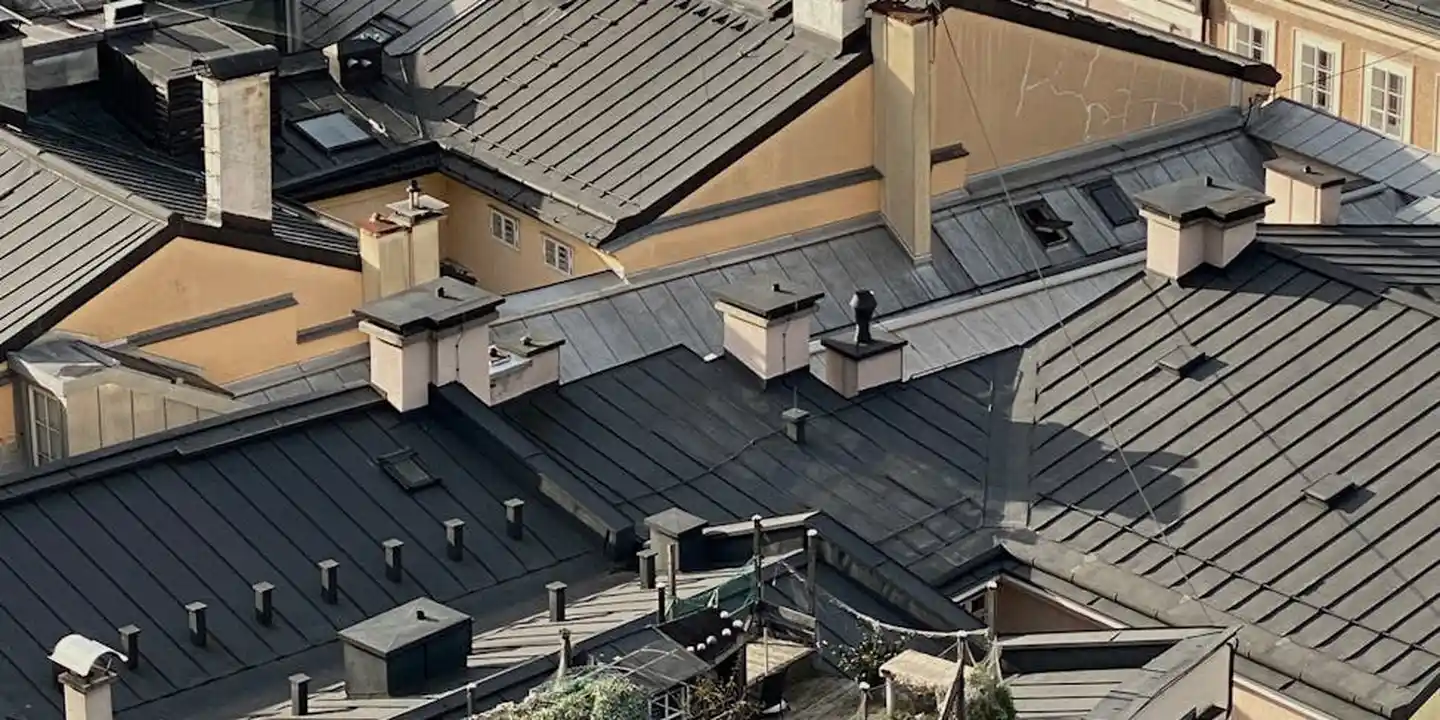
Waiting for a leak to stain your ceiling is a bad plan. You can spot trouble early with a simple inspection. Think of it this way: fixing a few cracked shingles might take a roofer a couple of hours. A full roof replacement is a multi-day project, so catching issues early saves you time and money. Follow this guide to know what to look for.
Exterior Signs You Can See from the Ground
You don’t need a ladder for a first look. Grab a pair of binoculars and scan your roof. Look for these red flags:
- Cracked or curling shingles: Asphalt shingles that cup upward or split are past their prime.
- Excessive granule loss: Check your gutters. A few granules are normal, but piles of them mean the shingles are wearing out.
- Sagging rooflines: Any dip or curve in the roof plane points to possible decking or structural damage.
- Rust on metal panels: For metal roofs, rust spots or seams that have opened up are clear signals.
Using binoculars lets you inspect safely and get a close-up view of problem areas without climbing up.
Interior Warning Signs: Attic and Ceilings
What happens inside your attic tells the true story. On a sunny day, turn off the lights and look up at the roof deck. If you see tiny pinpricks of daylight, water can get in too. Feel for damp spots on insulation or look for dark water stains on the wood. Musty smells or visible mold are urgent warnings. Interior signs often mean active damage is happening right now, so don’t delay investigating them.
When to Call a Professional for an Inspection
Some situations demand an expert eye. Schedule a professional inspection in these cases:
- After any major storm with hail or high winds.
- When you’re buying or selling a home.
- Once your asphalt shingle roof hits the 20-year mark, even if it looks okay.
A good inspector won’t just glance at the shingles. They should get on the roof to check flashings, vents, and the condition of the underlying decking. They should provide a detailed report with photos, explaining what needs immediate repair and what can be monitored. This report gives you the facts to plan your next move.
The Caretaker’s Calendar: Seasonal Maintenance to Add Years
The secret to getting every possible year from your roof is not a special coating or a lucky charm. It is a simple, seasonal routine. Think of it like brushing your teeth to avoid cavities. Small, consistent care prevents big, expensive problems.
I tell every homeowner I work with that this calendar can add 5 to 10 years to a roof’s life. Sticking to a maintenance schedule directly impacts how long do roof repairs last, because you are fixing small issues before they grow.
Here is the seasonal log I have used for decades. It works on asphalt, tile, metal, you name it.
Spring: The Cleanup and Assessment
Winter throws everything at your roof. Spring is your chance to survey the damage and clean up.
Start from the ground with a good pair of binoculars. Look for shingles that look different – curled, cracked, or completely gone. Ice and wind love to pry them loose.
- Clean every gutter and downspout. Clogged gutters are a top cause of roof edge rot.
- Remove any debris like branches or pine needles from the roof surface and valleys.
- Check for moss or algae growth that took hold over the damp winter.
On a job two springs ago, I found three missing shingles hidden under a pile of leaves; catching it then saved the homeowner a major leak repair.
Summer: The Ventilation and Seal Check
Summer heat is brutal. Your job is to make sure your roof can breathe and that water has no easy way in.
Go into your attic on a hot afternoon. If it feels like an oven, your ventilation is not working right. That trapped heat bakes shingles from underneath, making them brittle.
- Ensure attic vents are not blocked by insulation or storage boxes.
- Inspect the rubber seals around plumbing pipes and metal flashings around vents. Sunlight dries and cracks them over time.
- Trim back any tree branches that are touching or scraping the roof. They wear down surfaces and drop debris.
A dry, brittle seal around a vent pipe is the most common source of small summer leaks I get called to fix.
Fall: The Preparation for Heavy Weather
This is your last call to get things tight before the rain, snow, and wind hit. Do not skip it.
Pay special attention to flashings – the metal pieces around chimneys, skylights, and walls. They are the most likely failure point in a storm.
- Do a final, thorough gutter cleaning after the leaves finish falling.
- Gently press on flashings to confirm they are still nailed down tight and sealed.
- If you have a flat or low-slope roof, check all the perimeter seals and drains for cracks.
Securing a loose flashing in fall is a 30-minute job; replacing a section of rotted decking from a winter leak is a multi-day project.
Winter: The Vigilance and Damage Control
Safety is the only rule here. Never climb onto a snowy or icy roof.
Your role now is monitor and plan. Keep an eye out for ice dams – those ridges of ice that form at the edge and trap water behind them.
- Use a roof rake from the ground to safely remove snow from the first few feet of your roof’s edge.
- If you see icicles or ice dams forming, it often means your attic insulation or ventilation needs improvement.
- Note any areas where snow melts unevenly or where water seems to drip. This helps you plan specific repairs for spring.
I have a standing rule with my crew: we do not do winter repairs unless it is an emergency leak. It is just too dangerous.
The Logistics of Replacement: Speed and Planning
So, when maintenance can no longer keep up, you face replacement. People always ask me, can a roof be replaced in one day? The answer is sometimes, but it depends.
How fast can a roof be replaced? It comes down to four things: the size of your home, how complex the roof design is, the weather, and the size of the crew. A simple, small ranch roof with asphalt shingles might be a one-day job for a large, experienced crew. A complex roof with multiple levels, valleys, and tile or metal materials will take several days, sometimes over a week.
Plan ahead. Start saving for a roof fund years before you think you will need it. Get detailed written quotes from at least three licensed contractors. Schedule the work for the dry season in your area to avoid weather delays. This planning takes the panic out of the process and lets you make a smart choice.
Common Questions
How often should I inspect my roof?
Get a professional inspection every 2-3 years, and always after a major storm. You should also do a visual check from the ground with binoculars each spring and fall to spot early warning signs.
Can I just put new shingles over my old roof?
It’s possible but rarely my advice. You lock in any hidden decking damage and add weight. A full tear-off to the deck lets me inspect and fix the foundation, ensuring your new roof lasts as long as it should.
What’s the biggest mistake homeowners make with roof care?
Ignoring the gutters and attic. Clogged gutters cause water to back up and rot your roof edge, and a poorly ventilated attic bakes shingles from underneath. Keep them clear and your roof will thank you for years.
Your Role in a Long-Lasting Roof
From my years on the job, I’ve seen that a roof’s true lifespan is set by your care. Make a visual check from the ground each spring and fall your habit, and schedule a professional inspection every few years to catch wear early. Don’t fall for common myths about roof maintenance that can lead to damage.
Owning a roof means committing to safe maintenance and staying informed. Use resources like our Roof Care, All Types of Roof Guide for reliable tips, and always call a licensed professional for work above your comfort level.
Ray Huffington
Ray is an experienced roofer. He has worked as a general contractor in the roofing industry for over 15 years now. He has installed and repaired all kinds of roofs, from small houses to large mansion, and from basic shingles to cement and metal roofs and even solar roof panels. He has seen homeowners struggle with roofing questions and always has experience based proven advice to help those in need. If you need roof pros, Ray's your guide.