
How to Get a Free Roof Replacement Through Government Programs
Is a leaky roof making you worry about a huge bill? I’ve helped homeowners use government grants to fix their roofs, and you can too. Let’s cut through the confusion and find the real help available.
I’ll walk you through the main federal programs, show you how to find state and local aid, and give you the steps to see if you qualify.
Key Takeaways: The Bottom Line on Roof Assistance
Let’s be clear right up front. You will not find a magic program that gives every homeowner a brand new roof for free. That headline doesn’t exist. What does exist is targeted financial help, and your job is to see if you fit the target.
The main forms of assistance are grants for specific, vulnerable groups and low-interest loans for everyone else.
Three things decide if you qualify: your income, where your home is located, and how bad your roof actually is. Programs look for true hardship, not just inconvenience.
You have three main paths to explore:
- Federal programs, which funnel money to states for things like weatherization and disaster recovery.
- State and local help, which is often where the most direct assistance is found for homeowners.
- Nonprofit organizations, including charities and religious groups that run community repair projects.
Before you call anyone for money, call a reputable roofer for an inspection. A professional report with photos is your single best piece of evidence. It proves the need.
Manage your expectations from the start. These processes move at the speed of government and charity, not the speed of a leaking ceiling. You will need patience and you will need to keep your paperwork organized. In true emergencies, an emergency roof repair guide can outline immediate, temporary steps to prevent further damage. Having this guide handy helps you move quickly while coordinating professional help.
Federal Roof Assistance: Grants, Loans, and Disaster Relief
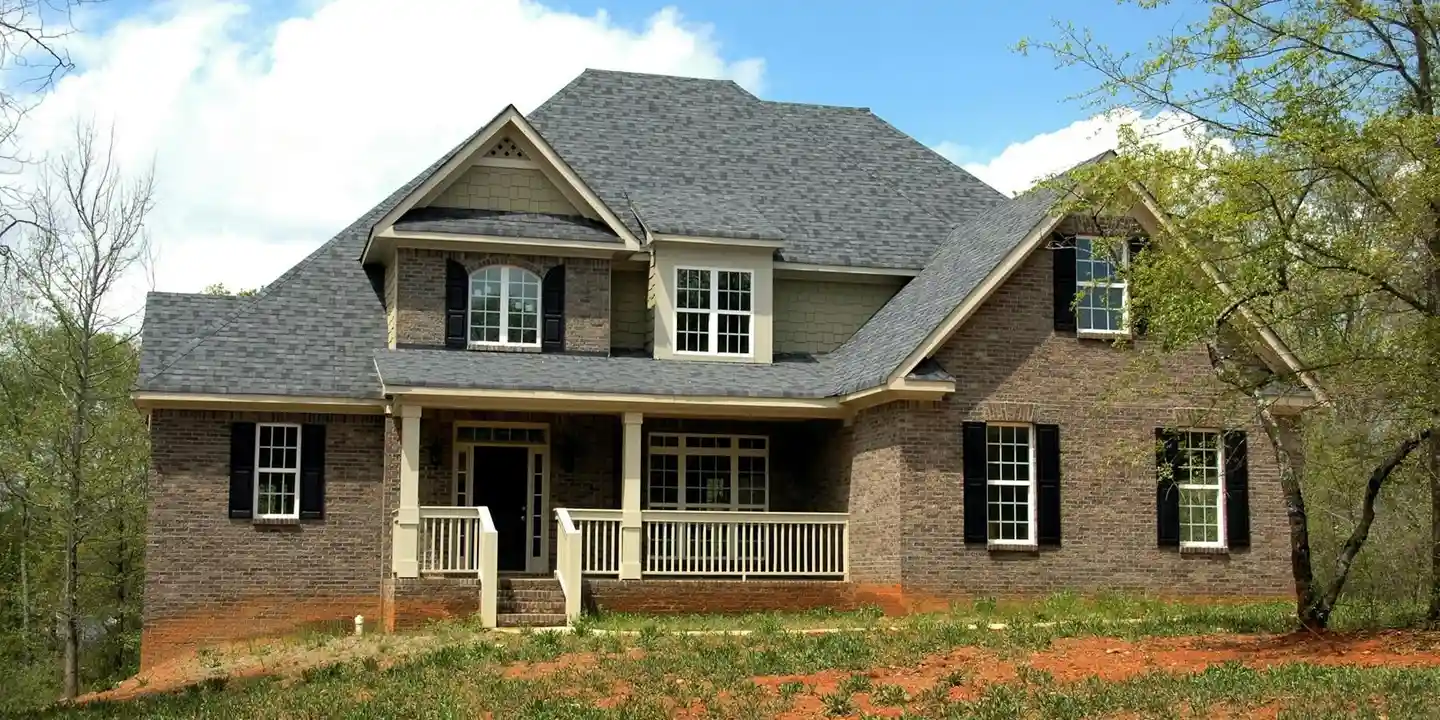
Free money from the government for a new roof is rare. Most programs are for low-income families, rural areas, or after a major disaster.
I’ve helped homeowners navigate these programs. The paperwork can be thick. Wait times can be long. But for those who qualify, the help is real.
Knowing the difference between a grant and a loan is your first step: a grant doesn’t need to be paid back, while a loan does. Let’s break down the main federal options.
The Weatherization Assistance Program (WAP): Energy Savings That Can Cover Roofs
Think of WAP like putting a better coat on your house. It’s a federal grant for low-income families to improve energy efficiency.
This program pays for roof work only if your roof is the main reason your heating and cooling bills are sky-high. If you have major leaks, missing shingles, or no insulation, you might qualify.
An energy auditor will inspect your home. They decide what fixes are needed. The work is done for you at no cost if you meet the income limits. I’ve seen it cover roof repairs, new insulation, and even full re-roofs when the old roof was causing massive energy loss.
USDA Section 504 Home Repair Program: For Rural Homeowners
This is a key program if you live outside a city or suburb. The USDA offers loans and grants for very low-income homeowners in eligible rural areas.
A “very low-income” threshold is set by your county. It’s often stricter than other programs. The loans have a low 1% interest rate and a long payback time.
The grants are for homeowners aged 62 or older who can’t afford a loan, and the money must be used to fix health or safety hazards, like a roof about to collapse. I’ve worked with clients who used a 504 grant to replace a roof full of rotten decking, which is a serious safety risk.
HUD Title 1 Property Improvement Loans: Financing for Essential Work
Don’t call this a grant. The Title 1 program is an FHA-insured loan you get from a local bank or lender.
It’s for “essential” improvements, and a failing roof absolutely qualifies. The government insures the loan, so lenders can be more flexible with credit scores.
This is a practical option if you need a roof now but can’t get traditional financing, as you will repay this loan with interest over time. You apply directly with a participating lender, not with the government. There are several roof replacement financing options to suit different budgets and timelines. Consider reviewing them to determine the best fit for your project.
FEMA Disaster Assistance: For When the Storm Wins
FEMA is not for old, worn-out roofs. It’s for damage from a presidentially declared disaster like a hurricane, tornado, or severe flooding.
Here’s the process from what I’ve seen. First, you must file a claim with your homeowner’s insurance. FEMA is meant to help with costs your insurance doesn’t cover, like your deductible or uninsured damage.
You must document everything with photos and get a detailed estimate from a licensed roofer to have a chance with FEMA assistance. Even then, it may only be enough for temporary repairs, not a full replacement. That includes looking at roof replacement costs state by state. This can help you budget accurately and anticipate regional differences.
State and Local Programs: Close-to-Home Help
In my experience, the most direct help often comes from your own state, city, or county. These programs are smaller but can have faster timelines.
Your best first call is to your state’s Housing Finance Agency or your local Community Action Agency; they know all the local programs and can point you in the right direction.
Common local help includes emergency repair grants for a sudden leak, deferred-payment loans you don’t pay back until you sell the house, and local versions of weatherization help.
Eligibility is often very specific, like being a senior, a veteran, or a person with a disability. The funds can run out quickly each year.
Your State Housing Finance Agency (HFA): A Central Hub
Every state has one. Search online for “[Your State] Housing Finance Agency.” This office is the hub for most state-run housing help.
Typical offerings include low-interest home repair loans and special grant programs for seniors or veterans who need critical repairs. They might also manage federal funds for weatherization in your state.
I tell clients to look for terms like “homeowner rehabilitation” or “emergency repair” on their state HFA website.
City and County Housing Departments: Neighborhood-Level Aid
Don’t forget your local government. Call your city or county’s housing or community development office directly.
Some cities have “urgent repair” programs for low-income elderly or disabled residents to fix hazards like a bad roof. These are often small grants meant to keep people safe in their homes.
These local programs are the hardest to find but can be the fastest to get help from, as they serve a smaller geographic area. Be ready to explain your situation clearly and provide proof of income.
Nonprofit and Targeted Assistance: Community and Group-Specific Aid

When government programs are not enough, or you do not qualify, nonprofit groups step in. Think of them like a neighbor with great skills who comes over to help.
They work differently than a state agency. These organizations often rely on volunteer labor and donated or discounted materials, which lets them offer repairs at very low cost or sometimes for free. The help is deeply personal and community-focused.
One program you might hear about is the Low-Income Home Energy Assistance Program (LIHEAP). It is mainly for heating and cooling bills. But its sibling, the Weatherization Assistance Program (WAP), can include roof repairs if they stop your home from wasting energy. A leaky, poorly insulated roof makes your furnace work overtime. Fixing that is a win for your comfort and your wallet.
Habitat for Humanity and Rebuilding Together
Most folks know Habitat for Humanity builds new homes. Their local affiliates also run “A Brush with Kindness” or critical home repair programs. I have volunteered on a few of these jobs.
We replaced rotting roof decking and shingles for an elderly homeowner on a fixed income. The work was solid and code-compliant. Assistance is based on three things: demonstrated need, your income falling within their guidelines, and your willingness to partner with them, which can mean volunteering yourself. They often prioritize veterans, seniors, and families with children.
Another national group is Rebuilding Together. They work on similar principles, focusing on urgent safety repairs for low-income homeowners, especially seniors and veterans.
Community Action Agencies (CAAs): Your Local First Responders
If you remember one thing from this section, let it be this. Your local Community Action Agency is the best single phone call you can make. They are not always well-known, but they are powerful.
CAAs are nonprofit organizations that administer federal and state funds locally. They are like the hub of the wheel for aid. They know about energy grants, weatherization funds, local charity programs, and even small emergency repair grants you will not find online. Their job is to triage your situation and connect you to every resource you might use. They can also help you fill out the often confusing paperwork.
Help for Veterans, Seniors, and Low-Income Families
Specific groups often have specific paths to aid.
For veterans, the VA offers the Home Improvements and Structural Alterations (HISA) grant. It is for modifying a home for a disability. If your roof damage is causing mold or moisture that affects a health condition, this could be a path. It is not for general wear and tear, but for health-related needs.
For seniors, LIHEAP and property tax relief programs are key. Many states have programs that freeze or reduce property taxes for qualifying seniors. This can free up the cash needed to handle a roof repair. It is an indirect but very real form of help.
For low-income families, the strategy is often a combination. Your action plan should look at WAP for energy-related fixes, USDA programs if you are rural, and local nonprofit aid for the rest. Do not apply to just one. Apply to all that fit. The CAA can help you coordinate this.
The Application Process: How to Navigate Paperwork and Timelines

Applying for help is a project, just like fixing a roof. You need the right tools and a clear plan. It tests your patience, but a new roof is worth the effort.
You must be organized and persistent. Timelines are not like hiring a contractor; they can range from a few weeks to over a year, depending on funding and need. Also, these programs will require you to use their approved, licensed contractors. This is for your protection and to ensure the work meets code for warranty purposes.
Step 1: Gather Your Documentation Toolkit
Before you make a single call, get your papers in order. Think of it as gathering your tools on the roof before you start.
You will need proof for everything. Here is your checklist:
- Proof of income: Recent tax returns, pay stubs, Social Security award letters.
- Proof of homeownership: Your deed or property tax bill.
- Identification: Driver’s license or state ID for all adults in the home.
- Social Security numbers for all household members.
- A recent roof inspection report.
That last one is critical. The inspection report must be from a licensed professional detailing the damage, recommending repair or replacement, and noting any safety or code violations. A photo of a leak is not enough. Programs need a professional assessment to justify the expense.
Step 2: Contact and Apply – Where to Make the First Call
Start with your local Community Action Agency. Tell them your situation. Be clear and direct.
Say something like: “My name is [Your Name]. I own my home at [Address]. My roof has major damage, confirmed by an inspection. I am on a fixed/low income and cannot afford the repair. I am worried about safety and further damage. Can you help me find programs I qualify for?”
This quick summary gives them the problem, the proof, your need, and the urgency. They will guide you to the right applications.
Step 3: The Waiting Game and Follow-Up
After you apply, your file goes into review. A program inspector may visit your home to verify the damage. This is normal.
Then, you wait. Funding cycles, high demand, and staff limits can slow things down. Polite persistence is your best tool here. Mark your calendar to call or email every two to three weeks. Ask, “I’m checking on the status of my application filed on [Date]. Is there any other information you need from me?”
Keep a log of who you talk to and when. This shows you are serious and organized. It is how you make sure your application does not get lost on a desk.
If You’re Denied: Next Steps and Alternative Options
Getting a denial letter can feel like a gut punch. I’ve sat with homeowners who got that news, and the first thing I say is: don’t panic. This isn’t the end of the road. You need a clear plan, not a rushed decision.
Your first job is to stay calm and work through the situation step by step. Start by finding out exactly why you were denied. Then, see if you can appeal the decision. If that door is closed, look for other programs or, very carefully, other ways to pay. Your roof’s condition dictates how fast you need to move.
If leaks are active or the structure is weak, safety comes first. On several jobs, my crew has put down heavy-duty tarps or used roofing cement for a temporary seal. This isn’t a fix, but it can buy you a few weeks or months to sort out the money. A short-term patch is always better than letting water ruin your attic and walls.
Understanding the Denial and Asking for a Review
You must understand the “why” before you can fix it. Government agencies have to follow strict rules. The denial letter should list the reason. Here are the most common ones I’ve seen.
- Income is above the limit. Double-check your calculations against their guidelines. Sometimes a change in household size or a lost job can change your status. You may need to reapply with updated paperwork.
- Proof of damage is insufficient. A photo from the ground often isn’t enough. I always tell people to get a written report from a licensed roofer or a county building inspector. Their word carries more weight than yours or mine.
- Missing documentation. This is an easy fix. Gather every single paper they ask for-tax returns, deeds, insurance denial letters-and resubmit.
If you believe the denial was a mistake, you have the right to appeal. For FEMA disaster aid, you usually have 60 days to file an appeal. Write a clear letter stating why you disagree and include any new evidence, like that roofer’s report. The USDA Section 504 program also has a review process. Be polite, be precise, and keep copies of everything.
Other Avenues: CDFIs, Careful Loans, and Payment Plans
When government grants aren’t an option, you have to look elsewhere. Move slowly here. The wrong loan can put you in a worse spot than a leaky roof.
One place to check is a Community Development Financial Institution (CDFI). These are local lenders that focus on helping low-income communities. They might offer loans with better terms than a big bank. You can search for a certified CDFI in your area online.
I strongly suggest talking to a HUD-approved housing counselor before you sign any loan papers. They are free or low-cost advisors who can look at your whole financial picture. They can explain the real cost of a high-interest unsecured loan. Those offers can look helpful, but the payments can sink you.
Finally, talk to your roofer. Some reputable contractors offer in-house payment plans. This isn’t free money, but it might spread the cost over a year without the crazy interest of a credit card. I’ve worked for companies that offered this. Just get every term in writing first.
Common Questions
My application for assistance was denied. What’s my next move?
First, get the specific reason for the denial in writing. You can often appeal with a stronger professional roof inspection report or corrected paperwork. If that fails, immediately contact a HUD-approved housing counselor for free advice on alternative financing.
If I get a grant, can I use my own contractor?
Almost never. Programs use their own approved, licensed contractors to ensure work meets code and warranty standards. Your role is to vet the assigned contractor’s reputation and ensure the final work matches the agreed scope.
Are there real benefits to choosing an energy-efficient roof if I’m paying myself?
Yes. While upfront cost is higher, materials like metal or cool asphalt shingles lower energy bills and may qualify for federal tax credits. This improves home value and can provide long-term savings that offset the initial investment.
Smart Planning for Your Roof’s Next Chapter
Begin researching available government programs at the first sign of roof wear, not after a crisis. Securing aid early transforms a daunting replacement into a achievable, budget-friendly project that safeguards your home.
You own the responsibility of regular, safe inspections and timely repairs to extend your roof’s life. Commit to ongoing learning about roof care, from damage inspection guides to maintenance tips, to ensure every decision protects your investment.