
What Does Moss Do to Your Roof? A Guide to Common Problems and Assessment
Have you ever seen a fluffy green patch on your roof and assumed it was just a cosmetic issue? I’ve been on roofs where moss hid serious damage until it was too late.
Moss acts like a sponge, holding water against your shingles and sheathing. This leads to rot, leaks, and a shorter roof life if you don’t catch it in time.
I’ll walk you through the specific ways moss damages your roof, how to perform a safe and thorough assessment, and the critical signs that mean you need to take action.
Key Takeaways: What Every Homeowner Should Know
Moss acts like a sponge, holding moisture against your roof and starting the clock on decay.
Yes, moss can damage your roof shingles and tiles by trapping moisture and physically lifting them, which is why it’s important to safely remove moss from asphalt shingles.
You can assess your roof for moss damage safely from the ground with a good pair of binoculars.
Addressing moss early prevents costly repairs to your roof deck, fascia, and gutters down the line.
Different roof materials, from asphalt to clay tile, each face unique risks from moss growth.
Moss Isn’t Just Green Decor: The Real Damage It Does
What are the common problems caused by moss on a residential roof? Think of moss not as a plant, but as a permanent, wet blanket. It doesn’t just sit there. It actively works to shorten your roof’s life. The problems start with water and get worse from there. Even if you remove moss from the roof, it could still cause damage if left unattended.
That moisture retention is the root of all evil. It keeps your roof deck (the plywood under the shingles) damp. A damp deck rots. I’ve cut into roofs where the moss was so thick, the sheathing was soft as cardboard. The wooden fascia boards behind your gutters suffer the same fate, rotting from the constant dampness moss creates.
Moss also lifts and curls shingles. It grows underneath the edges. As it expands, it pries the shingle up, breaking the factory sealant strip. Once that seal is broken, wind can get underneath. More critically, it exposes the nail heads to rain. This is how moss damages roof shingles, leading directly to leaks.
For asphalt shingles, moss causes granule loss. The gritty granules protect the asphalt from the sun. A damp moss patch holds moisture against those granules, causing them to loosen and wash away. With the granules gone, the sun’s UV rays bake the asphalt faster, making it brittle and cracking it.
Lichen or moss damage roof tiles differently. On clay or concrete tiles, moss often grows in the channels where tiles overlap. It holds moisture there, which can lead to efflorescence (white, chalky stains) on concrete tiles or freeze-thaw damage in cold climates. For wood shakes, moss is a death sentence, accelerating rot and decay.
Moss doesn’t stay on the roof plane. It sheds debris and spreads into your gutters and valleys. This blocks the crucial pathways that guide water off your roof. When water can’t flow, it backs up under your shingles or overflows your gutters, damaging your siding and foundation.
Beyond the structural issues, moss causes green or black staining that’s hard to remove. It can even impact your home’s energy efficiency. A damp roof deck doesn’t insulate as well, letting more heat escape in the winter.
How Moss Holds Water Against Your Roof
Moss is not like grass. Its structure is designed to absorb and hold water like a kitchen sponge. A dry roof shingle is designed to shed water quickly. A shingle with moss on it stays damp for days after a rainstorm. This constant wet-dry cycle is brutal on roofing materials. It speeds up weathering dramatically. Imagine wearing a soaked sweater all day versus a dry one. Which one will wear out faster? Your roof feels the same way.
Shingle and Tile Damage: Lifting, Curling, and Decay
This is how moss damages roof shingles physically. You can often see it. The shingle edges curl upward where moss has grown underneath. On a tile roof, moss fills the gaps, preventing proper water drainage and locking in moisture. On wood shakes, the moss itself retains the water that causes the wood to soften and rot. The force is slow but powerful. I’ve pulled up moss patches only to find the shingle tab underneath was completely warped and the sealant strip was permanently failed. Once that seal is broken, that shingle is compromised.
Gutter and Drainage Blockages
Roof moss and gutter moss are a team. As moss on the roof breaks down, it sends a slurry of organic material into your gutters. This mixes with leaves and sticks to form a thick, muddy plug. In the winter, this plug is the perfect base for ice dam formation. In any season, it causes gutters to overflow. That overflow water runs down your exterior walls and soaks the ground right next to your foundation, which can lead to basement water problems. Clearing moss from your roof helps keep your entire drainage system working.
Your Roof’s Health Check: How to Assess Moss Damage
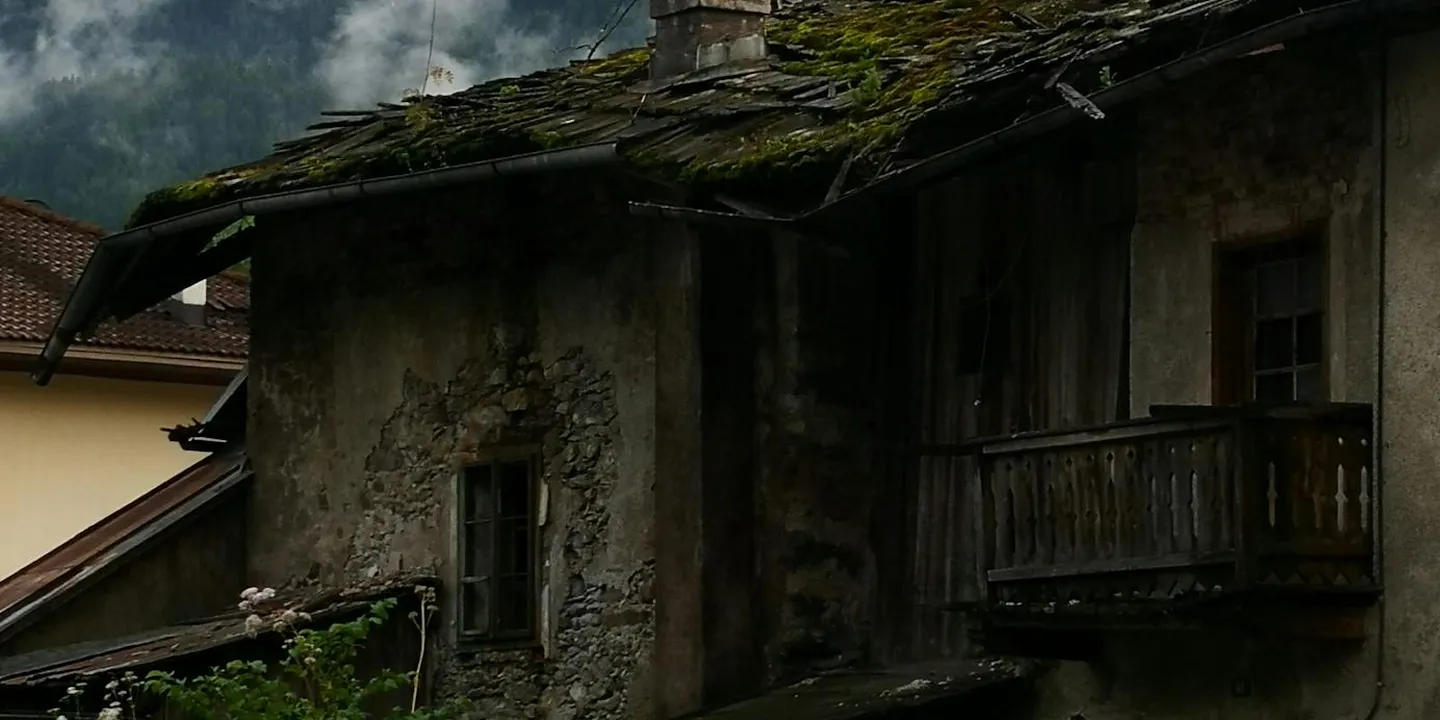
How do you assess moss damage on a residential roof? You do it slowly and safely. Think of it like a doctor’s check-up for your house. You start with a general look, then move to closer tests. Anyone can do this from the ground or a secure ladder with the right approach. For a deeper look, refer to a roof damage inspection guide for a detailed, step-by-step checklist. It helps you spot hidden issues and stay safe during the inspection.
Grab these tools before you start: a pair of binoculars, a camera (your phone is fine), a notepad, and a garden hose for a simple moisture test later. Your safety is the most important tool of all. Never walk on a mossy roof. It’s dangerously slick.
Step 1: The Ground-Level Visual Scan
Start from your yard with binoculars. A healthy roof has clean, uniform lines. A moss-damaged roof tells a different story. Look for big patches of green or black, which is the moss itself. Look for shingle edges that curl upward like old paperback pages. Moss grows in damper, shaded areas, so you’ll often see it in patterns following the shade from trees or in north-facing roof valleys.
Pay special attention to where different roof planes meet; these valleys are super highways for water and prime real estate for moss.
Step 2: Close-Up Inspection from a Secure Ladder
Now, get your ladder. Always maintain three points of contact (two hands and a foot, or two feet and a hand). First, look in your gutters and downspouts. Are they filled with black grit? Those are the protective granules from your asphalt shingles, washed away by moss holding moisture against them.
From the ladder, you can see more. Gently lift the bottom edge of a shingle in a mossy area. Moss doesn’t just grow on top; its tiny roots work their way underneath, breaking the seal between shingles. Check the metal flashing around chimneys and vents. Persistent moisture from moss accelerates rust. If you can safely touch the roof deck (the wood underneath), press gently. A soft, spongy feeling is a major warning sign of rot.
Step 3: The Attic and Interior Check
The story continues inside. On a bright day, go into your attic with the lights off. Look up at the underside of your roof deck. Do you see any tiny pinpricks of daylight? Those are problem spots. Look for dark water stains on the wood or a musty, damp smell. These interior clues directly link back to moss on the outside holding moisture against your roof, slowly letting it seep through.
Water stains in your attic are a lagging indicator; the leak has been happening for a while.
Step 4: Documenting Your Findings
This step is critical. Use your camera to take clear, dated photos from the ground and from your ladder-safe angle. Get wide shots of the whole roof and close-ups of specific problems like lifted shingles, rust, or granule loss. This creates a record for two reasons: to show a professional roofer exactly what you see, and to have evidence if you need to discuss coverage with your home insurance provider.
The Roof Integrity Report: Lifespan, Red Flags, and Next Steps
Moss is a thief. It steals years from your roof’s life. A typical asphalt shingle roof should last 20-25 years. With unchecked moss, you can cut that in half. Moss destroys the fire rating on wood shake roofs (15-30 year lifespan) by keeping them constantly wet. Even long-lasting clay or concrete tile roofs (50+ years) can fail early if moss grows underneath tiles and traps moisture against the roof deck.
Think of moss like a sponge. It soaks up water and holds it against your roof materials 24/7, leading to rot, mold, and breakdown. Your job now is to figure out how much it has stolen already. Later, explore natural moss removal roof methods that are gentle and eco-friendly. These options can help restore your roof without harsh chemicals.
Red Flags That Scream “Call a Roofer Now”
Some damage is beyond a simple clean-up. If you see these signs, moss has likely won the battle.
- You feel soft, spongy areas on the roof deck from your ladder.
- You see visible sagging in your roofline from the street.
- Your attic inspection shows multiple, active leaks or large stained areas.
- Shingles are cracked, brittle, and breaking apart when touched.
- Granules are completely gone from large sections, leaving bare asphalt.
When moss leads to spongy decking or continuous leaks, cleaning won’t save the roof. The structure itself is compromised. At this point, you’re looking at major decking repair or a full replacement. I’ve been on jobs where we cleaned the moss off only to find the wood underneath was like wet cardboard. Cleaning just revealed the true cost, unlike some of the best methods for cleaning moss on roofs that are more preventative.
When Cleaning and Repair Are Still Options
If your inspection shows moss on the surface but the shingles are still flexible and intact, you have a good chance. If granules are missing only in small, isolated patches, that’s a repairable issue. If you found minor curling at the shingle edges but the attic is still dry, you caught it in time.
Here’s the comparison: If you see a few lifted shingles over a small area, a pro can likely reseal or replace them after a soft wash. If you see widespread lifting, rot, and interior stains, call a pro for a replacement quote. The goal is to remove the moss safely (without pressure washing) and then make targeted repairs to restore your roof’s water-shedding ability. This can add years back to its life.
Stop Moss Before It Starts: A Seasonal Maintenance Log
A little regular care is your roof’s best friend. I tell homeowners that a consistent, simple routine can easily add 5 to 10 years of life to their shingles. It prevents small issues from turning into big, expensive ones. This isn’t about weekly climbs. It’s about being smart twice a year.
Think of it like changing your car’s oil. You do it to prevent engine failure. This routine prevents roof failure.
Spring and Fall Roof Care Tasks
These two seasonal checkups are non-negotiable. Mark your calendar for early spring and late fall. Grab a pair of binoculars for a safe ground-level inspection first.
- Clean Your Gutters Thoroughly: This is job one. Clogged gutters back water up under your shingles. That damp edge is a moss nursery. Wear gloves and scoop out all debris. Flush the downspouts with a garden hose.
- Inspect for New Moss or Algae: Look for the first signs of green or black streaks, especially on north-facing slopes. Catching moss early, when it’s just a stain, makes removal simple and prevents root damage.
- Check Flashings and Valleys: Scan the metal around your chimney, vents, and where roof planes meet. You’re looking for cracks, rust, or pieces that have lifted. These are major leak starters.
- Trim Overhanging Branches: If trees are close, cut back branches to let in more sun and reduce leaf litter on the roof. More sun means a drier, less moss-friendly surface.
The whole inspection from the ground should take 15 minutes. Gutter cleaning might take an hour. It’s a fantastic return on your time investment.
Long-Term Moss Prevention Strategies
Seasonal checks handle today. These strategies help you win the long-term battle against moisture.
Install Metal Moss Inhibitors: Zinc or copper strips are a roofer’s classic trick. You install them near the roof peak. When it rains, tiny metal particles wash down the roof, creating an environment moss can’t grow in. They last for years.
Improve Sunlight and Airflow: Keep trees trimmed back. If possible, consider pruning lower tree limbs to allow more morning or afternoon sun to hit the roof. Ensure your attic ventilation is working correctly; a hot, stagnant attic holds moisture against the back of your roof deck.
Direct Water Away: Make sure your downspout extensions carry roof runoff at least 5 feet away from your home’s foundation. This prevents water from splashing back onto the siding and lower roof areas, keeping everything drier.
On one job, we added downspout extensions and zinc strips. The moss never came back. The homeowner just does his seasonal gutter clean and calls it good. That’s the goal.
Quick Answers
1. After cleaning moss, how do I stop it from coming back?
Install zinc or copper strips along the roof ridge; rainwater carries particles down to inhibit growth. Keep branches trimmed for sunlight and ensure your gutters are clean to eliminate damp nurseries.
2. What’s the one sign I should call a professional immediately?
If you can press on the roof deck from your ladder and feel a soft, spongy give, that’s advanced rot. Visible sagging in the roofline or active leaks in your attic also mean you need a roofer’s assessment now.
3. Does moss damage all roof types the same way?
No. It lifts asphalt shingles and strips granules, while on tile, it traps moisture in overlaps causing efflorescence or freeze damage. For wood shakes, moss accelerates rot faster than any other material, so vigilance is critical.
The Bottom Line on Moss and Roof Health
Think of moss as your roof’s early warning system, not just a cosmetic flaw. A simple, proactive assessment each fall and spring can catch minor issues before they become major, costly repairs. Preventive measures such as moss treatment can save you from headaches down the line.
Your roof is your home’s first line of defense, and caring for it is a core part of responsible ownership. Committing to regular checks and safe maintenance is how you protect your investment and everyone inside for the long haul.
Ray Huffington
Ray is an experienced roofer. He has worked as a general contractor in the roofing industry for over 15 years now. He has installed and repaired all kinds of roofs, from small houses to large mansion, and from basic shingles to cement and metal roofs and even solar roof panels. He has seen homeowners struggle with roofing questions and always has experience based proven advice to help those in need. If you need roof pros, Ray's your guide.