
What Are the Different Ways to Build a Residential Roof?
Have you ever looked up at your ceiling and wondered exactly how the structure above you is assembled? I’ve been on roofing crews for decades, and the way a roof is built directly determines if it will sag, leak, or last a lifetime.
Many homeowners stress over sudden leaks or expensive repairs. Knowing how your roof is constructed helps you spot potential problems early and communicate effectively with contractors.
Here’s what I’ll cover from my hands-on experience: The two main framing systems: stick-built versus pre-fabricated trusses. How roof shape and pitch dictate the construction approach. The critical layers, from decking to final shingles, that create a durable shield.
The Bones of Your Roof: Framing Methods Explained
Look up at your roof. What you see is the finished surface, like the skin on your body. But underneath, there’s a skeleton holding it all up. We call this the roof framing. It’s the unseen structure that determines your roof’s shape, strength, and what you can do with the space inside.
For most homes, you’re looking at one of two systems: traditional stick framing or modern engineered trusses. Think of it like building with individual bricks versus using a pre-made Lego block. Each has its place.
Stick framing uses individual pieces of lumber called rafters, cut and assembled on-site. It’s the old-school method I learned on, and it allows for a lot of customization. Trusses, on the other hand, are complex webs of wood that arrive at your house in one piece, fastened with metal plates. They’re the go-to for most new construction today.
Here’s a quick breakdown to help you understand the difference, which is a common question I get from homeowners.
- Attic Space: Stick framing opens up your attic. You can have vaulted ceilings or turn it into a room. Trusses fill the space with wooden webs, making storage a puzzle.
- Cost and Labor: Trusses are often cheaper because they’re built in a factory, saving on-site labor. Stick framing costs more due to the skilled carpentry time.
- DIY-Friendliness: Stick framing is for pros only. One wrong cut can weaken the whole structure. Trusses are installed, not built, by your crew.
- Strength: Trusses are engineered to distribute weight perfectly, making them incredibly strong for heavy snow loads. A well-built stick frame is plenty strong, but it relies more on the carpenter’s skill.
Your choice affects the style too. If you dream of a cathedral ceiling or a cozy cottage roof with unique angles, you’ll need the flexibility of stick-built rafters. Trusses lock you into the shape they were designed for.
Stick Framing with Rafters: The Custom Approach
Let me walk you through how we build a rafter roof. We start with a long, horizontal board at the peak called the ridge board. Slanted rafters are then cut to fit from the ridge down to the top of the walls. At the bottom, ceiling joists run across to tie the walls together and create your attic floor.
It’s a puzzle of angles and measurements. I’ve spent whole days just calculating and cutting rafters for a single roof. The big payoff is the open space this method creates. Want a vaulted great room? You can do that. Planning to finish the attic later? The clear space makes it easy.
The catch is that this custom work demands a higher level of skill from the carpenter and more hours on the job. Every joint must be precise. I’ve gone back to fix roofs where a rookie crew mis-cut a rafter, causing a subtle but costly sag over time.
Engineered Trusses: The Modern Standard
Now, let’s talk trusses. Imagine a triangle made of smaller triangles, all built from 2x4s and held together with punched metal plates. That’s a roof truss. They’re designed by computer, built in a climate-controlled shop, and trucked to your site.
A crane or a crew of us simply lifts them into place, one after another. The main reason builders use engineered trusses is for their predictable strength and speed. Because they’re engineered, each piece carries a specific load. This makes them excellent for handling the weight of snow or resisting high winds.
But there’s a trade-off every homeowner should know. Those internal webs that give trusses their strength also turn your attic into a forest of wood you can’t move. You lose that flexible, usable space. For many modern homes where the attic is just for HVAC and insulation, that’s a fine trade for a sturdy, cost-effective roof.
Common Roof Shapes and How They’re Built
The framing method is the first decision. The next is the shape you see from the street. The shape of your roof directly affects how it’s framed, how much it costs, and where it might leak in twenty years. Simple shapes are easier and cheaper to build and maintain.
I like to use simple pictures. A gable roof is like a child’s drawing of a house-a simple triangle. A hip roof is more like a pyramid, with slopes on all sides. More slopes and angles mean more seams, and more seams are where water will try to get in.
Gable, Hip, and Shed: The Foundation Shapes
The basic gable roof is the perfect example of how to build a simple, effective roof. It uses two sloping sides that meet at a ridge. Whether you use rafters or trusses, the idea is the same. It’s straightforward to frame and sheds water well, but those tall ends can catch wind like a sail.
A hip roof solves that wind issue. Instead of vertical ends, all four sides slope down to the walls. Building a hip roof requires more complex framing at the corners, but it’s much more stable in high winds. A quick look at hip roof design principles explains why those slopes shed wind so well. Understanding these principles helps you see the reasoning behind the framing choices. I’ve seen hip roofs fare better in storms time and again.
Then there’s the shed roof, which is just a single, sloping plane. You often see a shed roof when learning how to build an awning roof over a porch or for a home addition. It’s simple, modern, and drains water in one direction. The framing is essentially a set of rafters or joists on a steep angle.
Complex Designs: Dormers, Valleys, and More
Now we get into the fancy stuff. Dormers pop out from a roof to add light and space. Valleys are the inward angles where two roof slopes meet. These features require specialized framing and, most critically, expert flashing to prevent leaks. They’re where most roof problems start.
Some designs need entirely different approaches. A barrel roof has a curved surface, which requires steaming and bending wood or using modern curved materials. A clerestory roof has vertical wall sections between roof slopes to let in light, demanding a hybrid wall-and-roof frame.
Others are for pure style. A cantilever roof extends out past the wall below it for a dramatic overhang. It looks great, but the framing has to be carefully engineered to support that weight without visible posts. For any of these complex shapes, your choice of roofer is as important as your choice of materials and systems. Their skill with the frame dictates the lifetime of your roof.
The RoofMason Material Verdict: Covering the Frame
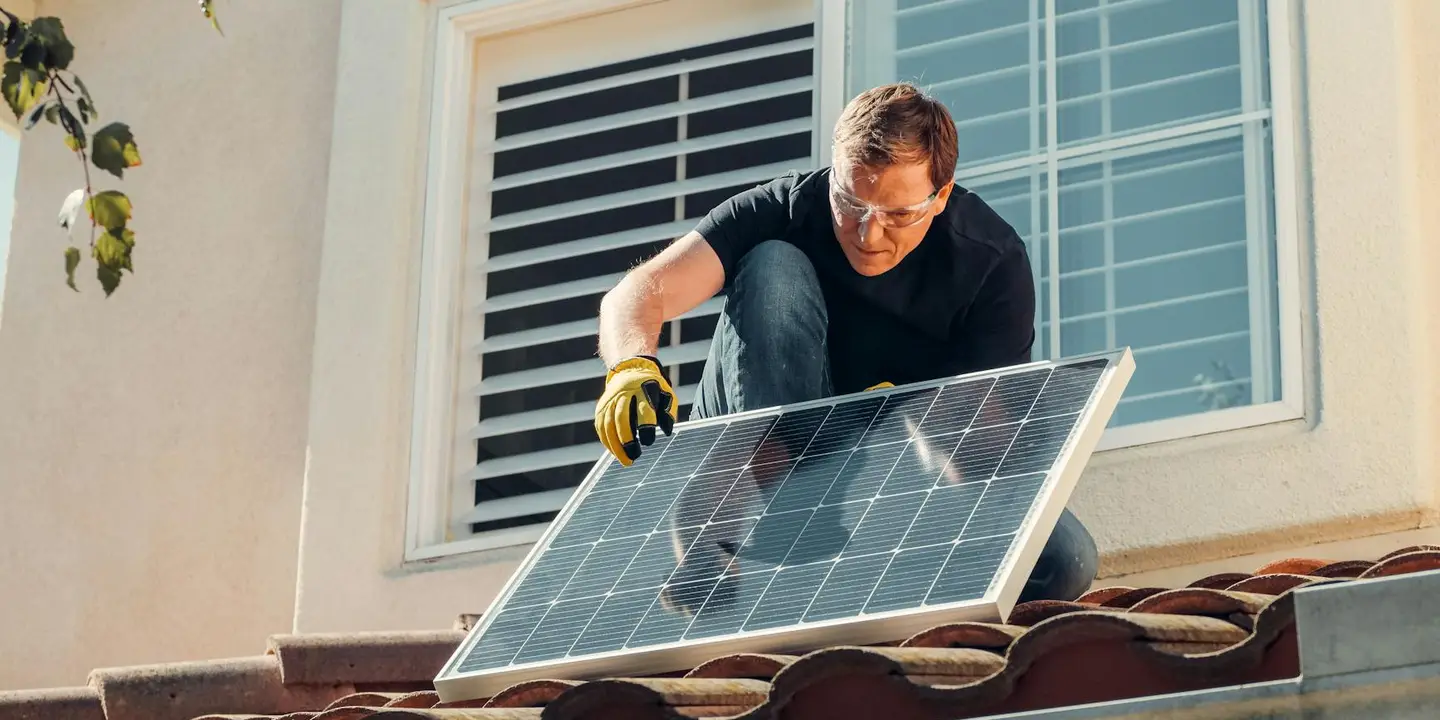
You have your sturdy frame and sheathing. Now comes the raincoat. The material you choose does more than change the look of your house. It dictates the load on your framing, how long you’ll go between replacements, and how well you’ll sleep during a storm. Think of it like choosing boots. You need the right tread for your terrain.
My advice always starts with three things: your local weather, your budget over 30 years, and what your house can actually carry. A cheap roof on a weak frame is a recipe for disaster.
Asphalt Shingles: The Affordable Workhorse
For most homes, this is the default for good reason. They are cost effective and when installed right, they provide solid protection. Think of a three tab shingle as a reliable sedan. An architectural shingle is more like an SUV with better grip and a longer warranty.
Not all shingles are equal. You must check the ratings. A Class A fire rating is standard and a good minimum. Hail resistance is where you see a big difference.
- Class 1: Basic impact resistance.
- Class 4: The toughest rating, designed to withstand severe hail.
If you live in hail country, insisting on Class 4 shingles is one of the best value upgrades you can make.
A typical three tab shingle might last 15 20 years. A good architectural shingle can push 25 to 30. They are relatively light, so they work on most existing home frames. For a durable roof that doesn’t break the bank upfront, it’s hard to beat. Knowing the roof shingles lifespan helps you plan maintenance and replacement timelines. Choosing the right shingle can extend your roof’s overall lifespan.
Metal, Tile, and Slate: The Long-Term Investments
These are the lifetime roofs. Your grandkids might be the next ones to replace them. The catch is the upfront cost and, for some, the immense weight.
Metal roofing comes in two main types for homes. Standing seam has raised, sealed seams that run vertically. It’s superb for shedding snow and resisting wind. Stone coated steel looks like traditional shingles or tiles but has the strength of metal. Both are very light, fireproof, and laugh at hail.
Then you have the heavyweights. Concrete tile and natural slate are beautiful and can last over 50 years. Their weight is no joke a slate roof can be ten times heavier than an asphalt shingle roof. I’ve been on retrofit jobs where we had to reinforce the entire attic structure before we could even think about laying the first tile. Your house must be engineered for it from the start.
All of these materials are fire resistant and highly durable against hail. You are paying more today to avoid buying another roof in your lifetime.
The “Leak Point” Analysis: Flashing and Critical Junctions
Here is the trade secret. Most leaks do not start in the middle of a roof section. They start where two planes meet, or where something sticks through the roof. The field shingles or panels do a great job of shedding water that flows straight down. It’s the intersections that get tricky.
Chimneys, valleys, skylights, and walls are vulnerable. Water wants to sneak in sideways at these junctions. That is why we use flashing sheet metal pieces that bridge these gaps and direct water back onto the roof surface.
Valleys: The Roof’s Water Highways
Where two roof slopes meet, you get a valley. All the water from both slopes funnels through this spot. It gets a torrent of water during every rain.
There are two main ways to build a valley. An open metal valley has a wide, exposed channel of metal. Water flows freely down it. Debris like leaves can slide right over. A closed cut valley is where the shingles from one slope are woven over the other, covering the metal. It looks cleaner.
I prefer a properly installed open metal valley in most cases because it’s simpler, easier to maintain, and handles heavy flow better.
Underneath any valley, there should be a layer of ice and water shield. This is a sticky, rubberized membrane. It’s your last line of defense. If water gets past the valley metal, this sticky underlayment seals around the nails and prevents it from entering the house.
Walls, Vents, and Chimneys: Sealing the Penetrations
Anywhere the roof meets a vertical wall or a pipe pokes through, you need layered flashing. The goal is to layer materials like shingles, so water always flows over the top of the layer below.
For a side wall, we use step flashing. These are small L shaped metal pieces. One leg goes under the shingle, the other leg goes up the wall. Each shingle gets its own piece, stepping up the roof. That wall siding or a separate counter flashing then covers the vertical leg.
Pipe vents get a rubber or metal collar that fits snugly around the pipe. The base of the collar is layered under the shingles above and over the shingles below.
Flashing fails over time. You can spot trouble easily. Look for rust on old galvanized metal. Look for cracked or missing caulk where flashing meets a wall. Check for lifted edges that water could get under. A quick visual check of these spots each fall can save you from a major leak.
Ventilation & The Attic Connection: Why Your Roof Breathes
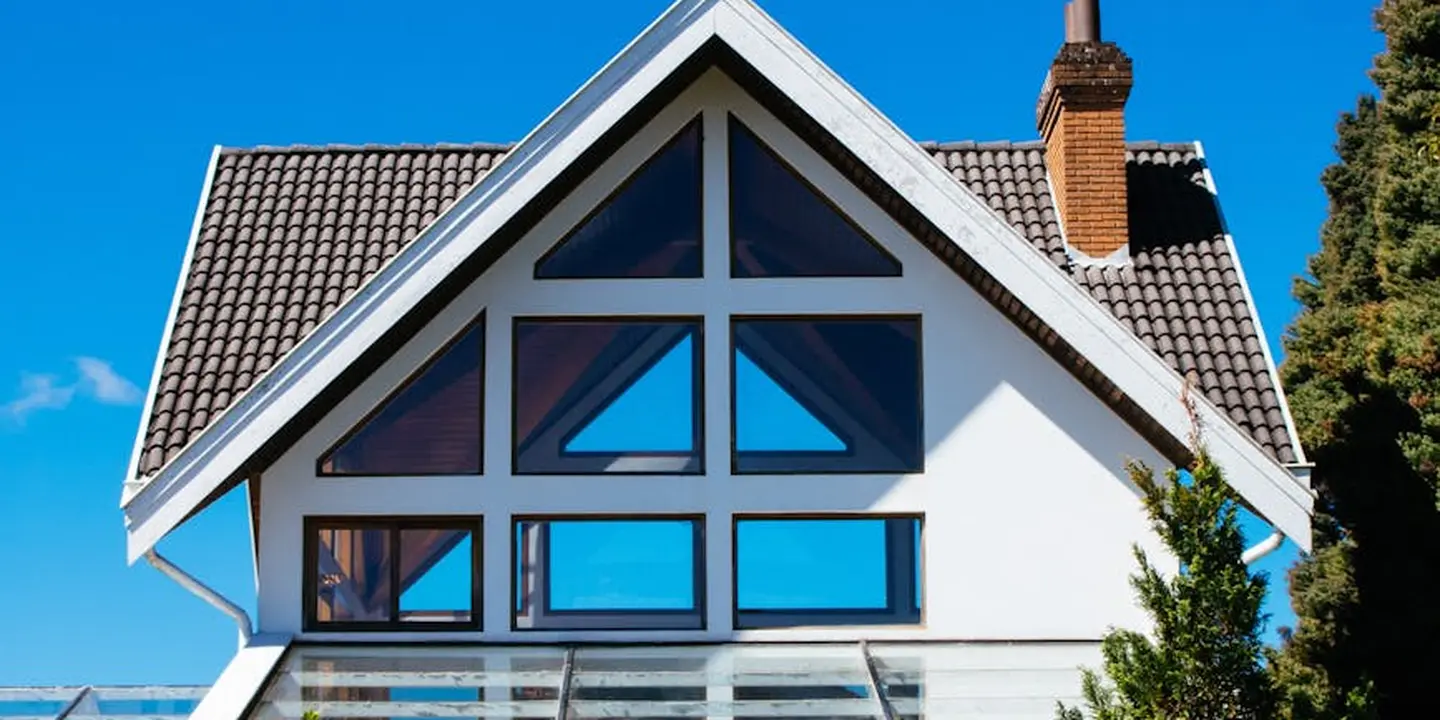
Think of your roof as a living, breathing system. It is not just shingles or tiles on top. The attic space below is its lungs. I have repaired roofs where the shingles looked fine, but the real problem was a suffocating attic. Your roof’s health is directly tied to the airflow in your attic.
Proper ventilation moves air continuously from the soffit vents up to the ridge. In winter, this keeps the attic cold. A cold attic prevents snow from melting unevenly and refreezing at the eaves, which is how ice dams form. In summer, that same airflow carries blistering heat out. This reduces the load on your air conditioner and can lower your energy bills.
Intake and Exhaust: The Balanced System
Your roof needs to breathe in and breathe out. It is a balanced system. Soffit vents under the eaves are the intake. They pull in fresh, cooler air. Ridge vents along the peak are the exhaust. They let hot, moist air escape.
If you have one without the other, the system fails. I have seen homes with a beautiful ridge vent but no open soffits. The hot air had nowhere to go. A common mistake is blocking soffit vents during insulation projects. You must use baffles or rafter vents to keep that intake pathway clear. Blocked vents are like pinching your nose shut. Soffit vents are a crucial part of roof ventilation and require regular maintenance. Keeping them clear protects your home’s energy efficiency and roof health.
Signs of Poor Ventilation and How to Fix It
How do you know if your roof is not breathing? Look for these signs.
- Excessive heat in the attic on a summer day.
- Dark mold or mildew stains on the roof sheathing (the wood under the shingles).
- Shingles that curl or age much faster than they should.
- Peeling paint on the underside of the roof overhangs.
The fix often starts with ensuring your intake vents are open and clear. Sometimes, you simply need to add more vents. For an older home, installing a continuous ridge vent can make a huge difference. My crew once retrofitted a house with just a few small gable vents by adding proper soffit and ridge ventilation. The attic temperature dropped by 30 degrees that same summer.
How to Choose: Matching Method, Material, and Your Home
Now, let us put it all together. You know about framing, sheathing, and ventilation. Choosing the right roof for your home means balancing four things.
- Budget: Stick frame roofs are often less expensive for complex shapes. Truss roofs are very cost-effective for simple, wide spans.
- Climate: In heavy snow country, a steeper pitch helps shed weight. In hurricane zones, you need a method and material rated for high winds.
- Home Style: A historic bungalow might call for a framed roof to match its intricate eaves. A modern open-plan home could be perfect for trusses.
- Long-Term Plans: If you want a convertible attic space later, stick framing gives you more flexibility from the start.
Your roof is a 20-plus year investment, so choose the method that supports your home’s needs, not just the cheapest upfront cost.
Key Questions to Ask Your Contractor
Do not be shy when talking to roofers. Ask specific questions. Their answers tell you if they understand the whole system. Here is what to say.
- “What framing method do you recommend for my house, and why?”
- “Will my attic be usable for storage, or will truss webbing block it?”
- “What specific flashing details do you use at valleys and chimneys?” (Flashing is the metal that seals joints).
- “How will you ensure my attic ventilation is balanced after the new roof is on?”
Always get a detailed scope of work and materials list in writing. It should list the type of underlayment, the brand of shingles, and the vent counts. If a contractor hesitates to provide this, see it as a red flag.
When to Call a Pro (And When You Might DIY)
Let me be direct. Designing and framing a new roof for your house is a pro job. A full re-roof, where you strip off old layers, is a pro job. The risks of structural failure, water damage, and personal injury are too high for DIY. These jobs require permits, inspections, and skilled labor.
Where might a handy homeowner step in? You could tackle a simple, single-slope shed roof for a backyard garden structure. If you are building a basic roof for a shed, use pre-made trusses or simple rafters on a small scale. Always use a fall arrest system when working at height. Check your local building codes for permits. Safety and code compliance are not optional, even on a small project. When in doubt, calling a pro is the smartest move you can make.
Quick Answers
What’s the most important thing to check on my existing roof to prevent major damage?
Inspect the flashing around chimneys, vents, and where roofs meet walls-this is where most leaks start. Look for rust, cracks, or lifted metal edges and seal or replace damaged sections immediately to avoid water intrusion.
I want to use my attic for storage or a future room. What must I know before my next roof replacement?
You absolutely need a stick-framed (rafter) roof; engineered trusses block the space with webbing. Discuss this need with your contractor during the design phase, as switching from trusses to rafters is a major structural change.
How do I choose the right roofing material for my specific climate?
Match the material to your local weather threats: Class 4 asphalt shingles for hail, metal for heavy snow and fire resistance, or a steep-pitch design for rain. Always ensure your roof frame can support the material’s weight, especially for tile or slate.
Building a Roof That Lasts
Pick a roofing method that fights your local weather and fits your home’s frame. From my years on the crew, I’ve seen that a precise, code-compliant installation is what truly seals the deal for a worry-free roof.
Treat your roof as a long-term investment by scheduling annual inspections and tackling repairs safely. Your next step is to learn about specific roof care and maintenance for your material, which turns small actions today into big savings tomorrow.
Ray Huffington
Ray is an experienced roofer. He has worked as a general contractor in the roofing industry for over 15 years now. He has installed and repaired all kinds of roofs, from small houses to large mansion, and from basic shingles to cement and metal roofs and even solar roof panels. He has seen homeowners struggle with roofing questions and always has experience based proven advice to help those in need. If you need roof pros, Ray's your guide.