
How Do You Know When to Replace Your Roof? A Roofer’s Guide to the Key Signs
Is that dark stain on your ceiling just a one-time leak, or is your roof telling you it’s done? I’ve climbed onto roofs for over twenty years, and the biggest mistake I see is waiting until water is inside to act.
I’ll show you how to spot aging shingles from the ground, check for hidden attic damage, and know the clear line between a simple repair and a full replacement.
Start Here: The Ground-Level Self-Check
Your first move is the safest one. Keep your feet on the ground. Grab a pair of binoculars and walk around your house. This is how you can tell if you need a new roof before you ever climb a ladder.
Think of your roof like a book cover. A worn, torn, or faded cover usually means the pages inside have seen better days. The outside tells the story.
Look for these key signs from a distance:
- Sagging rooflines: This is a serious red flag. Look at the ridge line and the plane of the roof. It should be straight. Any dip or curve suggests structural issues underneath.
- Missing shingles: Look for random dark patches or slots on the roof. These are spots where shingles have blown off completely, leaving the underlayment exposed.
- Heavy granule loss: Check your gutters and downspout runoff areas. A few granules are normal, but piles of sand-like material mean your shingles are actively breaking down.
- Cracked or curled shingles: Use the binoculars to zoom in. Shingles that are brittle and cracked, or whose corners are curled up to the sky, have lost their waterproofing seal.
Spotting two or more of these issues from the ground is a clear signal to call a professional for a closer look.
Inside Job: What Your Attic Reveals
If the roof is the skin, the attic is the bloodstream. This is where problems show up first, long before you see a leak in your living room. It’s the most telling inspection you can do.
What are the key signs? Often, they start here, hidden in plain sight.
Before you head up, gear up. Bring a strong flashlight. Wear a dust mask. Only step on the ceiling joists (the wooden beams) to avoid putting your foot through the drywall.
Once inside, turn off the flashlight and let your eyes adjust. Look up at the underside of the roof deck.
- Daylight through the decking: See any tiny pinpricks of light? That means there are holes. Where light gets in, water follows.
- Dark streaks or water stains: Look for dark, damp-looking wood or rusty nail heads. These are classic signs of past or ongoing moisture.
- Moist or compressed insulation: Press your hand on the insulation on the attic floor. If it feels damp, clumpy, or flat, water is dripping down from above.
- A musty, damp smell: Your nose knows. That earthy smell is a direct indicator of mold or rot, which needs moisture to grow.
I’ve been on jobs where the roof looked okay from the street, but the attic told a horror story of slow decay. Finding evidence of water in your attic is a non-negotiable sign that your roof’s protective ability has failed.
The Roof Integrity & Lifespan Report
Think of your roof’s lifespan like a car’s. A manufacturer gives an estimate, but how you drive and maintain it changes everything. Let’s start with those manufacturer estimates for common roofing materials.
| Material | Typical Lifespan | What to Know |
|---|---|---|
| 3-Tab Asphalt Shingles | 15-20 years | The basic model. Thinner, one layer. Often shows aging first with curling or lost granules. |
| Architectural Asphalt Shingles | 25-30 years | Heavier, layered. The most common upgrade. Holds up better to sun and wind. |
| Metal (Standing Seam) | 40-70 years | A lifetime roof if installed right. Cost upfront is higher, but repairs are rare. |
| Wood Shakes | 25-30 years | Beautiful but needs care. Without proper treatment, moss and rot can cut life in half. |
| Concrete or Clay Tile | 50+ years | Very long-lasting. The issue is rarely the tile itself, but the underlayment beneath it, which fails first. |
I’ve seen 20-year shingles fail at 12. I’ve also seen 30-year shingles holding strong at 25. The difference is rarely the shingle brand. It’s almost always one of these three lifespan killers.
What Steals Years From Your Roof
Poor ventilation is the silent killer. Your attic needs to breathe. If hot, moist air gets trapped up there, it cooks your shingles from below in summer and creates ice dams in winter. A roof over a poorly vented attic will age twice as fast, with shingles that blister, crack, and curl long before their time.
Extreme weather is a brutal fact. Constant sun bakes and brittles asphalt. High winds lift and stress shingles. Hail acts like a hammer. If you live where storms are common, mentally subtract 5-10 years from those table estimates.
Previous subpar repairs are a hidden debt. A patch that wasn’t sealed right. Flashing bent by hand instead of with a break. These are weak points. Water finds them, gets in, and starts rotting the deck from the inside out. A roof with a history of quick fixes is a roof living on borrowed time.
The Red Flag Threshold: When Repairs Stop Making Sense
You patch one leak. Six months later, another spot drips. You fix some cracked shingles, and next spring a dozen more are curling. This is the threshold.
When you’re calling for repairs more than once every year or two, you are putting band-aids on a broken leg. You are spending good money on a temporary fix for a systemic failure. The roof is telling you it’s done.
The other clear sign is multiple major issues at once. It’s not just a leak. It’s a leak in the valley, soft spots on the deck from rot, and granules washing into your gutters all over. When failure is widespread, a full replacement is the only sane, safe, and financially sound choice.
Age alone isn’t a verdict, but it’s the most important clue in the case. If your roof is near the end of its typical lifespan and showing any of these signs, the verdict is clear. It’s time.
Repair or Replace? The Cost-Benefit Verdict
Spotting a problem is one thing. Deciding what to do about it is where real money gets spent, or saved. I’ve sat on hundreds of ladders with homeowners, looking at the same damage and having this exact talk. Let’s break down the common calls I get.
Scenario 1: The Localized Leak
You have one leak in the ceiling after a big storm. The attic shows water coming in near a vent pipe.
A repair here might cost $400 to $800. A crew finds the compromised shingles or pipe boot, replaces them, and seals it up. On a roof that’s 5 to 10 years old, this is a perfect fix. The surrounding shingles are still strong. Knowing leaky roof repair cost can help with budgeting. It also helps when comparing quotes from contractors.
But if your roof is already 20 years old, that patch is just a band-aid on a broken arm. The shingles around the leak are brittle and at the end of their life. Fixing one spot puts pressure on the old surrounding material, and you’ll likely be chasing the next leak in a year or two. A full replacement, while a bigger investment, stops the problem for decades.
My verdict: Patch if the roof is young. Plan for replacement if the roof is within a few years of its expected lifespan. Consider roof value treatments—cost-effective options that protect and extend a roof’s life, such as protective coatings or sealants. These can help preserve home value before a future replacement.
Scenario 2: A Few Damaged or Missing Shingles
A windstorm ripped off a dozen shingles on one slope. The rest look okay from the ground.
Replacing a small batch of shingles is relatively simple. A handyman or roofer might charge $250 to $500 for this. The catch is color matching. If your roof is more than a few years old, sun exposure has faded the original color. New shingles will stand out as a visible patch, especially if you repair or replace roof shingles unevenly.
This repair is a good stopgap to prevent immediate water damage, but see it as a temporary hold, not a permanent solution. More importantly, ask why those shingles failed. Were they nailed incorrectly? Is the underlying decking soft? Sometimes, a few missing shingles are the first symptom of a larger installation issue.
My verdict: Secure the area with a repair now to protect your home. Then, get a full professional inspection to diagnose the root cause.
Scenario 3: Widespread Granule Loss and Aging
Your gutters are filled with sand-like granules. Shingles look bare, curled, or have lost their “grip.” This isn’t a single event, but a whole-roof condition.
You can’t repair granule loss. The protective coating is gone. At this stage, you might get quotes for coating or sealant treatments that claim to extend life. These can cost $1,500 to $3,000. In my experience, they rarely deliver lasting value on a severely aged roof. They seal in the existing problems.
A full roof replacement is the only true fix. For a typical home, this is a major project ranging from $8,000 to $20,000+, depending on size, materials, and location. Understanding the roof repair replacement costs for 2024 can help you budget more accurately and compare quotes. Knowing what drives those costs this year can also inform your decision.
If over 30% of your roof surface shows significant aging, replacement is almost always the wiser long-term investment. You’re buying 25+ years of peace of mind, modern materials with better warranties, and improved energy efficiency. Spending thousands on temporary treatments for a failing roof is like putting new tires on a car with a blown engine. Roof age doesn’t lie.
My verdict: Widespread surface failure means replacement. Budget for it, and view it as a necessary investment in your home’s safety and value.
The Rule of Thumb from the Toolbelt
Here’s how I explain it to my customers: Think of your roof shingles like the tires on your truck. If one tire has a nail, you patch it. If two tires are bald but two are okay, you might replace them in pairs. If all four are bald, cracked, and 10 years old, you replace the whole set. Driving on them is a risk.
A good, reputable roofer should walk your roof and give you this analysis for free. They should point out the specific issues, show you photos, and explain your options without pressure. If a contractor immediately jumps to a huge replacement quote without discussing visible, limited repairs, get a second opinion. Your decision should be based on the actual condition, not fear. Be aware of common roof repair myths that can mislead homeowners. In the next step, we’ll debunk these myths to help you separate fact from hype.
Leak Point Analysis: The Critical Junctions

Look at any roof I’ve repaired. The leaks almost never start in the middle of a clean shingle field. They begin where things stick out or come together. Chimneys, vent pipes, skylights, and roof valleys are where the action is. Water finds the path of least resistance, and these junctions are its favorite highways.
From my experience, if you’re chasing a leak, check the penetrations and valleys first; that’s where 90% of them begin. The main roof surface can be in decent shape, but a failed seal around a pipe will let water right in.
Let’s talk about flashing. This is the metal or rubber material that seals these critical junctions. Good flashing is the difference between a dry attic and a recurring headache.
Proper step flashing along a wall or chimney is like a well-tailored raincoat. Each piece is layered under the shingles and over the one below, creating a seamless, overlapping shield that guides water down and away. A cheap caulk job is like trying to keep dry with plastic wrap. It might look sealed for a little while, but it cracks, shrinks, and fails. I’ve been called back to too many jobs where a previous roofer just globbed on caulk instead of installing proper step flashing.
Caulk is a sealant, not a roofing material; relying on it for long-term waterproofing is a guaranteed call-back.
When you invest in a quality roof replacement, the work you don’t see is what matters most. It’s not just about the shingles on top. A good crew will install specific waterproofing measures that your old roof probably lacked.
This means using ice and water shield membrane in the valleys and along the eaves. Valleys channel a lot of water, and eaves are where ice dams form. This sticky, rubberized underlayment seals around nail holes and provides a secondary barrier. It’s like putting a waterproof liner in your raincoat’s sleeves and hood. We also use wider, corrosion-resistant flashing and properly integrate it with the underlayment system.
A proper roof replacement includes modern ice and water shield in vulnerable areas, something many older roofs were built without.
This brings me to my core point for any homeowner considering a new roof. A new roof isn’t just new shingles; it’s a complete water-shedding system. The shingles are the visible armor, but the flashing, underlayment, vents, and sealants are the integrated layers that keep you dry. If a contractor only talks about shingle brands, ask them about their flashing details and underlayment strategy. The system is what gives you peace of mind for decades.
The Three Non-Negotiable Signs You Need a New Roof
You see a few missing shingles or some discoloration. You wonder if you can just patch it. I get that question on almost every estimate. Most issues can be fixed. But some problems are final. They mean the roof’s job is done.
These three signs mean your roof is no longer protecting your home, and a replacement isn’t a choice-it’s a requirement for your safety.
Sign 1: Widespread Deck Rot
Your shingles are just the outer layer. The real muscle is the roof deck-those sheets of plywood or planks everything gets nailed to. When water gets past the outer layer for a long time, the deck rots.
You can sometimes spot this from the ground. Look for big, sagging areas between the rafters. It looks like the roof is sinking in spots. From inside your attic, it’s more obvious. Take a flashlight and gently press a screwdriver into the wood in different spots.
If the wood is soft, crumbly, or the tool sinks in easily in multiple areas, the structure that holds your roof up is failing. You can’t just nail new shingles to rotten wood. The entire deck needs to be replaced, which is a core part of a full roof replacement. I’ve walked on roofs where my foot almost went through. That’s your final warning.
Sign 2: Major, Recurring Leaks
A single leak from a cracked pipe boot or a damaged valley is one thing. We fix those. The red flag is a leak that plays games with you.
One month, there’s a stain on your bedroom ceiling. After the next big storm, it’s dry there but water is dripping in the hallway. This is a sign of widespread failure. The waterproofing layer under the shingles (the underlayment) is compromised. Water is getting in at multiple points, traveling along the rafters or deck, and dripping down wherever it finds a path.
Chasing these moving leaks with patches is like putting bandaids on a sinking boat. You’re treating symptoms, not the disease. The entire waterproofing system needs to be torn off and rebuilt from the deck up.
Sign 3: Multiple Layers of Old Roofing
It was a common, cheap fix years ago: just nail a new roof right over the old one. Once is often okay. Twice is the absolute legal limit in most towns. When you see a house getting its third layer of shingles, that’s a major problem.
Think of it like wearing three heavy winter coats. It’s incredibly burdensome on your home’s frame. It hides all the problems we just talked about-rot, old leaks, damaged decking. You can’t properly install new flashing around chimneys or vents. The roof can’t breathe.
A contractor who suggests a third layer over a full tear-off is taking dangerous shortcuts and violating code. The only safe way forward is to strip everything down to the bare deck. This lets you inspect the wood, install modern underlayment correctly, and ensure a solid foundation for the next 20+ years.
Here is my rule from 20 years of looking at roofs. If you confirm one of these three signs, you need to call a professional for a full inspection immediately. If you have two or more of these signs, you are beyond inspection-you need to start getting quotes for a replacement. To help you spot these issues, a roof damage inspection guide can be a quick reference. It outlines what to look for and when to call a professional. Waiting risks severe damage to everything under that roof, from insulation to your family’s belongings.
Your Action Plan: From Worry to Watertight
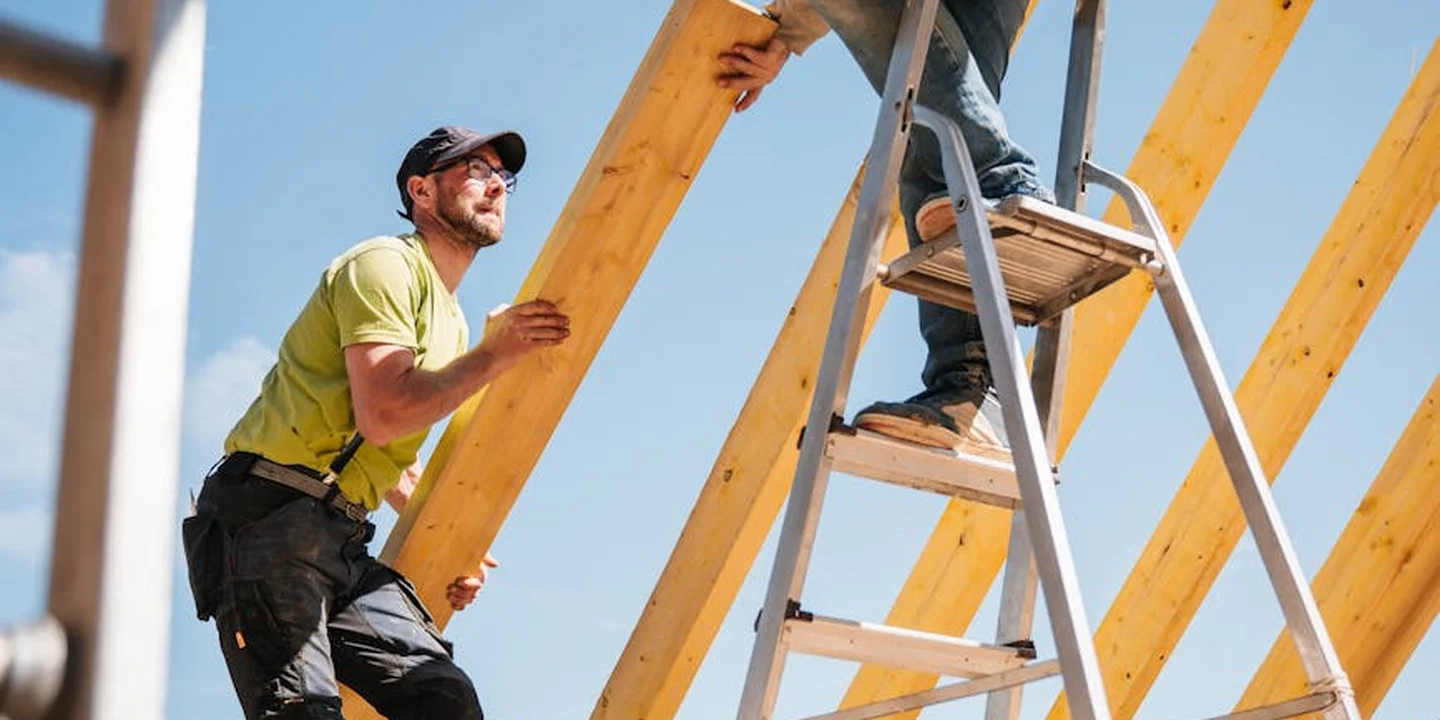
Once you spot the signs, the next step is taking control of the process. A methodical approach saves you money and prevents headaches.
Your first job is to become the project’s record keeper before you ever call a roofer. Grab your phone and take clear pictures from the ground and, if safely possible, from a ladder. Focus on the specific problems: those curled shingles, the dark streaks in the attic, the damaged flashing. This visual evidence is crucial. It helps contractors give accurate initial advice and protects you if there are any disagreements about the existing condition later.
Step 1: Document Everything with Photos
Think of this as building your case file. Good documentation makes you an informed customer.
- Take wide shots of each roof slope to show the overall condition.
- Take close-up photos of any damage, moss, or wear you can see.
- Don’t forget interior shots: attic stains, daylight peeking through, or damp rafters.
- Note the brand and style of your current shingles if visible; this helps with estimates.
Step 2: Get Detailed, Written Estimates
Never settle for a verbal quote or a single estimate. I tell my neighbors to get at least three, but four is better. The goal isn’t just the lowest price, but the clearest, most complete scope of work.
Only consider licensed and insured contractors. Ask for proof of both. Their insurance protects you if someone gets hurt on your property. A license means they’ve met local basic requirements.
When those estimates arrive, they must be in writing and should break down costs. Look for line items like:
- Removal and disposal of old roofing materials.
- Brand, type, and color of new shingles.
- Replacement of underlayment (that waterproof barrier under the shingles).
- Details on flashing repair or replacement around chimneys, vents, and valleys.
- Ventilation system upgrades or repairs.
If an estimate is just one big number, send it back. You need details to compare apples to apples.
Step 3: Ask the Right Questions
This is where you separate the crews from the cowboys. When you meet with contractors, have your list ready.
Ask about safety and compliance first. A professional crew follows OSHA guidelines. They should use proper fall protection harnesses, secure ladders, and set up work zone safety. If they shrug this off, show them the door. A safe crew is a careful, professional crew.
Then, dig into the project specifics:
- “Will you replace the underlayment, or just lay new shingles over the old?” (Full replacement is almost always better).
- “How will you address my attic ventilation? Can you calculate what I need?” (Proper ventilation extends roof life).
- “What is included in the warranty? Is it just the shingles, or is it an entire system warranty that covers labor?” (This is a huge difference).
- “Will you obtain the necessary building permits?” (The answer should be yes; it ensures code compliance).
Step 4: Understand Timeline and Prep Your Property
A good contractor will give you a realistic schedule. Roofing is weather-dependent, but they should block out days for your project. Ask about start time, crew size, and how long tear-off and cleanup will take.
Prepare your home by moving cars, clearing the yard of patio furniture and decor, and protecting items in the attic from dust. Trim back tree branches that hang over the roof if you can. Cover your prized shrubs near the house with tarps. A little prep prevents most common job-site issues.
A Note on Sustainable Choices
While you’re choosing materials, consider the long-term view. Sustainable options have moved beyond a niche trend. Metal roofing made from recycled content lasts 50+ years and is highly recyclable later. Cool roofing shingles reflect more sunlight, which can lower your attic temperature and energy bills. Some synthetic slate options replicate natural beauty without quarrying stone. Asking about these choices shows you’re investing in a roof that’s good for your house and its footprint.
Following these steps transforms a worrying discovery into a managed project. You move from feeling like a victim of a failing roof to being the informed manager of its replacement. Taking deliberate, careful action now leads to a secure, watertight home for years to come, and that’s the ultimate goal.
Common Questions
I’ve had bad roof repairs in the past. How do I handle that now?
Old, failing patches create weak spots. During your replacement, insist on a full tear-off to the deck so the crew can inspect and replace any rotted wood. Never layer new shingles over a history of quick fixes.
Should I just get the longest-lasting shingles, or upgrade to metal?
Consider your timeline and budget. A 30-year architectural shingle is a solid, cost-effective choice if you plan to stay 10-20 years. Metal costs more upfront but offers 50+ years of service; it’s a true legacy investment for your home.
What’s the very first thing I should do after a major storm?
From the ground, use binoculars to check for missing shingles, dented vents, or debris damage. Inside, immediately inspect the attic for any new moisture or daylight. Document everything with photos for your insurance claim and contractor.
Moving Forward with Roof Confidence
From my experience, the clearest sign you need a new roof is when repairs become frequent and no longer solve the core problem. Trust your eyes and the age of your materials-when multiple warnings like sagging, leaks, or bald shingles appear together, consulting a professional roofer is your smartest move.
Treating your roof as a critical, ongoing maintenance item is the mark of a responsible homeowner. I recommend you keep learning about proper care for your specific roof type to ensure it remains a safe, durable, and compliant shield for your home for years to come.
Ray Huffington
Ray is an experienced roofer. He has worked as a general contractor in the roofing industry for over 15 years now. He has installed and repaired all kinds of roofs, from small houses to large mansion, and from basic shingles to cement and metal roofs and even solar roof panels. He has seen homeowners struggle with roofing questions and always has experience based proven advice to help those in need. If you need roof pros, Ray's your guide.