
How to Buy Roofing Materials and Shingles: A Practical Guide to Costs and Sources
Starting a roof project and wondering where to even find the right shingles? Getting your materials from the wrong place can waste your money and compromise your roof’s safety. I’ve sourced materials for hundreds of jobs, and I’ll show you how to do it right. This guide covers where to find the best suppliers for your project, how to calculate the true cost of materials, and what separates a great source from a mediocre one.
Key Takeaways Before You Buy
Before you pick up the phone or drive to a supplier, lock down three things. Getting these wrong turns a weekend project into a costly headache.
First, nail down the exact quantity you need; buying 10% extra for waste is standard, but guessing will waste your money. Second, know how to check material quality on the spot-look for consistent color in shingles and intact wrappers on bundles. Third, read the fine print on warranties. Most manufacturer warranties are void if you, the homeowner, install them.
I’ve helped too many neighbors who thought a pallet of shingles was the main expense. It’s not. For a full roof replacement, the materials you buy often account for only 30-40% of your total project cost. Professional labor, old tear-off, and disposal fees make up the rest. If you’re DIY-ing, you’re trading cash for your own sweat and time.
Do your homework first. Have a simple sketch of your roof with basic measurements (length, width, pitch). Decide on your shingle brand and line, like GAF Timberline HDZ or CertainTeed Landmark. Walking into a store saying “I need shingles for my house” will get you a rough guess, not a firm price.
Finally, call ahead. Supply chains can still get tangled. Asking “are roofing shingles in short supply” or “what’s your lead time” can save you from a project stall. Last spring, I waited three weeks for a specific synthetic underlayment. A quick call would have told me that upfront.
What Are You Really Buying? Understanding Roofing Materials
Think of your roof like a winter coat. It’s not just the outer shell. You have layers-a base layer, insulation, and the tough outer jacket. A roof is the same. You’re buying a complete roofing system, and every piece must work together to keep water out.
The main components you’ll need to source are:
- Decking: The plywood or OSB boards nailed to your rafters. You only buy this if repairs are needed.
- Underlayment: The water-resistant barrier installed over the decking. Felt paper is the old standard, but synthetic underlayments are lighter and tougher.
- Shingles: The primary waterproof, decorative layer.
- Flashing: Metal (usually aluminum or galvanized steel) used to seal joints around chimneys, vents, and walls.
- Vents: Ridge vents, soffit vents, or box vents to keep your attic breathing.
- Drip Edge: The metal trim along the roof edges that directs water into the gutters.
Now, how are roof shingles sold? You don’t buy them by the piece. Shingles are sold by the “square.” One square covers 100 square feet of roof area. They come in bundles, and it typically takes 3 bundles to make one square. A bundle of standard architectural shingles weighs between 60 and 80 pounds. Always check the bundle label for the exact coverage. Calculate the squares needed for your gable roof area to ensure you get enough shingles for your project.
Your material choice sets your budget and determines where you can shop. The main families are:
- Asphalt Shingles: The most common. Affordable, widely available, and good for DIY. Sold at all major home centers.
- Metal Roofing: Panels or shingles. More expensive, very durable. Often sourced from specialized roofing suppliers or metal shops.
- Tile (Clay/Concrete) & Slate: Premium, heavy, and long-lasting. You almost always work with a specialty distributor and a pro installer.
- Wood Shakes: A classic look requiring specific climate conditions and maintenance. Found at lumberyards or specialty suppliers.
Your local building code is the final boss for material selection. Codes specify minimum wind resistance (like 110 mph wind rating) and fire ratings (Class A, B, or C). Using shingles that don’t meet your area’s code can fail inspection and void your insurance. Your supplier should know the local requirements, but it’s your job to verify.
The RoofMason Material Verdict: Comparing Your Options
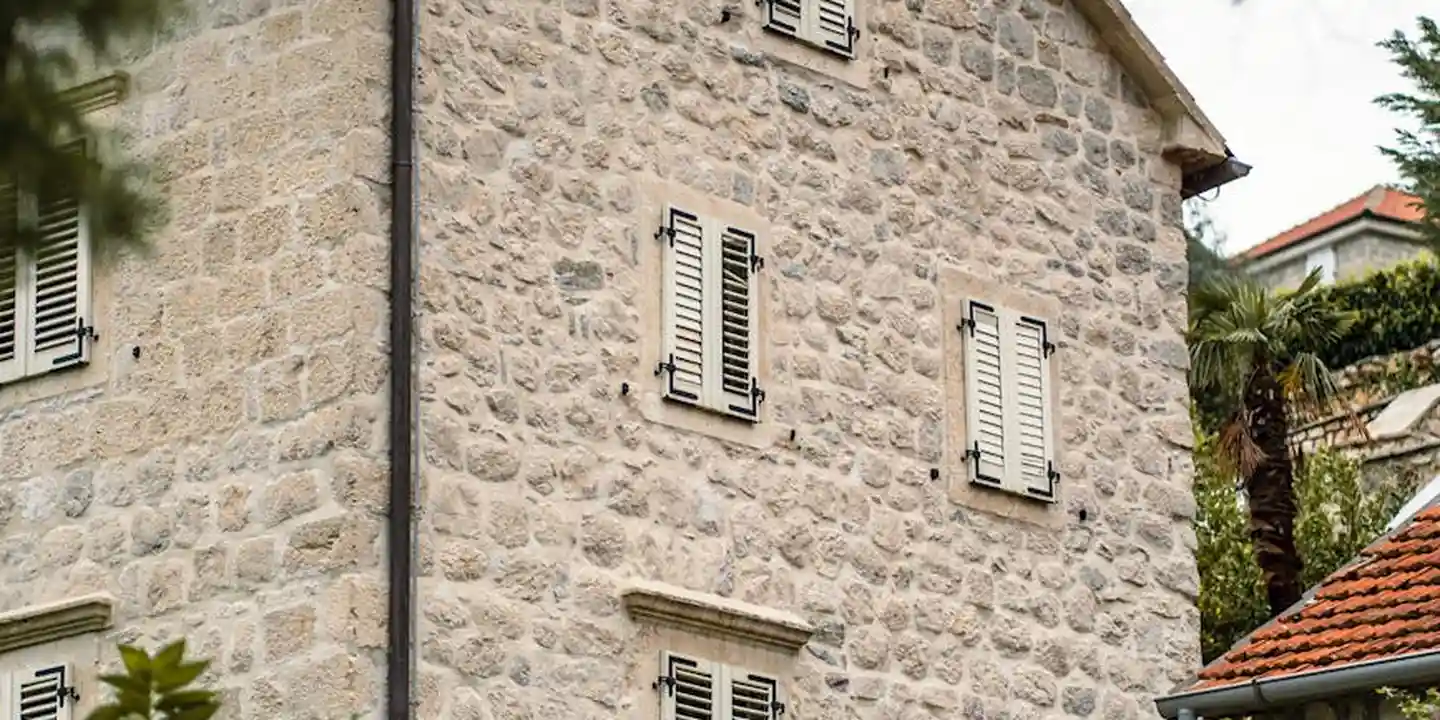
Picking roofing material feels overwhelming with all the sales pitches. Let me simplify it. I’ve torn off and installed hundreds of roofs. Here’s my straight talk on asphalt, metal, and slate.
Asphalt Shingles: The Everyday Champion
This is the roof on most houses in my crew’s service area. It’s the default for a reason.
Cost per square runs about $100 to $150 for the materials themselves, before installation. When installation is included, the roof replacement cost per square foot can vary widely by material and contractor. This helps explain why total costs are higher than material prices alone. Installed weight sits around 2 to 3 pounds per square foot. A typical three-tab shingle roof will last 20 to 25 years, while architectural styles can push 30. They fit almost any climate, but I see them wear faster in places with brutal, constant sun or heavy freeze-thaw cycles.
Standard impact resistance is low. A decent hail storm will bruise or crack them. You can buy impact-resistant versions rated for hail. They almost always carry a Class A fire rating, which is the highest. The best bang for your buck is when you need a dependable, code-compliant roof replaced quickly without breaking the bank. It’s the practical choice for a home you might sell in 10-15 years.
Metal Roofing: The Tough Performer
Metal has changed a lot. It’s not just for barns anymore. We install standing seam panels most often.
Material cost per square jumps to between $300 and $600 for steel or aluminum panels. The installed weight is light, usually 1 to 2 pounds per square foot. Lifespan is a major sell: 40 to 70 years with proper care. It’s a superstar in snowy climates because snow slides right off, and it reflects heat in hot, sunny areas.
Impact resistance is excellent. Hail might dent it, but it rarely punctures. Fire resistance is top-notch; it’s non-combustible. The best bang for your buck is on a home you plan to stay in for decades, especially if you deal with heavy snow or want to cut cooling costs. Just ensure your roof frame can handle the potential for sudden snow slides, for safety.
Slate Tiles: The Century Investment
Slate is the luxury sedan of roofing. It’s beautiful, but it demands a specific house and budget.
Be ready for a material cost of $600 to $1,500 or more per square. The installed weight is heavy, between 8 and 12 pounds per square foot. Lifespan is measured in generations-a well-installed slate roof can last 100 years or more. It fits best in stable, cooler climates without major seismic activity or acid rain. A slate roof cost guide can help you compare materials and installation options. It helps set expectations for the numbers you’ll see in the next steps.
Impact resistance is incredible. It laughs at hail. Fire rating? It’s stone, so it’s completely fireproof. The best bang for your buck is on a historic or high-value home where authenticity and unparalleled longevity are the primary goals. You’re paying for art that also shelters you. Remember, not every roof structure can carry this weight, so a structural check is non-negotiable.
What Most Homeowners Actually Choose (And My Take)
In my 20-plus years, over 80% of the jobs we do are asphalt shingle replacements. Why? The upfront cost is familiar, and the installation is straightforward for most crews. Homeowners understand the 25-year timeline. It simply makes sense for the average budget and house.
My personal rule is this: match the material to your long-term plan for the house, not just today’s price tag. If this is your forever home, stretching your budget for metal can pay off in durability and energy savings. But for reliable, safe coverage that meets code, asphalt shingles done right are still the smart, common-sense choice for most folks. I’ve never had a client regret a quality asphalt roof installation.
How Much Does a Roof Really Cost? Breaking Down the Numbers
Let’s talk real numbers. The price tag on a bundle of shingles is just the start. You need to see the whole bill of materials to budget right.
Material Costs Per Square
Roofers measure in “squares.” One square equals 100 square feet of roof area. Prices swing based on your location and the brand, but here are the typical 2024 ranges for the materials alone.
- 3-Tab Asphalt Shingles: $100 – $150 per square. This is the basic, budget-friendly option. I used it on sheds and detached garages for clients who needed a simple, functional roof.
- Architectural Asphalt Shingles: $150 – $400+ per square. This is the most common choice for homes today. They are thicker, last longer, and look much better than 3-tab. The higher end includes premium designer shingles.
- Metal Roofing (Panels): $300 – $800+ per square. Think of the corrugated panels you see on barns or modern standing seam roofs. Cost depends heavily on the metal type (steel, aluminum) and finish.
- Synthetic Slate/Polymer: $600 – $1,200+ per square. These products mimic slate or wood shake beautifully but are much lighter and easier to install. They are a top-tier, long-lasting material.
The “Hidden” Costs of a Roof Job
This is where DIY estimates fall apart. Your shingles are just the top layer; everything underneath is essential for a waterproof, lasting roof. Missing these items is like building a house without a foundation.
- Underlayment: This is the water-resistant barrier nailed directly to your roof deck. It’s your backup shield if water gets under the shingles. Budget $50 – $120 per square.
- Flashing: The metal (usually aluminum or galvanized steel) that seals joints and edges. You need it for walls, chimneys, and valleys. This can add several hundred dollars to your material pile.
- Pipe Boots & Vent Caps: Every plumbing vent and roof vent needs a new, watertight seal. Old ones crack and leak.
- Nails and Adhesives: Use the right ones. Galvanized or stainless-steel roofing nails cost more than a box of common nails but won’t rust and stain your roof.
- Dump Fees & Equipment: Tearing off the old roof creates a massive pile of debris. Renting a dumpster and paying landfill fees is a real cost. So is renting a nail gun, a ladder, or a lift if your roof is steep.
Material-Only vs. Professional Installation: A Real Example
Let’s take a typical 2,000 sq ft house (that’s 20 squares).
If you buy mid-range architectural shingles yourself at $250 per square, your shingle cost is $5,000. Now add the hidden items: underlayment, flashing, nails, vents, and dump fees. Your total material cost likely lands between $7,500 and $9,000.
A professional quote for the same job will typically be between $15,000 and $25,000. Where does the extra money go? It pays for the crew’s skilled labor, their insurance, their warranty on the work, and their expertise in installing every component correctly the first time. They also handle all the material sourcing, delivery, and cleanup.
FAQ: What are the costs of roofing materials and roof shingles?
Here’s a simple table to compare the main material types. Remember, these are material-only costs per square (100 sq ft). Installation adds significantly more.
| Material Type | Average Material Cost Per Square | Best For |
|---|---|---|
| 3-Tab Asphalt | $100 – $150 | Budget projects, sheds, low-priority roofs. |
| Architectural Asphalt | $150 – $400+ | Most residential replacements. Offers the best balance of cost, durability, and looks. |
| Metal Panels | $300 – $800+ | Longevity, modern aesthetics, and areas with heavy snow. |
| Synthetic Slate | $600 – $1,200+ | Homeowners wanting a premium, historic, or wood-shake look without the weight or maintenance. |
Prices vary by region and brand. Always get specific quotes for your project.
Repair or Replace? A Cost-Benefit Analysis
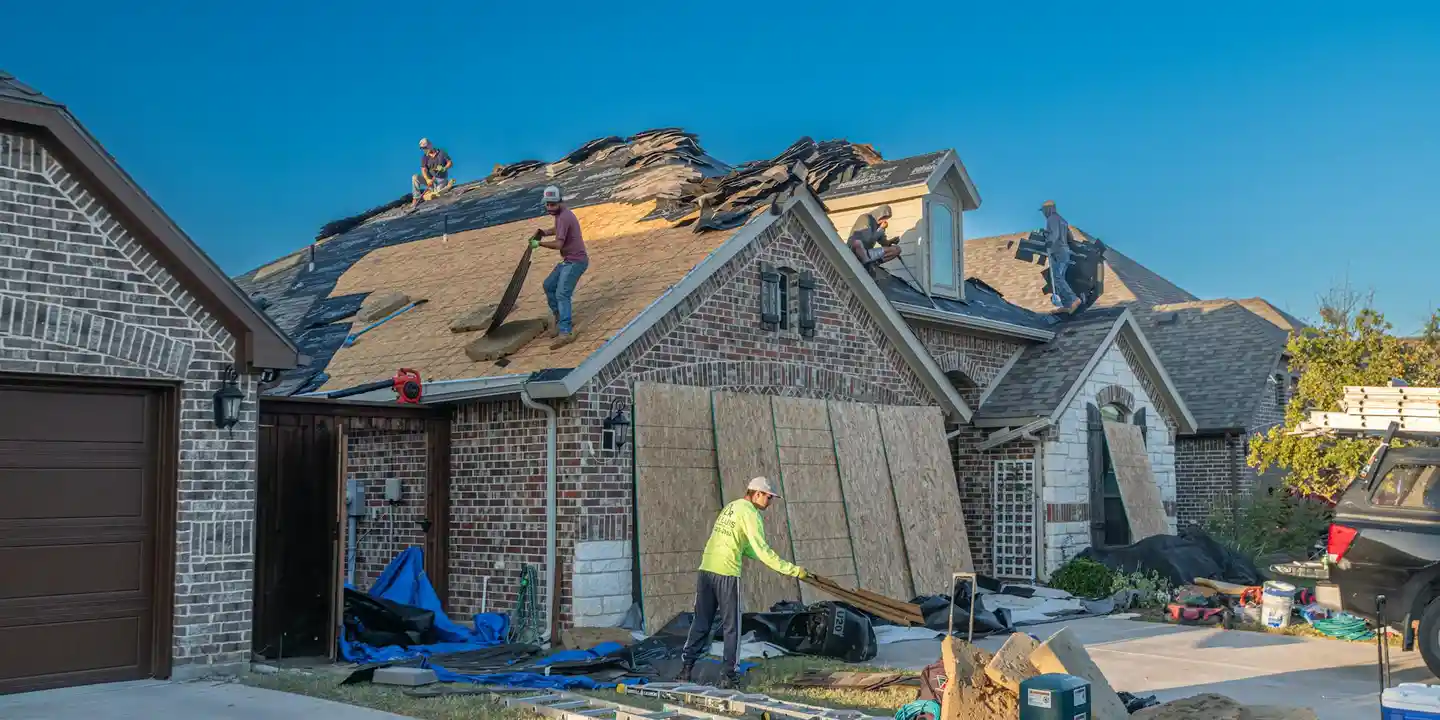
Facing roof damage feels stressful. I get it. The key is to assess the scope like a pro, not panic and throw money at the first fix you see. A smart repair can save you a fortune, but a bad one is just delaying the inevitable bill.
Think of a patch job as first aid for your roof. It works great for a specific injury. Last summer, my crew fixed a wind-damaged section on a 5-year-old roof for under $800. That repair is still holding strong. Targeted fixes are cost-effective when the rest of the roof is in good shape.
But patching becomes a “waste of money” band-aid on a systemic problem. If the roof is old or the decking is rotten, you’re just covering up the issue. I’ve seen too many homes where repeated patches led to massive interior water damage. Pouring money into a failing roof is like fixing one broken step on a crumbling staircase.
Breaking Down the Price Tags
Let’s talk numbers so you know what ballpark you’re in. These are national averages, and your cost will depend on your roof size and location.
- DIY Repair Kits & Materials: For a small leak or a few shingles, you might spend $50 to $300. This is only if you’re comfortable on a ladder and understand roofing basics.
- Professional Spot Repair: Hiring a licensed contractor for a quality patch typically ranges from $300 to $1,200. They’ll seal it properly and check for code compliance.
- Full Roof Replacement: This is a major project. For a standard asphalt shingle roof on an average home, plan for $8,000 to $25,000. Premium materials like metal, slate, or tile start at $15,000 and go way up.
Always get itemized quotes. A detailed quote separates honest roofers from those who might cut corners on safety or materials.
The Clear-Cut Verdict
After 20 years on roofs, I use a simple rule of thumb. Here are the signs that point to the right choice.
3 Signs a Repair is Sufficient:
- The problem is localized. You have one leak in one area after a single storm event.
- Your roof has most of its life left. For example, asphalt shingles under 10 years old.
- A close inspection shows no widespread granule loss, curling, or soft spots in the deck.
3 Signs You’re Throwing Good Money After Bad:
- You’re chasing leaks. Every season, a new drip appears in a different room.
- Daylight is visible from your attic in multiple places, indicating widespread failure.
- The shingles are brittle and cracking to the touch across more than 30% of the roof.
If replacement is the answer, look into selling your old materials. Salvaging materials like slate or clay tiles can significantly offset your new roof cost. I’ve had clients ask me, “can i sell my slate roof tiles?” The answer is often yes. Architectural salvagers and even other homeowners looking for vintage materials will pay for good-condition slate. It turns waste into cash.
Where to Buy Roofing Materials: Pros, Cons, and Trade Secrets
Choosing where to buy is just as important as choosing what to buy. The right source can save you money, headaches, and trips back to the store. I’ve hauled materials from every type of supplier imaginable, and each has its place.
Big-Box Home Improvement Stores
Stores like Home Depot and Lowe’s are the go-to for most DIYers. Yes, Home Depot sells metal roofing, asphalt shingles, and most basic materials.
- Pros: Massive convenience with weekend and evening hours. You can buy small quantities. Prices on common items are competitive. Easy returns are a lifesaver.
- Cons: Staff expertise is hit-or-miss. Their selection of high-end or specialty materials (like certain metal panels or slate) is limited. You’ll rarely find contractor-grade underlayment or the best flashing details here.
I use big-box stores for small repair jobs, tools, and accessories, but I rarely source a full roof from them. The quality tier is often the “retail” version, not the heavier “contractor” grade I prefer.
Local Roofing Supply Yards
These are the hidden gems of the industry. They supply professional roofing contractors every day.
- Pros: Expert staff who know installation details. They carry the full product lines from major manufacturers, including the pro-grade materials. Better bulk pricing. They can often order exactly what you need.
- Cons: Hours are typically weekday-only and end early. Many require an account or business license to purchase. Some have high minimum order requirements for delivery.
My crew lives at these yards. To buy from one, simply call ahead, ask about their policy for homeowner sales, and be prepared to pay with cash or credit card. Be polite and specific about your project; their knowledge is worth its weight in gold.
Direct from the Manufacturer
You usually can’t walk into a GAF or Owens Corning factory and drive out with shingles. “Direct” typically means buying through the manufacturer’s certified network.
- Pros: Access to the full product catalog and warranty programs. You’re guaranteed authentic materials.
- Cons: Almost always requires going through an authorized distributor or installer. Minimum orders can be a full truckload. You handle all freight and logistics.
This route is for large, specialized projects. For example, if you need a specific color of standing seam metal, going direct ensures color match across all batches.
Online Retailers
Websites now sell everything from synthetic underlayment to copper valleys.
- Pros: Incredible selection of niche and high-end products you can’t find locally. Easy price comparison.
- Cons: Massive freight costs, especially for heavy shingles or long metal sheets. You cannot inspect materials before they arrive. Returns are a logistical nightmare. Critical delivery timing for a project is hard to manage.
I only order specialty items online, like a specific historic tile or a rare tool, and I always factor in at least 15% extra for shipping surprises. Never order your main roofing components this way unless you have no other choice.
How to Find Specialty Distributors
Need a specific brand like Siplast, Malarkey, or F-W? Don’t just search blindly.
- Go to the manufacturer’s official website. Look for a “Where to Buy” or “Find a Distributor” tool.
- Enter your zip code. It will list authorized suppliers.
- Call those suppliers. Ask if they sell to homeowners and what their requirements are.
Manufacturers tightly control who sells their premium products to protect their brand and warranty standards. This tool is the only reliable way to find a true, authorized source.
Where to Purchase: Your Practical Cheat Sheet
The best source depends entirely on your project’s size and your skill level. Here’s how I break it down.
| Project Type | Best Source | Reason |
| Small repair (fixing a leak, replacing a few shingles) | Big-Box Store | Convenience and small quantity availability outweigh the need for pro-grade materials. |
| Full roof replacement (DIY) | Local Roofing Supplier | You need pro-grade materials, expert advice on quantities, and proper accessories. Build a relationship. |
| Full roof replacement (hiring a contractor) | Let your contractor source it | They have established accounts, get better pricing, and manage delivery and logistics. This is part of what you pay for. |
| Specialty roof (slate, clay, specific metal) | Manufacturer’s Local Distributor | Ensures you get the right materials and full system warranty. They know the unique installation details. |
Your goal is to get the right materials, at a fair price, from someone who can answer your questions. For any project bigger than a shed, a local roofing supply yard is almost always your winning bet.
How to Buy Like a Pro: The Step-by-Step Process
I’ve seen too many DIY projects and even small contractor jobs get delayed or go over budget because the material buy was wrong. Follow these steps and you’ll avoid the common headaches.
Step 1: Get your final, accurate measurements (including waste factor).
Guessing is how you end up four bundles short on a Saturday afternoon. Never measure just the footprint of your house. You must measure each roof plane’s length and width to calculate its square footage.
The most critical number is your “square” count, where 1 square equals 100 square feet of roof area. Three bundles of standard architectural shingles typically cover one square.
You must add a waste factor. For a simple gable roof, add 10%. For a roof with hips, valleys, dormers, or lots of cutouts for chimneys, plan for 15% waste. If your roof calculates to 22 squares, buying for 22 squares will leave you short.
Step 2: Source all components, not just shingles.
Shingles are the jacket, but you need the whole outfit. Missing one item stops the whole job. Your complete shopping list includes:
- Shingles (based on your squares + waste)
- Roofing felt (synthetic underlayment is my strong preference)
- Drip edge for all eaves and rakes
- Ice and water shield for eaves, valleys, and penetrations
- Ridge cap shingles or hip/ridge rolls
- Roofing nails (coated, 1 1/4″ to 1 1/2″ for asphalt)
- Valley metal or woven valley shingles
- Ventilation (ridge vent, off-ridge vents, etc.)
- Pipe boots, vent flashings, and caulk
And yes, to answer a common search, big box stores like Walmart or Home Depot do sell roofing tar in cans and roof cement. I keep a can in my truck for small emergency patches, but for a new roof or major repair, use proper, modern flashing methods instead. Tar is a temporary fix, not a proper seal.
Step 3: Verify quality at pickup.
Do not assume every bundle is perfect. I open the back of my truck right at the loading area and do a quick check. Look for three things:
- Damage: Reject any bundle with torn wrapping, broken or badly bent shingles. Water can get in and compromise the seal strips.
- Granules in the wrapper: A small amount is normal. A pile of granules at the bottom of the bundle means the shingles were handled roughly and have lost some protective coating.
- Manufacture Date: Find the sticker. Shingles are best used within a year of manufacture. Old stock can have brittle sealant strips that fail to activate in the sun.
This takes two minutes and has saved my crew from starting a job with bad materials more than once.
Step 4: Handle logistics.
Getting materials to your roof is a physical challenge. If you’re having materials delivered, ask about the fee. Some suppliers include it with a minimum order. Be specific about where you want the pallets dropped. Not on your septic tank, not on soft ground, and not blocking your driveway if you need to leave.
Plan your on-site storage on a flat, solid surface and cover the materials with a tarp if rain is possible. Keep the bundles flat. Never store them on their side, as this can warp the shingles. If you’re loading yourself, remember a single bundle of shingles weighs 60 to 80 pounds. Lift with your legs, not your back.
Special Considerations for Metal and Specialty Roofs
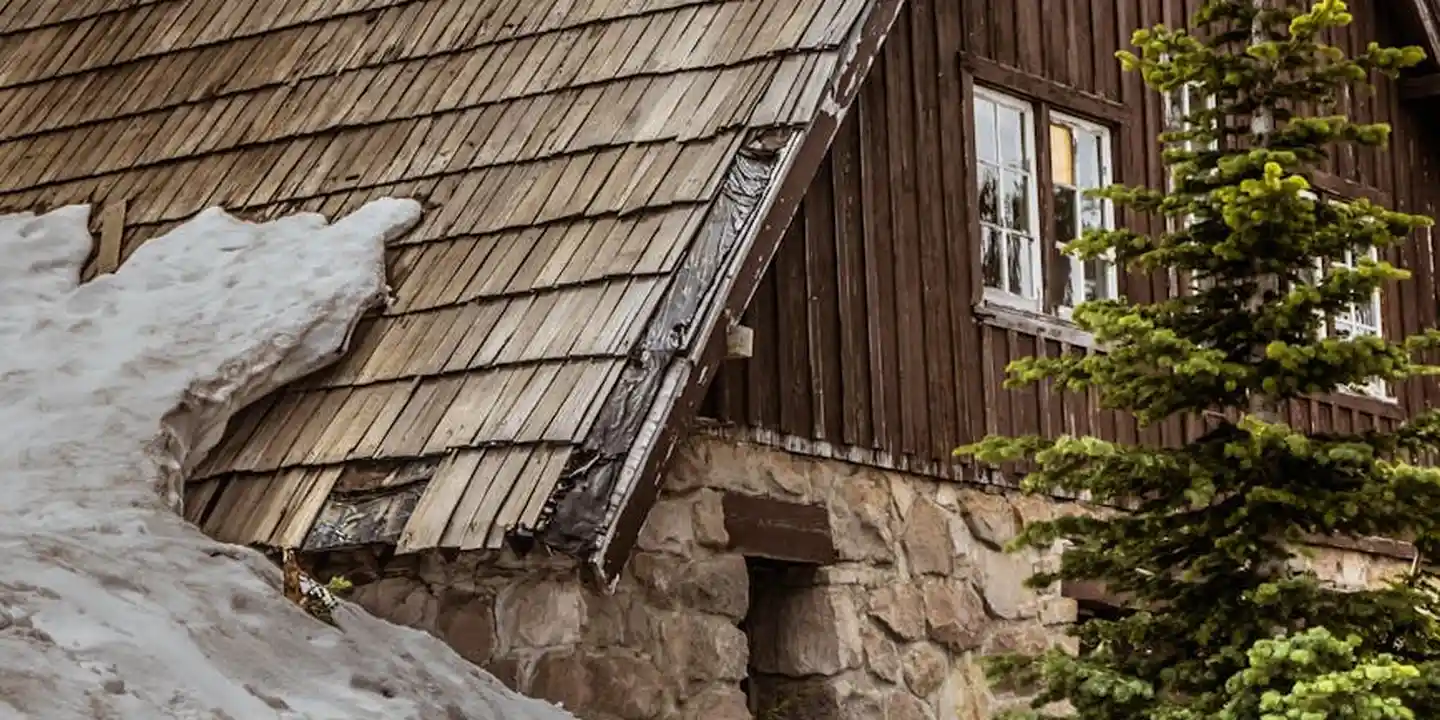
Buying shingles at a big box store is one thing. Getting the right parts for a metal, slate, or tile roof is a different game.
For these specialty roofs, the supplier is often your partner as much as the seller.
Why Metal Roofing Isn’t “Off-the-Shelf”
You don’t just grab a box of metal panels. Most quality metal roofing is sourced through regional fabricators or specialized distributors, especially when considering various types and materials for your home.
I work with a local fabricator who makes panels to order. I give them the exact measurements from the job site, and they roll the panels to that specific length.
This custom fabrication is the single biggest reason you can’t treat metal roofing like other materials. It prevents wasteful seams and gives you a cleaner, more watertight finish. For residential metal roof installation, that kind of precision matters for a durable, weatherproof home. It also helps streamline the installation process and long-term maintenance.
The Critical Details: Length, Trim, and Fasteners
Forgetting the small parts will wreck a big project. With specialty roofs, the details are everything.
Panel length is your first priority. Long panels mean fewer end laps, which reduces leak points. But you need a plan to get a 40-foot panel onto a roof safely.
Trim pieces-the flashings for ridges, eaves, and rakes-are not optional extras. They are the armor that seals the edges.
Always use the fasteners the panel manufacturer specifies, usually with a matching color head and a sealed washer. Mixing and matching here invites rust streaks and leaks. I keep the spec sheet from the supplier on-site to double-check every box.
Specialized Underlayment and Tools
The wrong base layer can trap moisture and rot your deck from below. The wrong tool can crush a panel or crack a tile.
For metal roofs, you often need a high-temp synthetic underlayment. Asphalt-saturated felt can degrade from the heat a metal roof reflects.
For slate and tile, a heavy-duty waterproof membrane is common, especially in valleys and at eaves.
The tools are different, too. You need:
- Snips or a shear for cutting metal, not a grinder (the heat damages the finish).
- A slate cutter or diamond blade saw for slate.
- Special tile nibblers or cutters for clay or concrete tiles.
Using the wrong tool is a fast way to ruin expensive materials and compromise your roof’s weather resistance.
The DIY Reality Check
I’ve been called to fix DIY metal and slate jobs. It’s almost always more expensive to fix than if a pro had done it right the first time.
The learning curve is steep. Seaming metal panels, aligning the complex overlap of tiles, or drilling and hanging a heavy slate tile correctly takes practice.
One misstep, like over-driving a fastener or cracking a hidden tile, creates a leak path you might not find for years.
For these roofs, hiring a certified installer isn’t just about skill-it’s about having a single point of responsibility for the entire material and labor system. A good pro sources the right materials, uses the right methods, and stands behind the finished roof.
The Big Decision: Should You Buy Materials Yourself or Let Your Contractor?
I’ve seen this question create more tension between homeowners and crews than a misplaced nail. The answer isn’t simple. It depends completely on your project and your own hands-on skill.
Let’s break down when it might make sense for you to take on the buying.
When Buying Materials Yourself Makes Sense
There are two clear situations where I tell friends and family to handle the purchase themselves.
- Small, Defined Repairs: You need five bundles of shingles to fix wind damage on one corner. You’re replacing a 10-foot section of gutter. These are simple, one-product trips. You can walk into a supply house, get exactly what you need, and the installer (maybe you) has no question about what they’re working with.
- You Are Your Own General Contractor: This is for seasoned DIYers managing a whole roof project. You’re hiring the labor crew directly and you want to control the material budget and selection. This path requires you to know exactly what to order, in what quantities, and to handle all the logistics of delivery and returns.
The Major Risks of Supplying Your Own Materials
For any full roof replacement or major repair, supplying materials often backfires. Here’s what I’ve witnessed go wrong.
- You Void the Manufacturer’s Warranty: This is the biggest one. Most premium shingle warranties require “professional installation” by a certified contractor using contractor-purchased materials. If you buy them, the manufacturer may reject a future warranty claim outright.
- Supplier Disputes Fall on You: If a bundle has defective shingles or the color batch is wrong, the roofing crew will point at you. You now have to argue with the supplier for an exchange. The project halts until you sort it out.
- You Pay Retail, Not Contractor Price: Professional roofers get significant discounts you cannot access. You might think you’re saving money, but you’re often paying 15-20% more for the same pallet of shingles.
- Missing the Hidden Items: A roof is more than shingles. It’s ice and water shield, synthetic underlayment, starter strips, hip and ridge caps, and proper nails. Miss one item, and your crew is waiting again.
My Final Recommendation
For patches and repairs you’re doing yourself, buy the materials. You learn the process and retain full control.
For any project involving a hired roofing crew, especially a full replacement, let the contractor supply everything. The warranty protection and single-point responsibility are worth far more than the perceived savings. A reputable contractor will provide a detailed materials list in their quote, so you know exactly what product is going on your home.
So, What Are the “Best Sources”?
You might want a name like ABC Supply or Beacon. The truth is simpler.
The best source is the one your trusted, local roofing contractor has a relationship with. They have an account there. They get reliable delivery times, consistent quality, and support if an issue arises. Their preferred supplier is “best” because it keeps your project running smoothly.
If you’re doing it yourself, a local, professional roofing supply store is better than a big-box retailer. The staff often has more roofing-specific knowledge to help you avoid costly mistakes.
Common Questions
How can I be sure the shingles I receive are good quality?
Inspect every bundle before it leaves the supplier. Check for torn wrappers, excessive granules in the bag, and a manufacture date within the last year-old stock can have brittle sealant strips.
When is the best time of year to buy materials for a roof replacement?
Plan to purchase in the late fall or winter when demand is lower; you’ll find better availability and sometimes better pricing. Always call your supplier ahead of your project to confirm lead times and avoid delays.
What’s the first thing I should check after a new roof is installed?
Walk your property and inspect the ground for leftover nails or debris-this is a safety must. Then, visually scan the roof lines from the ground for any obvious issues like uneven shingle alignment or misplaced flashing before making final payment.
Smart Sourcing for a Solid Roof
After decades of installations, I know your roof’s lifespan hinges on buying quality materials from a supplier you trust. Get the product data sheets and confirm the ratings match your local weather and building codes.
Own your roof’s health by scheduling regular, safe inspections and addressing small issues promptly. A roof damage inspection guide can highlight warning signs to watch for after storms. It also provides a practical, step-by-step approach you can use with regular inspections. Continue your education with reliable guides on roof care and maintenance for your specific material to make confident, long-term decisions.
Ray Huffington
Ray is an experienced roofer. He has worked as a general contractor in the roofing industry for over 15 years now. He has installed and repaired all kinds of roofs, from small houses to large mansion, and from basic shingles to cement and metal roofs and even solar roof panels. He has seen homeowners struggle with roofing questions and always has experience based proven advice to help those in need. If you need roof pros, Ray's your guide.