
Is Your Roof Failing Faster? How to Adapt Maintenance for Climate Change
Does your roof look more worn after every season? From my crew’s experience on roofs across the country, the answer is almost always yes now.
Climate change isn’t a future threat; it’s cracking shingles and straining seams today. I’ll explain how to shift your care routine to match.
- Specific weather forces degrading your roof materials faster than ever.
- Critical changes to make in your twice-yearly inspection routine.
- Proactive repairs that prevent small damage from becoming a major leak.
How the new weather reality is beating up your roof
Climate change is more than just more storms. It’s an accelerated wear-and-tear cycle for your roof. I’ve watched it happen on houses across my city.
Traditional 20 to 30 year lifespans are getting squeezed. A roof that might have made it 25 years a decade ago could be failing at 15 years now, especially when roof shingles don’t hold up. The new weather patterns are that harsh.
This means you need to shift from passive to active roof management. You can’t just assume it will hold up. You need to inspect it regularly and address small problems before they become big, expensive ones.
The four biggest climate threats to your roof’s health
Homeowners often ask me, “What are the primary climate change factors affecting roof durability?” After decades on roofs, I see four main enemies.
- Thermal Shock: Wild swings in temperature.
- Intense Precipitation: Heavier rain and larger hail.
- High Wind Events: Stronger, more frequent gusts.
- Elevated UV and Humidity: More powerful sun and muggier air.
Think of your roof like a family car. It used to drive on smooth highways. Now, it’s driven daily on a rocky, potholed road. The abuse is constant, and everything wears out faster.
Thermal shock and the expansion/contraction cycle
How does increased temperature variability impact roofing materials? It stresses them like nothing else.
All materials expand when hot and contract when cold. When a 90-degree day drops to 50 degrees at night, your shingles, flashings, and sealants are constantly moving. This isn’t a gentle stretch. It’s a violent cycle.
This relentless expansion and contraction leads directly to cracked shingles, failed sealants around vents, and stressed, popping fasteners. I’ve replaced entire sections where the constant flexing snapped the shingles right along the nail line.
Extreme rain, hail, and wind events
What role do extreme weather events play? They deliver knockout punches to an already tired roof.
Today’s “once in a lifetime” storm seems to come every few years. Each one leaves cumulative damage you might not see from the ground. A few torn shingles here, some bruised spots there. It adds up fast.
High winds create uplift that can peel shingles back like a banana. Hailstones leave soft spots in asphalt that turn into leaks months later. Torrential rain can overwhelm old, brittle valleys and clogged gutters in minutes. Your roof’s drainage system wasn’t built for this new volume of water.
Soak and bake: humidity and UV radiation
Rising humidity creates a perfect breeding ground for trouble. It feeds moss and algae growth, which can lift shingles and trap moisture.
That dampness gets into the decking and sheathing, leading to slow, hidden wood rot. You won’t know until you see a ceiling stain or feel a soft spot.
At the same time, stronger UV radiation is baking your roof. It breaks down the asphalt in shingles, making them brittle. It degrades plastic pipe boots and vent seals. It’s a brutal one-two punch: soak it, then bake it dry until it cracks.
The RoofMason Material Verdict: Choosing a roof for the future
Picking a roof now is less about color and more about climate armor. You need to think about weight, impact resistance, fire rating, and how long it will really last with the new normal, especially when considering synthetic roofing materials vs traditional options.
Choose for resilience first, and let aesthetics follow. Here’s my take, from a roofer’s perspective, on how common materials stack up.
Asphalt shingles in a hotter, stormier world
Asphalt is the most common roof, but it’s taking a beating. Expect a shorter lifespan. Granules will shed faster under intense UV, and thermal shock is its biggest weakness.
If you go with asphalt, never choose basic 3-tab shingles. Always use architectural or dimensional shingles for their better wind resistance and durability. When you’re weighing options, compare different roof shingle materials to choose the best fit for your climate and budget.
In hail-prone areas, spend the extra money on impact-resistant shingles with a Class 4 rating. I’ve seen them take a direct hit from golf-ball-sized hail and still look fine, where standard shingles would be shredded.
Metal roofing: A strong climate contender
Metal is a top performer for the new climate. It handles wind uplift beautifully, won’t catch fire, and expands and contracts uniformly without cracking.
You have two main choices. Standing seam metal is superior-the fasteners are hidden, so there’s less risk of leaks. Exposed fastener metal is cheaper but requires more maintenance as the screws can work loose over time.
Consider a reflective “cool roof” coating for metal. It bounces sunlight away, combats the urban heat island effect, and can seriously cut your home’s cooling costs. I’ve seen attic temperatures drop by 20 degrees after a proper coating, especially when trying to reduce heat transfer on a black metal roof.
Specialty materials: Slate, tile, and synthetic options
For areas with brutal sun, people ask about the best materials for increased UV radiation. Natural slate and clay or concrete tile are champions here. They naturally resist UV and fire, and they can last a century.
The catch is weight and cost. Your home’s structure must support them, and the installation is a specialist job. It’s a big investment.
Modern synthetic composites-made from polymer or rubber-are a smart, lightweight alternative. They mimic the look of slate or wood but won’t crack from thermal shock. They’re highly impact-resistant and often come with 50-year warranties. On my own crew’s jobs, we’re using more of these every year for their all-weather toughness.
Adapting your roof maintenance strategy: A practical guide
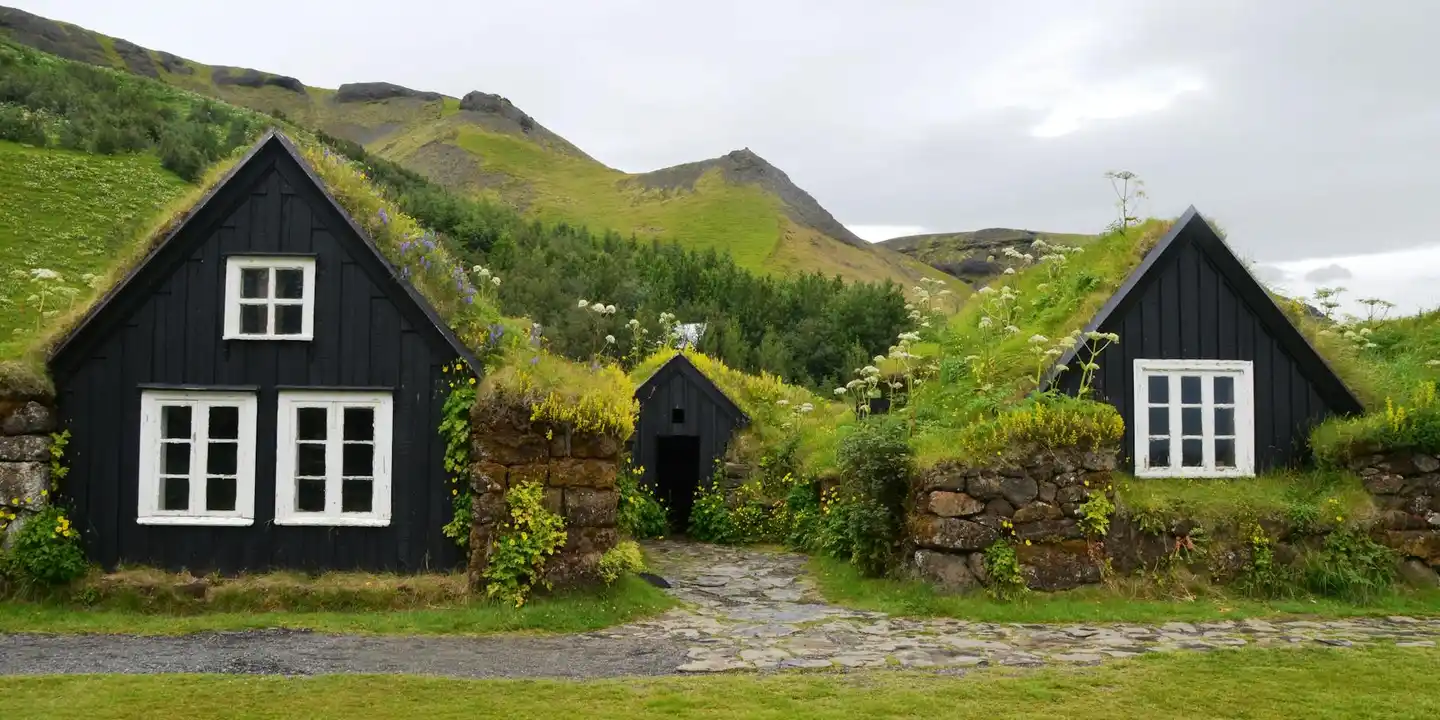
Forget the old way of thinking. A roof isn’t something you just fix when it leaks. With today’s weather, you’re managing a system under constant, heavier stress.
Your new job is to be a proactive manager, not a reactive repair person. This means checking on it more often and making small, smart upgrades before big storms test its limits.
How to inspect your roof for climate-related damage
You can’t use an old checklist for new problems. Your inspection routine needs an update. Here’s what to look for now.
Grab a good pair of binoculars and check your roof from the ground after every major weather event. Never climb onto a wet, steep, or damaged roof.
- Granule Loss in Gutters: Those little black sand grains in your gutters aren’t just dirt. They’re the protective coating being baked off your shingles by intense UV rays and heat. A lot of granules mean your shingles are aging faster.
- Cracked or “Alligatoring” Shingles: Look for shingles with splits that look like alligator skin. This is classic thermal shock damage from wild temperature swings (a hot day followed by a cold night).
- New Moss or Algae Patches: More humidity and rain create perfect breeding grounds. Moss holds moisture against your roof 24/7, which rots wood and lifts shingles.
- Minor Wind Tears: Don’t just look for missing shingles. Check the edges and corners of shingles for small tears or lifting. These are entry points for the next heavy rain.
Hardening your roof against wind and water
Prevention is cheaper than a tear-off. When you’re getting repairs or planning a replacement, these are the upgrades to ask your roofer about.
Talk to a licensed contractor about adding structural connectors like hurricane clips. These metal braces tie your roof rafters directly to your wall frames. They don’t stop wind from hitting your roof, but they stop the whole roof from lifting off your house.
For water intrusion, the defense starts underneath. A premium upgrade is to seal the seams of your roof deck with a specialized tape before the underlayment goes down. This prevents wind-driven rain from getting in through the gaps between plywood sheets.
Insist on a full water and ice barrier underlayment at the eaves, not just traditional felt paper. This is a sticky, rubberized membrane that seals around nails. When ice dams form or rain blows uphill under your shingles, this layer is your last line of defense before water hits your attic.
Beyond gutters: Managing water in an age of downpours
Your gutters are the first responders to a deluge. If they fail, your roof, siding, and foundation pay the price.
Older homes often have 5-inch gutters. Upgrading to a 6-inch gutter system can handle nearly 50% more water volume. More downspouts are also critical. The goal is to get water off the roof and away from your house as fast as possible.
Where that water lands matters just as much. A downspout that dumps water right next to your foundation is asking for a flooded basement. Extend your downspouts at least 5 to 10 feet away from your house.
I use sturdy PVC extensions on my own home and direct them toward a sloped splash block or a buried rain dispersal system. This simple step prevents soil erosion and keeps your basement dry.
Roof Integrity & Lifespan Report in a changing climate
The old lifespan charts are becoming optimistic. A 30-year shingle in a stable climate might only deliver 20-25 years under punishing heat cycles and constant storm stress. You have to factor in this accelerated wear when making decisions.
The question shifts from “How old is it?” to “How well is it holding up under these new pressures?”
Red flags that mean your roof is losing the climate battle
Some problems are too big for a patch. Here are the signs that your roof system is failing.
- Widespread Curling or Cupping: If shingles across entire roof sections are curling at the edges or cupping in the middle, the material is fatigued. It can’t handle the expansion and contraction anymore.
- Multiple Layers of Old Roofing: A roof with two or more old layers is much heavier and traps heat. In a high-wind event, it’s more likely to fail catastrophically.
- Recurrent Leaks After Every Storm: If you’re fixing a new leak in a different spot after every heavy rain or wind event, the problem is systemic, not localized.
- Significant Moss With Deck Rot: If you can push a screwdriver into the roof sheathing (the wood under the shingles) in a mossy area, the structure is compromised.
When you see these red flags, you’re past the point of simple repairs. You’re managing failure. It’s time to plan for a full replacement with modern, resilient materials.
Understanding the long-term cost of adaptation
Yes, a climate-tough roof costs more upfront. Impact-resistant shingles, better underlayment, and structural upgrades add to the initial estimate. Considering the pros and cons of different roofing materials and styles can help you balance upfront costs with long-term value. From asphalt shingles to metal and tile, each style brings its own durability, maintenance needs, and curb appeal.
But you have to compare that to the long-term cost of the old way. Think of the upgrade cost as buying insurance against future repair bills and preventable interior water damage. One avoided major leak paying for drywall, insulation, and flooring repairs can justify the investment.
There’s also a potential financial benefit. Many insurance companies offer a premium discount for roofs certified as impact-resistant (like Class 4 rated shingles). Call your agent and ask. It won’t pay for the whole roof, but it helps offset the cost over time. Additionally, roof insurance claims can influence premiums, so a qualifying roof could help keep future costs down. See how this certification might affect your policy and rates with your insurer.
The Homeowner’s Climate-Adaptive Maintenance Log
Think of your roof like a car. You can drive it for years without an oil change, but it will die young. A small, consistent maintenance habit is the best investment you can make. This simple seasonal log adds years of life to your roof by stopping small problems before they get expensive.
Do these small tasks yourself or schedule them with a pro. Either way, you are in control.
Spring (post-storm season check)
Winter is hard on a roof. Spring is your time to assess the damage from ice, wind, and heavy rain. Get this done after the last major storm of the season passes. Keep winter roof repair best practices in mind as you plan any fixes. This will help ensure repairs hold up through spring and beyond.
- Inspect for winter and spring storm damage. From the ground with binoculars, look for shingles that are cracked, curled, or completely missing. Check metal vents for dents. Look for granules in your gutters; a lot of them means your shingles are wearing thin.
- Clean gutters and downspouts of spring debris. Pine needles, seed pods, and winter grime clog the system. After cleaning, run a hose from the far end of the gutter toward the downspout. The water should flow quickly, with no pooling. If it pools, your gutter is sagging and needs adjustment.
- Look for new moss or algae growth and treat it early. A damp spring makes moss spread fast. If you see dark streaks or green fuzz, use a moss killer made for roofs. I use a simple pump sprayer. Scrubbing can damage shingles, so let the treatment do the work.
Late Summer (pre-fall storm prep)
This is the calm before the fall storm season. Your goal is to reduce risks from wind and manage the damage from summer’s extreme heat.
- Trim back any tree branches that have grown close to the roof. Summer growth is surprising. Branches rubbing on shingles sand off the protective granules. In a windstorm, they can punch right through. Keep a clear buffer of at least six feet.
- Check seals around vent pipes, skylights, and chimneys. The summer sun bakes and cracks the rubber or caulking seals. From a ladder, look for gaps, cracks, or brittleness. A small tube of roofing caulk can fix most spots and prevent a major leak later.
- Ensure attic ventilation is unobstructed. Go into your attic. Feel for intense, stagnant heat. Look at your soffit vents from the outside; are they blocked by insulation or paint? Proper airflow pulls heat out, which stops shingles from baking and curling prematurely.
Late Fall (winter readiness)
This is the most critical check of the year. Your job is to prepare the roof for ice, snow, and the brutal freeze-thaw cycle.
- Clean gutters again after leaves fall. Do not skip this. A clogged gutter is the number one cause of ice dams. When melting snow can’t drain, it backs up under your shingles and into your home.
- This second cleaning is now non-negotiable. I get asked all the time if one cleaning a year is enough. With the heavier, wetter snow and unpredictable rain we see now, it is not. Think of the fall clean-out as putting on your roof’s winter coat.
- Visually confirm all flashing is secure. Flashing is the metal that seals roof joints, like where it meets a wall. Before winter, walk around your house. Look for pieces that are bent, loose, or pulling away. Freezing water will exploit any tiny gap and make it a big problem by spring.
Quick Answers
What are the best materials for roofs in areas with increased UV radiation?
Natural slate, concrete tile, and metal are top performers. For asphalt, use high-quality architectural shingles and consider a reflective “cool roof” coating to combat UV degradation and heat buildup.
How can drainage systems be optimized for more intense rainfall?
Upgrade to a larger 6-inch gutter system and add more downspouts. Critically, extend all downspouts at least 5-10 feet away from your home’s foundation to handle the greater volume and prevent flooding.
How can maintenance schedules be adapted for changing precipitation patterns?
Move from a passive to an active schedule. Inspect from the ground after every major storm, not just seasonally. Most importantly, clean gutters twice a year-in spring and late fall-to prevent clogs from sudden downpours.
Your Blueprint for a Weather-Tough Roof
The key takeaway is simple: climate change demands a shift from occasional reaction to consistent, informed action. Start with a detailed inspection every six months, focusing on sealants, flashing, and drainage, as these are the first defenses to fail under new weather pressures.
Treat your roof as a vital, living system that requires your engaged stewardship for everyone’s safety. Pair this stewardship with careful roof repair safety practices to protect yourself during maintenance. Continuously educate yourself on materials and methods specific to your roof type through reliable, current sources to ensure your care strategy remains effective and secure.
References & External Links
- Your Roof & Climate Change: Adapting to Extreme Weather
- Climate Change Impact on Roof Longevity | Stronghold Roofing
- The Impact of Climate Change on Roofing: Adaptation Strategies – America Roofing
- Climate Change: How to Protect Your Commercial Roofing System
- The Impact of Climate Change on Roof Longevity and Maintenance – Freeman Roofing Pensacola
- How Climate Change is Impacting the Need for New Roofs
- Climate Change and Roofing – A & J Reliable, Inc.
- The Impact of Climate Change on Your Roof: How to Prepare and Protect
Ray Huffington
Ray is an experienced roofer. He has worked as a general contractor in the roofing industry for over 15 years now. He has installed and repaired all kinds of roofs, from small houses to large mansion, and from basic shingles to cement and metal roofs and even solar roof panels. He has seen homeowners struggle with roofing questions and always has experience based proven advice to help those in need. If you need roof pros, Ray's your guide.