
What Does a Chimney Cap Do? A Practical Guide to Purpose, Requirements, and Necessity
Have you ever looked at your chimney and thought it was just a brick tube? That open top is an invitation for trouble. As a roofer, I’ve fixed countless issues that started with a missing cap. If you’re unsure about needing one, here’s the straightforward truth.
I’ll cover the three key things: what a chimney cap actually does, the requirements for a correct installation, and why it’s an essential, not optional, part of your home.
Key Takeaways: The Short Answer for Busy Homeowners
- A chimney cap is your first line of defense against water, which is your chimney’s worst enemy.
- Building codes often require them, especially as a spark arrestor in wildfire-prone areas.
- Installing one is far cheaper than repairing the water damage, animal infestations, or fire hazards caused by going without.
- Are chimney caps necessary? Yes. Do all chimneys need a cap? If your chimney has an open flue, the answer is always yes.
The Unseen Chimney Problem: Your Roof’s Biggest Leak Point
After decades on roofs, I can tell you the chimney is the number one critical junction where leaks start. It’s where the roof meets a vertical wall, and that seam is a natural weak point.
Your open chimney flue acts like a waiting bucket for rain and snow. I’ve seen chimneys fill with several inches of water after a heavy storm. That water has to go somewhere.
The damage follows a domino effect. Water soaks into the brick and mortar. It freezes, expands, and cracks the masonry. Then it seeps into the flue liner, causing it to spall and collapse. Finally, it stains your ceilings and walls, and promotes mold growth in your attic.
How does a chimney cap prevent water damage? Think of it as a sturdy lid with a built-in umbrella. A proper cap has a sloped top that sheds water away from the flue opening. Many have a drip edge that directs runoff onto the roof, not into the chimney crown.
More Than Just Rain: Animals, Debris, and Drafts
Water is just the start. I’ve been called to homes where birds, raccoons, or squirrels have moved in. An open chimney is a warm, sheltered place for animals to nest.
What role does a chimney cap play in preventing animal entry? It serves as a secure fence with a locked gate. The wire mesh sides allow smoke to escape but block animals from entering. I always use stainless steel mesh on my jobs because it won’t corrode and leave gaps.
Leaves, twigs, and even tennis balls can fall down an open flue. This debris restricts airflow and creates a serious fire hazard. A cap keeps this junk out.
How does a spark arrestor function? It is a fine metal screen that acts like a sieve for fire. It catches hot embers and sparks from your fireplace, preventing them from landing on your roof or dry leaves in your gutter. This is a non-negotiable safety feature in many regions.
A well-designed cap can also stabilize your chimney’s draft. It stops wind from blowing directly down the flue, which can puff smoke back into your living room. I’ve installed caps that completely solved a homeowner’s smoky fireplace problem.
What Does a Chimney Cap Actually Do? Breaking Down Its Jobs
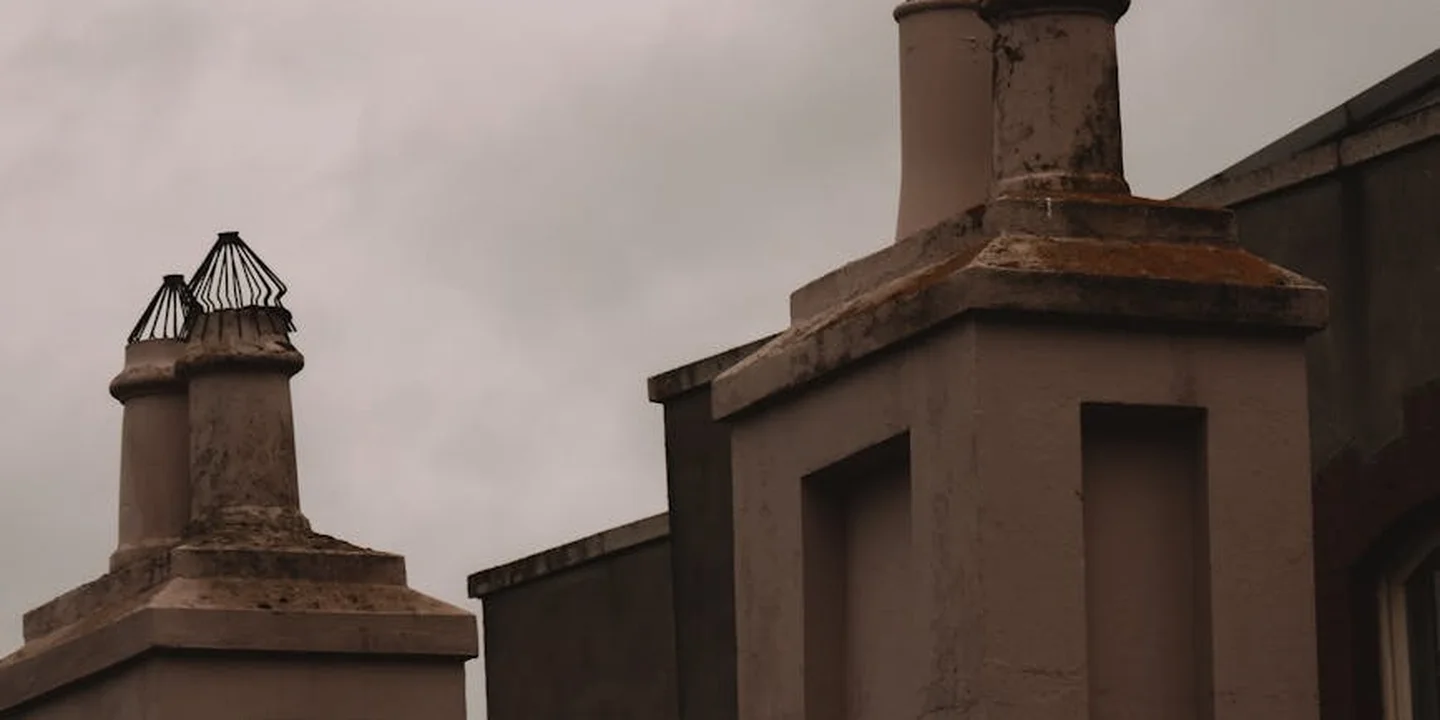
Forget thinking of it as just a roof accessory. A chimney cap is a hardworking protector with three clear jobs. Each one solves a specific problem you don’t want to have.
Job 1: The Umbrella (Water Seal)
Imagine a rainstorm. Without a cap, water pours straight down your flue. A quality cap has a sloped top that acts like a miniature roof. It sheds water away from the flue opening and the chimney crown, the concrete top around it.
I’ve been on repair calls where a missing cap led to a soaked firebox and rusted damper. A good chimney cap is like a weatherproof hat for your chimney, directing rain safely onto your roof shingles instead of into your home.
Job 2: The Security Fence (Animal & Debris Block)
This is where the mesh sides come in. They form a cage that blocks entry. The mesh gauge tells you the wire thickness. A lower number, like 16-gauge, means thicker, stronger wire.
More important is the mesh size, the gap between wires. Smaller gaps, around 3/4-inch or less, keep out squirrels and most birds. I prefer 1/2-inch mesh for better protection.
Last spring, I removed a cap for a customer and found a squirrel nest completely plugging the flue. The debris was packed tight, a serious fire hazard and a mess to remove. Installing a cap with proper mesh prevents animals from turning your chimney into a home. It also stops leaves and twigs from falling in.
Job 3: The Safety Net (Spark Arrestor)
This job is about fire prevention. When you have a wood fire, burning embers can float up the chimney. A cap with mesh acts as a spark arrestor, catching those embers before they escape.
Many local building codes actually require this feature for chimneys serving solid-fuel appliances like wood stoves. While all caps with mesh will arrest sparks, an officially rated “spark arrestor” must meet specific standards for wire spacing and durability.
Are chimney caps required by code? Often, yes, for spark containment. Even if your local code doesn’t mandate one, it’s a basic safety upgrade every home should have.
Picking the Right One for Your Flue: Materials, Styles, and Fit
Knowing why you need a cap is step one. Step two is picking the right cap for your specific chimney. The wrong choice won’t do its job. If you’re tackling this as a DIY project, a diy copper chimney cap can be a stylish, durable option. In the next steps, we’ll guide you toward a diy copper chimney cap and installation basics.
Material Choices: From Stainless Steel to Copper
You have three main options. Galvanized steel is the budget pick. It does the job but will rust, maybe in 5 to 10 years. Stainless steel costs a bit more but resists rust for decades. It’s the best value for most homes.
Copper is the premium choice. It won’t rust and develops a green patina over time. It lasts the longest but comes with a higher price tag.
For a balance of durability and cost, I almost always recommend stainless steel chimney caps to homeowners. What materials are chimney caps typically made from? Galvanized steel, stainless steel, and copper are the most common.
Style and Fit: Not a One-Size-Fits-All Part
Fit is everything. A loose cap is worse than no cap at all. It can whistle in the wind, let in water, or even blow away.
The main styles are simple. A single-flue cap covers one flue tile. A multi-flue cap stretches over two or more adjacent flues. A top-mount damper replaces your existing damper and has a built-in cap, sealing from the top.
What are the different styles and designs of chimney caps available? Single-flue, multi-flue, and top-mount damper caps cover most needs. Beyond caps, explore related chimney parts and accessories like liners and dampers to optimize performance. These components work together to protect the flue and improve efficiency.
How do you choose the correct size chimney cap for your flue? Follow these steps.
- Go on your roof safely with a tape measure.
- Measure the flue tile itself. Do not measure the brick chimney surrounding it.
- For a square or rectangular flue, measure the outside length and width. For a round flue, measure the outside diameter.
- Write these numbers down. A cap should be sized to fit snugly over these measurements.
Always measure the clay flue tile, not the brickwork, to ensure a proper, weathertight fit. A cap that’s too small won’t cover properly. One that’s too big won’t seal and is prone to damage.
The Homeowner’s Decision: Can You Install a Chimney Cap Yourself?

This is the most common question I get, and my answer is always the same. Your safety is more important than saving a few hundred dollars on labor. Working on a roof is dangerous. I’ve seen too many close calls.
Let’s break down when a DIY attempt might be reasonable and when you should pick up the phone without a second thought.
When DIY Might Be Possible
If you are experienced with basic tools and ladder safety, a DIY install could work in very specific conditions. Think of it like changing your own flat tire-straightforward if you have the right tools and a safe, level spot to work.
You should only consider it if all these boxes are checked:
- Your roof is single-story with a very low, walkable pitch (like 4/12 or less).
- You have secure, slip-resistant footwear and a completely dry roof.
- You use the right extension ladder that extends 3 feet past the gutter, secured at the base and top.
- You have a reliable helper on the ground to steady the ladder and hand you tools.
For the job itself, you’ll need a few basic tools:
- Cordless drill
- Masonry drill bit (for brick chimneys) or a standard bit (for metal flue pipes)
- Appropriate screws (stainless steel masonry screws or sheet metal screws)
- Screwdriver
- Tape measure
The steps for a basic slip-on metal flue cap are simple:
- Measure your flue pipe’s outside dimensions carefully.
- Purchase a correctly sized “slip-on” cap that fits over the pipe.
- With your helper stabilizing, climb up and place the cap over the flue.
- Pre-drill pilot holes, then drive in screws on opposite sides to secure it. Don’t overtighten.
When You Absolutely Must Call a Pro
For most homes, this is the reality. If your home is two stories, has a steep roof, or the chimney is complex, professional installation is non-negotiable. It ensures your chimney meets building code requirements and is safely installed. The risk of a severe fall is just too high.
Beyond safety, a pro does critical work you might not see.
They ensure a weathertight seal that won’t let water sneak in around the base. They know which fasteners to use for your specific chimney material-brick, stone, or manufactured block. Most importantly, they work with proper fall-protection gear like harnesses and anchors. That’s a standard I insist on for my own crew.
So, can a homeowner install a chimney cap? Technically, sometimes. But the better question is, should they? If you have any doubt about the height, pitch, or your footing, the answer is a firm no. Calling a licensed chimney sweep or roofer is the wise investment.
The Long-Term View: Maintenance and Knowing When It’s Failing
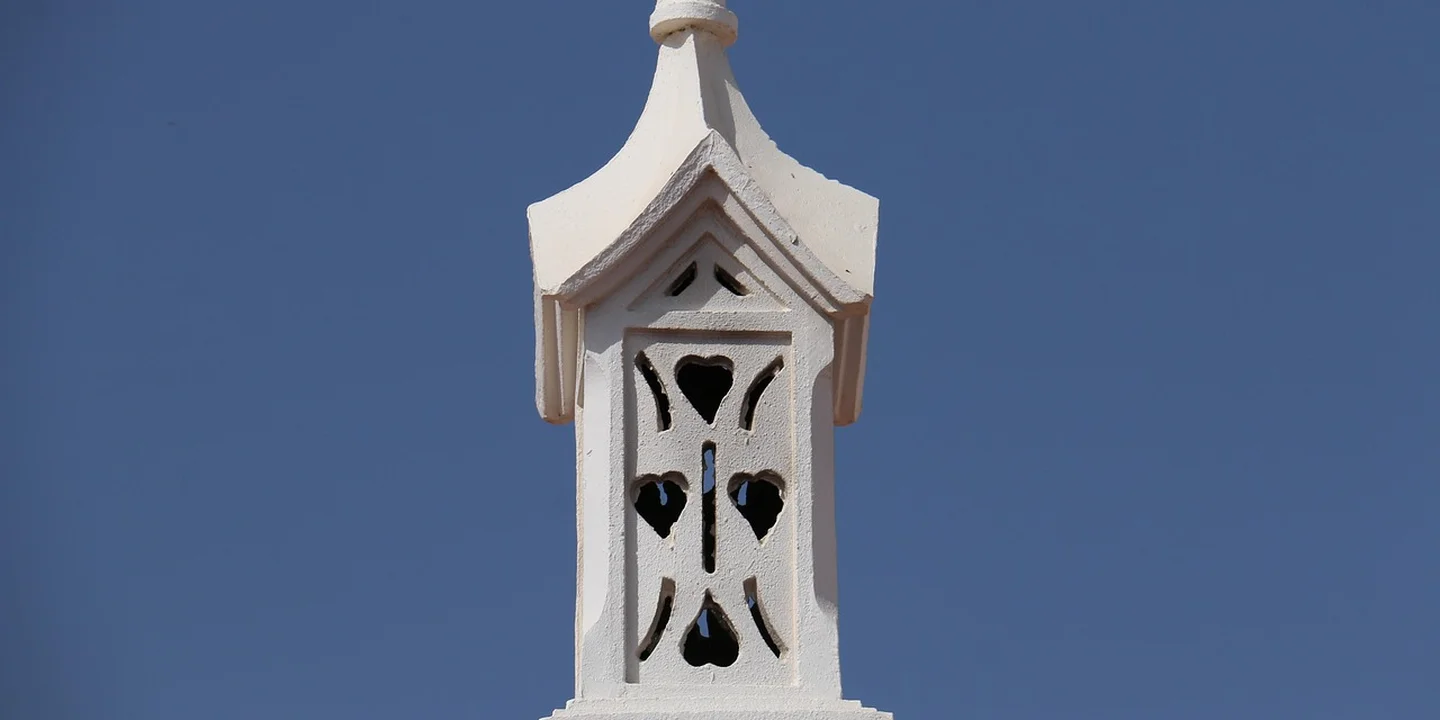
Think of your chimney cap like a tire. Once it’s on, you can’t just forget it. A little regular attention prevents big problems down the road. Regular checks of all chimney components—cap, crown, flue, and damper—are part of proper chimney components maintenance. This helps keep the system safe and efficient. Here’s your simple maintenance plan.
Your Annual Chimney Cap Check-Up
You don’t need to climb up there every year. Grab a pair of binoculars each spring and fall and inspect your cap from solid ground. Look for these clear warning signs:
- Rust or corrosion, especially along seams or the wire mesh. Rust flakes can fall into your fireplace.
- Broken or bent mesh wires. This lets pests in.
- A cap that looks tilted, loose, or is visibly moving in the wind.
- Stains on the chimney bricks below the cap, which can indicate a poor seal.
These are the signs that a chimney cap needs to be repaired or replaced. I once saw a cap where the entire mesh screen had rusted away, and birds had built a nest right in the flue. The repair bill was much higher than a simple cap replacement would have been.
How Long Should a Good Cap Last?
Material is everything here. A basic galvanized steel cap is a budget option, but it shows.
Expect 3 to 7 years from galvanized steel before rust becomes an issue, especially near the ocean or in areas that use road salt.
Stainless steel is the workhorse most professionals recommend. With a proper installation, you should get 20 years or more of reliable service.
For a lifetime solution, copper is the top tier. It will easily last 50+ years, developing a green patina that many homeowners find attractive. Remember, harsh weather like hail or extreme temperature swings can shorten the life of any cap. So can an installation that wasn’t done right in the first place, which is why getting it done professionally the first time pays off for decades.
Critical Install Points: Flashing, Codes, and That Final Seal
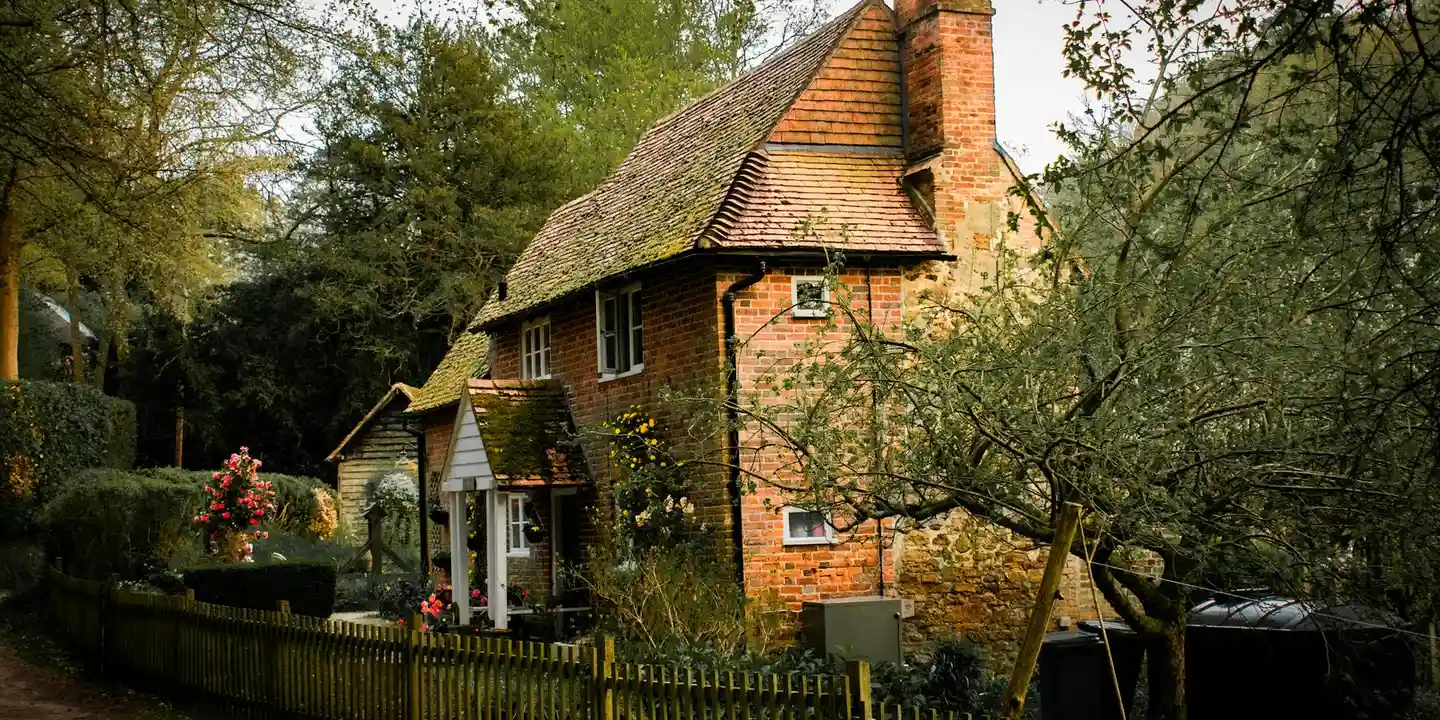
Think of a chimney cap like a good rain hat. It keeps your head dry. But if your coat has holes, you still get wet. The technical details around a chimney cap installation are that coat. They seal the whole system.
It’s Not Just the Cap: The Flashing Connection
Your new cap does a great job directing water off the chimney’s crown. But water running down the brick has to go somewhere. That’s where the flashing comes in.
Flashing is the metal (usually aluminum or galvanized steel) that bridges the gap between your chimney’s brick and the roof shingles. Step flashing is layered with each course of shingles. Counterflashing is embedded into the chimney mortar to cover the top of the step flashing.
If this metal network is corroded, loose, or sealed poorly, water will bypass your fancy new cap and pour right into your attic. I’ve been on too many leak investigations where a homeowner installed a cap but the real culprit was a 30-year-old tar patch on the flashing that finally failed.
When you have a cap installed or inspected, make them check the flashing condition too. It’s all one system.
Building Code & Best Practice Requirements
This isn’t just my opinion. Modern building codes are very clear on this. The International Residential Code (IRC) and the specialist standard, NFPA 211 for chimneys, both state that chimneys must have a cap to prevent water and debris entry.
The spark arrestor part is a major legal point. Many counties, especially in wildfire-prone areas, have ordinances that mandate spark-arresting chimney caps. Your home insurance policy may even require it. A simple mesh screen can prevent a disaster.
A properly installed, code-compliant chimney cap is a small investment that prevents massive repair bills. You’re protecting the masonry from a costly rebuild and your home from interior water damage. It’s not an optional accessory. It’s a necessary part of a healthy roof system.
Quick Answers
How do I choose the right size chimney cap?
Measure the outside dimensions of the clay flue tile itself, not the surrounding brickwork. A cap sized for the flue tile will fit snugly and provide a proper weather seal.
Can I install a chimney cap myself to save money?
Only if you are experienced with ladder safety and your roof is single-story, low-pitch, and dry. For most homes, especially two-story or steep roofs, hiring a pro with proper safety gear is a non-negotiable for your safety.
Is a chimney cap necessary if I never use my fireplace?
Absolutely yes. An unused flue is still a direct opening for water, animals, and debris to enter your home and cause damage to the chimney structure and interior. For anyone working on or inspecting chimneys, following the chimney flues work safety guidelines is essential to reduce risk. Sticking to these guidelines helps prevent accidents and injuries.
Your Next Step for a Protected Chimney
The most important thing you can do is see your chimney not just as a structure, but as a critical opening in your roof’s defense. Installing a proper, well-fitted cap is a straightforward fix that prevents leaks and drafts, avoiding a cascade of expensive and unsafe problems.
Being a responsible homeowner means looking at your entire roof system, not just the shingles you see from the driveway. Make checking your chimney cap part of your seasonal home maintenance routine, and keep learning about how each component, from Roof Care to specific material guides, works together to protect your investment.
Deep Dive: Further Reading
- The Purpose and Function of a Chimney Cap
- Benefits of Installing a Chimney Cap | Chimney.com
- Do You Really Need A Chimney Cap? | Purpose Of A Chimney Cap
- What is a Chimney Cap and Do I Really Need One?
- Everything You Need to Know About Chimney Cap Installation
- Chimney Caps | UpCodes
- Purpose And Function Of A Chimney Cap | Chimney Tops
Ray is an experienced roofer. He has worked as a general contractor in the roofing industry for over 15 years now. He has installed and repaired all kinds of roofs, from small houses to large mansion, and from basic shingles to cement and metal roofs and even solar roof panels. He has seen homeowners struggle with roofing questions and always has experience based proven advice to help those in need. If you need roof pros, Ray's your guide.