
What Are the Real Advantages of a Tesla Solar Roof Versus a Traditional Panoramic Roof?
Ever looked up at your roof and wondered if it could pay for itself? The choice between a Tesla Solar Roof and a traditional panoramic roof isn’t just about looks or energy. It’s about your home’s future performance and your wallet.
I’ll break down the key benefits of each option, explain what installation day actually looks like, and highlight the cost and compatibility factors you need to know.
Key Takeaways: Solar Roof vs. Panoramic Glass
Let’s clear up the confusion right away. The core difference is simple: one system makes power, and the other makes light. A Tesla Solar Roof works like a generator for your house. A panoramic glass roof works like a giant window in your ceiling.
From my time on countless roofs, here are the three biggest practical benefits for a homeowner.
Why Choose a Tesla Solar Roof?
- You generate your own electricity. This directly reduces or even eliminates your monthly power bill. I’ve seen homeowners cut their grid dependency in half.
- It’s a tough, all-weather roof. The glass tiles are designed to handle hail and high winds like traditional durable roofing. They protect your home first.
- It’s a long-term investment. Beyond savings, it modernizes your home’s value. Energy independence is a strong selling point.
Why Choose a Traditional Panoramic Roof?
- It transforms dark spaces. A room under a panoramic roof feels open and spacious. You’ll use fewer lights during the day.
- It creates a unique living experience. You get an uninterrupted view of the sky. It’s an architectural feature that changes the feel of your home.
- Maintenance is generally simpler. While you must keep it clean and check seals, there are no electrical components to manage. Most roofers know how to service them.
Now, for the hurdles. The major challenge with a Tesla Solar Roof is its premium cost and specialized installation; it’s not a quick or cheap upgrade. For panoramic roofs, the big concern is always temperature control. All that glass can be a liability in very hot or cold climates without proper planning for insulation and shading.
Think of this as choosing between a high-tech utility and a beautiful architectural feature. One pays you back on your utility bill. The other pays you back in daily comfort and light.
What Exactly Are We Comparing?
It’s easy to mix these up, so let’s define our terms. A Tesla Solar Roof is a complete, integrated roofing system where the shingles themselves contain solar cells. It replaces your entire roof surface. I worked on an install where the home looked like it had a normal slate roof, but every tile was quietly making power.
A traditional panoramic roof is different. It’s a large, fixed panel of glass or polycarbonate set into an existing roof structure. It’s an opening filled with transparent material, not a power source. Its job is to let light in.
To set the scope, think of roof lanterns (box-shaped glass extensions) and standard skylights as smaller versions of the panoramic idea. We’re talking about the big, statement installations here.
This advice is for residential structures, like your home. Whether you’re planning a new sunroom addition or a full re-roof, these are the considerations. I’ve helped homeowners weigh these options for both types of projects.
The RoofMason Material Verdict: Where They Fit
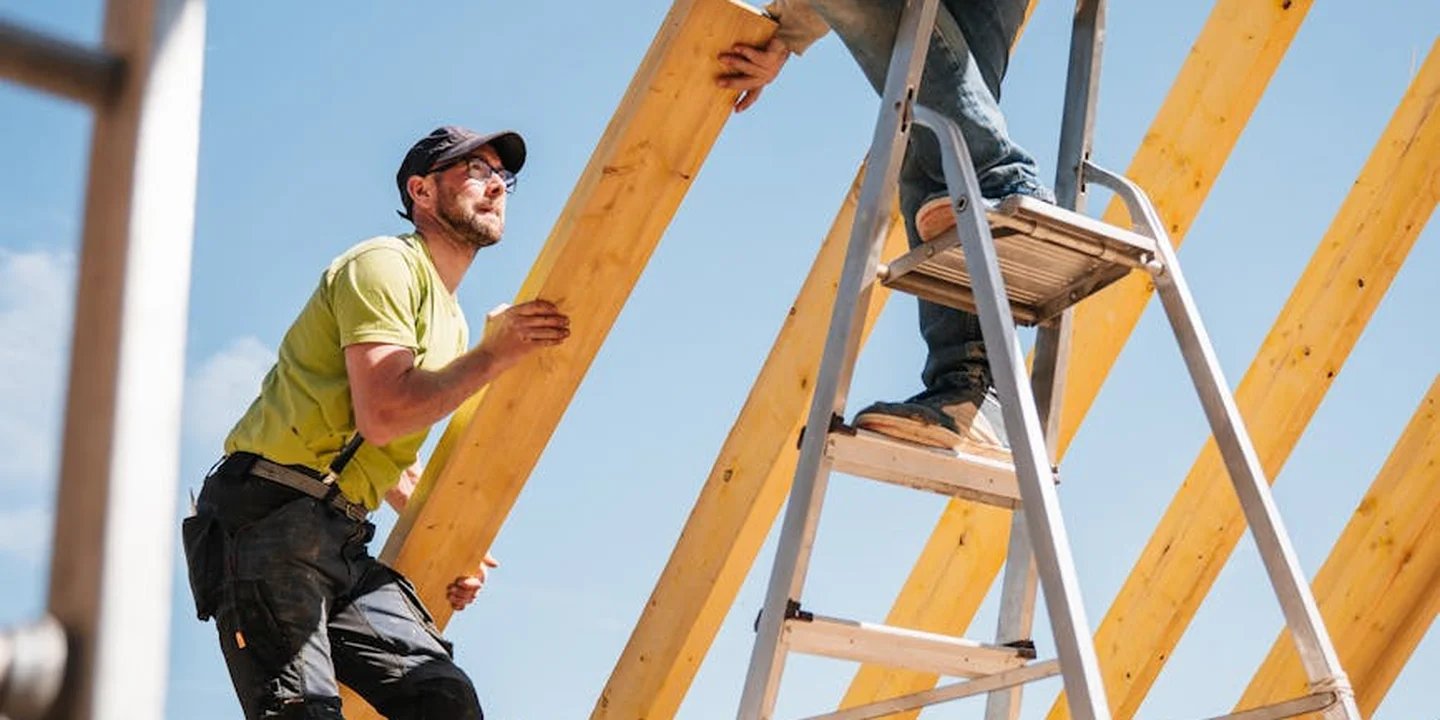
To see where these high-end options land, you need a baseline. Picture your common roofs.
Standard three-tab asphalt shingles are your budget t-shirt. They do the job for 15-20 years but wear out fastest. Standing seam metal is your durable work jacket, lasting 40-70 years with great weather resistance. Slate or tile is your heirloom overcoat, beautiful and lasting a century but heavy and expensive.
The Tesla Solar Roof and a glass panoramic roof don’t slot neatly into this lineup. They serve a different primary purpose first, and act as a weather barrier second. It’s especially important to consider proper solar roof prep and futureproofing when installing such systems.
Ranking Weight, Weather, and Longevity
Let’s line them up on the practical specs every roofer checks first.
- Weight: The Tesla roof is surprisingly heavy, similar to a slate or concrete tile roof. That means your home’s framing must be able to carry the load. A panoramic glass roof is also heavy, but often lighter than slate. A standard asphalt shingle roof is the lightest option by far.
- Weather Resistance: Both systems are designed to be highly weather-tight when installed correctly. The Tesla tiles carry a Class 3 hail rating and Class F wind rating, which is excellent. Tempered laminated glass on a panoramic roof is incredibly impact-resistant. They both outclass standard shingles here, competing more with high-end metal or slate.
- Typical Lifespan: This is the big promise. Tesla warranties the weatherization of its roof tiles for 25 years and the power output for 25 years. The glass itself should last much longer. A quality panoramic roof installation should also last for decades, with the main concern being the seals and framework, not the glass panes. Both aim to outlive traditional asphalt by a wide margin.
Best Bang for Your Buck
These are major investments. You want to know which one, if either, makes financial sense for your goal.
The Tesla Solar Roof is for the long-term energy saver. You’re buying a lifetime roof and a powerhouse generator in one. The math only works if you look at the total cost over 30 years: replacing an old roof, installing solar panels, and your future electric bills. If you need a new roof anyway and have a high electricity bill, the Tesla can be a smart consolidation. I’ve seen the quotes, and it’s a big number up front. But for the right homeowner, it pays off by eliminating two separate bills. Considering 2024 figures, you might also compare the average cost of solar panel installation for a residential roof that year. Those upfront costs, when weighed against expected energy savings and roof lifespan, help assess overall value.
A panoramic roof is for a specific aesthetic and experiential goal. You are not buying it to save money. You are buying it to transform a space, to add light and a connection to the sky. The value is entirely in the design and living experience. It makes sense on a high-end remodel or new build where creating a “wow” factor indoor space is the primary budget driver.
The Maintenance Reality Check
Don’t believe the “install it and forget it” hype. No roof is truly maintenance-free.
The Tesla roof needs cleaning to keep generating power efficiently. You have to watch for debris buildup. While the tiles are tough, the system has complex electrical components that will need monitoring over its life.
A panoramic glass roof requires consistent, careful upkeep of its seals and drainage paths. The glass itself is durable, but the metal framework and the seals between glass panes are potential failure points. You must keep the gutters and drains at its edges perfectly clear to prevent water backup. It’s a different kind of care than shingle replacement, but it’s just as critical.
What are the advantages of a Tesla Solar Roof?
I think of a Tesla Solar Roof not just as a roof, but as a long-term utility upgrade for your home. Its biggest advantage is turning your largest surface area into a power plant.
You generate electricity for decades, directly cutting or even eliminating your power bill. I’ve seen homeowners who, after the initial investment, watch their meter spin backwards. The ongoing utility savings are the core financial argument for this system.
Built to Weather the Storm
Durability is where it gets interesting. Tesla claims their tempered glass tiles have a Class 4 hail rating (the highest) and can withstand winds up to 166 mph. Standard asphalt shingles typically top out at Class 3 or 4 for hail and 130 mph for wind.
From what I’ve examined, the glass itself is incredibly tough. Think of it like a car windshield. The integrated design means there are no panels to lift in high winds, which is a common failure point for traditional rack-mounted systems.
The Seamless Look
The aesthetic appeal is simple. It looks like a high-end slate or terracotta tile roof, not a roof with panels bolted on top. All the active and inactive tiles are identical in profile from the street.
If curb appeal and a unified design matter to you, this is the main draw. It solves the “solar panel look” that some homeowners dislike.
Warranty Breakdown
Understanding the warranty is critical. Tesla offers a 25-year warranty that covers both the tiles and their power output.
- The weatherization warranty (for leaks) is 25 years.
- The power warranty guarantees the tiles will still produce at least 85% of their original output after 25 years.
Read the fine print. It typically requires professional installation by their certified team and does not cover damage from unauthorized repairs or “acts of God” beyond its ratings.
Costs and Financing
Yes, you can finance a Tesla Solar Roof. They offer loan options, but the total cost is still a major consideration. The federal solar Investment Tax Credit (ITC) can offset a significant portion (currently 30% of the total system cost). Additionally, there are other tax credits for energy-efficient roofs that you might consider.
Always run the numbers with your expected energy use and local utility rates to see the payback timeline. For some, it’s an investment in energy independence and home value, not just monthly savings.
Availability and Real-World Hurdles
So, are Tesla Solar Roofs available? The answer is “it depends.” Availability is not nationwide like standard shingles. Tesla works through a limited network of certified installers in specific service areas. Beyond availability, your roof’s capacity to support solar panels safely is a key factor. It helps determine whether a roof-integrated solution or traditional panels are the better fit.
You must go through their quote process to see if your address and roof design qualify. Even if you qualify, lead times can be long, often several months from sign-off to installation.
The Installation Hurdle
This is not a weekend DIY job. The installation is complex, integrating electrical systems, specialized tiles, and a new roof deck. It requires their specific team or a vetted partner. The complexity means the installation cost is a major part of the total price, and scheduling depends on their crew’s backlog.
The Growing Alternatives
Are solar roof tiles available from other companies? Yes. Other manufacturers are entering this space with integrated solar shingle products. While Tesla is the most well-known, it’s worth getting competitive quotes from other providers of solar roofing systems.
These alternatives might have different aesthetics, efficiency ratings, or availability in your area. The market is evolving beyond just one option.
What are the advantages of a traditional panoramic roof?
I’ve installed my share of panoramic roofs, or roof lanterns as they’re often called. Their biggest advantage is simple. They turn a dark, closed-in room into a bright, welcoming space. It feels like adding a sunroom without building an addition.
The feeling is transformative. Natural light floods the area, making rooms feel larger and more connected to the outdoors. This design flexibility is perfect for vaulted ceilings or turning an attic into a livable loft. The room’s entire character changes.
From a construction standpoint, a traditional glass roof is a simpler system. It’s a framed structure with insulated glass panels. We’re dealing with proven flashing details and standard glazing techniques. This relative simplicity often means a wider range of local contractors can handle the installation correctly.
In colder climates, that big glass surface can work for you. A south-facing panoramic roof can provide significant passive solar heating during winter months, subtly reducing your reliance on your furnace. Of course, this means you need to consider shading for the summer.
Ventilation, Safety, and Customization
Homeowners always ask me, “are roof lanterns vented?” and “can roof lanterns open?” The answer is yes to both, and it’s a critical choice. Fixed units are simpler and more airtight, but vented models that open are essential for controlling heat and moisture. Think of it like a skylight. Being able to open it creates a thermal chimney, letting hot air escape from the top of your house.
Now, let’s talk safety. “Are panoramic roofs safe?” This is my number one concern on every job. The glass must be tempered or laminated to meet strict impact-resistance codes, and the framing must be engineered to support heavy snow loads specific to your region. A proper structural assessment by an engineer is non-negotiable. Do not skip this.
Many people wonder if they can add a panoramic roof to an existing home. You usually can. This is a major structural modification, but with proper engineering and a skilled crew, replacing a section of your traditional roof with a glass one is a achievable remodel. It’s not a DIY project. You need a team that understands roof integrity, drainage, and long-term weatherproofing.
What are the installation considerations for a Tesla Solar Roof?
Installing a Tesla Solar Roof isn’t like swapping out shingles. It’s a major home renovation that combines roofing and electrical work. From my view, the process is more involved than most people expect.
A Thorough Structural Assessment is Non-Negotiable
Before you think about style or cost, your house needs to pass a physical. A Tesla Solar Roof is heavier than a standard asphalt shingle roof. It can weigh twice as much per square foot. To ensure your home is ready for it, check the structural requirements for solar panels on residential roofs.
An engineer must check if your roof’s framing can handle that extra load without sagging or stress. They look at the size and spacing of your rafters or trusses. On an old crew, we walked away from a beautiful historic home because the structure simply couldn’t take it. It’s the first and most critical step.
The Complete Tear-Off and Weather Timeline
You cannot install solar tiles over your old roof. The entire existing roof covering must be torn off down to the deck. This leaves your home completely exposed to the elements.
The installation is not a one-day job. It can take weeks. The crew’s first priority is to get a watertight layer, called the underlayment, down immediately after tear-off. Even with that, the schedule is at the mercy of weather. Rain will stop work. High winds will stop work. I’ve seen projects stretch out because of a run of bad weather, which is stressful for everyone.
Electrical System Upgrades and the Grid Connection
Your roof generates power, so your home’s electrical system needs to handle it. An electrician will assess your main electrical panel. Many older homes have 100-amp panels. A solar roof system often requires an upgrade to a 200-amp panel to manage the new energy flow safely.
You also have choices to make about that power:
- Battery Backup (Powerwall): This stores extra energy for use at night or during a blackout. It adds significant cost but provides real energy independence.
- Utility Interconnection: If you don’t get a battery, you’ll send extra power to the grid (net metering). This requires approval from your local utility company, which can be a slow process with lots of paperwork.
Breaking Down the High Cost and Payback Period
The upfront price is steep, often two to four times the cost of a traditional roof plus a solar panel system. You’re paying for the integrated technology and the sleek look.
To understand the real cost, you must calculate the payback period, not just the sticker price. This means looking at:
- Your current average electric bill.
- Local utility net metering rates (what they pay you for excess power).
- Available federal and state tax credits and incentives.
- The increased resale value of your home.
For most homes, the payback period is long-term, often 10 to 20 years. You’re investing in decades of clean energy and a durable roof, not a quick savings win. I tell clients to run these numbers carefully with a financial advisor, not just the salesperson.
What are the installation considerations for a traditional panoramic roof?

Putting in a panoramic roof is a major structural change. It’s not a simple swap of shingles for glass. I’ve been called to fix leaks on these jobs when the initial crew treated it like standard roofing. The process is closer to building a skylight the size of your living room.
Engineered Support Beams Are Non-Negotiable
You cannot just cut a huge hole in your roof trusses. The weight of the glass and the loss of structural integrity demand a new support system. An engineer must design and specify the steel or laminated wood beams that frame the opening. On one retrofit I worked on, the builder tried to use doubled-up standard lumber; within a year, we saw noticeable sag in the ceiling drywall below. That’s a failure you can’t patch.
Flashing and Sealing: The Battle Against Leaks
This is where 90% of problems start. The massive perimeter of a panoramic roof is a giant target for water. Proper installation is a multi-step armor system.
- Step Flashing: Individual metal pieces must be woven between the existing roof shingles and the new framing on the uphill sides.
- Continuous Curb: The glass unit sits on a raised, waterproof curb. This curb must be fully sheathed and wrapped with a waterproof membrane before the glass is set.
- Sealant Quality: Only use structural-grade sealants designed for constant sun exposure and thermal movement. Cheap caulk will crack and fail quickly.
The sealing process is so critical that I often recommend a separate water test before the interior ceiling is closed up. We’d hose the perimeter for a solid 15 minutes while someone inside watches for any drip.
Choosing Your Glass: It’s More Than Just Clear
You have options here, and your climate should decide.
- Tempered Glass: This is the safety baseline. If it breaks, it crumbles into small, dull pieces instead of sharp shards. It’s required by code for overhead glazing.
- Laminated Glass: Think of your car windshield. Two layers of glass with a plastic interlayer. If it cracks, the pieces mostly stay put. It offers better security and sound dampening.
- Insulated Glass Units (IGU): These are dual-pane units with argon gas between the panes and a low-E coating. This is what turns a sunroom from an oven into a livable space, as it drastically reduces heat transfer. For most homes, an insulated, tempered unit is the practical choice.
You Need a Glazing Specialist, Not Just a Roofer
This is the biggest mistake homeowners make. A great shingle crew does not know how to detail monumental glazing. You need a contractor whose primary business is skylights, curtain walls, or specialty glass installations. Ask for a portfolio of panoramic or large skylight projects. Check that they pull the proper building permits, which will require an engineer’s stamp on the framing plans. The skill set is completely different.
A Realistic Look at Cost
For a custom, curb-mounted panoramic roof with proper structural work, you are looking at a significant investment. Prices are typically per square foot for the glass and installation, plus the engineering and framing labor.
- A basic tempered glass unit might start in the range of $50-$75 per square foot, installed.
- Moving to a high-performance, laminated, insulated low-E unit can push costs to $100-$150+ per square foot.
- For a common size, say a 10’x10′ (100 sq ft) opening, the total installed cost with mid-range glass can easily land between $15,000 and $25,000. The structural work alone can be several thousand dollars.
Get multiple bids from certified glazing contractors, and ensure every line item for engineering, materials, and sealing is clearly spelled out. This is not a place for the lowest bidder.
The Attic Connection: Ventilation & Energy Impact
Here’s what you need to know about your attic and your new roof choice.
How the Tesla Solar Roof Handles Heat
One big perk of the Tesla roof is how it changes your attic’s summer temperature. A dark asphalt shingle roof soaks up the sun’s heat like a sponge. Your attic can easily hit 130°F or more on a hot day. That heat then radiates down into your living spaces.
The Tesla Solar Roof works differently. Its glass tiles are designed to turn sunlight into electricity, not just heat. More of that solar energy gets converted. I’ve been in attics under solar tile systems on 90-degree days, and the difference is noticeable. It’s not cold up there, but it’s not an oven either.
The Tesla system creates a ventilated air gap between the tiles and the roof deck, which helps channel heat away from your home. This passive cooling effect can directly lower your air conditioning costs. Your attic fan won’t have to work as hard.
The Non-Negotiable Rule for Panoramic Roofs
A traditional panoramic glass roof is a different story. It’s a massive sheet of glass. Glass is terrible at blocking heat. It lets radiant heat pass right through, turning your attic into a solar furnace.
This creates two major risks: heat buildup and condensation.
- All that trapped heat makes your AC system run constantly.
- Warm, moist air from your house rises and hits the cool underside of the glass at night. This causes condensation, just like a cold drink on a humid day.
Without a way for that moisture to escape, you get mold on your attic sheathing and insulation. I’ve seen it rot wood.
Continuous, unimpeded ventilation from the soffit to the ridge is mandatory with a panoramic roof. Think of it as the roof’s breathing system. The airflow must be constant under the entire glass surface to carry heat and moisture out. Any blockage by insulation or a poorly designed frame is a recipe for damage.
Insulation Face-Off: Glass vs. Composite Tiles
This is where the physics of the materials really matters. Let’s talk R-value-a material’s resistance to heat flow. A higher R-value means better insulation.
Standard glass has almost no insulating R-value on its own. A Tesla solar tile or a panoramic glass panel is first a window. The insulation has to come from what’s underneath it.
Traditional composite roofing shingles or tiles have a small inherent R-value, but not much. Their real thermal performance comes from the attic insulation below the roof deck.
The key takeaway is that with any glass roof system, you are relying almost entirely on your attic’s insulation to keep your home’s temperature stable. You might need to upgrade your attic insulation to a higher R-value to compensate for the glass overhead. It’s like wearing a thicker coat because your outer layer is thin.
Why Installation Expertise is Everything
This isn’t just about looks. How these roofs are installed decides if your energy bills go down or if you get a mold problem.
A Tesla roof installed without proper attention to the sealing and integration around roof penetrations (vents, chimneys) can create leaks. More critically, if that designed air gap is compromised, you lose its cooling benefit.
A panoramic roof installed without a perfectly executed ventilation channel is a guaranteed future repair. The condensation won’t show up for months, but the damage will be slow and hidden.
Improper installation of either system will hurt your home’s efficiency and can lead to very costly structural repairs down the line. The crew needs to understand building science, not just how to lay down tiles or glass. Always verify your installer’s specific experience with these complex systems.
Making Your Choice: Questions to Ask Your Contractor
Choosing between these roofs isn’t just about looks or specs. It’s about matching the product to your house and your life. I always tell homeowners to treat this like interviewing a new crew member. You need the right fit. Each material and style has its own pros and cons.
Grab a notepad and work through this checklist with your contractor. It forces everyone to focus on the facts.
Your budget tells the first part of the story, but your home’s layout and local weather write the rest.
- Budget: Get the full, out-the-door price. For solar, ask about the payoff timeline with energy savings. For glass, know the cost of any future sealant repairs.
- Home Orientation: Which way does your main roof face? A north-facing roof is a poor candidate for solar but fine for panoramic views. South or west is gold for energy production.
- Local Climate: How much snow do you get? High winds? Hail? Tesla tiles are rated for severe weather, but a glass roof in a hail zone makes me nervous. Your local code will have weight requirements.
- Your Goals: Write down your top reason. Is it slashing your electric bill, creating a bright interior space, or boosting resale value? Be honest. This steers the whole conversation.
Once your checklist is done, drill down with these direct questions. A good contractor will have clear answers ready.
A vague answer on permits or warranty is a red flag you can’t ignore.
- “Does my current roof framing need reinforcement for the extra weight, and who handles the structural permit?”
- “Walk me through the warranty. What exactly is covered for the tiles and the power generation? What voids it?”
- “What is the maintenance plan? For solar, how do we clean the tiles without damaging them? For glass, what’s the schedule for inspecting and resealing the seams?”
Now, for the practical step that saves headaches. The sourcing for each roof is very different.
For a traditional panoramic roof, you must get multiple quotes. Prices and installation skill vary wildly. I’ve seen three quotes for the same job come in with a 40% difference. For the Tesla Solar Roof, your only job is to confirm the installer is Tesla-certified. Ask for their certification and examples of past local projects.
Here is the truth I’ve learned from helping families choose. The Tesla Solar Roof is an investment in energy. It pays you back over time. The panoramic roof is an investment in lifestyle. It pays you back in light and views every day. Your priority decides the winner.
Quick Answers
How do I maintain a Tesla Solar Roof after installation?
Keep the tiles clear of debris, like leaves and pine needles, to maintain energy production. Schedule an annual professional inspection to check the electrical components and system performance, as you would with any major home system.
What’s the most common failure point on a panoramic glass roof?
The perimeter seals and drainage are the weak spots. Inspect seals for cracks annually and ensure the gutters and drains around the glass frame are always clear to prevent water backup and leaks.
My home is older. Can it support either of these roofs?
You must get a structural assessment by a licensed engineer first. Older framing often needs reinforcement to handle the significant weight of either system; never assume your existing structure is adequate.
Making the Right Roof Investment
Your roof choice should hinge on long-term performance, not just initial appeal. I’ve found that aligning the system with your daily energy use and local weather patterns is the key to satisfaction.
Take ownership by scheduling regular safety inspections and tackling small repairs promptly. Dive into resources like our comprehensive Roof Care Guide to master the upkeep of any roof type.
Ray Huffington
Ray is an experienced roofer. He has worked as a general contractor in the roofing industry for over 15 years now. He has installed and repaired all kinds of roofs, from small houses to large mansion, and from basic shingles to cement and metal roofs and even solar roof panels. He has seen homeowners struggle with roofing questions and always has experience based proven advice to help those in need. If you need roof pros, Ray's your guide.