
How Do You Remove Pigeons from Your Roof Space?
Hearing cooing or scratching from your attic? In my years on roofing crews, I’ve seen pigeon nests clog vents, rot wood, and create messes. You want them gone without harming the birds or your roof.
I will show you how to safely evict the birds, find and seal every entry point, and choose effective deterrents to stop them from coming back.
Key Takeaways: Your Action Plan for a Bird-Free Roof
From my time cleaning up after birds, I’ve learned that a scattered approach fails. You need a clear plan.
- Confirm it’s pigeons before you act. The steps for a starling in a vent are different from a pigeon colony on your ridge.
- Know the law and your limits. Most birds are protected; killing them is illegal. Roof work is dangerous-never risk a fall.
- Cleaning is not optional. You must remove nests and droppings. They rot wood, corrode metal, and the health risk is real.
- Exclusion is the only permanent fix. Spikes, netting, or wire mesh physically block access. Everything else is just a temporary scare tactic.
- Be brutally honest about your DIY skills. If you’re uneasy on a ladder, call a pro. A proper exclusion job is a safety and roofing project first, a pest job second.
First, Confirm the Problem: Is It Really Pigeons?
On a job last spring, a homeowner was sure he had squirrels. The noise was in the walls. When I got up there, it was a dozen pigeons nesting in a broken soffit. Treating the wrong pest wastes time and money.
Pigeons leave a specific calling card. You’ll hear a constant, low cooing, especially at dawn. You’ll see them in groups, just loafing on your roof ridge or near chimneys like they own the place. Their nests are a dead giveaway-messy piles of twigs, leaves, and trash that look matted down, not carefully built, especially around chimneys.
Compare that to other common pests. Squirrels are louder, with scrambling and gnawing sounds. Their nests are hollowed-out balls of leaves high in trees or attics. Starlings and sparrows are smaller, noisier in flocks, and might use a single roof vent.
Get up close with binoculars and look for three things: droppings, feathers, and damage. Pigeon droppings are thick, white, and acidic. A large pile near a favorite perch can eat through shingle granules and even roof decking over time. Look for mottled gray feathers. Check for damage specifically where they nest or roost-displaced or stained shingles, and clogged roof vents filled with nesting material.
Why does this matter? If you have sparrows, a simple vent cover may solve it. A pigeon colony needs a full exclusion strategy. You start by knowing your enemy.
The Real Cost of Cooing: What Damage Do Pigeons Cause?
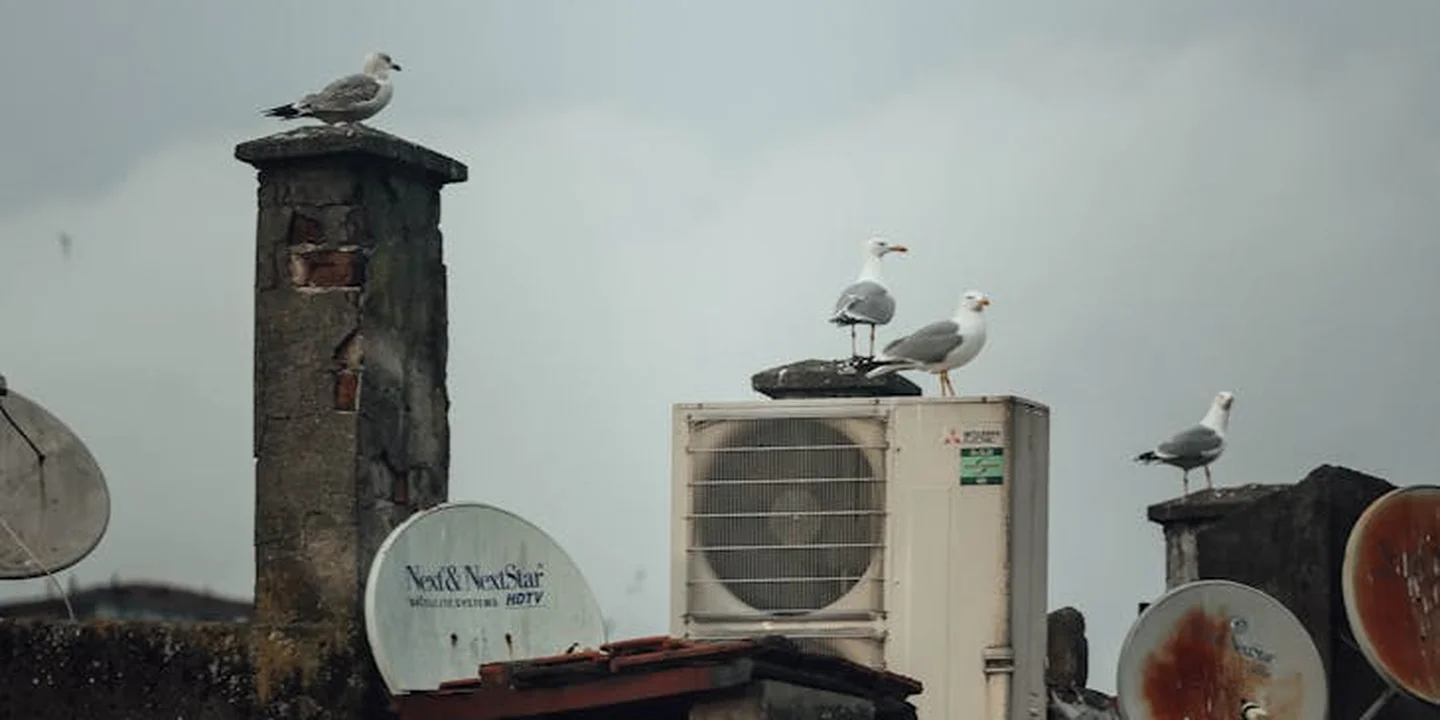
Pigeons are more than a nuisance. They cause real, expensive damage to your roof and home. I’ve seen the bills homeowners get after birds move in, much like squirrels invade the roof and attic.
The mess is obvious. But the problems go deeper.
- Clogged and Corroded Gutters: Nests and droppings block water flow. Trapped moisture rots your fascia board and rusts metal gutters from the inside out.
- Decomposed Roofing Granules: Pigeon droppings are highly acidic. They eat away at the protective granules on your asphalt shingles. This exposes the matting underneath to sun and rain, causing shingles to fail years early.
- Compromised Seals: Birds love to nest under roof vents and against flashing. They tear up the sealant and bend the metal. This creates direct paths for water to enter your attic.
Health risks are a serious concern, especially if droppings are in your attic space. Disturbing dried droppings can release harmful spores into the air. Histoplasmosis is a lung infection you can get from breathing in these spores. Nests also bring bird mites and other parasites that can find their way into your living spaces.
When NOT to Try This
Stop right here if any of these apply to you. Your safety and the law come first.
- You see an active nest with eggs or chicks. It is illegal to disturb most native bird species during nesting season.
- Your roof is steep or has a complex shape with multiple valleys and peaks.
- You or anyone in your household has asthma, allergies, or other respiratory issues.
- You are unsure about how to properly use a ladder or any safety equipment.
- The thought of walking on your roof makes you nervous. That feeling is there for a reason.
Hazard & Safety Assessment: Why This is Often Pro-Only Work
Roof work is dangerous. There’s no gentle way to say it. I’ve been on thousands of roofs, and I still treat every single one with maximum caution. It’s essential to follow roof walking safety guidelines.
Here are the specific risks you face with a pigeon infestation.
- Pitch Steepness: A roof that looks fine from the ground can feel like a sheet of ice when you’re on it. If your roof is steeper than a 6/12 pitch (that’s 6 inches of rise for every 12 inches of run), it’s not a DIY job.
- Rotten Sheathing: The wood under the shingles where birds nest is often soaked with moisture and droppings. It can be completely rotted. You could step right through it.
- Slippery Surfaces: A layer of dried droppings is as slick as black ice. One wrong step is all it takes.
- Power Lines: Ladders and tools must stay far away from overhead service lines. This isn’t always obvious from the ground.
- Ladder Safety: A ladder must be on solid ground, angled correctly, and extend 3 feet above the roof edge. Most ladder accidents happen because this setup was wrong.
A professional doesn’t just walk up there. They use a full fall-arrest harness system anchored to the roof structure. They set up roof jacks and planks to create a stable work platform. Their ladders are commercial grade and secured. They follow OSHA practices for a reason.
If reading this list gives you pause, you have your answer. Call a professional. The cost of a pro is far less than the cost of a hospital visit or a fall.
The Removal Process: How to Get Pigeons Off Your Roof Safely and Humanely

Getting rid of pigeons is a two-step dance. First, you convince them to leave. Second, you make sure they can’t come back, especially when dealing with birds in chimneys. Your approach depends on how settled they are.
For the Hands-On Homeowner (Light Deterrence)
This is for the early signs. You see a few birds scouting, or maybe one nest that looks new. Your goal is to be a polite but firm bouncer.
Your main job is to act quickly, before a family moves in and complicates everything.
First, you need to watch their pattern. Pigeons are creatures of habit. Figure out when they leave to feed. That’s your window.
- Gear Up. Wear leather gloves, safety goggles, and an N95 respirator. Old droppings can kick up dangerous dust.
- Inspect the Nest. This is the most important step. Look closely for eggs or chicks. If you see any, stop. You must wait. Disturbing an active nest is often illegal under the Migratory Bird Treaty Act, and it’s just cruel.
- Remove the Empty Nest. If it’s clear, carefully pull the nest material away and seal it in a plastic bag for the trash.
- Install a Deterrent Immediately. This is key. The spot now smells like home to them. You have to change that. While you’re up there, apply a bird repellent gel to the ledge or install reflective scare tape. These are temporary fixes, but they break the habit.
I’ve seen homeowners succeed with this method on a simple chimney or a single roof valley. It works when you catch it early and are consistent.
When to Call a Wildlife Control or Roofing Pro
If you have a flock, nests in multiple spots, or birds living in your soffits or attic, it’s pro time. This is no longer deterrence. This is an eviction.
Call a professional when you see established roosting, hear constant cooing, or find a mess of droppings in one area.
Here’s what a good pro does that you can’t easily do yourself:
- They Handle Live Birds Legally. If there are eggs or chicks, they have permits and protocols to deal with them humanely, often by installing a one-way exclusion door that lets birds leave but not return, waiting until the young are grown.
- They Execute Complex Installations. Proper, permanent exclusion means installing steel mesh, bird netting, or needle strips correctly. Doing this on a steep, high roof is a safety and craftsmanship issue. A botched job looks worse and doesn’t work.
- They Find All the Entry Points. I’ve partnered on jobs where we found a tiny gap in a soffit that the homeowner never saw. A pro seals the entire perimeter.
Costs vary wildly by location and problem size. A simple ledge treatment might cost a few hundred dollars. A full roof and attic exclusion with cleanup can run into the thousands. Get a detailed plan from them first. They should explain their exclusion method, their cleanup process, and any repairs needed.
Clean-Up is Critical: How to Disinfect After the Birds Are Gone
Never skip this step. Pigeon droppings are not just dirt. They are acidic, corrosive, and can harbor serious fungi and bacteria. Think of this as hazardous material cleanup.
Treat all bird droppings and nesting material as a biohazard for your own safety.
Gather your PPE first. This is non-negotiable:
- N95 Respirator: A basic dust mask won’t filter the harmful spores.
- Safety Goggles
- Heavy Rubber Gloves
- Disposable Coveralls
Now, follow this method. The goal is to keep everything wet to prevent dust.
- Mist, Don’t Pour. Mix a 1:10 solution of bleach and water in a spray bottle. Lightly mist the droppings and nest areas until damp. Don’t soak it or create runoff.
- Let It Sit. Allow the disinfectant to work for 5-10 minutes. This kills surface pathogens.
- Remove Carefully. Use a putty knife or plastic scraper to gently lift the waste. Place everything directly into heavy-duty contractor bags.
- Seal and Dispose. Tie the bags securely and dispose of them with your regular trash, following local regulations.
Avoid the temptation to use a power washer. Power washing is the worst thing you can do, as it aerosolizes the harmful spores into a fine mist you and your family can breathe.
As you clean, you’ll see the real damage. Look for:
- Stained or Rotting Wood: The acidity eats into roof sheathing and fascia.
- Clogged Gutters: Nests and debris block water flow.
- Damaged Roofing Materials: Deteriorated shingles or tiles from constant moisture.
Note any damage. A roofing pro can then make targeted repairs to the structure itself, which is the final step in taking your roof back for good. Always follow basic roof repair safety practices to protect yourself and others. Use fall protection and secure ladders.
Choosing Your Defense: Effective Deterrents to Keep Pigeons Away
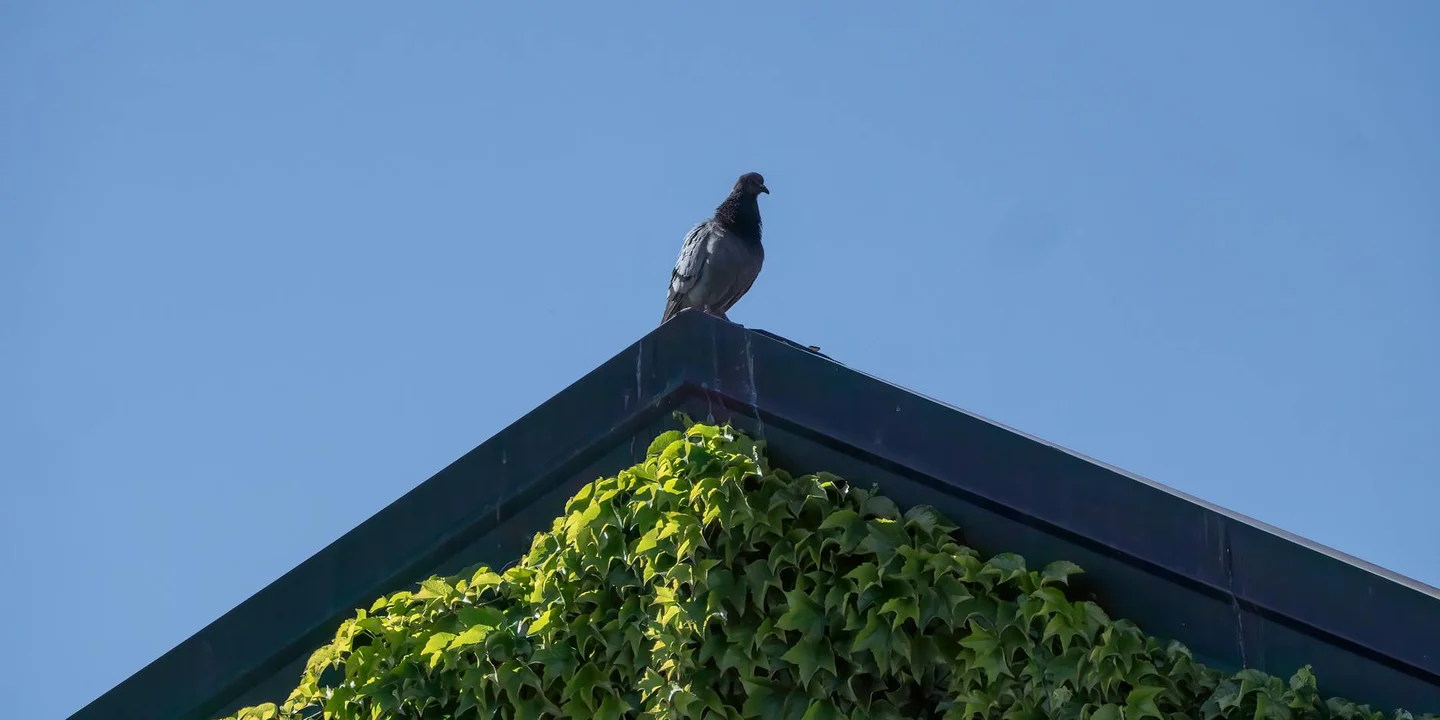
Once the area is clean, you need a long-term plan to keep pigeons off. Think of physical exclusion devices like putting a lock on your door. They physically block the birds from landing or entering without hurting them. You have three main choices: spikes, netting, and assorted other gadgets. Your roof’s shape and the pigeon’s favorite spots will tell you which one to pick, especially if you’re concerned about birds causing damage or intrusion in your home.
Bird Spikes (Plastic vs. Stainless Steel)
Bird spikes are my go-to for stopping pigeons on ledges and peaks. They are strips with long, needle-like rods that make a surface impossible to perch on. Install them anywhere flat and wide where pigeons gather, like roof ridges, the peak of a gable, or the flat ledge around a chimney.
Plastic spikes are affordable and work for most homes. Stainless steel costs more but withstands sun and snow for decades. On a historic home job, I used stainless steel on the clay tile cap, and it looked clean and lasted.
To install them right, scrub the area clean first. Use a strong construction adhesive or silicone sealant to glue the base down. Always press firmly along the entire strip and add extra adhesive at the ends to prevent wind uplift. Remember, spikes are a visual deterrent that makes landing unpleasant. They do not trap or harm the birds.
Bird Netting: The Full Exclusion Solution
When pigeons are roosting in big, open cavities, netting is the answer. It blocks entire spaces, like under your soffits or solar panels. Bird netting is the only way to fully exclude pigeons from large, covered areas where they want to nest, especially on roofs.
I’ve netted under solar arrays to stop nesting that can overheat the panels. The secret is tension. Pros use steel cables, turnbuckles, and heavy-duty frames to pull the netting drum-tight. DIY netting often fails because it sags, creating pockets where birds get stuck or simply push through. A sagging net is worse than no net at all.
Other Tactics: Wires, Gels, and “Scare” Devices
For small, tricky spots, you might try bird wires, repellent gels, or scare devices. Wires are thin lines strung across a ledge. Gels make a surface sticky. Scare tactics include plastic owls, reflective tape, or ultrasonic noisemakers.
These are usually short-term fixes with clear drawbacks. Gels dry out and get dirty fast. Wires can loosen. Pigeons figure out a fake owl isn’t real in about a week. I’ve had clients swear by peppermint oil sprays, but the smell fades after a rain. Use these methods for quick relief, not a permanent solution.
Now, can you install spikes or netting yourself? Let’s compare. Spikes are a realistic DIY project if your roof is simple and you can work safely from a ladder. Just follow the adhesive instructions to the letter. Netting is different. I almost always recommend a professional for netting because the tensioning hardware and safety risks make DIY results poor and often dangerous. I’ve fixed too many homeowner net jobs that became bird traps within a year.
Sealing the Deal: How to Prevent Pigeons from Returning for Good
True pigeon control shifts from removal to smart roof maintenance. Your goal is to make your roof a place pigeons don’t want to be. This means changing the environment and hardening the structure itself. Preventing them from nesting is key in this strategy.
Treat this like a seasonal roof check-up. Here is the checklist I run through with every homeowner after we install deterrents:
- Seal every roof penetration. Use high-grade, exterior polyurethane caulk or new metal flashing around all plumbing vents, exhaust pipes, and any gap you find. A dime-sized hole is a front door to a pigeon.
- Install a proper, sealed chimney cap. A missing cap is like an open chimney hotel.
- Keep tree branches trimmed back. Branches should be at least 10 feet from the roof line to remove their landing runway.
- Manage outdoor trash and pet food. Never leave food or water sources that attract pigeons to your yard.
- Ensure gutters are clean and draining properly. Clogged gutters hold stagnant water and debris, which attracts pests and leads to roof rot.
A well-maintained roof with the right exclusion devices is your ultimate, long-term deterrent. Combine physical barriers with these simple habitat changes. You will make your home a place pigeons fly right past, ensuring they stay out of your chimney.
Common Questions
What legal steps should I take before I start removing pigeons?
Always check your local and state wildlife regulations first. For active nests with eggs or chicks, you must pause; disturbing them is often illegal under the Migratory Bird Treaty Act, and you should contact a licensed wildlife control professional.
Can I realistically install bird netting myself, or is that a pro job?
For anything beyond a small, easily accessible area, netting is a pro job. Proper installation requires specialized hardware and precise tensioning; a DIY sagging net becomes a dangerous bird trap and fails to exclude pests.
What’s the simple maintenance checklist to stop pigeons from coming back?
Seal every roof penetration with high-grade caulk or new flashing, install a proper chimney cap, and keep tree branches trimmed back 10 feet from the roofline. A disciplined inspection twice a year is your best long-term defense.
Securing Your Roof for the Long Haul
In my experience, lasting pest control starts with a thorough inspection and tight seals. Focus on eliminating entry points first, and you’ll solve the majority of pigeon problems before they take root.
Own your role in roof maintenance by scheduling regular, safe check-ups. Continuous learning about proper roof care is your best tool for a durable and trouble-free home.
Ray is an experienced roofer. He has worked as a general contractor in the roofing industry for over 15 years now. He has installed and repaired all kinds of roofs, from small houses to large mansion, and from basic shingles to cement and metal roofs and even solar roof panels. He has seen homeowners struggle with roofing questions and always has experience based proven advice to help those in need. If you need roof pros, Ray's your guide.