
Gutter Guards: Do They Work Where You Live?
After thirty years on roofs, I’ve heard every version of the same question: “Are these gutter guard things worth the hassle, or am I just buying a new problem?”
If you’re sick of cleaning gutters but worried you’ll spend money for nothing, the answer isn’t the same for a house in Seattle as it is for one in Phoenix.
In this guide, I’ll cut through the sales talk and give you the facts based on what I’ve seen on the job:
- How rain, leaves, snow, and wind test different guard designs.
- Where guards save you time and where they create more work.
- What to look for during installation to avoid common failures.
Key Takeaways: The Short Answer for Busy Homeowners
- Gutter guards are a filter, not a fix-all. They screen out large debris but still require some attention.
- Choosing the wrong type can cause worse problems than no guard at all. A poor fit for your climate or tree cover leads to clogs and damage.
- Maintenance is reduced, not eliminated. You will still need to check them, especially after heavy storms.
- Their value is highest in specific climates. In areas with heavy leaf fall, a gutter guard is worth the investment for many homeowners. In dry or coniferous regions, the benefit drops.
What Gutter Guards Actually Do (And What They Don’t)
Think of a gutter guard like a coffee filter for your roof’s drainage system. It lets water through while catching the solid stuff. But just like a filter, it can get clogged and needs cleaning.
There are three main types you will encounter.
- Mesh or Screens: These are like window screens over your gutters. Water drips through tiny holes, and leaves sit on top.
- Surface Tension (or “Hooded”): These have a curved hood. Water clings to the surface and flows into the gutter, while debris slides off.
- Foam Inserts: These are porous blocks that sit inside the gutter. Water filters through the foam, and debris gets caught on top.
Here is a crucial truth: gutter guards do not prevent all ice dams. In fact, they can sometimes make them worse. When snow on your roof melts, the water runs down to the gutter. If it hits a cold gutter guard, it can refreeze right there, building up ice at the edge of your roof. I have seen this create a dam that pushes water back under the shingles. Gutter guards are not a substitute for proper ice dam prevention techniques on your roof.
And forget the term “maintenance free.” It is a marketing dream. In reality, all guards need occasional checking and cleaning to work properly.
How They Work: A Simple Breakdown
Picture a heavy rain. With mesh guards, water seeps through the holes, and leaves pile up on the surface. With hooded guards, water curves around the hood and into the gutter, while pine needles and twigs bounce off. Foam inserts soak up water and let it drain slowly, but they can trap fine grit.
The big difference is in handling fine debris. Mesh screens can get plugged by tiny pine needles or “helicopter” seeds from maple trees. Hooded guards might let these slide off, but in a wet climate, they can stick and form a mat. Foam is notorious for holding onto small particles, which can solidify over time.
The Big Promise vs. The On Roof Reality
The sales pitch is simple. Install guards and never clean your gutters again. For a while, it might seem true. You will see fewer leaves in the trough.
But here is what I find on service calls. Debris does not always slide off. It can form a dense mat on top of the guards, blocking water entirely. Then, rain overflows just like a clogged gutter. What is worse, the small stuff that gets through, like shingle grit or pollen, can wash down and clog the downspout where you cannot see it.
Another hidden issue is corrosion. With a guard covering the gutter, you might not notice water pooling or seams leaking. I have pulled off guards to find rust eating through the metal underneath. This is a problem that would have been caught early with regular cleaning, especially when dealing with gutter leaks and seams.
I remember a job where hooded guards were installed under large oak trees. After a few seasons, a layer of wet leaves and acorn caps cemented itself to the surface. The homeowner thought they were protected, but water was cascading over the sides during every storm.
Your Climate is the Boss: Matching Guard to Weather
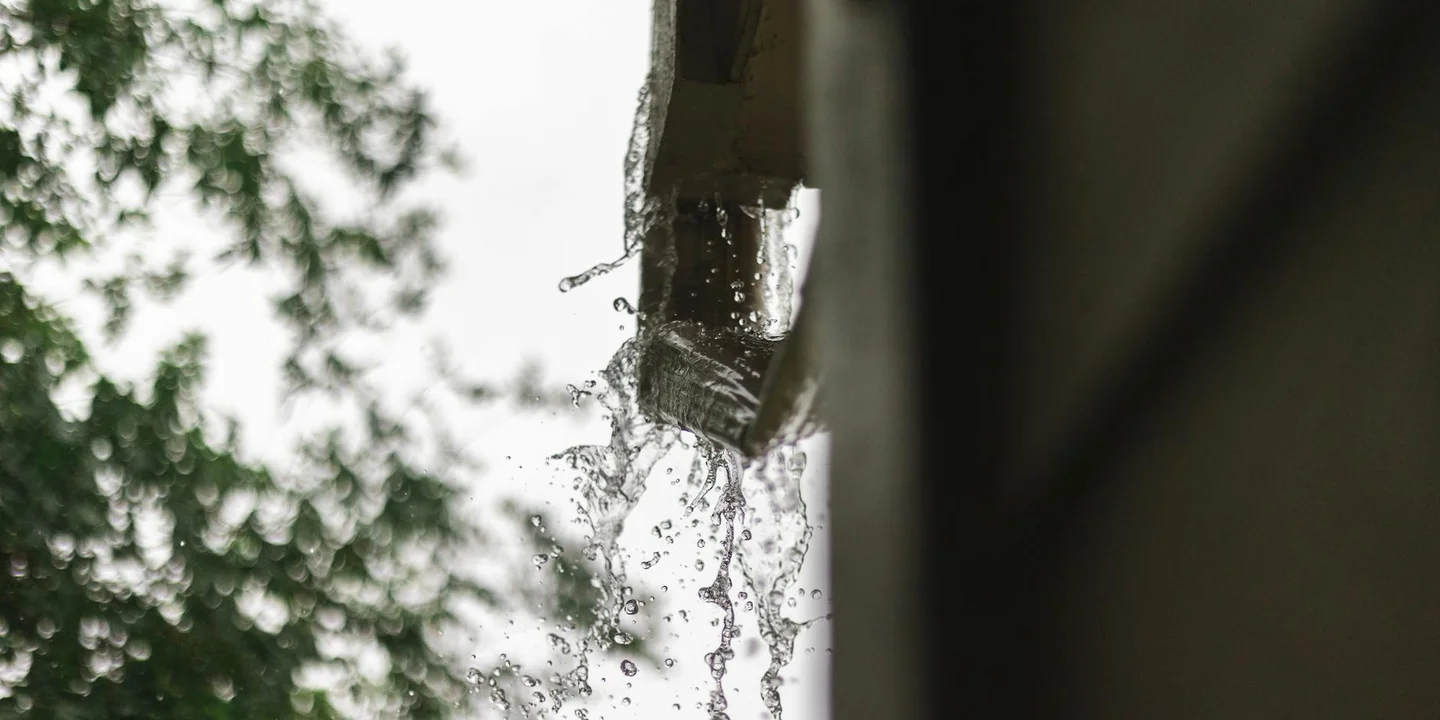
I’ve installed gutter guards from coast to coast. Let me tell you, their value swings wildly based on your zip code. Choosing a guard without considering your weather is like wearing a raincoat in a desert; it just doesn’t make sense for the job. Gutter guards’ effectiveness, value, and installation hinge on climate, so the right setup matters. This guide walks you through the major climate challenges so you can match the tool to the task.
The Heavy Leaf & Pine Needle Zone (e.g., Portland, OR; Port Orchard, WA)
In my work around the Pacific Northwest, this is where guards often prove their worth. Dense, wet leaves are a gutter’s worst enemy. A quality micro-mesh guard can be a lifesaver here, filtering out most debris while letting water through.
But you must choose wisely. Those fine maple “helicopters” and sharp pine needles are sneaky. They can impale foam inserts or jam into the weave of a cheap screen. When searching for gutter guards portland oregon homeowners should look for rigid, non-clogging micro-mesh. I’ve pulled too many clogged bargain-bin screens off roofs after one season.
The Snow and Ice Belt (e.g., Fort Collins, CO)
This is the most critical climate for getting your guard choice right. A mistake here doesn’t just mean a clog; it can cause severe ice dams and roof damage. The big danger is a solid, “hooded” guard. It can trap melting snow against your roof edge, where it refreezes.
You need a design that either lets snow slide clear or works with heat-tracing cables. Seeing gutter guards fort collins lowes on a shelf is tempting, but big-box options rarely address this complex ice dam risk. A professional system designed for snow country is often a wiser, safer investment, especially when used in conjunction with proper roof heat cables.
The Wet & Humid South (e.g., Port Charlotte, FL)
Here, the threat is volume and growth. A tropical downpour can dump inches in minutes. Your guard must have massive flow capacity, or water will simply sheet right over it, eroding your landscaping.
Open-surface, reverse-curve designs often work well. But remember, sandy soil and mold spores act like fine powder. They can slowly cement themselves to some guards, requiring attention. In humid climates, a guard that’s easy to rinse clean is as important as one that handles heavy rain.
The Dry, Dusty, and Windy West
Out here, the problem isn’t leaves. It’s a constant film of fine grit and dust carried on the wind. Over time, this dust can completely seal a mesh guard, creating a solid, concrete-like barrier.
Guards that are easily removed for a thorough annual hosing-down are key. I strongly advise against foam inserts in these areas; they become sponges for dust and are nearly impossible to clean effectively. A simple, durable screen you can lift out is often the most practical solution.
How to Choose the Right Guard for YOUR House
Now, let’s look at your specific house. Climate sets the stage, but your roof and gutters write the script. Use this checklist.
Look Up: Your Roof Pitch and Tree Coverage
Steeper roofs help debris slide off, which helps any guard work better. If you have a low-slope roof surrounded by trees, the challenge is much greater. Debris tends to sit and accumulate.
This is where many people get frustrated. When you see a negative “gutter guards worth it reddit” review, it’s often from someone with a low-pitch roof under dense trees who bought the wrong type. For tough spots, you may need a more aggressive, professional-grade system, unlike many of the DIY options available.
Look Down: Your Existing Gutter Health
Listen closely: gutter guards are not a band-aid. They add weight and can hide underlying issues. Never install guards on old, sagging, or rusty gutters; you’ll just waste money and accelerate the failure.
So, can you install gutter guards on existing gutters? Yes, absolutely. But only if they are structurally sound, firmly attached, and have the correct slope for drainage. If your gutters already pool water, fix that first. When you’re ready, make sure to choose the right installation method for your gutter guards.
Balancing Cost, DIY, and Professional Installation
Costs range from a few dollars per foot for DIY snap-in screens to a significant investment for seamless, integrated systems. A search for gutter guards fort collins lowes cost will show you the DIY price point, but remember to factor in your time and safety.
DIY has pitfalls. An improper fit lets debris in and can void your roof warranty. The biggest risk is the fall hazard. I’ve known seasoned crew members who won’t go on a roof without proper gear. Professional installation, while more upfront, usually comes with a performance guarantee and the correct, safe setup for your home.
The Homeowner’s Gutter & Guard Maintenance Routine

Here is the secret to extending your roof and gutter life by 5 to 10 years. Gutter guards are not a magic fix; they are a layer of protection that demands a simple, seasonal checkup to function properly. Think of it like brushing your teeth to prevent cavities. A little regular care avoids major problems.
I use this seasonal log for my own home. It takes minutes and saves you from costly repairs down the line.
Spring and Fall: The Essential Check
Perform these checks twice a year, after fall leaf drop and before spring pollen. Your future self will thank you.
- Inspect guards for debris mats. Leaves and needles can form a wet mat on top of mesh or screen guards. From your roof edge if it’s safe, or from a ladder, brush them off or use a leaf blower on a low setting.
- Check downspouts for flow. Run a garden hose into the gutter near a downspout. If water pools or drains slowly, you have a clog. Often it’s right at the guard’s opening.
- Look for any guards that have come loose or bent. Winter ice and high winds can shift them. A loose section can damage shingles or let debris slip underneath.
After Major Storms: The Quick Look
Do not wait for the next seasonal check. After heavy wind, hail, or rain, take a quick walk around your house.
- Check for debris pile-up and ensure water is flowing freely, not overflowing. If water is spilling over the sides, the guards are likely blocked. Clear any new accumulation promptly to prevent stress on the gutters.
Every Few Years: The Deep Clean
Even the best guards cannot stop everything. Fine grit from shingles and dust will settle in the gutter trough over time.
- Even with guards, plan to remove some sections to check for granular buildup inside the gutter. On my jobs, I find this grit every two to three years. It can compact and block drainage.
- This is when you clean out the “gutter trough” you have been protecting. Scoop out the silt by hand or use a wet-dry vacuum. This prevents corrosion and maintains the proper slope for water to run.
When Gutter Guards Are NOT the Answer (Limitations & Risks)
I have repaired roofs where gutter guards created new problems. Being upfront about limitations is how you make a smart decision for your home. Do not let a sales pitch overlook these real risks.
You Might Hurt Your Roof If…
Improper installation is the most common cause of damage I see. It often voids warranties and creates leaks.
- You install them over compromised or improperly sloped gutters. Guards add weight and can hide sagging gutters. Water will pool behind the guard and rot your fascia board.
- You use a type that promotes ice damming in a snowy climate. Solid surface guards can trap warmth and cause snow to melt and refreeze at your roof’s edge. In cold areas, choose an open design that allows heat to escape.
- The installation damages the shingles or fascia board. Screws driven through shingles or into rotten wood create direct paths for water. A proper install attaches only to the gutter’s front lip.
- Will gutter guards void my roof’s warranty? They might, if installed incorrectly. Always check with your shingle manufacturer before you add any attachments to your roof. I have seen claims denied because guards pierced the underlayment.
Skip Them Entirely If…
For some houses, gutter guards are an unnecessary expense and complication. Here is when to pass on them.
- Your roof has no overhanging trees and is in a low-debris area. If you only clean your gutters once a year, the cost benefit is very low. Save that money for a professional roof inspection instead.
- You have a historic home with specific drainage profiles. Older gutters often have unique shapes and slopes. Adding modern guards can alter water flow and cause backups. Consult a preservation specialist first.
- You are not prepared for any ongoing maintenance. Guards reduce cleaning frequency, but they do not eliminate it. A false sense of security is worse than having no guards at all. I have seen gutters completely packed solid because the owner thought guards meant zero maintenance.
Common Questions
Can I install gutter guards on my existing gutters?
Only if your current gutters are in excellent shape—solidly attached, properly sloped, and free of rust or sags. Installing guards on failing gutters will hide problems and accelerate their collapse. Always fix the gutter first, then add the guard to ensure they stay clean and effective.
When are gutter guards simply not worth the investment?
They’re often a poor investment if you have few overhanging trees or live in a dry, windy climate where fine dust is the main issue. The cost and effort outweigh the minimal debris reduction, and dust can seal some guards completely.
What’s a common hidden problem gutter guards can cause?
Downspout clogs. Fine debris like shingle grit or pine pollen can wash through the guard, then compact inside the downspout where you can’t see it. You must check downspout flow seasonally, even with guards installed.
The Right Guard for Your Climate
The biggest lesson is that gutter guards are a tool, not a magic fix. Your local weather patterns decide which tool, if any, is the right one for your job. And even then, complicated roof shapes or features can sometimes present challenges that no guard can fully address.
Your roof system, including the gutters, needs your attention to last. Make checking your gutters and guards part of your regular roof care routine, and keep learning about how to protect your entire home. Regular cleaning of residential roofs, chimneys, and gutters helps prevent leaks and blockages. Keeping these areas clear also protects your home from moisture and decay.
References & External Links
- Why Gutter Guards Are Bad – Ned Stevens
- Are Gutter Guards Worth It?
- r/homeowners on Reddit: Are gutter guards worth having?
- Do Gutter Guards Work? The Truth About Gutter Protection (2025) | Today’s Homeowner
- What Are the Pros and Cons of Gutter Covers and Gutter Guard Systems?
- Are Rain Gutter Guards Worth the Money?
- Do Gutter Guards Work? Pros & Cons
- Why Gutter Guards Are Misleading for Homeowners
Ray Huffington
Ray is an experienced roofer. He has worked as a general contractor in the roofing industry for over 15 years now. He has installed and repaired all kinds of roofs, from small houses to large mansion, and from basic shingles to cement and metal roofs and even solar roof panels. He has seen homeowners struggle with roofing questions and always has experience based proven advice to help those in need. If you need roof pros, Ray's your guide.