
How Much Does a Roof Rack Affect Your Car’s Gas Mileage?
Have you ever watched your fuel gauge sink faster with a roof rack installed, wondering just how much it’s costing you?
You buy a rack for extra space, but that nagging thought about losing MPG is smart and common.
I’ll show you exactly how a roof rack changes your car’s airflow and creates drag.
I’ll share the real-world fuel economy drops I’ve seen from my own testing and projects.
You’ll get my practical tips to reduce the hit to your wallet when you need to use a rack.
Key Takeaways: What Every Car Owner Should Know First
Think of your car’s roof like a house roof. My crew and I have seen how wind can exploit a single loose shingle to cause major problems. A roof rack works the same way.
- An empty roof rack will always reduce your gas mileage, sometimes by as much as 5-10%. It’s not the weight, it’s the shape interrupting smooth air.
- Aerodynamic design is everything. A sleek, low-profile rack is like a well-sealed roof edge. A bulky, square rack is like a loose tarp flapping in a storm.
- Speed turns a small problem into a big one. The faster you drive, the more fuel you lose, and it’s not a straight line. At highway speeds, that 5% loss can easily double.
This isn’t just about saving a few dollars on gas. A poorly installed or constantly used rack is a roof care issue for your car, stressing mounts and potentially damaging the paint and seals.
How a Roof Rack Acts Like a Leaky Roof: Understanding Drag
I want you to picture a blue tarp. You’ve seen one on a roof after a storm, right? When the wind hits it, the tarp doesn’t lie flat. It catches the air, billows up, and pulls against the ropes holding it down.
A roof rack does the same thing to your car. It’s a disruption in the smooth flow of air over your vehicle.
The core answer is yes, roof racks absolutely affect fuel economy because they create aerodynamic drag. Your car’s engine has to burn more fuel to push through the mess of air you’re now creating.
From a vehicle roof care perspective, this constant battering isn’t good for the long haul. A loose rack or one carrying a wobbly load transmits vibration and stress to the mounting points on your car’s roof, much like a loose shingle gets pounded by the wind until it fails.
The Basic Physics: Why Your Car Has to Work Harder
Let’s make this simple. Imagine you’re spraying a garden hose at your shingles. The water hits them and flows down. Now, put a brick halfway up that roof slope. The water smacks into the brick, sprays everywhere, and can’t flow smoothly anymore.
The air hitting your roof rack is that water. The rack is the brick. Your engine is the pump on that hose, and it has to work much harder to push the same amount of water past the obstacle.
That’s the direct answer to how roof racks affect mpg: they force your engine to work against increased resistance, which burns more fuel for the same distance traveled. It’s a constant, wasteful strain.
At What Speed Does the Fuel Loss Become Serious?
This is where the numbers start to matter. Around town at 35 mph, the drag from a rack is there, but it’s minimal. It’s a light breeze on your roof.
The real impact kicks in between 40 and 50 miles per hour. This is when air resistance starts becoming the main force your engine fights. Past this point, every extra 10 mph you drive makes the rack’s drag exponentially worse.
Think of it like driving on the highway with your window down. At 30 mph, it’s fine. At 65 mph, it’s a roaring, fuel-wasting tornado inside your car. A roof rack creates that same kind of turbulent chaos, just outside the vehicle. The faster you go, the more gas you pour into fighting it.
Crunching the Numbers: Typical MPG Loss from Roof Racks

From talking to folks at job sites and watching my own fuel gauge on long hauls, I can tell you roof racks always have a cost. You won’t find a single percentage that fits every car, but the range is real. Think of it like this: an empty rack is a small, constant drain, and loading it up turns that drain into a gully.
The fuel cost climbs in steps. A bare rack hurts a little. A loaded rack hurts a lot more. Your vehicle’s shape and the rack’s design change the numbers, so your experience will be your own.
Does an Empty Roof Rack Still Reduce Gas Mileage?
Yes, it does. Even when it’s bare, the rack frame sticks up and chops into the smooth air flowing over your roof. It creates turbulence, and your engine has to work harder to push through it.
Do roof racks decrease gas mileage even when bare? They sure do, because the bars themselves are a permanent source of drag on an otherwise smooth surface. I’ve left my crossbars on for months between jobs and watched my usual highway mileage dip every time.
The Load Factor: How a Full Rack or Box Drains Your Tank Faster
Adding cargo is a double whammy. First, you add weight. More weight means more energy needed to move. Second, and often worse, you wreck the aerodynamics. A bulky suitcase or a roof box acts like a big sail, catching the wind.
How does a loaded roof rack compare to an empty one? The hit to your miles per gallon can easily double or triple once you pile gear on top. The combination of weight and poor shape forces your engine to burn more fuel to maintain speed.
Real-World Estimates: What You Might See at the Pump
Based on common testing and driver reports, expect a gas mileage loss somewhere between 2% and 10%. On the lower end, that’s maybe a half-gallon per tank. On the high end, you could lose a gallon or more every fill-up.
A roof box typically has a higher penalty than naked bars, often landing in the 5% to 10% loss range at highway speeds. It’s a tangible cost. If your tank holds 15 gallons, a 10% loss is 1.5 gallons wasted every time you drive until empty.
Not All Racks Are Equal: Bars, Boxes, and Aerodynamic Design
Choosing a roof rack is like picking roofing materials. A sleek, low-profile metal roof sheds water and wind better than rough tile. The same idea applies up top on your car. Some designs are built to slip through the air, while others are pure function.
Do roof cross bars affect fuel economy? Yes, and their shape is the biggest factor. Do roof boxes affect fuel consumption? Even more so, and how you pack them matters. Think also about how roof crossbars, studs, and trusses are spaced to ensure proper fit and load transfer. Your goal should be to pick the sleekest option for your needs, just like you’d choose durable, code-compliant materials for a house.
Streamlined Bars vs. Traditional Square Bars
Imagine the difference between a round river rock and a square brick. Water flows around the rock easily but slams into the brick. Air acts the same way. Streamlined, airfoil-shaped bars are like that river rock. Traditional square bars are the brick.
So-called “aero” bars are far better for fuel economy than old-school square tubes, but they are not magic. They still create drag, just less of it. On my work truck, switching to tapered bars made a noticeable difference on my monthly fuel receipts.
The Big Hit: Roof Boxes and Cargo Baskets
An enclosed roof box is often worse for MPG than an open basket. Why? Its solid, bulky shape is terrible for cutting through air. A basket lets some wind pass through, which helps a little. Roof ventilation reduces drag by letting air escape from the roof area, which reduces pressure. That principle helps explain why ventilated roof designs can improve fuel economy.
You can mitigate some loss with loading technique. Pack the box so the front is lower and items are centered. Loading a box so it has a smooth, tapered profile toward the front is like installing shingles with proper alignment; it helps everything work as intended with less resistance.
Accessories Add Up: The Cost of Ski Racks and Bike Carriers
Attaching a ski rack or bike carrier takes the drag profile to another level. These items are wide and irregular, creating huge turbulence. Your MPG will plummet with them installed.
My rule is simple: take them off the minute the season ends. It’s an easy 15-minute job for an immediate MPG gain, just like clearing debris from your gutters prevents bigger problems later. Storing them in the garage when not in use is the smartest move for your wallet.
The Roof Rack vs. Hitch-Mounted Rack Showdown
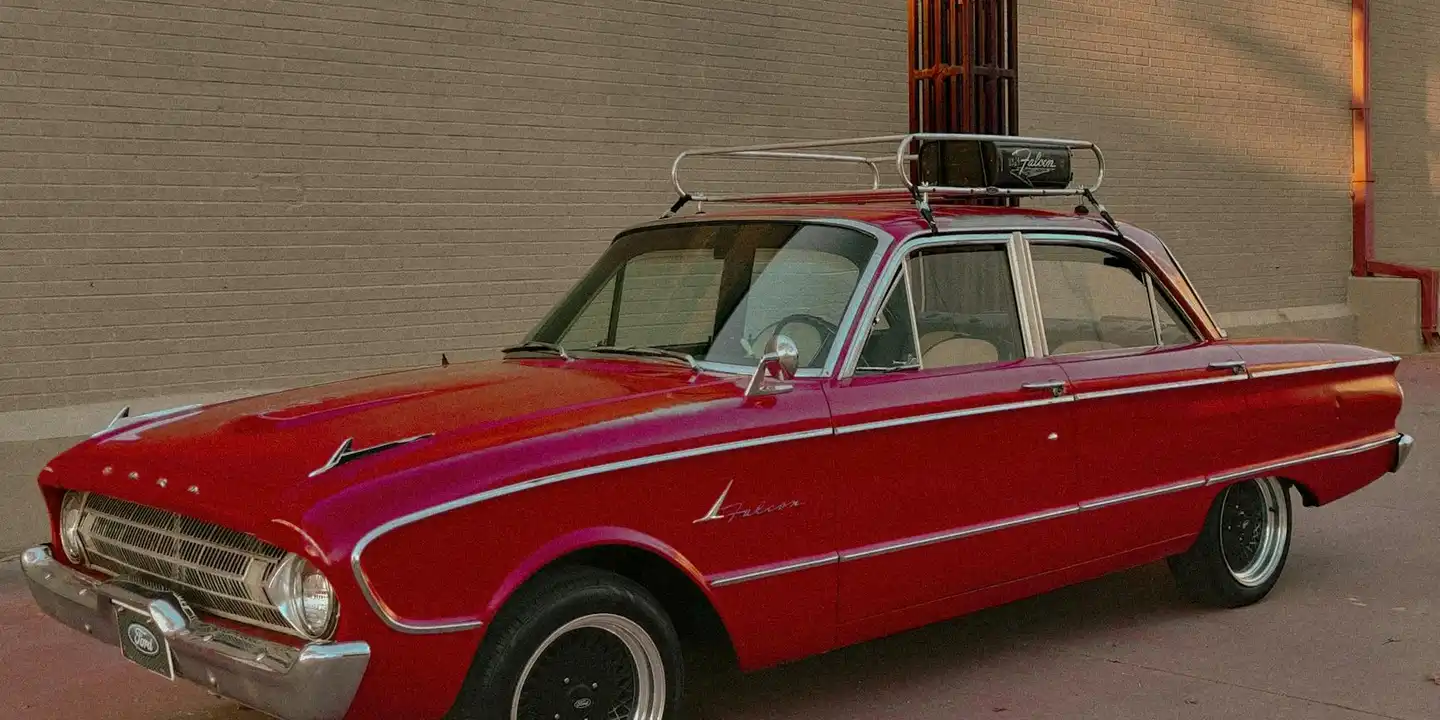
Let’s settle this common question. If your main concern is saving money at the pump, the hitch-mounted rack is almost always the winner. I’ve seen the numbers from enough real-world tests and owner reports to be confident. A roof rack, even an empty one, can hurt your fuel efficiency by 5% to 10%. Put a bulky cargo box or bikes on top, and that can jump to 25% or more at highway speeds. A hitch rack has a much smaller impact, often just 1% to 5%.
The answer to which is better for gas mileage is clear: a hitch-mounted rack is the more fuel-efficient choice.
But efficiency isn’t the only factor. Each option has trade-offs.
- Roof Rack Pros: Your cargo is up and out of the way. You have full access to your trunk and rear hatch. It’s the only practical way to carry very long items like lumber, ladders, or kayaks.
- Roof Rack Cons: Major MPG penalty. You must lift heavy items overhead, which is a safety and strain concern. It can make garage clearance tricky.
- Hitch Rack Pros: Best for fuel economy. Easier to load heavy bikes or gear at waist level. Doesn’t alter your vehicle’s center of gravity as much.
- Hitch Rack Cons: It blocks your tailgate and rear lights. It reduces your vehicle’s “departure angle,” meaning you can scrape it on steep driveways. You also need to install a trailer hitch first.
Why a Hitch Rack is Often the MPG Winner
Aerodynamics is the key. Your car is designed to slice through the air. When you put a rack on the roof, you create a big, blunt obstacle right in the cleanest part of the airflow. Think of it like a poorly installed roof vent.
Drag happens in the messy, swirling air behind your vehicle, so adding a rack there is less disruptive than putting one on top where the air is smooth.
Here’s a roofer’s analogy: creating turbulence on the roof is like trying to vent a hot attic by poking a hole in the ridge cap. You disrupt the entire system. Venting at the soffit, in the already-turbulent eaves, works with the natural flow. A hitch rack sits in the vehicle’s “wake,” much like a soffit vent, causing less overall drag.
When a Roof Rack is Still the Right Tool for the Job
Even with the MPG hit, a roof rack is sometimes the only tool that makes sense. I keep one for specific jobs.
- Carrying long, straight materials like PVC trim, gutters, or lumber.
- Transporting kayaks, canoes, or surfboards.
- When your vehicle doesn’t have a hitch and you can’t install one.
- When you need every inch of space inside the vehicle clear.
If you go this route, securing your load properly is non-negotiable roof care for your car. A loose strap flapping in the wind can sand the paint right off your roof’s finish, just like a loose branch can wear away shingles.
Pro Roofer Tips: Minimize Fuel Loss and Protect Your Car’s Roof
You need the rack. I get it. Here are my field-tested ways to minimize fuel efficiency loss and protect your investment, using the same logic we apply to a house.
The Golden Rule: Remove It When You Don’t Need It
This is the single most effective move. Can removing the roof rack improve gas mileage? Absolutely, and dramatically. An empty roof rack system (the crossbars and feet) is still a fuel-wasting parachute.
If you’re not using it this week, take it off. Your wallet will thank you.
Safe removal is part of roof care. Don’t just yank it. Follow these steps:
- Loosen the fittings according to the manual, often with a hex key.
- Lift the crossbar and foot assembly straight up to avoid scraping.
- Wipe down the contact points on your car’s roof where the feet sat. Clean any dirt or moisture to prevent slow corrosion or seal damage.
- Store the rack in a garage or shed, not leaning against a wall where it can bend.
Smart Loading for Better Aerodynamics
How you pack the rack matters as much as what you put on it. Think of loading a roof box like stacking shingles for a tight, water-shedding roof.
Keep everything as low and flush as possible. Load heavier, bulkier items toward the front of the box. Center the weight side-to-side. A lopsided load creates more drag and stress, similar to an uneven snow load on a house roof.
For bikes or other odd-shaped gear, use a front fairing if your rack system allows it. This little windshield smooths the air over your cargo and can recover a few precious MPGs.
Installation and Roof Care: Avoiding Scratches and Leaks
A poorly installed rack can ruin your car’s roof. I’ve seen it. The goal is a secure fit without damaging the finish or the seals around the door frames.
Always use the protective pads or rubber feet included with the rack. Before you tighten anything down, make sure no grit or sand is trapped under the feet. That grit will grind into the paint with every vibration.
Tighten the clamps firmly by hand according to the manual, but don’t use excessive force that could warp the door frame or compromise the weather stripping. Periodically check that all fittings are snug, just like you’d check for loose flashing after a storm. A loose rack foot will wiggle, slowly wearing away the paint and potentially letting water into the crevices over time.
Limitations and the “Attic Connection”: When to Rethink Your Rack
There’s a point where convenience loses to cost. A roof rack is a tool, and like any tool, you shouldn’t leave it on the job site when the work is done. That mindset also comes into play with roofers’ pay structures—hourly, by the job, or by project. These pay models influence what tools get brought to site and how work is organized.
Leaving a rack on for daily driving is like running your home’s AC with a blocked attic vent. That trapped heat makes your system work harder. On your car, the rack creates turbulence that traps a bubble of hot air against your roof. Your air conditioner has to fight that extra thermal load, drawing more power from the engine and burning more fuel.
The noise is another clue. That constant whistling or roaring at highway speeds is more than an annoyance. It’s the sound of energy being wasted, of air fighting instead of flowing smoothly over your vehicle.
If squeezing every last mile from a gallon of gas is your main goal, a permanent roof rack is not your friend.
When the MPG Hit Isn’t Worth It
From my years on the road and talking with mechanics, I see a few clear patterns. The fuel penalty hurts most in specific situations.
- Long Highway Commutes: If you drive 50+ miles a day on the interstate, that 5-15% penalty adds up fast over a month. The aerodynamic drag is at its worst at sustained high speeds.
- Very Fuel-Efficient Small Cars: Taking a 40 MPG hybrid down to 34 MPG is a bigger percentage hit than dropping a truck from 18 to 16 MPG. The rack’s effect is more noticeable on vehicles designed to slice through air.
- When the Cargo Fits Inside: This seems obvious, but I’ve seen it too often. If your gear fits in the trunk or back seat, putting it on the roof just burns money.
Do the quick math before a trip: estimate your total miles, your car’s typical MPG, and the rack’s penalty. Multiply it by the cost of gas. Sometimes, renting a small trailer or even using a delivery service is cheaper than the extra fuel you’ll burn.
Protecting Your Investment: Long-Term Roof Health
Car roofs and house roofs share the same core job: to keep the elements out and protect the structure beneath. Both need you to pay attention to the construction types and materials used.
A roof rack isn’t a “set it and forget it” item. The constant pressure, vibration, and exposure create specific wear points. You need to inspect your roof and rack mounting points with the same diligence you’d check your shingles after a storm.
When you remove the rack, look closely. Are the rubber pads deteriorating or leaving marks? Is there any sign of rust starting around the foot pads? Are the mounting channels clean and free of debris? This is like checking for granule loss on shingles or cracks in tile.
Neglect here can lead to paint damage, which is the equivalent of a compromised roof underlayment. Once water gets behind it, you have a bigger, more expensive problem. Proper roofing underlayment installation is a key part of leak prevention. When done right, it keeps moisture out and protects your interior from water damage.
Common Questions
Are there ways to minimize the fuel efficiency loss from a roof rack?
Yes, by treating it like a seasonal tool. Remove the entire rack system when it’s not in use, and when loaded, keep cargo low, centered, and tapered toward the front to slice through the air.
Do different types of roof racks (e.g., aerodynamic, basket) affect mileage differently?
Absolutely. Streamlined “aero” bars are the most efficient, while open baskets and solid boxes create significantly more drag. Always choose the sleekest design that fits your actual need.
At what speed does a roof rack start to significantly impact fuel economy?
Expect a noticeable hit once you pass 50 mph. For the least financial pain, stick to slower roads when carrying a rooftop load and always remove it for high-speed highway commuting.
Your Roof Rack: A Simple Choice for Efficiency
From my time on countless job sites, the most reliable advice is this: if your roof rack isn’t carrying gear, take it off. This straightforward habit is the single most effective way to reclaim lost fuel economy and shield your vehicle’s roof from potential damage. If you’re tackling a broader roof project, removing old roof material, cleaning paint spills, or even planning a re-roof can help keep the system solid and leak-free.
Your roof’s condition is a core part of responsible property ownership. I encourage you to keep safety and learning upfront by regularly consulting detailed resources like our Roof Care, All Types of Roof Guide, Care, Maintenance for trustworthy, long-term guidance.
Ray Huffington
Ray is an experienced roofer. He has worked as a general contractor in the roofing industry for over 15 years now. He has installed and repaired all kinds of roofs, from small houses to large mansion, and from basic shingles to cement and metal roofs and even solar roof panels. He has seen homeowners struggle with roofing questions and always has experience based proven advice to help those in need. If you need roof pros, Ray's your guide.