
Is Flex Seal a Good Temporary Fix for a Roof Leak? How to Apply It Correctly
Hearing water drip into a bucket in your attic? Many homeowners grab a can of Flex Seal as a quick fix, but does it really work on a roof?
Flex Seal can stop a small leak in a pinch, but it is not a permanent repair. I have used it on job sites to buy time, and applying it correctly makes all the difference.
Here is what I will explain:
- When Flex Seal is a practical choice for a roof leak and when you should call a pro.
- The right way to prepare your roof and apply Flex Seal for a hold that lasts.
- How this temporary fix fits into a plan for a proper, long-term repair.
What Is Flex Seal, and Which Product Do You Need?
Think of Flex Seal like a thick, gooey liquid bandage for your house. It’s a liquid rubber coating. You brush, roll, or spray it on. It then dries into a flexible, waterproof skin.
This flexibility is key. Your roof expands and contracts with temperature changes. A brittle patch would crack. A rubbery one moves with it.
They sell it in a few forms. Picking the right one matters.
- Liquid (in a can): This is for painting onto bigger areas. Use it to coat a section of flashing or seal around a vent pipe. It gives you control with a brush.
- Spray (in a can): This is for cracks, seams, and hard-to-reach spots. The mist gets into tiny gaps. It’s messy, so shield everything around it.
- Tape (peel-and-stick rolls): This is for an instant, no-dry-time patch. You find the leak, clean the spot, and slap it on. I’ve kept a roll in my truck for quick client emergencies before a proper repair.
Now, to your questions. Can Flex Seal be used on roof shingles? Yes, but carefully. The Spray or Liquid can seal a small tear in a shingle. Do not slather it over whole shingles. You’ll trap moisture and cause rot. It’s best to use proper techniques to install roof shingles with a watertight seal.
Can Flex Seal be used on chimneys? Absolutely. Brick and metal flashing are ideal for it. Use the Liquid to seal the seam where the flashing meets the brick (the counterflashing). The Spray can tackle hairline cracks in the mortar.
Never use a substitute. Can driveway sealer be used on a roof? No. I’ve seen it tried. Driveway sealer is designed for horizontal, solid concrete. On a sloped, granular shingle roof, it will not adhere properly. It cracks in months, wasting your time and money while the leak gets worse.
The Roofer’s Verdict: When Flex Seal Makes Sense (and When It Doesn’t)
Here’s my straight answer. Flex Seal is a viable temporary fix for small, simple leaks if you apply it right. It’s a band-aid, not surgery. It buys you weeks or months to schedule and pay for a professional repair.
Good Use Cases: The “Band-Aid” Jobs
- A small nail pop where a shingle is lifting.
- A tiny, visible crack in metal valley flashing.
- A pinhole leak in a pipe boot (the rubber seal around a plumbing vent).
- An emergency stopgap when rain is coming tonight and your roofer can’t come until Tuesday.
In these cases, a correct Flex Seal application can effectively stop water intrusion and prevent interior damage until a permanent fix is made.
Hard Stops: When to Call a Pro Immediately
- The leak is large, or you see multiple wet spots in your attic. Water is traveling far from the source.
- Your shingles have widespread granule loss. The roof is wearing out, and a patch won’t help.
- You press near the leak and the roof decking feels soft or spongy. That’s rot, and it needs deck replacement.
- The leak is at the roof’s edge, valley, or chimney base. These are complex, high-pressure areas. A DIY patch here often fails fast.
Your safety is the biggest hard stop. If the leak is not easily reached from a safe, stable position on a ladder, do not attempt the repair yourself. A fall from a roof is life-changing.
This leads to the big picture. Can Flex Seal fix a leaky roof? It can patch a single hole, but it cannot fix a failing roof. The real cause is usually aged materials or improper installation. I once patched a client’s flashing crack with Flex Seal. It held for a season, but the underlying issue was rusted metal. We replaced the entire flashing the next spring. Flex Seal addressed the symptom, not the disease. On metal roofs, seal repair around screw holes is essential to prevent leaks. Properly sealing those fasteners helps address the real weak points that patching can’t fix.
The Cost-Benefit Reality: Temporary Patch vs. Proper Repair
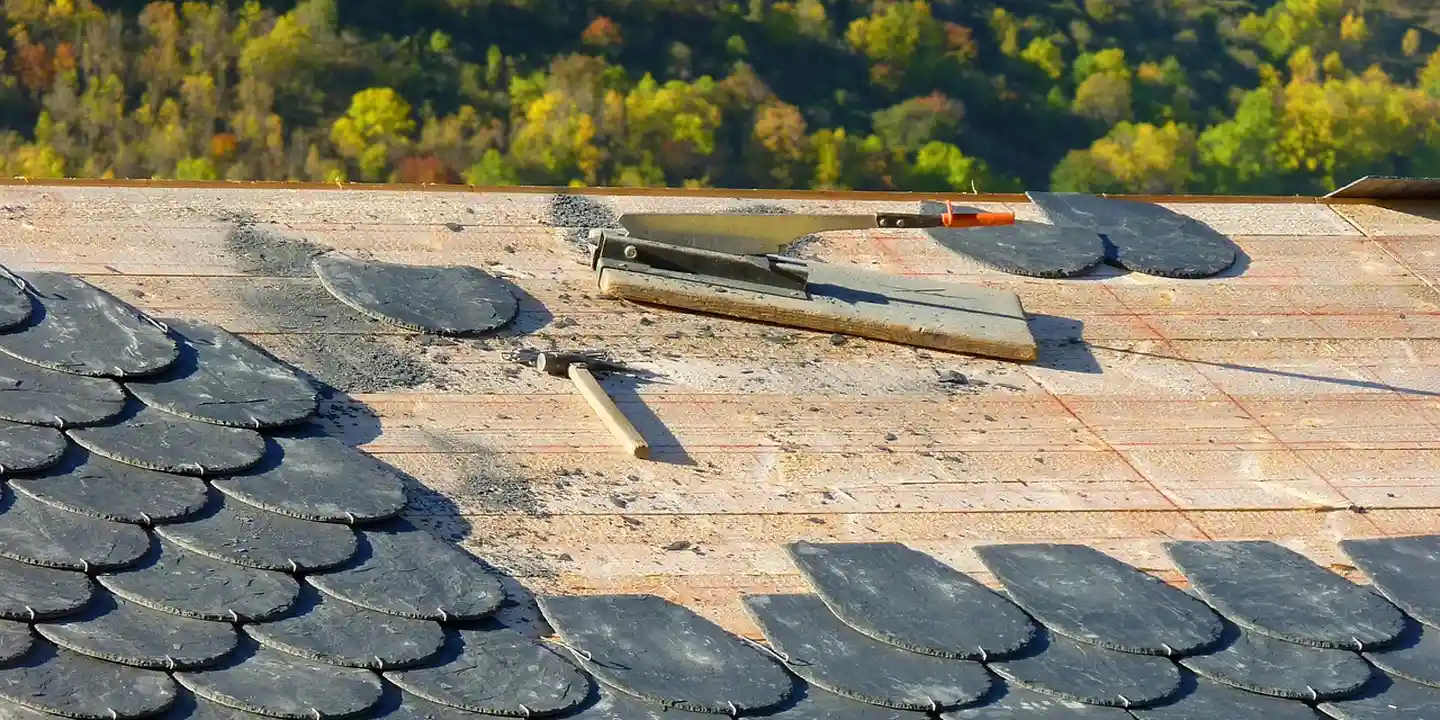
Let’s talk dollars and sense. The choice to use Flex Seal is often a budget call. Here’s a quick look at the numbers.
| Repair Method | Typical Cost Range | Expected Lifespan |
| Flex Seal Product (can, tape, liquid) | $10 – $30 | Months to 1 year (if you’re lucky) |
| Professional Repair (small area) | $150 – $500+ | 5+ years (as part of the roof system) |
The low price of a Flex Seal can is tempting. I get it. But you have to think of it like a band-aid on a cut that needs stitches. It might stop the bleeding for now.
That “band-aid” risk is real. Buying a $20 can every six months means you’ll spend $200 in five years on a leak that never truly gets fixed. A single $300 repair from a pro could solve it for the same period, or longer. You’re not saving money. You’re spreading the cost out over time, plus adding the constant worry.
This becomes a simple financial question. Is this patch a wise holdover until you can save for a proper repair next month? Or is it throwing good money after bad on a roof that’s at the end of its life?
To answer “can i flex seal my roof,” you first have to answer two other questions. How big is the leak? A pinhole in a single shingle is a candidate. A gaping hole or widespread cracking is not. What is your roof’s overall condition? If your shingles are curled and brittle everywhere, patching one spot is like fixing one broken board on a rotten deck. You’re addressing a symptom, not the problem. Leaks often occur at the junctions where shingles meet, not just from a single hole. If those shingle junctions are failing, sealing one spot won’t address the underlying leak; to properly seal shingle junctions leaks, a targeted approach is required.
How to Apply Flex Seal Correctly: A Roofer’s Step-by-Step
If you’ve decided a temporary patch is the right move, doing it correctly is everything. Doing it wrong wastes your time and money. Let’s do it right.
Safety is not optional. Always use a proper roof harness if you’re getting on a pitched roof. Roof walking safety starts with a quick surface and weather check before you step. Keep a steady footing and stay secured at all times. Work on a dry, calm day. Wear gloves and eye protection. The chemicals in these products are no joke.
Step 1: Find and Prep the Leak
This is the most important step. A patch over a dirty, wet spot will fail. Guaranteed.
Start inside your attic with a flashlight during a rainstorm. Look for water stains, drips, or damp wood. Trace it up to the underside of the roof deck. Mark the spot.
Outside, correlate that mark to the roof surface. Clear away all debris, moss, and dirt (especially moss). Scrub the area with a stiff brush. I’ve used a wire brush on stubborn asphalt shingle grit. The goal is a clean, bare surface.
Pro Tip: The surface must be BONE DRY. Wait at least 24-48 hours after the last rain. Any moisture trapped under the sealant will turn to steam in the sun and blow the patch right off.
Step 2: Choose and Apply the Product
Flex Seal comes in a few forms. The method changes with the product.
For Liquid Flex Seal (in a can), use a disposable brush or roller. Apply a thin, even coat over the leak and at least 2-3 inches beyond in all directions. Don’t glop it on thick. It will take forever to cure and likely run.
For Spray Flex Seal, shake the can vigorously. Hold it about 6-8 inches from the surface. Use a steady, sweeping motion. Start your spray off the edge of the repair area and sweep across it. Common Mistake: Spraying in one spot creates drips and runs, leaving thin, weak spots in the coating. Multiple light passes are better than one heavy coat.
For Flex Seal Tape, cut a piece larger than the leak. Peel the backing and carefully lay it over the area. Press firmly from the center outwards to squeeze out any air bubbles. Seal the edges down hard. This works well for cracks in vent boots or small holes in metal.
Step 3: Curing and Inspection
This is where patience pays. The surface may feel dry to the touch in an hour. That doesn’t mean it’s cured.
Full curing can take 24-48 hours, or even longer in cool, humid weather. Check the product label. A true cure means the rubber has fully formed its waterproof bond.
Plan for at least two thin coats, waiting for the first to become tacky before applying the second. One thick coat is prone to cracking. After it’s fully cured, inspect the edges. Make sure they are sealed down tight to the roof surface. Gently run a little water over it with a hose to test your work. If climbing isn’t an option, you can apply roof coating from the ground with a long-handled roller. This keeps you safe while still ensuring even coverage.
Remember, this is a temporary fix. Mark your calendar to check the patch in a few months. When you can, budget for the real repair.
Beyond the Can: Other Temporary Fixes and When to Use Them
Flex Seal is one tool in the box. On different jobs, I’ve reached for other methods based on the exact problem. Knowing your options helps you make a better choice.
Flex Seal works, but its main advantage is its ability to stretch and move with the roof material without cracking. Think of it like a thick, rubbery band-aid. That flexibility makes it good for sealing around pipes or small holes. But sunlight breaks it down over time. A patch in direct sun might only last a few months before it gets brittle and fails.
| Method | Best For | Key Points |
| Flex Seal (Liquid or Tape) | Small holes, cracks, seams around roof protrusions. | Flexible and waterproof. Easy to apply. Degrades with UV exposure. A short-term solution. |
| Roof Cement (Mastic) | Re-sealing metal flashings, vent boots, or small gaps. Do not smear it over shingles. | Durable and asphalt-based. Remains pliable. Messy to work with. It’s a glue, not a coating. |
| Professional Roof Tape | Sealing splits in metal valleys or flat roof seams. | Heavy-duty, aluminum-backed tape. Far superior to duct tape. Creates a strong, immediate seal. |
| Properly Anchored Tarp | Large storm damage, missing shingles, or major leaks. | The safest bet for big problems. Covers the damage completely to prevent water entry. |
Roof cement has its place. I keep a tube in my truck. Use it to re-seal the base of a vent pipe boot or a lifted piece of step flashing, but never to “glue” shingles down. Smearing it over shingles traps moisture and causes rot.
If you need a tape, skip the duct tape. It fails in hours. Use a peel-and-stick roof repair tape from the hardware store. It has a real adhesive and a reinforced backing.
For any hole bigger than your fist or a widespread leak, a tarp is your best friend. A properly anchored tarp is a more reliable temporary fix because it sheds water away from the damaged area entirely. It doesn’t rely on a chemical bond that can fail.
To answer directly: can flex seal stop roof leaks? Yes, for a while, on very specific, small problems. Its flexibility is a plus, but UV degradation is a major weakness. A heavy tarp or roof tape on a clean, dry surface often provides a more dependable hold until the repair crew arrives.
Your Next Move: From Temporary Stop to Lasting Solution
You’ve applied the patch. The immediate panic is over. Now, shift your mindset from emergency responder to project manager. This temporary fix just bought you the most valuable thing: time.
Your first job is to watch that patch like a hawk. After the next rain, check the attic and the ceiling below the leak for any new dampness or staining. Even a small, slow drip means water is finding another way in. Temporary fixes can fail without warning, so stay vigilant.
Use this dry window to find a permanent solution. Call two or three reputable, local roofers for inspections and quotes. Tell them exactly what you did for a temporary fix. A good roofer will appreciate you preventing further interior damage. This temporary patch gives you the breathing room to get quotes and choose a quality roofer, instead of being forced to hire the first person who can come tomorrow. Some common roof repair myths can mislead homeowners. These myths are debunked in our roof repair myths debunked guide.
I’ve been the guy called to fix a DIY patch that finally gave out after two years. The water damage inside the walls was extensive and costly. Remember my lesson. During a sudden leak, an emergency roof repair guide can help you stabilize temporarily. It offers practical steps while you arrange professional help. Treat Flex Seal or any DIY patch as a tool in your emergency kit to control damage, not as a substitute for a proper, lasting repair. Your roof is your home’s first line of defense. Trust its long-term care to the professionals.
Common Questions
How long will a Flex Seal roof patch actually last?
In direct sun, expect 3 to 6 months before UV degradation makes it brittle. It’s a short-term bandage, not a cure, so plan your permanent repair immediately.
What’s the one mistake that makes a temporary patch fail?
Applying it to a wet or dirty surface. Any moisture underneath will break the bond. The area must be bone-dry and clean for the seal to hold.
After I apply a temporary patch, what’s my very next step?
Mark your calendar to schedule a professional roof inspection. The patch controls damage, but a pro needs to diagnose and fix the root cause to prevent it from recurring elsewhere.
Your Roof’s Health After a Temporary Patch
Apply Flex Seal properly to a dry, clean area, and you can trust it to hold back water long enough to plan your next move. I view it as a reliable short-term teammate, giving you the dry days needed to schedule a permanent repair.
Being a responsible owner means putting safety first and building your knowledge over time. I encourage you to learn about your specific roof type and regular maintenance; it’s the best way to protect your investment.
Ray Huffington
Ray is an experienced roofer. He has worked as a general contractor in the roofing industry for over 15 years now. He has installed and repaired all kinds of roofs, from small houses to large mansion, and from basic shingles to cement and metal roofs and even solar roof panels. He has seen homeowners struggle with roofing questions and always has experience based proven advice to help those in need. If you need roof pros, Ray's your guide.