
How Do Solar Panels Affect Your Roof’s Integrity, Lifespan, and Structural Load?
Considering solar panels for your home? As a roofer with years of hands-on experience, I know your biggest worry is whether this upgrade will hurt your roof. You want to know if solar panels cause leaks, shorten your roof’s life, or risk overloading the structure.
In this article, I’ll break down the facts from my time on the job. Here’s what we’ll cover:
- How the installation process directly affects your roof’s weathertight integrity.
- The real impact on your roofing materials and overall lifespan.
- The truth about weight, structural load, and what your home can handle.
The Pre-Installation Roof Check: Is Your Roof Ready for Solar?
This is not about selling you panels. It is about protecting your house. I have seen too many homeowners rush into solar without looking up first. A good solar installer cares about energy. A good roofer cares about your roof’s structure and weatherproofing. You need both perspectives before you commit.
Start with your own eyes. You can catch the big problems from the ground.
- Look for sagging rooflines. This is a major structural red flag.
- Scan for cracked, curled, or missing shingles. These are signs of aging.
- Check your attic for any signs of existing leaks, like dark stains on the wood or insulation.
If you see any of these, call a professional roofer for an assessment. Do this before you sign any contract with a solar company. A roofer will check the decking for soft spots, evaluate the flashing, and give you an honest opinion on remaining life.
This brings me to the “Red Flag” concept. Some roofs are solar-ready. Others need help first. Installing panels on a failing roof is like putting a heavy new engine in a car with a rusted-out frame. It accelerates the problem.
Your Roof’s Health Report Card
Think of a roof assessment like a physical exam. The doctor checks your age, your heart, and your old injuries. I do the same for your roof. I look at its age, the condition of the materials, and the quality of any past repairs.
Solar panels are a 25 to 30 year investment, and your roof needs to match that commitment. Check your roof’s remaining lifespan before installation to ensure the system lasts as long as planned. This alignment helps avoid costly rework later. Putting them on a roof with only 5 years left is a costly mistake. You will pay to remove and reinstall the panels for a roof replacement far sooner than you planned.
| Roof Scenario | Solar Readiness |
|---|---|
| 15-year-old asphalt shingles with some wear | Needs a professional inspection. May require replacement soon. |
| New metal standing seam roof | Ideal candidate. Often designed for solar attachment. |
| 10-year-old roof after a major hail storm | Must be fully inspected for hidden damage first. |
Red Flags That Mean “Fix the Roof First”
These are the clear signs that tell you to pause your solar plans.
- Multiple layers of old shingles. This adds excessive weight and makes proper mounting difficult.
- Visible water stains or daylight in the attic. You have an active leak.
- Widespread moss, algae, or mold growth. This traps moisture and degrades shingles.
- Spongy or soft decking you can feel when walking on the roof.
- Bald spots with significant granule loss in the gutters.
Installing solar on a compromised roof will void most roofing material warranties and can hide developing problems until they become severe. Fix the foundation first. Then add the upgrade.
How Solar Panels Affect Roof Integrity: Punctures, Leaks, and Wind
Homeowners ask me all the time, “How do solar panels affect roof integrity?” and “Can solar panels cause roof leaks?” The short answer is: a proper installation protects your roof. A poor one threatens it. The two biggest risks are at the attachment points and from the wind, especially when installing on flat roofs.
Let me use a simple metaphor. The mounting brackets are like buttons on a coat. When done right, they are sealed tight and keep the weather out. When done wrong, each one is a tiny hole letting in the rain. The integrity of your roof depends entirely on how these “buttons” are installed.
The Truth About Roof Penetrations and Leaks
Every panel rack is secured with lag bolts that go through the shingles and into the roof deck. This is a penetration. Do roof anchors damage the roof? Only if they are installed incorrectly. A quality installer uses a multi-step sealing process for each one.
First, they install a metal flashing piece with a neoprene gasket. The bolt goes through the center of this. Then, they apply a high-grade sealant under the flashing and around the bolt head. It creates a gasketed, watertight jacket that sheds water away from the hole.
I have seen the hack jobs. The crew overtightens the bolt, crushing the shingles and cracking the decking. Or they use a cheap caulk that dries and cracks in two years. That is how you get leaks. When you get quotes, ask specifically about their flashing and sealing methods. The answer tells you everything.
Can Solar Panels Be Blown Off the Roof? Understanding Wind Uplift
So, can solar panels be blown off the roof? It is rare with a proper install, but the force is real. The racking system and panels act like a sail, catching the wind and trying to lift. The mounts are what hold everything down, especially when installed correctly.
This is where engineering matters. Local building codes specify wind speed ratings for your area. A reputable installer will have an engineer sign off on the racking layout and mounting plan to meet or exceed those codes. They calculate the uplift force and use enough mounts, spaced correctly, to resist it.
I was called out after a big storm a few years back. The homeowner heard banging. Up on the roof, I found a dozen mounts where the bolts were only finger-tight. The wind was getting under the panels and rocking the whole array. The crew had skipped the final torque pass with a calibrated wrench. It was a simple, lazy mistake that could have led to a catastrophic failure. Always ask if the installation includes a final torque inspection.
Solar Panels and Roof Lifespan: Protection or Premature Aging?
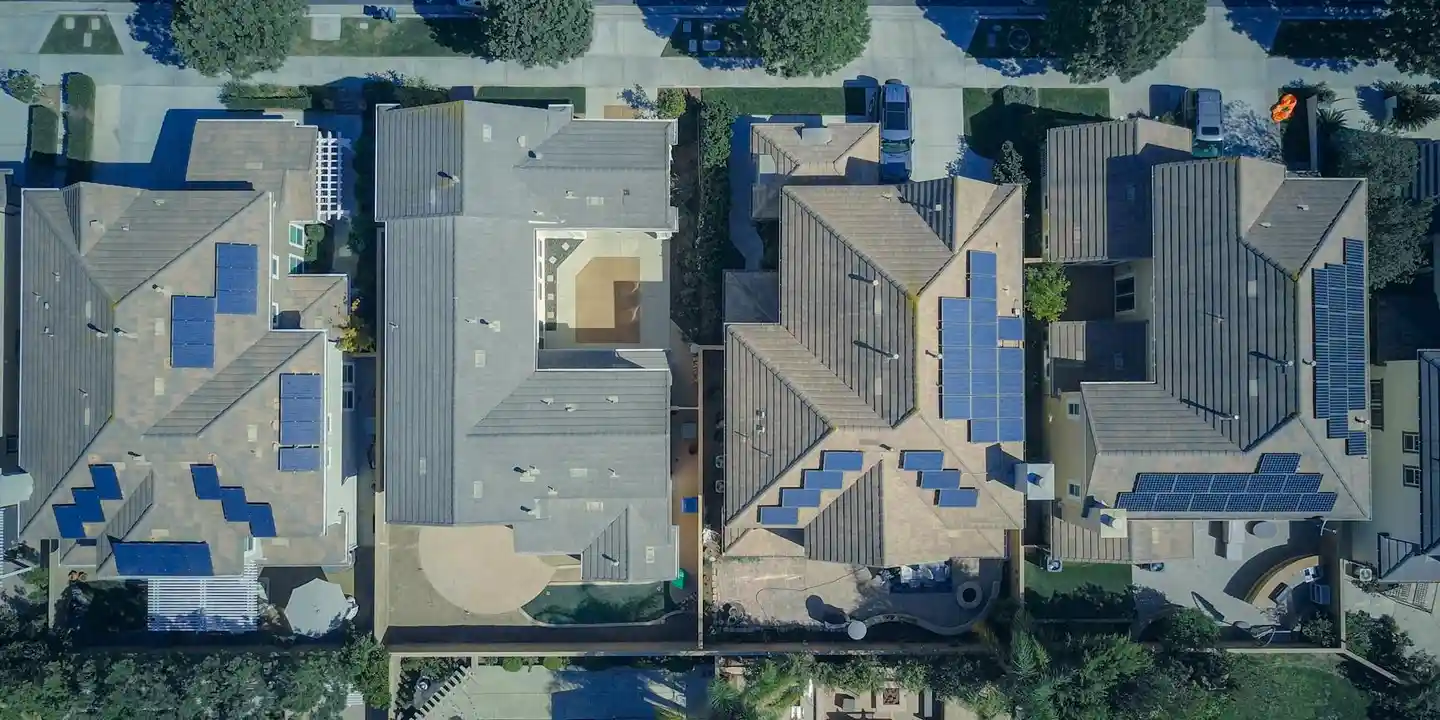
Do solar panels affect roof lifespan? Are they bad for your roof? The answer isn’t a simple yes or no. Solar panels have a dual effect: they shield the roof they cover from sun and rain, but they can also trap heat and moisture against the shingles. Think of it like a hat. It protects your head from the sun, but if it’s tight and non-breathable, it can make your scalp sweat. The deciding factor between help and harm is almost always the installation method. A careful, code-compliant install extends your roof’s life. A rushed job can lead to premature aging.
The Attic Connection: Ventilation and Hidden Moisture
Your roof and attic work together like lungs. Air needs to flow in through the soffit vents under the eaves and out through the ridge vent at the top. Solar panel racks can unintentionally block these intake vents, choking off that crucial airflow. I’ve been called to homes where this blockage caused attic temperatures to soar and moisture from daily living to condense on the roof deck. That hidden condensation is a fast track to wood rot and mold. Maintaining clear ventilation pathways isn’t just about roof health, it preserves your home’s insulation R-value and overall energy efficiency.
Material-Specific Lifespan Impacts
How panels interact with your roof depends heavily on what it’s made of. For common asphalt shingles, the panels provide great UV protection, but they also create a hot air pocket. This constant heat exposure can bake the shingles and dry out the adhesive strips faster than normal. On a metal roof, the impact is minimal, as the material is designed to handle temperature swings. Fragile roofs like clay tile or slate are a different story. The real risk here is during installation. I’ve seen crews crack tiles just by walking on them improperly. The initial handling often causes more damage than the panels themselves ever will.
Structural Load: The Weight on Your Roof’s Shoulders
How do solar panels affect structural load? In plain terms, they add weight. You’re putting a permanent, distributed load on your roof’s framing. A typical system with panels, aluminum racks, and connectors adds about 3 to 5 pounds per square foot to your roof. For context, that’s like having a light layer of plywood up there. Most roofs built in the last 30 to 40 years are designed with a safety margin that can handle this. Older homes, especially those with lighter original construction, may need an engineer to check if the rafters or trusses require reinforcement.
Code & Compliance Check: Permits and Engineering
This is where you separate the pros from the amateurs. A reputable solar installer will always pull a local building permit before they start work. That permit process requires the city to review the plan, which includes a structural assessment of your roof’s capacity. This check confirms whether your framing is strong enough or needs added support. Be very wary of any installer who suggests skipping permits to save you money or time. That shortcut bypasses the only official safety check your roof will get. This is also part of solar roof prep and futureproofing, keeping your roof ready for future upgrades. It’s a smart, forward-looking step that protects your investment.
Flat Roofs vs. Pitched Roofs: Different Load Dynamics
The way weight is applied changes with roof shape. On a sloped, pitched roof, panels are mounted on angled racks that direct the load down into the rafters. On a flat roof, systems often use “ballasted” racks, which are held in place by concrete blocks instead of penetrating the roof. Ballasted systems spread weight out over a larger area, but they add significant dead load that must be calculated precisely. For flat roofs, the math has to include the weight of ponding water after a rainstorm plus the weight of the panels and ballast. It’s a more complex engineering puzzle.
Choosing the Right Installation Method for Your Roof Type
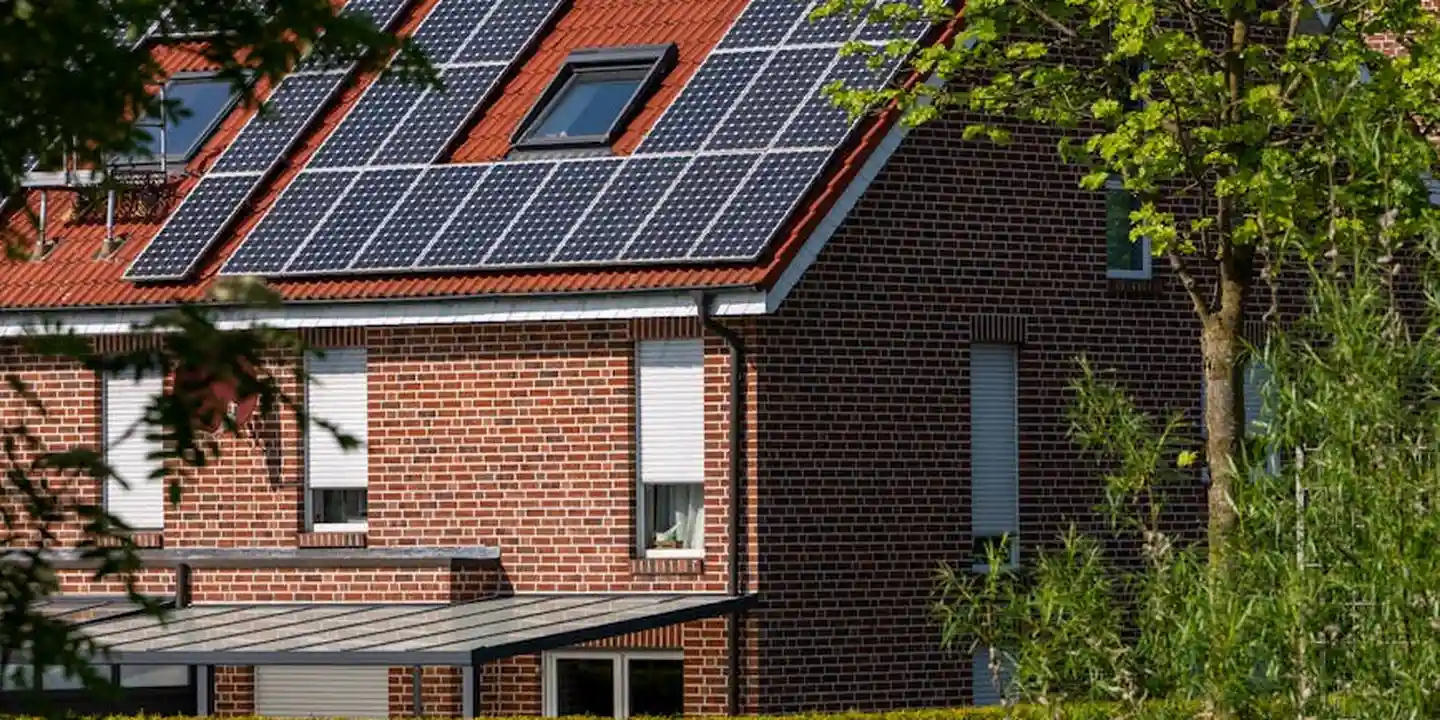
All those risks we talked about melt away with the right installation. Think of it like this: a good solar install protects your roof, it doesn’t punish it.
Your installer will pick a mounting system based on your roof. The main types are rack, ballasted, and integrated.
- Rack systems are the most common. They use metal rails attached to your roof with lag bolts.
- Ballasted systems use weighted blocks to hold panels down, great for flat roofs with no penetrations.
- Integrated systems replace roofing sections with solar tiles or shingles. They look slick but are often pricier.
The right system, installed correctly, adds negligible stress and actively shields your roof from weather and UV rays.
Mounting Systems Decoded: From Asphalt to Metal
How they attach is everything. I’ve seen jobs go south when a crew uses a one-size-fits-all approach.
For asphalt shingles: Installers slide a custom metal flashing under the shingle course above the attachment point. The mounting foot then bolts through that flashing and into the roof deck. A high-quality sealant is applied over the bolt head and under the shingle flap. When done right, water flows over it just like a shingle.
For standing seam metal roofs: This is the gold standard for avoiding holes. Specialized clamps grab onto the raised seam. The solar racking then bolts directly to these clamps. No penetrations means no potential leak points. It’s a clean system I wish we could use everywhere.
For tile roofs: You never want to drill through a curved tile. The smart method uses replacement hooks or brackets. The installer removes a single tile, slides a hooked bracket onto the batten (the wooden strip underneath), and then replaces the tile. The panel rack attaches to the hook. The tile remains intact, and the weight is transferred correctly to the roof structure.
The Roofer’s Role in a Solar Install
This is my biggest piece of advice. A solar crew are electricians and engineers. A roofer understands the skin of your house.
Choose a solar company that employs certified roofers, or insist on having your own roofer present for the installation. Their job is to be the roof’s advocate.
A good roofer on site checks three critical things: the deck integrity before anything is attached, the proper alignment of every flashing piece, and the generous, correct application of sealant.
They make sure lag bolts hit solid wood, not just plywood seams. They ensure flashing is layered correctly, shingle-style. They watch for over-tightened bolts that can crack tiles or crush shingles. This hands-on oversight is the direct answer to “can solar panels damage my roof.” With a roofer involved, the answer should be no.
Long-Term Care and Maintenance for a Roof with Solar
Once the panels are up, your job changes. You’re now managing a partnership between your roof, the panels, and you.
The goal is to keep everything working together for decades. This means smart inspections and understanding the new rules for repairs.
Inspection and Cleaning: What You Can and Can’t Do
You can’t just climb up there anymore. Your maintenance routine needs to adapt.
Every season, take five minutes to walk around your house with binoculars. Look for these things from the ground:
- Piles of leaves or pine needles trapped at the lower edge of the panels.
- Any visible sagging or shifting of the panel array.
- Loose wiring or conduit that’s dangling or rubbing.
- Dark streaks or moss growth on the exposed roof sections.
Never walk on your solar panels or try to clean them from a ladder leaning on the roof.
The glass is tempered but can crack under point pressure. You can seriously damage the cells and void the panel warranty. For cleaning, hire a professional service that uses deionized water systems and safe roof-access techniques. If you have a low-pitch roof with safe, walkable access, you can gently hose off dusty panels early in the morning to boost efficiency.
Warranty Wisdom: Protecting Your Investment
The warranty question makes people nervous. Will solar panels void my roof warranty? They don’t have to.
The key is coordination. Your roof material warranty and your solar installer’s workmanship warranty need to work together. Get everything in writing before the first bolt is turned.
Ask your solar installer for a copy of their warranty that explicitly covers roof penetrations and leaks. Then, contact your roofing manufacturer. Provide them the installation plans. Many manufacturers will keep your warranty valid if the solar system is installed using their approved methods and flashing details. If they require a specific type of sealant or flashing, make sure your installer uses it.
When Repairs are Needed: Working Around the Panels
Let’s be real. If a major storm damages your roof, the panels are now in the way. This is the complication everyone worries about.
Here’s the process: A roofing contractor will assess the damage. They then hire a solar technician (often from the original company) to disconnect, remove, and safely store the panels and racking. The roofers make the repair. Then the solar crew returns to reinstall everything. It adds steps and cost. This process highlights how roof repairs must account for the solar panel system—from solar panel system removal to reinstallation. Proper maintenance planning helps prevent panel damage and keeps both the roof and the panels functioning well.
You should budget for this possibility. Get a quote from your solar installer for “remove and reinstall” (R&R) services. It might be a few thousand dollars. Setting aside a small maintenance fund now prevents a major headache later. It means solar complicates repairs, but with planning, it doesn’t have to ruin your roof or your finances.
##
Common Questions
###
How should I inspect my roof after the solar panels are installed?
Make quarterly ground-level checks with binoculars. Look for debris piles at the panel edges, any shifted mounts, or new dark streaks on exposed shingles, which signal trapped moisture.
###
Will my roof and solar warranties conflict after installation?
They shouldn’t if you coordinate upfront. Get your solar installer’s penetration warranty in writing and submit their mounting plan to your roofing manufacturer for approval to keep your roof warranty valid.
###
If I need a roof repair, does the solar company or a roofer handle it?
A roofer manages the roof repair, and the solar company handles the panel removal and reinstallation. Always hire a licensed roofer to inspect the deck and flashing once the panels are off, as hidden damage is common. This is especially important when solar panels are involved in roof repairs.
Securing Your Roof for Solar Success
The single most important step you can take is to get a qualified, independent roof inspection before a single panel is mounted. Let a professional tell you if your roof is ready, instead of guessing and hoping for the best. A solid foundation ensures your investment in clean energy doesn’t come at the cost of your home’s shelter.
Installing solar is a major home upgrade, and treating your roof as the critical system it is forms the basis of all responsible ownership. For any future roof care questions, from maintenance to material choices, lean on trustworthy, expert-written resources to make informed decisions that keep your home safe and durable.
Ray Huffington
Ray is an experienced roofer. He has worked as a general contractor in the roofing industry for over 15 years now. He has installed and repaired all kinds of roofs, from small houses to large mansion, and from basic shingles to cement and metal roofs and even solar roof panels. He has seen homeowners struggle with roofing questions and always has experience based proven advice to help those in need. If you need roof pros, Ray's your guide.