
How Do You Safely Clean Roof Stains Without Damaging the Shingles?
Have you ever looked up at your roof and seen those ugly black streaks or green moss patches? You want them gone, but you’re worried that cleaning them might ruin the shingles. From my years on roofing crews, I can tell you that safe, effective cleaning is entirely possible with the right approach.
Here’s what I’ll break down for you: First, I’ll explain how to figure out exactly what kind of stain you’re dealing with. Then, I’ll show you the cleaning solutions that work without eating away at the shingle granules. Finally, I’ll walk you through the hands-on cleaning steps that keep you and your roof safe.
Key Takeaways: What Every Homeowner Needs to Know First
You can clean your roof shingles, but the wrong method causes permanent damage. I have seen too many roofs where a well-meaning homeowner blasted away the protective granules, leaving the asphalt underneath to bake and crack.
Before you touch a ladder, remember these three rules.
- Never pressure wash asphalt shingles. The high-pressure stream strips off the protective mineral granules. Once they are gone, your shingles will fail years earlier.
- Always work from the ground when possible. Most cleaning solutions can be applied with a garden hose sprayer. If you must get on the roof, have a very good reason.
- Identify the stain before treating it. Algae, moss, and lichen all need slightly different approaches. Using the wrong chemical is a waste of time and money.
For steep roofs, second-story roofs, or any roof where you feel unsure, this is a job for a professional. A pro crew uses fall arrest harnesses tied to a secure anchor, roof jacks for stable footing, and knows how to navigate around overhead power lines. The risk of a serious fall is real.
The good news is there is a gentle alternative. Soft washing uses low-pressure pumps and special biodegradable cleaners to kill organic growth without harming the shingles. It is the method I trust for my clients’ homes.
The Truth About Roof Cleaning Safety: When to Call a Pro
Let me be direct about the hazards. If your roof has any of the following conditions, cleaning it yourself is too dangerous. No amount of caution will keep you safe in such situations.
- A pitch steeper than a 6/12 slope (that means the roof rises 6 inches for every 12 inches of horizontal run).
- The eaves are more than one story off the ground.
- The surface is wet, mossy, or covered in slick pine needles.
- You have any doubts about your balance or footing.
A professional does not just hop on a roof with a bottle of cleaner. They use a full harness system with a shock-absorbing lanyard, anchored to a truss or a certified roof anchor. They wear shoes with soft, rubber soles designed for grip on steep surfaces. Eye protection is mandatory when handling chemicals. This is specialized safety gear most homeowners do not own and are not trained to use.
If you are assessing a DIY approach, start with these precautions. Always look up for overhead power lines before moving a ladder. Use a sturdy, extension ladder placed on firm ground, and have a spotter hold the base. Only work in dry, mild weather with no wind. Wet shingles are as slippery as ice.
Call a professional roof cleaner if you see any red flags: a steep pitch, second-story work, or any doubt in your mind. The cost of a pro is always less than the cost of a hospital visit. I have turned down jobs where the homeowner insisted on doing it themselves on a dangerously steep roof. It is simply not worth the risk compared to DIY roof repair.
Your Roof, Your Responsibility: The DIY Safety Checklist
For a low, single-story roof with a very gentle slope, DIY might be feasible. If you proceed, follow this checklist without skipping a single item.
- Tell someone you are going on the roof and when they should expect you back down.
- Use a ladder stabilizer to prevent side-to-side movement.
- Wear rubber-soled shoes and secure, non-baggy clothing.
- Never work alone. A partner can stabilize the ladder and call for help if needed.
- Keep both feet on the roof surface at all times. Do not overreach.
- Plan your work path to minimize walking. Work from the ridge down if applying solution.
- If you feel tired, unsure, or the weather changes, get down immediately.
Diagnosing the Problem: What Kind of Stain Do You Have?
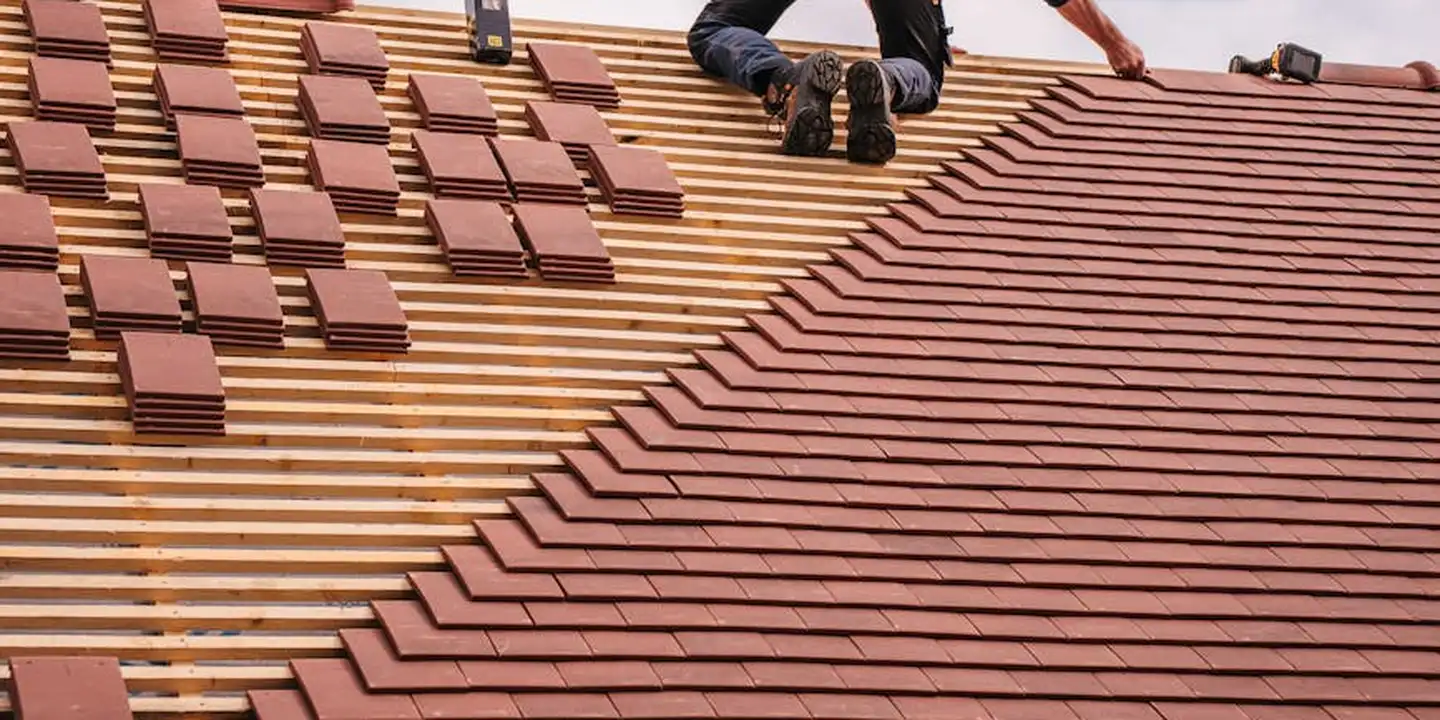
Knowing how to clean your roof shingles starts with knowing what you’re fighting. Using the wrong cleaner can waste your time and even damage the shingles. I always tell homeowners to take a good look from the ground first.
Think of it like a doctor’s visit. You have to identify the symptoms before you can prescribe a cure. Here’s a simple guide to the most common roof stains.
- Black Algae Streaks: These look like dark pencil lines or tiger stripes running down from the roof peak. They’re most common on the north-facing side of the roof where shade and moisture linger. The culprit is a hardy algae called Gloeocapsa magma. It feeds on the limestone filler in asphalt shingles.
- Green Moss Patches: Moss looks like a thin, green, wet carpet clinging to shingles, especially in valleys and near chimneys. It grows in clumps and holds moisture against the roof surface. This is a sign of persistent shade and trapped debris. Over years, moss can lift shingle edges and cause leaks.
- Orange Rust Runs: You’ll see rusty orange or brown streaks flowing down from metal fixtures. Common sources are uncoated nail heads, old flashing, or a metal chimney cap. When the metal corrodes, rainwater carries the rust stain down the shingles.
- Soot or Dark Pollution Film: This appears as a general, dark gray film, often concentrated near the peak or around vents. It’s common in urban areas or if you have a wood-burning fireplace. It’s basically airborne dirt and carbon sticking to the granulated surface.
Getting this first step right is the foundation for how to clean your roof shingles safely and effectively. A moss treatment won’t touch rust, and a rust remover won’t stop algae.
Choosing Your Weapons: Safe Cleaning Solutions for Every Stain
The best cleaning solution is the one that kills the stain without harming the shingle’s protective granules. Pressure is your enemy. Gentle chemical application is your friend. You have two main paths: homemade mixes or commercial roof cleaners.
For organic growth like algae and moss, the goal is to kill the organism so it washes away. For rust, you need to dissolve the iron oxide. Let’s break it down.
Homemade vs. Commercial Cleaners: A Quick Comparison
- Homemade Bleach Solution (Sodium Hypochlorite): This is a classic. It’s effective and inexpensive for killing algae and moss.
- Pros: Low cost, readily available, very effective on organic stains.
- Cons: Can harm plants, may fade colored surfaces, needs careful handling.
- Oxygenated Bleach (Sodium Percarbonate): This is a powder that mixes with water. It’s a gentler, plant-friendlier oxidizer.
- Pros: Safer for landscaping, color-safe, less harsh fumes.
- Cons: Can be slower acting, might require a second application for heavy growth.
- Commercial Roof Cleaners: These are formulated specifically for the job.
- Pros: Often include surfactants that cling to the roof, some have added zinc to prevent regrowth, designed to be granule-safe.
- Cons: More expensive per gallon than DIY options.
When looking at commercial products, I recommend choosing a surfactant-rich, bleach-based formula for organic stains. For long-term algae prevention, look for a zinc sulfate-based treatment. The label should clearly state it is safe for asphalt shingles, especially when you remove black streaks and stains from asphalt roof shingles.
How Do You Remove Rust Stains from Roof Shingles?
Rust requires a different approach. You need a mild acid to break down the iron oxide. Never use a chlorine bleach solution on rust stains. It won’t work and can react poorly.
A diluted oxalic acid or phosphoric acid solution is often effective. These are found in many “rust stain remover” products for siding and concrete. The critical rule is to test any acid-based cleaner in a small, inconspicuous area first. Apply it, wait a few minutes, and rinse thoroughly. Check for any discoloration or damage to the shingle granules. If it looks safe, proceed cautiously.
The Homemade Mix: A Roofer’s Go-To for Organic Stains
For twenty years, my crew and I have used a simple, effective mix for algae and moss. We apply it with a low-pressure garden sprayer, never a pressure washer.
Here is the exact recipe we use for a standard 5-gallon backpack sprayer:
- 1.5 gallons of regular household bleach (typically 6% sodium hypochlorite).
- 3.5 gallons of water.
- 1/3 cup of a heavy-duty laundry detergent (the plain kind, without dyes or scents). The detergent acts as a surfactant, helping the solution stick to the vertical shingle surface.
Mix this in a well-ventilated area. Always add the bleach to the water, not the other way around. Never, ever mix bleach with ammonia or vinegar. This creates dangerous, toxic gases. Wear old clothes, eye protection, and gloves. Wet down any plants below the roof line with plain water before and after the job to protect them from runoff.
Step-by-Step: How to Apply Cleaner Without Damaging Shingles
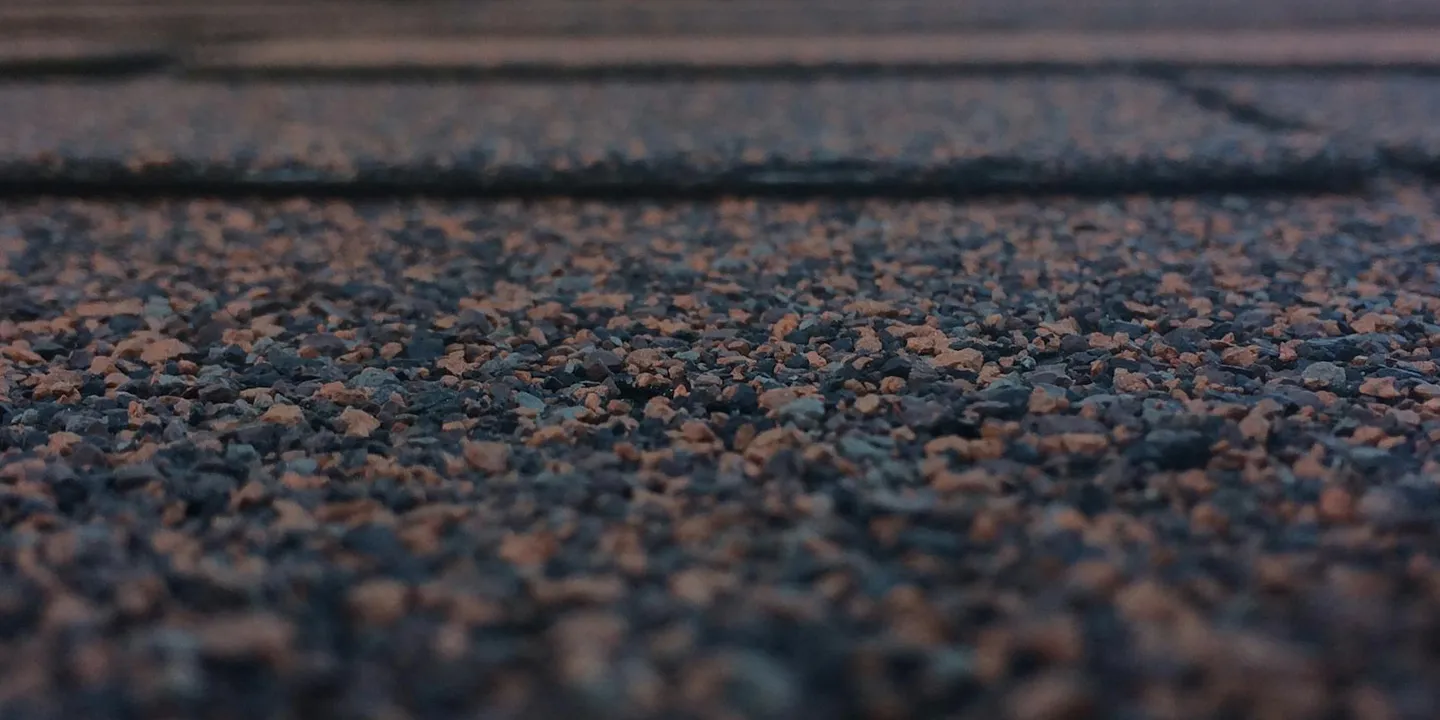
Cleaning your roof is not about brute force. The goal is to let the cleaner do the work without you fighting the shingles. Here is the process we used on hundreds of homes, including when we remove old roof material and clean paint spills during re-roofing projects.
- Safety and Prep First
Wear rubber-soled shoes and use a securely anchored ladder. Clear the roof of loose branches and pine needles by hand. Put on your safety glasses and gloves.
- Protect Your Plants
Thoroughly wet all plants, shrubs, and grass below the work area with a garden hose. This dilutes any runoff that reaches them. You can also cover them with plastic sheeting for extra safety.
- Wet the Roof Surface
Using a garden hose on a gentle spray setting, wet the shingles you plan to clean. Start at the bottom edge and work up. Damp shingles accept the cleaning solution better and reduce the risk of streaking.
- Mix and Apply the Solution
Follow the cleaner’s dilution instructions exactly in a pump sprayer or dedicated garden sprayer. Never use full-strength bleach or harsh chemicals. Starting at the bottom edge of a stained section, apply the solution. Work your way up the roof, never down.
Applying from the bottom up prevents cleaner from running down over dry, untreated shingles, which can cause ugly streaks. Let the solution dwell for the time specified on the label, typically 15-30 minutes. It should not be allowed to dry on the shingles.
The Best Method: No Pressure, No Scrubbing
The single best method is called “soft washing.” This means using a low-pressure sprayer to apply a biodegradable cleaning solution, then gently rinsing it off. A simple pump garden sprayer works perfectly for DIY.
Is pressure washing safe? No, it is not safe for asphalt shingles. The high-pressure stream can blast off the protective mineral granules, crack the shingle mat, and force water under the shingles. You will cause thousands of dollars in damage in minutes with a pressure washer.
The safe alternative is your garden hose with a spray nozzle set to “shower” or “flat.” Use it only for rinsing, not for cleaning.
The Right Way to Rinse: Protecting Your Investment
Rinsing is just as important as cleaning. Do it wrong, and you leave damaging residue.
- Before the cleaner dries, begin rinsing from the top of the treated area.
- Use plenty of water on a low-pressure setting to flush all solution off the shingles.
- Rinse from the top down, washing the cleaner down over the already-wet lower shingles and into the gutters.
- Rinse your gutters out thoroughly when you’re done.
A thorough rinse prevents chemical residue from shortening your shingles’ lifespan. Re-wet your landscaping after you finish to further dilute any runoff.
Keeping Stains at Bay: Prevention and Long-Term Care
Cleaning fixes the current problem. Smart habits stop it from coming back.
How can you prevent stains from returning? You attack the root cause. Dark streaks (Gloeocapsa magma algae) and moss need moisture and shade to thrive.
- Install Zinc or Copper Strips: Near the roof peak, these metal strips slowly release ions when it rains. The water washing down the roof kills spores and prevents growth for years.
- Trim Overhanging Branches: More sunlight and better airflow dry the roof faster, making it less hospitable to organisms.
- Improve Attic Ventilation: A hot, humid attic heats the roof deck from below, creating a perfect warm, moist environment for algae on the shingles above. Proper intake and exhaust ventilation is a long-term fix.
How often should you clean your roof shingles? For most homes, a cleaning every 2 to 4 years is sufficient if you use preventive strips. Homes in damp, heavily shaded climates may need it more often, especially to remove mold from asphalt roof shingles.
What to Avoid: Your Final Caution List
- No Pressure Washers. This cannot be overstated.
- No Stiff Bristle Brushes or Power Scrubbing. You will scrub the granules right off.
- No Harsh, Undiluted Chemicals. They degrade the shingle asphalt and harm the environment.
- Never Work on a Dry Roof in Direct, Hot Sun. The cleaner will dry too fast and cause damage.
Your Homeowner’s Maintenance Routine: Extend Your Roof’s Life
This simple, twice-a-year check takes minutes but adds years to your roof. Do it in spring and fall.
- Clean Your Gutters and Downspouts: Clogged gutters cause water to back up under the shingles at the roof edge, leading to rot and leaks.
- Remove Debris from Roof Valleys and Behind Chimneys: Use a leaf blower from your ladder (wear safety glasses). Piled leaves hold moisture and accelerate decay.
- Do a Visual Inspection from the Ground: Use binoculars. Look for new moss patches, damaged or curling shingles, and any piles of granules in gutters (a sign of wear).
Catching a small issue early is the difference between a simple cleaning and a costly repair. This routine stops problems before they start and is the best investment you can make in your roof.
Common Questions
How can you prevent stains from returning after cleaning?
Install zinc or copper strips near the roof peak; the ions released in rainwater inhibit future growth. Also, install zinc strips close to the ridge of your metal roof for enhanced protection. Additionally, trim overhanging branches to increase sunlight and airflow, which helps keep the roof dry.
Are there any commercial roof cleaners you recommend, and what should you look for?
Choose a surfactant-rich, bleach-based formula designed for asphalt shingles to kill organic growth. For long-term prevention, select a product with added zinc sulfate, and always follow the dilution and application instructions on the label precisely.
How do you safely remove rust stains from roof shingles?
Use a diluted oxalic or phosphoric acid solution, often sold as a concrete or siding rust remover. Always test it on a small, hidden area first and rinse thoroughly to ensure it doesn’t damage the shingle granules or cause discoloration.
Your Path to a Clean and Confident Roof
The most reliable method is always to work gently from the ground up, using the right cleaner for the stain. This protects your shingles’ integrity and is the single best way to maintain your home’s value.
Treating your roof with this mindful care is the hallmark of a responsible homeowner. I recommend making ongoing learning about Roof Care, All Types of Roof Guide, Care, Maintenance a regular part of your home upkeep for lasting safety and performance. Understanding roof care myths debunked helps separate myths from real maintenance practices. This sets the stage for practical, evidence-based tips you can trust.
Ray Huffington
Ray is an experienced roofer. He has worked as a general contractor in the roofing industry for over 15 years now. He has installed and repaired all kinds of roofs, from small houses to large mansion, and from basic shingles to cement and metal roofs and even solar roof panels. He has seen homeowners struggle with roofing questions and always has experience based proven advice to help those in need. If you need roof pros, Ray's your guide.