
How Do You Pressure Wash Your Roof Safely Without Causing Damage?
Does your roof have dark stains or moss that make you reach for a pressure washer? I’ve repaired too many roofs where high-pressure cleaning tore shingles and led to costly leaks, but with the right approach, you can avoid that damage completely.
This guide will walk you through choosing the correct pressure setting, mastering the safe cleaning technique, and gearing up for essential protection.
Key Takeaways: The Safe Roof Cleaning Checklist
Before you even plug in a pressure washer, you need a plan. Rushing onto the roof is how good intentions lead to expensive repairs.
Start every job with this non-negotiable safety and prep list.
- Inspect the roof from the ground with binoculars. Look for loose, cracked, or missing shingles.
- Clear the work area below of patio furniture, grills, and potted plants.
- Cover shrubs and flower beds near the house with plastic sheeting.
- Ensure all ladder setups are secure and on level ground. Never lean a ladder against the gutters.
- Wear rubber-soled shoes with solid tread and consider a safety harness for any pitch.
Let’s be honest. For most homeowners, hiring a licensed and insured professional is the smarter, safer choice. They have the gear, the training, and the liability coverage you don’t. My crew has been called to fix too many DIY mistakes that cost more than the original cleaning would have.
The core principle that will save your roof is this: low pressure and the right chemicals always beat high pressure. Think of it like washing a car with a garden hose instead of a sandblaster. High pressure strips away the protective granules on shingles, forces water under the roofing layers, and creates leaks.
Your tool list is critical. You don’t need the strongest machine, you need the right one.
- A 40-degree wide fan nozzle or a dedicated roof cleaning tip to keep pressure under 1000 PSI.
- A soft-wash system or downstream chemical injector to apply cleaning solutions.
- A safety harness and proper anchor points if your roof pitch is walkable but steep.
This Isn’t for Everyone: When to Call a Pro Instead
I’m not here to discourage you, but to give you a sober assessment from the ladder. Some roofs are just not DIY-friendly. Knowing your limits is a sign of a smart homeowner, especially when it comes to roof walking safety.
Certain roof conditions make the job dangerous or likely to cause damage.
- Steep pitch (over 6/12): If you look at your roof and feel uneasy, it’s too steep. A 6/12 pitch means it rises 6 inches for every 12 inches horizontally. Anything steeper is a major fall risk.
- Old or brittle asphalt shingles: Shingles become dry and crack with age. High pressure, or even a misstep, can break them.
- Clay or concrete tile: These are fragile. Walking on them incorrectly cracks them, and pressure washing can dislodge them or erode their surface.
- Metal roofs with painted coatings: Pressure washing can strip the paint and finish, leading to rapid rust.
This leads to a common question: what are the signs that I should stop and call a professional? If you see any of these during your inspection, put the washer away.
- Widespread black algae streaks or thick moss mats.
- Multiple cracked, cupped, or curling shingles.
- Any sign of a sagging roof deck.
- If you have any doubt about the roof’s integrity or your safety.
People often ask, can roof shingles be pressure washed? The answer depends entirely on their age and condition. Newer, sturdy shingles can tolerate a very gentle, low-pressure rinse with the right technique. Older, weathered shingles cannot. When in doubt, assume they cannot.
The risks are real. Falls are the obvious one. But water intrusion from blown-off shingle seals or lifted tiles can cause rot in your decking and attic. Never ignore overhead power lines when handling long ladders and metal equipment.
The “Pro-Only” Shortlist: Roofs You Shouldn’t Touch
Some materials require such specific care that only a specialist should handle them.
Wood shakes and shingles are like sponges. They absorb water, and pressure washing drives moisture deep into the wood, promoting rot and mold growth. Pros use special low-volume cleaning methods.
Slate roofs are a long-term investment that can last a century. One wrong step or a high-pressure stream can crack a slate tile. Replacement is costly and requires a skilled hand.
Older asphalt shingles that are losing granules are telling you they’re near the end of their life. Cleaning them aggressively will only accelerate the damage, leaving you with a bare, compromised roof. Knowing the typical roof shingles lifespan helps you plan repairs and replacements more accurately.
Flat roofs (or low-slope roofs) have a different danger: ponding water. It’s easy to puncture the membrane with a ladder or misdirected pressure. You also risk blowing water under seams, creating a leak that’s hard to trace. Ponding is a sign of drainage problems and, if ignored, can cause long-term damage to the roof system.
Your Personal Risk Assessment
Be honest with yourself. Run through this quick checklist before making a decision.
- Roof Pitch: Is it low and walkable (less than 6/12), or does it make you nervous to look at?
- Ladder Comfort: Are you completely steady on a ladder at full extension? Do you have a spotter?
- Proper Gear: Do you have access to a pressure washer with the correct nozzle, a chemical injector, and fall protection?
- Physical Condition: Can you safely handle the equipment and maintain balance on an uneven surface?
If you checked “no” or felt hesitation on any item, call a professional without a second thought. The cost of a pro clean is far less than the cost of an emergency room visit or a full roof repair. I’ve made this recommendation to neighbors more than once, and they’ve always thanked me later.
Gearing Up: Your Safety and Equipment Checklist
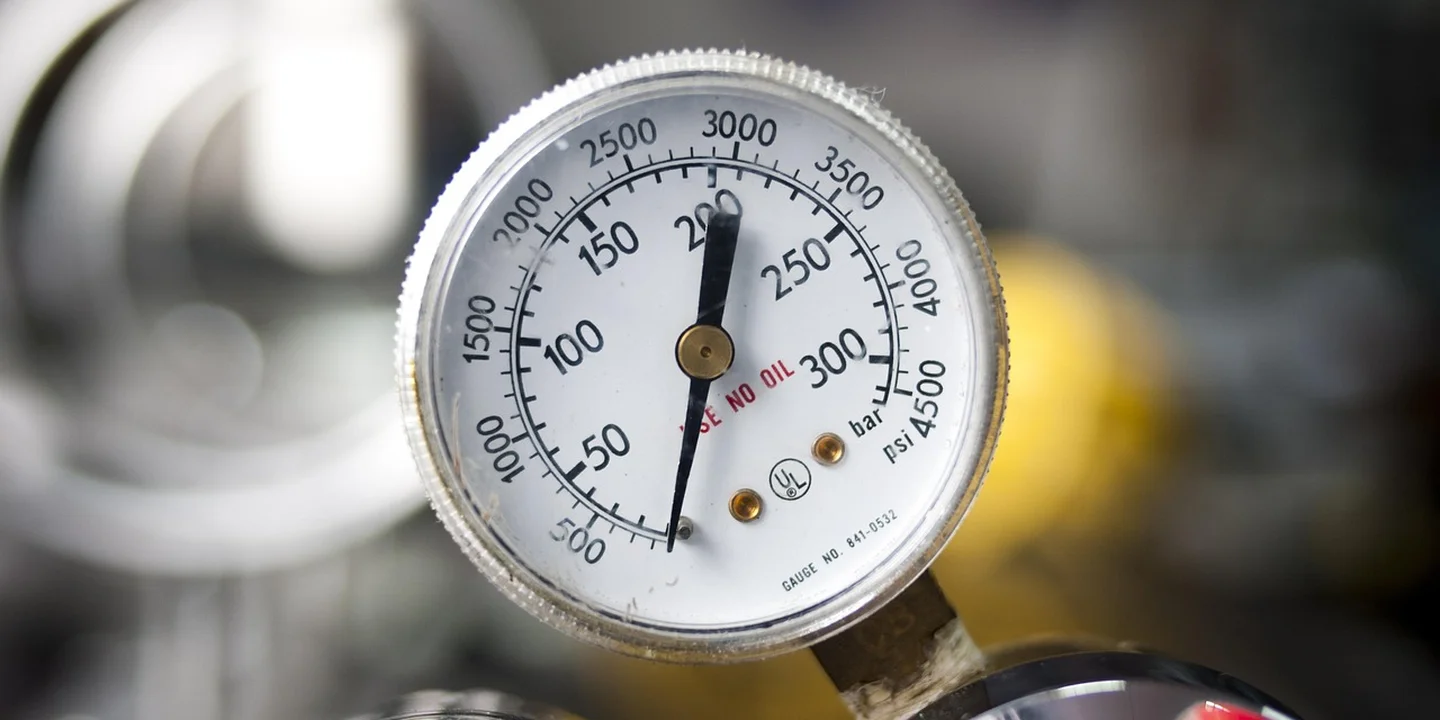
The most common question I get is, “What safety equipment do I need before starting?” Let’s be clear. Your safety gear is not an afterthought. It is the first thing you pack.
On my crew, we treat fall protection as the absolute rule. You need a proper roof harness connected to a secure, rated anchor point on your roof. Wear sturdy, rubber-soled shoes with good tread. For steep pitches, I insist on roof jacks and planks to create a stable work platform. It feels slow at first, but it prevents slips.
Your eyes and hands need protection, too. Safety glasses stop chemical splashes and flying debris. Heavy-duty gloves protect your skin from both cleaners and the rough shingle surface. If you’re running a pressure washer for a long time, hearing protection is a smart move.
Now, for the cleaning equipment. The right tools mean the difference between a clean roof and a damaged one. You need a pressure washer with adjustable PSI. For any roof surface, set it to a maximum of 1500 PSI. A machine with a built-in chemical injector is ideal for the “soft wash” method, which is safer for shingles.
The nozzle is critical. Use a wide 40-degree white tip or a dedicated soft-wash nozzle that fans out the stream. Never, under any circumstances, use a red zero-degree tip; it will blast the protective granules right off your shingles.
This leads to the question, “can i pressure wash my roof shingles?” With the low PSI and wide nozzle I just described, it is possible. But the risk is always there. A pure soft-wash with biodegradable cleaners is often the wiser, gentler choice for long-term roof health.
The Non-Negotiable Safety Gear
Let’s talk about that harness. It’s useless if not attached. You must install a permanent or temporary roof anchor into a solid roof truss or rafter. Your lifeline should have minimal slack to prevent a long fall. Practice moving around with it on a low slope before you go up high.
Getting on the roof starts at the ladder. Set it on firm ground at the proper angle (about 75 degrees). It should extend at least 3 feet above your roof’s edge. Always maintain three points of contact-two hands and one foot, or two feet and one hand-when climbing.
Before you raise that ladder or any equipment, look up. Check for overhead power lines feeding your house. Keeping all equipment, especially metal ladders and spray wands, well away from power lines is a non-negotiable safety step. I’ve seen close calls that still make my heart race.
Tool Rundown: From Washer to Brushes
Beyond the pressure washer, a few simple tools make the job smoother. Have a standard garden hose ready for final rinsing. A pump sprayer, the kind you use for lawn care, is perfect for applying cleaning solution to smaller algae stains.
For stubborn dirt, a long-handled, soft-bristle brush lets you scrub gently without bending over the edge. Since you’re up there, have your gutter scoop or trowel handy to clean gutters as you work your way down.
And a quick note on a common mix-up: pressure-treated wood is for deck framing and structural support. It has nothing to do with the pressure washing process. You won’t need any wood for this cleaning job.
The Pre-Clean Inspection: What Your Roof is Telling You
Pressure washing a roof without looking it over first is like painting a car with a rusty frame. You might make it look nice for a month, but you’re hiding problems that will get much worse, much faster. The force of water can blast off loose granules, drive moisture under damaged shingles, and turn small cracks into big leaks.
This inspection isn’t just a quick glance, it’s a diagnostic check that decides if cleaning is even safe to do. I’ve seen too many jobs where a good cleaning sped up a roof’s failure because we didn’t spot the hidden damage first.
Start your inspection from the ground with a good pair of binoculars. Walk around your entire house. Look for these clear warning signs:
- Bald spots where shingles have lost their protective granules.
- Shingles that are cracked, curled at the edges, or completely missing.
- Clay or concrete tiles that are broken, cracked, or sitting crooked.
- Rust streaks or gaps in the metal flashing around chimneys and vents.
- Moss that has lifted the edges of shingles, a sign its roots are underneath.
If it’s safe and you have proper fall protection, you can do a closer inspection from a ladder at the roof’s edge. Never walk on a roof you aren’t trained and equipped to handle. For a structured, thorough check, reference a roof damage inspection guide for a step-by-step checklist and safety tips. This guidance helps you identify common issues and know what to document for the next steps.
The question of can roof tiles be cleaned always depends on this inspection. Cleaning a tile with a hairline crack is asking for trouble, as water will be forced right through it.
You also need to know what you’re cleaning. Those common black streaks running down from the peak? That’s just algae, specifically a type called Gloeocapsa magma. It’s a surface stain that feeds on the limestone in shingles. It’s ugly but usually harmless to the roof’s structure. A thick, green, spongy carpet, however, is moss. That’s a different beast that traps moisture and can cause rot. If you’re dealing with algae, knowing the removal options can help protect your roof. In the next steps, we’ll go over roof algae removal methods.
Reading the Signs: Algae, Moss, and Damage
Think of algae like dirt on a raincoat. It sits on the surface and can be washed off. Moss is like ivy growing into your siding. It digs in, holds water, and can pry things apart over time.
Algae stains are cosmetic, but moss growth is an active threat that needs to be addressed differently.
One of the best diagnostic tools is already on your house: your gutters. After the next rain, take a look inside them.
If you see a pile of sandy, gritty material that looks like coarse black or brown sand, those are the granules from your asphalt shingles. A few granules are normal, especially on a new roof. But a consistent buildup is your roof telling you its protective layer is wearing thin. Pressure washing a roof that’s already shedding granules heavily will strip it bare.
Setting Up for Success: Area Prep and Mixing Solutions
I tell every homeowner the same thing. The cleaning itself is the quick part. The real work happens on the ground first. Good prep saves your plants, your siding, and your weekend.
Think of it like painting a room. You don’t just start rolling paint on the wall. You move the furniture and lay down drop cloths.
Protecting Your Property
Start by clearing the battlefield. Move patio furniture, grills, and toys away from the house. Anything you don’t want dripped on needs to go.
Your landscaping needs the most protection from the cleaning solution runoff. A few hours before you start, give all plants a deep, thorough soaking with plain water. A well-watered plant is less likely to absorb chemicals. For delicate shrubs or flowers right under the eaves, I drape them with plastic sheeting, securing it at the base.
Don’t forget your house. Rinse off your siding and close all windows tightly. If you have light-colored vinyl siding, be extra cautious, as some solutions can cause streaking.
Finally, grab your ladder and clear your gutters of leaves and debris. You want the solution and rinse water to flow away freely, not pool up and overflow.
Mixing Your Cleaner: Ratios and Safety
Now, for the cleaner itself. For the black streaks you see on roofs (that’s algae, not dirt), you have two good options.
My preferred choice for DIY is oxygenated bleach, which is powdered sodium percarbonate. It’s less harsh than liquid bleach, breaks down into oxygen and soda ash, and is gentler on plants. You mix it with water in a pump sprayer.
The other common option is a diluted household bleach solution with a surfactant. The surfactant, like a bit of laundry detergent, helps the solution stick to the roof instead of just running off.
Never use harsh acids, high-pressure concrete cleaners, or anything not meant for roofs, especially on tile or metal. You will permanently etch and damage the surface.
For moss, a simple bleach mix often isn’t enough. You usually need a dedicated mossicide that kills the root structure. You apply it, let it work for a few weeks, and then the dead moss brushes off easily.
Here’s a basic, safe ratio I’ve used for a bleach-based algae cleaner for asphalt shingles:
- 1 gallon of standard household bleach (5-6% sodium hypochlorite)
- 3 gallons of water
- 1/4 cup of a mild, phosphate-free laundry detergent (as the surfactant)
Always mix in a well-ventilated area and wear protective gear: safety glasses, rubber gloves, and old clothes. Pour the water into the pump sprayer first, then add the bleach to prevent splashing. Never, ever mix bleach with other chemicals, especially ammonia. The fumes are dangerous.
Before you spray the whole roof, test your mix. Find a small, inconspicuous spot, like behind a dormer, spray it, and wait 15 minutes. Rinse it off and check for any discoloration or damage. If it looks good, you’re clear to proceed. If you plan to apply the coating from the ground, use a long-handled roller or a ground-based spray setup. The next steps will show how to do this safely without climbing on the roof.
Timing matters. Pick a calm, overcast day with temperatures between 50 and 70 degrees Fahrenheit. You want the solution to stay damp and work for 15-20 minutes, not bake off in hot sun or get washed away by rain. A breezy, cool morning is perfect.
The Gentle Wash: Step-by-Step Technique to Avoid Damage

I see too many homeowners and even some contractors treat a roof like a driveway. They blast it with high pressure. That strips away the protective granules on shingles and can force water right up under them. The golden rule for roof cleaning is simple: use low pressure, between 500 and 1500 PSI, and let the cleaning chemical do the heavy lifting. Your goal is to gently rinse away the loosened grime, not to power it off. Follow these three steps in order, and you’ll get a clean roof without the costly damage.
Step 1: Apply Solution from the Bottom Up
Never start spraying at the top. If you do, the dirty runoff will streak down over the dry sections below, leaving permanent stains. I learned this the hard way on an early job. Always begin at the bottom edge of your roof and work your way upward. This way, each section you wet will be rinsed clean by the solution applied above it.
Use a simple pump sprayer or a dedicated roof cleaning system for application. Do not just mist the surface. You need to soak the roof until the solution is visibly dripping, ensuring it penetrates the moss or algae. Let the cleaner dwell for 15 to 20 minutes. Watch it closely. If it starts to dry in the sun, give it a light mist to keep it wet. A drying chemical can become too concentrated and harm your shingles.
Step 2: The Low-Pressure Rinse from the Top Down
Now for the rinse. This is where most mistakes happen. Set your pressure washer to its lowest setting, using the widest fan nozzle you have. Start at the very top ridge of the roof and rinse downward, following the path of the water. Keep the spray wand moving in a steady, side-to-side motion. Never, ever hold it in one spot.
Angle the wand so it’s almost parallel to the roof surface. Imagine you’re washing dust off a car’s hood, not blasting mud from a truck tire. If you see a stubborn patch of moss after the chemical soak, only then should you gently scrub it with a soft-bristle brush before rinsing. The chemical should have done 95% of the work already.
Step 3: Managing Water and Checking Your Work
Control your water flow. A full blast from a garden hose can overwhelm gutters and, worse, drive water up under the shingle tabs. Work in manageable sections, pausing to let the gutters drain if they start to overflow. As you rinse, inspect the water running off. It should be dirty, but you should not see a stream of sandy granules.
If you notice granules washing away with the water, your pressure is still too high-stop immediately and reassess your setup. This is a critical check. When folks ask me, “can u pressure wash a roof,” I tell them yes, but it’s a test of finesse, not force. You’re guiding water, not fighting the roof.
After the Wash: Inspection and Cleanup
Putting the pressure washer down does not mean the job is finished. The most critical part of roof cleaning happens after the last rinse. A wet roof hides problems. You need to let it dry completely before you move on.
I learned this the hard way on an early job. I washed a roof, packed up, and left. The homeowner called a week later about a leak I missed. Water had been sneaking under a shingle tab I had accidentally lifted. Since then, my crew never leaves a site without a dry inspection.
Post-Clean Roof Check
Once the roof is bone dry, get your ladder again. Your goal is to look for any damage your cleaning may have caused. You are not looking for pre-existing wear. You are looking for new issues.
Walk the perimeter first. Look up from the ground. Then, if it’s safe, get on the roof for a closer look.
Here is exactly what to look for on an asphalt shingle roof.
- Lifted Shingles: Did the water pressure curl up any shingle corners or tabs? Gently press them down. If they don’t lie flat, they need adhesive.
- Exposed Nail Heads: Did you blast away the sealant or granules covering a nail? A shiny nail head is a future leak. It needs a dab of roofing cement.
- Granule Loss: Check your gutters and the ground near downspouts. A few granules are normal. A pile of them means your pressure was too high and you stripped the shingle’s protective layer.
- Soft Spots: Step carefully. If any area feels spongy underfoot, you may have forced water under the shingles and into the roof deck. This is serious.
What if you find damage? Do not panic, but do not ignore it.
First, take clear photographs of every issue you find. Document the date. This protects you if a problem arises later. For minor fixes like a single lifted shingle or exposed nail, you can often handle it yourself with a tube of roofing sealant. For widespread granule loss or soft spots, it is time to call a professional roofer for an assessment. Be honest with them about what you were doing. A good roofer can tell the difference between storm damage and cleaning damage. If you’re dealing with an urgent leak or storm damage, see our emergency roof repair guide for quick, temporary steps and safety tips. It covers what you can do now while you arrange professional help.
Site Cleanup Protocol
After the roof inspection, turn your attention to the ground. Your landscaping will thank you.
- Rinse Plants Again: Give all your shrubs and flower beds another thorough soaking with plain water from the garden hose. This further dilutes any cleaning solution that dripped down.
- Remove and Clean Tarps: Shake debris off your tarps away from your clean driveway. Hose them down before folding to prevent mildew.
- Check Downspouts and Gutters: The wash will have sent debris flowing. Run a hose into your gutters to flush out any remaining sludge and check that downspouts are flowing freely.
Equipment Care
Your pressure washer just worked hard. If you want it to last, you must care for it now. This is especially critical if you used a bleach mix.
Neglecting to flush your pump is the fastest way to ruin a pressure washer. The chemicals will sit and corrode the seals and internal parts from the inside out.
Follow these steps every single time.
- Disconnect the chemical injector or remove the bleach mix from your downstream siphon tube.
- Place the suction tube into a bucket of clean, plain water.
- Run the pressure washer for two to three minutes, triggering the gun to let the clean water flow through the entire system, pump, hose, and wand.
- This flushes all the chemical residue out.
For storage, I always relieve the pressure by triggering the gun until the pump shuts off. Then I disconnect the hoses. Store the machine in a dry place. If you are done for the season, consider using a pump saver fluid. You follow the same flush process, but with the saver fluid instead of water. It coats the internals and prevents corrosion during storage. A little care here adds years to your machine’s life.
Keeping It Clean: Maintenance and When to Do This Again
From my years on the job, I can tell you that a clean roof is a healthy roof. Most roofs need a good cleaning every 2 to 3 years. That schedule isn’t fixed-it swings wildly based on your local climate and how many trees tower over your home. In a shady, humid spot, you might be up there every year. In a sunny, dry area, you could stretch it to four.
To make those cleanings farther apart, I always suggest installing zinc or copper strips along the ridge. These metal strips are a set-it-and-forget-it solution that actively fights algae and moss regrowth between washes. It’s a small investment I’ve seen pay off for decades on my clients’ homes.
Picking the right day matters as much as the right method. For most places, late spring or early fall is the sweet spot. Late spring cleaning clears off winter grime and pollen, while an early fall wash tackles summer algae before the wet winter sets in. You want a mild, dry day so any cleaner has time to work without baking on or freezing.
This brings us back to a common question: can i power wash my roof? With extreme caution and a wide fan tip, it can be part of your toolkit, but I usually point people toward soft washing. Soft washing uses biodegradable cleaners and very low pressure to eliminate stains without the destructive force that shortens a roof’s life. For routine maintenance, gentle almost always wins.
A clean roof absolutely lasts longer and looks better. That value only comes when the cleaning process itself doesn’t create hidden damage you’ll find later. I’ve been called to fix leaks where the real problem was a pressure washer that blasted the waterproofing right off the shingles.
Preventing Regrowth
Your first line of defense is a good pair of pruning shears. Trimming back tree branches that overhang your roof reduces shade and stops a constant rain of leaves and twigs. More sun and less debris mean a drier, less hospitable surface for gunk to grow.
Those metal inhibitor strips work through a simple, clever process. When rain hits the zinc or copper, it washes tiny metal ions down the roof slope, creating a zone that algae and moss can’t easily colonize. Think of it like a slow-dissolving, protective chalk line that refreshes with every shower.
Your Roof Cleaning Schedule
Don’t overcomplicate it. Tie your roof check-ups to the weather patterns you live with. Here is a simple guide I’ve used with homeowners for years.
- Hot and Humid (e.g., Florida, Gulf Coast): Inspect your roof every spring and fall. Plan to clean every 1 to 2 years to combat relentless algae and mold.
- Dry and Sunny (e.g., Arizona, Nevada): A visual check once a year is usually sufficient. You may only need a full clean every 3 to 4 years for dust and occasional mineral stains.
- Cold and Wet (e.g., Pacific Northwest, Northeast): Inspect after the last snow melts and again in early fall. Cleaning every 2 to 3 years is standard to manage moss and fall leaf debris.
The moment you see those dark black algae streaks appearing, it’s a clear sign your schedule needs to move up. Consistent attention is far cheaper than neglect.
Common Questions
What cleaning solutions are safe and effective for my roof?
For black algae streaks on asphalt shingles, use a diluted oxygenated bleach or a mix of one part household bleach to three parts water with a dash of mild detergent. Never use harsh acids, concrete cleaners, or high-pressure on delicate materials like tile or wood. These steps target removing black streaks from asphalt roof shingles. Used properly, they lift stains without harming the shingles.
How do I properly apply the cleaner and rinse the roof?
Always apply the cleaning solution starting at the bottom edge of the roof and work upwards to prevent streaking. For rinsing, start at the top ridge and work down with low pressure (under 1500 PSI) using a wide fan nozzle, keeping the spray moving.
What are the immediate signs I should stop and call a professional?
Stop immediately if you see protective shingle granules washing away in your rinse water or if you discover soft, spongy areas on the roof deck after cleaning. These indicate active damage and potential water intrusion that needs expert assessment. Never apply more pressure or continue cleaning in such cases, as it can worsen the damage.
Final Checklist for Safe Roof Washing
Cleaning your roof should be about preserving its life, not shortening it. By using a low-pressure chemical wash instead of high-pressure blasting, you remove grime without blasting away the granules that protect your shingles.
That mindful approach is the core of responsible roof ownership. For more details on maintaining different materials, from metal to tile, our ongoing All Types of Roof Guide is a solid resource for your long-term care plan.
Ray is an experienced roofer. He has worked as a general contractor in the roofing industry for over 15 years now. He has installed and repaired all kinds of roofs, from small houses to large mansion, and from basic shingles to cement and metal roofs and even solar roof panels. He has seen homeowners struggle with roofing questions and always has experience based proven advice to help those in need. If you need roof pros, Ray's your guide.