
How Much Roofing Material and Insulation Does Your Home Roof Really Need?
Ever stared at your roof and wondered if you’re buying too much-or too little-material for a repair or replacement? Getting this wrong wastes money and can leave your home poorly protected from the elements.
Here’s what I’ll break down for you: how to measure your roof for accurate material estimates, figuring out the right insulation depth for your climate, and common mistakes that throw off your calculations.
Key Takeaways for Your Project
Before you grab a ladder or a calculator, lock these four points in your mind.
- Your roof’s surface area is always larger than your home’s footprint because of the slope. Buying materials based on your floor plan will leave you short.
- Sheathing costs aren’t just about plywood sheets. The final price depends on the grade of wood and, more importantly, the condition of the existing deck we find underneath.
- Insulation depth is measured in R-value, not just inches. Six inches of one material can perform very differently than six inches of another.
- Proper ventilation is not optional. Without it, your new insulation can trap damaging moisture and ruin your investment.
How to Measure Your Roof for Materials: It’s More Than Square Footage
Think of your roof like a suit of clothes. Your home’s footprint is your body. The roof is the fabric, which uses more material because it has to drape over your shoulders and arms. That “drape” is the slope.
For a simple, rectangle house with two gable ends, you can use the rake length method.
Stand on the ground. The “eave length” is the length of the house along the gutter line. The “rake length” is the distance from the eave to the peak, straight up the slope. Multiply those two numbers. That gives you the area of one roof plane.
For that simple gable roof, just double that number for the total.
Most roofs aren’t that simple. The trick is to break them down.
I tell homeowners to get a good overhead view, maybe from a satellite photo. Draw lines to divide the roof into simple rectangles and triangles. Calculate the area of each piece separately, then add them all together. This initial measurement is the first step to knowing how much roof sheathing cost you might face if the old decking is rotten and needs replacing. Understanding roof sheathing installation requirements and techniques for residential roofs can guide your next steps. This helps you anticipate proper fastener patterns, panel orientation, and edge detailing during installation.
The Slope Factor: Why Your Roof Isn’t Flat
Roof pitch tells you how steep it is. You’ll see it written as 4/12 or 6/12. It means for every 12 inches the roof goes horizontally, it rises 4 or 6 inches vertically. To calculate roof pitch, measure the rise and run and divide rise by run. This calculation helps you plan the roof’s design and materials.
A steeper slope means more surface area. We use a pitch multiplier to account for this.
Here’s a basic guide I’ve used for decades:
- 4/12 pitch: Multiply by 1.054
- 6/12 pitch: Multiply by 1.118
- 8/12 pitch: Multiply by 1.202
- 12/12 pitch: Multiply by 1.414
Let’s say your home’s footprint is 1,000 square feet and it has a 6/12 pitch roof.
Your calculation is: 1,000 sq ft (footprint) x 1.118 (pitch multiplier) = 1,118 square feet of actual roof area.
You just found over 100 extra square feet of roofing you didn’t know you needed.
Material Waste Factor: Why You Need a Little Extra
You never buy just the exact surface area. You need extra for waste.
On a simple gable roof with few features, plan for 10% extra material. You can translate that into roofing squares by estimating the gable area and the number of shingles needed. For a roof with hips, valleys, dormers, or chimneys, plan for 15% or more.
This waste covers real, necessary parts of the job. It includes the starter course shingles along the eaves. It includes the ridge cap shingles for the peak. Most of all, it covers all the cuts and trimmings around those complex features.
My crew once had to special order a second batch of custom-color metal panels because the homeowner insisted on buying the exact square footage. We ran short on the last ridge piece. The project stalled for two weeks.
Buying exactly the calculated amount guarantees you will run out before the job is done. Always add the waste factor to your final material order.
The RoofMason Material Verdict: Coverage, Cost, and Complexity
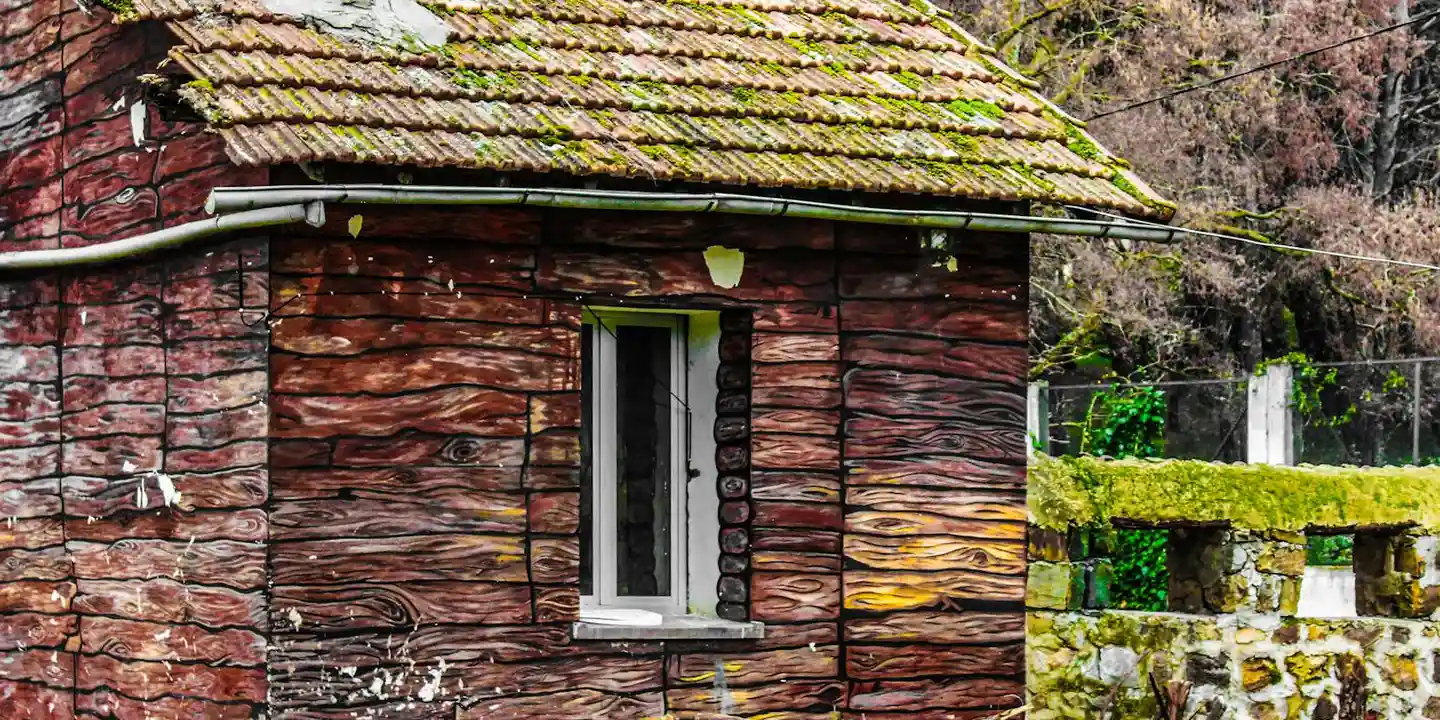
Choosing your material is where your measurements get real. A square of asphalt shingles and a square of metal are not the same animal. Here’s the crew’s breakdown of the three most common options homeowners consider.
| Material | Weight Per Square | Hail Resistance | Fire Rating | Best Climate Application |
|---|---|---|---|---|
| Asphalt Shingles (3-tab/Architectural) | 240-340 lbs | Moderate to Good | Class A (Standard) | Versatile. Good for most regions. Avoid in extreme, sustained heat. |
| Standing Seam Metal | 80-150 lbs | Excellent | Class A | Excellent for snowy regions (sheds snow), coastal areas (salt-resistant coatings), and fire-prone zones. |
| Synthetic Slate/Composite | 300-400 lbs | Excellent | Class A | All climates. Ideal where you want a slate/tile look without the extreme weight or cost. |
Breaking Down the Best Bang for Your Buck
For most budgets in most places, quality architectural asphalt shingles are the workhorse (especially when compared to other roofing materials). They offer solid durability, a wide range of styles, and every roofer knows how to install them correctly. I’ve put them on hundreds of homes.
If your budget allows and you live where snow or hail is a constant threat, standing seam metal is a lifetime investment. The upfront cost is higher, but you’ll likely never replace it. Think of it like buying the best tools you’ll ever own.
Choose synthetic slate if your priority is a premium look and you’re not in a strict budget scenario. It gives you the high-end curb appeal of slate or clay tile, but the panels are easier to install and won’t stress your roof’s structure like real stone would. When you compare synthetic roofing materials to traditional options, you’ll spot differences in weight and installation ease. These nuances can guide your choice on durability and upkeep.
FAQ: How Much Roofing Material Do I Need?
This ties your measurements directly to your material choice. Remember, “one square” equals 100 square feet of roof area.
Take your total roof area in square feet and divide by 100. That’s your starting number of squares. From a 2,000 sq ft roof area, you get 20 squares.
Now, you must add waste. You can’t use every piece of every shingle or panel. Cuts, starter rows, and hips create off-cuts.
- Asphalt Shingles: Add 10-15% to your total. For 20 squares, order 22-23 squares.
- Standing Seam Metal: Add 5-10%. The long panels are efficient. For 20 squares, order 21-22 squares.
- Synthetic Slate: Add 10-12%. The interlocking pieces are precise but still need trimming. For 20 squares, order 22-22.5 squares.
Always have your contractor specify the final amount in your quote. A pro will calculate the exact waste factor based on your roof’s specific cuts and valleys. Your job is to understand what that number represents.
Calculating Sheathing Needs (The Deck Beneath It All)
The roof area you measured earlier does double duty. It’s also the area you need to cover with sheathing. Think of sheathing as the solid skeleton of your roof. Shingles or metal go on top of it.
You buy sheathing in large sheets. The industry standard is a 4-foot by 8-foot sheet. That gives you 32 square feet of coverage per sheet.
To find out how many sheets you need, take your total roof area and divide it by 32. Let’s say your roof is 2,000 square feet. The math is 2,000 ÷ 32 = 62.5 sheets. You always round up, so you’d need 63 sheets to start.
You must add a waste factor of 5% to 10% for cuts and potential damaged sheets. A complex roof with lots of valleys, hips, and dormers creates more odd-shaped cuts and waste. For our 63-sheet example, adding 10% means buying about 70 sheets total.
The type of sheathing you choose changes the project’s bottom line. The two main options are plywood and OSB (oriented strand board).
- Plywood is often more expensive but has a reputation for holding fasteners well, especially at the edges.
- OSB is typically the more cost-effective choice and performs very well when installed correctly.
When figuring out how much roof sheathing costs, the material choice is just the first variable. The grade and thickness matter too. Older roofs might have 3/8-inch sheathing, but modern building codes often require 7/16-inch or 1/2-inch for proper nail hold. With OSB, sticking to roof sheathing best practices—proper nail patterns and moisture control—matters. Those guidelines also affect install time and overall cost.
If you’re doing a full replacement, you’re not just paying for boards. The labor to carefully remove the old roof, dispose of the debris, and install the new sheathing is a major part of the final bill. A crew also has to install new roof underlayment (like felt or synthetic) over the fresh sheathing. This layered cost is what determines how much it costs to replace roof sheathing on your home.
My crews always check local codes. In some areas, if you replace more than a certain percentage of sheathing, you’re required to bring the entire roof deck up to the newest code for thickness and fastener spacing. It’s a safety upgrade, but it affects the material count and price.
Insulation Depth Explained: R-Value Is Your Real Guide

Homeowners often ask me about insulation “depth.” They see pictures of thick, fluffy attics and think that’s the goal. It’s not. Chasing a certain number of inches is the wrong way to think about it.
The only number that matters for performance is the R-value, which measures resistance to heat flow. A higher R-value means better insulation. Different materials achieve the same R-value at different thicknesses. Six inches of one type might equal ten inches of another.
So, what insulation depth is required for your residential roof? The real question is: what R-value does your home need? That answer comes from your local climate zone.
The U.S. Department of Energy divides the country into climate zones. For most of the country (Zones 4 and above), the recommended R-value for an attic floor is between R-49 and R-60. In warmer southern zones (1-3), you might see R-30 to R-49. Your local building code will specify the exact minimum for your area, and that’s the number you must meet.
How Much Insulation Do I Need for My Roof? A Simple Calculation
Figuring out how much insulation you need for an unfinished attic floor is straightforward math. First, calculate your attic’s square footage (length x width). Second, check the coverage on the insulation bag or batt label. It will say something like “Covers 40 sq. ft. per bag at R-19.”
The basic formula is: Attic Square Footage ÷ Coverage per Bag = Number of Bags Needed.
Let’s say you have a 1,000 sq ft attic and need to reach R-38. You buy batts that are R-19 each. You would need to install two full layers of those batts to hit your target (R-19 + R-19 = R-38). Since one layer of R-19 batts covers 1,000 sq ft, you’d need enough batts to cover 2,000 sq ft total. If one bag covers 40 sq ft, you’d need 50 bags for the job.
Determining how much insulation in roof assemblies is different. I’m talking about cathedral ceilings or finished attic spaces where the insulation sits between the roof rafters. Here, you are limited by the rafter depth. You must achieve the required R-value within that space, which often requires high-performance materials like rigid foam or spray foam. Always consult a pro for these scenarios.
The Critical Air Gap for Roof Insulation
This is the part I check on every single insulation job I inspect. The air gap is the non-negotiable, vented space between the top of your insulation and the underside of your roof deck (the sheathing).
Think of your attic in winter. Warm air from your house rises into the attic. If that warm air touches the cold roof sheathing, it creates condensation. That moisture rots wood and breeds mold. It also melts snow unevenly, causing ice dams.
The air gap, connected to your soffit and ridge vents, acts as a chimney, letting cold outside air flow through to carry away that heat and moisture. It keeps your roof deck cold and dry, which is exactly what you want. This is a key part of roof ventilation, designed to maintain airflow and prevent heat buildup. Effective roof ventilation helps keep the entire roofing system balanced year-round.
So, how much air gap for roof insulation is required? A clear, unobstructed channel of at least 1 inch is the standard minimum. We install plastic or foam baffles (often called raft-R-mates) between each rafter to hold the insulation back and guarantee this airway stays open from the soffit vent all the way up. Blocking these vents by stuffing insulation against the roof deck is one of the most expensive mistakes you can make. I’ve torn out too many rotten roof decks where this simple rule was ignored.
The Attic Connection: How Roofing and Insulation Work as a System
Think of your house like a person wearing clothes for the weather. Your roof is the jacket or hat. Your attic insulation is the sweater underneath.
The color and material of your roof directly affect your attic’s temperature. A dark roof absorbs more heat. A lighter roof reflects it. On a sunny day, your attic can easily become 40 degrees hotter than the outside air.
Insulation’s job is to slow that heat down. It doesn’t stop it completely, but it creates a massive barrier, so the heat (or cold) takes much longer to move into your living space.
Ventilation is the critical third piece, acting like your house’s exhale to push that built-up heat back outside.
How Much Does Roof Insulation Actually Help?
It helps a lot. Adding proper attic insulation is one of the smartest, most cost-effective upgrades you can make.
Insulation is measured by its R-value, which is its resistance to heat flow. Higher number, better resistance. Think of it like the thickness of that winter hat. A thin cotton beanie (low R-value) won’t do much in a blizzard. A thick, thermal-lined trapper hat (high R-value) will.
In most of the country, building codes recommend an R-value between R-38 and R-60 for attics. That’s often about 10 to 16 inches of fiberglass or cellulose insulation.
Upgrading from minimal or old, compacted insulation to current standards can cut your heating and cooling costs significantly, often paying for itself in just a few years. I’ve been in attics where adding insulation was like closing a drafty window the homeowner never knew was open.
The Hidden Cost of a “Cold” Attic
Here’s the connection many homeowners miss. You could install the most expensive, durable roof on the market, but if the attic beneath it is poorly insulated, you’re wasting money.
Your heating and cooling system has to work overtime to fight the temperature extremes bleeding in from the attic. That strains the equipment, shortens its life, and runs up your bills.
A poorly insulated attic forces your HVAC to compensate for your roof’s job, negating the energy efficiency of even the best new roof.
Before you finalize any roofing material calculations, look up. Check your attic insulation depth and condition. It’s the other half of the system that keeps you comfortable and your energy costs in check.
Safety and Code Reminders Before You Start
Let’s talk safety before you do anything else. I tell every homeowner the same thing I tell my crew. Your safety is more important than any measurement or material calculation. When you’re on the roof, proper fall protection is non-negotiable. I’ve seen too many close calls. Use a harness system with secure anchors. In the attic, treat it like a dusty job site. Wear a tight-fitting mask and gloves. Fiberglass or old insulation can make you cough for days.
Now, onto the rules. You must check your local building codes. Think of codes like the recipe for a safe, efficient roof; you can’t just guess the ingredients. Required R-values for insulation and minimum ventilation rates are legal requirements, not friendly suggestions. I once had to help a neighbor tear out brand-new insulation because it was the wrong R-value for our zone. Your local building department’s website has this info. A quick call can save you a major headache later.
Here’s a common question I get about permits. A full re-roof or any work that involves replacing the roof deck (sheathing) almost always needs a permit. Getting a permit means an inspector verifies the work is done right, which protects your investment. Adding more insulation batts over existing material usually doesn’t require one, but rules vary. Always verify. Skipping a permit might seem easier now, but it can cause real issues during a home sale or insurance claim.
My final piece of advice is simple. Know when to call a professional. If your roof is high, steep, or has complex angles, hire a pro to measure and quote it. I’ve done this for decades, and an accurate measurement is a skill. A pro’s quote might cost a small fee, but it ensures you buy the correct amount of material and that the insulation depth meets code. It’s worth every penny for the peace of mind and compliance.
Quick Answers
I have leftover materials after my project. Should I keep them?
Yes, always keep a full bundle of shingles or a few panels. Store them flat and dry in a garage or shed. This gives you perfect color-matched material for future repairs from storm damage or wear.
Can I just add more insulation over the old stuff in my attic?
Only if the existing insulation is completely dry and not compacted. Never block the soffit vents-install baffles to maintain a clear air channel. Use unfaced batts or loose-fill to add the new layer.
How do I check if my roof sheathing needs replacing from inside the attic?
Look for dark stains, soft spots when you press up, or any daylight coming through. If you see widespread issues, plan to budget for a full deck replacement; spot repairs often lead to more problems.
Securing Your Home with a Well-Planned Roof
I always tell homeowners that precise material calculations and correct insulation depth are what separate a good roof from a great one. Beyond these numbers, roof construction methods—how you frame, sheath, vent, and flash—drive long-term performance. Nail these two things, and you build a system that guards against weather and waste for years.
Your role is to maintain that protection with safe, informed Roof Care. Prioritize roof repair safety practices by using fall protection gear, sturdy ladders, and proper tool handling. This mindset guides every maintenance check and prepares you for the steps ahead. Turn to a trusted All Types of Roof Guide for reliable Maintenance steps that preserve your roof’s strength and your home’s value.
Ray Huffington
Ray is an experienced roofer. He has worked as a general contractor in the roofing industry for over 15 years now. He has installed and repaired all kinds of roofs, from small houses to large mansion, and from basic shingles to cement and metal roofs and even solar roof panels. He has seen homeowners struggle with roofing questions and always has experience based proven advice to help those in need. If you need roof pros, Ray's your guide.